
2027 Return on Investment (ROI) of an English Degree Program

Co-Founder and Chief Data Scientist
Many prospective students wonder if an english degree justifies the investment amid rising tuition costs and a competitive job market. Despite concerns, data shows that 72% of english graduates find employment within six months of graduation, demonstrating relatively strong job placement in fields such as publishing, education, and communications.
However, wage variability and career path diversity often make the degree's return on investment unclear. This article will analyze the financial and professional outcomes of earning an english degree, helping readers understand its value compared to other academic options and how to optimize career potential post-graduation.
Key Things to Know About English Degree ROI
- English degree holders earn, on average, 10% higher salaries than those with only a high school diploma, reflecting increased earning potential over time.
- The degree offers versatility, enabling careers in education, publishing, marketing, and communications, thus enhancing job stability across multiple industries.
- Long-term salary growth is supported by career advancement opportunities in managerial and specialized roles that often require strong analytical and communication skills.
How Is ROI Calculated for a English Degree Program?
Return on investment (ROI) in higher education measures the financial benefit a student gains compared to the costs and time required to complete a degree. For students considering an English degree, ROI helps weigh the value of career opportunities and earnings potential against the total investment.
Several key factors are essential to calculate English degree program ROI, highlighting both expenses and potential returns:
- Tuition and Fees: This includes all direct educational costs such as tuition, books, and administrative fees. These expenses represent the initial financial investment and are critical when you calculate English degree program ROI.
- Opportunity Cost: Opportunity cost reflects the income forgone while studying instead of working full-time. This factor captures the hidden cost beyond what is spent on tuition alone.
- Time to Completion: The duration of the program impacts the total cost by affecting both lost wages and ongoing expenses. A shorter completion time often improves ROI by reducing these burdens.
- Post-Graduation Salary Outcomes: Expected earnings immediately after graduating provide insight into how the degree enhances earning potential in relevant fields.
- Long-Term Career Advancement: The degree's influence on promotions and salary growth throughout a graduate's career also factors into ROI, reflecting sustained financial benefits.
For those interested in other disciplines, affordable options such as artificial intelligence degree programs may offer different ROI profiles worth exploring.
How Much Does a English Degree Program Cost?
Evaluating the true return on investment (ROI) of an English degree program requires a clear picture of the total costs involved. Graduate tuition and fees for humanities programs in the U.S. have grown roughly 3% each year over the last decade, which has amplified the challenge of managing student debt. To understand how these expenses factor into ROI, several key cost contributors should be considered.
The main financial elements that influence the overall cost include:
- Tuition and fees: This usually represents the largest portion of the expense and fluctuates considerably between public and private universities, directly affecting how affordable the degree will be.
- Books and materials: Required textbooks, software subscriptions, and other course supplies can collectively add several hundred dollars per semester, making them a non-negligible expense.
- Living or relocation expenses: Housing, food, transportation, and other daily necessities become significant costs, especially for students who must move to attend their program.
- Opportunity cost: Time dedicated to earning the degree often means less income from full-time work, a notable sacrifice for those switching fields or returning to school later in life.
- Hidden or indirect costs: Additional fees such as technology charges, lab costs, and possible travel to internships or conferences may not be immediately apparent but impact the total investment.
A graduate of an English degree program shared his experience when asked about the overall cost. He recalled feeling overwhelmed by how expenses added up beyond just tuition. "I hadn't fully accounted for the cost of specialized books and software that each course required," he said.
Balancing part-time work while managing relocation and daily living bills was another hurdle, making the entire journey feel financially tight at times. He emphasized, "The opportunity cost was real-I had to forego a steady income for nearly two years, which was a tough decision." Despite these difficulties, he reflected that understanding all these costs upfront would have better prepared him to plan and reduce unexpected financial stress.
What Financial Aid Is Available for English Degree Programs?
Reducing upfront education costs through financial aid enhances the overall return on investment (ROI) for students pursuing an english degree by lowering debt and improving long-term earnings potential. Nearly 70% of graduate students rely on federal loans, underscoring the need to explore various financial support options to balance costs and benefits.
Common forms of financial aid that impact ROI include:
- Scholarships: Awarded based on merit or financial need, scholarships decrease the amount borrowed by covering tuition or fees, directly improving ROI by reducing debt burdens.
- Grants: These non-repayable funds from government or institutional sources help offset educational expenses without adding to loan balances, supporting better financial outcomes.
- Fellowships: Typically for graduate students, fellowships provide stipends or tuition waivers, lessening out-of-pocket costs and often offering opportunities that can enhance career prospects and ROI.
- Employer tuition assistance: For working professionals, employer-sponsored programs can fully or partially cover tuition, enabling career advancement without substantial personal debt, which positively affects ROI.
- Federal loans: Although they increase total debt, federal loans usually offer lower interest rates and flexible repayment plans, which can make financing education more manageable while maintaining financial stability.
How Long Does It Take to Complete a English Degree?
The time required to complete an english degree significantly impacts its return on investment by affecting opportunity costs, delaying earning potential, and influencing accumulated tuition and living expenses. A shorter completion period typically improves financial outcomes by reducing these costs and enabling faster entry into the workforce. Several key factors play a role in determining how long studying for this degree takes.
These factors include:
- Enrollment status: Students attending full-time generally finish their degrees sooner than part-time enrollees. This accelerated timeline often boosts ROI by cutting down the total time spent in school and minimizing lost income streams.
- Program format: Online or accelerated programs can streamline course completion, making it possible to graduate faster and lower overall expenses compared to traditional schedules.
- Transfer credits: Leveraging prior college credits reduces the number of required courses, shortening degree length and thus decreasing both direct costs and opportunity costs.
- Internship and thesis demands: While these components can extend the time needed to graduate, they frequently add valuable practical experience that may enhance post-degree employment prospects.
- Scheduling flexibility: Flexible class times may allow students to balance work with study, though this can sometimes extend the duration needed to finish the degree.
When I spoke with a graduate of an english degree, she described how juggling a full-time job and evening classes stretched her studies beyond four years, making steady progress a challenge but also teaching her time management skills. "It wasn't just about fitting in classes," she said; "it was about pacing myself without burning out and making sure I grasped the material deeply enough to apply it professionally."
Despite the extended timeline, she felt her careful approach ultimately paid off, noting that the balance she struck improved her confidence entering the job market and gave her a stronger sense of achievement. Her experience underscores how individual circumstances and choices shape the journey, highlighting that completion time-while important-is one piece of a larger career puzzle.
Is ROI Higher for Online or On-Campus English Programs?
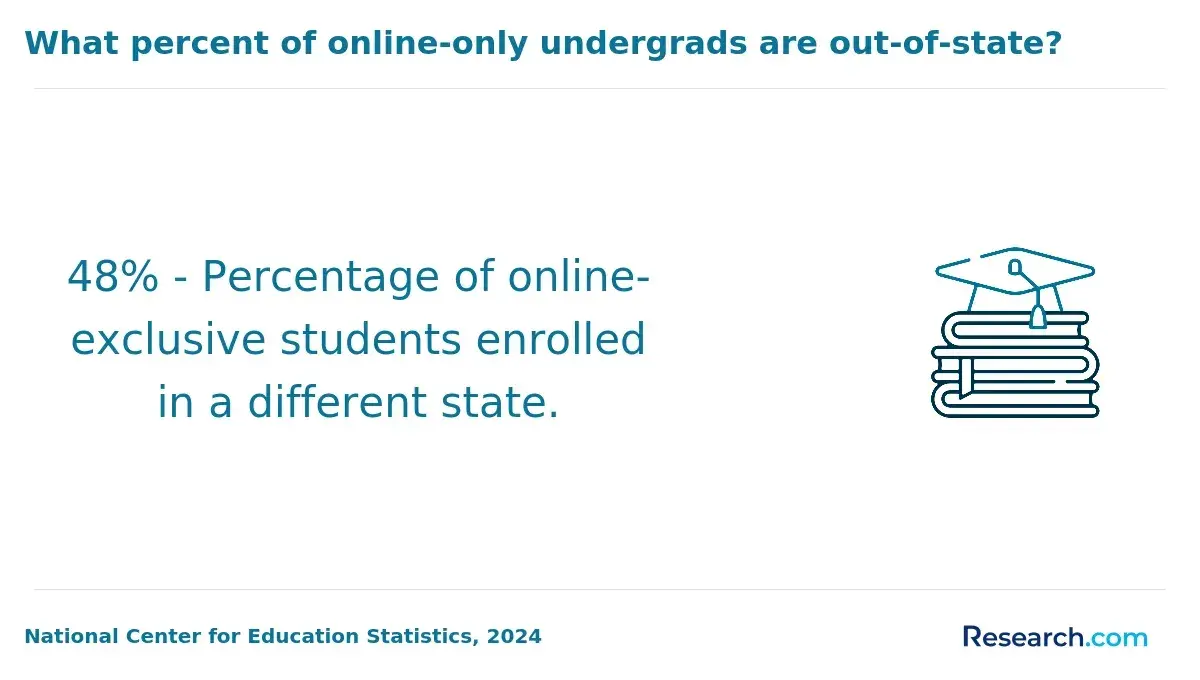
Delivery format plays a crucial role in the return on investment (ROI) for English degree programs, affecting cost, flexibility, and career outcomes. Notably, about 37% of U.S. undergraduate students have enrolled in at least one online course recently, reflecting growing acceptance of online learning. Evaluating the cost-effectiveness of online and campus english programs involves weighing tuition savings against career support and employer perceptions. Below are key factors impacting ROI:
- Tuition and Fees: Online programs generally have lower tuition and fees, reducing upfront expenses and making them more accessible for many students.
- Opportunity Cost: Flexible scheduling in online programs allows students to maintain full-time jobs, minimizing income loss during study, unlike on-campus formats that often require relocation or full-time attendance.
- Time to Completion: Online students can often accelerate their progress by studying at their own pace, while on-campus programs tend to have more structured timelines.
- Networking and Career Support: On-campus programs typically provide stronger networking opportunities and career services, which can help with job placement and long-term earning potential.
- Employer Perception: Although employer attitudes toward online degrees are improving, traditional on-campus degrees may still be favored in certain industries and regions.
For those looking to advance in social work or explore accelerated learning models, reviewing accelerated msw programs can provide insight into comparing formats and ROI. Weighing these factors carefully helps prospective students make informed decisions about the ROI of online versus on-campus English degree programs.
What Is the Average Salary After Earning a English Degree?
Post-graduation salary is a key driver of the return on investment (ROI) for an english degree, as it affects how quickly graduates can offset educational costs and achieve financial stability. The average salary for english degree graduates typically ranges from $40,000 to $70,000 annually, which varies significantly based on several factors.
Factors influencing english degree salary expectations include:
- Industry: Fields such as publishing, communications, or education often offer lower salaries compared to corporate communications, marketing, or content strategy, where pay tends to be higher.
- Geographic location: Salaries are generally higher in metropolitan areas with a greater cost of living versus rural regions, impacting overall earning potential and ROI.
- Prior experience: Internships or relevant work before or during college can lead to better starting wages and quicker career progression.
- Specialization: Graduates focusing on digital content, technical writing, or business communications often command higher salaries than those in more general english roles.
- Career level: Entry-level positions pay less, but salary growth typically occurs with increased seniority and leadership responsibilities.
Prospective students can benefit from analyzing these factors alongside the average salary for english degree graduates to assess financial feasibility. For those exploring related fields, reviewing accredited marriage and family therapy programs online may also offer valuable career insights.
Does a English Degree Lead to Promotions?
Promotions contribute significantly to the return on investment (ROI) of an english degree by increasing salary, expanding job responsibilities, and enhancing career mobility. These advancements can help offset the initial cost of education, making the degree financially worthwhile over time. A growing workforce trend is the emphasis on credential-based promotions, where formal education credentials are increasingly prioritized for employee advancement.
This trend explains why an english degree can be a strong factor in career growth. Below are key ways an english degree career advancement can influence promotion opportunities and improve ROI:
- Credential requirements: Many mid- and upper-level positions require formal educational credentials. Holding an english degree meets these prerequisites, enabling candidates to be considered for promotions more readily.
- Leadership skills: An english degree emphasizes communication, critical thinking, and cultural literacy, all essential skills for management roles. These capabilities prepare graduates to take on broader responsibilities effectively.
- Tuition support: Employees with an english degree may gain access to employer tuition reimbursement programs or other educational support, facilitating ongoing professional development and future advancement.
- Promotion policies: Internal promotion frameworks often favor employees with higher education credentials, enhancing the competitiveness of english degree holders seeking advancement.
- Experience and education: The combination of prior work experience and an academic credential like an english degree can increase a candidate's attractiveness for leadership and higher-paying roles.
Students and professionals evaluating their educational options should consider how an english degree fits into their career plans, especially in terms of promotions with a Bachelor of English. For those interested in further education, exploring an EdD degree online can be a valuable next step to deepen expertise and open more advanced career pathways.
Which Industries Offer the Best ROI for English Graduates?
Return on investment (ROI) for English graduates varies significantly across industries due to differences in salary levels, potential for career advancement, and demand for specialized skills. Some fields provide faster compensation growth and promotion opportunities, while others offer greater job stability or consistent demand for communication expertise.
Industries that commonly offer the highest ROI for English graduates include:
- Publishing and Media: This sector values advanced writing and editing skills. Although entry-level pay may be moderate, opportunities in editorial management and content strategy can result in substantial salary increases over time.
- Corporate Communications and Public Relations: Roles in this area leverage strong messaging and brand management skills. Compensation tends to be competitive, with clear pathways for upward mobility, especially in larger organizations.
- Education and Training: Beyond traditional teaching positions, curriculum design and educational content creation provide steady demand and reliable earnings, reflecting the long-term need for qualified professionals.
- Legal and Compliance Support: English graduates often excel as paralegals or compliance analysts, where strong analytical reading and writing skills lead to robust salaries and career growth.
- Advertising and Marketing: Creative communication skills find rewarding applications here, as positions often allow rapid advancement and performance-based compensation.
Because ROI depends on how well skills align with industry demands, evaluating the highest ROI industries for English graduates involves understanding sector growth and long-term earning potential. Prospective students and professionals may also explore quick online degrees to enhance their marketability. Selecting the best career paths for English degree holders requires careful consideration of skill application and industry trends.
Does Accreditation Affect ROI for a English Degree?
Accreditation signifies that an english degree program has met specific academic and professional standards set by an authorized agency, ensuring the curriculum is both rigorous and applicable. This credential validation enhances the degree's credibility, which many employers increasingly use as a key indicator of candidate quality. Such recognition improves graduates' prospects in the job market, often leading to better starting salaries and more competitive employment opportunities.
Additionally, accreditation plays a growing role in licensure eligibility and satisfies requirements for certain certifications relevant to career advancement. Beyond initial employment benefits, accreditation strengthens long-term ROI by fostering greater employer trust, which can accelerate professional growth. It also opens doors to federal financial aid, reducing upfront education costs and the burden of student debt.
Accredited programs typically offer smoother credit transfer options, facilitating further education or changes in academic paths without losing progress. Meeting accreditation standards ensures graduates remain eligible for necessary licenses, supporting sustained career mobility and financial gains over time.
Is a English Degree Worth It?
Evaluating the return on investment for an english degree requires careful consideration of several factors such as tuition costs, program length, starting salaries, and opportunities for career growth. Median early-career salaries for english graduates generally range between $40,000 and $50,000, often lower compared to STEM fields. The time and money spent pursuing a traditional four-year degree, including living expenses, can lead to considerable debt.
Career advancement depends largely on the ability to leverage skills in communication, writing, and critical thinking within competitive industries. The value of an english degree varies based on several elements including market demand for analytical and communication skills and whether the program is completed online or part-time, which can reduce expenses and duration. Financial aid, scholarships, and employer tuition support can improve affordability and boost ROI.
Students who align their studies with clear career goals, and who are willing to acquire additional certifications or experience, tend to improve their long-term earning potential. Conversely, without strategic planning or industry alignment, the degree's financial returns may be limited.
What Graduates Say About The ROI of Their English Degree
- Yves: "Choosing to pursue an English degree on a traditional campus was a pivotal decision for me. Despite the average annual cost of around $25,000, I viewed it as a long-term investment that would expand my critical thinking and communication skills. Now, as a content strategist, I see how the degree has opened doors to creative roles I hadn't imagined possible. It was absolutely worth every penny."
- Bianca: "Deciding to study English online was driven largely by cost-effectiveness, given that online programs can average about $15,000 per year. Reflecting on this choice, I appreciate how flexible learning allowed me to balance life and education while gaining valuable analytical skills. The return on investment became clear when I earned a promotion in my publishing career. I would recommend it to anyone weighing affordability and career growth."
- Sasha: "As a part-time English degree student, I often weighed the cost, approximately $10,000 per year, against the slower pace of completing the program. Ultimately, the journey was rewarding; the degree deepened my understanding of narrative and rhetoric, which has enhanced my work as a communications manager. While the financial and time commitments were significant, the professional advancement made it worthwhile."
Other Things You Should Know About English Degrees
Freelance and remote work opportunities provide English degree graduates with flexible career paths that can enhance the 2027 ROI. By leveraging gigs in writing, editing, and communications, graduates can increase employment opportunities and earning potential, often leading to a quicker recoupment of educational investments.
Specializations like technical writing, creative writing, or rhetoric can influence job prospects and salaries, thus impacting ROI. For example, technical writing often leads to higher-paying roles in technology and healthcare sectors, while creative writing may require more time to achieve financial stability. Prospective students should consider how their chosen focus aligns with industry demand.
References
- Top 7 reasons to Major in English: Why an English Degree is Worth It - wander and words https://www.wanderandwords.com/top-7-reasons-to-major-in-english-why-an-english-degree-is-worth-it/
- Why ROI Matters https://agb.org/trusteeship-article/why-roi-matters/
- Scholarships and funding | Study UK https://study-uk.britishcouncil.org/scholarships-funding
- What Can You Do with an English Degree? 10 Careers https://www.park.edu/blog/what-can-you-do-with-an-english-degree-10-careers/
- Accreditation and financial ROI | Woolf News & Updates https://woolf.university/news/accreditation-and-financial-roi
- English Studies - SWPS University https://english.swps.pl/academics/warsaw/ba-programs/english-studies
- Is an English Degree Worth It? https://www.snhu.edu/about-us/newsroom/liberal-arts/is-an-english-degree-worth-it
- Top 15 Scholarships for English Majors to Apply for in January 2026 https://bold.org/scholarships/by-major/scholarships-for-english-majors/
- Study programs in English | Gdańsk University of Technology https://pg.edu.pl/en/admission/bachelor-studies-international-students/study-programs-english


