
2027 English Degree vs. Certificate: Which Should You Choose?

Co-Founder and Chief Data Scientist
Today's students and professionals face critical decisions when choosing between earning an English degree or a certificate. Both paths can enhance career prospects, yet they differ in depth, duration, and specialization. For example, a bachelor's degree in English typically involves comprehensive study over four years, while certificates often focus on targeted skills within months.
Each option serves distinct goals: degrees offer broader academic and theoretical knowledge, valuable for teaching or research careers, while certificates provide practical expertise suited for marketing, communications, or editing roles. Understanding these contrasts helps learners decide which aligns best with their career ambitions and lifestyle demands.
Key Points About English Degree vs. Certificate Programs
- An English degree typically offers comprehensive literary analysis and critical thinking skills, enhancing long-term career prospects and higher salary potential compared to certificates.
- Certificate programs provide targeted skill development in shorter timeframes, ideal for professionals seeking quick credentials or specific expertise without full degree commitment.
- Degree holders often access broader job markets including education and publishing, while certificates may focus more on immediate technical skills like editing or digital content creation.
What Are the Differences Between English Degree and Certificate Programs?
Both pursuing an english degree and completing a certificate program can open doors to meaningful career paths, yet they differ in several important aspects. Understanding these distinctions enables students to select the educational route that aligns best with their professional goals and available time.
Below is a comparison highlighting key differences between english degrees and certificate programs.
- Depth of Learning: An english degree offers comprehensive study, including literature, writing, and critical analysis, suitable for those seeking thorough academic grounding. Certificates focus on specific skills or topics, ideal for learners wanting targeted knowledge in a shorter timeframe.
- Time Commitment: Degree programs typically require several years of study, appealing to students prepared for a long-term investment. Certificate programs are shorter and can be completed quickly, fitting those needing immediate skill development.
- Career Advancement: Degrees often provide broader qualifications that may facilitate entry into diverse roles or further education. Certificates cater to professionals aiming to enhance existing expertise or specialize without pursuing a full degree.
- Cost and Flexibility: Certificates generally cost less and offer more flexible scheduling, beneficial for working adults or those with limited resources. Degrees usually involve higher costs and a more structured academic calendar.
How Long Does It Take to Complete a English Degree vs. a Certificate Program?
Completion time is a crucial consideration for students deciding between an English degree vs. a certificate program. Understanding the time commitment required for each option helps prospective students plan their education according to their career goals and personal schedules.
- Typical Duration: Earning a traditional bachelor's degree in English generally requires around 120 credits completed over four years of full-time study. Associate degrees usually take two years, while graduate degrees like master's programs can take an additional two years or more. By comparison, an English certificate program duration is much shorter, typically ranging from a few weeks up to 18 months, depending on program intensity and scope.
- Flexibility: Degree programs often follow a structured sequence with full-time study progressing faster than part-time. Certificates tend to be more flexible, offering self-paced or evening study options that appeal to working professionals or those balancing other commitments. Some certificate programs even allow completion within weeks, whereas degrees almost always require multiple years.
- Factors Affecting Timeline: Several elements influence how long it takes to complete either path, including program structure, prior credits or relevant experience, and course availability. Degrees may have strict curriculum sequencing, limiting acceleration options, while certificates often provide rolling admissions and adaptable schedules. Transfer credits or advanced placement can shorten both degree and certificate timelines.
For those interested in advanced study options, exploring a 1 year master program may offer a more expedited path post-undergraduate degree.
Can You Complete a English Degree or Certificate Entirely Online?
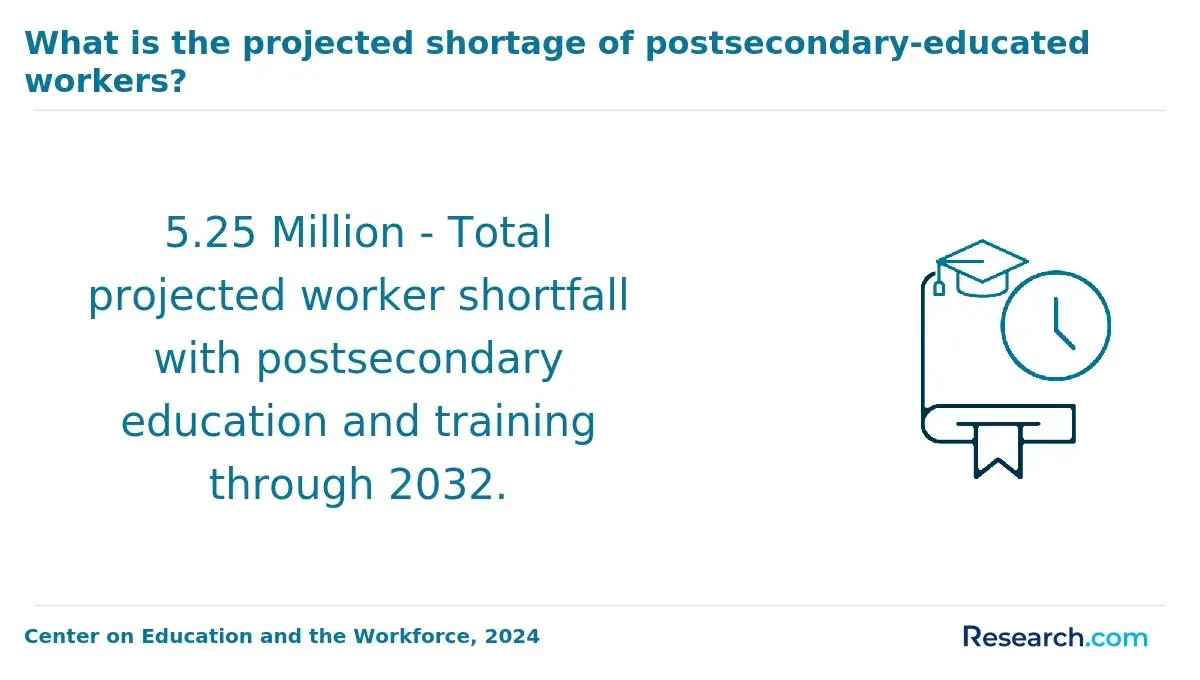
The rise of online education has significantly expanded access to both english degrees and certificates for students across the United States. Today, many accredited universities-such as National University, Southern New Hampshire University, and University of Arkansas-offer bachelor's and associate degrees in english that can be completed entirely online. These fully online english degree programs maintain the same academic rigor as their on-campus equivalents, covering literature, composition, and critical analysis.
Meanwhile, online english certificate courses USA are typically shorter and more focused, often available from community colleges and universities. Some programs may have hybrid formats or require occasional on-campus attendance, so reviewing specific program details before enrolling is essential.
When choosing between an online english degree or certificate, students should consider whether their goals involve hands-on training, internships, or licensure requirements. Practical experiences are generally optional and may be arranged locally or remotely, but certain fields like teaching may demand additional state-specific criteria that cannot be fulfilled entirely online.
To select the right program format, reflect on your need for flexibility, career ambitions, and preference for self-paced versus structured learning. For those eager for broad career options with maximum convenience, fully online english degree programs provide effective pathways.
For more information on related educational options, see degrees for older adults.
Breakdown of All 4-Year Online Title IV Institutions

What Are the Admission Requirements for a English Degree vs. a Certificate Program?
Admission requirements are key factors to consider when choosing between an english degree or certificate program, as they influence your eligibility and readiness. Understanding these criteria will help you decide which academic path aligns better with your background and goals.
Below is a side-by-side comparison highlighting the typical admission requirements for each program type in the United States.
Admission Requirements for English Degree Programs
- Educational Background: Applicants typically need a high school diploma for undergraduate degrees or a bachelor's degree, often with substantial coursework in english, for graduate programs.
- Transcripts: Official academic transcripts must be submitted to verify prior education.
- GPA Minimums: Most programs expect a minimum cumulative GPA, usually between 2.0 and 3.0 for both undergraduate and graduate admissions.
- Standardized Tests: ACT or SAT scores are often optional for undergraduate admission, and GRE scores are increasingly waived for graduate programs.
- Letters of Recommendation: Graduate applicants generally must provide 2-3 academic references.
- Writing Sample: Graduate programs require a substantial writing sample to assess analytical and writing skills.
- Statement of Purpose: A written statement outlining academic interests and career goals is standard for graduate-level applications.
- English Proficiency: International students usually need to submit TOEFL or IELTS scores, with typical minimums such as TOEFL iBT 80 or IELTS 6.5.
Admission Requirements for English Certificate Programs
- Educational Background: Most certificate programs require only a high school diploma or equivalent, though some may accept applicants with an associate degree or relevant work experience.
- Transcripts: Submission of transcripts is generally requested but reviewed less rigorously than for degree programs.
- GPA Minimums: These are usually lower or not specified for certificate admissions.
- Standardized Tests: SAT, ACT, or GRE scores are rarely needed for certificate programs.
- Letters of Recommendation: Typically not required.
- Writing Sample: Usually unnecessary, though some programs might ask for a brief personal statement or writing example to assess basic proficiency.
- English Proficiency: Proof of English proficiency such as TOEFL or IELTS may be required for non-native speakers, often with lower minimum scores compared to degree programs.
These distinctions illustrate the broader accessibility of certificate programs, which have fewer barriers to entry and focus on specialized skills. In contrast, degree programs demand more selective and academically intensive criteria. For those exploring options, understanding the english degree admission requirements in the US alongside certificate program entry criteria for english is essential.
If you want to explore alternative academic routes, consider the fastest associates degree options available.
How Many Credits Do You Need to Complete a English Degree vs. a Certificate?
Knowing the number of credits required to complete an english degree or certificate is crucial for effectively planning your academic path and managing your time on campus. Understanding these credit expectations helps students set realistic goals and anticipate the duration of their studies.
Here is a breakdown comparing the credit requirements for english degree and certificate programs:
- Bachelor's degree: Typically requires between 120 and 124 semester credits, which generally equates to about four years of full-time study. This includes both general education and focused coursework within the major.
- Certificate programs: Much shorter, usually requiring 12 to 18 credits centered specifically on english or writing-related subjects. These can often be completed within one or two semesters.
What Is the Average Tuition for a English Degree vs. a Certificate?
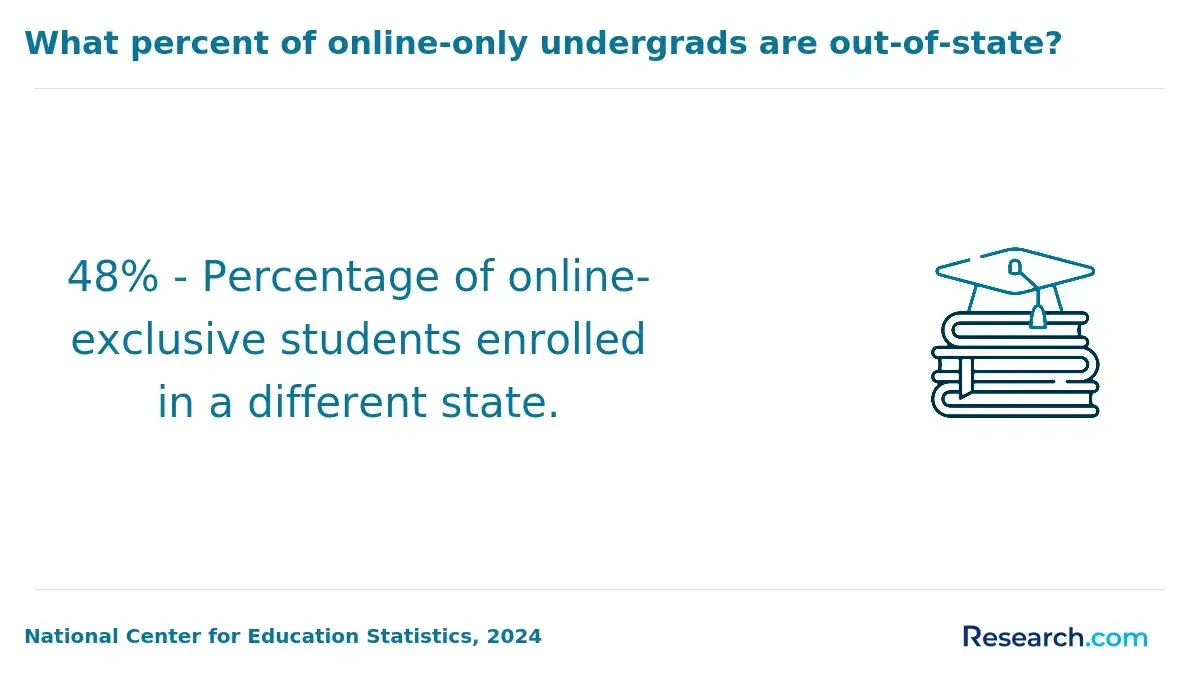
Tuition costs play a crucial role in deciding between pursuing an English degree or an English certificate program. These financial considerations impact not only immediate expenses but also long-term educational investment and career planning. Understanding the average cost differences helps clarify the best academic path based on budget and goals.
Below is a comparison highlighting the key tuition factors for each option to guide prospective students in weighing their choices.
Average Tuition for English Degree Programs
- Tuition Range: The average cost of an English degree program for a bachelor's ranges from about $10,174 (in-state) to $32,207 (out-of-state) per year at U.S. universities.
- Online vs. On-Campus: Online bachelor's degrees typically cost around $13,675 annually, compared to on-campus costs averaging $20,357 per year. Financial aid may reduce net prices to $7,674-$9,945 annually.
- Master's Level: Online master's programs in english range from $6,225 to $18,804 total tuition, with affordable options averaging near $8,250.
- Public vs. Private Institutions: Public colleges generally offer lower tuition, often under $15,000 annually for in-state students, while private colleges frequently charge above $20,000.
- Program Length: Bachelor's degrees require approximately four years, and master's degrees take about two years, multiplying annual tuition by program duration.
Average Tuition for English Certificate Programs
- Tuition Range: English certificate program tuition fees typically range from $1,000 to $7,000, with many community colleges and online providers offering lower-cost options.
- Program Length: Certificates require about six months to one year of study, making the total cost substantially less than degree programs despite sometimes higher per-credit prices.
- Public vs. Private Providers: Public institutions tend to have more affordable certificate tuition compared to private or for-profit providers.
- Online vs. On-Campus: Online certificate programs often reduce costs by eliminating campus fees and commuting expenses.
- Additional Fees: While some certificates include extra course or materials fees, total expenses remain significantly below those of degree programs.
For students seeking affordable paths, considering FAFSA approved online schools can provide financial assistance options and reduce the net cost of both degree and certificate paths.
Can You Transfer Certificate Credits Toward a English Degree Later On?
Transferring certificate credits toward an english degree is possible but depends heavily on each institution's policies. Generally, colleges require that credits come from accredited programs and that courses align closely with their own english curriculum in both content and difficulty. Many schools also insist that transfer credits meet minimum grade standards, usually a "C" or above. Because transfer rules vary widely, credits accepted by one university might not be recognized by another, so the specific alignment of courses is crucial.
There are often caps on the number of credits students can transfer; for example, some universities allow up to 90 transfer credits, while others limit lower-division credits applied to the degree. Even when credits transfer, they may not fulfill major requirements and could count only as electives. Confirming credit transferability before starting a certificate program is essential to avoid unexpected setbacks. Checking articulation agreements between institutions can provide clearer guidance and support better planning for degree completion.
Are Certificate Programs Accredited the Same Way as English Degrees?
Certificate programs in english are generally not accredited in the same way as degree programs. English degrees-like associate's, bachelor's, or master's-are offered by colleges or universities with regional or national accreditation from recognized bodies, ensuring academic standards and credit transferability.
Certificate programs tend to be shorter and more skills-focused and may be offered by community colleges, technical schools, or online providers. While some certificates are part of accredited institutions, many do not receive the same formal program-specific accreditation as degrees. Instead, their value often depends on the institution's reputation or industry recognition.
Accreditation matters because it guarantees a program meets minimum quality standards, supports credit transfer between institutions, and influences employer acceptance for hiring or promotion. Students should verify that the institution holds regional or national accreditation and check if a certificate is acknowledged by relevant professional groups or employers.
For english degrees, institutional accreditation is critical, and for certificates, either institutional accreditation or credible industry validation can be important. Before enrolling, always confirm accreditation through recognized accrediting agencies to ensure educational and professional benefits.
What Jobs Can You Get with a English Degree vs. a Certificate?
Both english degrees and certificates open doors to various career opportunities but generally lead to different types of roles or advancement potential. Understanding the distinctions between the two can help in choosing the right path based on your career goals and desired responsibilities.
Below is a comparison of typical job options available to graduates of each credential type.
Jobs You Can Get with an English Degree
- Editor: Oversees content accuracy and style in publishing or media environments, ensuring clarity and consistency.
- Technical writer: Creates manuals, guides, and documentation for technical products or services, often collaborating with engineers or developers.
- Content strategist: Plans and manages digital or print content to align with marketing or communication goals across various platforms.
- Public relations specialist: Develops and maintains a positive public image through media and communications campaigns.
- Teacher: Educates students in literature, writing, and language, typically requiring additional certification for K-12 roles.
- Legal assistant: Supports attorneys by preparing documents and conducting research in law firms or corporate legal departments.
Jobs You Can Get with an English Certificate
- Web content writer: Produces engaging digital copy tailored for websites, blogs, and social media channels.
- Administrative assistant: Handles office tasks such as scheduling, correspondence, and record keeping to support organizational efficiency.
- Paralegal: Performs legal research and document preparation under attorney supervision, often requiring specific certification.
- Project coordinator: Assists in organizing project activities, schedules, and communication among team members in various industries.
- Customer service representative: Provides support and problem resolution for clients, usually in call centers or service departments.
What Is the Average Starting Salary for a Certificate vs. English Degree Graduates?
Salary potential often varies significantly between graduates holding an english degree and those with certificate programs. Understanding these differences can help prospective students make informed decisions based on financial expectations and career goals.
Below is a side-by-side comparison of the average starting salaries and relevant factors influencing compensation for each group.
- Typical Salary Range: Graduates with an english degree in the U.S. typically start with salaries around $42,000 to $45,000 per year, increasing to $60,000-$70,000 mid-career. Certificate holders generally see wider variation, with non-technical fields earning roughly $30,000 to $40,000 annually, while some technical certificates, especially in healthcare or IT, can exceed $45,000.
- Influencing Factors: Industry and job type heavily impact salaries. English degree holders often work in education, communications, or administration, which pay less than technical fields where many certificate holders find employment. Location also matters - urban and high-cost areas usually offer higher starting pay. Experience, internships, and additional skills like digital certifications can boost offers for both.
- Career Outlook: While the average starting salary is generally higher for english degree graduates, certain technical certificates remain competitive, particularly in high-demand sectors. Those interested in trade school jobs salary trends should note that certificate programs offer quicker entry but a varied salary landscape compared to degree pathways.
Here's What Graduates of English Programs Say About Their Degree or Certificate
- Sylas: "Choosing an English certificate program was perfect for me because I wanted a fast-paced learning experience that fit my tight schedule. The certificate helped me boost specific skills quickly without the high cost of a full degree-definitely a smart investment for my career growth. For anyone weighing options, I'd say consider your time and budget before deciding."
- Corvin: "Pursuing an English degree gave me a comprehensive foundation that I couldn't get from a certificate alone. The deeper academic exposure has opened doors for me professionally and personally, even though it took longer and cost more to complete. If you aim for long-term impact and can commit the time, a degree is worth it."
- Thatcher: "I completed both the English certificate and degree programs, and I'd say each has unique strengths. The certificate offered a quick, affordable way to sharpen specific skills, while the degree provided a broad, in-depth exploration of the language and literature. When choosing, think about whether you want immediate results or a more extensive educational journey."
Other Things You Should Know About English Degrees
In 2027, English degrees typically offer structured internships and more opportunities for practical experience, providing students with hands-on learning and networking. Certificate programs might include less formal practical experiences, focusing instead on condensed skill-based training, suitable for those seeking immediate workforce entry.
In 2027, English degree holders often access a wider array of career opportunities, including roles in academia, publishing, and communications. In contrast, English certificate holders may secure positions that require more direct, skill-specific competencies, such as technical writing or content creation.
An English degree is generally required for admission to graduate programs in English or related fields. Certificates do not meet the prerequisites for most graduate-level study but can complement an undergraduate degree when applying. Graduate programs emphasize the depth of study and critical thinking skills developed in a degree curriculum.
References
- Degree vs Certificate Programs: What's the Difference? | Amber https://amberstudent.com/blog/post/degree-vs-certificate-programs-whats-the-difference
- Certificate vs. Degree: Pros, Cons, and Career Outcomes | National University https://www.nu.edu/blog/certificate-vs-degree/
- How Much Money Do English Majors Make? — Dear English Major http://www.dearenglishmajor.com/blog/how-much-money-do-english-majors-make
- Certification vs. certificate program: What's the difference? | edX https://www.edx.org/resources/certification-vs-certificate-program-what-is-the-difference
- Search and Transfer Your Credits https://humber.ca/transferoptions/transfer-in/transfer-credits.html
- 10 High-Paying Jobs for English Majors https://www.coursera.org/articles/jobs-for-english-majors
- Cost of studying in the UK | Study UK https://study-uk.britishcouncil.org/moving-uk/cost-studying
- Certificate Programs: Programs, Costs, Duration & Are They Worth It? - University of the Potomac https://potomac.edu/certificates-programs-costs-duration-are-they-worth-it/
- Certificate vs. Degree: What’s the Difference? https://www.columbiasouthern.edu/blog/blog-articles/2020/july/certificate-vs-degree/
- European Credit Transfer and Accumulation System (ECTS) https://education.ec.europa.eu/education-levels/higher-education/inclusive-and-connected-higher-education/european-credit-transfer-and-accumulation-system


