
2027 Which Employers Hire English Degree Graduates? Industries, Roles, and Hiring Patterns

Co-Founder and Chief Data Scientist
Many graduates with an English degree face uncertainty about which employers actively seek their skills-especially as industries evolve and demand shifts. A 2023 report revealed that nearly 40% of English graduates find employment outside traditional education roles, often within publishing, marketing, and tech companies where strong communication is prized. Yet, understanding how hiring patterns vary by industry, role, and geography creates a practical challenge. This article dissects the employer landscape for English graduates-highlighting key sectors, organizational types, early and mid-career roles, and hiring trends-offering readers a data-driven guide to navigate career decisions and optimize their job search strategies.
Key Things to Know About the Employers That Hire English Degree Graduates
- Employers in publishing, education, marketing, and nonprofit sectors commonly hire English degree graduates-media and tech firms increasingly value their critical thinking and communication skills.
- Roles span content creation, editing, teaching, and corporate communications, with entry-level positions often in assistant or coordinator capacities, progressing to managerial or specialist roles.
- Hiring patterns show geographical concentration in urban and coastal markets-with remote work options rising-and emphasize internship experience and digital proficiency for competitive candidacies.
Which Industries Hire the Most English Degree Graduates?
Identifying which industries employ the most English degree graduates is a crucial step for aligning academic preparation with career opportunities. Drawing on data from the Bureau of Labor Statistics (BLS), National Center for Education Statistics (NCES), and LinkedIn Workforce Insights reveals that several sectors dominate the landscape, each offering distinct organizational roles that shape hiring patterns.
- Education: The largest employer of English graduates, this sector primarily utilizes them in teaching roles across K-12 schools, community colleges, and universities. Beyond instruction, graduates contribute to curriculum development, academic advising, and educational content, making English a core operational function here.
- Publishing and Media: This industry hires English graduates for editorial, copywriting, and content creation roles where language mastery and communication skills are central to the business's success.
- Professional, Scientific, and Technical Services: Including marketing, public relations, and consulting, this sector engages English degree holders in branding strategies, client communication, and writing tasks. English serves as a critical support skill driving external messaging and reputation management.
- Government and Public Administration: English graduates support policy analysis, communications, and grant writing, where clear, persuasive writing backs public initiatives and information dissemination.
- Information Technology: Less expected but growing, IT hires English graduates for technical writing, user experience (UX) content, and documentation that translate complex concepts into accessible language.
- Healthcare and Social Assistance: Expanding roles for patient communication specialists, grant writers, and health education coordinators highlight the growing use of English skills to improve clarity in medical communication and support outreach programs.
- Finance and Insurance: English graduates assist with compliance documentation, marketing, and client communications, reinforcing regulatory adherence and customer relations through precise language.
These top sectors represent the primary arenas where English degree graduates find employment, encompassing both core functional uses and supporting roles. Industry concentration varies widely by degree level-associate, bachelor's, or graduate-as well as by specific English specializations such as creative writing, rhetoric, or technical communication. Exploring these nuances offers insight into hiring patterns and career trajectories available in today's competitive market.
Students exploring the fields related to English and considering advanced degrees might also examine degrees in AI-an increasingly relevant complement as digital literacy becomes essential across sectors that hire English graduates.
Industries hiring the most English degree graduates in the United States provide rich opportunities across diverse organizational types and geographic markets. Understanding this employer ecosystem is vital for high school seniors, community college students evaluating transfer options, career changers, and working professionals seeking evidence-based guidance on program choice, internships, and long-term career navigation.
What Entry-Level Roles Do English Degree Graduates Typically Fill?
English degree graduates frequently enter the workforce in a variety of entry-level roles-shaped by industry, organizational type, and geographic market. Early career positions drawn from BLS Standard Occupational Classification data and NACE salary surveys emphasize adaptability in communication, critical thinking, and content creation. Recognizing these roles helps graduates align their skills and portfolios with realistic job titles in the US job market.
- Content Development:
- Core responsibilities include writing, editing, and curating content for websites, social media, print publications, and corporate communications.
- Typical reporting structure places graduates under content managers, editors, or communication directors who oversee editorial tone and audience engagement.
- English competencies such as grammar mastery, storytelling, audience analysis, and research skills make graduates competitive-especially within marketing, publishing, and nonprofit environments.
- Communications Coordination:
- Core responsibilities involve managing internal and external communication, event coordination, and public relations support aligned with organizational goals.
- Typical reporting structure involves reporting to communications managers or public relations officers across sectors like nonprofits or corporate firms.
- English competencies include persuasive writing, media literacy, and tailoring messages for diverse audiences; common job titles comprise communication coordinator in nonprofits or PR assistant in corporate settings.
- Research and Analysis:
- Core responsibilities entail gathering and synthesizing qualitative and quantitative data to support marketing strategies, policy formulation, or consultancy projects.
- Typical reporting structure places entry-level analysts or research assistants under senior analysts or project managers in consulting, financial services, or educational organizations.
- English competencies such as critical thinking, structured writing, and complex information synthesis provide a strong foundation for these analytical roles.
- Editorial and Publishing Assistance:
- Core responsibilities cover manuscript review, fact-checking, managing publication workflows, and liaising with authors and vendors.
- Typical reporting structure involves supporting editors or publishing managers in traditional and digital publishing houses.
- English competencies like linguistic precision, familiarity with style guides, and proficiency in editing software are vital here.
Entry-level communication coordinator positions for English degree graduates showcase how industry context shapes responsibility scope-ranging from coordinating stakeholder outreach in nonprofits to performing data-driven analysis in financial firms and consulting agencies. Graduates should map these job titles against their academic focus, internship experience, and related portfolio pieces-such as published articles, social media projects, or research reports-to target roles where they hold the most competitive advantage.
Considering graduate study and its cost-effectiveness can also influence career paths; for example, students exploring the cheapest online master's in counseling might find complementary skills that broaden their employment horizons within communication and analysis roles.
What Are the Highest-Paying Employer Types for English Degree Graduates?
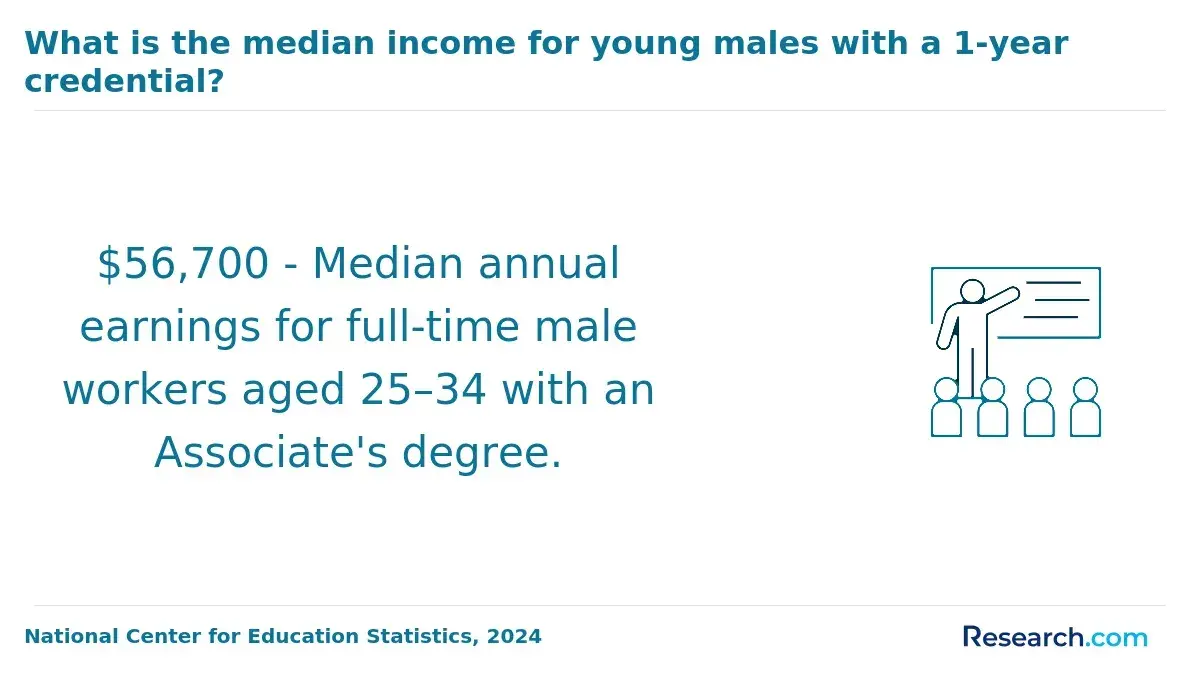
- Private Technology Firms: Typically offer the highest starting and mid-career salaries for English graduates-especially in roles like content strategy, technical writing, user experience, and marketing communications. Their strong revenue per employee and investment backing support not only competitive base pay but also bonuses, equity, and extensive benefits.
- Financial Services Organizations: Banks, investment companies, and insurance firms recruit English graduates for client communications, compliance documentation, and internal training. High profit margins allow these employers to provide attractive base salaries supplemented by performance bonuses.
- Professional Services Consultancies: Management consulting, legal support, and corporate training firms rely on English graduates for research, report writing, and client-facing tasks. Compensation tends to be robust due to billable hours and specialization, with notable salary growth through career progression.
- Government Agencies: While they ensure stable jobs with solid benefits like pensions and subsidized healthcare, government roles generally offer lower base salaries compared to private-sector employers. This reflects a trade-off favoring security over immediate financial reward.
Nonprofit Organizations: Salaries here are often on the lower end, constrained by limited funding and tighter budgets. However, larger nonprofits occasionally provide competitive pay combined with mission-driven work environments and flexible cultures.
Differences in pay largely stem from each employer's operational model and financial strength. Firms with strong investment or high revenue can afford greater monetary rewards and incentives, whereas public and mission-focused entities emphasize stability and benefits. Total compensation includes base salary plus bonuses, equity, retirement contributions, health perks, and professional development-which means apparent salary hierarchies may shift when viewed holistically. Career growth potential, culture, and job security are critical factors-positions offering higher initial pay but limited advancement might underperform long term compared to roles with modest start pay but rapid salary increases.
Reflecting on the highest-paying employers for English graduates, one professional shared his experience entering the private tech sector. "Navigating job offers was daunting because salary wasn't everything," he explained. "I focused on companies that valued growth and skills development-not just paycheck size. Early on, I had to weigh several offers with varying benefits and cultures. It was stressful balancing immediate needs with long-term fit. Ultimately, choosing a firm that invested in me made all the difference-it was less about the top number and more about where I could build a career."
Do Large Corporations or Small Businesses Hire More English Degree Graduates?
Data from the Census Bureau Statistics of U.S. Businesses, the BLS Quarterly Census of Employment and Wages, and NACE hiring intention surveys illustrate how employer size shapes opportunities for English degree graduates. Large corporations-including Fortune 500 firms-dominate hiring in roles such as corporate communications, technical writing, and content strategy. These organizations provide structured onboarding, formal training, and clear advancement pathways, offering strong brand recognition that boosts early career credentials. However, positions here tend to be more specialized with a hierarchical culture that can narrow daily responsibilities.
- Large Corporations: Offer formal training programs, well-defined promotion tracks, and resume value but feature specialized roles and rigid hierarchies.
- Mid-Market Companies: Combine organizational agility with some formal career development, providing cross-functional experience in publishing, marketing, and nonprofit communications.
- Small Businesses and Startups: Present broad responsibilities and rapid advancement in lean structures, ideal for graduates wanting versatility and entrepreneurial exposure-though training and job security may be limited.
- Nonprofits: Typically small to mid-sized, they hire for grant writing, outreach, and advocacy, appealing to graduates valuing mission-driven work over corporate prestige.
Choosing employer size depends on specialization and career goals-technical writers often gravitate toward large firms, while creatives might prefer smaller or mid-sized settings. Evaluating employer size as part of a comprehensive framework-including sector, mission, geography, and growth potential-helps English graduates navigate the job market strategically. For deeper insights on program options related to career growth, consider exploring anchors part-time PhD in economics.
How Do Government and Public Sector Agencies Hire English Degree Graduates?
- Agencies and Departments: Federal, state, and local governments employ English degree graduates in diverse roles across public affairs, policy drafting, speechwriting, and educational outreach. Notable employers include the Department of State, Government Publishing Office, Library of Congress, local education offices, and cultural affairs agencies. State workforce data highlight opportunities in public libraries and communication departments, while institutions like the Smithsonian and Department of Education specifically seek humanities graduates for research and editorial functions.
- Credential Requirements and Hiring System: Government roles follow the General Schedule (GS) structure where academic qualifications heavily influence entry-level classification and salary. Typical bachelor's holders enter at GS-5 or GS-7 levels in administrative or communications tracks, with advanced degrees opening doors to higher GS grades. Many positions mandate U.S. citizenship and may require security clearances depending on job sensitivity. Hiring differentiates between competitive service-requiring formal applications and structured evaluations through USAJobs-and excepted service, which offers more flexible yet regulated recruitment mainly in specialized fields.
- Employment Stability and Advancement: Public sector jobs offer pronounced job security, pension plans, and extensive health benefits that often surpass private-sector counterparts. Advancement follows a regulated GS promotion path that can slow salary growth but rewards patience and sustained service. These trade-offs appeal to graduates valuing steady career progression and comprehensive benefits over rapid income increases.
Entry-Level Opportunities: Programs like the Pathways Internship and Recent Graduate initiatives at federal agencies such as the Department of State or National Endowment for the Humanities create early-career entry points by combining hands-on training, public service exposure, and mentorship opportunities designed for English majors.
A recent graduate who forged her career after earning an English degree reflected on navigating this hiring landscape: "The process was daunting-submitting extensive applications and tailoring my resume to strict qualification standards felt overwhelming at first. But the clarity of steps and feedback cycles made it manageable. Landing a position through a fellowship program was transformative-it provided real-world experience and mentors who guided my professional growth. The steady pace of advancement encouraged me to focus on skill-building and long-term goals rather than quick promotions. Looking back, it was the structured, transparent nature of government hiring that gave me confidence and stability early on."
What Roles Do English Graduates Fill in Nonprofit and Mission-Driven Organizations?
English graduates find meaningful opportunities across nonprofit and mission-driven organizations that prioritize communication, storytelling, and critical analysis. National Council of Nonprofits and Independent Sector data reveal that these graduates often work within program areas focused on education, advocacy, community outreach, cultural conservation, and grant writing.
- Program Areas: Roles commonly include designing educational content, facilitating literacy initiatives, crafting advocacy messages, and managing arts programming. These functions rely heavily on English skills to engage communities and elevate organizational missions.
- Organizational Types: Employers span traditional nonprofits like charities, foundations, and social service agencies, as well as cultural institutions. An emerging category-mission-driven for-profit entities such as benefit corporations, social enterprises, certified B Corporations, and impact startups-offers a blend of purpose and enhanced earning potential, attracting English graduates seeking both impact and financial sustainability.
- Functional Roles: Typical positions include communications specialist, grant writer, program coordinator, development officer, and content manager. These jobs often demand versatility-combining writing, editing, event coordination, and stakeholder interaction-to advance organizational goals and secure funding.
- Differences From The Private Sector: Nonprofit jobs usually require broader responsibilities, with English graduates overseeing multiple program areas and handling tasks outside strict job descriptions. This fosters accelerated skill growth but may come with lower salaries compared to private sector counterparts. However, nonprofits frequently offer richer intrinsic rewards related to mission fulfillment and community impact, balancing financial limitations.
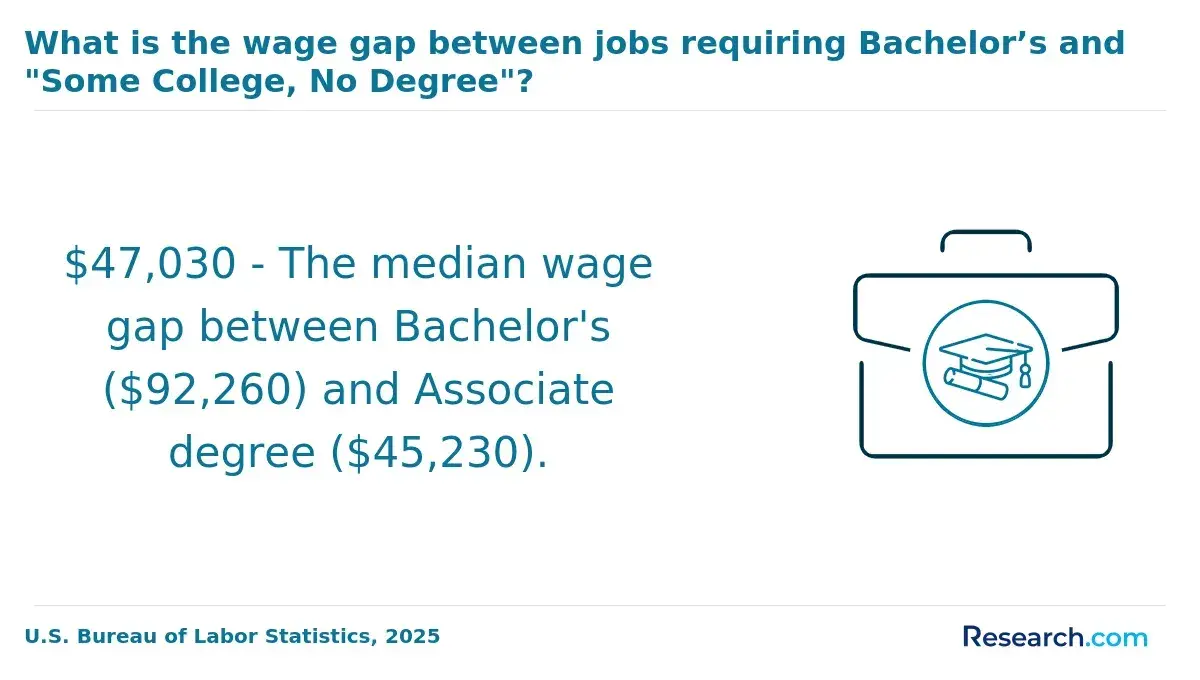
Compensation and Trade-Offs: Starting pay in nonprofits tends to lag behind private industry rates, though public service loan forgiveness programs like PSLF can offset costs. Mission-driven for-profits provide a middle ground-retaining social values while offering more competitive pay. Graduates must weigh passion against practical financial considerations when charting these career paths.
How Does the Healthcare Sector Employ English Degree Graduates?
The healthcare industry employs English degree graduates across a variety of organizations-from hospital systems and insurance carriers to pharmaceutical companies, public health agencies, and health tech startups. These employers value the communication, analytical, and critical thinking skills English graduates bring to complex healthcare environments. Data from the BLS Occupational Employment and Wage Statistics and NCES graduate destinations show graduates filling roles that leverage writing, research, and strategic communication.
- Organizational Types: Hospitals engage English graduates for patient education materials, grant writing, and internal communications; insurance companies use their skills for policy documentation and compliance writing; pharmaceutical firms require regulatory writing and research summaries; public health agencies depend on them for community outreach and policy analysis; health tech startups seek expertise in UX writing and content strategy.
- Competency Intersections: English graduates contribute through strong written and verbal communication, data analysis for research reports, operational workflow understanding, and behavioral science applications that enhance patient engagement and health literacy. Skills in technical writing, digital communication, and policy research heighten employability within healthcare.
- Regulatory and Credentialing Awareness: Knowledge of healthcare laws, privacy standards like HIPAA, and healthcare-specific terminology is essential. While licensure is not typically required, roles in medical writing or compliance may necessitate certifications or specialized healthcare education.
- Employment Trends: Healthcare offers notable job stability and recession resilience. Growth is fastest in health tech and public health sectors. English graduates focusing on digital content and data-driven strategies should consider metropolitan hubs leading healthcare innovation, including Boston, Seattle, and Raleigh.
Which Technology Companies and Sectors Hire English Degree Graduates?
Technology companies increasingly recognize the value of English degree graduates, leveraging their skills in communication, critical thinking, and analysis across diverse roles. Based on LinkedIn Talent Insights and labor market analytics from Burning Glass and Lightcast, English graduates have promising pathways both within technology companies and in the technology functions of non-tech firms-offering two primary channels into tech-related employment.
- Tech-Core Employment: Within technology firms-ranging from software developers to AI startups-English graduates contribute to product management, UX writing, content strategy, and technical communication. Their expertise in creating clear documentation, translating complex concepts for varied audiences, and shaping narrative marketing is especially valued.
- Technology Functions in Other Industries: English holders also work in the tech-enabled functions of sectors like finance, healthcare, retail, and manufacturing. Here, they support digital transformation efforts, IT governance, and technology adoption, emphasizing collaboration and translating technology changes for stakeholders. This alignment highlights opportunities for technology companies hiring English degree graduates in the US outside traditional tech firms.
- Shift Toward Skills-Based Hiring: The tech sector's movement away from strict degree requirements-embracing remote-first models and interdisciplinary teams-has broadened access for English graduates. Candidates with strong writing, research, and problem-solving skills gain entry even without conventional computer science credentials.
- Entry Points and Portfolios: Successful candidates tend to build portfolios showcasing technical writing samples, digital content, and familiarity with content management systems or basic coding. These elements enhance positioning for tech roles.
- Growing Sub-Sectors: Rapidly expanding domains such as health tech, fintech, edtech, climate tech, and AI-adjacent fields demand English-related expertise for tasks like patient education, compliance communications, multimedia scripting, data translation, and ethical AI guidelines.
- Geography and Career Stage: Urban tech hubs like San Francisco, Seattle, and Boston offer robust hiring for mid-level content strategist and product operations roles, while remote work expands reach nationwide.
English degree holders pursuing tech industry roles for English degree holders should tailor portfolios to bridge technical and non-technical communication, combining literary strengths with digital literacy. For career changers and those exploring accelerated programs, resources such as the best online paralegal programs can offer insight into related fields and educational pathways.
What Mid-Career Roles Do English Graduates Commonly Advance Into?
Mid-career roles for English degree graduates typically arise five to ten years after entry-level positions-marked by increased responsibility, specialization, and leadership. According to BLS wage percentile data, LinkedIn career progression analytics, and NACE alumni outcome reports, these graduates commonly transition through several title progressions and specialization tracks. Common mid-level job titles for English majors include content managers, senior editors, communications directors, and editorial leads, demonstrating a pattern of advancing into functional leadership roles that leverage their writing and strategic communication skills.
- Functional Leadership: Graduates often assume managerial positions requiring team coordination and project management, such as content or communications managers.
- Specialization Paths: Many pivot towards fields like technical writing, digital marketing, publishing, or user experience (UX) design-with additional credentials such as SEO certifications, UX training, or graduate degrees enhancing their competitiveness.
- Credential Development: Pursuing graduate education-such as an MA in English, an MBA, or a Master's in Communication-alongside certifications and skills-based training in data analytics or leadership development is common to support advancement.
- Industry Variability: Graduates beginning in large corporations tend to follow formal promotion ladders into mid-level management, while those in startups or small businesses often navigate lateral moves, embracing titles like marketing strategist, grant writer, or program coordinator, which require adaptability and intentional role transitions.
- Career Arc Patterns: Typical sequences move from assistant editor or junior content creator to senior editor or content strategist and then into director-level roles, often with functional pivots into areas such as corporate communications or nonprofit development.
The varying availability of mid-career roles reflects the English employer landscape and informs specialization and geographic strategies. Those exploring advanced qualifications might consider pathways like dual degrees or professional certifications which build career capital early on. For additional context on credential options, prospective students examining interdisciplinary or comparative programs may find resources on an online environmental engineering degree to be a useful model for evaluating affordable online degrees more broadly.
How Do Hiring Patterns for English Graduates Differ by Geographic Region?
Employment opportunities for English degree holders differ markedly based on geographic location, shaped by regional economies and industry clusters. Major metropolitan areas such as New York City, Washington D.C., and Los Angeles lead in hiring volume, supported by robust sectors including publishing, media, government, and higher education. These cities often offer more specialized positions and higher salaries, fueled by research universities and dynamic technology ecosystems that reward advanced credentials.
Mid-sized cities like Austin, Raleigh, and Denver provide a diverse demand for English graduates, blending roles in tech communications and educational services. These markets balance competitive wages with relatively lower living costs, making them attractive for entry-level and mid-career professionals. In contrast, smaller towns and rural regions tend to have fewer openings-often favoring bootcamp graduates and certificate holders working in local government, nonprofits, or small business communications, where adaptability and broad skill sets are prized over formal degrees.
The surge in remote and hybrid work since 2020 has transformed hiring landscapes, allowing graduates from lower-cost regions to tap into higher-paying positions traditionally centered in coastal hubs. This expansion, however, increases competition nationally, demanding stronger networking and targeted application strategies. LinkedIn data highlights a 25% growth in remote English-related job postings from 2021 to 2023, illustrating this shift.
Incorporating geographic considerations into career planning is essential:
- Flexibility: Graduates open to relocation should prioritize dense urban markets to speed job placement and enhance salary growth.
- Local Focus: Job seekers tied to specific areas benefit from identifying key regional employers aligned with their credentials.
- Remote Strategy: Competing for remote roles requires proactive skill demonstration to stand out in a national pool.
What Role Does Internship Experience Play in How Employers Hire English Graduates?
- Internship Value: Completing internships significantly enhances hiring prospects for English degree graduates, with data from the NACE Internship and Co-op Survey showing up to a 20% increase in job offer rates. Internships contribute to higher starting salaries and reduce time-to-employment, making them powerful indicators of both readiness and skill.
- Prestige Factor: Internships at respected organizations within the graduate's target industry act as credential amplifiers-boosting not only immediate hiring outcomes but also signaling cultural fit and commitment to future employers. These experiences multiply the degree's value over time, influencing mid-career advancement.
- Access Inequities: Socioeconomic status, institutional resources, and geographic location create disparities in internship availability. Students from lower-income backgrounds often face difficulties accepting unpaid roles, while those at smaller institutions or in regions with limited employer networks encounter additional challenges.
- Inclusive Solutions: Virtual internships and cooperative education programs offer pathways to mitigate barriers. Additionally, employers are increasingly investing in diversity-focused recruitment pipelines to ensure equitable access to quality placements for all students.
- Actionable Guidance: Students pursuing an English degree should prioritize securing internships early, ideally starting applications by sophomore year. Strategically targeting organizations aligned with career goals-leveraging university career services, alumni, and faculty connections-maximizes placement chances and builds professional networks.
Over 65% of English graduates who completed at least one internship received a job offer within three months of graduation-nearly double the rate of those without internship experience, according to recent NACE data.
What Graduates Say About the Employers That Hire English Degree Graduates
- Callen: "Graduating with an english degree opened my eyes to the diversity of industries seeking strong communicators-publishing, marketing, and tech companies often lead the way. I found that nonprofits and educational institutions frequently look for candidates to fill content creation and outreach roles, highlighting a consistent demand across organizational types. The hiring patterns tend to favor those who embrace remote work options, allowing graduates like me to access job markets far beyond my local city limits."
- Koen: "From my experience, english degree holders thrive particularly in creative agencies and media firms-these employers value our critical thinking and narrative skills highly. Government and corporate sectors also hire for policy analysis and internal communications roles, showing that our skills translate well into structured environments. What surprised me the most was how hiring trends fluctuate seasonally, especially in urban centers along the coasts that attract a wide range of professional opportunities."
- Owen: "Reflecting on my career path post-degree, I noticed that publishing houses, technology startups, and consulting firms are the primary employers actively recruiting english graduates. These organizations often have roles centered on content strategy, client communication, and brand storytelling, demonstrating a broad usage of our skill set. Geographically, there's a strong concentration of positions in metropolitan areas-but employers increasingly value versatility to work across global markets, which added a fascinating international dimension to my job search."
Other Things You Should Know About English Degrees
In 2027, English master's graduates often have better prospects than bachelor's graduates, particularly for roles in academia, publishing, or advanced communications. Employers value the specialized skills and analytical abilities developed during a master's program, leading to broader career opportunities and potentially higher starting salaries.
Employers typically view portfolios as key indicators of practical skills and creativity in English graduates. Extracurricular activities such as writing for campus publications, internships, and participation in literary organizations enhance a candidate's profile by demonstrating real-world experience and commitment. Well-curated portfolios showcasing diverse writing styles and editing abilities often distinguish applicants in competitive hiring pools.
The job market for English degree graduates is expected to grow moderately, driven largely by demand in digital content creation, public relations, and technical writing. While traditional publishing roles may decline, opportunities in emerging fields like user experience writing and communications strategy are expanding. Graduates with skills in digital media and data analysis will likely see improved hiring prospects.
Diversity, equity, and inclusion initiatives have increasingly influenced hiring practices in fields that employ English graduates. Employers are actively seeking candidates who bring diverse perspectives and cultural competencies to communication and storytelling roles. These initiatives often prioritize hiring from underrepresented groups and encourage inclusive language skills, which can open more opportunities for English degree holders from varied backgrounds.
References
- 10 Entry-Level Jobs for English Majors (No, English Teacher Isn’t One of Them) | The Muse https://www.themuse.com/advice/english-major-jobs-careers
- Geographical mobility of young people across English towns and cities: March 2024 https://www.ons.gov.uk/peoplepopulationandcommunity/educationandchildcare/articles/geographicalmobilityofyoungpeopleacrossenglishtownsandcities/march2024
- English majors were mocked for years. Now they're gaining momentum in the AI job market. https://www.businessinsider.com/ai-job-market-english-majors-humanities-demand-2026-2
- What Can You Do With an English Degree? 12+ Jobs (2026) | Extern https://www.extern.com/post/english-degree-jobs-career-guide
- News: Companies Are Hiring More English Majors https://stjenglish.com/news-companies-are-hiring-more-english-majors/
- Civil Service – Early Careers https://www.civil-service-careers.gov.uk/civil-service-early-careers/
- Top 10 jobs for English majors & who's hiring https://joinhandshake.com/blog/students/english-major-jobs/
- Mastering English for Career Success: How ESL Opens Doors in Healthcare and Business https://mccollege.edu/english-as-a-second-language/about-english-as-a-second-language/mastering-english-for-career-success-how-esl-opens-doors-in-healthcare-and-business/
- New analysis explores local variations in graduate opportunities - Office for Students https://www.officeforstudents.org.uk/news-blog-and-events/press-and-media/new-analysis-explores-local-variations-in-graduate-opportunities/
- What Jobs Can I Get With an English Degree? | GRB https://www.grb.uk.com/article-hub/what-jobs-can-i-get-with-an-english-degree/


