
2027 English Degree Salary by Industry: Where Graduates Earn the Most

Co-Founder and Chief Data Scientist
Choosing an industry after earning an English degree can significantly affect salary outcomes. For example, a recent graduate entering publishing might expect average starting earnings near $42,000, while peers moving into corporate communications often start closer to $55,000. Such disparities reflect broader market trends where demand for writing, critical thinking, and communication skills varies across sectors like education, marketing, or technology.
According to the U.S. Bureau of Labor Statistics, English-related roles in tech see a 7% higher median salary than those in education. This article compares salary data across industries to guide graduates toward the most lucrative career paths.
Key Things to Know About English Degree Salary by Industry
- Salary for English degree holders varies widely, with publishing, law, and tech industries often offering higher median wages compared to education or nonprofit sectors.
- Industry demand significantly shapes earnings; sectors with strong digital content needs typically provide more competitive salaries for English graduates.
- Career choices such as specializing in technical writing or legal communication tend to increase long-term earning potential versus generalist roles.
Which industries pay the highest salaries for English degree graduates?
Salary levels for english degree graduates vary significantly depending on the industry they enter, with certain sectors offering notably higher compensation due to the value placed on advanced communication, analytical, and writing abilities.
For example, data from the U.S. Bureau of Labor Statistics show that sectors like marketing and legal services offer median wages approximately 15-20% higher than education or non-profit fields. These wage differences highlight how industry choice shapes earning potential for english graduates.
Below are some of the top-paying industries for english degree holders in the US:
- Publishing and Media: This sector includes roles such as editors, content managers, and technical writers. Salaries here typically range from $50,000 to over $90,000 annually, especially for positions requiring specialized skills in technical writing or digital content management.
- Marketing and Advertising: English graduates commonly work as copywriters, brand strategists, and communications specialists. These roles offer salaries from $55,000 to $100,000, fueled by the rising demand for effective storytelling and audience engagement in brand campaigns.
- Corporate Communications and Public Relations: Professionals in these fields serve as public relations managers, corporate writers, and communication analysts. Earnings generally fall between $60,000 and $95,000, reflecting the importance of managing company reputation and internal communications.
- Legal Sector: Positions like paralegals, legal writers, and assistants are prominent here. Salaries usually range from $50,000 to $85,000, given the critical need for precise language and thorough documentation skills.
- Education and Academia: Though often lower in comparison, roles such as college instructors and curriculum developers offer competitive wages, generally between $45,000 and $80,000, especially at higher education institutions.
Students interested in further advancing their credentials might explore specialized graduate options such as BCBA master's programs online, which can open doors to higher-paying career paths aligned with an english degree.
How does salary vary by industry for English degrees?
Salary levels for graduates with an English degree vary widely by industry, influenced by factors such as industry structure, demand for specialized expertise, and the scale of organizations within each sector. Industries with complex hierarchies and more extensive financial resources typically offer higher compensation, reflecting the value placed on advanced communication and analytical skills.
According to the U.S. Bureau of Labor Statistics, median salaries can differ by over 20% across sectors employing English degree holders, underscoring notable wage disparities. These variations highlight the importance of understanding how what degrees make the most money are evaluated differently depending on the industry's operational demands and goals.
Industry-based salary variation also reflects broader economic factors that affect compensation for similarly qualified graduates. Sectors with limited budgets or funding constraints often provide lower pay, even when expertise in language and critical analysis is highly relevant.
Additional influences include market demand for niche skills like technical writing or digital content, the competitive landscape among employers, and geographic considerations affecting salary scales. Such differences emphasize that the compensation for English degree graduates is not uniform but shaped by each industry's unique financial health and priorities.
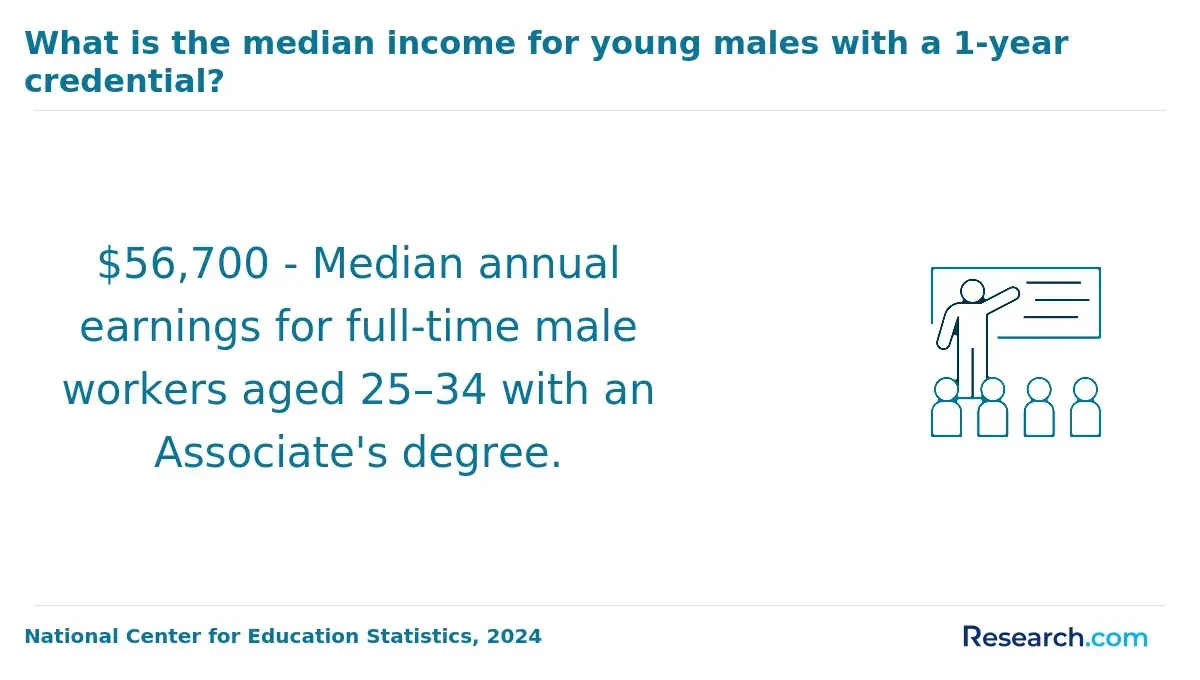
What are the highest-paying entry-level jobs by industry for English degree graduates?
Entry-level salaries for English degree graduates show significant variation based on the industry, with typical starting pay ranging from about $35,000 to $65,000. According to recent figures from the National Association of Colleges and Employers, earnings can differ widely depending on sector-specific skills and job requirements. These differences illustrate how the choice of industry plays a crucial role in early-career compensation.
Below are some of the highest-paying entry-level positions across various fields:
- Corporate Communications: Marketing coordinators and communication specialists often begin with salaries between $45,000 and $60,000. These roles focus on crafting press releases, managing brand messaging, and overseeing social media strategies.
- Technical Writing: Entry-level technical writers in the technology sector typically earn from $50,000 to $65,000. Their work involves creating user manuals, product documentation, and clear explanations of complex technical concepts.
- Publishing and Media: Editorial assistants and content coordinators start around $38,000 to $50,000, handling tasks like reviewing manuscripts, fact-checking, and coordinating production workflows.
- Education: Teaching assistants and curriculum developers usually receive starting salaries from $35,000 to $50,000, focusing on lesson planning and supporting student learning and literacy development.
A professional with an English degree shared that breaking into a well-paying role often demands perseverance beyond just having the necessary qualifications. He recalled the "stress of navigating multiple interviews" and the uncertainty of finding a position that matched both his skills and salary expectations.
"It wasn't just about writing well," he noted, "but demonstrating adaptability and an eagerness to learn industry-specific knowledge quickly." The experience underscored the challenge of balancing passion for the English language with practical career considerations right after graduation.
Which industries have the fastest salary growth?
Salary growth for english degree graduates varies significantly depending on the industry, influenced by demand for communication skills combined with business or technical knowledge.
Some sectors report approximately 5% annual wage increases, reflecting stronger advancement potential than traditional fields. This disparity highlights how certain industries better leverage the value of english graduates to drive career progression.
Key industries where english degree salary growth tends to accelerate include:
- Technology: Expanding digital platforms create high demand for content creators and UX writers, allowing english graduates to benefit from rapid industry growth and specialized roles.
- Marketing and Advertising: Digital campaigns rely heavily on skilled storytellers and copywriters, which supports faster wage increases in this dynamic sector.
- Finance: Communication professionals who translate complex financial information for diverse stakeholders experience growing compensation due to the sector's evolving needs.
- Healthcare: Increasing focus on patient education and health communication offers promising salary advancement for english graduates in this developing field.
Industries with faster salary growth often blend effective communication with technical or business insight, differentiating their wage trajectories from more traditional paths. For those considering future education options, exploring the best online doctorate in organizational leadership can further enhance leadership skills that complement these trends in english degree salary growth by industry.
Which industries offer the best job outlook and salary potential?
Industries that prioritize clear communication, analytical thinking, and content creation consistently provide strong career prospects and pay for english degree holders. The U.S. Bureau of Labor Statistics anticipates a 10% growth in media and communications jobs from 2022 to 2032, underscoring sustained demand in several dynamic fields. These trends point to sectors where english graduates are especially valued.
Below are some promising industries combining job availability with income potential:
- Publishing: Despite shifts to digital media, publishers still seek editors, writers, and strategists who can produce engaging content and maintain quality standards. This steady demand supports stable employment and competitive wages.
- Marketing and Advertising: Businesses rely heavily on skilled communicators for copywriting, branding, and digital campaigns. The growth of online marketing has expanded opportunities and salary growth for english majors in these roles.
- Education: Postsecondary education institutions frequently hire english graduates for teaching, curriculum design, and academic advising. Emphasis on strong writing and speaking skills helps sustain job openings and favorable compensation.
- Corporate Communications: Large companies need professionals to handle internal messaging, public relations, and reputation management. This field provides consistent employment and solid pay due to its central role in business strategy.
- Legal Sector: Specialized roles such as paralegals, legal researchers, and technical writers require precise language skills, offering english graduates attractive salaries and steady demand.
When speaking with a professional english graduate about which industries held the best promise, she shared how navigating the corporate world initially felt daunting. "You often have to translate complex ideas into accessible stories," she explained, highlighting the challenge of balancing clarity with nuance. Over time, her ability to adapt writing styles and understand audience needs became invaluable, opening doors to diverse roles.
Reflecting on her journey, she emphasized that perseverance and continuous skill refinement were key: "It's not just about having a degree, but about applying those skills purposefully to meet industry demands." This perspective illustrates how english graduates can thrive across various sectors by embracing flexibility and lifelong learning.
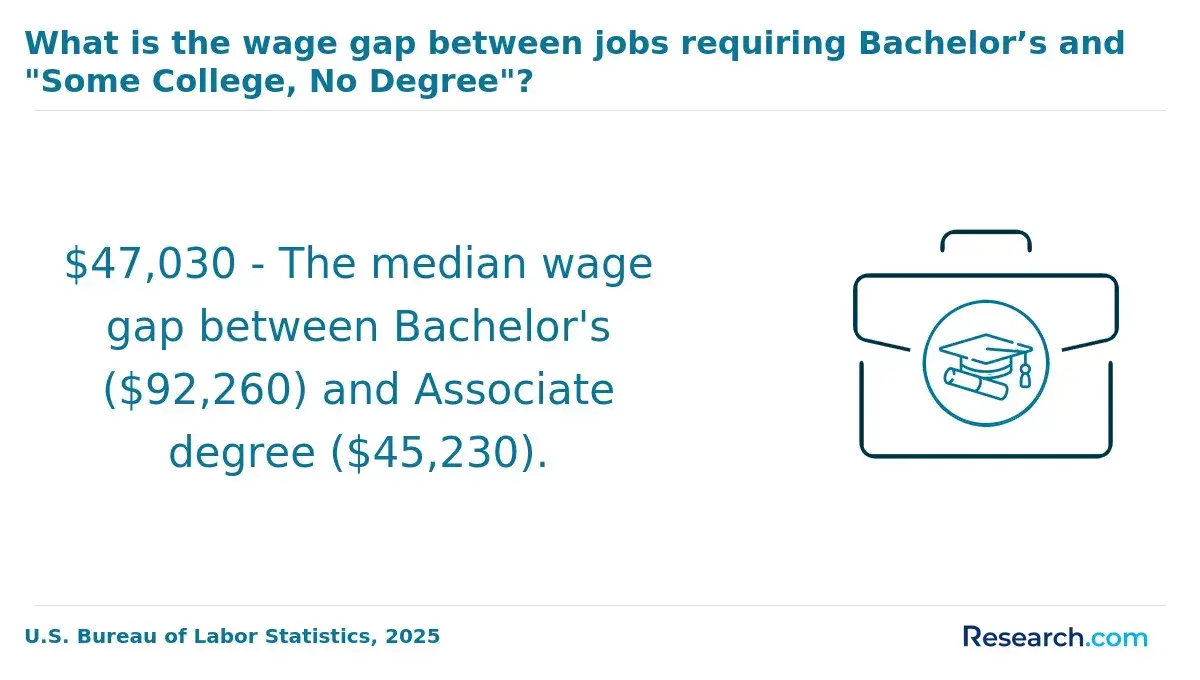
Which states pay the highest salaries by industry?
Location plays a crucial role in shaping salary levels for English graduates, with metropolitan areas and economic centers often providing higher pay. Wage differences can exceed 30% between top-paying and lower-paying states due to industry concentrations and regional economic strength. This geographic variation highlights how specific hubs attract employers offering competitive compensation for writing, communications, and related roles.
Below are examples of states known for awarding more substantial salaries to English degree holders across various industries:
- New York: Known for its dense media and publishing sectors, New York presents numerous well-paid opportunities in journalism, advertising, and corporate communications. Its role as a national communications hub drives demand for skilled English graduates.
- California: Home to Silicon Valley and the entertainment industry, California's blend of technology and media fuels high salaries for content strategists, copywriters, and editors. The state's dynamic economy supports diverse roles for English professionals.
- Massachusetts: Boston's strong education and research presence creates steady demand for technical writers and communications experts. The combination of academic institutions and healthcare firms provides competitive compensation.
- Washington: Seattle's status as a tech and publishing center offers English graduates access to lucrative positions in corporate communication and content development. Large corporations there invest heavily in skilled communicators.
- Texas: Rapid corporate growth in cities like Dallas and Houston, along with an expanding media landscape, raises salaries for English majors working in business communications and media industries. Economic expansion supports upward wage trends.
Can remote jobs offer high salaries regardless of location?
Remote jobs have reshaped the earning landscape for English degree graduates by reducing the influence of geographic location on salary potential. Compensation in remote roles is more strongly linked to factors such as industry sector, employer policies, and the complexity of job responsibilities than to where an employee resides.
For instance, a workforce analytics survey showed that 58% of remote professional positions offer salaries comparable to those of in-office roles, reflecting an emerging trend toward salary parity regardless of physical location.
Industries like technology, publishing, and corporate communications tend to provide higher wages to remote English graduates who possess advanced skills and experience. In contrast, fields with typically lower salary ranges may continue to pay modestly even for remote work.
Employer size and type also influence pay, as large corporations often follow standardized salary structures less affected by geography, whereas smaller firms might still apply regional cost-of-living adjustments. Ultimately, remote job opportunities intersect with industry-based salary variations, underscoring the importance of aligning career paths with sectors that reward expertise and responsibility.
Which industries offer the best benefits packages?
Benefits packages for English degree graduates vary widely across industries, reflecting how organizations prioritize compensation beyond salary. Many sectors enhance overall job satisfaction by offering healthcare, retirement plans, paid leave, and professional development support. These additional benefits are especially valuable for graduates planning long-term careers and seeking comprehensive compensation.
Here are some top industries known for offering strong benefits packages for English graduates:
- Publishing Industry: English graduates working as editors and content managers often receive generous healthcare coverage and paid time off. Flexible scheduling and mental health resources help employees manage creative and deadline-driven work environments effectively.
- Academia: Instructors, researchers, and administrators commonly enjoy extensive retirement plans like 401(k) matches and pension benefits. Paid sabbaticals and funding for conferences encourage continued growth in literary scholarship and teaching.
- Nonprofit Sector: Many nonprofits provide comprehensive medical and dental insurance with substantial paid parental leave. Tuition reimbursement and stipends for skill-building workshops support career development and work-life balance.
- Corporate Communications: Industries such as finance and technology offer competitive benefits including stock options, performance bonuses, and comprehensive healthcare. They often invest heavily in ongoing training and leadership programs to leverage strong communication skills.
- Government Roles: Public information officers and policy analysts typically receive robust retirement benefits and significant paid leave. Programs like loan forgiveness and certification support add valuable financial advantages.
English degree graduate benefits packages in top industries often reflect the highest paying industries for English graduates with benefits, especially when combining salary with these additional perks. For those exploring further education options to enhance career outcomes, resources like marriage and family therapy online programs accredited offer flexible pathways to expand professional qualifications.
What skills lead to higher salaries across industries?
Higher salaries for English degree graduates across various industries are often linked to the development and application of key skills that employers highly value. According to a 2023 report by the National Association of Colleges and Employers (NACE), 82% of employers emphasize strong communication as a critical factor influencing hiring and salary decisions.
These essential skills boost English graduate income in the US by enabling meaningful contributions to business objectives.
The key skills for higher English degree salaries include:
- Advanced Communication: This involves not only clear writing and speaking but also tailoring messages to diverse audiences. Professionals skilled in communication enhance internal collaboration and customer relations, which are vital for leadership roles and pay raises.
- Critical Thinking and Analysis: The ability to assess information, recognize patterns, and propose strategic solutions is crucial in fields such as marketing, consulting, and publishing where informed decisions impact outcomes significantly.
- Research Proficiency: Strong research skills enable graduates to gather accurate data to support projects and content development, improving quality while reducing risks. This competence is important across many sectors, reflecting the value of solid analytical foundations.
- Digital Literacy and Content Creation: Familiarity with digital tools for editing and publishing content is increasingly important in media and communications industries adapting to technological advances, increasing graduates' marketability and salary potential.
- Interpersonal Skills: Abilities in teamwork and negotiation allow graduates to collaborate effectively across departments and with clients. Such skills often lead to leadership opportunities and corresponding wage premiums.
English degree graduates looking to maximize their earnings should focus on developing strong communication and critical thinking skills applicable across various industries. For those exploring broader educational paths, considering an online degree in mechanical engineering might also offer valuable career opportunities with competitive salaries.
How do you choose the best industry based on salary?
Salary disparities among industries significantly impact career choices for English degree graduates. These differences can be substantial, with earnings varying by up to 30% depending on the sector employing graduates. Such variation highlights the need for careful evaluation of salary trends when planning a career path.
Key factors to consider when assessing industries based on salary potential include:
- Compensation Trends: Industries demonstrating steady increases in pay may offer greater financial stability and long-term earning growth for graduates.
- Industry Stability: Targeting sectors less affected by economic fluctuations can help protect income levels over time and reduce career risk.
- Growth Potential: Emerging or expanding industries often present higher salary prospects due to rising demand for skilled professionals.
- Skill Alignment: Choosing fields that closely match the analytical, communication, and critical thinking skills developed in an English degree enhances the chances of commanding competitive salaries.
What Graduates Say About English Degree Salary by Industry
- Callen: "Choosing the right industry after earning an English degree can significantly influence your salary. I found that sectors like publishing and media often offer creative roles but with varied pay scales, whereas corporate communications tend to provide steadier income. Understanding these differences early helped me align my career goals with realistic salary expectations and grow in a role that values my skills."
- Koen: "Reflecting on my journey, the impact of my English degree on my salary was gradual but profound. Initially, I worked in entry-level positions with modest pay, but the critical thinking and writing skills I developed opened doors to higher-paying industries such as marketing and education administration. Graduating with an English degree gave me a versatile foundation that continues to enhance my professional worth."
- Owen: "From a professional standpoint, knowing the salary trends for English degree graduates across industries shaped how I positioned myself for growth. I discovered that tech companies value strong communication talents, sometimes offering surprising salary advantages compared to traditional literary fields. This insight encouraged me to seek out roles where my degree could translate into both satisfying work and financial stability."
Other Things You Should Know About English Degrees
In 2027, work experience significantly impacts salary potential for English degree graduates. Industries like publishing and communications often provide salary increases as graduates gain experience. Typically, salaries can increase by 20-30% with five years of work experience, rewarding those who build relevant skills over time.
Advanced degrees such as a master's or doctoral degree can enhance earning potential for English graduates, especially in academia, publishing, and specialized writing roles. These qualifications often open doors to higher-level positions like literary editors, college professors, or research analysts, which typically offer better salaries compared to those requiring only a bachelor's degree.
Certifications in fields like digital marketing, technical writing, or editing can positively impact salaries by adding marketable skills to an English degree. Industries that value practical knowledge of content management systems, SEO, or multimedia production may offer better pay to candidates with such training, even if it was obtained outside traditional degree programs.
In 2027, the top-paying industries for English degree graduates are technology, marketing and advertising, and public relations. These sectors offer competitive salaries due to the high demand for skilled communicators and content creators who can adapt to rapidly evolving market needs.
References
- Career Options with an English Degree | UoPeople https://www.uopeople.edu/blog/english-degree-career-options/
- Paying HR Workers a Remote Salary Vs a Location-based Salary - SSR https://www.selectsoftwarereviews.com/blog/location-based-salaries-vs-remote
- High-Paying Jobs After a BA in English https://internshala.com/blog/high-paying-jobs-after-ba-english/
- [Discussion] Should remote workers be paid differently based on location? — DEV Community https://dev.to/damcosset/should-remote-workers-be-paid-differently-based-on-location-3apf/comments
- Top 10 jobs for English majors & who's hiring https://joinhandshake.com/blog/students/english-major-jobs/
- 7 High Paying jobs for English Major Graduates https://www.foundit.my/career-advice/7-jobs-for-english-major-graduates/
- 15 Highest Paying Jobs for English Majors in 2025! | Amber https://amberstudent.com/blog/post/highest-paying-jobs-for-english-majors
- The Value of an English Degree in the Job Market - Overview | StudyGuides.com https://studyguides.com/study-methods/overview/clza2r88c1prxfy5oa1i8vfvz
- 4 High-Paying Jobs for English Majors https://www.apu.edu/articles/4-high-paying-jobs-for-english-majors/
- 10 High-Paying Jobs for English Majors and Humanities Graduates https://giftwogu.com/2024/05/22/10-high-paying-jobs-for-english-majors-and-humanities-graduates/


