2027 Are There Any One-Year Online Pediatric Nurse Practitioner Degree Programs Worth Considering?

Co-Founder and Chief Data Scientist
Many nurses search for one-year online Pediatric Nurse Practitioner programs because they want the fastest credible route into advanced pediatric practice. The important reality is that a complete PNP degree usually cannot be finished in one year, even online, because graduate nursing programs must include advanced coursework, supervised pediatric clinical hours, certification preparation, and, in many cases, campus-based skills checks or residencies.
That does not mean accelerated options are unavailable. Some online PNP pathways are shorter than traditional routes, especially for nurses who already hold a graduate nursing degree or transferable credits. The right choice depends on your current credential, licensure status, pediatric experience, state authorization, clinical placement access, and whether the program prepares you for the certification exam you need.
This guide explains what “one-year” PNP claims usually mean, how realistic accelerated online options are, what admissions and clinical requirements to expect, how much these programs may cost, and how to evaluate quality before committing time and money.
Key Points About One-Year Online Pediatric Nurse Practitioner Degree Programs
- One-year online Pediatric Nurse Practitioner programs are rare and highly intensive compared to traditional 2-3 year degrees, focusing heavily on clinical competency and advanced pediatric care skills.
- Students should expect accelerated coursework and limited clinical hour flexibility, often requiring prior nursing experience or certification for eligibility.
- These programs attract working nurses aiming for career advancement, with enrollment trends showing increased interest among professionals balancing full-time jobs and family commitments.
Is It Feasible to Finish a Pediatric Nurse Practitioner Degree in One Year?
For most students, finishing a full Pediatric Nurse Practitioner degree online in one year is not feasible. The fastest legitimate options generally require at least 26 months, and many take longer because PNP education combines graduate-level nursing science, pediatric diagnosis and management, supervised clinical practice, and certification preparation.
The main barrier is not the online format; it is the required scope of training. PNP programs require a minimum of 500 supervised clinical hours, and those hours must be completed in appropriate pediatric settings with qualified preceptors. Clinical learning cannot be compressed indefinitely without weakening patient safety, assessment skill development, and readiness for independent advanced practice.
Program length is also shaped by credit requirements. PNP curricula commonly include 39 to 82 credits, depending on whether the pathway is an MSN, DNP, post-master’s certificate, RN-to-MSN route, or another bridge format. Courses typically build in sequence: advanced pathophysiology, pharmacology, health assessment, pediatric primary or acute care, diagnostics, family education, and clinical decision-making.
In practical terms, a nurse may find an accelerated online PNP pathway, but a true one-year full degree should be treated with caution. Before applying, confirm the program’s accreditation, clinical hour requirements, certification alignment, state authorization, and whether any campus residencies, simulations, or skills assessments are required.
Are There Available One-year Online Pediatric Nurse Practitioner Degree Programs?
There are currently no one-year online pediatric nurse practitioner programs in the US that offer a complete full degree. Some schools do offer accelerated or flexible online PNP pathways that can shorten the timeline, especially for nurses with prior graduate education, eligible transfer credits, or an MSN who only need a post-master’s certificate.
When reviewing “fast” PNP programs, look closely at what the timeline actually describes. Some advertised completion times refer to full-time enrollment, ideal course sequencing, a post-master’s certificate rather than a degree, or students who already meet most prerequisites. Others may exclude time needed to secure clinical placements, complete state authorization checks, or satisfy campus requirements.
| Program option | Reported timeline and structure | What to verify before applying |
| Regis College | Its online MSN PNP program can be completed in 26-38 months. The program includes 39-63 credits and prepares students for Pediatric Nursing Certification Board (PNCB) certification. | Confirm the exact track, clinical placement process, state eligibility, and whether your prior credits affect the completion timeline. |
| Spring Arbor University | Its RN to MSN Pediatric Nurse Practitioner pathway is a four-year program overall. For nurses who already hold an MSN, the post-master’s PNP certification can be completed in 18-24 months. Courses use an asynchronous 7-1-7 model. | Clarify whether you are applying to the full RN-to-MSN pathway or the post-master’s certificate, because the timelines are very different. |
| Walden University | Its MSN-PNP program generally takes several years and includes personalized practicum support, supervised clinical experiences, and virtual skills labs. It prepares students for the national Pediatric Nursing Certification Board exam. | Review practicum expectations, available support for clinical site placement, and total program cost before enrolling. |
If speed is a priority, ask admissions offices direct questions: Is the advertised timeline for a full degree or certificate? Are clinical hours included in that timeline? Can students work full time? Are there required campus visits? Are you eligible to complete clinicals in your state? Nurses comparing accelerated education formats may also find useful context in this fast track bachelor degree resource, although PNP training has different clinical and licensure requirements.
Why Consider Taking Up One-year Online Pediatric Nurse Practitioner Programs?
The strongest reason to consider an accelerated online PNP pathway is efficiency, not because a complete one-year degree is widely available. For qualified nurses, a shorter online format can reduce time away from work, keep coursework more flexible, and move them sooner toward pediatric advanced practice roles. The best candidates are usually disciplined, clinically experienced nurses who already understand pediatric care environments and can manage a heavy academic and clinical schedule.
- More flexible scheduling: Online and asynchronous coursework can make graduate study more manageable for nurses who are working, parenting, or living far from campus. Flexibility does not remove clinical requirements, but it can reduce commuting and allow students to study around shifts.
- Faster progress for experienced nurses: Nurses with prior graduate credits, an MSN, or substantial pediatric experience may be able to choose a shorter pathway than a traditional degree route. This is especially relevant for post-master’s certificate students.
- Focused pediatric preparation: PNP programs concentrate on child and adolescent health, family-centered care, growth and development, health promotion, chronic condition management, and pediatric assessment. This specialization can be a better fit than a general advanced practice route for nurses committed to pediatric populations.
- Potential career mobility: Completing an accredited PNP pathway can help eligible graduates move toward national certification and advanced practice responsibilities, subject to state licensure and employer requirements.
- Structured support for adult learners: Many online programs provide advising, practicum coordination resources, library access, writing support, and certification exam preparation. These services matter more in accelerated formats because delays can quickly affect completion timelines.
The trade-off is intensity. A shorter format may save time, but it can also make each term more demanding. Before choosing an accelerated route, compare weekly time expectations, clinical placement policies, and whether the school recommends reducing work hours. Nurses planning longer-term academic goals may also want to review options such as the easiest subject for PhD resource, while recognizing that doctoral study and PNP preparation serve different purposes.
What Are the Drawbacks of Pursuing One-year Online Pediatric Nurse Practitioner Programs?
The biggest drawback is that the premise can be misleading: truly one-year online Pediatric Nurse Practitioner programs are rare or nonexistent for a full degree. If a program appears to promise an unusually short path, students should verify accreditation, clinical hours, certification eligibility, and state approval before applying.
- Heavy workload and limited margin for delays: Accelerated formats compress readings, assignments, exams, simulations, and clinical planning into shorter terms. Students who fall behind may have fewer chances to recover without delaying graduation.
- Reduced ability to work full time: Even online students must complete clinical hours, prepare for patient encounters, and meet preceptor schedules. Some accelerated schedules may discourage or effectively prevent full-time employment.
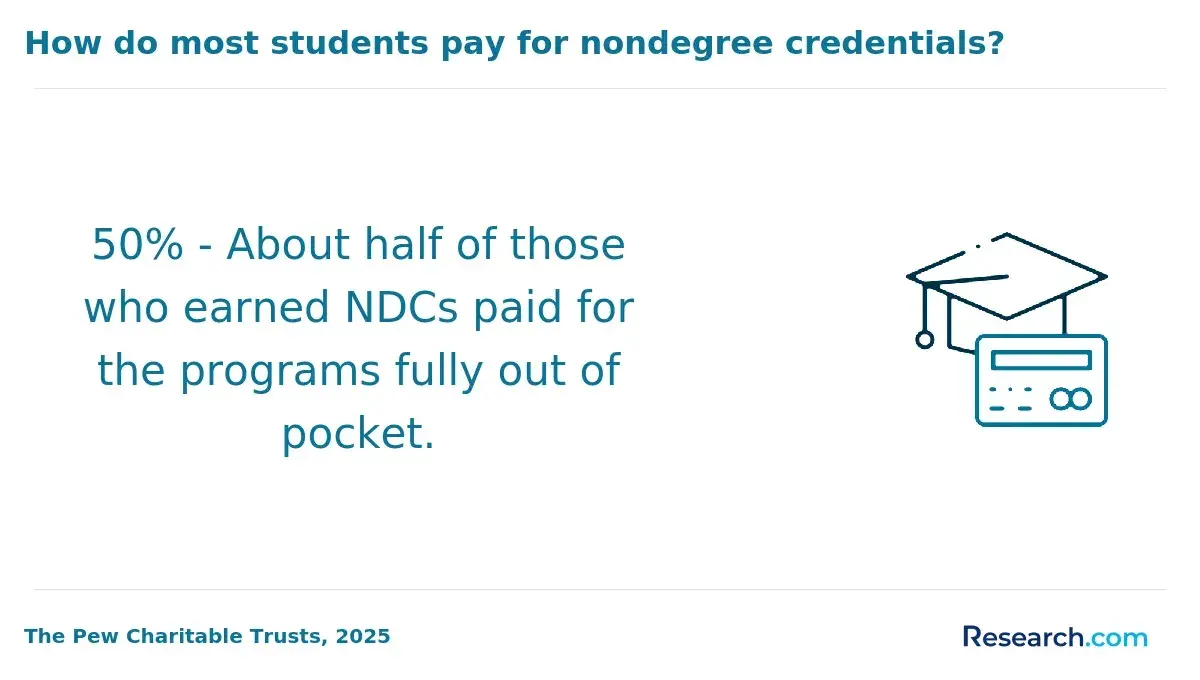
- Financial pressure: Tuition usually ranges between $35,000 and $60,000. The cost can feel more difficult to manage if students reduce work hours, pay for travel, or cover extra expenses for clinical documentation, technology, background checks, or certification preparation.
- Clinical placement challenges: Online programs may expect students to identify or help secure pediatric clinical sites. In some regions, preceptors are competitive, and delays in placement can extend the program timeline.
- Hands-on skill limitations in online learning: Online lectures and simulations can be effective, but pediatric assessment, communication with children and caregivers, and age-specific clinical judgment require supervised in-person practice.
- Fewer in-person networking opportunities: Online students may need to be more intentional about building relationships with faculty, preceptors, classmates, and local pediatric employers.
- High dependence on self-management: Accelerated online study requires reliable technology, strong organization, consistent study habits, and the ability to seek help early.
A common mistake is choosing the shortest advertised timeline without confirming whether the program is realistic for your life and your state. A slightly longer accredited program with strong clinical support may be a better investment than a faster program that leaves students struggling to find placements or meet certification requirements.
What Are the Eligibility Requirements for One-year Online Pediatric Nurse Practitioner Programs?
Eligibility requirements for accelerated online Pediatric Nurse Practitioner programs are usually strict because the coursework and clinical training move quickly. Schools want evidence that applicants have the nursing foundation, licensure, academic readiness, and clinical maturity to succeed in graduate pediatric practice preparation.
Requirements vary by institution and pathway. A post-master’s certificate may have different expectations than an MSN, RN-to-MSN, or DNP route. Always confirm the exact admissions criteria for the track you are considering.
- Bachelor of Science in Nursing (BSN): Most MSN-level PNP programs require a BSN from an accredited institution. This confirms that applicants have completed core undergraduate nursing preparation.
- Registered Nurse (RN) Licensure: Applicants typically need a current, unencumbered RN license. Online students should also confirm whether their license and state of residence are accepted by the program.
- Clinical Experience: Many programs expect a minimum of 1-2 years of RN clinical experience, often in pediatric or closely related settings. Pediatric experience can strengthen an application and may help students adapt faster to advanced pediatric coursework.
- Graduate Record Examination (GRE): Some programs may request GRE scores, though accelerated or professional nursing programs may waive this requirement for qualified applicants.
- Prerequisite Coursework: Applicants may need prior coursework in anatomy, physiology, microbiology, and pathophysiology. Some schools also review statistics, health assessment, or research preparation.
- Letters of Recommendation: Strong recommendations from clinical supervisors, faculty members, or advanced practice nurses can help show readiness for graduate study and pediatric practice.
- Personal Statement or Interview: Programs may use essays or interviews to evaluate motivation, understanding of the PNP role, commitment to pediatric populations, and ability to handle an accelerated format.
Applicants should also ask about background checks, immunization requirements, drug screening, malpractice insurance, CPR or advanced life support expectations, and clinical site documentation. These requirements may not determine admission, but they can affect whether you can begin clinical rotations on time. Students comparing career value across credentials may also research four year degrees that pay well, but PNP preparation is a graduate-level nursing pathway with separate licensure and certification considerations.
What Should I Look for in One-year Online Pediatric Nurse Practitioner Degree Programs?
Because true one-year online PNP degrees are not generally available, the better question is: Which accelerated online PNP program is credible, affordable, clinically supported, and aligned with your certification goal? Speed should never be the only deciding factor.
- Accreditation: Prioritize programs accredited by recognized nursing education accreditors such as the Commission on Collegiate Nursing Education (CCNE). Accreditation can affect certification eligibility, employer acceptance, transfer options, and access to federal financial aid.
- Certification alignment: Confirm that the curriculum prepares graduates for the appropriate Pediatric Nursing Certification Board pathway, such as the CPNP-PC certification exam if your goal is pediatric primary care.
- State authorization and licensure fit: Online programs may not be authorized in every state. Ask whether the program accepts students from your state and whether it meets educational requirements for advanced practice licensure where you plan to work.
- Clinical placement support: Determine whether the school places students, helps identify preceptors, or expects students to find sites independently. For PNP students, access to appropriate pediatric settings is essential.
- Faculty expertise: Look for faculty with pediatric advanced practice experience, current clinical knowledge, and availability for mentoring. Faculty access matters in online programs, especially when students need help with clinical reasoning.
- Curriculum quality: Strong programs cover pediatric health promotion, growth and development, advanced assessment, diagnosis, pharmacology, disease management, family education, and evidence-based practice.
- Course delivery format: Asynchronous coursework can help working nurses, while synchronous sessions may provide more real-time faculty interaction. Choose the format that matches your schedule and learning style.
- Credit transfer policies: If you have prior graduate credits or an MSN, ask how many credits may transfer and whether transfer credit can shorten the timeline without compromising certification eligibility.
- Total tuition and fees: Compare the full cost, not only the per-credit rate. Include technology fees, clinical fees, travel, books, background checks, and certification exam preparation.
- Student support services: Advising, library services, writing support, technical help, clinical coordination, and exam preparation can make a major difference in an accelerated program.
Ask for a sample plan of study before applying. It should show course sequence, clinical terms, expected weekly workload, any campus requirements, and whether students commonly complete the program on the advertised timeline. If you are comparing compact program models across fields, this guide to 1 year online doctorate programs may provide useful context, but PNP programs must be judged by nursing accreditation, clinical training, and certification readiness.
How Much Do One-year Online Pediatric Nurse Practitioner Degree Programs Typically Cost?
One-year online Pediatric Nurse Practitioner programs are uncommon, but accelerated online PNP tracks with similar speed-focused structures generally range in tuition from $15,000 to $66,000. Many schools charge by credit hour, with rates typically between $525 and $1,200 per credit.
For example, Walden University's online PNP program charges about $48,825 tuition for 63 quarter credits, exclusive of additional fees. MSN-level PNP programs often require 40 to 60 credits, so the total price depends heavily on program length, credit structure, transfer credit policies, and whether students are charged separately for clinical or technology services.
| Cost factor | Why it matters |
| Credit requirements | More required credits usually increase total tuition, even if the program is online or accelerated. |
| Per-credit tuition | Programs charging higher per-credit rates can become expensive quickly, especially when fees are excluded from advertised tuition. |
| Clinical placement expenses | Students may pay for background checks, immunizations, documentation systems, travel, or placement-related fees. |
| Campus or residency requirements | Even mostly online programs may require travel for simulations, skills assessments, or intensives. |
| Lost income | Accelerated schedules may reduce the ability to work full time, which can affect the true cost of attendance. |
| Certification preparation | Graduates may budget for exam preparation materials and certification-related costs after completing the program. |
Accelerated online PNP options may cost more per year than slower programs because students take more coursework in a shorter period. However, a shorter timeline may reduce the total time spent in school and may allow graduates to move toward advanced practice roles sooner, assuming they meet certification and licensure requirements.
What Can I Expect From One-year Online Pediatric Nurse Practitioner Degree Programs?
Students should expect an accelerated online PNP program to be demanding, clinically structured, and only partly online. Didactic courses may be delivered through online lectures, readings, discussions, case studies, and virtual simulations, but pediatric clinical training must occur in approved in-person settings.
The curriculum typically emphasizes child growth and development, advanced pediatric assessment, health promotion, diagnosis of pediatric illnesses, disease prevention, pharmacologic management, family education, and care coordination. Depending on the track, coursework may focus on pediatric primary care, acute care, or a specific certification pathway.
Clinical requirements are central to the experience. Students complete supervised hours in pediatric settings, work with preceptors, document patient encounters, and apply classroom learning to real patient care. Some programs may also require campus residencies, skills assessments, or simulation-based evaluations to confirm readiness for clinical practice.
The pace can be difficult. Students often need to coordinate work schedules, family responsibilities, clinical availability, assignments, and exam preparation at the same time. Clinical placement can be one of the most stressful parts of the program, so it is important to know whether the school provides placement support or expects students to secure preceptors independently.
Graduates of accredited PNP programs are typically prepared to pursue national certification exams and advanced practice roles in pediatric care, subject to state licensure requirements and employer expectations. Before enrolling, verify the school’s accreditation and online education quality through trusted resources, including information on a nationally accredited online college.
Are There Financial Aid Options for One-year Online Pediatric Nurse Practitioner Degree Programs?
Yes. Students in eligible online Pediatric Nurse Practitioner programs may have access to federal loans, scholarships, employer tuition assistance, and other funding options. Availability depends on the school, program accreditation, enrollment status, citizenship or eligible non-citizen status, and whether the program qualifies for aid.
- Federal and State Aid: Eligible graduate students may apply for federal loans such as Direct Unsubsidized Loans or Graduate PLUS Loans. Some students may also qualify for state grants or loan repayment programs connected to advanced nursing roles. Students generally need to complete the FAFSA and enroll in an accredited PNP program.
- Scholarships: Nursing organizations, including the National Association of Pediatric Nurse Practitioners, as well as colleges and universities, may offer merit- or need-based scholarships. Awards may consider academic record, leadership, financial need, and commitment to pediatric nursing.
- Employer Tuition Assistance: Nurses working for hospitals, clinics, health systems, or pediatric care organizations may qualify for tuition reimbursement or education assistance. These benefits may require continued employment, minimum grades, or a service commitment after graduation.
Accelerated programs require careful financial planning because tuition, fees, and clinical expenses may arrive in a shorter time frame. Before enrolling, ask the financial aid office for a full cost-of-attendance estimate, aid disbursement schedule, refund policy, and any rules that apply to online or intensive terms. If you plan to reduce work hours, include that lost income in your budget.
What Pediatric Nurse Practitioner Graduates Say About Their Online Degree
- Truce: "The online format helped me keep working while I moved toward pediatric specialization, but it was not easy. The most valuable parts were the pediatric case work, faculty feedback, and supervised clinical experiences that pushed me to think like an advanced practice nurse."
- Jorge: "Flexibility mattered because I was balancing work, family, and school. I still had to be very disciplined, especially during clinical rotations. The program strengthened my confidence in assessing children, communicating with caregivers, and making evidence-based care decisions."
- Luca: "What surprised me most was the rigor. Online did not mean less demanding. The coursework, clinical expectations, and certification preparation required steady effort, but the experience helped me grow professionally and clarified the kind of pediatric care I wanted to provide."
Other Things You Should Know About Pursuing One-Yeas Pediatric Nurse Practitioner Degrees
Accreditation is crucial when evaluating one-year online Pediatric Nurse Practitioner programs in 2027. It ensures the program meets national standards for education and is recognized by employers, which can significantly impact job prospects and eligibility for certification exams.
When evaluating one-year online Pediatric Nurse Practitioner programs in 2027, consider accreditation, program curriculum, clinical placement opportunities, faculty qualifications, and student support services. Accreditation ensures the program meets educational standards, while clinical placements provide essential hands-on experience. Faculty experience and solid support services further enhance learning outcomes.
References
- How Do I Become a Pediatric Nurse Practitioner? https://www.waldenu.edu/online-masters-programs/master-of-science-in-nursing/msn-pediatrics/resource/how-to-become-a-pediatric-nurse-practitioner
- Why Become a Pediatric Nurse Practitioner: Five Compelling Reasons | Maryville Nursing https://nursing.maryville.edu/blog/why-become-a-pediatric-nurse-practitioner
- Pediatric Nurse Practitioner Online Program https://online.odu.edu/academics/programs/pediatric-nurse-practitioner
- The Pros and Cons of Online Graduate Nursing Programs https://www.onlinefnpprograms.com/features/pros-and-cons-of-online-graduate-nursing-programs/
- Top Online Pediatric Nurse Practitioner Programs https://nurse.org/education/online-pediatric-np-programs/
- MSN in Pediatric Care Nurse Practitioner https://www.online.drexel.edu/online-degrees/nursing-degrees/msn-ppacnp/index.aspx
- Some of the Best Online Nurse Practitioner (NP) Programs for 2025–2026 - Nurse Practitioner Degrees https://npdegrees.org/degrees/best-online-np-programs/
- Availability of Acute Care Pediatric Nurse Practitioner Education in the United States: A Challenge to Growing the Workforce https://pmc.ncbi.nlm.nih.gov/articles/PMC7483205/
- Nursing (Primary Care Pediatric Nurse Practitioner), DNP (Online) | Loma Linda University https://llu.edu/academics/programs/school-nursing/nursing-primary-care-pediatric-nurse-practitioner-dnp-online
- Pediatric Acute Care Nurse Practitioner DNP https://nursing.uc.edu/academic-programs/dnp/pediatric-acute-care.html