
2027 Master's in Clinical Nutrition vs. Master's in Nutrition: Explaining the Difference

Co-Founder and Chief Data Scientist
Choosing between a master's in clinical nutrition and a master's in nutrition is not just a curriculum decision. It affects the settings you can work in, the credentials you may pursue, the type of clients or patients you will serve, and how much clinical training you should expect before graduation.
A master's in clinical nutrition is usually the better fit for students who want to work closer to patient care, medical nutrition therapy, and disease management. A broader master's in nutrition may be a stronger match for students interested in public health, wellness programming, research, food policy, education, or nutrition communication.
This guide compares both degree paths in practical terms: what each program covers, where they overlap, how they differ, which skills they build, how difficult they can be, what career outcomes may look like, and how to choose the option that best fits your long-term goals.
Key Points About Pursuing a Master's in Clinical Nutrition vs. Master's in Nutrition
- Master's in Clinical Nutrition focuses on medical nutrition therapy and prepares students for clinical dietitian roles, while Master's in Nutrition covers broader areas including public health and food science.
- Clinical programs typically last 18-24 months with higher tuition averaging $30,000-$40,000; nutrition programs may be more flexible and cost $20,000-$35,000.
- Graduates with Clinical Nutrition degrees often pursue hospital or healthcare settings; nutrition graduates work in wellness, research, or community programs with diverse career paths.
What are Master's in Clinical Nutrition Programs?
Master's in Clinical Nutrition programs are graduate degrees focused on applying nutrition science in healthcare and patient-care settings. Students study how diet, metabolism, disease, medications, lab values, and treatment plans interact, then learn to use that information to support nutrition care decisions.
These programs are typically designed for students who want advanced preparation in therapeutic diet planning, medical nutrition therapy, clinical assessment, and disease-focused nutrition management. Common settings connected to this training include hospitals, outpatient clinics, long-term care facilities, specialty practices, and other healthcare environments.
Program length is often between 16 and 24 months, with full-time and part-time options depending on the school. Coursework commonly includes medical nutrition therapy, clinical biochemistry, nutritional assessment, advanced metabolism, and nutrition care for specific conditions. Many programs also include case-based learning, clinical or laboratory skill development, and applied work that asks students to interpret patient information and recommend evidence-based nutrition interventions.
Some programs require a master's thesis or research project. This is especially useful for students who want to evaluate nutrition studies, contribute to clinical protocols, or continue into research, doctoral study, or specialized practice.
Admissions requirements usually include a bachelor's degree, often in a science-related field, plus prerequisite coursework in biology, chemistry, physiology, and statistics. Because credential and licensure pathways vary by state and by program, applicants should confirm whether a specific clinical nutrition program meets the academic and supervised practice requirements for the professional credential they plan to pursue.
What are Master's in Nutrition Programs?
Master's in Nutrition programs are graduate degrees that provide advanced study in nutrition science, research methods, and the application of nutrition knowledge across different populations and settings. Compared with clinical nutrition programs, they usually offer a broader view of the field rather than concentrating primarily on patient care.
These programs typically span two to three years and require around 30 to 32 credit hours. Students may study nutrient metabolism, nutritional evaluation, biostatistics, research design, evidence-based nutrition practice, community nutrition, wellness programming, food systems, or policy-related topics, depending on the program's emphasis.
Many master's in nutrition programs include a thesis, capstone, applied project, or research experience. These components help students build analytical, writing, and communication skills that are useful in public health agencies, nonprofit organizations, schools, food companies, wellness programs, and research settings.
Applicants usually need an undergraduate degree in a related area and prerequisite coursework in biology, chemistry, physiology, and statistics. However, the exact expectations vary widely. Some programs are built for students preparing for dietetics pathways, while others are intended for students pursuing broader nutrition, research, education, or health promotion careers.
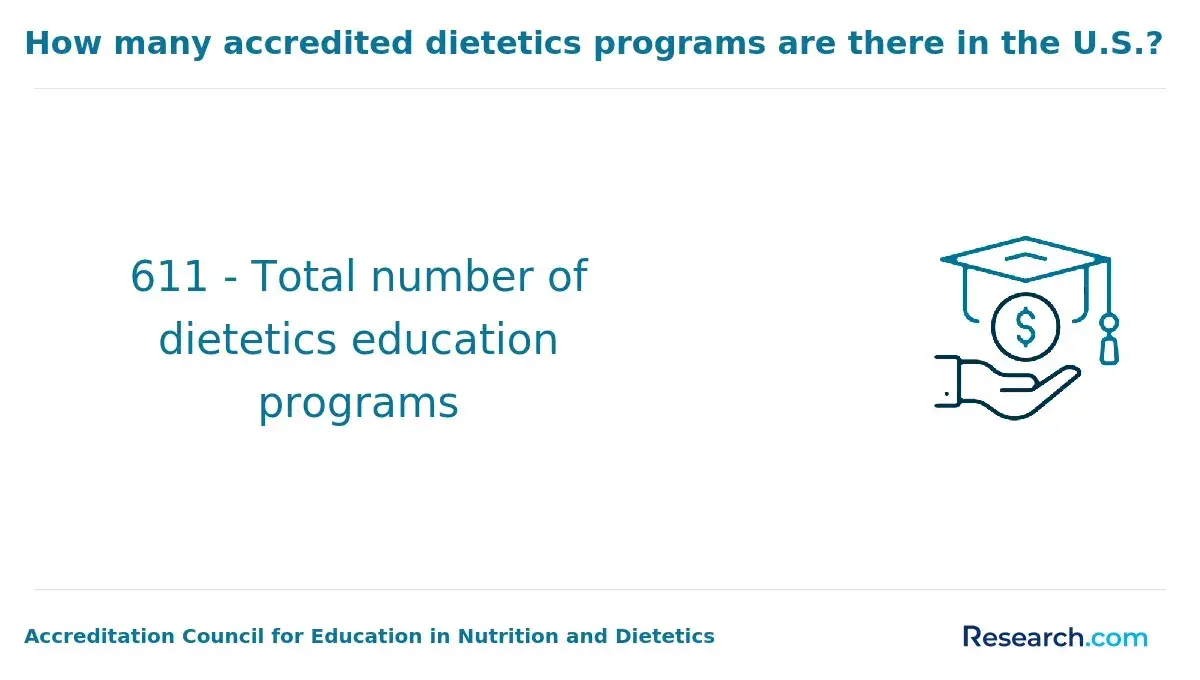
What are the similarities between Master's in Clinical Nutrition Programs and Master's in Nutrition Programs?
Master's in Clinical Nutrition programs and Master's in Nutrition programs share a common foundation in nutrition science. Both require students to understand how nutrients affect human health, how to evaluate evidence, and how to communicate nutrition information responsibly.
- Science-based coursework: Both degree types commonly include macronutrient and micronutrient metabolism, nutrition assessment, research methods, and evidence-based nutrition practice.
- Focus on health promotion: Both programs examine the role of nutrition in supporting health, reducing risk, and addressing diet-related concerns across individuals or populations.
- Research literacy: Students in both paths learn to read nutrition research critically, interpret data, and apply findings without overstating what the evidence can support.
- Communication skills: Graduates need to explain nutrition concepts clearly to patients, clients, community members, healthcare teams, policymakers, or organizational leaders.
- Comparable timelines: Many programs are structured for completion in 16 to 24 months of full-time study, although part-time and extended formats are also common.
- Similar admissions foundations: Applicants generally need a bachelor's degree and prerequisite coursework in areas such as introductory nutrition, anatomy and physiology, biochemistry, chemistry, and statistics. Many programs also request personal statements and letters of recommendation, while the GRE is not always required.
Both degrees can support advanced professional development in nutrition. However, students who want to become Registered Dietitian Nutritionists should review each program's accreditation, supervised practice structure, and credential alignment carefully. A graduate degree alone does not automatically qualify someone for every dietetics credential or state-regulated role.
Students who are still completing undergraduate preparation may also want to compare flexible pathways such as an accelerated bachelor's degree online before applying to graduate nutrition programs.
What are the differences between Master's in Clinical Nutrition Programs and Master's in Nutrition Programs?
The main difference is professional orientation. A master's in clinical nutrition is usually more healthcare-focused and prepares students to apply nutrition therapy in patient-centered settings. A master's in nutrition is typically broader and may prepare students for roles in community health, wellness, education, policy, research, or industry.
| Comparison area | Master's in Clinical Nutrition | Master's in Nutrition |
| Primary focus | Medical nutrition therapy, disease management, clinical assessment, and patient care. | Nutrition science, wellness, public health, food systems, research, education, or policy. |
| Typical learning format | Case studies, clinical scenarios, assessment practice, and sometimes supervised or applied clinical experiences. | Research projects, community-based work, program planning, data analysis, or policy-focused assignments. |
| Common work settings | Hospitals, clinics, specialty healthcare practices, long-term care, and other medical environments. | Public health agencies, schools, nonprofits, wellness organizations, food companies, research teams, or health education programs. |
| Credential alignment | More likely to be designed with clinical practice or dietetics preparation in mind, depending on accreditation and supervised practice requirements. | May or may not align with dietetics credentials; students must verify program structure before enrolling. |
| Specialization options | May include diabetes, renal nutrition, oncology nutrition, critical care, or other disease-specific areas. | May include community nutrition, sports nutrition, food policy, nutrition education, wellness coaching, or food science. |
Students should avoid choosing based on the degree title alone. A program called “nutrition” may still include a clinical track, while a program called “clinical nutrition” may differ in how much supervised practice it offers. The safest approach is to review the curriculum, accreditation status, experiential learning requirements, faculty expertise, and career outcomes.
What skills do you gain from Master's in Clinical Nutrition Programs vs Master's in Nutrition Programs?
Both degrees build advanced nutrition knowledge, but they emphasize different skill sets. Clinical nutrition skills are more patient-centered and treatment-oriented. General nutrition skills are often broader, with stronger emphasis on research, education, public health, program design, or organizational communication.
Skill Outcomes for Master's in Clinical Nutrition Programs
- Comprehensive nutrition assessment: Students learn to collect and interpret anthropometric, biochemical, clinical, dietary, and lifestyle information to support individualized nutrition care.
- Medical nutrition therapy: Graduates develop the ability to connect nutrition interventions with specific health conditions such as diabetes, cancer, and renal disorders.
- Clinical reasoning: Students practice using lab values, symptoms, diagnoses, medications, and treatment goals to make evidence-informed nutrition recommendations.
- Patient-centered care planning: Programs often emphasize care plans that consider medical needs, cultural context, food access, behavior change, and coordination with healthcare teams.
- Documentation and professional communication: Clinical work requires clear notes, accurate terminology, ethical judgment, and concise communication with patients and providers.
Skill Outcomes for Master's in Nutrition Programs
- Research and data analysis: Students strengthen skills in nutrition research methods, experimental design, statistical evaluation, and evidence interpretation.
- Community and public health nutrition: Graduates may learn how to design, implement, and evaluate nutrition programs for schools, communities, workplaces, or public agencies.
- Nutrition education: Programs often develop the ability to create clear, audience-specific nutrition materials and presentations for diverse groups.
- Policy and systems thinking: Some curricula examine food systems, health disparities, nutrition policy, and environmental or social factors that influence dietary behavior.
- Program planning and evaluation: Students may learn how to set measurable goals, assess outcomes, and improve nutrition initiatives over time.
The better skill match depends on the work you want to do. If you want to assess patients and support treatment plans, clinical nutrition is usually more aligned. If you want to build programs, conduct research, teach communities, or work in wellness and policy, a broader nutrition degree may offer more flexibility.
For earlier academic pathways into health and nutrition-related fields, students may also compare easiest associate's degree programs.
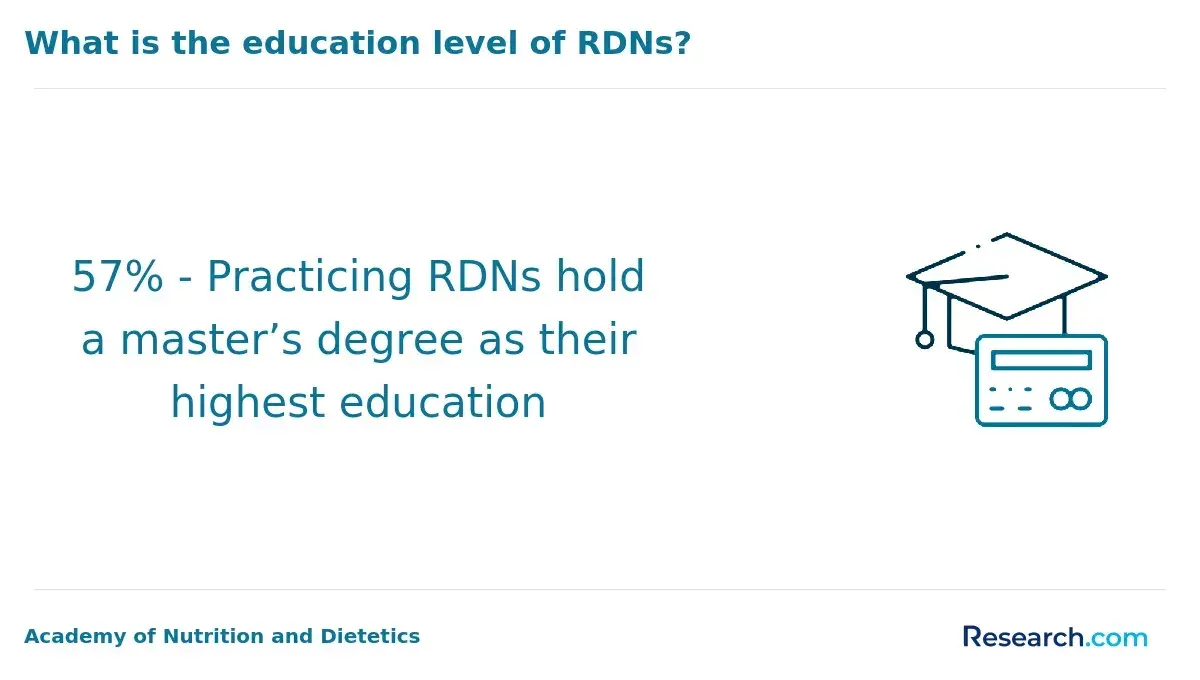
Which is more difficult, Master's in Clinical Nutrition Programs or Master's in Nutrition Programs?
A master's in clinical nutrition is often considered more difficult for students who are less comfortable with medical science, case-based decision-making, and patient-care expectations. However, a master's in nutrition can be equally demanding when it is research-intensive, statistics-heavy, or focused on advanced public health analysis.
Clinical nutrition programs tend to be challenging because they combine nutrition science with disease processes, lab interpretation, medical terminology, and applied treatment planning. Students may need to understand biochemistry, pathophysiology, advanced metabolism, and medical nutrition therapy at a level that supports clinical decision-making. Case studies, simulations, and supervised practice components can add pressure because students must apply knowledge in realistic scenarios, not just memorize concepts.
Master's in nutrition programs usually cover a wider range of topics. Their difficulty may come from research design, biostatistics, policy analysis, program evaluation, or thesis work. Students who are strong in clinical sciences may find the broader population-health or research orientation less familiar, while students with public health or social science experience may find it more manageable.
The harder degree depends on your preparation. If you have completed strong coursework in biology, chemistry, physiology, and statistics, either path will be more manageable. If your goal is direct patient care, the added clinical intensity of a clinical nutrition program may be worth the workload. If your goal is research, education, or community health, a broader nutrition program may be challenging in a way that better fits your strengths.
What are the career outcomes for Master's in Clinical Nutrition Programs vs Master's in Nutrition Programs?
Career outcomes differ because the degrees point toward different work environments. Clinical nutrition graduates are more likely to pursue patient-care and healthcare roles, while nutrition graduates may move into public health, education, wellness, food industry, research, or policy positions.
Career Outcomes for Master's in Clinical Nutrition Programs
Clinical nutrition graduates often pursue credentialed healthcare roles involving nutrition assessment and care planning. Demand for dietitians and nutritionists is projected to grow 5.5% through 2034. Median salaries start near $73,850, with higher earnings possible in specialized, supervisory, or advanced practice roles.
- Registered Dietitian (RD) or Registered Dietitian Nutritionist (RDN): Assesses patients and develops medical nutrition therapies to help manage conditions such as diabetes or cancer, when the graduate has completed the required credentialing pathway.
- Clinical Nutrition Specialist: Provides nutrition care in hospitals, outpatient clinics, specialty practices, or other healthcare settings involving complex dietary needs.
- Nutrition Care Manager: Oversees nutrition services, coordinates care standards, manages staff, and supports quality improvement in healthcare systems.
Career Outcomes for Master's in Nutrition Programs
Graduates with a master's in nutrition usually have broader career options, especially in roles that emphasize prevention, education, wellness, and population health. Salaries vary widely, typically ranging from $55,000 to $75,000, depending on employer, location, experience, specialization, and whether the role requires a specific credential.
- Nutrition Specialist: Designs or supports nutrition programs in community organizations, public health settings, wellness companies, or corporate health programs.
- Nutrition Educator: Teaches nutrition principles in schools, community centers, public health agencies, nonprofit organizations, or workplace wellness settings.
- Food Industry Consultant: Advises food companies on product development, nutrition labeling, consumer education, or regulatory considerations.
The key career question is whether you want your work to center on individual patient care or broader nutrition application. Clinical nutrition is usually better aligned with healthcare credentials and medical settings. A general nutrition degree may offer more flexibility but may require additional specialization, experience, or credentials for certain roles.
Students planning long-term academic or leadership advancement can also compare options such as 1 year online doctorate programs.
How much does it cost to pursue Master's in Clinical Nutrition Programs vs Master's in Nutrition Programs?
The cost of a master's in clinical nutrition is often higher than the cost of a broader master's in nutrition, especially when the clinical program is campus-based, private, or tied to more extensive laboratory or experiential requirements. However, total cost depends on tuition, fees, residency status, delivery format, program length, and whether students need to relocate or reduce work hours.
| Cost factor | Master's in Clinical Nutrition | Master's in Nutrition |
| Typical public university tuition | Annual tuition commonly falls between $9,000 and $20,000 for in-state students. | Costs vary by institution and format, with online options often lowering the total price. |
| Private or out-of-state cost | Private institutions or out-of-state fees can surpass $30,000 yearly. | In-person options typically cost about 40% more than online options. |
| Example cost | Howard University charges about $37,334 annually for its on-campus MS in Nutritional Sciences, with an estimated total of nearly $70,000. | Not all programs have the same clinical or campus-based cost structure. |
| Lower-cost online range | Online clinical options may reduce commuting and housing expenses, depending on the program. | The least expensive online programs charge around $5,653 to $10,133 per year, with total costs generally under $20,000 for a two-year degree. |
| Overall online tuition | Varies by school and clinical requirements. | Online tuition usually ranges between $11,000 and $19,000 in total. |
Students should look beyond advertised tuition. Fees, textbooks, technology costs, health requirements, transportation, housing, and unpaid experiential components can add thousands annually. For clinical programs, also check whether supervised practice, lab work, or campus visits create additional expenses.
Financial aid is broadly accessible, with roughly 75% of graduate students receiving assistance through loans, scholarships, or grants. Before enrolling, compare the total cost of attendance, not just per-credit tuition, and ask whether graduate assistantships, employer tuition benefits, scholarships, or payment plans are available.
How to choose between Master's in Clinical Nutrition Programs and Master's in Nutrition Programs?
Choose a master's in clinical nutrition if your goal is to work in healthcare, apply medical nutrition therapy, and support patients with nutrition-related disease management. Choose a master's in nutrition if you want broader flexibility in public health, wellness, research, education, policy, or food-related roles.
Use these decision points
- Your target role: If job postings you want mention clinical care, medical nutrition therapy, hospitals, or RDN preparation, prioritize clinical nutrition or a credential-aligned program.
- Credential requirements: If you plan to pursue the Registered Dietitian Nutritionist credential or a licensed role, verify accreditation, supervised practice, exam eligibility, and state requirements before applying.
- Preferred work environment: Clinical nutrition fits students who want patient-facing or healthcare team roles. General nutrition fits students who prefer communities, organizations, schools, research groups, wellness settings, or industry.
- Curriculum fit: Review required courses carefully. Clinical programs should show depth in medical nutrition therapy, assessment, metabolism, and disease management. Broader nutrition programs may emphasize research, public health, policy, communication, or food systems.
- Learning format: If you need flexibility, compare online and hybrid options. If you need clinical experience, confirm how placements, labs, or practicums are handled.
- Total cost and return: Compare tuition, fees, travel, lost income, credentialing costs, and the types of jobs graduates actually obtain.
- Faculty and specialization: Look for faculty expertise that matches your goals, whether that is diabetes care, renal nutrition, public health nutrition, sports nutrition, food policy, or nutrition research.
A practical way to decide is to write down three job titles you would realistically want after graduation. Then review several postings for those roles and note required degrees, credentials, skills, and experience. The program that best matches those requirements is usually the safer choice.
If your decision is also shaped by work style, environment, and personality, you may find it useful to compare the best careers for introverts.
What Graduates Say About Their Degrees in Master's in Clinical Nutrition Programs and Master's in Nutrition Programs
- : "Completing the Master's in Clinical Nutrition was challenging but incredibly rewarding. The rigorous coursework pushed me to deepen my understanding of metabolic diseases, while the hands-on clinical rotations gave me practical experience that set me apart in job interviews. Since graduating, I've secured a position in a top hospital and seen a significant boost in my income. — Kaysen"
- : "The program offered a unique blend of research and applied nutrition, which really enhanced my critical thinking skills. I appreciated the opportunity to work closely with faculty on innovative projects related to nutritional genomics, a field I had never explored before. This experience has opened doors to roles in emerging biotech companies, aligning perfectly with my career goals. — Jalen"
- : "As someone returning to school after years in public health, I found the Master's in Nutrition program professionally enriching and well-structured. The balanced mix of advanced nutrition science and leadership training prepared me to oversee community nutrition programs effectively. I now lead nutrition initiatives that measurably improve patient outcomes, and the career progression has been impressive. — Beau"
Other Things You Should Know About Master's in Clinical Nutrition Programs & Master's in Nutrition Programs
Graduates of a Master's in Clinical Nutrition in 2027 often pursue careers in healthcare settings such as hospitals, focusing on patient dietary needs and medical nutrition therapy. Those with a Master's in Nutrition may work in community health, policy, or wellness programs, emphasizing broader nutrition education and prevention strategies.
A Master's in Clinical Nutrition often requires prerequisites in advanced human physiology and medical nutrition therapy, while a Master's in Nutrition might require coursework in general nutrition and food science instead. These prerequisites ensure students are prepared for their specific focus areas.
Yes, Clinical Nutrition programs often have mandatory supervised clinical internships that involve hands-on experience in healthcare settings. In contrast, general Nutrition programs may offer internships focused on community, food service, or research settings, and sometimes these are optional. Fieldwork demands should align with your career plans and licensing ambitions.
References
- Nutrition Careers You Can Pursue with a Master’s | Keiser Grad https://www.keiseruniversity.edu/9-careers-for-a-masters-in-nutrition/
- Master’s of Nutrition and Dietetics vs. Master’s in Nutrition https://www.adelphi.edu/program/graduate/nutrition/masters-of-nutrition-and-dietetics-vs-masters-in-nutrition/
- M.S. in Clinical Nutrition: For Practicing RDNs https://shp.rutgers.edu/ms-clinical-nutrition-practicing-rdns/
- How Hard Is a Master’s in Nutrition Degree? | University of Bridgeport https://www.bridgeport.edu/news/how-hard-is-it-to-earn-a-masters-in-nutrition-online/
- Dietitian vs Nutritionist: Key Differences in 2025 https://www.nutritioned.org/dietitian-vs-nutritionist/
- Which RDN Graduate Program Path is Right for Me? | Department of Nutritional Sciences | University of Michigan School of Public Health https://sph.umich.edu/ns/programs/which-rdn-program-path.html
- MS in Nutrition Programs » Academics | Boston University https://www.bu.edu/academics/sar/programs/nutrition-dietetics/ms/
- Stress-induced Eating Behaviors of Health Professionals: A Registered Dietitian Nutritionist Perspective - NAM https://nam.edu/perspectives/stress-induced-eating-behaviors-of-health-professionals-a-registered-dietitian-nutritionist-perspective/
- Clinical Nutrition Tuition & Fees | University of the Pacific https://www.pacific.edu/healthsciences/programs/nutrition/ms-clinical-nutrition/tuition-fees
- Accreditation Council for Education in Nutrition and Dietetics. (2024). Program Enrollment Trends 2000-2024. ACEND Data. https://www.eatrightpro.org/-/media/files/eatrightpro/acend/about-acend/acend-data/program-enrollment-trends.pdf
- Academy of Nutrition and Dietetics. (2024). Compensation & Benefits Survey of the Dietetics Profession 2024 (biennial). https://www.cdrnet.org/vault/2459/web//Compensation%20Benefits%20Survey%20of%20the%20Dietetics%20Profession%202024-TOC_Exec%20Sum.pdf
- U.S. Bureau of Labor Statistics. (2024, May). Occupational Employment and Wage Statistics. Retrieved January 2026, from https://data.bls.gov/oes/#/industry/000000


