2027 What Can You Do with a Software Engineering Master's Degree? Careers, Salaries & Growth

Co-Founder and Chief Data Scientist
Many skilled professionals face uncertainty about the value of pursuing a software engineering master's degree amid rising education costs and evolving industry demands. Recent data shows that employment for software developers is projected to grow 25% from 2021 to 2031, much faster than average. However, less than 30% of software engineers hold a master's degree, which can significantly enhance job prospects and earning potential.
This article explores program structures, admission criteria, and career outcomes, offering evidence-based insights into salary trends, industry growth, and certifications. It equips readers to assess the degree's alignment with their career ambitions and financial priorities.
Key Things to Know About What You Can Do with a Software Engineering Master's Degree
- Programs typically require a bachelor's degree in a related field and cover advanced topics like software design, testing, and project management, with options for online or campus-based learning to fit diverse needs.
- Graduates can expect competitive salaries, with median annual wages often exceeding $110,000, reflecting strong demand in sectors like technology, finance, and healthcare.
- Long-term growth prospects remain robust, driven by continual industry expansion and evolving technology, making program cost, flexibility, and reputation key factors in selecting the best fit.
What Are the Admission Requirements for a Software Engineering Master's Program?
Preparing the standard prerequisites is essential to qualify for a master's in software engineering and ensure a smooth admission process. The demand for software developers is expected to grow 22% from 2020 to 2030, signaling strong career prospects and salary growth for graduates holding advanced degrees. Key admission requirements typically include the following:
- Undergraduate Degree: Applicants usually need a relevant bachelor's degree, such as in computer science, information technology, or engineering. Some institutions accept related degrees if prerequisite courses in programming, algorithms, or data structures have been completed.
- Grade Point Average (GPA): A minimum GPA around 3.0 on a 4.0 scale is often required, although this threshold varies by program.
- Standardized Tests: Tests like the GRE or GMAT are commonly requested but have increasingly become optional or waived, especially after the COVID-19 pandemic. It is important to check each program's specific policies.
- Supplementary Materials: Letters of recommendation from academic or professional sources, personal statements outlining career goals, and sometimes writing samples or portfolios are standard submission components. International candidates may also need proof of English proficiency via TOEFL or IELTS scores.
- Work Experience and Specialization: Some programs, particularly professional or executive tracks, prefer applicants with experience in software development or related areas. Specialty tracks such as cybersecurity or artificial intelligence might require additional coursework or demonstrated skills.
For those looking to explore flexible learning options, online platforms offer various pathways, including online BCBA programs, reflecting the broader trend toward remote education in technology fields.
What Is the Minimum GPA Requirement for a Software Engineering Master's Program?
Graduate programs in software engineering typically require a minimum GPA ranging from 2.75 to 3.0 on a 4.0 scale for admission consideration. This minimum GPA requirement for software engineering master's programs can vary widely depending on factors such as program prestige, institution type, and specialization. The average GPA needed for admission to software engineering master's degrees reflects these variations.
Given the growing demand in tech fields, with job growth for software developers projected at 25% by 2031, applicants should understand how admissions committees evaluate qualifications beyond GPA. Key aspects of GPA expectations and admissions criteria include:
- Typical GPA Range: Most master's programs expect applicants to have a GPA between 2.75 and 3.0, though more competitive programs often set higher standards.
- Holistic Admissions: Many schools assess professional experience, standardized test scores, and personal statements alongside GPA to create a fuller profile of the candidate.
- Program Differences: Public and private institutions may have distinct admissions priorities, with some more flexible about GPA thresholds depending on program focus.
- GPA as One Factor: Committees also consider course rigor, letters of recommendation, and career potential when reviewing applications.
- Industry Demand: The strong labor market helps widen opportunities for applicants with varied academic records, making a lower GPA less prohibitive if other strengths exist.
For those seeking flexible learning paths, exploring options like the cheapest easiest online degree programs may offer accessible routes to meet admission requirements and earn a master's in software engineering.
How Much Does a Software Engineering Master's Degree Cost and How Can You Finance It?
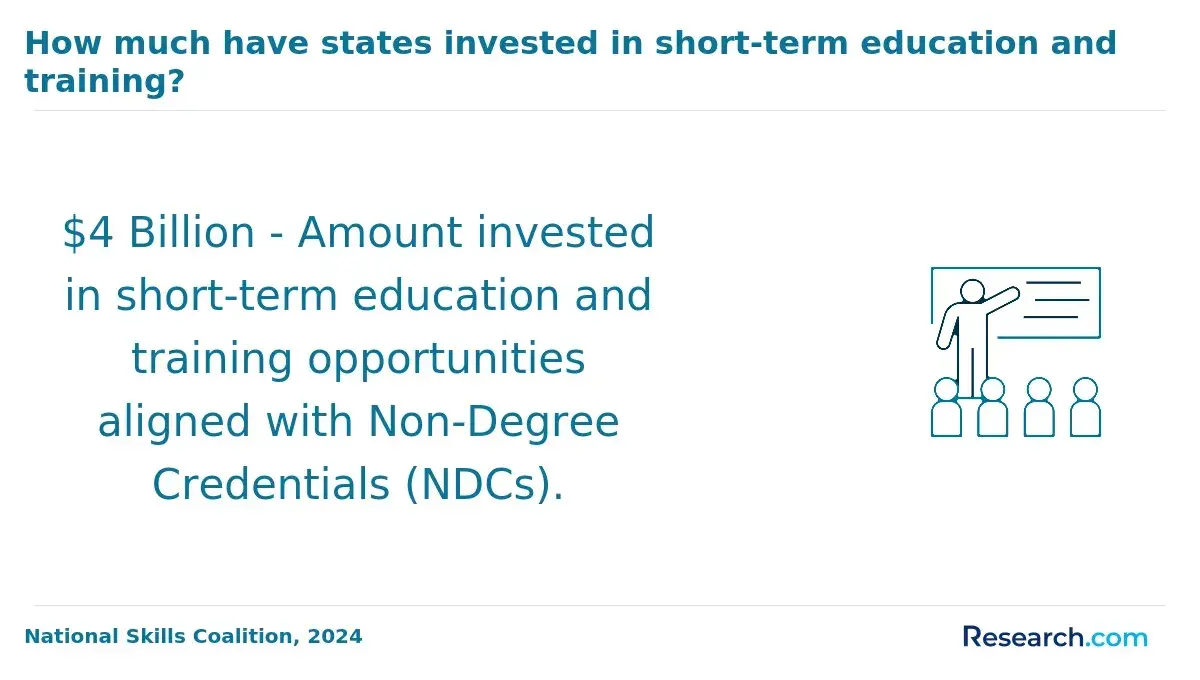
Planning finances before enrolling in a software engineering master's program is essential to avoid surprises. A clear understanding of expenses, funding sources, and debt management approaches helps students make informed choices. The following points summarize key financial aspects to consider:
- Tuition and Fees Range: Public universities typically charge between $15,000 and $40,000, while private institutions often exceed $30,000, sometimes reaching $60,000. Additional fees and living costs add to the total investment, with online programs often reducing housing expenses but still carrying opportunity costs from lost income during study.
- Primary Funding Sources: Scholarships, fellowships, graduate assistantships, employer tuition reimbursement, and federal student loans are the main ways to finance the degree. Many programs now offer holistic admissions that can increase access to aid, especially for online students.
- Debt Reduction Tactics: Opting for in-state public schools lowers tuition substantially. Pursuing departmental scholarships or assistantships can often waive fees. Students may negotiate partial tuition coverage by taking on teaching or research roles, easing financial burdens.
- Evaluating Return on Investment: Comparing all costs against expected salary increases helps assess if the degree is worthwhile. Factors include job market demand, starting pay in targeted specializations, and prospects for rapid advancement.
When I asked a graduate of a software engineering master's program about financing, he described juggling part-time work while applying for several assistantships. "It was stressful balancing application deadlines and teaching duties," he recalled, "but securing a fellowship that covered tuition made a huge difference." He emphasized how careful financial planning combined with realistic expectations helped him focus on his studies and advance his career without overwhelming debt. His experience shows that while costs can be significant, thoughtful strategies enable many learners to manage expenses effectively and benefit from the degree's long-term potential.
How Long Does It Take to Earn a Software Engineering Master's Degree?
Knowing the average duration of a software engineering master's program is crucial for prospective students to plan their academic and personal commitments effectively. Various factors influence how long it takes to complete the degree, from enrollment status to program format. Below are key considerations that affect the time-to-completion for these programs:
- Full-Time Enrollment: Most full-time software engineering master's programs require about 1.5 to 2 years to finish, making this the standard timeline for students taking a consistent course load each semester on campus.
- Part-Time and Online Programs: For those balancing work or other obligations, part-time and online options typically extend the duration to 3-4 years. These formats offer flexible pacing, though the total time depends largely on course availability and individual scheduling.
- Accelerated and Combined Pathways: Some institutions provide accelerated master's degrees or combined bachelor's/master's pathways, allowing students to complete the program in as little as 1 to 1.5 years after earning their bachelor's degree. These options reduce total credits by overlapping coursework, similar to an accelerated bachelor's degree online.
- Transfer Credits: Students with prior relevant coursework or certifications may reduce their time-to-completion by transferring eligible credits, decreasing the number of required courses.
- Thesis vs. Non-Thesis Tracks: Choosing a thesis track often adds several months due to research and writing demands, whereas non-thesis options generally focus on coursework and allow for faster progression.
- Internships and Practicums: Practical experience gained through internships or practicums is valuable but may extend program length since these require supervised hours beyond regular classwork.
What Career Paths Are Available with a Software Engineering Master's Degree?
This overview highlights common career opportunities for those holding a software engineering master's degree, illustrating the variety of roles and sectors graduates may enter. Understanding these options helps prospective students gauge how this advanced degree aligns with their professional goals.
Consider the following key factors shaping career possibilities:
- Technical Individual Roles: Many graduates begin as software developers, systems architects, or quality assurance engineers, focusing on designing and maintaining sophisticated software systems. These roles build deep technical expertise and often serve as the foundation for further advancement.
- Leadership and Management Paths: With experience, graduates often move into project management or technical lead positions, overseeing teams and aligning projects with organizational objectives. This progression can eventually open doors to executive roles like chief technology officer or director of engineering, especially where strong technical backgrounds are valued.
- Industry Variety: The private sector-tech, finance, healthcare, and manufacturing-actively attracts software engineering graduates, valuing their role in driving innovation. Government agencies seek them for cybersecurity and infrastructure projects. Nonprofits use these skills for data management, while academia offers research and teaching opportunities.
- Adjacent Career Options: Skills from the degree also support roles like data engineering or product management, expanding career flexibility beyond traditional software development. This breadth reflects evolving industry demands and technological trends.
When I spoke with a graduate who completed a software engineering master's recently, they shared how the degree smoothed their transition into complex client projects. Rather than feeling overwhelmed by technical challenges or team dynamics, the graduate said, "Having advanced coursework and practical experience gave me confidence to lead discussions and troubleshoot issues effectively." They appreciated how the program's balance of theory and application prepared them to adapt quickly in fast-paced environments, making early career hurdles easier to manage than peers without the degree.
What Is the Average Salary for Software Engineering Master's Degree Holders?
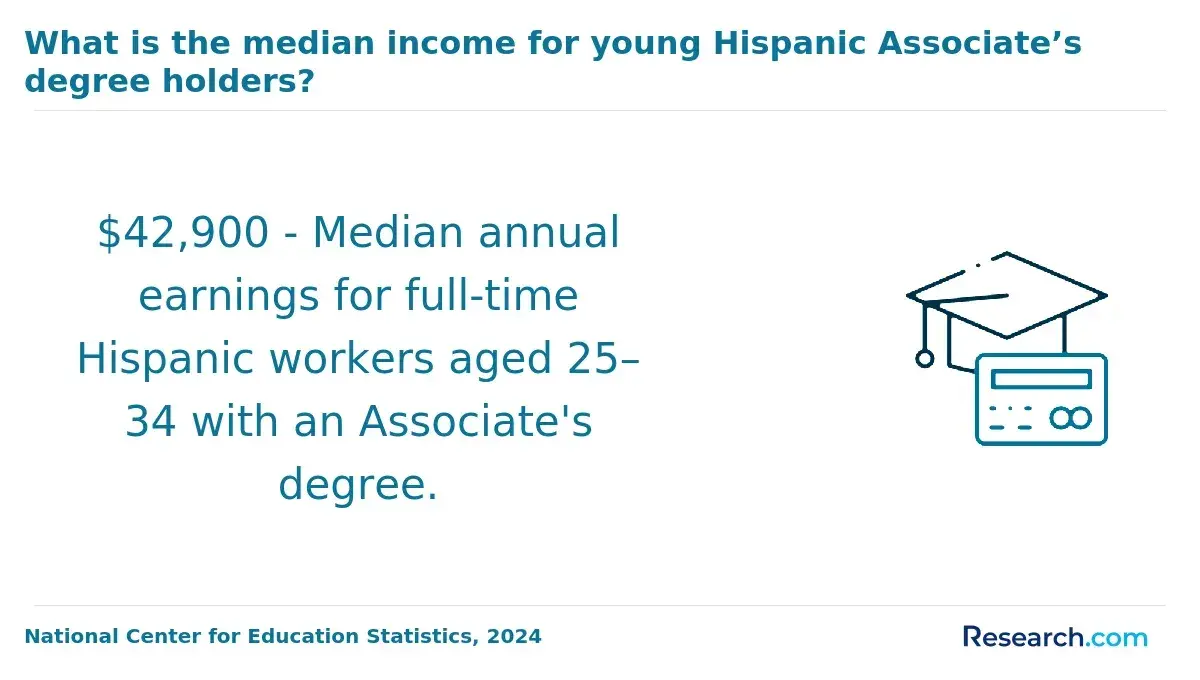
Salaries for professionals with a master's degree in software engineering vary widely based on experience, location, employer type, and industry. Various authoritative sources including the U.S. Bureau of Labor Statistics (BLS) show that a master's degree often commands a higher salary compared to a bachelor's in the field. Additional earnings through bonuses, benefits, and equity also contribute significantly to total compensation.
Below are the key salary trends by career stage and influencing factors:
- Entry-Level Salaries: New graduates typically earn between $75,000 and $95,000 annually, influenced heavily by geographic area and company size. Tech hubs like Silicon Valley and Seattle generally offer pay on the upper end due to high living costs and demand for talent.
- Mid-Career Earnings: With around five to ten years of experience, salaries commonly range from $110,000 to $140,000. Industry sector plays a role here, with private tech firms frequently providing more competitive remuneration compared to government or nonprofit employers.
- Senior-Level Compensation: Experienced senior engineers and managers often command salaries between $140,000 and $180,000 or higher. Leadership roles and positions in sectors such as finance, healthcare technology, and multinational corporations tend to offer premium pay.
- Geographic and Employer Variations: Salary differences across states can be substantial, with California, New York, and Washington typically offering greater wages. Private companies often include bigger bonuses and stock options, while public employers focus more on stability and benefits.
- Degree Premium and Total Compensation: Research suggests holding a master's degree boosts earnings by 10-20% over a bachelor's degree. Beyond base salary, additional perks like retirement plans, health benefits, and equity awards enhance overall compensation packages.
Projected Employment Growth for Software Developers (2024-2034)

What Professional Certifications Complement a Software Engineering Master's Degree?
Several professional certifications significantly enhance the value of a software engineering master's degree by validating specialized skills and improving career advancement opportunities. These credentials complement a master's degree by signaling both advanced theoretical knowledge and practical expertise, helping graduates stand out in competitive job markets. Pursuing certifications during or shortly after completing the degree can maximize their relevance and marketability.
Below is a list of the most valuable and widely recognized professional certifications that pair well with a software engineering master's degree to boost earning potential and career prospects.
- Certified Software Development Professional (CSDP): Offered by the IEEE Computer Society, this certification requires at least four years of professional experience in software engineering. The exam covers software design, testing, and management. Recertification is mandatory every three years through continued professional development. Employers who emphasize rigorous software quality and process maturity highly value this credential.
- Project Management Professional (PMP): This certification from the Project Management Institute demands 4,500 hours of project leadership and 35 hours of project management education. The exam tests knowledge on project initiation, planning, execution, and closure. PMP is highly regarded in tech firms, especially for roles involving software project oversight, and requires renewal every three years with professional development units.
- Certified ScrumMaster (CSM): Administered by Scrum Alliance, this certification suits engineers working in agile environments. Candidates must attend a two-day course and pass an exam. Renewal occurs every two years with ongoing education and fees. Startups and software development companies often prefer CSM holders for roles focused on agile team collaboration.
When considering professional certifications to complement a software engineering master's degree, strategic timing is essential. Candidates should accumulate solid work experience before attempting advanced certifications like the CSDP or PMP. However, entry-level credentials such as the CSM can be pursued alongside academic studies to enhance practical knowledge early on. For prospective students evaluating cost options for their education, reviewing online degree psychology programs can offer insights into affordable pathways that balance quality and financial investment.
What Are the Top Industries Hiring Software Engineering Master's Degree Graduates?
Identifying key industries hiring software engineering master's graduates helps candidates focus their career plans and skill development effectively. This section ranks major sectors by employment activity and growth potential, highlighting relevant roles, employer profiles, and valuable industry-specific expertise. It also outlines emerging fields where software engineering talent is increasingly vital.
Below are the principal industries and strategic approaches for prospective students.
- Technology Sector: The largest employer for software engineering graduates, encompassing startups to multinational corporations. Positions include software developers, systems architects, and DevOps engineers. Expertise in cloud computing, cybersecurity, and agile practices enhances opportunities here.
- Financial Services: Major banks and fintech companies seek software engineers to build secure trading platforms, banking systems, and risk management tools. Knowledge of data encryption and certifications like CISSP are often required to meet regulatory standards.
- Healthcare Industry: Rapidly expanding software divisions focus on electronic health records, telemedicine, and medical device software development. Familiarity with HIPAA and data interoperability protocols gives candidates a competitive edge.
- Emerging Fields: Artificial intelligence, autonomous vehicles, and green technology are generating new demand. Renewable energy firms particularly need software professionals skilled in embedded systems and real-time data management for smart grids and IoT devices.
- Targeted Career Preparation: Internships aligned with preferred industries, participation in sector-specific networking events, and coursework emphasizing relevant certifications improve employability and industry fit.
What Are the Highest-Paying Jobs for Software Engineering Master's Degree Holders?
For those holding a master's degree in software engineering, targeting high-paying roles can significantly enhance career returns. Salaries for these positions depend on experience, skill set, industry, and location, making it crucial to understand which jobs offer the best compensation and growth potential. Below are some of the top roles along with insights on responsibilities, qualifications, and earning prospects.
- Software Development Manager: Leading teams and managing software projects, this role requires typically over five years of experience. These managers bridge communication between developers and stakeholders, with median salaries often exceeding $140,000. Key industries include technology, finance, and healthcare.
- Solutions Architect: Focused on designing intricate software systems, solutions architects combine technical expertise with business acumen. Median salaries range from $130,000 to $150,000, and positions are common in cloud computing and enterprise software organizations.
- Data Scientist/Engineer: These professionals design data systems and conduct analysis to support AI and machine learning efforts. A master's degree often serves as a critical credential, with average pay above $120,000, especially in tech-driven fields like finance and biotech.
- Machine Learning Engineer: Specializing in AI model development, this role demands advanced knowledge of algorithms and programming. Starting salaries approximate $120,000, potentially rising beyond $160,000 with experience and certifications such as TensorFlow or AWS.
- Principal Software Engineer: Acting as senior technical leaders, principals drive innovation and oversee complex software projects. Median earnings exceed $150,000, though pay varies by location and company size.
Pursuing additional credentials, such as PMP or AWS certifications or a doctoral degree, can further elevate compensation. Geographic regions like Silicon Valley, Seattle, and New York generally offer premium salaries due to high demand and living costs. Moreover, finance and technology industries tend to provide the most competitive salary packages in these roles.
What Is the Job Outlook and Employment Growth for Software Engineering Professionals?
For prospective students considering a Software Engineering master's degree, understanding employment growth and labor market trends is essential. The field's outlook offers insight into long-term career stability and opportunities across industries.
- Strong Employment Growth: The U.S. Bureau of Labor Statistics projects a 25% increase in employment for software developers, quality assurance analysts, and testers from 2021 to 2031. This growth rate greatly exceeds the 5% average across all occupations, signaling a rapidly expanding job market.
- Economic and Technological Drivers: Expanding digital transformation initiatives, including cloud computing, artificial intelligence, and cybersecurity, fuel demand for advanced software engineering skills. These sectors increasingly rely on software expertise to innovate and maintain competitiveness.
- Demographic Influence: A growing population of tech-savvy consumers and businesses sustains demand for solutions from skilled software professionals, positively impacting software engineering employment growth in the United States.
- Automation and Globalization Effects: Automation tools simplify routine coding, allowing engineers to focus on innovation. Simultaneously, global talent competition pressures wages but promotes broader collaboration opportunities in the field.
- Policy and Regulatory Changes: Emerging regulations on data privacy and cybersecurity are expected to create new roles requiring specialized software engineering knowledge.
Those exploring program options should weigh these factors alongside cost and financing options, such as those detailed in affordable online criminal justice programs, to determine the best educational path aligning with their career goals.
What Skills and Competencies Does a Software Engineering Master's Program Develop?
For prospective software engineering master's students, understanding the core skills developed during the program is essential. These skills, both technical and interpersonal, form the foundation for success in various professional environments.
- Technical Expertise: Mastery of programming languages, software architecture, algorithm design, and data structures is central. Advanced knowledge in areas like cybersecurity, cloud services, and software testing equips students to tackle complex technology challenges.
- Research and Data Analysis: Training in systematic research methods and quantitative data analysis sharpens problem-solving abilities and fosters innovation in development processes.
- Leadership and Communication: Emphasis on verbal and written communication, alongside leadership skills, prepares graduates to guide teams and convey technical ideas clearly within diverse workplaces.
- Collaboration and Critical Thinking: Group projects, simulations, and case studies cultivate teamwork and analytical thinking, encouraging practical application of theoretical concepts.
- Experiential Learning: Internships and practicums provide hands-on industry exposure, reinforcing classroom instruction and enhancing job readiness.
- Transferability Across Industries: Skills such as adaptability, problem-solving, and communication are highly valued in sectors like healthcare, finance, and manufacturing, allowing graduates to pursue varied career paths beyond traditional software roles.
- Employer Priorities: Hiring managers consistently highlight problem-solving ability, flexibility, and effective communication as top criteria when selecting candidates.
What Graduates Say About Their Software Engineering Master's Degree
- Vivian: "Applying to the online software engineering master's program felt overwhelming at first, but focusing on accredited institutions made a huge difference. I relied heavily on official academic catalogs to understand program requirements and deadlines, which helped me stay organized. Today, I'm proud to have completed the degree with confidence, knowing I chose a reputable program that met my professional goals."
- Zane: "Exploring the landscape of accredited software engineering master's programs was an eye-opener; the variety of options pushed me to research thoroughly. I used federal education resources extensively to compare curricula and accreditation statuses. Reflecting back, the effort was worthwhile, as it ensured my degree holds weight in the industry and opened doors for my career advancement."
- Gayle: "Navigating admission requirements for my online software engineering master's took patience and attention to detail. I found that relying on official academic catalogs and accrediting agencies' information was crucial to avoid surprises along the way. The process was rigorous but rewarding, and it taught me to approach challenges with a systematic mindset that serves me well in my work."
Other Things You Should Know About Software Engineering Degrees
A software engineering master's degree generally leads to higher starting salaries compared to a bachelor's degree. Over time, graduates with a master's often experience faster salary growth and access to senior or managerial roles that command premium compensation. Data shows that advanced technical expertise and leadership skills gained in graduate programs contribute to long-term earning power.
In 2027, a software engineering master's degree is expected to enhance career prospects by equipping graduates with advanced skills sought by employers. It offers opportunities for roles such as software architect or project manager, and is likely to raise earning potential significantly due to the high demand for tech expertise.
A software engineering master's degree can be worth the investment if it aligns with your career goals and financial situation. For many, it opens doors to advanced technical roles, leadership positions, and higher salaries. However, it's important to consider the cost, time commitment, and the reputation of the program before enrolling.
References
- Education, career, and salary guide for software engineers | edX https://www.edx.org/become/software-engineer
- Software Engineering https://ut.ee/en/curriculum/software-engineering
- Careers in IT: Lucrative Fields for Recent Grads https://www.onlinemastersdegrees.org/careers/information-technology-it/
- What can an online master’s in software engineering do for your career? - North Wales Management School - Wrexham University https://online.wrexham.ac.uk/what-can-an-online-masters-in-software-engineering-do-for-your-career/
- Poznan University of Technology https://study.gov.pl/poznan-university-technology-11
- African Leadership University (ALU) https://www.alueducation.com/how-long-does-it-take-to-become-a-software-engineer/
- Paying for a Computer Science Degree | Scholarships, Grants, Loans https://www.computerscience.org/resources/how-to-pay-for-a-degree/
- Professional Software Engineering Master Certification https://www.computer.org/product/education/professional-software-engineering-master-certification
- Tuition fees and costs - Master Software Engineering https://www.uva.nl/shared-content/programmas/en/masters/software-engineering/tuition-fee-and-costs/tuition-fees-and-costs.html
- What Can You Do with a Master’s in IT: Software Engineering | UMGC https://www.umgc.edu/blog/what-can-you-do-with-a-masters-in-it-software-engineering