2027 What Can You Do with a Youth and Family Ministry Master's Degree? Careers, Salaries & Growth

Co-Founder and Chief Data Scientist
Many aspiring leaders struggle to identify career paths that align with a youth and family ministry master's degree. Workforce data reveals a 12% projected growth in counseling and social service occupations from 2022 to 2032, driven by increased demand for specialized family support. Graduates often face uncertainty about how their skills translate into viable roles and sustainable salaries. This article addresses these challenges by detailing program components, employment opportunities, salary trends, and growth projections. It also examines program delivery formats, costs, and certifications, offering a thorough guide to help prospective students make informed decisions about pursuing a youth and family ministry master's degree.
Key Things to Know About What You Can Do with a Youth and Family Ministry Master's Degree
- Programs generally require a bachelor's degree and offer flexible formats, including online and in-person courses, focusing on leadership, counseling, and community engagement to prepare for diverse ministry roles.
- The average annual salary ranges from $40,000 to $60,000, with variations depending on location, employer, and level of experience in youth and family ministry settings.
- Employment growth in this sector is projected at about 8% over the next decade, with opportunities expanding in churches, nonprofit organizations, and social services.
What Are the Admission Requirements for a Youth and Family Ministry Master's Program?
Preparing the necessary prerequisites is essential for smooth admission to a youth and family ministry master's program. Knowing what institutions typically require helps applicants gather relevant credentials and materials on time. Employment for clergy and related roles is projected to grow 10% from 2022 to 2032, indicating a steady demand in this field. Key admission prerequisites generally include the following:
- Relevant Undergraduate Degree: Applicants usually need a bachelor's degree from an accredited institution, often in fields like theology, social work, education, or psychology. This foundational background helps ensure readiness for advanced study in youth and family ministry master's programs.
- GPA Requirements: Most programs expect a minimum GPA around 3.0 on a 4.0 scale. Some schools may accept lower GPAs if applicants demonstrate relevant experience or additional qualifications.
- Standardized Tests: GRE or GMAT scores are increasingly optional, reflecting more flexible admissions policies post-pandemic. However, some competitive programs may still require or recommend these exams to evaluate verbal and analytical skills.
- Supplementary Materials: Applicants typically must submit two to three letters of recommendation, a personal statement outlining career goals and motivations, and sometimes writing samples that showcase theological reflection or critical thinking.
- Relevant Experience: Practical experience in ministry, youth work, or community service strengthens applications, especially for candidates from non-traditional academic backgrounds.
- Field-Specific Prerequisites: Certain programs may require prior coursework in biblical studies, counseling techniques, or other specialized subjects depending on the institution and area of focus.
Prospective students interested in online options can find comparable quality with flexible scheduling; for example, some may explore online slp masters as alternative or complementary educational paths.
What Is the Minimum GPA Requirement for a Youth and Family Ministry Master's Program?
Graduate schools typically require a minimum GPA between 2.75 and 3.0 on a 4.0 scale for consideration into youth and family ministry master's programs. This typical academic standard helps ensure students can meet the demands of graduate-level coursework. However, requirements vary by the program's prestige, institution type, and specific concentration within youth and family ministry. Employment growth in related social services is projected at 11% from 2020 to 2030, highlighting the value of such degrees. Below is an overview of key admission factors affecting applicants.
- Minimum GPA Requirement: Most programs require a GPA range of 2.75 to 3.0, reflecting foundational academic capabilities for graduate studies in youth and family ministry.
- Variability by Institution: Admissions standards differ based on whether programs are housed in public or private schools and their selectivity, with more competitive programs demanding higher GPAs.
- Holistic Admissions Review: Many schools evaluate the whole applicant, including professional experience and test scores, rather than relying solely on GPA.
- Compensating for Lower GPAs: Applicants with GPAs below typical thresholds may strengthen their application through compelling personal statements and relevant work experience.
- Flexible Education Options: Those exploring shorter pathways, such as a 6 month degree course, can find diverse entry points into related youth and family ministry fields.
How Much Does a Youth and Family Ministry Master's Degree Cost and How Can You Finance It?
Planning finances before enrolling in a youth and family ministry master's degree program can ease budgeting and reduce surprises. Knowing the cost breakdown and funding options allows candidates to make informed decisions. Here are key financial factors to consider:
- Tuition and Fees Vary by Institution: Public schools offer lower in-state tuition, often between $8,000 and $15,000 annually, while private colleges can charge over $20,000. Online options may save living expenses but usually have similar tuition costs to traditional programs.
- Living and Opportunity Costs: Beyond tuition, expenses like housing, transportation, and daily needs differ by location. Students studying full-time should also weigh income lost from reduced work hours.
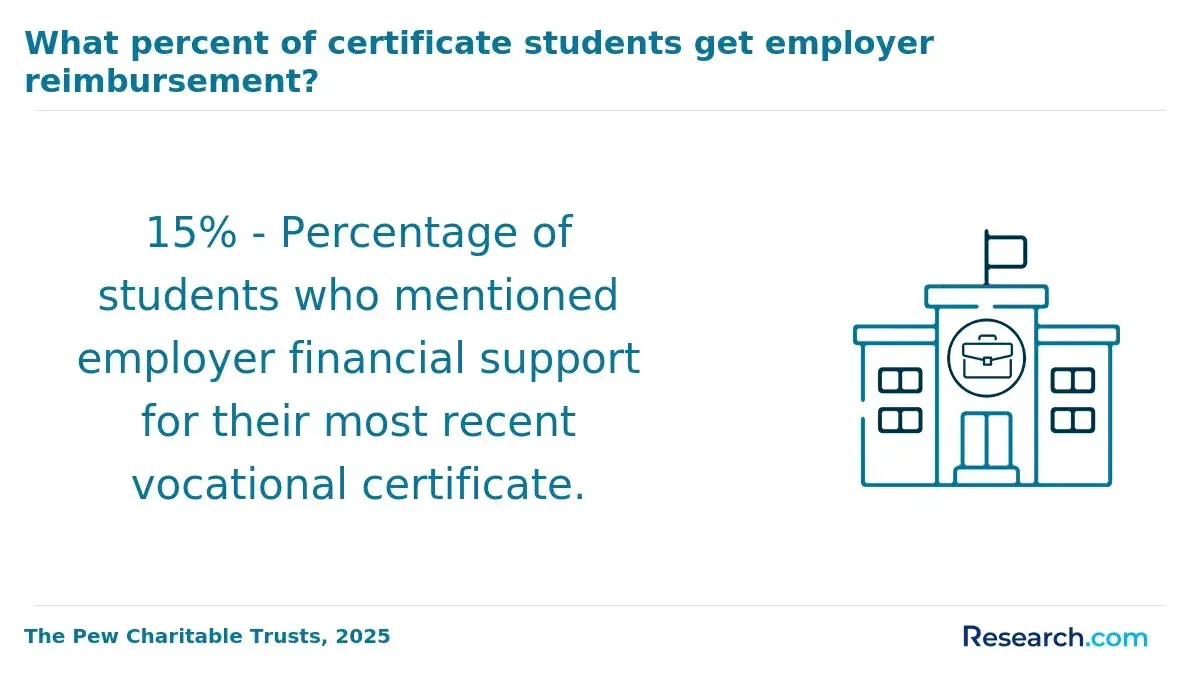
- Available Funding Sources: Scholarships, fellowships, graduate assistantships, employer tuition reimbursement programs, and federal student loans are common ways to finance education, each with different benefits and obligations.
- Debt Reduction Strategies: Applying specifically for department-related fellowships, attending in-state public schools, or taking on teaching or research assistantships can help offset tuition through waivers or stipends.
- Return on Investment Assessment: Evaluating expected starting salaries in youth and family ministry roles versus total cost helps determine if the degree's financial value aligns with your goals. ROI varies depending on regional job markets and specializations.
A graduate I spoke with recalled the financial balancing act required to complete the degree while working part-time. He described applying for a departmental fellowship as pivotal in easing tuition burdens and allowed him to focus more on coursework without overwhelming debt. The mix of online classes and a flexible schedule helped juggle work and study commitments. Reflecting on the journey, he emphasized the importance of researching all funding avenues early to avoid surprises and to make the investment worthwhile for his ministry career advancement.
How Long Does It Take to Earn a Youth and Family Ministry Master's Degree?
When planning for a youth and family ministry master's degree, the time to complete the program is a crucial factor influencing a student's academic and career trajectory. The average duration of youth and family ministry master's programs varies based on enrollment status, program structure, and additional requirements. Below is a breakdown of the primary factors affecting completion time:
- Full-Time Enrollment: Most full-time students finish their degree within 1.5 to 2 years. This timeframe is typical for programs requiring 30 to 40 credit hours, allowing students to dedicate focused effort to their studies.
- Part-Time and Online Programs: Students balancing other commitments often opt for part-time or online programs, which usually take 3 to 4 years to complete due to a reduced course load per semester and more flexible scheduling.
- Accelerated Options and Combined Pathways: Some institutions provide accelerated master's tracks or combined bachelor's/master's programs that enable students to take graduate-level courses during undergraduate study, shortening the total duration.
- Transfer Credits: Relevant graduate-level coursework completed elsewhere may be transferable, potentially reducing the length of the program. Transfer policies vary, so consulting program advisors is essential.
- Thesis vs. Non-Thesis Tracks: Choosing a thesis track typically lengthens the program due to research requirements, while non-thesis options might involve additional coursework or practicum hours impacting overall time.
- Internship and Practicum Requirements: Many youth and family ministry programs include fieldwork, which can extend the timeline depending on placement length and scheduling within the academic calendar.
Students exploring degree options should also consider the cost and flexible formats available, including insights into online emba programs which often share similar flexible scheduling structures. Careful evaluation of time to complete a youth and family ministry master's degree helps set realistic expectations and informs the decision-making process for this important educational investment.
What Career Paths Are Available with a Youth and Family Ministry Master's Degree?
Graduates holding a master's degree in youth and family ministry have access to a broad range of careers spanning various sectors. This section offers insight into the professional avenues available, highlighting how the degree's skills apply both within direct ministry roles and in adjacent fields. Below is an overview of key career paths and industries for those trained in youth and family ministry.
- Direct Ministry Roles: Many begin as youth pastors, family counselors, or outreach coordinators within religious organizations. These roles emphasize leadership development, counseling, and program creation aimed at supporting young people and families.
- Nonprofit Sector: Graduates frequently work with nonprofits focused on at-risk youth, family aid services, or educational programming. Their expertise in counseling and management equips them well for these positions.
- Government Opportunities: Agencies dedicated to family welfare and youth advancement value professionals skilled in counseling and program oversight. These roles provide a chance to influence public policy and community resources.
- Private Sector Engagement: Careers in corporate social responsibility, community relations, or youth-centered educational initiatives allow graduates to leverage their ministry background in business environments.
- Academic and Research Careers: Some graduates pursue teaching or research roles in theology, social work, or ministry studies, contributing to the development of new knowledge and training future professionals.
- Career Progression: While many start in individual contributor roles, experience and additional credentials often lead to managerial or executive positions, such as nonprofit directors or program leaders, broadening influence and responsibilities.
When speaking with a graduate who completed a master's in youth and family ministry, they described how the program's focus on both practical counseling and leadership made transitioning into their first counseling role smoother than anticipated. "The coursework helped me understand real-world challenges facing families, which gave me confidence when I started working," they explained. Navigating the job market was less daunting because the degree clarified career options and equipped them with skills trusted by employers. This clarity, combined with mentorship opportunities during the program, eased what could have been an uncertain process into a more guided and manageable experience.
What Is the Average Salary for Youth and Family Ministry Master's Degree Holders?
Professionals with a youth and family ministry master's degree experience varied compensation influenced by experience, location, employer type, and industry sector. Earnings often surpass those of bachelor's degree holders due to advanced qualifications. Total pay can also include bonuses, benefits, and equity opportunities. Key salary data points are summarized below.
- Entry-Level Salaries: New graduates generally earn between $38,000 and $48,000 per year, with salaries influenced by region and type of employer. Urban areas and private religious institutions tend to offer higher starting pay compared to rural or government roles.
- Mid-Career Earnings: After five to ten years, salaries typically increase to $50,000-$65,000, reflecting greater responsibilities and leadership positions within ministries or community organizations. Enhanced healthcare and retirement benefits are common at this stage.
- Senior-Level Compensation: Veterans in senior or executive roles can expect earnings from $70,000 to $90,000 annually. Those in major metropolitan areas or with nationally recognized organizations usually earn at the higher end of this range.
- Geographic and Employer Variation: Location strongly affects wages, with coastal cities like New York and California often providing the best pay. Public employers generally offer stable but modest salaries, while private nonprofits and churches may include additional benefits such as housing allowances.
- Master's Degree Premium: Holding a master's degree generally adds a 10% to 20% salary increase over those with only a bachelor's degree in related roles, emphasizing the value of higher education in this field.
What Professional Certifications Complement a Youth and Family Ministry Master's Degree?
Several professional certifications can significantly boost the career prospects and salary potential for graduates holding a youth and family ministry master's degree. Here is a concise overview of key credentials worth considering, along with strategic advice on when to pursue them in relation to your degree program:
- Certified Youth Ministry Leader (CYML): Offered by the National Association of Youth Ministry (NAYM), this certification demands a blend of ministry experience and educational background. The exam tests knowledge in adolescent development, program planning, and spiritual leadership, with renewal requiring continuing education hours every few years. It is highly valued by employers in faith-based organizations seeking leadership roles.
- Credentialed Christian Educator (CCE): Provided by the Alliance for Christian Education, the CCE is designed for those aspiring to work in educational capacities within churches or nonprofits. Eligibility involves holding relevant academic degrees, completing specific training, and passing evaluations. Ongoing professional development is necessary for renewal, making it a practical credential for youth and family ministry graduates focused on education roles.
- Certified Family Life Educator (CFLE): Administered by the National Council on Family Relations, the CFLE emphasizes family dynamics and counseling expertise. Candidates must hold a bachelor's or higher degree in related fields, complete coursework aligned with CFLE standards, and pass a comprehensive exam. Renewal involves continuing education every five years. This credential complements youth and family ministry studies by enhancing counseling skills, favored by nonprofits and educational institutions.
Employers frequently prefer or require such certifications for leadership and specialist roles within faith-based, nonprofit, and educational sectors. Pursuing these certifications simultaneously with or shortly after completing a master's program enables integration of academic knowledge and credential preparation, maximizing efficiency and value. According to the Bureau of Labor Statistics, certified professionals in related fields generally earn 10-15% higher salaries, underscoring the economic advantage of these certifications.
For those interested in expanding career options further, especially in clinical or counseling roles, exploring mft programs can be a beneficial complement to a youth and family ministry master's degree. Considering the broad range of professional certifications for youth and family ministry graduates and related degrees can create a solid foundation for diverse career pathways.
What Are the Top Industries Hiring Youth and Family Ministry Master's Degree Graduates?
Identifying key industries employing graduates with a youth and family ministry master's degree helps students focus their career strategies effectively. Understanding where demand is highest and which skills are valued can guide choices in internships, networking, and coursework. The following list highlights the leading sectors for employment and emerging areas gaining momentum.
- Religious Organizations: This sector represents the largest employer group, ranging from small local churches to large denominational bodies. Roles include youth pastors, family counselors, and program coordinators. Certifications in pastoral care or counseling improve job prospects.
- Educational Institutions: Both public and private schools hire graduates as youth program directors and family engagement specialists. Expertise in educational psychology and community outreach is preferred, while youth development certifications add advantage.
- Nonprofit Agencies: Focused on youth welfare, family support, and community development, nonprofits are expanding rapidly. Positions often involve program management, advocacy, and grant writing, with fundraising and partnership experience highly valued at larger organizations.
- Healthcare and Social Services: Growing interest in holistic care and mental health has increased demand for ministry-trained professionals in these fields. Critical skills include crisis intervention and cultural competency, useful for supporting diverse populations.
- Emerging Sectors and Strategies: Technological advances and societal shifts bolster opportunities in community leadership and advocacy roles across industries. Students should pursue relevant internships and engage with professional associations while selecting courses in counseling, leadership, and family dynamics to remain competitive.
What Are the Highest-Paying Jobs for Youth and Family Ministry Master's Degree Holders?
Knowing which careers offer the highest pay after earning a youth and family ministry master's degree helps guide candidates toward roles that not only align with their passion but also provide strong financial rewards. These positions often demand specialized skills, leadership abilities, and sometimes additional certifications or advanced degrees to maximize earning potential. Below are key roles that rank among the top earners in this field.
- Director of Youth Ministry: Typically earning between $55,000 and $70,000 annually, directors lead youth programs, manage staff, and create educational plans. They need solid leadership and counseling expertise, with 3 to 7 years of experience usually expected. Larger congregations or urban areas often offer higher wages.
- Family Counseling Therapist: With median salaries in the $60,000 to $75,000 range, these therapists work with families to address youth-related challenges. A master's degree alongside licensure such as Licensed Marriage and Family Therapist (LMFT) is essential. Common workplaces include health centers, hospitals, and private clinics.
- Nonprofit Program Manager: These managers oversee youth-oriented initiatives in nonprofit organizations and earn from about $50,000 up to $80,000 depending on experience and locale. Skills in grant writing, community engagement, and administration enhance salary prospects, particularly in large urban nonprofits.
- Chaplain or Pastoral Counselor: Serving in hospitals, military installations, or institutions, chaplains may command $60,000 to $90,000 annually. Additional theological education or a doctorate often leads to higher pay. Strong crisis management and emotional intelligence are vital, with metropolitan areas typically offering the top salaries.
- Academic or Training Coordinator: Responsible for developing and administering training programs for youth workers, these coordinators earn $55,000 to $75,000 on average. Positions demanding adult education certification or doctoral credentials usually pay more. Employers range from educational institutions to large religious organizations.
What Is the Job Outlook and Employment Growth for Youth and Family Ministry Professionals?
Prospective students exploring a youth and family ministry master's degree should consider the job outlook and employment growth projections for youth and family ministry careers, which directly impact long-term career opportunities. Understanding labor market trends helps in assessing the viability and stability of this professional path.
- Employment Growth Projections: According to the U.S. Bureau of Labor Statistics (BLS), employment of clergy is projected to grow about 2% from 2022 to 2032, which is slower than the average 5% growth expected for all occupations. However, social workers and counselors-roles frequently pursued by youth and family ministry graduates-are anticipated to grow faster, between 9% and 11%, driven by rising demand for mental health and community services.
- Demographic and Social Factors: Aging populations and increasingly diverse family structures increase the need for faith-based and community support programs, sustaining demand for ministry professionals skilled in family dynamics and youth engagement.
- Technological Influence: Digital outreach and technology adoption are expanding ministry roles, requiring new digital competencies, though automation has minimal impact due to the personal nature of these careers.
- Policy and Funding Considerations: Shifts in social service funding and education policies can either enhance or limit hiring, making adaptability essential for those in this sector.
For students seeking flexible learning options aligned with these trends, online accredited psyd programs provide alternatives that may complement or expand career pathways in related counseling fields.
What Skills and Competencies Does a Youth and Family Ministry Master's Program Develop?
Prospective youth and family ministry master's students benefit from understanding the core competencies they will develop, which combine technical expertise and interpersonal abilities. These skills not only prepare graduates for ministry work but also enhance their adaptability across various professional settings.
- Technical Proficiency: Students acquire knowledge in both qualitative and quantitative research methods, enabling them to analyze data effectively and evaluate program outcomes. Training includes digital communication tools essential for engagement in today's technology-driven environments.
- Leadership and Communication: Strong leadership skills are cultivated alongside the ability to communicate clearly and empathetically with diverse groups. These abilities are vital for managing teams, resolving conflicts, and fostering community partnerships.
- Critical Thinking and Problem-Solving: Emphasizing analytical reasoning, students learn to approach challenges strategically through case studies and simulations. These exercises encourage solution-oriented thinking applicable beyond ministry contexts.
- Experiential Learning: Internships, group projects, and real-world scenarios deepen practical understanding and build collaborative competencies. Such experiences provide direct exposure to ministry-related issues, enhancing readiness for professional roles.
- Employer-Prioritized Competencies: Adaptive leadership, cultural sensitivity, and ethical decision-making consistently rank as essential qualities sought by employers. Graduates equipped with these skills can transition smoothly into nonprofit management, counseling, education, and social services.
What Graduates Say About Their Youth and Family Ministry Master's Degree
- Kyle: "Applying for admission to the youth and family ministry master's program was a straightforward yet eye-opening experience. I appreciated how carefully I had to navigate the multitude of accredited institutions offering such programs, ensuring I chose one that aligned with my goals. Using official academic catalogs and federal education resources helped me fully understand the degree requirements and plan my path to completion confidently."
- Shane: "Reflecting on my journey, I recognize the importance of thoroughly researching accredited programs in youth and family ministry before applying. The breadth of options was overwhelming, but leaning on recognized accrediting agencies provided clarity and reassurance. Relying on these official sources allowed me to meet degree requirements thoughtfully and stay focused throughout my studies."
- Monette: "I enthusiastically embarked on the youth and family ministry master's degree by first consulting federal education resources to grasp the nuances of program accreditation. Exploring various institutions and their official catalogs gave me a clear roadmap of academic expectations. This proactive approach not only streamlined my admission process but also enriched my overall educational experience."
Other Things You Should Know About Youth and Family Ministry Degrees
A master's degree in youth and family ministry can significantly enhance earning potential as graduates gain specialized skills valuable to faith-based organizations and community development. Over time, professionals with this degree often move into leadership roles such as directors of ministry programs or educators, which typically offer higher salaries. Additionally, the degree may open opportunities in counseling and social services, further broadening income prospects.
With a Youth and Family Ministry master's degree, careers include roles such as Youth Pastor, Family Ministry Director, and Community Outreach Coordinator. These positions involve engaging with young people and families to nurture spiritual growth and community involvement.
A master's degree in youth and family ministry is worth pursuing for individuals committed to careers in faith-based leadership, community outreach, and counseling. It equips graduates with essential skills for managing programs and supporting youth and families, providing a pathway to meaningful and often stable employment. However, prospective students should weigh program costs against potential salary outcomes and personal career goals before enrolling.
References
- Dual Level Youth and Family Ministry (BS) + MA Religion - Cairn University https://cairn.edu/youth-and-family-ministry-bs-mar-dual-level-program/
- Careers in Christian Ministry | MA in Christian Ministry https://www.mobap.edu/news/careers-in-christian-ministry/
- 30 Highest Paying Jobs in Theology and Ministry - Online Christian Colleges https://www.onlinechristiancolleges.com/highest-paying-jobs-in-theology-and-ministry/
- Graduate Ministry Programs | Master’s in Youth Ministry https://ministryleadership.org/masters-in-youth-ministry/
- Master of Youth & Young Adult Ministry/Masters of Science in Community & International Development, Dual Degree MAYYAM/CIDP https://bulletin.andrews.edu/preview_program.php
- Employing children’s, youth & family workers https://theresource.org.uk/employing-childrens-youth-family-workers/
- Certificate in Youth, Children & Family Ministry - Northwest Nazarene University https://nnu.edu/academics/programs/certificate-youth-children-family-ministry/
- Certificate in Children and Family Ministry - Trinity Evangelical Divinity School (TEDS) https://www.tiu.edu/divinity/programs/certificate-children-family-ministry/
- Youth and Family Ministry Degree | Welch College https://welch.edu/academics/bachelors-degree-programs/school-of-theology/youth-family-ministry-degree/
- Job Outlook for a Career in Ministry (2025) - Seminary Review https://seminaryreview.com/articles/career-guidance/job-outlook-career-ministry