2027 What Can You Do with an Addiction Counseling Master's Degree? Careers, Salaries & Growth

Co-Founder and Chief Data Scientist
Many individuals seeking meaningful careers face uncertainty about the practical outcomes of pursuing a master's degree in addiction counseling. With substance use disorders affecting over 40 million Americans annually, demand for qualified counselors is rising rapidly. Employment in addiction counseling is projected to grow 23% from 2022 to 2032, much faster than the average for all occupations. However, prospective students often lack clear insights into salary potential, certification requirements, and how program format influences job prospects.
This article addresses these concerns by detailing career options, workforce trends, educational pathways, and financial considerations to guide informed decisions about an addiction counseling master's degree.
Key Things to Know About What You Can Do with a Addiction Counseling Master's Degree
- Addiction counseling master's programs typically require a bachelor's degree, offer flexible online or campus formats, and vary in cost, allowing students to balance affordability with accreditation and flexibility.
- Graduates pursue roles such as substance abuse counselors and case managers, earning median salaries around $47,000, with higher pay possible through certifications and experience.
- Employment in addiction counseling is projected to grow 23% through 2032, outpacing average occupations, making long-term career growth and increased earnings viable.
What Are the Admission Requirements for a Addiction Counseling Master's Program?
Preparing the graduate prerequisites for addiction counseling master's degree programs helps ensure a smooth application process and meets important academic and professional standards. Demand for skilled counselors is rising rapidly, with employment in substance abuse and mental health counseling projected to grow 22% from 2020 to 2030, faster than average for all occupations. Below are key admission elements commonly expected by institutions:
- Relevant Undergraduate Degree: Most programs require a bachelor's degree from an accredited institution, preferably in psychology, social work, or a related human services field. Some flexibility exists depending on the program's focus and applicant background.
- GPA Thresholds: A minimum GPA of around 3.0 is typical, although some schools may consider slightly lower scores if other qualifications are strong.
- Standardized Tests: Tests like the GRE or GMAT are increasingly optional, as many schools waive these requirements to reduce barriers. Applicants should verify each institution's policy because some may still request scores.
- Supplementary Materials: Two to three letters of recommendation, a personal statement describing career goals, and sometimes a writing sample or resume detailing relevant work or volunteer experience are generally required.
- Field-Specific Prerequisites: Prior coursework in counseling or psychology and experience in social services or mental health settings are often needed. International students usually must demonstrate English proficiency through exams such as TOEFL or IELTS.
Prospective students weighing their options may also consider comparing on-campus and online programs, including shorter doctoral paths available among various options. For those interested in further advanced degrees, online doctorate programs can be an effective continuation after completing a graduate degree.
What Is the Minimum GPA Requirement for a Addiction Counseling Master's Program?
Knowing the minimum GPA requirements for addiction counseling master's programs is crucial for prospective students preparing their applications. Typically, schools seek candidates who meet baseline academic standards, but these thresholds can vary widely. Understanding these variations, along with other factors influencing admissions, helps applicants tailor their materials effectively. Employment for substance abuse, behavioral disorder, and mental health counselors is projected to grow 22% from 2022 to 2032, reflecting solid job prospects. Key points about GPA expectations and admissions process appear below.
- Typical GPA Range: Most programs require a minimum GPA between 2.75 and 3.0 on a 4.0 scale, but this can fluctuate depending on the average GPA needed for admission to addiction counseling graduate schools and the school's selectivity.
- Holistic Admissions: Many programs evaluate candidates beyond GPA by reviewing professional experience, test scores, personal statements, and letters of recommendation as part of a comprehensive assessment.
- Flexibility for Low GPAs: Applicants with GPAs slightly below the minimum may still obtain admission by demonstrating strong work history or compelling personal motivation, illustrating admissions flexibility.
- Program Variability: Public and private institutions, as well as specialized concentrations, each have distinct GPA standards influenced by program rigor and prestige.
- Alternative Pathways: Prospective students might also consider options like a social work accelerated program to complement or transition within related fields, broadening career opportunities.
How Much Does a Addiction Counseling Master's Degree Cost and How Can You Finance It?
Planning finances for a master's degree in addiction counseling is crucial for managing tuition, fees, and related expenses before enrollment. It's important to understand various costs and funding avenues to create a realistic budget. Consider the following key points:
- Tuition and Fees Variation: Public universities typically charge $10,000-$25,000 annually for in-state students, while private or online options may exceed $30,000, with additional fees and living costs increasing the total financial commitment.
- Funding Sources: Scholarships, fellowships, and graduate assistantships offer valuable financial aid. Many students also access employer tuition reimbursement plans and federal loans, though competitive admission rates-often around 30-40% for selective online programs-mean early financial planning is essential.
- Debt Reduction Tactics: Selecting in-state public programs lowers tuition dramatically. Students can pursue departmental fellowships or negotiate teaching and research assistantships to offset expenses through tuition waivers or stipends.
- Return on Investment Analysis: Comparing program costs with anticipated salaries in your specialization and geographic area helps determine if the degree is a sound financial decision. Factoring job market demand and career objectives ensures alignment between investment and outcomes.
I spoke with a graduate who completed a master's in addiction counseling while working full-time. They emphasized the balancing act between coursework and job responsibilities, noting how securing a research assistantship eased financial pressure and provided valuable experience. "It wasn't easy managing time and money, but the assistantship helped cover tuition and gave me confidence in my career path," they shared. Their story highlights how careful financial planning and resourcefulness can make this degree attainable and worthwhile.
How Long Does It Take to Earn a Addiction Counseling Master's Degree?
For individuals aiming to pursue a master's degree in addiction counseling, knowing the typical time commitment is crucial for setting realistic personal and professional expectations. The average duration of addiction counseling master's programs varies widely based on enrollment status, program design, and additional requirements. Key factors affecting completion time are outlined below.
- Full-Time Enrollment: Most students enrolled full time complete their degree within 1.5 to 2 years. This generally includes completing required coursework, practicum or internship hours, and any thesis or capstone projects.
- Part-Time and Online Programs: These options provide greater flexibility for working professionals or those with other commitments, typically extending the completion timeline to 3 to 4 years. The pace depends largely on how many credits are taken each semester and the ability to balance studies with outside responsibilities. Prospective students interested in these formats may explore online mental health counseling programs for more options.
- Accelerated and Combined Pathways: Some universities offer accelerated tracks, including combined bachelor's/master's programs, that condense study time by blending undergraduate and graduate coursework to shorten the overall duration.
- Transfer Credits: Students with relevant previous graduate coursework or certifications may reduce time to completion by transferring credits, which depends on institutional policies.
- Thesis Versus Non-Thesis Tracks: Choosing to complete a thesis can extend the degree timeline due to additional research and writing requirements, while non-thesis options generally emphasize practical skills and clinical experience.
- Internship and Practicum Requirements: Hands-on clinical hours are mandatory and usually run alongside coursework. Scheduling and duration of these experiences can impact how long it takes to finish the program.
What Career Paths Are Available with a Addiction Counseling Master's Degree?
Graduates with a addiction counseling master's degree can expect diverse career opportunities across healthcare, social services, education, and beyond. This degree prepares students not only for direct clinical roles but also opens doors to related positions where counseling, communication, and management skills are valuable. Below is an outline of key career paths these graduates typically pursue.
- Direct Clinical Roles: Many graduates start as addiction counselors, substance abuse therapists, or behavioral health specialists. Such positions focus on delivering individual or group therapy, developing treatment plans, and assisting client recovery in both inpatient and outpatient environments.
- Program and Case Management: Skills gained in the master's program also suit roles like case managers or program coordinators, where organizational and interpersonal abilities support community outreach and service delivery.
- Managerial Positions: With experience and further certifications, professionals often move into supervisory roles, overseeing clinical teams or managing treatment programs, combining leadership with expertise in addiction recovery.
- Executive Leadership: Longer-term career paths can lead to leadership in nonprofit or public health organizations, influencing policy, program development, and strategic planning at higher administrative levels.
- Industry Recruitment: Government agencies, nonprofit groups focused on mental health and recovery, private healthcare providers, and academic institutions all frequently employ addiction counseling graduates, reflecting broad demand across sectors.
One graduate shared how the master's program significantly streamlined the transition into a professional setting. "Navigating the licensing requirements felt less overwhelming because the curriculum aligned closely with state standards," they noted. They also appreciated hands-on internships that provided real-world exposure, which helped build confidence before entering the workforce. "Without that structured experience, I would have struggled more to find my footing in such a sensitive and demanding field," they explained.
What Is the Average Salary for Addiction Counseling Master's Degree Holders?
Compensation for professionals holding a master's degree in addiction counseling varies by experience, location, and employer type. Below are key factors influencing salary levels and benefits among these specialists.
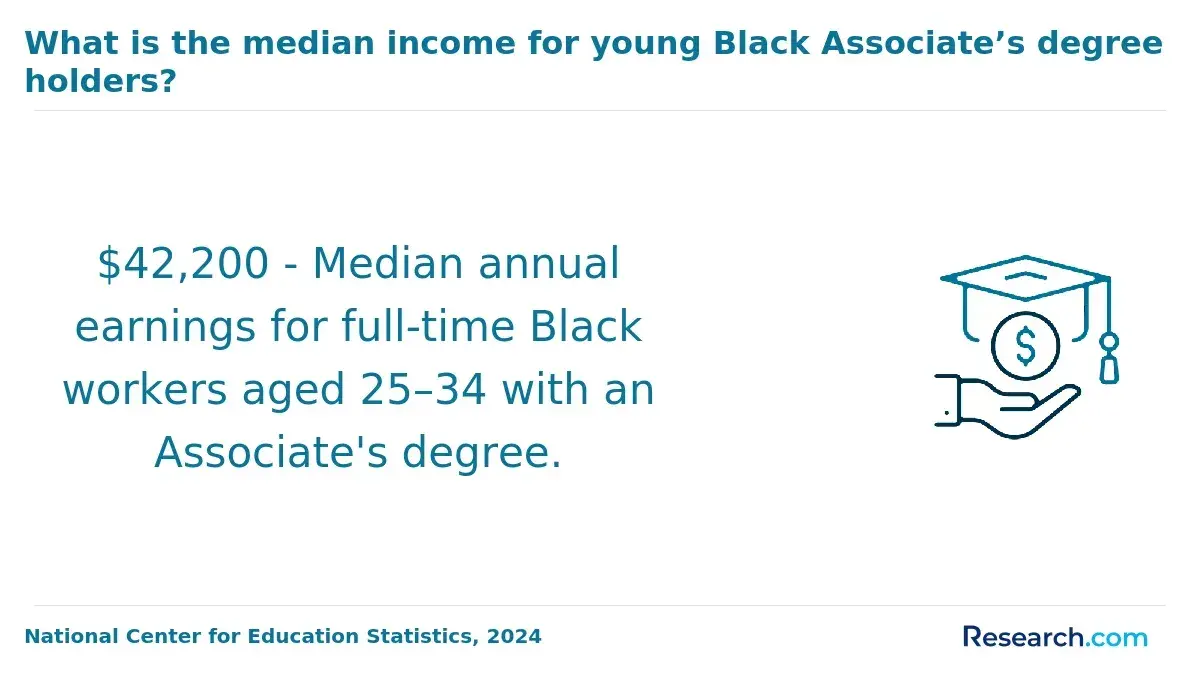
- Entry-Level Salary Ranges: New graduates generally earn between $40,000 and $50,000 annually. Positions at this stage are commonly found in community health settings, outpatient facilities, and rehabilitation centers.
- Mid-Career Income Growth: With five to ten years of experience, salaries typically increase to $50,000-$65,000. This reflects the acquisition of certifications, specialized skills, and added responsibilities.
- Senior-Level Earnings: Highly experienced counselors and supervisors may earn from $70,000 up to $85,000 or more. Larger metropolitan areas and private practice settings often offer the highest compensation.
- Geographic and Employer Differences: Salaries are generally higher in states with elevated living costs such as California and New York. Public agencies tend to deliver steady wages and robust benefits, while private employers might offer higher base pay combined with bonuses or profit-sharing plans.
- Master's Degree Salary Advantage: Holding a master's degree provides approximately a 15-25% boost in salary compared to bachelor's degree holders in related fields, reflecting the advanced clinical expertise acquired.
- Additional Compensation Elements: Beyond base salary, many addiction counselors receive supplementary income via bonuses, health insurance, retirement benefits, and occasionally equity stakes, especially in private clinics, enhancing overall compensation.
What Professional Certifications Complement a Addiction Counseling Master's Degree?
Several professional certifications complement an addiction counseling master's degree, enhancing both career prospects and earning potential. These top professional credentials for addiction counseling master's degree holders include widely recognized credentials offered by reputable organizations. The following bullet points outline the key certifications, their credentialing bodies, eligibility requirements, exam formats, renewal processes, and market value. This overview also highlights the strategic timing for pursuing certification to maximize career advancement opportunities.
- Certified Addiction Counselor (CAC): Administered by the National Association for Alcoholism and Drug Abuse Counselors (NAADAC), this credential requires a relevant degree, supervised clinical hours, and passing a comprehensive exam. Renewal occurs every two years through continuing education. The CAC is highly valued by treatment centers and community organizations, often opening doors to both clinical and supervisory roles.
- Licensed Clinical Alcohol and Drug Counselor (LCADC): Governed by state licensing boards, this license demands a master's degree, extensive supervised experience, and successful completion of written and oral exams. It permits independent clinical practice and is preferred by hospitals and private practices. Renewal involves ongoing education and practice hours to maintain licensure.
- Certified Clinical Supervisor (CCS): Also offered by NAADAC, the CCS is aimed at addiction counseling professionals seeking supervisory positions. Eligibility includes holding a counseling certification plus documented supervisory experience. Candidates must complete an application and pass an exam, with renewals dependent on continued professional development. Agencies focused on quality assurance and leadership often prefer this credential.
For those considering certifications, obtaining credentials during or shortly after completing a master's program in addiction counseling is a strategic move. Early certification can improve internship and employment opportunities, while post-graduation certification demonstrates commitment and expertise, a finding supported by reports from the Substance Abuse and Mental Health Services Administration (SAMHSA). Prospective students interested in cost-effective education options may also want to explore the cheapest masters degrees that align well with their career objectives.
What Are the Top Industries Hiring Addiction Counseling Master's Degree Graduates?
Identifying the leading employers of graduates with a master's degree in addiction counseling is essential for students planning their career paths. Understanding industry demand, job roles, and relevant certifications helps in targeting fields with strong employment prospects. Below is a ranked overview of key sectors hiring addiction counseling professionals and emerging opportunities fueled by market trends.
- Healthcare and Social Assistance: This sector represents the largest employer base, including hospitals, nonprofit clinics, and rehabilitation centers. Roles such as substance abuse counselors, clinical supervisors, and case managers dominate. Licenses like the Licensed Clinical Alcohol and Drug Counselor (LCADC) increase job competitiveness by validating clinical expertise.
- Government Agencies: Local, state, and federal governments hire for positions in public health, policy enforcement, and community program management. These roles often involve prevention efforts, grant management, and ensuring regulatory compliance. Proficiency in healthcare regulations and strong interpersonal skills are critical here.
- Private Practice and Telehealth Services: Driven by technological growth and evolving legal frameworks, private practice and teletherapy options are expanding rapidly. Professionals adept at digital counseling platforms and telehealth regulations gain access to this increasing market focused on remote mental health care.
- Corporate Wellness and Employee Assistance Programs (EAPs): Businesses are investing more in workforce well-being, creating demand for addiction counseling expertise to support employee health and productivity. This emerging area offers roles tied to prevention, education, and intervention in workplace settings.
- Targeting Industries through Experience and Education: Students are advised to seek internships aligned with their desired industry, participate in networking events, and select coursework emphasizing relevant clinical and ethical skills. Aligning training with industry expectations enhances employability.
What Are the Highest-Paying Jobs for Addiction Counseling Master's Degree Holders?
For those pursuing a master's degree in addiction counseling, understanding which roles offer the highest earning potential is essential for making informed career decisions. Salary ranges often depend on experience, certifications, and geographic location, while specialization and work setting also influence compensation. Below are some of the leading job titles that tend to offer top pay in this field.
- Clinical Director: These professionals manage addiction treatment programs, oversee clinical staff, and ensure regulatory compliance. Median pay ranges from $70,000 to over $100,000 annually, with higher salaries typically found in hospital systems or large nonprofit organizations.
- Licensed Substance Abuse Counselor: Providing individual and group addiction therapy, licensed counselors earn between $45,000 and $65,000, with potential increases in private practice or specialized clinical settings.
- Behavioral Health Program Manager: Responsible for coordinating mental health and addiction services, this role requires strong leadership and organizational skills. Salaries generally range from $60,000 to $90,000, particularly within government agencies and healthcare providers.
- Forensic Addiction Counselor: Focusing on individuals involved with the criminal justice system, these counselors earn $50,000 to $75,000 and benefit from additional forensic counseling certifications to enhance their earnings.
- Licensed Marriage and Family Therapist (LMFT) Specializing in Addiction: Combining family therapy with addiction counseling, LMFTs often earn $60,000 to $85,000 or more, especially in private practice settings. This position requires licensure and supervised clinical experience.
Higher qualifications such as Certified Addiction Counselor (CAC) credentials or doctoral degrees can elevate earning capacity, particularly in leadership or academic roles. Geographic factors also play a significant role, as urban centers and regions with higher living costs often offer increased salaries. Among employers, private hospitals and rehab centers typically provide the top compensation packages.
What Is the Job Outlook and Employment Growth for Addiction Counseling Professionals?
Prospective students interested in addiction counseling will find the job outlook favorable, making it an important consideration when choosing to pursue this master's degree. The employment growth in the United States for addiction counseling professionals is significantly higher than the national average, indicating robust demand for trained practitioners.
- Strong Employment Growth: According to Bureau of Labor Statistics data, substance abuse, behavioral disorder, and mental health counselors are projected to grow by about 22% from 2022 to 2032. This rate far exceeds the 5% average growth across all occupations, reflecting expanding opportunities nationwide.
- Demographic and Social Drivers: Rising awareness of mental health issues, an aging population more vulnerable to substance use disorders, and expanding healthcare coverage contribute to the increasing need for addiction counseling professionals.
- Economic and Technological Factors: Increased funding for treatment programs and the growth of telehealth services enable more flexible counseling options. While technology facilitates remote services, human empathy remains essential, sustaining steady demand in-person and online.
- Policy and Regulatory Influence: Shifts in healthcare policy and funding can impact job availability, though addiction counseling is less affected by automation or globalization effects. The field's reliance on professional judgment provides relative employment stability over time.
For individuals evaluating the cost of education, exploring the cheapest online phd in criminal justice may provide additional insights into affordable pathways within related fields.
What Skills and Competencies Does a Addiction Counseling Master's Program Develop?
Prospective students should understand the essential skills developed in an addiction counseling master's program, as these competencies shape both effective practice and career flexibility. The coursework and experiences build a foundation that supports success across diverse roles and settings.
- Technical Proficiency: Students gain expertise in evidence-based counseling methods, clinical assessments, research techniques, and data interpretation. These hard skills enable precise evaluation and intervention planning crucial in treatment environments.
- Interpersonal Communication: Strong verbal and written communication skills are cultivated, allowing graduates to engage clients empathetically and collaborate effectively with multidisciplinary teams.
- Critical Thinking and Ethical Judgment: The program emphasizes analytical problem-solving and ethical decision-making, helping students navigate complex client needs and professional responsibilities.
- Leadership and Adaptability: Training includes developing leadership qualities and flexibility, preparing students to influence program development and respond to evolving healthcare demands.
- Transferable Competencies: The skill set applies beyond counseling centers to roles in healthcare, social services, and education, widening employment opportunities in various industries.
- Experiential Learning: Internships, simulations, case studies, and group projects reinforce theoretical knowledge through real-world application, enhancing practical judgment and teamwork capabilities.
- Employer Priorities: Hiring professionals consistently value strong interpersonal skills, ethical integrity, and the ability to collaborate, considering these critical indicators of candidate success in addiction treatment roles.
What Graduates Say About Their Addiction Counseling Master's Degree
- Mimi: "Applying to the addiction counseling master's program felt overwhelming at first, but thoroughly reviewing the official academic catalogs helped me understand each school's unique requirements. I spent significant time navigating accredited institutions to ensure I chose a respected program that matched my career goals. This foundation made the whole process much smoother and gave me confidence in my educational path."
- Ahmed: "Choosing the right addiction counseling master's program was a deeply reflective experience. I leaned heavily on information from accrediting agencies and federal education resources to distinguish legitimate programs from those less reputable. That due diligence paid off by guiding me toward a curriculum that was both rigorous and aligned with professional standards in the field."
- Chelsea: "My journey through addiction counseling graduate studies began with detailed research into how admission criteria differed among online programs. Harnessing official academic materials and federal guidelines was critical in mapping the trajectory that best suited my schedule and learning style. Looking back, the most rewarding part was mastering the navigation of accredited providers, which set a solid academic and professional foundation."
Other Things You Should Know About Addiction Counseling Degrees
This question is more related to the mode of program delivery than the specific career and salary prospects for 2027. Both online and on-campus programs offer unique benefits, depending on your personal learning preferences and scheduling needs, but the choice does not directly impact salary growth or job opportunities specific to 2026. Now, here are four relevant questions with answers about careers, salaries, and growth for an Addiction Counseling Master's Degree in 2027:
Networking with professionals, gaining certifications, and acquiring specialized skills can increase salaries for addiction counselors. Actively participating in workshops and conferences enhances expertise and visibility, often leading to higher-paying roles in 2027. Negotiating salary based on additional skills can further maximize income.
After earning a master's degree in Addiction Counseling, professionals typically need certification such as the Certified Addiction Counselor (CAC) or Licensed Professional Counselor (LPC). These certifications, governed by state boards, ensure the counselor is qualified to handle addiction therapy effectively.
References
- 7 Careers with a Master’s Degree in Counseling Psychology | The Chicago School https://www.thechicagoschool.edu/insight/career-development/7-career-opportunities-with-a-masters-degree-in-counseling-psychology/
- Counselor Salary https://onlinecounselingprograms.com/become-a-counselor/salary/
- Careers https://www.stcloudstate.edu/programs/addictions-counseling/careers.aspx
- 14 Intriguing Career Options for Your Master's Degree in Counseling | Carson-Newman University https://www.cn.edu/cps-blog/14-intriguing-career-options-for-your-masters-degree-in-counseling/
- What Can You Do with a Master’s in Counseling? | University of Bridgeport https://www.bridgeport.edu/news/what-can-you-do-masters-in-counseling/
- Addiction Counselors | Mental Health Counselors |Substance Abuse Counselors - Industry Growth https://www.addictionacademy.com/careers-addiction/addiction-counselor-job-growth/
- A Guide to Professions in Addiction Studies and Recovery https://www.ucumberlands.edu/blog/guide-to-professions-in-addiction-studies-and-recovery
- Substance Abuse Counselor Degrees - Education, License and Certification | AddictionCounselor https://addiction-counselor.org/degrees/
- How Much Can You Make as an Addiction Counselor? https://www.hazeldenbettyford.org/graduate-school-addiction-studies/drug-alcohol-counselor-salary
- Addiction Counseling https://www.addictioncenter.com/treatment/addiction-counselors/