
2027 Does an Addiction Counseling Degree Require Internships or Clinical Hours?

Co-Founder and Chief Data Scientist
Aspiring addiction counselors often question whether earning a degree requires completing internships or clinical hours, critical for hands-on experience. This uncertainty complicates decisions on program selection and time management. According to the National Association for Addiction Professionals, over 60% of addiction counseling programs in the U. S. mandate supervised clinical hours, reflecting a growing emphasis on practical training. The addiction counseling workforce is projected to grow 22% through 2031, underscoring the need for comprehensive education.
This article explores the typical internship and clinical hour requirements in addiction counseling degrees and how they impact program duration and career readiness, guiding informed educational choices.
Key Things to Know About Addiction Counseling Degree Internships or Clinical Hours
- Most addiction counseling degrees require 300-600 hours of internships or clinical experience to satisfy graduation and state licensure prerequisites.
- Online programs arrange supervised clinical hours locally, while campus-based programs often integrate on-site practicums within their curricula.
- Completing practical hours extends program duration but enhances career readiness, with 75% of graduates reporting improved employment prospects post-internship.
Does a Addiction Counseling Degree Require Internships or Clinical Hours?
An addiction counseling degree typically requires internships or clinical hours, though the exact requirements can vary by program and state licensure regulations. Most accredited programs include a practicum or internship component essential for hands-on experience. These clinical hours enable students to apply classroom knowledge in real-world settings under supervision, which is critical for developing counseling skills and understanding client interactions. Incorporating addiction counseling clinical hour requirements ensures students meet professional standards and prepare effectively for certification and licensure.
Internships generally take place in the final semester or year of the program and involve practical work such as assessment, treatment planning, crisis intervention, and counseling. Completing around 300 to 600 supervised clinical hours is common to qualify for licensure as a certified addiction counselor. These experiences are vital for skill development, ethical decision-making, and building professional competence.
Prospective students should carefully review each program's structure and state requirements, as these clinical hours significantly impact time commitment and career readiness. For those interested in related fields, exploring ai degrees online may offer alternative options for advanced education.
Are Internships Paid or Unpaid in Addiction Counseling Programs?
Internships in addiction counseling programs are most often unpaid, though compensation can vary by program and setting. This distinction is important for students because unpaid clinical hours addiction counseling programs may require significant time without financial compensation, affecting overall program costs and career planning. Nationwide, about 60% of addiction counseling internships remain unpaid, a trend reflecting the nonprofit nature of many treatment programs and budget constraints.
Factors influencing internship pay vary, but the value of gaining clinical experience often outweighs the lack of direct income. Below are key points to consider when evaluating paid internships in addiction counseling programs:
- Payment Structures: Most internships are unpaid, especially those tied to academic credit or degree requirements. Paid internships do exist but are typically limited to well-funded agencies or hospital-based programs.
- Program Funding and Location: The availability of paid internships often depends on the employer's budget and geographic location. Programs affiliated with healthcare institutions or private funding sources are more likely to offer compensation.
- Academic Credit and Career Value: Unpaid clinical hours addiction counseling often provide critical hands-on experience necessary for state licensure and career advancement, making them a valuable investment despite the lack of immediate pay.
- Financial Considerations for Students: Since many programs require unpaid internships, students should carefully weigh costs and benefits to select programs wisely, balancing practical experience with financial sustainability.
For those exploring cost-effective educational options, the cheapest online business degree programs offer examples of how affordable education pathways can support students balancing financial and career goals.
What Is the Difference Between Internships or Clinical Hours in Addiction Counseling Degree Levels?
Recognizing the differences in internship requirements for addiction counseling degrees is crucial for students to plan their academic workload and future careers effectively. These experiences vary widely depending on the degree level, impacting the duration, complexity, and supervision involved. Below is an overview to clarify these distinctions.
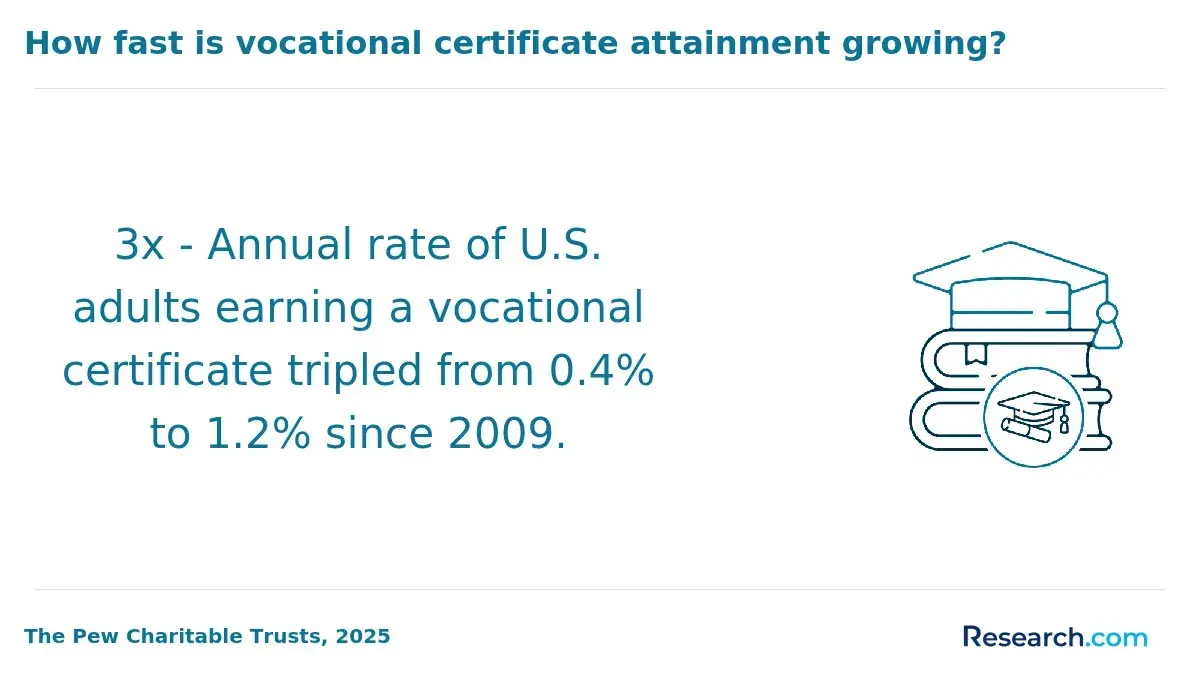
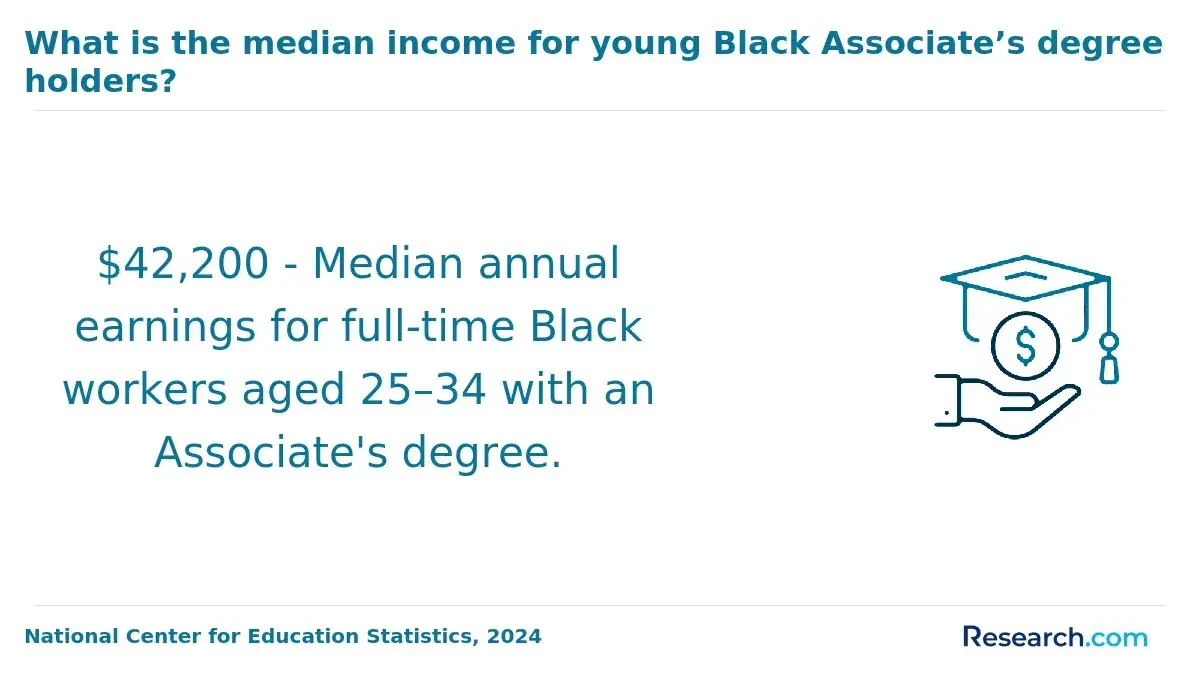
Associate and Bachelor's Degrees: Internships at these levels generally require students to complete 100 to 300 supervised contact hours in treatment settings. These internships focus on foundational skills like client interaction and observation, with less rigorous supervision compared to graduate programs. This stage emphasizes practical exposure rather than advanced clinical responsibilities.
Master's Degrees: Graduate programs demand more extensive clinical hours, typically between 600 to 1,200 hours, involving direct client counseling. These clinical hours highlight applied therapeutic techniques and case management under licensed supervision, aligning with professional licensure requirements. This level marks a significant increase in both time commitment and responsibility.
Doctoral and Professional Levels: These often build upon master's clinical experiences with added advanced clinical practice, research, and supervisory roles, further preparing students for independent practice and leadership in addiction counseling.
Students exploring clinical hours needed for addiction counseling programs should also consider program affordability and flexibility. For example, those interested in a specialized mlis degree may find parallels in structured program requirements and supervision standards across disciplines.
How Do Accelerated Addiction Counseling Programs Handle Internships or Clinical Hours?
Accelerated addiction counseling programs incorporate internships or clinical hours tightly within their shortened schedules to ensure students meet licensure criteria without prolonging their studies. These programs commonly arrange clinical experiences simultaneously with coursework, often utilizing evenings or weekends for training alongside classes. Typically, students complete between 300 and 600 practicum hours based on state mandates, distributed to maximize practical exposure while maintaining a high program pace. This structure supports an intensive learning environment that condenses essential hands-on training into the full program timeline.
Balancing demanding coursework with clinical placements requires strong time management and program flexibility. Many accelerated programs partner with multiple clinical sites, offering varied scheduling options that help students manage both academic and practical requirements. Additionally, blended learning approaches-combining online classes with local internships-enhance accessibility and convenience. Reflecting this trend, nearly 25% of addiction counseling students currently opt for accelerated pathways to speed up their readiness for professional practice.
A graduate from an accelerated addiction counseling degree shared how challenging it was to juggle simultaneous responsibilities. He described feeling overwhelmed initially but found that scheduling evening internship hours helped preserve daytime study blocks. "It was intense," he said, "trying to keep up with clinical documentation and coursework at the same time." He also recalled how supportive his program was in connecting him with flexible placement sites, which made it possible to gain the required experience without burnout. "Having those options made all the difference," he reflected, emphasizing that despite the pressure, the hands-on training was invaluable for building confidence before entering the field.
Are Internship Requirements the Same for Online and On-Campus Addiction Counseling Degrees?
Internship and clinical hour requirements for addiction counseling degrees generally do not differ between online and on-campus programs. Both formats usually require practical experience ranging from 500 to 1,000 hours to meet licensing standards and ensure consistent competency. This alignment helps maintain uniform learning outcomes and adherence to ethical guidelines in the profession. Notably, online education in behavioral health, including addiction counseling, has grown by over 30% in the last five years, reflecting increasing acceptance of virtual experiential training.
The main difference lies in how students complete their internships. Online learners often benefit from greater flexibility in choosing placement locations, which can accommodate those balancing other commitments or living far from campus. This flexibility may require securing an approved site independently, unlike on-campus students who typically receive support through established school partnerships with local facilities. Supervision remains essential for all students, with online programs frequently combining virtual and in-person meetings to meet professional development requirements.
How Do Addiction Counseling Degree Specialization Choices Affect Internship Requirements?
Specialization choices in addiction counseling degrees significantly influence internship or clinical hour requirements because different focuses align with distinct treatment settings and client needs. For instance, a program emphasizing adolescent addiction may require clinical hours in youth-centric environments, while a dual diagnosis specialization could involve internships in mental health facilities managing co-occurring disorders.
Nearly 60% of addiction counseling programs adjust clinical hour mandates based on specialization to better prepare students for specific roles in the workforce. These variations reflect the unique demands of each specialization and the corresponding practical experiences necessary for competent practice.
These specialization-driven differences also impact students' scheduling flexibility, workload, and overall career preparation. Programs requiring internships in specialized or intensive settings might demand full-time clinical commitments, limiting time for other activities, whereas others could allow part-time or evening hours. Students considering addiction counseling degree focus on clinical hours should evaluate how their specialization influences their time management and professional readiness. Aligning this understanding with personal goals is essential in navigating the diverse and evolving field of addiction counseling.
Prospective students seeking to maximize their return on education investment might review degrees that pay well to balance specialization demands with future earning potential.
Can Work Experience Replace Internship Requirements in a Addiction Counseling Degree?
Whether work experience can substitute for internship requirements in an addiction counseling degree largely depends on the program's policies and accreditation guidelines. This question often arises among working students balancing jobs with schooling. While many programs mandate supervised internships or clinical hours to ensure hands-on training, some may recognize relevant prior or current professional experience if it fulfills specific criteria.
Acceptance of work experience typically considers factors such as how closely the experience relates to addiction counseling, the duration and intensity of the role, and verification from past or current employers. Accreditation bodies and institutional policies also play vital roles. For example, mid-career professionals with extensive counseling backgrounds or students enrolled in applied specializations might find their work history credited toward clinical requirements. In contrast, entry-level programs or tightly regulated certifications generally require completed internships regardless. Because practices differ widely, students should communicate directly with advisors to explore the possibility of substituting internships with qualified work experience.
When asked about this topic, a graduate of an addiction counseling degree shared her experience. She recalled initially worrying if her years working in a substance abuse helpline would count toward her clinical hours. Navigating paperwork and employer recommendations took time, but ultimately, her program accepted a portion of that experience, which eased her course load. Reflecting on the process, she emphasized the importance of persistence and clear communication with program staff, noting it felt rewarding to have her professional background acknowledged and integrated into her training journey.
How Long Do Internships or Clinical Rotations Last in a Addiction Counseling Degree?
The length of internships or clinical rotations in addiction counseling programs significantly impacts students' professional readiness and licensure eligibility. Industry standards show that about 60% of these programs require a minimum of 700 supervised clinical hours, reflecting a strong focus on practical experience. Below are common duration models that students can expect in their clinical training.
- Short-term rotations: Usually lasting 1 to 3 months, these accelerated placements are common in certificate or fast-track programs. Their brief duration suits students aiming to quickly fulfill clinical hour requirements without an extended time commitment.
- Semester-long rotations: Typically spanning 12 to 16 weeks, these rotations involve 15 to 20 hours of clinical work weekly. They are standard in many programs and align with academic semesters, allowing students to balance coursework and hands-on training effectively.
- Extended year-long rotations: Some programs offer clinical placements lasting an entire academic year, providing extensive exposure to diverse treatment environments. This model supports deeper skill development and may be favored in bachelor's and master's level programs.
- Specialized tracks: Certain addiction counseling concentrations, such as co-occurring disorders or adolescent treatment, often require longer or more intensive clinical experiences. These specialized requirements align with accreditation and state licensing mandates to ensure comprehensive training.
Does Completing Internships Improve Job Placement After a Addiction Counseling Degree?
Job placement outcomes are a primary concern for prospective students pursuing an addiction counseling degree, as strong employment prospects validate the investment in education. Studies show that around 70% of recent graduates credit internship connections or experience for their job offers within six months. Below are key reasons why clinical hours and internships improve career opportunities in this field.
- Employer preferences: Many organizations prioritize candidates who have completed internships, seeing practical clinical hours as proof of relevant skills and professional readiness. This preference gives graduates with hands-on experience a significant advantage during hiring.
- Professional networking: Addiction counseling clinical hours impact on career opportunities through the relationships built during internships. These connections often lead to job referrals or direct employment offers, helping graduates enter a competitive job market.
- Skill development: Internships enable students to apply classroom theories in real-world settings, enhancing client communication and counseling techniques vital for successful careers. This practical exposure builds confidence and competence.
- Conversion to full-time roles: Many internship programs function as trial periods where agencies assess candidates for future positions. Positive evaluations during clinical hours frequently translate into full-time job offers.
Students interested in efficient pathways to stable careers may also consider exploring the easiest online degrees that pay well, which can complement their addiction counseling training and broaden career options.
Do Employers Pay More for Addiction Counseling Graduates With Hands-On Experience?
Practical experience such as internships or clinical hours plays a crucial role in boosting starting salaries for addiction counseling graduates. Research shows those with significant hands-on training often earn 8-12% more than peers lacking this experience. Several key reasons explain this wage premium.
- Employer valuation: Organizations favor candidates who can contribute from day one, reducing the need for extensive onboarding and minimizing risk. Demonstrated real-world skills signal readiness and reliability.
- Negotiation leverage: Graduates with documented clinical hours have stronger bargaining power during salary discussions. Proven competence in managing client cases and interventions allows them to justify higher initial pay.
- Industry standards: Many addiction counseling licenses and certifications mandate specific clinical hours. This requirement underscores their importance and often correlates with higher compensation as they validate practical expertise.
- Program-specific differences: Candidates from programs emphasizing experiential learning, including behavioral addiction or co-occurring disorder specialties, generally receive more competitive offers. Online programs that integrate internships also enhance field readiness, whereas fully classroom-based tracks may limit early earning potential despite saving time.
What Graduates Say About Their Addiction Counseling Degree Internships or Clinical Hours
- Hazel: "Completing the internship requirement in my online addiction counseling degree was an eye-opening experience that I deeply appreciated. Despite the average cost being manageable, I felt the real value came from hands-on learning and client interactions that solidified my skills. This opportunity truly accelerated my confidence and career growth in the counseling field. "
- Melanie: "The internship component of my addiction counseling program was thoughtfully integrated and reasonably priced, considering the quality of experience it provided. Reflecting back, it was challenging at times balancing cost and time, but the real-world exposure enhanced my understanding far beyond what coursework alone could offer. It has been instrumental in shaping my approach as a professional counselor."
- Evan: "From a professional standpoint, the online addiction counseling degree's internship requirement was both cost-effective and pivotal for my career advancement. The practical experience bridged the gap between theory and practice, enabling me to apply evidence-based techniques confidently. This phase was indispensable for establishing myself in a competitive job market."
Other Things You Should Know About Addiction Counseling Degrees
In 2027, most addiction counseling degrees do require internships or clinical hours to ensure practical experience. These requirements allow students to apply theoretical knowledge, develop essential counseling skills, and meet licensure prerequisites.
Yes, addiction counseling internships are designed to provide practical experience across diverse healthcare and community settings. These include inpatient rehabilitation centers, outpatient clinics, hospitals, mental health facilities, and community outreach programs. Exposure to different environments helps students gain a comprehensive understanding of addiction treatment approaches.
Most addiction counseling programs require students to undergo background checks before beginning internships. This ensures client safety and compliance with professional standards, especially when working with vulnerable populations. Additional screenings, such as drug tests or immunizations, may also be required depending on the placement site.
Yes, in 2027, most addiction counseling programs require students to complete internships or clinical hours. These practical experiences are vital for applying theoretical knowledge in real-world settings and gaining the skills needed for effective client interaction and treatment planning.
References
- How To Choose The Best Addiction Counseling Degree Program https://sobercollege.com/addiction-blog/how-to-choose-the-best-addiction-counseling-degree-program/
- Co-Occurring Substance Use Disorder Internships https://sagentbh.com/clinical-internship-opportunities/ladc-clinical-internships-adult-adolescent/
- Specialization in Addictions Counseling - Boston Graduate School of Psychoanalysis https://bgsp.edu/academics/addictions-counseling/
- Internship Opportunities Available to MAC Students | Bradley University Online https://onlinedegrees.bradley.edu/blog/counseling-internships
- When Mental Health and Counseling Internships and Practicums are Unpaid: 15 Non-Monetary Ways that Field Placement Sites Can Compensate Trainees https://www.mojozy.org/blog/when-mental-health-and-counseling-internships-and-practicums-are-unpaid-15-non-monetary-ways-that-field-placement-sites-can-compensate-trainees
- Tuition Incentive Program (TIP) https://www.ttccollege.org/campus/sudprogram/tiprogram/
- What type of internships should substance abuse counselors-in training-look for? - New Creation College http://newcreationcollege.org/type-internships-substance-abuse-counselors-training-look/
- How Long Does It Take to Become a Licensed Counselor? https://onlinecounselingprograms.com/become-a-counselor/how-long-does-it-take/
- Online degree in Addiction Counseling | Washburn University https://www.washburn.edu/academics/college-schools/applied-studies/departments/human-services/bas-hs-ao.html
- Paid Clinical Internship https://www.pathwaysmhs.org/internship-program.html


