
2027 What Prerequisites Do You Need for an Addiction Counseling Degree? Entry Requirements, Credits & Eligibility Rules

Co-Founder and Chief Data Scientist
Many students feel uncertain about the prerequisites for addiction counseling degrees due to varying entry requirements across programs. Studies show nearly 40% of applicants lack one or more prerequisite courses, causing delays in enrollment. This confusion can hinder timely progression toward certification and professional practice in this specialized field.
This article clarifies typical entry requirements, credit expectations, and eligibility rules to help prospective students navigate the admission process. Understanding these criteria early can improve preparedness, ensuring smoother access to addiction counseling degree programs and ultimately supporting successful career advancement.
Key Things to Know About the Prerequisites for a Addiction Counseling Degree
- Applicants typically need foundational courses in psychology, sociology, and human development, with a minimum GPA of 2.5 to 3.0 depending on the institution's standards.
- Most programs require completion of 60-90 undergraduate credits before enrollment, ensuring familiarity with behavioral science concepts essential for addiction counseling.
- Strong communication skills and sometimes background checks or certifications in CPR or first aid are prerequisites to ensure professional readiness and ethical compliance.
Do Addiction Counseling Programs Require Specific High School Prerequisites?
Most addiction counseling programs do not require highly specific high school prerequisites, but requirements can vary depending on the institution and program type. Some foundational subjects are often recommended to help prepare students for the academic challenges they will encounter.
Understanding these entry requirements can improve a student's readiness for addiction counseling coursework.
- English or Language Arts: Emphasized for developing strong reading, writing, and verbal communication skills, which are crucial for report writing, case documentation, and client interaction.
- Psychology: Frequently suggested as it provides early exposure to mental health concepts, behavioral theories, and counseling strategies important in addiction counseling programs.
- Social Studies or Sociology: Helps students grasp societal influences on addiction and fosters a broader understanding of cultural and community factors essential for effective counseling.
- Mathematics and Statistics: Basic knowledge is useful for research methods and understanding data related to treatment outcomes in addiction counseling.
Students interested in addiction counseling programs should be aware that these subject recommendations are aligned with observed trends showing better performance in first-year coursework.
This is reflected in enrollment data from the National Center for Education Statistics. For those considering various paths, reviewing college majors related to counseling and social services may also provide useful guidance.
What College-Level Prerequisites Are Required Before Starting a Addiction Counseling Degree?
Prospective students aiming to enroll in addiction counseling degree programs need to complete specific college-level prerequisites to support their academic readiness and ensure smooth progression through the curriculum. These foundational courses provide essential knowledge and skills, helping students adapt quickly to advanced concepts.
Below are common prerequisite courses often required before beginning an addiction counseling degree:
- Introductory Psychology: Offers a foundational understanding of human behavior, mental health, and cognitive processes, critical for grasping the complexities of addiction and recovery.
- Statistics: Equips students with data analysis skills necessary for interpreting research studies and applying evidence-based counseling methods effectively.
- English Composition or Academic Writing: Enhances written communication abilities required for client documentation, professional reporting, and conveying treatment plans clearly.
- Biology or Lab Sciences: Provides insight into human physiology and the biological mechanisms underlying addiction, enriching the scientific context of treatment approaches.
Meeting these eligibility requirements for addiction counseling programs in 2027 is vital for preparedness in both coursework and clinical practice. Enrollment trends reflect growing interest in behavioral health fields, emphasizing the value of a strong academic foundation. For those exploring pathways in behavioral health education, this information complements broader searches for easy PhD programs to get into.
How Many Credits Can You Transfer Into a Addiction Counseling Degree?
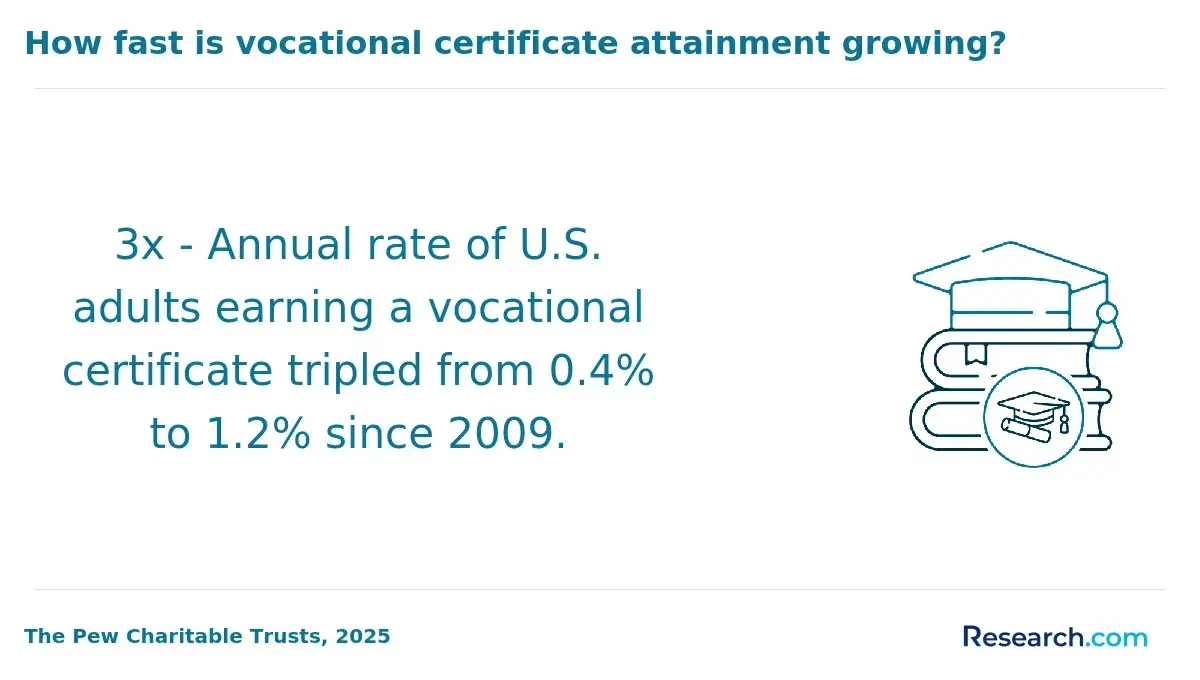
Transfer credit limits for addiction counseling degrees vary widely, typically ranging between 25% and 75% of the total required credits, depending on the school's accreditation and program design.
For instance, if 120 credits are required for graduation, some programs allow between 30 and 90 transfer credits, though many set a cap around 60 to ensure students gain substantial experience at their institution. The acceptance of transfer credits hinges on several factors, including whether prior coursework was completed at accredited institutions and meets undergraduate or graduate standards.
Additionally, grades usually must meet a minimum threshold, often a C or better, and programs frequently mandate that students complete a residency requirement, often 30 to 45 credits, directly through the institution awarding the degree.
Credits that correspond closely to core addiction counseling subjects like counseling theories, clinical practice, and substance use disorders are more likely to transfer than general electives. Common restrictions include limits on the number of credits transferable, minimum grades, restrictions on how old credits can be (often no older than 5 to 10 years), and the requirement that key practicum or clinical hours be completed on-site.
A student pursuing an addiction counseling degree described the transfer process as "both reassuring and frustrating." She shared that while her core coursework transferred smoothly, some electives from her previous studies were rejected due to not meeting the residency rules.
Navigating the institution's transfer policies required patience and detailed documentation, but ultimately she felt the credits that were accepted helped her progress confidently without unnecessary repetition of material.
Do You Need SAT or ACT Scores to Get Into a Addiction Counseling Degree Program?
Most addiction counseling degree programs in the U.S. have adopted test-optional or test-free admissions policies, reflecting a growing trend across higher education to reduce reliance on SAT or ACT scores. However, some competitive programs, particularly those within public universities with stringent admissions rules, may still require standardized test results.
Additionally, merit-based scholarships and honors tracks connected to addiction counseling degrees sometimes include SAT or ACT scores as part of their evaluation. States like California and Texas may maintain testing mandates due to statewide regulations or enrollment management considerations.
Instead of standardized tests, many schools focus on a combination of factors such as minimum GPA standards, completion of prerequisite classes like introductory psychology or social work, and personal essays that demonstrate motivation for the field.
Letters of recommendation and portfolios showcasing relevant volunteer or work experience in addiction services are also commonly requested. These alternative criteria help provide a well-rounded assessment of applicants' qualifications, emphasizing interpersonal skills and commitment vital for success in addiction counseling careers.
What Essential Skills Do You Need Before Enrolling in a Addiction Counseling Degree Program?
Before entering an addiction counseling degree program, students need a blend of skills that support both academic success and effective professional practice. These abilities enable them to grasp intricate concepts and engage meaningfully with clients and colleagues throughout their training and career.
The following skills are particularly important:
- Foundational Academic Skills: Proficiency in reading comprehension and critical thinking is essential for understanding psychological theories and treatment approaches common in coursework.
- Technical Competencies: Being familiar with data management tools and electronic health records helps manage client information accurately and efficiently.
- Analytical and Problem-Solving Skills: These facilitate assessing client needs properly and designing tailored intervention plans.
- Communication Skills: Strong verbal and written communication enables empathetic client interactions and collaboration within multidisciplinary teams.
- Field-Specific Readiness: Emotional resilience and ethical sensitivity are key to navigating the demands and complexities of working with individuals facing addiction challenges.
I spoke with a recent graduate about what skills mattered most before starting his program. He shared how balancing emotional readiness with academic rigor was initially daunting. "It wasn't just about passing classes; I needed to develop patience and learn how to really listen," he recalled.
Preparing to enroll involved not only brushing up on study habits but also confronting personal resilience, as he anticipated the emotional toll of future client work. Through coursework, he realized that empathy combined with technical know-how formed the foundation of effective counseling—a combination he found rewarding yet challenging to build before even starting his degree.
Do You Need Professional Experience to Enter a Addiction Counseling Degree Program?
Professional experience requirements for entering an addiction counseling degree program differ significantly depending on the institution, program level, and specialization.
Many undergraduate programs typically do not require prior work experience, focusing mainly on academic credentials such as a high school diploma. In contrast, some master's and advanced certification programs may recommend or require relevant experience, often between one and three years.
Roles like internships, volunteer work, or paid positions in behavioral health settings are common forms of experience. Specialized tracks, especially clinical addiction counseling, may emphasize direct client interaction or counseling assistant duties to enhance an applicant's qualifications.
Programs valuing professional experience often see it as essential for preparing students for hands-on learning and demanding coursework that simulate real-world challenges. Admissions committees may weigh experience as an indicator of a candidate's preparedness, which can impact acceptance chances in competitive programs.
However, students without prior experience are often admitted when foundational classes or practicum opportunities are available, emphasizing academic performance and motivation over experience. Recent data from the National Association for Addiction Professionals shows that about 40% of programs recommend experience but still accept applicants without it.
What Tech Prerequisites Must You Meet Before Starting an Online Addiction Counseling Degree?
Online addiction counseling programs require specific technology standards to ensure students can fully engage in interactive coursework, virtual role-plays, and group discussions. These prerequisites help replicate real-life counseling environments and allow seamless access to confidential client simulations and synchronous meetings.
- Hardware: A computer with at least a dual-core processor, 8 GB of RAM, and a webcam is essential to run video conferencing software smoothly and engage in live counseling sessions, which are core to addiction counseling practice.
- Internet Speed: Reliable broadband internet with a minimum download speed of 10 Mbps is required to maintain stable video connections during streaming lectures and group discussions, critical to maintaining confidentiality and communication flow.
- Software Platforms: Familiarity with learning management systems such as Canvas or Blackboard, along with secure video call software like Zoom or Microsoft Teams, is necessary for coursework access and live client simulations.
- Digital Literacy: Proficiency in using online portals, submitting electronic assignments, and understanding cybersecurity best practices is vital due to the sensitive nature of addiction counseling data and ethical responsibilities in telehealth.
Because technology competence is integral to future practice, these requirements are increasingly emphasized in addiction counseling degree tech requirements. For students interested in accelerated paths, programs such as the shortest masters program can also integrate these technologies effectively while offering focused training.
What Prerequisites Do International Students Need for Addiction Counseling Programs?
International students applying to addiction counseling programs encounter additional requirements beyond those for domestic applicants. These prerequisites ensure that candidates meet academic and professional standards suitable for the specialized nature of addiction counseling.
Below is a list of the most common prerequisites international students must fulfill.
- Educational Credentials: Applicants need to submit verified transcripts from their previous institutions, often accompanied by an official evaluation to confirm equivalency to a U.S. bachelor's degree or higher in a relevant field.
- English Language Proficiency: Proficiency in English is essential, typically demonstrated by standardized tests such as TOEFL or IELTS to ensure students can handle coursework and clinical communication effectively.
- Background Checks: Many programs require criminal background checks to assure suitability for counseling roles, especially when working with vulnerable populations.
- Prerequisite Coursework: Coursework in psychology, human development, or related subjects may be required to establish foundational knowledge crucial for advanced addiction counseling studies.
- Clinical Experience: Some programs request prior experience, such as internships or volunteer work in behavioral health settings, to help candidates grasp practical aspects of the profession.
- Visa and Immigration Documentation: International students must provide valid visa documents and comply with U.S. immigration policies to enroll and complete their studies legally.
Coordinating enrollment with considerations related to state regulations often comes into play, as different states highlight diverse licensure paths and academic prerequisites for addiction counselors.
For students who are still weighing their options, exploring accredited online colleges with no application cost can help move their application process along at no financial risk while reviewing other programs.
How Do Program-Specific Prerequisites Differ from General University Requirements?
Planning academic timelines and ensuring eligibility for addiction counseling programs requires a clear grasp of the differences between general university admission requirements and program-specific prerequisites. These distinctions impact how students prepare for application and can affect the overall timeline for enrollment.
General University Admission Requirements
- GPA Thresholds: Most universities require a minimum GPA, typically between 2.5 and 3.0, to qualify for admission.
- English Language Proficiency: Non-native speakers must demonstrate adequate skills through standardized tests or equivalent proof.
- General Education Coursework: Completion of foundational courses such as math, writing, and social sciences is usually mandatory before entry.
Program-Specific Prerequisites
- Targeted Foundational Courses: Applicants often need background classes in behavioral sciences like psychology, biology, or human development, which go beyond standard university requirements.
- Skill and Portfolio Assessments: Some programs request evidence of communication skills and empathy through portfolios or skill exams, reflecting the sensitive nature of counseling work.
- Relevant Professional Experience: Documented volunteer or work experience in healthcare, social services, or related fields can be essential for eligibility.
These program-specific prerequisites can delay admission for students who need to first complete certain courses or gain relevant experience. Additionally, the Substance Abuse and Mental Health Services Administration (SAMHSA) notes a growing emphasis on cultural competence and trauma-informed care, which may also influence admissions criteria.
For those considering comprehensive educational paths, exploring universities with dual degree programs can offer tailored opportunities that align with both broad academic standards and specialized addiction counseling prerequisites.
Do You Need to Pay for Prerequisite Courses Before Applying to a Addiction Counseling Program?
Students are typically responsible for tuition and fees for these courses, whether they take them at the institution offering the addiction counseling program, at a community college, or through accredited online providers.
Tuition costs vary significantly. Community colleges usually charge around $150 to $300 per credit hour, whereas four-year institutions or specialized online platforms can cost between $400 and $1,000 per credit hour. Some schools allow prerequisites to be completed beforehand and do not include those fees in the main program tuition, so checking each school's policy is essential.
To offset these expenses, students often seek financial aid such as federal Pell Grants or state scholarships aimed at behavioral health fields. Many also try to transfer credits from previous coursework to avoid retaking classes.
Enrolling in prerequisite classes at lower-cost community colleges before applying is another common cost-saving approach. These strategies help reduce the overall financial burden associated with meeting addiction counseling program entry requirements.
What Graduates Say About the Prerequisites for Their Addiction Counseling Degree
- Ahmed: "Getting into an addiction counseling degree program was straightforward once I completed the prerequisite courses, which set a solid foundation for my studies. The average cost was quite reasonable compared to other programs, and I found that the investment really paid off as I now confidently support clients on their recovery journeys. This degree has truly transformed my professional life, opening doors I hadn't imagined before. "
- Tia: "Reflecting on my experience, meeting the prerequisites for the addiction counseling program required diligence but was manageable with good planning. Considering the tuition and fees, the overall cost felt justified given the comprehensive training received. The degree has allowed me to make a meaningful impact in my community, and the skills gained have been invaluable in my career. "
- Seo Hee: "From a professional perspective, the prerequisite requirements for the addiction counseling degree ensured that students were well-prepared to tackle the program's challenges. While the cost was a significant consideration, the returns in terms of career advancement and personal fulfillment were undeniable. This credential has enhanced my credibility and effectiveness as a counselor in the addiction recovery field."
Other Things You Should Know About Addiction Counseling Degrees
Many addiction counseling programs require applicants to undergo a criminal background check as part of the admissions process. This is to ensure that candidates meet ethical standards and are suitable for clinical placements, which often involve vulnerable populations. A history of certain offenses may impact eligibility for licensure after graduation.
In 2027, addiction counseling programs generally do not mandate specific vaccinations or health checks before enrollment. However, some institutions may have health-related requirements, especially if the program involves clinical placements or interactions with vulnerable populations. It's essential to verify individual program requirements directly with the schools.
References
- Addictions Counseling (CADC) Proficiency Certificate | School of Humanities and Social Sciences | Academic Pathways | Programs and Courses | Hudson County Community College https://www.hccc.edu/programs-courses/academic-pathways/social-science/hum-service-presocial-work-addiction-cert.html
- Addiction & Recovery Counseling https://www.ccsf.edu/degrees-certificates/addiction-recovery-counseling
- Online Substance Abuse Degree Concentration https://www.snhu.edu/online-degrees/bachelors/ba-in-human-services/substance-abuse
- Addictions Counseling https://www.monroecc.edu/academics/majors-programs/community-engagement/addictions-counseling-as/
- Addiction Counseling Degree & Substance Abuse Training - City Vision https://www.cityvision.edu/addiction-counselor-program-substance-abuse-counselor-training/
- Guide To Online Addiction Counseling Degrees https://www.accreditedschoolsonline.org/counseling/bachelors/addiction-counseling/
- How to Become an Addiction Counselor » Online Graduate Certificate in Addiction and Recovery » College of Medicine » University of Florida https://addiction-certificate.psychiatry.ufl.edu/about-the-program/articles/how-to-become-an-addiction-counselor/
- Simple Steps https://www.accbc.org/catc/
- Addiction Counseling https://minneapolis.edu/academics/school-education-and-public-and-human-service/addiction-counseling
- Addiction Counseling at PCC https://www.pcc.edu/programs/addiction-counseling/


