2027 What Can You Do with an Interdisciplinary Studies Master's Degree? Careers, Salaries & Growth

Co-Founder and Chief Data Scientist
Many graduates struggle to find a degree that combines diverse interests with practical career outcomes. Enrollment in interdisciplinary studies master's programs increased by 15% over the last five years, reflecting growing demand for flexible, cross-sector education. However, 40% of these graduates report uncertainty about how to leverage their degree in the workforce.
This article addresses these challenges by providing detailed insights into program structures, admission criteria, and career paths tied to an interdisciplinary studies master's degree. It also covers salary expectations, job growth projections, and compares program delivery methods, helping readers make informed decisions aligned with their professional and financial goals.
Key Things to Know About What You Can Do with a Interdisciplinary Studies Master's Degree
- Interdisciplinary studies master's programs often require a bachelor's degree, a statement of purpose, and recommendation letters, offering flexible curricula that integrate multiple fields to suit diverse career goals.
- Graduates frequently pursue careers in education, public service, and business, with median salaries ranging from $55,000 to $75,000 annually, varying by industry and location.
- Employment growth projections for related fields estimate 5-10% increases over a decade, making this degree valuable for long-term career advancement and higher earning potential.
What Are the Admission Requirements for a Interdisciplinary Studies Master's Program?
Preparing the necessary prerequisites is crucial for a smooth admission process into an interdisciplinary studies master's program. Meeting these requirements ensures that applicants present a competitive application and align with the program's flexible, yet rigorous, academic expectations. Below is a concise overview of the main admission prerequisites to consider when exploring how to apply for an interdisciplinary studies master's degree.
The interdisciplinary studies master's program admission requirements generally include the following key components:
- Undergraduate Degree: A bachelor's degree from an accredited institution is essential. Although many programs favor candidates with a relevant undergraduate major, the interdisciplinary nature often welcomes applicants from various academic backgrounds.
- GPA Thresholds: Most schools require a minimum GPA of around 3.0 on a 4.0 scale, though some may set slightly higher or lower standards depending on the program's competitiveness.
- Standardized Tests: GRE or GMAT scores are sometimes required but increasingly optional. Many institutions waive these requirements, especially for applicants with substantial professional experience or strong academic records.
- Supplemental Materials: Applicants typically submit two to three letters of recommendation, a personal statement detailing career goals and academic interests, and writing samples to demonstrate analytical and communication skills.
- Field-Specific Prerequisites: Certain specializations may require prior coursework or professional experience relevant to the intended area of study, such as education or social sciences.
According to the U.S. Bureau of Labor Statistics, careers leveraging interdisciplinary studies skills are projected to grow by 8% through 2030, indicating positive job prospects and salary growth potential for graduates. Prospective students should also consider diverse program delivery formats, including online options, to best fit their educational and financial needs. For those interested in affordable alternatives within social work, exploring MSW programs may offer additional career pathways and insights.
What Is the Minimum GPA Requirement for a Interdisciplinary Studies Master's Program?
Knowing the minimum GPA requirement for interdisciplinary studies master's programs is crucial for prospective students to assess their eligibility and prepare a strong application. Typically, graduate schools set this requirement between 2.75 and 3.0 on a 4.0 scale, but this can vary based on several factors. As the interdisciplinary studies master's admission GPA criteria differ widely, here are key considerations to keep in mind.
- Typical GPA Range: Most programs require a minimum GPA between 2.75 and 3.0, but this threshold is not universal and can be flexible.
- Variation by Institution: Prestigious or private universities generally expect higher GPAs compared to public or less selective schools.
- Holistic Admissions Review: Many programs evaluate candidates on experience, standardized test scores, and personal statements alongside GPA, making the admissions process more comprehensive.
- Compensating for Lower GPA: Applicants with GPAs below the standard minimum often strengthen their applications through relevant professional experience and compelling essays.
- Career and Salary Trends: Graduates in interdisciplinary studies tend to experience steady salary growth due to their versatile skills, highlighting the field's positive long-term value.
For students exploring program options, especially those balancing affordability and quality, researching the cheapest online EdD programs can offer insight into cost-effective advanced degree pathways aligned with career goals.
How Much Does a Interdisciplinary Studies Master's Degree Cost and How Can You Finance It?
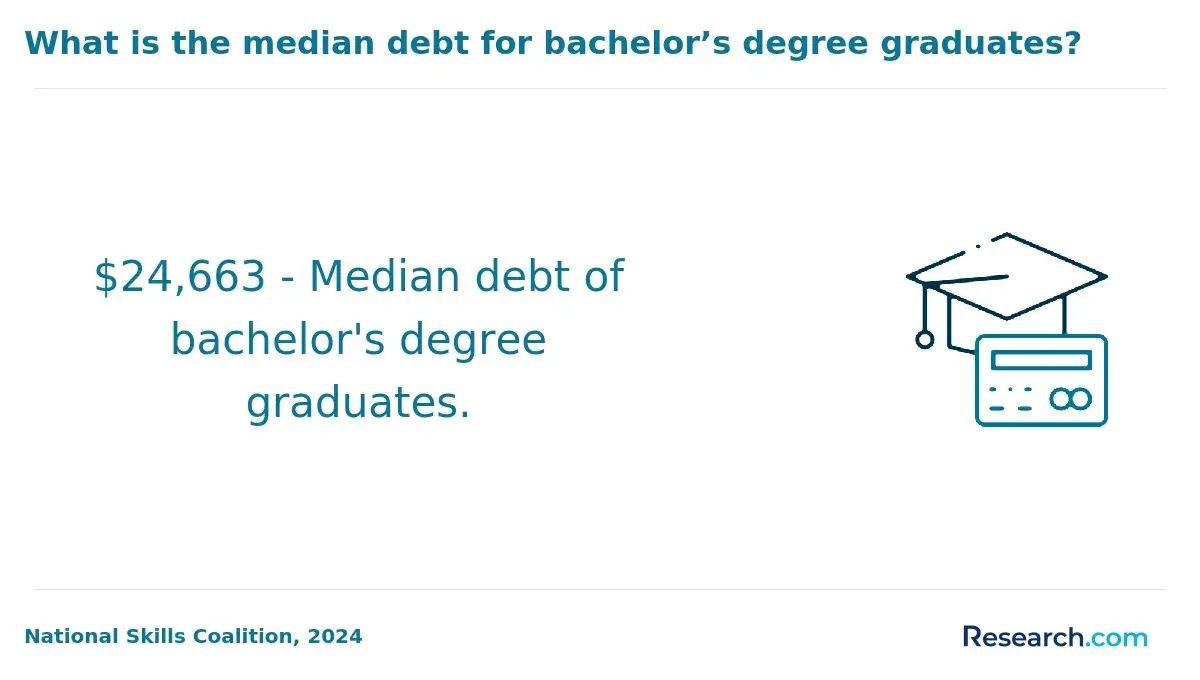
Financial planning is essential for those considering a master's degree in interdisciplinary studies, as costs vary widely based on program type and location. Knowing how to manage tuition, fees, and living expenses while evaluating potential income post-graduation can help align expectations. Below are important points to consider about financing and budgeting for such a degree.
- Program Costs Vary by Institution: Tuition at public universities usually falls between $10,000 and $20,000 annually for in-state students. Private schools often charge over $30,000 per year. Online options may offer lower tuition and reduce expenses related to housing and commuting.
- Available Financial Support: Scholarships, graduate assistantships, and fellowships are crucial for reducing overall debt. Employer tuition assistance and federal student loans also help manage upfront costs, but applying early and researching eligibility is important.
- Debt Reduction Strategies: Securing teaching or research assistantships can offset tuition fees. Picking in-state public universities lowers costs substantially, and department-specific fellowships further ease the financial burden.
- Assessing Return on Investment: Graduates often see median salaries between $50,000 and $75,000, with job growth projected at 5% to 7% over the next decade. Comparing anticipated income with total expenses helps determine if pursuing the degree makes financial sense.
- Career Flexibility and Growth Potential: The degree opens doors to sectors like education, nonprofit work, public policy, and corporate training. Graduates benefit from holistic admissions processes valuing diverse experiences, which can increase chances of acceptance.
One graduate I spoke with shared that funding his interdisciplinary studies master's was a juggling act involving multiple scholarships and a part-time teaching assistantship. While managing work alongside studies was stressful, he felt the financial support made the investment manageable and ultimately worthwhile. He noted that the program's flexibility helped fit coursework into his busy schedule, and the degree significantly improved his career prospects, making the effort and expense worthwhile in the long run.
How Long Does It Take to Earn a Interdisciplinary Studies Master's Degree?
Knowing how long it takes to earn a interdisciplinary studies master's degree online or on campus is essential for setting realistic academic and career goals. The average duration of interdisciplinary studies master's programs in the US varies greatly depending on enrollment status, program structure, and additional requirements. Several key factors influence the total time to completion; the main considerations are outlined below.
- Full-Time Enrollment: Most students enrolled full-time finish their master's within 1.5 to 2 years. This timeframe assumes taking a typical graduate credit load each semester without interruptions or breaks.
- Part-Time and Online Programs: More flexible formats designed for working professionals can extend program length to 3 to 4 years. These options offer lighter course loads or asynchronous schedules, which suits those balancing work but may require more time to finish.
- Accelerated and Combined Pathways: Some universities provide accelerated master's programs or combined bachelor's/master's degree tracks. These pathways let students complete the degree faster by overlapping undergraduate and graduate credits or increasing course intensity.
- Transfer Credits: Accepted transfer credits from related graduate coursework can reduce program requirements, speeding up graduation by fulfilling core or elective courses.
- Thesis Versus Non-Thesis Tracks: Choosing a thesis often adds months due to research and writing expectations, whereas non-thesis tracks generally require fewer credits and allow quicker completion.
- Internship or Practicum Requirements: Field placements or practicum hours extend timelines depending on availability and reporting, sometimes adding several months to program length.
Prospective students interested in flexible study options may also explore an online business degree with financial aid to compare costs and formats that support working professionals pursuing advanced education.
What Career Paths Are Available with a Interdisciplinary Studies Master's Degree?
This overview offers clarity on the diverse career options available to graduates of a interdisciplinary studies master's degree program, illustrating how the degree's versatility translates into various professional roles. Graduates can anticipate opportunities spanning from specialized positions to leadership roles across multiple sectors.
- Individual Contributor Roles: Many graduates begin with positions such as research associates, policy analysts, or program coordinators. These roles often focus on applying critical thinking and communication skills in government agencies, nonprofits, and private firms, delivering direct impact without managerial responsibilities.
- Adjacent Fields: The adaptability of this degree enables movement into roles like grant writing, strategic planning, or community engagement. These positions leverage the ability to integrate knowledge from various disciplines and often involve collaboration across departments or organizations.
- Managerial Opportunities: With experience, graduates often advance into leadership roles managing cross-functional teams and complex projects. This is common in sectors like social services, education administration, and environmental management where interdisciplinary approaches are valued.
- Executive-Level Potential: Over time, individuals may ascend to executive positions, particularly in nonprofit leadership or public sector management. These roles emphasize strategic vision and organizational oversight shaped by broad-based expertise.
- Industry Demand: Key employers include academic institutions for research and teaching, technology companies focusing on innovation and user experience, and public policy organizations dedicated to social change. The growth in social science research and nonprofit management fields supports increasing demand.
When I spoke with a graduate of an interdisciplinary studies program, they shared how choosing this path helped simplify their career exploration. "I wasn't sure which single discipline fit my interests," they explained, "but the program's flexibility allowed me to combine relevant areas, making it easier to find a role that matched my strengths." They recalled initial uncertainty but emphasized that the broad skillset became a key asset in securing their first position. "It definitely felt less restrictive than traditional degrees, especially when switching sectors or roles."
What Is the Average Salary for Interdisciplinary Studies Master's Degree Holders?
Salary expectations for individuals with a master's degree in interdisciplinary studies vary widely depending on experience, location, and industry. Entry-level roles commonly offer annual salaries between $50,000 and $65,000, while professionals in mid-career typically earn $70,000 to $90,000. Seasoned experts, particularly those in leadership or specialized positions, can see compensation exceed $100,000.
Several factors influence these income differences. The following points highlight key elements affecting salary levels for interdisciplinary studies graduates:
- Impact of Experience Level: Starting salaries are generally in the $50,000-$65,000 range, increasing notably with experience. Mid-career professionals often reach $70,000 to $90,000, and senior roles or management positions frequently command salaries above six figures.
- Geographic Salary Differences: Urban centers and coastal regions such as New York, San Francisco, and Boston tend to offer higher pay due to greater demand and cost of living, making these areas attractive for interdisciplinary studies professionals.
- Variations by Employer Type: Private companies usually provide higher starting salaries and additional bonuses compared to public sector jobs, though government-related roles often come with more robust benefits and job security.
- Industry Sector Effects: Fields like healthcare, education, and technology are notable for valuing interdisciplinary skills, often resulting in competitive salaries aligned with market growth and specialization needs.
- Master's Degree Salary Advantage: Holding a master's degree typically yields a 20% to 30% salary increase over individuals with only a bachelor's degree in similar roles, emphasizing the financial benefits of advanced education.
- Additional Compensation Factors: Beyond base salary, many positions offer bonuses, health benefits, retirement plans, and occasionally equity stakes, all of which enhance the total compensation package for graduates.
What Professional Certifications Complement a Interdisciplinary Studies Master's Degree?
Several professional certifications significantly enhance the value of an interdisciplinary studies master's degree by boosting career prospects and salary potential. These credentials are well-regarded across industries and offer specialized knowledge aligned with various career paths. Below is a concise overview of some of the best certifications that complement an interdisciplinary studies graduate degree, including their credentialing organizations, eligibility criteria, exam formats, renewal policies, and market relevance.
Here are key certifications to consider:
- Project Management Professional (PMP): Offered by the Project Management Institute (PMI), PMP certification requires a four-year degree, 36 months of project management experience, and 35 hours of project management education prior to a 180-question exam. Renewal every three years involves professional development units. PMP credentials are highly preferred for roles in project leadership and coordination across business, healthcare, and technology sectors, making it invaluable for graduates targeting management tracks.
- Certified Professional in Learning and Performance (CPLP): Provided by the Association for Talent Development, this certification suits those focused on training, development, and organizational effectiveness. It demands relevant professional experience and a multi-phase exam process, with renewal every three years through continuing education. CPLP holders often work in human resources and workforce development, helping organizations adapt to evolving employee learning needs.
- Certified Management Consultant (CMC): Awarded by the Institute of Management Consultants USA, CMC targets professionals engaged in strategic consulting roles. Candidates must submit work samples, pass a knowledge exam, and comply with ethical standards. With a renewal cycle of three years, this credential is valued by consulting firms and large organizations seeking high-quality advisory expertise.
Timing for pursuing these certifications varies among candidates. Many experts recommend starting foundational certifications like PMP during or shortly after completing the master's program to leverage overlapping coursework and accelerate career entry. Others suggest gaining professional experience first to fulfill eligibility and better apply practical insights. For students exploring affordable options to fund their interdisciplinary studies, researching online masters in psychology programs can provide valuable cost comparisons and financing ideas aligned with career goals.
What Are the Top Industries Hiring Interdisciplinary Studies Master's Degree Graduates?
Identifying key industries that actively hire graduates with a master's degree in interdisciplinary studies helps students align their skills and career strategies with market demands. Understanding these sectors, the roles they offer, and relevant professional credentials can significantly enhance employability. The following highlights major employer industries and growing fields where interdisciplinary expertise is valued.
- Education: This sector employs graduates in curriculum design, academic advising, and managing educational programs, especially within medium to large public and private institutions. Employers prioritize skills in research, communication, and project management, often favoring candidates with certifications in instructional design or educational leadership.
- Healthcare: Opportunities include health services administration, patient advocacy, and policy research in hospitals, nonprofits, and government agencies. Familiarity with healthcare laws and certifications such as Certified Health Education Specialist (CHES) are valuable for standing out in this competitive field.
- Business Consulting and Corporate Strategy: Graduates often find roles as project managers, business analysts, or organizational development consultants. Proficiency in data analytics, strategic planning, and credentials like Project Management Professional (PMP) enhance job prospects here.
- Government: Agencies hire interdisciplinary graduates for policy formulation, community outreach, and program assessment. Strong analytical abilities and knowledge of regulatory environments are essential for such positions.
- Emerging Sectors: Fields such as sustainability and digital transformation are rapidly expanding, driven by technological advances and environmental policies. Internship experience and coursework in data science or environmental studies can give candidates an advantage in these innovative areas.
- Targeted Career Preparation: Students should focus internships and networking on preferred industries, tailoring coursework and acquiring industry-specific certifications to meet employer expectations. This strategic approach substantially improves employment outcomes for interdisciplinary studies graduates.
What Are the Highest-Paying Jobs for Interdisciplinary Studies Master's Degree Holders?
Graduates with a master's degree in interdisciplinary studies can pursue a variety of lucrative careers across numerous industries. Salary ranges are influenced by the specific job, level of experience, geographic location, and additional credentials. Professional certifications and advanced degrees further enhance earning potential, opening doors to higher-paying roles.
Here are some of the top-paying careers for these graduates, detailing key duties, skills, and factors affecting compensation.
- Management Consultant: With 3 to 5 years of experience, management consultants help organizations increase efficiency and solve complex challenges. Strong analytical and communication skills are vital, with lucrative opportunities found in finance, healthcare, and technology sectors. Holding an MBA or certifications like PMP can significantly raise salary levels, which typically range from $87,000 to $115,000.
- Urban and Regional Planner: Focused on developing community plans and overseeing land use, these professionals usually work in government or nonprofit settings. A master's degree is essential, and average salaries hover around $78,500, often higher in metropolitan areas. Certification through the AICP can enhance career progression and pay.
- Corporate Social Responsibility (CSR) Manager: Combining knowledge of ethics, business, and environmental science, CSR managers craft sustainable business strategies primarily in large corporations. Median pay ranges between $75,000 and $110,000, with experience in stakeholder relations and credentials like LEED elevating opportunities.
- Healthcare Administrator: Responsible for managing healthcare facility operations, these professionals blend expertise in healthcare systems, policies, and administration. Salaries vary from $90,000 to $120,000, typically higher in urban hospitals, and can increase with clinical or management certification.
- Data Analyst: Although often requiring technical backgrounds, interdisciplinary studies graduates with quantitative skills can access analyst roles in marketing and policy fields. Median income is about $65,000, rising above $90,000 with advanced certifications such as CAP or SAS, and demonstrated expertise.
What Is the Job Outlook and Employment Growth for Interdisciplinary Studies Professionals?
Interdisciplinary Studies master's degree graduates face a diverse job outlook shaped by economic, technological, and policy trends. Understanding employment growth and career prospects in interdisciplinary studies fields is crucial for prospective students to align their education with evolving market demands. The U.S. Bureau of Labor Statistics (BLS) forecasts that occupations like management analysts, education administrators, and social scientists-frequently pursued by these graduates-will grow between 5% and 12% from 2022 to 2032, a range that meets or slightly exceeds the national average of 5% for all occupations.
- Economic Shifts and Knowledge-Based Industries: Expansion in sectors reliant on knowledge and innovation increases demand for versatile professionals who can integrate multiple disciplines to solve complex problems.
- Technological Advancements: Automation impacts routine tasks, driving a need for graduates to develop critical thinking and collaboration skills to remain competitive.
- Globalization and Policy Changes: Shifts in global markets and regulatory environments create growing opportunities especially in international development and public administration.
- Employment Trends and Career Prospects: Graduates who adapt to these trends enjoy stable to moderately expanding careers across various industries, reflecting solid long-term earning potential.
For those exploring flexible study options that complement such career paths, an online building construction degree can provide additional interdisciplinary skills applicable in growing sectors.
What Skills and Competencies Does a Interdisciplinary Studies Master's Program Develop?
Prospective students pursuing a interdisciplinary studies master's degree benefit from understanding the specific skills cultivated throughout the program. These capabilities not only prepare graduates for diverse roles but also enhance their adaptability in an evolving job market.
- Technical Competencies: Students gain expertise in research methodologies, data analysis, and digital tools, enabling them to manage multi-faceted projects and interpret both qualitative and quantitative information effectively.
- Leadership and Collaboration: The curriculum fosters leadership abilities and teamwork skills, encouraging learners to navigate group dynamics and contribute meaningfully across various functional areas.
- Critical Thinking and Problem-Solving: Emphasis on analytical reasoning allows students to assess complex issues, develop innovative approaches, and make informed decisions under uncertain conditions.
- Communication Skills: Clear and persuasive communication is stressed across written, oral, and digital formats, essential for conveying ideas and collaborating with diverse stakeholders.
- Experiential Learning: Internships, case studies, simulations, and group projects complement academic instruction by providing real-world contexts that deepen understanding and practical application of skills.
- Transferability Across Industries: The broad skill set prepares graduates to excel in sectors such as healthcare, education, business, and public policy, adapting to varied organizational cultures and demands.
- Employer Priorities: Hiring professionals consistently highlight critical thinking, effective communication, and adaptability as key competencies, with interdisciplinary studies graduates valued for their ability to integrate perspectives and drive innovation.
What Graduates Say About Their Interdisciplinary Studies Master's Degree
- Shane: "The process of applying for an online interdisciplinary studies master's program initially seemed overwhelming, but I found tremendous clarity by thoroughly reviewing official academic catalogs. These detailed documents were instrumental in understanding degree requirements and mapping out my course plan. Additionally, relying on accrediting agencies gave me confidence that my chosen institution met high educational standards."
- Lily: "Exploring the landscape of accredited institutions offering master's degrees in interdisciplinary studies was both exciting and challenging. I took a methodical approach by cross-referencing federal education resources and verified academic catalogs to ensure that each program aligned with my professional goals. The experience not only enhanced my knowledge but also strengthened my ability to evaluate programs critically."
- Hudson: "My journey through an online interdisciplinary studies master's degree was shaped by a highly professional strategy: I prioritized official information from accreditors and universities to grasp the full scope of the requirements. Navigating the admission processes across various accredited institutions taught me to be meticulous and patient, ultimately leading to a rewarding graduate experience. This approach gave me the tools needed to succeed academically and professionally."
Other Things You Should Know About Interdisciplinary Studies Degrees
Choosing between online and on-campus formats depends on personal circumstances and learning preferences. Online programs offer flexibility for working professionals and those with geographic constraints, while on-campus programs provide more opportunities for in-person networking and hands-on experiences. Both formats generally cover the same core competencies, so the best choice aligns with the student's lifestyle and career goals.
For 2027, professionals with an interdisciplinary studies master's degree can expect varying earning potential based on their chosen field and experience. Generally, salaries can range from $50,000 to $90,000 annually, depending on the industry and job role. Fields like healthcare and technology tend to offer higher wages compared to others.
An interdisciplinary studies master's degree is worth pursuing for individuals seeking flexible skills applicable across various fields and industries. It benefits students who value a tailored educational experience and want to bridge multiple disciplines to solve complex problems. The degree's value increases when paired with relevant professional experience and certifications, ultimately supporting diverse career opportunities and potential for advancement.
References
- Program Mapper https://programmap.lasc.edu/academics/interest-clusters/34c9effc-7d66-4bfd-b825-665272f33586/programs/3f2c0258-a70c-87ab-b273-1092b3f81f64
- Online Master's Degree in Interdisciplinary Professional Studies | CSU Global | Accredited https://csuglobal.edu/academic-programs/graduate-degrees/masters-degree-interdisciplinary-professional-studies
- MA IN INTERDISCIPLINARY STUDIES https://www.villanova.edu/university/liberal-arts-sciences/programs/interdisciplinary-studies/masters.html
- Major Meets Career: Interdisciplinary Studies Online | Naropa University https://www.naropa.edu/programs/undergraduate-academics/interdisciplinary-studies-degree-online/major-meets-career/
- Master of Arts in Interdisciplinary Studies | Royal Roads University https://www.royalroads.ca/programs/master-arts-interdisciplinary-studies
- Program Costs | Master of Interdisciplinary Studies https://glasscock.rice.edu/master-interdisciplinary-studies/program-costs
- Masters of Interdisciplinary Studies https://www.vsu.edu/education/departments/non-traditional/graduate/
- Bridging the gap in employability: how universities and employers view interdisciplinary skills https://www.emerging.fr/post/bridging-the-gap-in-employability-how-universities-and-employers-view-interdisciplinary-skills
- Graduate Finances: Exploring Fees and Funding Options https://www.lis.ac.uk/masters/fees
- Average salary after Completing Multi-/Interdisciplinary Studies Program https://www.collegetuitioncompare.com/articles/earning-and-debt-after-completing-multi-interdisciplinary-studies-program/