
2027 What Do You Learn in an Interdisciplinary Studies Degree: Curriculum, Skills & Core Competencies

Co-Founder and Chief Data Scientist
Many students struggle to understand what an interdisciplinary studies degree entails and how it prepares them for the evolving job market. According to the National Center for Education Statistics, nearly 10% of bachelor's degrees awarded in the U. S. in recent years fall under interdisciplinary or multidisciplinary categories.
This reflects growing demand for versatile skills that span multiple fields. This article explores the typical curriculum of interdisciplinary studies programs, the essential skills students develop, and the core competencies needed to thrive. It aims to clarify the degree's value and help readers make informed decisions about pursuing this flexible and dynamic educational path.
Key Benefits of an Interdisciplinary Studies Degree
- The curriculum integrates diverse academic fields, fostering adaptability and critical thinking through cross-disciplinary coursework tailored to student interests and career goals.
- Students develop strong analytical, communication, and problem-solving skills essential for navigating complex, real-world issues across various industries.
- Core competencies include collaboration, cultural literacy, and self-directed learning, equipping graduates for dynamic work environments requiring versatile, innovative approaches.
What Is an Interdisciplinary Studies Degree?
An interdisciplinary studies degree offers a customizable academic program that integrates knowledge and methods from multiple fields, appealing to students who want to tailor their learning to specific interests across various subjects. Positioned within higher education as a flexible alternative to traditional single-discipline degrees, it attracts individuals seeking a broad intellectual approach.
More than 20,000 students graduated with an interdisciplinary studies degree in the United States recently, highlighting its growing relevance as employers increasingly value adaptable and multi-skilled graduates.
The primary purpose of this degree is to develop critical thinking that spans disciplines and fosters the ability to apply diverse perspectives to real-world challenges. The typical curriculum blends humanities, social sciences, natural sciences, and technology, reflecting what students need to succeed in complex environments.
Programs are commonly available in traditional, accelerated, and online formats, making them accessible to working professionals and non-traditional learners. For example, students interested in flexible learning options might explore an online EdD or similar fast-track programs that fit diverse schedules.
This degree aligns well with evolving workforce demands where collaboration across fields drives innovation. Interdisciplinary studies prepare graduates to bridge gaps between academic areas, addressing complex project needs seen in dynamic, cross-functional teams.
What Core Courses Are Included in an Interdisciplinary Studies Degree?
When evaluating an interdisciplinary studies degree, understanding its core coursework reveals how well a program prepares students for diverse professional and academic paths. These foundational courses develop critical analytical, integrative, and communication skills valuable across many industries.
A look at common courses in interdisciplinary studies programs provides insight into the essential competencies students gain.
- Research Methods: This course guides students in designing, conducting, and interpreting research across multiple disciplines. It builds vital critical thinking and data analysis skills necessary for success in academic and professional environments.
- Critical Thinking and Writing: Focused on enhancing the ability to communicate complex ideas clearly and persuasively, this course strengthens essential skills for nearly every career.
- Foundations of Interdisciplinary Studies: Introducing the synthesis of knowledge from various fields, this course equips students to approach complex problems with adaptable, integrative solutions. Such abilities align with current workforce demands, as highlighted by the National Center for Education Statistics, 2023.
- Ethics and Social Responsibility: Students develop a framework for making informed, ethical decisions, underscoring accountability that industries increasingly expect.
- Quantitative and Qualitative Analysis: Covering data interpretation and evaluation, this course prepares students for roles involving critical assessment and evidence-based decision-making.
Together, these core courses form a versatile foundation for advanced study or entry-level roles in sectors such as education, public policy, and business. Prospective students may find it helpful to compare these with requirements from specialized fields, for example, exploring an online engineering degree program, to understand different curricular focuses across disciplines.
What Specializations Are Available in an Interdisciplinary Studies Degree?
Specializations in an interdisciplinary studies degree enable students to customize their learning to match targeted career paths, fostering a versatile skill set adaptable to various industries. Below are some prevalent and sought-after specializations:
- Health sciences: This specialization integrates biology, public health, and social sciences to prepare students for roles involving healthcare policy, wellness initiatives, and community health management. Graduates often pursue careers in healthcare administration, policy interpretation, and health education.
- Environmental studies: Combining elements of ecology, economics, and policy, this focus equips learners to address sustainability challenges, manage natural resources, and engage in environmental advocacy across sectors.
- Digital media: Bridging communication, technological skills, and design, this path supports careers in digital marketing, content creation, and improving user experience, meeting the needs of expanding digital industries.
- Social innovation: Merging sociology, business principles, and nonprofit management, this area prepares students to develop solutions for social issues, fostering leadership opportunities in community development, social entrepreneurship, and nonprofit organizations.
Enrollment in interdisciplinary programs has increased by 15% over the last ten years, reflecting growing workforce diversity and the rising need for broad expertise. This highlights the importance of choosing a focused area of study within the degree.
How Long Does It Take to Complete an Interdisciplinary Studies Degree?
When deciding on a degree program, understanding the time commitment is crucial for managing expenses and aligning educational goals with career plans. The duration of an interdisciplinary studies degree influences how quickly students can enter the workforce or advance their skills.
Below is a comparison of common program formats and their respective completion times:
- Full-time: Typically completed in around four years, this option mirrors the standard timeline of most bachelor's degrees. It requires a consistent, full course load each semester and suits students who can dedicate themselves to a traditional academic schedule.
- Part-time: Extending from five to seven years, part-time programs accommodate working adults or those balancing personal responsibilities. They involve a reduced course load per term, offering flexibility at the cost of a longer overall timeline.
- Accelerated: These programs can be completed in two to three years by taking heavier course loads, including summer classes or competency-based assessments. They benefit highly motivated learners seeking to fast-track their education.
- Online: Completion times vary widely, often spanning two to six years depending on the pacing and enrollment status. This format provides maximum flexibility for non-traditional students or those with geographical limitations.
A professional who graduated from a hybrid interdisciplinary studies program shared that balancing in-person and online coursework was both challenging and rewarding. He described the process as "intense but manageable," noting the need for strong time-management skills to maintain progress across different formats.
"Switching between virtual lectures and on-campus sessions required constant adjustment," he said, adding that the hybrid structure ultimately helped him apply diverse learning methods, which deepened his understanding.
Despite occasional moments of overwhelm, he emphasized that the flexible nature of his program "made the commitment worthwhile" and felt well-prepared to enter a multifaceted career path.
What Technical Skills Do Students Gain in an Interdisciplinary Studies Program?
Technical skill development is central to interdisciplinary studies programs, equipping graduates to tackle complex challenges across multiple industries. These programs emphasize versatile competencies that enhance problem-solving and collaboration, meeting increasing workforce demands.
Below is an overview of key technical skills students typically acquire:
- Data analysis tools: Proficiency in software like Excel, SPSS, or R enables students to manipulate and interpret quantitative data, essential for informed decision-making in research and business settings.
- Digital communication and content management: Familiarity with digital platforms and CMS supports efficient project coordination and seamless collaboration within virtual and interdisciplinary teams.
- Qualitative research methods: Techniques such as coding and thematic analysis allow learners to extract meaningful insights from non-numerical data, vital for social science and market research roles.
- Geographic Information Systems (GIS) and programming: Basic programming combined with GIS skills prepares students for opportunities in environmental studies and tech-focused industries by enabling spatial data analysis and automation.
- Project management methodologies: Training in Agile, Lean, or similar frameworks helps students manage workflows and team dynamics effectively in diverse project environments.
Employment in roles requiring advanced analytical and technical abilities is projected to grow 15% through 2032, reflecting their critical value.
What Soft Skills do Interdisciplinary Studies Students Develop?
Soft skills are vital complements to technical expertise for students in interdisciplinary studies, equipping them to handle challenges that cross traditional academic boundaries. These abilities enhance not only workplace adaptability but also innovation and collaboration across diverse teams.
Below is an overview of key soft skills cultivated through this field of study and how they serve professional success:
- Communication: Mastery of both written and verbal expression enables students to articulate complex ideas clearly to audiences with varying backgrounds, ensuring effective information exchange.
- Teamwork: Collaborating with peers from multiple disciplines fosters respect for different viewpoints and improves the capacity to contribute meaningfully to collective goals.
- Problem-solving: Engaging with intricate, multifaceted issues encourages creative thinking and the application of integrated knowledge to devise practical solutions.
- Critical thinking: Students refine their ability to scrutinize assumptions, weigh evidence, and synthesize diverse data, which supports well-reasoned decisions.
- Adaptability: Exposure to evolving concepts and varied methodologies trains students to remain flexible and open to continuous learning in dynamic professional environments.
When discussing what soft skills interdisciplinary studies students develop, a professional who earned this degree shared her experience. She described how balancing projects that spanned social sciences and technology pushed her to refine her communication, as clarifying ideas for different audiences wasn't always straightforward.
"It was challenging to switch mindsets between disciplines, but that also taught me to listen carefully and value every team member's input," she explained. Navigating those early uncertainties demanded patience and quick adjustment, which built her adaptability and resilience.
She emphasized that this blend of skills became invaluable when leading cross-functional teams in her career, enabling her to bridge gaps between specialists and guide projects smoothly.
"The critical thinking and problem-solving approaches I developed during my studies continue to shape how I tackle workplace challenges today," she reflected. This insight underlines how the interdisciplinary studies curriculum fosters soft skills that directly contribute to professional growth and success.
Do Interdisciplinary Studies Programs Include Internships or Co-ops?
Nearly 70% of students enrolled in interdisciplinary studies engage in internships or cooperative education placements, highlighting the emphasis on experiential learning within these programs. These opportunities are often tailored to complement the diverse nature of the degree, offering flexibility to suit individual academic paths.
While some programs make internships or co-ops optional, others include them as required components, particularly in specialized tracks or as capstone experiences. Faculty advisors typically collaborate with students to align these placements with their academic and career objectives.
Participating in such practical experiences allows students to connect classroom theories across multiple disciplines with real-world applications.
Internships and co-ops provide valuable exposure to professional environments, helping students develop essential skills such as critical thinking, adaptability, and problem-solving. This also supports the cultivation of professional networks by enabling students to work alongside industry practitioners relevant to their interdisciplinary focus.
Beyond skill development, these experiences prepare students for future employment by familiarizing them with workplace expectations and challenges. Engaging in hands-on roles helps refine career goals and enriches résumés, ultimately enhancing graduates' marketability in a competitive job market that values versatile and resourceful individuals.
Are Certifications Included in an Interdisciplinary Studies Curriculum?
Professional certifications can significantly complement an interdisciplinary studies degree, enhancing career readiness and demonstrating specialized expertise. They provide tangible proof of skills that employers value, helping graduates stand out in competitive job markets.
With this in mind, it's important to consider how certifications relate to interdisciplinary studies degree certifications within various programs.
Certifications in interdisciplinary studies programs are generally not a required part of the core curriculum. Instead, some programs may offer optional certification prep courses or partnerships with professional organizations, especially in areas like education, business, or technology, which can align with industry standards.
More often, students pursue certifications independently, such as in project management or digital marketing, to bolster their resumes and showcase commitment to professional growth.
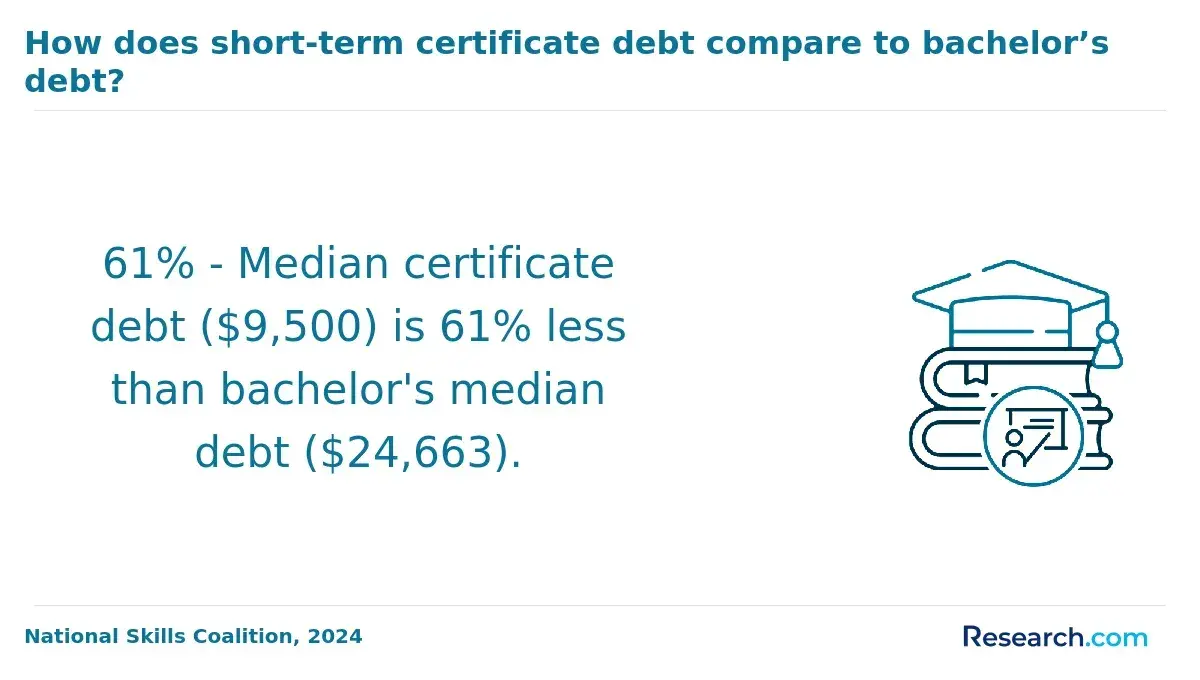
According to data, nearly 30% of bachelor's degree graduates obtain additional credentials within five years, highlighting the value of certifications alongside a degree.
For those interested in alternative options, exploring online MFT programs can also provide insight into how certification pathways complement flexible degree options.
What Types of Jobs Do Interdisciplinary Studies Graduates Get?
Exploring the potential career paths for interdisciplinary studies graduates is essential for students evaluating their educational options. Careers in this field often require versatility and a capacity to integrate knowledge across multiple disciplines.
Common job prospects for interdisciplinary studies graduates span various sectors where critical thinking and problem-solving are valued. These include:
- Management roles: Graduates frequently enter management positions where they oversee projects, teams, or organizational functions. Their broad knowledge allows them to approach problems with comprehensive solutions and adapt quickly to changing business environments.
- Education and social services: Many work as educators, program coordinators, or social workers. These positions require the ability to connect theories and practices from different fields to address community needs and support diverse populations effectively.
- Public relations and community outreach: Interdisciplinary studies graduates often thrive as communication specialists, crafting messages that resonate across various audiences. Their training in multiple disciplines enhances their capacity to foster community engagement and manage public perception.
- Creative industries: Roles such as content creators, consultants, and marketing analysts allow these graduates to leverage their wide-ranging expertise. They often develop innovative strategies and create compelling content based on insights drawn from multiple fields.
According to the U.S. Bureau of Labor Statistics, employment in interdisciplinary-related fields, such as management and social services, is expected to grow by about 7% from 2021 to 2031, reflecting steady demand for graduates with these skills.
Students interested in finding affordable educational options for these versatile careers can explore the most affordable online colleges, which offer interdisciplinary studies programs tailored to individual goals.
How Much Do Interdisciplinary Studies Degree Graduates Earn on Average?
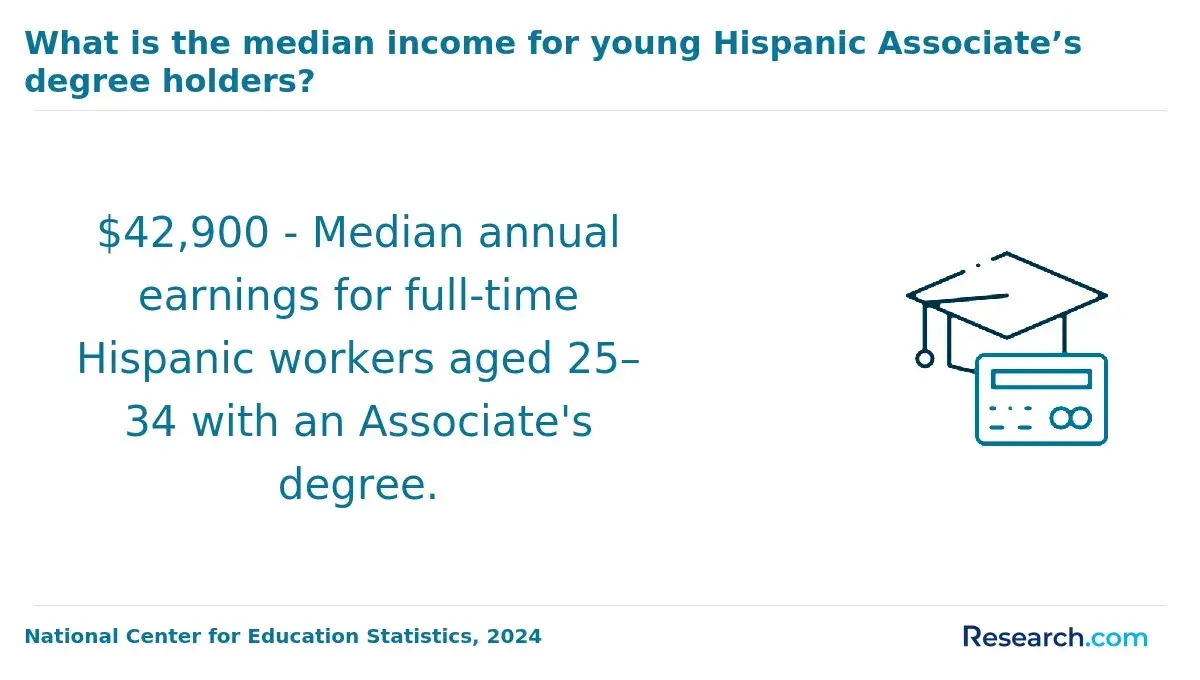
Knowing the potential salary outcomes for graduates with an interdisciplinary studies degree is crucial when evaluating the return on investment of this educational path. Recent data indicate that those entering the workforce with this degree typically earn between $45,000 and $55,000 annually, reflecting a moderate starting point.
These figures help students and early-career professionals understand the financial prospects associated with this versatile degree, leading naturally into a further exploration of salary ranges across experience levels and sectors.
- Early-career earnings: Graduates just starting out generally earn closer to the lower end of the salary range, around $45,000, as they build relevant skills and gain initial professional experience. Entry-level roles provide a foundation but often come with modest pay compared to more senior positions.
- Mid-career potential: As interdisciplinary studies graduates advance, salaries tend to rise substantially, commonly reaching or exceeding $70,000. This increase is often driven by advanced education, additional certifications, or specialized expertise that enhance employability and earning power.
- Industry impact: The career earnings for interdisciplinary studies graduates vary depending on the chosen sector. Fields like business or technology-related roles often offer higher compensation compared to education or non-profit sectors, which may provide broader societal benefits but generally lower pay.
- Geographic and credential factors: Salaries are influenced by geographic location, with urban areas frequently presenting higher wages. Additional professional certifications or targeted training can also create significant differences in earning potential across similar roles.
The flexible curriculum of an interdisciplinary studies program equips graduates with skills applicable to multiple sectors, allowing for diverse career paths and the opportunity to pursue the easiest associate degree to get as an option for some students considering further education.
What Graduates Say About Their Interdisciplinary Studies Degree
- Asher: "Completing the core curriculum of the interdisciplinary studies degree gave me a diverse foundation in critical thinking, communication, and problem-solving. The flexibility to tailor my courses helped me develop skills that are directly applicable to my role in project management, where adaptability and broad knowledge are crucial. Despite the average cost of attendance being a consideration, this program was a worthwhile investment in my career. "
- Scout: "The interdisciplinary studies program encouraged me to reflect deeply on multiple perspectives, equipping me with competencies in research, analysis, and collaboration. Its broad-based curriculum prepared me to approach challenges holistically, which has greatly enhanced my effectiveness as an educator. This degree truly shaped how I engage with complex subjects professionally, beyond the academic costs involved. "
- Benjamin: "Through my interdisciplinary studies coursework, I developed a strong set of transferable skills such as critical analysis and effective communication, which have been essential in my consulting career. The program's comprehensive curriculum not only broadened my knowledge but also fostered a strategic mindset that employers value highly, making the investment of both time and tuition a vital step in my professional journey. "
Other Things You Should Know About Interdisciplinary Studies Degrees
In 2027, an interdisciplinary studies degree typically offers a flexible curriculum allowing students to blend courses from various fields. Programs emphasize critical thinking, communication, and problem-solving skills, along with core competencies like analytical reasoning and collaboration across disciplines.
In 2027, students pursuing an interdisciplinary studies degree may face challenges such as mastering diverse methodologies, aligning courses from different disciplines, and explaining the degree's value to employers. Balancing these elements requires strong time-management and communication skills.
References
- Experiential Learning for Interdisciplinary Studies Students https://inside.southernct.edu/interdisciplinary-studies/experiential-learning
- The Rise of Interdisciplinary Programs: Why Combining Fields is the Key to Success - EMLV Business School Paris https://www.emlv.fr/en/the-rise-of-interdisciplinary-programs-why-combining-fields-is-the-key-to-success/
- Graduate Certificate in Interdisciplinary Studies | Royal Roads University https://www.royalroads.ca/programs/graduate-certificate-interdisciplinary-studies
- 5 Interdisciplinary Skills for Future-Ready Workforces | TalentNeuron Blog https://www.talentneuron.com/blog/5-interdisciplinary-skills-for-future-ready-workforces
- Interdisciplinary Studies https://www.beloit.edu/academics/interdisciplinary-studies/
- What are the benefits of interdisciplinary study? https://www.open.edu/openlearn/education/what-are-the-benefits-interdisciplinary-study
- Is Interdisciplinary Studies a Good Degree? - Cairn University https://cairn.edu/is-interdisciplinary-studies-a-good-degree/
- IDS Internships https://www.byui.edu/interdisciplinary-studies/ids-internships
- What Is a Degree in Interdisciplinary Studies? | National University https://www.nu.edu/blog/what-is-a-degree-in-interdisciplinary-studies/
- Complete Your Bachelor's Degree In 1 Year https://metro.catholic.edu/academics/bachelors/interdisciplinary-studies/index.html


