2027 What Is a Secondary Education Master's Degree? Definition, Curriculum & Career Paths

Co-Founder and Chief Data Scientist
Schools face growing demands to engage diverse adolescent learners amid rising academic standards and shifting social dynamics. A secondary education master's degree addresses these challenges by deepening pedagogical expertise geared toward middle and high school settings.
Recent findings from the U. S. Department of Education highlight an increasing need for educators skilled in culturally responsive teaching and digital literacy integration, essential as classrooms evolve in complexity. Such programs blend theory with practical application, focusing on curriculum design, adolescent development, and assessment strategies.
Understanding this degree clarifies how educators can expand their instructional impact and navigate multifaceted career options within secondary education environments.
Key Benefits of Secondary Education Master's Degree
- Programs often demand extensive practicum hours, creating a tradeoff between advanced pedagogical skills and longer program completion times, which can affect working professionals' ability to balance commitments.
- Employers increasingly prioritize candidates with master's credentials for leadership roles, reflecting a trend toward credential inflation that influences long-term career trajectory planning in education sectors.
- Recent data show slower enrollment growth in master's programs amid rising tuition costs, signaling access limitations that prospective students must weigh against expected career advancement benefits.
Who Should Pursue a Secondary Education Master's Degree?
Graduate education is most valuable when aligned with a clear career purpose rather than pursued as a routine next step after completing a bachelor's degree. The ideal candidate for a secondary education master's program should consider their specific career goals, existing skill gaps, industry expectations, and the particular opportunities they seek for advancement.
This degree is a strategic investment when it addresses concrete professional challenges and positions graduates for meaningful roles within or adjacent to the secondary education sector.
- Career Changers Seeking Educational Roles: Individuals transitioning into teaching from other fields often face credentialing and practical experience requirements that a secondary education master's degree can fulfill efficiently. This program balances theory with supervised practice, equipping career changers to meet certification standards while acquiring adolescent-specific pedagogy, which is vital for entering the workforce well-prepared.
- Working Professionals Targeting Advancement: Educators already in the field, such as instructional coordinators or counselors, may pursue this degree to deepen their content knowledge and leadership competencies. Given the increasing preference for advanced degrees in hiring and promotion, particularly into department head or instructional coach roles, this credential enhances workforce competitiveness and expands career pathways.
- Recent Graduates Focused on Specialization: Graduates holding a bachelor's degree in education or a related area may use this master's to develop subject-area specialization and advanced pedagogical skills. This specialization supports differentiation in crowded job markets and improves instructional effectiveness, which employers increasingly recognize as critical for meeting diverse learner needs.
- Aspiring Educational Leaders: Professionals aiming for administrative or leadership positions benefit from the degree's emphasis on curriculum design, assessment strategies, and adolescent development, which are foundational for managing programs and influencing school-wide outcomes. Given that schools with a higher proportion of advanced-degree teachers tend to show improved student performance, this credential aligns with the demands for effective leadership.
- Practitioners Focused on Evidence-Based Practice: Those committed to integrating contemporary research into classroom instruction find this degree valuable for staying current with evidence-based methodologies. The program supports ongoing professional development, which is essential given evolving standards and the need to address shifting student populations and learning modalities.
Research from the National Center for Education Statistics demonstrates that teachers with a master's degree earn 10-15% more on average than those without, signaling a tangible financial incentive linked to this advanced credential.
Individuals pursuing a secondary education master's degree should weigh these potential gains against the time and financial commitments, ensuring the decision supports long-term career objectives rather than serving as a default educational step.
For those evaluating graduate options, it is also worth comparing specialized degrees with alternative credentials like an online MBA in education administration or policy, depending on whether leadership or instructional expertise is the primary career driver.
What Are the Core Courses in a Secondary Education Master's Curriculum?
Core courses in a secondary education master's program establish the essential knowledge base and skill set needed to navigate diverse teaching environments and evolving educational demands. Though institutions may vary in course naming, most programs converge around a common group of subjects designed to reinforce advanced pedagogical expertise and professional adaptability.
These foundational classes aim to equip graduates with the analytical, technical, and leadership capabilities necessary for sustainable career trajectories in education.
- Adolescent Development and Psychology: This course delves into the cognitive and socio-emotional changes experienced by teenagers, enabling educators to design instruction that aligns with developmental stages. Understanding adolescent growth patterns informs effective classroom management and differentiated teaching strategies, serving as a crucial underpinning for all subsequent coursework and real-world instructional challenges.
- Curriculum Design and Instructional Planning: Focused on creating cohesive, standards-aligned lesson plans, this class cultivates skills in aligning objectives, assessments, and content delivery. Graduates develop the capacity to structure meaningful learning experiences, which is highly valued by employers seeking teachers adept at meeting both institutional requirements and diverse student needs.
- Assessment and Educational Evaluation: Students explore both formative and summative assessment methodologies that systematically measure student progress and inform instructional adjustments. This component addresses increasing employer expectations for data-driven decision-making and accountability in teaching practice, reinforcing mastery of subject content alongside evaluative competence.
- Instructional Technology Integration: Reflecting trends in digital education, this course provides proficiency in deploying interactive tools and virtual platforms that support varied learning styles and remote teaching. As schools continue to embrace hybrid models, expertise in technology integration becomes indispensable for educators aiming to maintain engagement and accessibility.
- Educational Research Methods: Graduate students learn to critically analyze existing research and execute small-scale studies, fostering evidence-based practice and continual professional growth. This foundation supports graduates poised to assume leadership roles or pursue further academic inquiry, anchoring instructional decisions within rigorously evaluated frameworks.
According to recent data from the National Center for Education Statistics, effective assessment and technology fluency are among the top competencies prioritized by school districts hiring secondary educators in 2024, underscoring the practical orientation of these core subjects.
One graduate recalled applying to multiple programs during a period of rolling admissions and facing delays in decision notifications. The uncertainty required careful timing. She hesitated to commit early without full clarity on course offerings and support structures, ultimately choosing a program partly based on its robust core curriculum and flexibility.
Her experience highlights how a clear understanding of foundational courses can influence admissions decisions and long-term satisfaction with program fit.
What Specializations Are Available in Secondary Education Master's Programs?
Secondary education master's programs commonly offer multiple specialization pathways to enable students to align their graduate studies with defined professional objectives. While foundational coursework delivers essential pedagogical theory and educational practice, specializations foster deeper mastery in specific knowledge areas or teaching methods tailored to evolving industry demands.
Choosing a specialization not only guides skill development but also strategically positions graduates in varied segments of the education workforce.
- Subject-Specific Content Areas: This track emphasizes expertise in disciplines such as English/language arts, mathematics, biology, chemistry, physics, social studies, and foreign languages. Graduates build both content mastery and instructional techniques aligned with state certification requirements, directly supporting licensure routes and often enhancing employability given consistent demand in core academic subjects.
- Instructional Strategies and Curriculum Development: Focused on pedagogical innovation, this specialization develops capabilities in designing curricula, integrating educational technology, and applying research-based literacy methods. It prepares educators to lead classroom transformations and adapt to diverse learning environments, skills highly valued by districts modernizing their instructional models.
- Special Education within Secondary Settings: Targeting the delivery of legally mandated support services for diverse and exceptional learners, this pathway equips educators with specialized intervention techniques and compliance knowledge. It opens career options beyond generalist roles, including resource specialist or coordinator positions, reflecting increasing federal emphasis on inclusion and accessibility in schools.
- English as a Second Language (ESL): Addressing the growing multilingual student population, ESL specializations train teachers in linguistic acquisition theories and culturally responsive practices. Graduates often work in districts with significant English learner populations, differentiating themselves amid demographic changes and expanding job markets in many U.S. regions.
- Educational Leadership and Administration: Some secondary education master's programs integrate leadership training to prepare educators for roles beyond classroom instruction, such as department heads or administrators. This specialization builds strategic management skills and educational policy understanding, supporting career trajectories toward school or district-level leadership.
Data from the 2024 National Center for Education Statistics indicates that districts continue to report shortages particularly in STEM and special education secondary teachers, underscoring labor market advantages for graduates in these areas. Conversely, humanities-focused specializations may necessitate supplemental certifications or demonstrated competencies to remain competitive.
Selecting a specialization requires balancing personal subject affinity with pragmatic considerations about regional demand, certification pathways, and expected career mobility within the secondary education ecosystem.
How Long Does It Take to Complete a Secondary Education Master's Degree?
Completing a secondary education master's degree typically spans between one and three years, with full-time enrollment averaging around two years. This duration aligns with the average duration of secondary education master's degree programs in the United States, reflecting the standard credit requirements and course sequencing most institutions maintain.
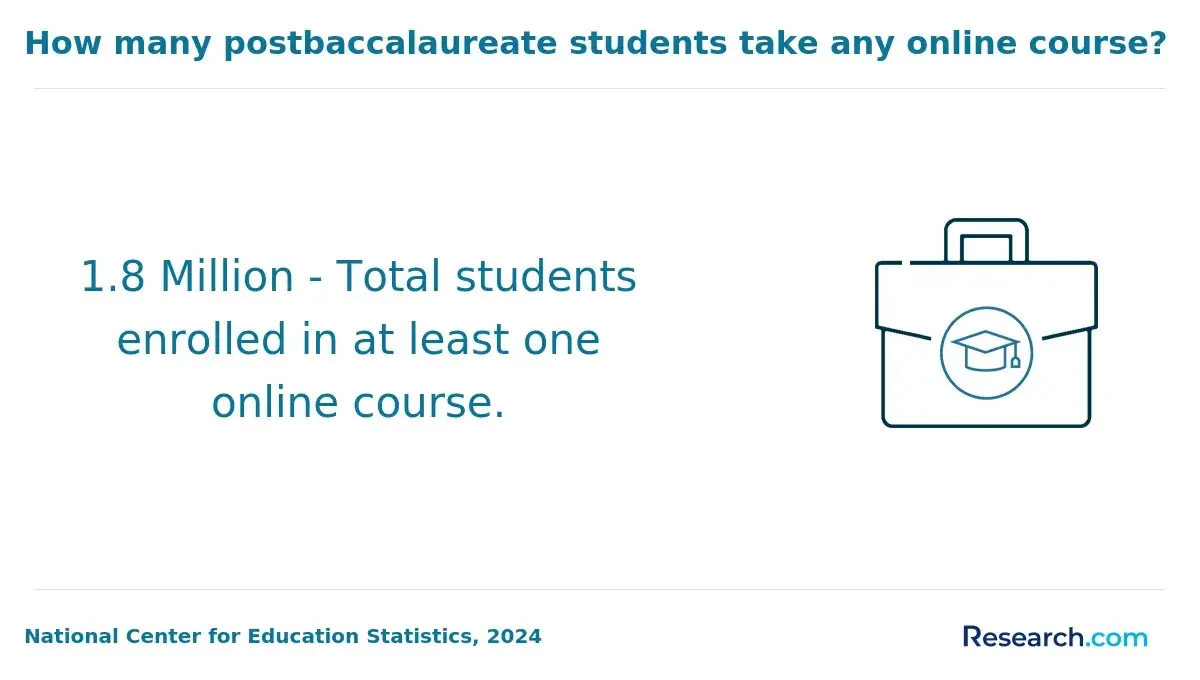
Part-time or online formats, increasingly favored by working professionals, often extend this timeline to accommodate external commitments, making program length more flexible but potentially more prolonged. According to the National Center for Education Statistics in 2024, about 60% of students complete their education master's within two years, underscoring the full-time path as the common benchmark despite diverse study options.
The overall time needed varies substantially based on several key factors, including credit load per term, presence of internship or student-teaching obligations, and whether a thesis or capstone project is required for graduation. Programs that incorporate intensive field experiences may lengthen study duration to ensure sufficient hands-on practice, which is crucial for meeting employer expectations in education roles.
Students juggling work or family obligations often choose part-time enrollment or online courses to balance demands, which naturally prolongs completion time but offers greater schedule control. Furthermore, the choice between online and on-campus delivery impacts pacing; online programs often provide asynchronous learning but may maintain similar credit loads, affecting how quickly students progress.
These elements illustrate the variability in pathways within secondary education master's degrees and how program design and lifestyle considerations shape the journey.
Strategically, some students accelerate their studies by utilizing summer terms or heavier course loads to finish sooner, aligning this approach with specific career advancement goals or employment prerequisites. Conversely, others intentionally extend their timeline to gain deeper practical experience or manage financial constraints, which can enhance professional readiness without compromising education quality.
For those pursuing broader leadership roles, exploring options such as an online PhD leadership may represent a longer-term commitment but offering extended opportunities beyond a master's degree. Understanding how these timeframes reflect program intensity, flexibility, and career alignment helps prospective students make informed decisions rather than relying solely on standard duration estimates.
Do Secondary Education Master's Programs Require Internships or Practicums?
Requirements for internships or practicums differ significantly among secondary education master's programs, often reflecting the program's structure and focus. Some degrees emphasize hands-on teaching experience as essential, integrating extended supervised placements into the curriculum, while others may offer these components as optional depending on career goals or licensure needs.
Programs designed with a professional teaching orientation typically mandate these field experiences to meet accreditation and state certification standards, whereas research-oriented degrees might prioritize theoretical study and allow more flexibility. The variability also stems from how institutions align their offerings with local district expectations and evolving education workforce demands.
Experiential learning through internships or practicums serves a crucial function in connecting pedagogical theory with the dynamics of real classrooms. These placements enable students to adapt instructional strategies, manage diverse learners, and navigate institutional culture under mentor guidance, which many employers view as indispensable for new teachers' effectiveness.
Beyond skill application, such experiences build professional networks and validate candidates' classroom readiness, often influencing hiring favorably. Hence, integrating supervised practicums is more than a curriculum formality. It addresses the persistent gap between academic preparation and the immediate challenges educators face on the job.
One graduate recalled navigating the rolling admissions process while uncertain about the internship timeline required by her program. She initially hesitated to commit until the advisor clarified that the practicum placement would be arranged during her final semester, allowing time to prepare without delaying graduation.
This insight eased her decision to enroll despite initial worries about balancing teaching obligations with academic deadlines. Her experience underscores how nuanced understanding of practicum logistics can alleviate applicant concerns and shape readiness strategies long before coursework starts.
What Skills Do Students Gain From a Secondary Education Master's Degree?
A master's degree in secondary education is structured to build specialized, advanced skills that surpass undergraduate preparation. Through a blend of theoretical coursework, applied projects, research, and practicum experiences, students engage in complex problem-solving and professional practice that mirror real-world challenges in middle and high school settings.
These programs emphasize skill integration across content mastery, pedagogy, and contextual application, preparing graduates for versatile roles within education systems demanding both instructional and leadership capacities.
- Advanced Pedagogical Expertise: Graduate coursework deepens understanding of curriculum design, differentiated instruction, and assessment strategies tailored to diverse learner populations. Students analyze educational standards and apply research-based methodologies to enhance student engagement and comprehension. Employers prioritize this skill as it directly impacts instructional effectiveness and student achievement metrics, making it fundamental for long-term instructional roles and curriculum development careers.
- Instructional Technology Proficiency: Programs incorporate training on digital tools and learning management systems, reflecting the ongoing shift toward hybrid and remote instruction models. Through hands-on projects, students develop fluency in integrating technology to personalize learning and analyze academic data. This technical adaptability meets growing employer demand for educators who can navigate and lead in technologically dynamic environments.
- Classroom Management and Student Motivation: Master's-level studies integrate behavioral theories with practical intervention techniques, preparing educators to cultivate positive, productive classroom climates. Research confirms that strong management skills reduce teacher burnout and improve student outcomes, a critical factor considered by school districts when hiring or promoting staff.
- Communication and Collaboration: Students engage in scenarios that require effective interaction with parents, administrators, and interdisciplinary teams, fostering skills that support stakeholder engagement and cultural competence. This skill set is essential for navigating school politics and community partnerships and is highly valued for advancement into administrative or coordination roles.
- Leadership and Data-Driven Decision Making: Advanced coursework emphasizes performance metric analysis and strategic initiative planning, equipping students to lead instructional improvements beyond classroom teaching. Employers seeking curriculum coordinators or instructional coaches weigh these competencies heavily, as they underpin systemic change and continuous improvement efforts.
A focus on secondary education teaching skills development means graduates are positioned to meet evolving workforce requirements, balancing practical classroom needs with broader educational leadership demands. For those considering transitions or expansions in education-related careers, understanding how these competencies translate into workplace performance is crucial.
Related fields, including project management within educational settings, also value similar skills. Prospective students exploring various career options can find overlaps by researching project management degree jobs.
What Careers Can You Pursue With a Secondary Education Master's Degree?
A master's degree in secondary education opens pathways to diverse, specialized roles that extend beyond classroom teaching. The degree equips graduates with skills in pedagogy, curriculum development, and educational theory, but how those competencies translate into careers depends heavily on chosen specializations, prior experience, and alignment with regional and sector-specific labor demands.
Understanding the practical applications of graduate-level training can clarify which career trajectories best suit individual goals and market contexts.
- Licensed Secondary School Teacher: This remains the primary career track where the degree is directly linked to state certification and classroom instruction. Graduates leverage advanced content knowledge and pedagogical strategies tailored to adolescent learners, often specializing in high-demand subject areas such as STEM to enhance employability in public or private schools. Career advancement may move towards subject department leadership or mentoring roles within schools.
- Curriculum Developer or Instructional Coordinator: These roles focus on designing, evaluating, and improving educational programs using research-based instructional methods gained through graduate studies. Employed by school districts, educational publishers, or edtech firms, professionals apply secondary education expertise to align curriculum with standards and to support teacher training, often influencing systemic change beyond individual classrooms.
- Educational Consultant: Consultants advise schools or districts on instructional policy, program implementation, and best practices, utilizing an in-depth understanding of adolescent learning and secondary education frameworks. Positions may be within government agencies, nonprofits, or independent contracting, requiring strong analytical and communication skills alongside pedagogical insight to impact educational outcomes broadly.
- School Administrator (e.g., Department Head, Assistant Principal): While often requiring additional credentials, graduates with a secondary education master's add value through leadership coursework and familiarity with education law and school systems. These roles involve managing staff, overseeing curriculum delivery, and addressing compliance and performance goals, offering pathways toward principalship or district administration.
- Education Sector Specialist (Nonprofits, Government, Testing Organizations): Specialized knowledge in adolescent development and curriculum enables roles in organizations focused on policy, assessment, and program development. Such positions demand the ability to translate educational research into practice and often support large-scale initiatives related to secondary schooling reform and equity.
How Much Can You Earn With a Secondary Education Master's Degree?
Earning potential for individuals with a secondary education master's degree is far from uniform and depends heavily on how the qualification is applied in various educational settings and roles. Rather than a fixed salary outcome, compensation varies by geographic region, subject specialty, institutional funding levels, and district priorities.
For example, areas with acute teacher shortages or high demand for specialized instructors in STEM or special education often offer comparatively higher starting salaries. Conversely, rural and low-income districts may provide less competitive pay regardless of advanced credentials, reflecting broader labor market disparities in education.
Key factors driving compensation include industry-specific demand, skill scarcity, and the level of responsibility associated with one's role. Positions that integrate leadership duties, such as department chairs or curriculum coordinators, tend to command salaries well above entry-level teaching roles, underlining the premium for managerial and technical expertise.
Additionally, evolving educational technologies and digital learning environments contribute to differentiating roles, rewarding those who can blend pedagogical knowledge with digital fluency. Professional certifications and experience further influence earnings by signaling advanced practical capabilities beyond the master's degree itself.
Long-term income growth for secondary education master's holders often hinges on career trajectory decisions, including early specialization and skill accumulation. Starting salaries commonly fall between $45,000 and $55,000, with experienced educators averaging $60,000 to $75,000 across more affluent or well-funded districts, according to U.S. Bureau of Labor Statistics data.
Those who strategically pursue leadership roles or niche expertise may surpass $80,000, benefiting from salary scales that increment with advanced qualifications. However, the variability in regional funding and job market saturation means prospective students should weigh these economic factors carefully when considering a secondary education master's degree.
What Are the Disadvantages of Pursuing a Secondary Education Master's Degree?
A secondary education master's degree can offer enhanced pedagogical skills and improved professional standing, but it also entails notable trade-offs that prospective students must scrutinize. Disadvantages often hinge on individual career goals, financial capacity, program demands, and evolving labor market conditions.
Evaluating these factors critically is essential since the degree's benefits might not always align with expectations or yield significant economic returns, especially given current educational workforce trends. Understanding secondary education master's degree program challenges helps clarify these complex considerations.
- High Financial Investment With Modest Salary Gains: Graduate tuition for secondary education programs is frequently expensive, and salary increments post-degree may be relatively limited. The U.S. Bureau of Labor Statistics notes that teacher wage growth generally plateaus despite advanced credentials, reducing the long-term return on investment for many graduates who incur debt.
- Extended Time Commitment Disrupting Work-Life Balance: Completing a master's often requires 1 to 3 years of rigorous study, sometimes part-time, which can impact those balancing family obligations or full-time work. This prolonged timeline delays potential earnings improvement and may create stress or burnout before career benefits materialize.
- Curriculum Focused More on Theory Than Practical Application: The academic content tends to emphasize pedagogical theory or research over pragmatic classroom tools, which some educators find insufficient for daily teaching challenges. This gap can hinder immediate applicability and relevance, particularly in rapidly changing school environments.
- Limited Influence on Improving Work Environment: Obtaining a master's does not necessarily alleviate systemic occupational challenges like large class sizes, administrative pressures, or shifting curriculum standards. These structural issues continue to shape job satisfaction independent of educational attainment.
- Competitive Job Market Despite Advanced Credentials: While a master's generally elevates qualification status, secondary education employment remains competitive. Roles that blend specialized certifications or competency-based skills grow more rapidly, underscoring the importance of aligning credentials with market demand. For this reason, prospective students should explore the best competency-based colleges as part of their broader educational planning.
How Should Students Compare Secondary Education Master's Programs?
Not all secondary education master's programs provide equivalent value or career outcomes despite sharing similar titles. Students should therefore evaluate programs based on alignment with their career objectives, curriculum balance, faculty expertise, applied learning opportunities, and connections to education sectors.
These dimensions reveal the real-world utility of the degree beyond surface-level institutional reputation.
- Accreditation and Academic Quality: Recognized accreditation ensures a program meets rigorous educational standards, which affects employer recognition and eligibility for certification. Students should scrutinize accrediting bodies and graduation rates to gauge program reliability and academic rigor.
- Curriculum Design and Experiential Learning: Programs integrating hands-on training such as practicums or diverse student teaching placements typically better prepare candidates for classroom challenges. Evaluating the balance between theory and applied methods is critical, as too much pedagogy with limited practice can hinder immediate employability.
- Faculty Expertise and Industry Connections: Faculty with active ties to local school districts or education agencies enhance networking and mentorship opportunities. Their practical insights and partnerships influence program relevance and can improve job placement prospects.
- Labor Market Alignment and Specialization Options: Demand trends in fields like STEM or special education should guide program selection. Candidates must consider whether specializations offered correspond with current workforce needs as identified by sources such as the U.S. Bureau of Labor Statistics and Lightcast.
- Flexibility and Career Support Services: Especially for working professionals, program adaptability and access to job placement assistance or networking can significantly impact long-term outcomes. Flexible scheduling paired with robust career services often corresponds to better employment trajectories.
Students can deepen their assessment by comparing key outcome indicators such as certification exam pass rates, which reflect program effectiveness, and program costs weighed against expected return on investment. Supplementing this evaluation, those exploring related fields may find value in reviewing options like cyber security courses online for cross-disciplinary advancement.
What Graduates Say About Secondary Education Master's Degree
- Rose: "Completing the secondary education master's program gave me a solid curriculum foundation, but I quickly learned that employers value real classroom experience more than just licensure. Internships included in the program were crucial in building my portfolio, which ended up being the difference-maker during interviews. While the coursework was rigorous, the ability to showcase practical teaching skills helped me secure a role at a school offering remote learning options, something I hadn't anticipated when I started. Navigating the job market felt complex at first, but focusing on tangible teaching experiences made my transition smoother."
- Carolyn: "My experience with the secondary education master's program highlighted how flexible the career paths can be, especially for those willing to pivot toward administrative or curriculum design roles. The program's structure allowed me to enter the workforce quickly, but I noticed salary growth tends to plateau without additional certification or leadership roles. Recognizing this, I invested in supplementary certifications outside the program to widen my opportunities. The practical challenges of securing teaching positions pushed me to consider non-traditional roles within education, which the program prepared me for more than I initially expected."
- Aaron: "After graduating from the secondary education master's program, the biggest hiring reality I faced was that many schools prioritized candidates with extensive classroom experience, even over licensure. This meant competing for teaching positions required more than my degree alone, and I ended up accepting a role focused on tutoring and educational support before moving into a classroom setting. The curriculum was comprehensive, but I advise future students to plan carefully for how they'll gain hands-on experience while navigating early career challenges. The program did set a solid base, but real-world teaching demands a strategic approach beyond academics."
Other Things You Should Know About Secondary Education Degrees
In-person programs often provide more direct access to collaborative learning, networking, and hands-on practicum experiences, which can be critical for some candidates seeking deep immersion in school environments. Online programs, while more flexible for working professionals, may require stronger self-discipline and proactive effort to compensate for reduced face-to-face interaction and potentially limited observational teaching opportunities. Candidates should weigh the immediate accessibility and support of traditional formats against the flexibility and time efficiency of online options, prioritizing their learning style and professional constraints.
Specializations can influence the trajectory of a candidate's career, particularly when tied to high-demand subjects or leadership roles within schools, such as STEM education or instructional coaching. However, overly narrow specialization may restrict career mobility or appeal in districts valuing versatile educators. It is often prudent to select a specialization aligned with both current labor market demands and personal career goals while retaining a degree of pedagogical flexibility to adapt to shifting district priorities or broader educational reforms.
Including leadership or administrative coursework can enhance a graduate's profile for roles beyond classroom teaching, such as department chairs or curriculum coordinators, often leading to faster career progression and salary potential. Employers tend to favor candidates with demonstrated competencies in educational leadership, especially in districts facing organizational challenges or pursuing systemic improvements. For candidates aiming to expand their influence within education, selecting programs with explicit leadership training is a strategic investment that can differentiate them in competitive job markets.
References
- What to Expect During a Graduate School Internship - Graduate Programs for Educators https://www.graduateprogram.org/blog/what-to-expect-during-a-graduate-school-internship/
- What Jobs Can You Do with a Master's Degree of Education https://creditsforteachers.com/what-types-of-jobs-you-can-do-with-a-masters-degree-of-education/
- Masters in Secondary Education https://education.howard.edu/academics/department-curriculum-instruction/masters-secondary-education
- Master of Science inSecondary Education https://www.albany.edu/education/programs/ms-secondary-education
- Is an MS in Secondary Education Worth It? | University of Bridgeport https://www.bridgeport.edu/news/why-ms-secondary-education-is-worth-it/
- Master of Education (Secondary Education) https://www.ualberta.ca/en/graduate-programs/master-of-education-secondary-education.html