
2027 Return on Investment (ROI) of a Secondary Education Degree Program

Co-Founder and Chief Data Scientist
Many prospective students struggle to determine if pursuing a secondary education degree will justify the time and financial investment. The teaching profession often faces concerns over salary competitiveness and job stability. However, data shows that employment for secondary education teachers is projected to grow 8% from 2022 to 2032, faster than the average for all occupations. This growth reflects ongoing demand in public schools across the U.S.
This article examines the return on investment of a secondary education degree, analyzing costs, earning potential, and career opportunities to help readers make an informed decision about their educational path.
Key Things to Know About Secondary Education Degree ROI
- Graduates with a secondary education degree earn, on average, 20% more than those with only a high school diploma, reflecting enhanced earning potential across public and private sectors.
- This degree offers strong career advancement, including opportunities for leadership roles, specialized subject teaching, and educational administration, boosting long-term salary growth.
- Secondary education professionals benefit from job stability with steady demand driven by teacher shortages, as well as flexibility to transition into related fields like curriculum development or counseling.
How Is ROI Calculated for a Secondary Education Degree Program?
Return on investment (ROI) in higher education evaluates the financial benefits a student gains from completing a degree compared to the total costs and time invested. This measure helps prospective students determine if the potential earnings and career opportunities outweigh tuition and the years spent studying.
Several key factors are considered to calculate the ROI for a secondary education degree program, including:
- Tuition and Fees: This encompasses all direct costs paid for the degree, such as tuition, books, and supplies. Accurately calculating these expenses is crucial for determining the initial financial outlay.
- Opportunity Cost: Represents the income students forgo by attending school full-time instead of working. Accounting for lost wages presents a clearer picture of total investment.
- Time to Completion: The program's length affects the duration students postpone full salary earnings and the cumulative tuition costs. Shorter duration can enhance ROI by minimizing these expenses.
- Post-Graduation Salary: Starting salaries and salary growth prospects after graduation estimate the degree's financial gains. Comparing cost versus earnings for secondary education programs helps gauge this factor.
- Career Advancement Potential: The degree's role in unlocking promotions, leadership roles, and higher earnings over a teaching career influences long-term ROI calculations. Resources like edd programs can also impact these outcomes.
How Much Does a Secondary Education Degree Program Cost?
Evaluating the true cost of a secondary education degree is vital for accurately assessing its return on investment, especially given that average graduate tuition in the U.S. has risen about 2.5% annually over the past ten years, contributing to average student debt exceeding $40,000. Several expenses beyond tuition influence the financial commitment involved.
The following key cost factors shape the overall investment and potential payoff:
- Tuition and fees: These vary widely between public and private schools and are the largest portion of the expense, directly impacting the total debt incurred.
- Books and materials: Annual costs for textbooks and course supplies often exceed $1,000, adding a significant amount to the budget.
- Living and relocation: Moving to attend school or covering housing and daily expenses during studies can considerably increase total costs.
- Opportunity cost: Time spent studying means reduced earnings during the program, which affects immediate income and savings potential.
- Hidden costs: Expenses such as transportation, technology purchases, and certification exam fees can add several thousand dollars not always anticipated upfront.
A graduate of a secondary education degree shared that balancing coursework with part-time work was more stressful than expected. He mentioned, "I underestimated the additional costs like exam fees and tech upgrades, which really added up." He also reflected on the financial strain of living expenses and how missing out on full-time wages was challenging. His experience underscores that beyond tuition, planning for all associated costs is crucial when deciding if the degree's long-term benefits justify the investment.
What Financial Aid Is Available for Secondary Education Degree Programs?
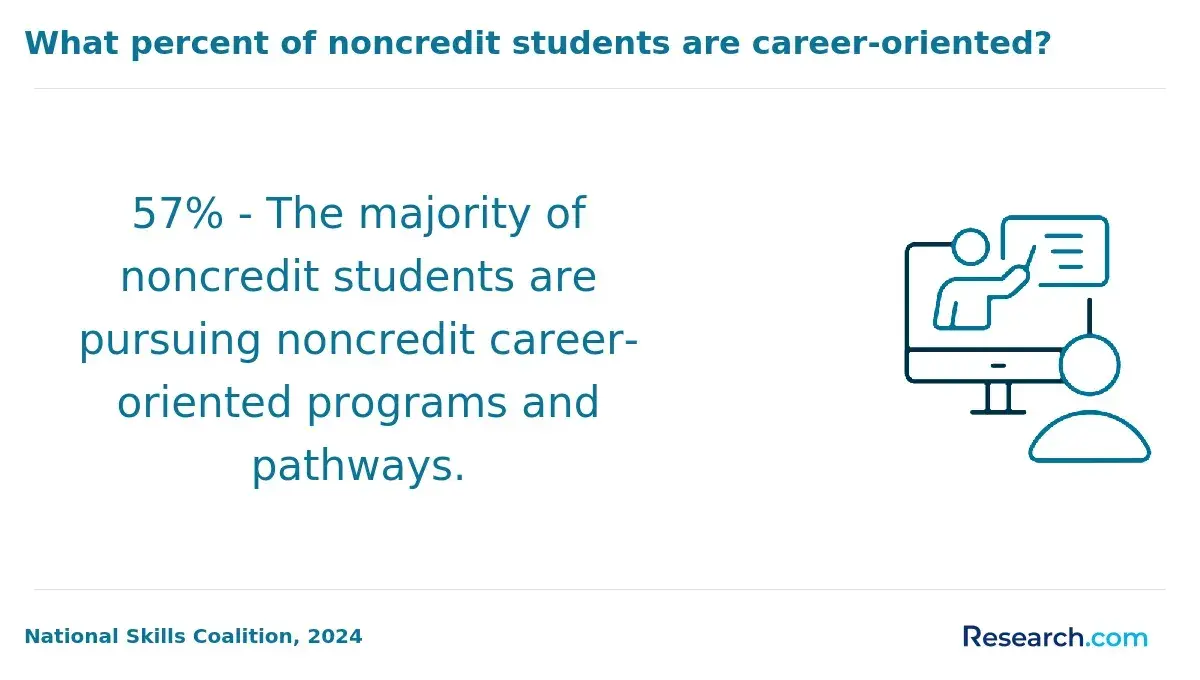
Financial aid reduces the initial costs of secondary education degree programs, making it more feasible for students to avoid excessive debt and thus enhancing their long-term return on investment. Recent studies show that nearly 85% of graduate students in the U.S. rely on some form of financial aid to help finance their education.
Common types of financial support that improve ROI by lowering expenses and debt include:
- Scholarships: These awards, based on merit, need, or other criteria, do not require repayment and directly decrease overall education expenses, resulting in less debt.
- Grants: Typically need-based, grants cover tuition or fees without needing to be paid back, easing the financial burden for students.
- Fellowships: Aimed at graduate students, fellowships often provide tuition coverage or stipends in return for teaching or research duties, reducing out-of-pocket costs.
- Employer tuition assistance: For working professionals, some employers offer full or partial reimbursement, allowing students to continue earning income while lowering their education expenses.
- Federal loans: Although they increase debt, federal loans usually feature lower interest rates and more flexible repayment terms, making education financing more manageable compared to private loans.
How Long Does It Take to Complete a Secondary Education Degree?
The duration required to complete a secondary education degree plays a crucial role in its return on investment, as longer study periods increase opportunity costs by delaying entry into the workforce and consistent income. Extended timelines also tend to raise overall costs, including tuition and living expenses, which can diminish the financial benefits of earning the degree. Below are key factors that impact how long it typically takes to earn a secondary education degree and influence the eventual ROI.
Enrollment status: Full-time students usually finish their programs more quickly than part-time students but might face higher upfront expenses. Part-time enrollment allows for balancing work and study but prolongs the overall time to graduation, potentially reducing early earning potential.
Program format: Online and accelerated degree options often shorten completion times by offering greater flexibility and condensed schedules. These formats can help students adapt their studies to personal and professional commitments, improving cost-effectiveness.
Transfer credits: Utilizing previously earned credits can significantly reduce the duration needed to complete the degree. This pathway helps students avoid redundant coursework and save on tuition fees.
Internship and thesis requirements: Practical components like internships or research theses add valuable experience but may lengthen the program. While this may delay graduation, these elements can enhance job readiness and long-term career prospects.
Scheduling flexibility: Programs that allow flexible course selections and timing aid students working or managing other responsibilities. Maintaining steady progress through adaptable schedules helps prevent extended delays in completion.
When asked about her experience, a secondary education graduate reflected on the challenges of balancing coursework, teaching practicums, and employment obligations. She recalled, "There were moments when juggling lesson planning with my full-time job felt overwhelming." Despite these hurdles, she valued the gradual pace afforded by part-time study, which allowed her to continue earning income and gain classroom experience simultaneously. Her path took nearly five years, longer than some peers, but she feels the extended timeline enabled deeper learning and practical growth, ultimately enriching her teaching skills and confidence. "The time investment was demanding, but I believe it made me a more prepared educator."
Is ROI Higher for Online or On-Campus Secondary Education Programs?
The delivery format of secondary education degree programs significantly impacts the return on investment (ROI) through variations in cost, flexibility, and career outcomes. Online enrollment in U.S. higher education rose by nearly 20% over the past five years, reflecting growing demand for more flexible study options that can improve cost effectiveness of online versus on-campus secondary education programs.
Here are key factors to consider in the ROI comparison of online and on-campus secondary education degrees:
- Tuition and fees: Online programs frequently have lower tuition and fees, reducing the upfront financial burden and helping limit student debt accumulation compared to on-campus options.
- Opportunity cost: The flexible scheduling of online programs often allows students to maintain employment or family commitments, thereby decreasing opportunity costs relative to traditional on-campus attendance.
- Networking and career services: On-campus programs usually offer stronger in-person networking opportunities and access to dedicated career support, which can enhance job placement and long-term earning potential.
- Employer perception: While acceptance of online credentials is increasing, some employers still favor traditional degrees for certain teaching roles, which may influence hiring decisions.
- Time to completion: Depending on individual circumstances, the duration of completing either online or on-campus programs can be similar, impacting overall ROI based on personal pacing and program design.
Prospective students seeking affordable and accredited options might explore cacrep-accredited online counseling programs, which demonstrate the evolving landscape of quality online education aligned with career advancement in education fields.
What Is the Average Salary After Earning a Secondary Education Degree?
Post-graduation salary is a crucial factor in determining the return on investment (ROI) of earning a secondary education degree, as it directly impacts the financial benefits compared to the costs and time devoted to the program. In the United States, the average salary for secondary education graduates typically ranges between $45,000 and $65,000 annually. This salary range plays a key role when evaluating the overall secondary education degree salary outcomes.
Several factors influence these salary outcomes and, consequently, the ROI:
- Industry or Work Setting: Salaries vary depending on whether graduates work in public or private schools, or in specialized education programs. Private or specialized roles may offer different compensation scales influencing ROI.
- Geographic Location: Urban areas and states with higher living costs often provide higher salaries to offset expenses, affecting the overall financial return of the degree.
- Prior Experience: Graduates with related internships or work experience before earning their degree often command higher starting salaries and accelerated raises, improving ROI.
- Specialization: Teaching high-demand subjects like STEM can result in better pay compared to more common subjects, positively impacting secondary education salary outcomes.
- Career Level: Advancement to leadership positions such as department head or curriculum coordinator typically leads to significant salary increases over time, enhancing financial returns.
Those assessing career options should consider these variables carefully. For professionals interested in further advancing their careers, exploring programs like the online executive mba may offer additional pathways to increase earning potential and career growth.
Breakdown of All 2-Year Online Title IV Institutions

Does a Secondary Education Degree Lead to Promotions?
Promotions contribute significantly to the return on investment (ROI) of earning a secondary education degree by leading to salary increases, expanded responsibilities, and greater career mobility. These factors together enhance lifetime earnings and overall job satisfaction for educators seeking career advancement with secondary education degree credentials.
A notable workforce trend is the growing emphasis on credential-based promotion. Increasingly, advanced degrees are required for leadership roles such as department heads or curriculum coordinators, which underscores the value of formal secondary education credentials combined with classroom experience.
Several key factors influence how a secondary education degree impacts promotions and ROI in the education field:
- Credential requirements: Many districts mandate advanced degrees for pay scale advancement or eligibility for leadership positions, making a secondary education degree essential for career progression.
- Leadership preparation: Secondary education programs often include coursework in educational leadership, equipping graduates with skills to take on supervisory or administrative roles.
- Employer tuition support: Some school districts offer tuition reimbursement or salary increases for employees pursuing additional degrees, effectively reducing the cost while improving promotion prospects.
- Internal promotion policies: Schools frequently prioritize candidates holding secondary education degrees when filling administrative or specialized teaching roles.
- Experience and education balance: Promotions typically reward a combination of years of teaching experience alongside academic qualifications, benefiting those who effectively combine both.
For those considering the financial aspect, exploring highest paying college majors can provide additional insight into potential earnings. Overall, promotions after secondary education degree completion often serve as a substantial factor in maximizing an education professional's career advancement and return on investment.
Which Industries Offer the Best ROI for Secondary Education Graduates?
Return on investment (ROI) for secondary education graduates varies significantly across industries due to differences in salary levels, career advancement opportunities, and the demand for specialized skills. Industries with higher compensation growth and clear promotion paths tend to offer stronger ROI. The utilization of teaching expertise and job stability also play critical roles in financial outcomes. Below are some industries that commonly provide the highest ROI careers for secondary education graduates.
- Public Education: While starting salaries may be modest, public education offers substantial potential for promotions to administrative or specialist roles. Pension benefits and strong job security improve total ROI over the long term.
- Private Schools and Charter Organizations: These institutions often provide more competitive pay and faster career progression compared to traditional public schools, enhancing overall financial returns for graduates.
- Education Technology: Rapid growth in this sector creates demand for curriculum developers, trainers, and content creators who apply secondary education skills in higher-paying environments with innovative career paths.
- Corporate Training and Development: Businesses increasingly invest in employee upskilling, valuing educational backgrounds to design and deliver effective training-this often leads to higher salaries and promotion opportunities.
- Government and Community Programs: Roles in educational outreach or policy implementation typically offer steady compensation growth and job security, contributing to consistent ROI.
These industries demonstrate how factors such as compensation growth, career advancement, and job stability intersect to improve outcomes for secondary education degree holders. For those considering ways to enhance their career prospects, exploring the best online certificate programs can provide additional skills and credentials that complement a secondary education degree.
Does Accreditation Affect ROI for a Secondary Education Degree?
Accreditation in secondary education degree programs signifies official approval that a program meets rigorous academic and professional standards established by recognized educational bodies. This endorsement assures that the curriculum, faculty qualifications, and program resources align with industry expectations, which is vital for students seeking meaningful returns on their educational investment. As teacher certification requirements become increasingly stringent nationwide, graduating from an accredited program often remains a key condition for eligibility, enhancing graduates' employability and career prospects. Moreover, employers and school districts are more likely to recognize degrees from accredited programs, reinforcing their value in a competitive job market.
Accreditation directly impacts long-term ROI by opening access to federal financial aid and scholarships unavailable to students in non-accredited programs. It also facilitates smoother credit transfers if students pursue advanced degrees or additional certifications, preserving the value of earlier coursework. Employers tend to place greater trust in candidates from accredited programs, as this signals verified preparation and competence required in education roles. Ultimately, accreditation ensures that licensure requirements are met, which is essential for entering and advancing within the teaching profession, thereby supporting sustained career growth and flexibility in an evolving educational landscape.
Is a Secondary Education Degree Worth It?
The return on investment for a secondary education degree largely depends on factors like program expenses, duration, starting salary, and opportunities for career growth. These degrees typically require about four years to complete, representing a significant time and financial commitment. Median annual earnings for graduates in this field average around $50,000, though this varies by location and specialization. With experience and further certifications, educators often advance into higher-paying roles such as administration or curriculum development, which can improve overall ROI.
Whether pursuing a secondary education degree is worthwhile varies by individual circumstances. Persistent demand for qualified teachers generally supports stable employment, but shifts in education policy and funding can affect job availability. Flexible learning options, including online and part-time programs, may enable students to work while studying, enhancing economic feasibility. Additionally, financial assistance and scholarships can lower costs substantially, while personal motivation and career aspirations play a crucial role in deciding if the investment aligns with one's goals beyond financial measures.
What Graduates Say About The ROI of Their Secondary Education Degree
- Alfonse: "Choosing to pursue a secondary education degree as a traditional student was a no-brainer despite the average cost of attendance being around $40,000. The investment felt substantial, but knowing the strong demand for qualified teachers and the potential for stable, rewarding employment convinced me. Today, I feel confident that my degree has opened doors and provided a meaningful career path with a solid long-term ROI. "
- Bertha: "As an online student, I carefully weighed the costs of a secondary education program, which typically range from $15,000 to $30,000 for online formats. While it was an important financial commitment, the flexibility allowed me to keep working and avoid debt. Reflecting on my professional journey, earning this degree has been invaluable, enabling me to grow as an educator and advance steadily in my field. "
- Diana: "Completing a part-time secondary education degree was a strategic decision given the cost of around $20,000 to $25,000 and my work schedule. I took a measured approach, considering the practical ROI rather than just upfront costs. Professionally, the degree has significantly enhanced my instructional skills and credibility, validating every hour and dollar spent and securing my future in education."
Other Things You Should Know About Secondary Education Degrees
In 2027, the demand for secondary education teachers is projected to remain strong, which can enhance the ROI of a secondary education degree. Stable demand often translates to job opportunities and salary growth, positively impacting financial returns on educational investments.
In 2027, secondary education graduates are expected to see an average annual salary increase of 3%, aligning with inflation. Sources like the Bureau of Labor Statistics provide data highlighting higher demand in STEM subjects, often commanding above-average salaries for new educators.
Additional certifications, such as specialized endorsements or advanced teaching credentials, can enhance the ROI by increasing salary potential and expanding job opportunities. Teachers with certifications in high-demand subjects or special education often command higher pay. These credentials may also improve prospects for leadership roles within schools.
References
- The Bigger Shift: Student ROI for higher education…and the role of digital learning https://wcet.wiche.edu/frontiers/2021/09/29/student-roi-for-higher-ed-the-role-of-digital-learning/
- Accreditation and financial ROI | Woolf News & Updates https://woolf.university/news/accreditation-and-financial-roi
- Best ROI Degrees: College Majors With the Strongest Returns https://collegecommit.com/roi-degrees/
- Teacher pay | Get Into Teaching GOV.UK https://getintoteaching.education.gov.uk/life-as-a-teacher/pay-and-benefits/teacher-pay
- How to redefine the value proposition and ROI for higher education | CourseLoop https://courseloop.com/how-to-redefine-the-value-proposition-for-higher-education/
- Post-Secondary Education Programs | Transitions https://transitionsusa.org/blog/post-secondary-education-programs/
- What Is a Secondary Education Degree? | FAQs | MWCC https://mwcc.edu/blog/secondary-education-faqs/
- Things To Do With a Teaching Degree Other Than Being a Teacher | ACE Blog https://ace.edu/blog/things-to-do-with-a-teaching-degree-other-than-being-a-teacher/
- Teaching Degree ROI Guide: The Return on Investment You Can Expect with a Degree in Education https://www.educationdegree.com/articles/return-on-investment-guide-to-education-degrees/
- Why choose secondary education? - University of Sunderland https://www.sunderland.ac.uk/student-experience/explore/education-society/why-choose-secondary-education/


