
2027 What Job Postings Reveal About Cybersecurity Careers: Skills, Degrees, and Experience Employers Want

Co-Founder and Chief Data Scientist
What do employers really want when hiring for cybersecurity roles? Many prospective students and career changers find job listings overwhelming, grappling with varied demands on skills, degrees, and experience. Recent data shows that nearly 60% of cybersecurity job postings require at least a bachelor's degree, highlighting education's growing importance in this competitive field. While certifications and hands-on skills matter, academic credentials still shape many hiring decisions. This article examines what cybersecurity job postings reveal about employer priorities and offers insight into aligning education and experience with market expectations for career success.
Key Things to Know About Skills, Degrees, and Experience Employers Want
- Job postings emphasize proficiency in skills like network security, threat analysis, and incident response, reflecting employers' focus on practical, technical abilities over broad theoretical knowledge.
- Employers typically require at least a bachelor's degree in Cybersecurity or related fields, coupled with 2-5 years of hands-on experience, underscoring the value of formal education plus real-world practice.
- Analyzing multiple job ads reveals consistent hiring standards, helping candidates target relevant certifications and skill sets that align with industry demands and increase employability.
What Do Job Postings Say About Cybersecurity Careers?
Job postings provide a clear reflection of real-world expectations for cybersecurity careers by consistently highlighting essential skills, educational credentials, and experience levels. Around 70% of listings require candidates to hold at least a bachelor's degree, underscoring the value placed on formal education. Employers commonly seek technical expertise in areas like network security and threat analysis, which appear frequently across postings. Experience requirements tend to increase with seniority, showing a progression from foundational skills to strategic and leadership capabilities.
Patterns in job postings reveal that while qualifications remain fairly consistent, the emphasis shifts based on role and level. Entry-level positions prioritize core technical knowledge, whereas advanced roles demand practical experience alongside strong interpersonal skills such as communication and problem-solving. Certification preferences often complement academic backgrounds but vary by employer and position. This consistent yet adaptable approach to requirements highlights how employers balance technical proficiency with teamwork and leadership abilities in cybersecurity roles.
What Skills Are Most Requested in Cybersecurity Job Postings?
Job postings in cybersecurity consistently highlight a core set of highly sought-after skills reflecting the field's evolving challenges. For example, a 2023 industry survey showed that about 65% of postings specifically requested expertise in network security, underscoring its critical role in protecting digital assets. These patterns provide insight into top technical skills employers seek in cybersecurity careers.
Below are some of the most important abilities featured in job listings:
- Network Security: Candidates must demonstrate proficiency in designing and maintaining secure network architectures that prevent unauthorized access and mitigate threats. This fundamental skill helps protect organizations from complex cyber attacks.
- Risk Assessment and Management: Identifying system vulnerabilities and evaluating their potential business impact is essential. Skilled professionals guide strategic prioritization and effective resource allocation for security efforts.
- Incident Response and Threat Detection: Quickly detecting breaches and coordinating appropriate responses minimizes damage. Familiarity with monitoring tools is vital to analyze network traffic and identify security incidents.
- Security Framework Knowledge: Understanding standards such as NIST or ISO helps organizations manage information security systematically and maintain regulatory compliance.
- Programming and Scripting: Skills in languages like Python, PowerShell, or Bash support automation of routine tasks, development of custom tools, and forensic analysis, enhancing operational efficiency.
- Communication and Problem-Solving: Strong communication facilitates collaboration across teams and helps explain technical findings to non-technical stakeholders, while analytical thinking supports developing robust defenses against novel attacks.
These essential cybersecurity skills for entry-level and advanced roles highlight the balanced demand for both technical expertise and strategic insight. For those seeking to deepen their knowledge in related areas, exploring the shortest EDD program online may provide avenues to strengthen leadership and analytical capabilities.
What Degrees Do Employers Require for Cybersecurity Careers?
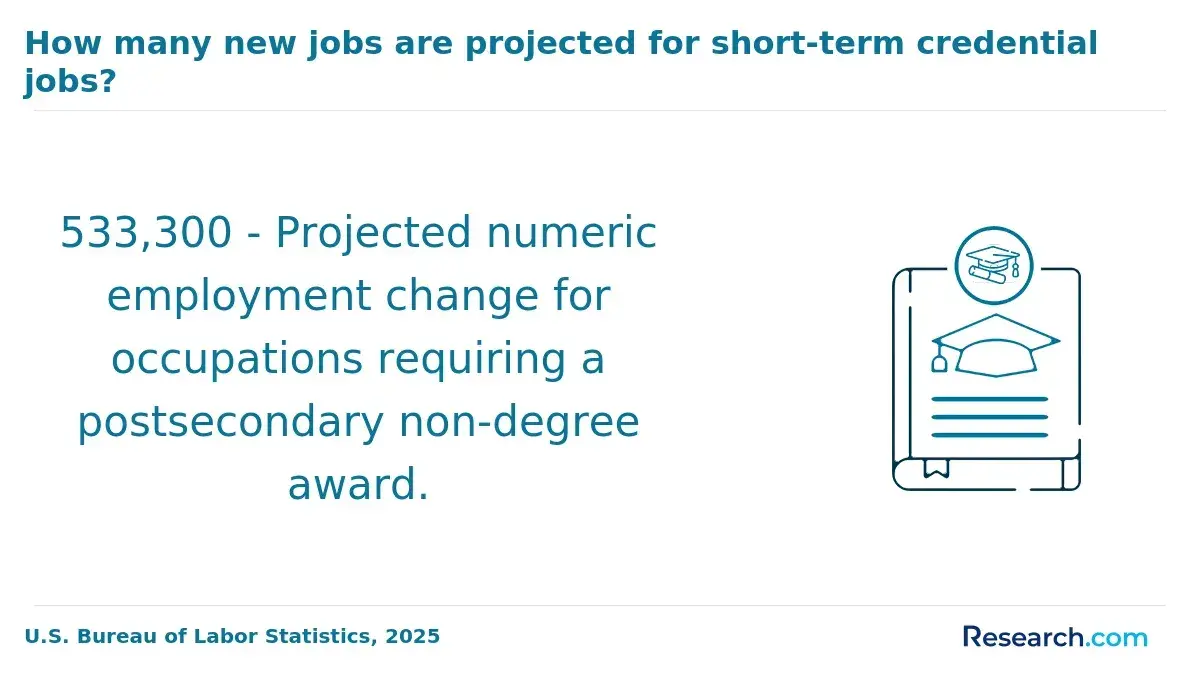
Job postings for cybersecurity roles often indicate the educational qualifications employers prioritize, varying by job complexity and industry standards. Most entry-level jobs require at least a bachelor's degree, while advanced positions may call for higher academic credentials. According to a 2023 CompTIA survey, 68% of job listings expect candidates to hold a bachelor's degree, and around 25% prefer candidates with a master's for specialized roles.
Common degree requirement trends in cybersecurity job postings include:
- Bachelor's Degree Baseline: A bachelor's degree typically serves as the minimum credential for most cybersecurity roles, providing essential foundational knowledge in computer science, information technology, or related fields.
- Advanced Degrees Preferred: Master's and doctoral degrees are often sought after for technical leadership, research, or specialist positions, especially in sectors handling sensitive information such as finance and government.
- Industry Variability: Degree expectations can vary significantly across industries, with regulated sectors demanding more stringent academic backgrounds than others.
A cybersecurity degree graduate shared his experience of entering the job market, noting the pressure to validate his skills beyond formal education. "The bachelor's degree opened doors, but I quickly realized that employers also look for certifications and practical skills," he explained. He described how balancing job applications with ongoing learning was challenging but necessary to meet varied employer demands. His perspective highlights that while degrees form the educational foundation, navigating hiring expectations involves continuous adaptation and growth.
How Much Experience Do Cybersecurity Job Postings Require?
Cybersecurity job postings outline a broad spectrum of experience criteria that differ greatly depending on the specific role and its level of expertise. Employers consistently use experience as a crucial filter to identify candidates equipped with the practical knowledge needed for varied cybersecurity tasks and responsibilities.
The following points summarize typical patterns seen in cybersecurity job postings related to experience requirements:
- Entry-Level Roles: These positions generally require minimal prior experience, often between zero and two years. They cater to recent graduates or individuals entering cybersecurity, focusing on foundational skills and basic operational duties.
- Mid-Level Positions: Jobs in this category usually ask for three to five years of relevant experience. Candidates are expected to manage security tools, respond to incidents, or support implementation of protocols, sometimes specializing in areas like penetration testing or network security.
- Advanced Roles: Senior roles demand over five years of experience and involve leadership, strategic planning, and overseeing cybersecurity operations or teams. Such positions require deep expertise validated by success in complex environments.
- Specialized Experience: Some listings specify expertise with particular technologies or industries, often necessitating hands-on experience to meet distinct organizational needs.
- Leadership Expectations: Supervisory roles frequently require project management or leadership experience, emphasizing the importance of guiding teams and coordinating security initiatives.
For prospective cybersecurity students aiming to understand the average cybersecurity work experience demanded by employers, exploring affordable online counseling programs can provide valuable insight into structured learning paths that support gaining this experience progressively.
What Industries Hire Fresh Graduates With No Experience?
Certain sectors show greater willingness to employ recent graduates who lack professional cybersecurity experience. This is evident in many entry-level job postings that emphasize basic knowledge and enthusiasm over prior work history. Notably, about 35% of these listings expressly welcome candidates with no experience, signaling significant opportunities for newcomers.
Below are some industries that commonly offer openings to fresh cybersecurity graduates:
- Government and Public Sector: Agencies at federal, state, and local levels often prioritize certifications and education instead of professional experience when hiring entry-level cybersecurity staff. Roles here usually focus on compliance, threat monitoring, and security assessments within structured regulatory environments.
- Financial Services: Banks and similar institutions, facing escalating cyber threats, frequently hire graduates with strong foundational skills. These employers typically provide formal training and place new hires in positions related to incident response and risk evaluations.
- Technology and Software Companies: Many tech firms actively seek fresh talent to support product security testing and vulnerability management. Startups and smaller companies especially value adaptability and a willingness to learn, offering chances for those without extensive backgrounds.
- Healthcare Industry: Protecting sensitive health information drives demand for entry-level cybersecurity professionals in hospitals and medical providers. These jobs often involve implementing security measures and conducting compliance audits, allowing new graduates to build hands-on expertise.
A fresh graduate with a cybersecurity degree shared her experience navigating the job market, describing the process as challenging yet encouraging. She noted that many employers value eagerness to learn and problem-solving ability over lengthy resumes. Interviewing was at times intimidating, but securing a position in a smaller tech company gave her the chance to grow quickly through real-world assignments and supportive mentorship. Her journey highlights how persistence and readiness can open doors in industries willing to train newcomers.
Which Industries Require More Experience or Skills?
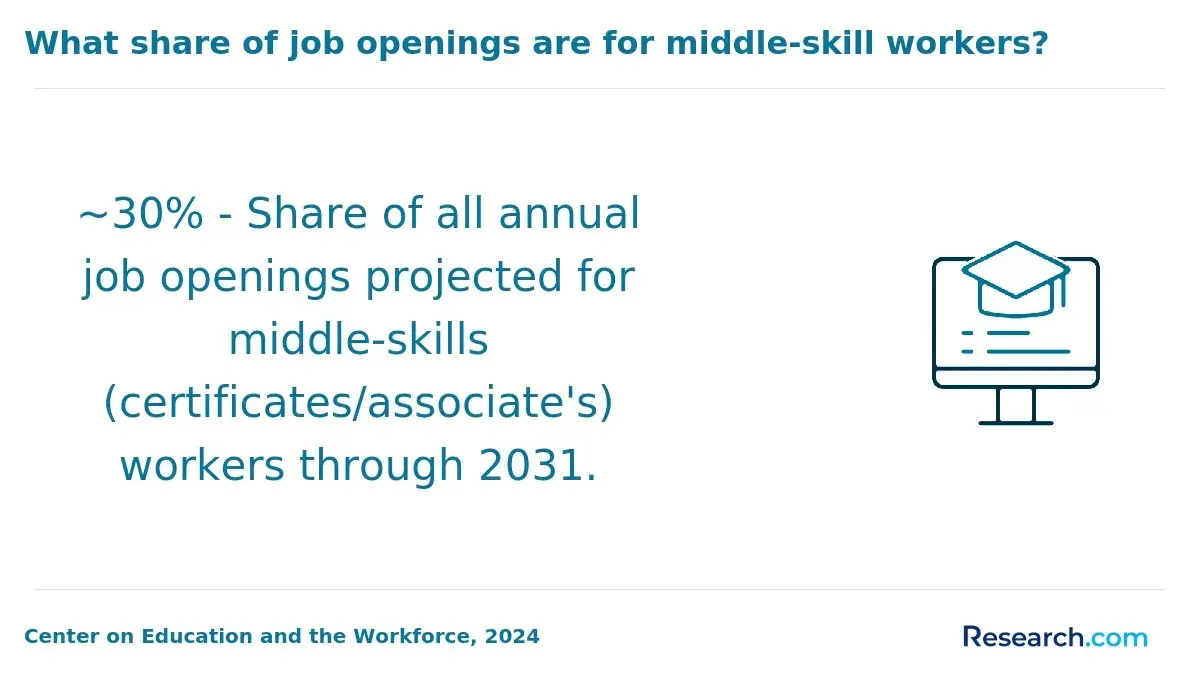
Certain industries demand significantly more experience and specialized training from cybersecurity professionals, as reflected in their job postings. These sectors often require advanced skills and multiple years of hands-on work due to the sensitive nature of their data and strict regulatory environments. A recent analysis indicates that more than 60% of cybersecurity job openings in regulated industries require at least five years of professional experience, compared to fewer than 35% in less regulated fields.
The following examples highlight industries with heightened expectations:
- Financial Services Employers in this sector often seek candidates with a minimum of five years' experience and certifications like CISSP or CISM. Their focus is on protecting complex financial systems and sensitive client information against sophisticated cyber threats.
- Healthcare This industry prioritizes expertise in HIPAA compliance and securing electronic health records. Candidates are expected to possess in-depth knowledge of vulnerability assessments and healthcare-specific security audits.
- Government Agencies Positions frequently require security clearances and experience within national security or classified environments. These roles emphasize skills in network defense, threat analysis, and incident response.
- Specialized Domains Fields such as penetration testing, cloud security, and digital forensics often demand advanced certifications and multi-year operational experience. Employers value professionals who can manage complex security operations and compliance frameworks.
Which Credentials Are Most Valuable for Cybersecurity Careers?
Employers rely heavily on credentials to gauge the qualifications and potential effectiveness of candidates in cybersecurity roles. These credentials, including certifications, licenses, and academic qualifications, often influence hiring decisions by validating a candidate's technical skills and professional commitment. Job postings typically prioritize certain credentials as essential or preferred to meet industry and regulatory standards.
Below are some of the most valued credentials frequently highlighted in cybersecurity job advertisements:
- Bachelor's Degree: A degree in computer science, information technology, or cybersecurity provides foundational knowledge in programming, systems analysis, and security principles. This academic credential is commonly required for most entry- to mid-level cybersecurity roles due to its broad applicability.
- CISSP Certification: The Certified Information Systems Security Professional credential is widely recognized for its comprehensive coverage of security management, architecture, and operations. Employers value CISSP for confirming a candidate's deep understanding of complex security environments.
- CEH Certification: The Certified Ethical Hacker certification demonstrates expertise in identifying and mitigating system vulnerabilities by thinking like an attacker. This credential is respected for its practical approach to cybersecurity defense techniques.
- GIAC and CISM Certifications: Certifications from the Global Information Assurance Certification program, such as GSEC, highlight hands-on technical skills, while the Certified Information Security Manager emphasizes governance and risk management. These credentials assure employers of a standardized level of expertise and readiness for evolving cybersecurity challenges.
Are Salaries Negotiable Based on Experience?
Salary levels in cybersecurity job postings frequently depend on a candidate's experience, education, and the complexity of the role. Employers generally advertise salary ranges rather than fixed amounts to allow flexibility based on these factors. Roles requiring advanced degrees, specialized certifications, or deep expertise often feature wider pay bands to reflect the added value of seasoned professionals. Research shows salaries can vary by as much as 20-30% depending on experience, with candidates having five or more years often negotiating starting salaries up to 25% higher than the lower advertised range, highlighting the impact of experience on negotiating cybersecurity salaries based on experience.
The degree of salary flexibility typically varies between entry-level and advanced positions, with entry-level jobs offering narrower ranges and limited room for negotiation. Employers tend to structure pay to attract qualified applicants by matching compensation to skill levels and responsibilities. Leadership or highly specialized roles, such as penetration testing or threat intelligence, often have broader salary ranges signaling greater negotiation possibility, unlike routine operational roles with fixed pay. Additionally, pursuing credentials like a 2 year construction management degree online can further boost bargaining power, showing how experience affects cybersecurity job salary offers across different career stages.
How Can You Match Your Resume to Job Descriptions?
Job postings offer valuable guidance for tailoring resumes to closely match employer expectations in cybersecurity careers. Studies show that automated applicant tracking systems (ATS) automatically reject up to 75% of resumes that lack relevant keywords. By carefully analyzing these postings, candidates increase their visibility to recruiters and improve their chances of being shortlisted.
Below are key strategies for aligning your resume with cybersecurity job descriptions:
- Interpret Language: Cybersecurity job postings utilize specific terminology related to certifications, tools, and methodologies. Understanding and reflecting this language on your resume improves the likelihood of passing ATS filters and demonstrates familiarity with industry standards.
- Highlight Relevant Experience: Focus your resume on experience that closely mirrors the job responsibilities outlined in the posting. Emphasize practical skills and previous roles that showcase your ability to meet employer needs in security operations, threat analysis, or risk management.
- Align Terminology: Incorporate keywords and phrases from the job description into your summary, skills, and work experience sections. This alignment ensures your resume resonates with hiring managers and ATS algorithms alike.
- Prioritize Required Qualifications: Emphasize certifications and degrees specified in the listing, such as CISSP, CEH, or a bachelor's degree in information security. These credentials signal your qualification alignment and seriousness about the role.
- Showcase Technical Skills: Highlight targeted technical abilities featured in the posting, like firewall configuration, vulnerability assessment, or threat analysis, to demonstrate expertise in core cybersecurity functions.
Additionally, candidates considering further education might explore organizational leadership master's programs to enhance their qualifications and leadership potential in cybersecurity roles.
Matching your skills and experience with cybersecurity job requirements is essential for standing out in a competitive job market and advancing your career.
What Should You Look for When Analyzing Job Ads?
Job ads reveal specific employer expectations in cybersecurity careers, shedding light on the essential skills, education, and experience required for various roles. Analyzing these postings helps prospective students and professionals understand what qualifications are prioritized. Studies indicate that around 70% of cybersecurity job ads emphasize both technical skills and certifications as vital criteria.
When examining cybersecurity job postings, consider the following key elements:
- Responsibilities: These describe the daily functions and main duties, illustrating the practical focus and scope of the position within the cybersecurity field.
- Qualifications: Employers often specify necessary degrees or preferred educational backgrounds such as a bachelor's or master's in cybersecurity, computer science, or related areas. For example, programs like the best online master's of social work programs highlight the importance of specialized graduate education in target disciplines.
- Experience Level: Many listings clarify the amount and type of professional experience required, distinguishing between entry-level and senior roles based on expertise with certain tools or environments.
- Required Skills and Certifications: Key competencies often include network security, incident response, risk assessment, and knowledge of compliance frameworks like NIST or GDPR. Certifications such as CISSP, CEH, and CompTIA Security+ frequently appear as prerequisites.
What Graduates Say About Skills, Degrees, and Experience Employers Want
- Louis: "As a recent Cybersecurity graduate, I found that job postings were essential in helping me identify positions that directly matched the skills I developed during my studies. They provided clear expectations on required certifications and tools, which guided me on what to focus on next. Navigating job ads has been my primary strategy for launching my career with confidence."
- Zain: "Over the years, I've used job postings as a reflective tool to gauge how my Cybersecurity expertise fits evolving industry demands. They've shown me where to deepen my experience and pursue additional training to stay competitive. This approach has been key in advancing my career steadily and intentionally."
- Myles: "Job ads have played a crucial role throughout my Cybersecurity career, not just at the start but as a continual source of insight on market trends and required skills. Reading them keeps me professional and focused on what employers truly value, helping me position myself effectively in a competitive field."
Other Things You Should Know About Cybersecurity Degrees
While technical expertise remains critical in cybersecurity roles, job postings increasingly emphasize soft skills such as communication, problem-solving, and teamwork. Employers recognize that effective collaboration and clear communication are essential when addressing security issues and working with cross-functional teams. Therefore, candidates who demonstrate both technical proficiency and strong interpersonal abilities tend to stand out.
Cybersecurity job postings often list certifications like CISSP, CEH, or CompTIA Security+ alongside or sometimes even ahead of formal degree requirements. Certifications provide evidence of up-to-date, specialized knowledge and practical skills, which can be more immediately relevant to the role. However, many employers still consider a formal degree beneficial, especially for entry-level positions or roles requiring a broader understanding of computer science fundamentals.
Many job postings explicitly mention a preference for candidates who stay current with emerging threats, technologies, and best practices. Employers seek professionals who actively pursue ongoing education through courses, workshops, or additional certifications. This indicates that continuous learning is not only encouraged but often necessary to succeed and advance within cybersecurity careers.
In 2027, cybersecurity job postings often highlight internship experiences and project work as critical components of a candidate's portfolio. Employers value practical exposure to real-world scenarios, making candidates with hands-on experience through internships or demonstrated project work more attractive for cybersecurity roles.
References
- 16 Cybersecurity Skills in High Demand https://online.champlain.edu/blog/top-cybersecurity-skills-in-high-demand
- Top 5 Industries Hiring for Cyber Security Skills in 2024 | Learning People https://www.learningpeople.com/uk/resources/blog/top-5-industries-hiring-for-cyber-security-skills-right-now/
- Always Negotiate Salary, Even For Your First Cybersecurity Job | by Becoming Cyber's Editor | Becoming Cyber https://blog.becomingcyber.com/always-negotiate-salary-even-for-your-first-cybersecurity-job-e61b06443f6d
- Most In-Demand Cybersecurity Skills You Must Have in 2025 https://www.uscsinstitute.org/cybersecurity-insights/blog/most-in-demand-cybersecurity-skills-you-must-have-in-2025
- Top 8 In-Demand Cybersecurity Jobs for 2025 and Beyond | Informa TechTarget https://www.techtarget.com/whatis/feature/5-top-cybersecurity-careers
- Top 6 Qualifications Employers in Cybersecurity Look For - PlexTrac https://plextrac.com/most-important-qualifications-for-cybersecurity-employment/
- Find a cybersecurity career https://cybersecurityguide.org/careers/
- 5 Most In-Demand Cybersecurity Skills & Jobs - INSPYR Solutions https://www.inspyrsolutions.com/5-most-in-demand-cybersecurity-skills-jobs/
- Cyber Security Graduate Jobs | Gradcracker - Careers for STEM Students https://www.gradcracker.com/search/computing-technology/cyber-security-graduate-jobs
- 3 Red Flags in Cybersecurity Postings - CyberSN https://cybersn.com/3-red-flags-in-cybersecurity-postings/


