
2027 Is a 2-Year Cybersecurity Degree Worth It: Accelerated Bachelor's ROI & Time Trade-Offs

Co-Founder and Chief Data Scientist
Choosing whether to pursue a 2-year cybersecurity degree presents a critical challenge for many individuals weighing time and financial investment against career benefits.
According to a recent study, accelerated cybersecurity degree programs can decrease time-to-degree by up to 40% compared to traditional pathways, addressing workforce shortages projected to reach 1.8 million unfilled jobs by 2025.
This article evaluates the return on investment of accelerated bachelor's degrees in cybersecurity, considering salary outcomes, time saved, and career progression. Readers will gain a clear understanding of how these factors interact, enabling informed decisions about committing to accelerated education versus other career routes.
Key Benefits of a 2-Year Cybersecurity Degree
- A 2-year accelerated cybersecurity degree significantly reduces time to employment, enabling quicker entry into a high-demand job market with 32% faster growth than average IT roles.
- Graduates often see strong ROI due to lower tuition costs and early salary gains, with entry-level cybersecurity analysts earning a median annual wage above $70,000.
- The focused curriculum prioritizes practical skills and certifications, enhancing employability compared to broader degrees requiring longer study periods and delayed income potential.
How Do 2-Year Cybersecurity Programs Work?
Two-year cybersecurity programs provide an intensive route for gaining foundational skills and knowledge, often culminating in an associate degree or serving as a stepping stone toward an accelerated bachelor's degree.
Understanding the structure of these programs is crucial for students who want to evaluate the time commitment and ensure alignment with their career goals, especially when exploring accelerated cybersecurity degree admissions requirements.
Below is a breakdown of how these programs typically operate.
- Accelerated pacing and year-round enrollment: These programs use shorter academic terms-usually 8 to 12 weeks instead of the traditional 15-week semester-allowing continuous enrollment throughout the year to maximize credit accumulation.
- Condensed course terms and credit load: Students should expect a heavier credit load each term, often with back-to-back courses, designed to help complete more credits annually and shorten the overall program length.
- Instructional format: Courses commonly include a blend of synchronous live lectures and asynchronous online modules to offer flexibility, especially for working adults balancing other commitments.
- Assessment methods: Evaluation often involves timed exams, proctored online tests, and project-based tasks emphasizing practical, real-world cybersecurity challenges.
- Curriculum progression: Programs build from core IT fundamentals such as networking and systems administration to specialized cybersecurity topics like cryptography, threat analysis, and ethical hacking, frequently incorporating industry certification preparation to boost employability.
These program elements help students complete their education efficiently while meeting the rising demand for cybersecurity professionals, projected to grow 35% through 2031. Those interested in continuing beyond this phase might explore accelerated dnp programs as part of a broader educational strategy.
What Are the Admission Requirements for a 2-Year Cybersecurity Degree?
For students considering an accelerated bachelor's in cybersecurity, understanding the admission requirements can help ensure a smoother application process and better preparation for the program's academic rigor. These prerequisites also impact how quickly one can progress through the curriculum and enter the workforce.
Below is a detailed breakdown of typical criteria to consider before applying to a 2-year cybersecurity degree program.
- Prior Education: A high school diploma or equivalent is essential. Most programs expect completion of foundational coursework in mathematics and basic computer principles to demonstrate a minimum level of technical aptitude.
- GPA Expectations: While many programs maintain flexibility, a minimum high school GPA around 2.5 on a 4.0 scale is often preferred. This threshold can vary but reflects a baseline for academic readiness.
- Standardized Tests: Tests like the SAT or ACT are typically optional or waived, especially in community colleges and technical schools aiming to widen access. Some programs may require placement exams in math and English to assign appropriate course levels.
- Prerequisite Courses: Introductory classes in programming or information technology might be requested to confirm preparedness for more advanced cybersecurity coursework.
- Work Experience: Although not usually mandatory, prior experience in IT or related fields can be advantageous, particularly for requirements related to accelerated cybersecurity programs, where prior knowledge helps accelerate learning.
Programs focus on balancing inclusivity with ensuring students are equipped to succeed. Many students completing these degrees within two years benefit from comparatively lower tuition rates than traditional four-year degrees.
Students exploring faster healthcare education options might also be interested in a medical assistant degree online 6 weeks as another example of accelerated program pathways.
What Does a Typical Week Look Like in a 2-Year Cybersecurity Program?
Evaluating the weekly structure and workload of a 2-year accelerated cybersecurity program is crucial for anyone aiming to balance fast-paced learning with other life demands.
Knowing what to expect helps prospective students assess how this intensive schedule fits their personal and professional goals.
The following points outline typical components that shape a demanding yet rewarding week.
- Lectures and Labs: Students often dedicate 12 to 15 hours weekly to in-depth classes covering topics like network security and ethical hacking. These sessions combine theory with hands-on labs to enhance practical understanding.
- Assignments and Assessments: Weekly tasks include coding challenges, security audits, and case studies that require students to apply skills actively. These assignments usually demand an additional 15 to 20 hours outside of class.
- Group Collaboration: Team projects are integral, fostering communication and problem-solving with peers, which mirrors real-world cybersecurity scenarios.
- Independent Study: Beyond assigned work, students invest significant time reviewing concepts, preparing for exams, and researching emerging security trends to reinforce their knowledge.
- Instructor Engagement: Programs encourage regular interaction through office hours and discussion forums, offering personalized support and clarification on complex topics.
- Time Management: Balancing intense coursework and personal commitments requires strong discipline and planning as the accelerated pace leaves little margin for procrastination.
When asked about his experience, a professional who completed a 2-year bachelor's degree in cybersecurity recalled the initial shock of the relentless pace.
"The hours felt like a sprint, not a marathon," he said, emphasizing how managing overlapping deadlines was his biggest challenge. He appreciated how group work mimicked actual security team dynamics, preparing him for workplace collaboration.
"Sometimes it was exhausting, but knowing I was building skills employers value helped me push through," he reflected. His advice to future students was clear: "Develop a strict schedule early and don't hesitate to use instructor support-that made all the difference."
Are 2-Year Cybersecurity Programs Available Online?
Choosing the right delivery format is crucial for students pursuing an accelerated cybersecurity degree, as it impacts flexibility, accessibility, and how well students manage their time. Online options cater to those balancing work and study, offering various models to fit different learning preferences.
Below is a closer look at what to expect from two-year online cybersecurity programs.
- Fully online vs. hybrid: Some programs are entirely online, enabling completion without campus visits, while others use hybrid formats that combine remote study with occasional in-person sessions for hands-on labs or exams.
- Asynchronous and synchronous learning: Fully online programs often emphasize asynchronous classes, letting students access materials anytime. Synchronous components like live discussions or virtual labs may also be included to encourage interaction and deeper engagement.
- Technology requirements: Students need a reliable computer, fast internet, and specific software tools to participate in virtual labs and complete assignments effectively, ensuring smooth progress throughout the program.
- Student support services: Many online programs offer resources similar to traditional campuses, including tutoring, career counseling, and technical help, which are vital for staying on track in an intensive accelerated curriculum.
- Pacing and engagement challenges: Online delivery demands self-discipline, especially in asynchronous settings, as students must maintain consistent study habits. However, the flexibility benefits working adults who must juggle education with other responsibilities.
How Much Does a 2-year Cybersecurity Degree Cost?
Evaluating the total cost of a 2-year cybersecurity degree is crucial for understanding its return on investment, especially when comparing accelerated programs to traditional four-year options.
Accelerated pathways condense coursework to shorten time spent in school, potentially reducing overall expenses and allowing students to enter the workforce sooner.
Below is a breakdown of key cost components to consider when estimating the average tuition for 2-year accelerated cybersecurity program expenses.
- Tuition Structure: Accelerated programs often charge tuition per credit hour, which can result in higher term costs but fewer total terms. This means while you might pay more each term, the overall tuition may be lower due to completing the degree faster.
- Additional Fees: Alongside tuition, programs usually require technology fees, lab fees, and administrative charges, which support hands-on cybersecurity training and practical learning environments.
- Textbooks and Learning Materials: Books and resources add to total expenses, with accelerated degrees frequently integrating current software and virtual labs that may increase costs but offer valuable experience.
- Technology and Lab Costs: Many accelerated cybersecurity programs include access to specialized software and virtual labs that are critical for skill development, influencing the total cost beyond basic tuition and fees.
- Impact of Accelerated Pacing: By shortening degree duration by 1 to 2 years compared to traditional programs, students can reduce indirect costs such as housing and transportation, and begin earning earlier, improving return on investment.
For those comparing options, visiting resources like healthcare administration degree online pages can provide insights into accelerated program structures and costs across fields.
Can You Get Financial Aid for 2-Year Cybersecurity Programs?
For students weighing the benefits of accelerated cybersecurity degrees, understanding financial aid options is crucial. Affordable funding can make intensive two-year programs more accessible, allowing learners to focus on their fast-paced studies without overwhelming debt.
The following details explain key financial support avenues and important considerations unique to accelerated cybersecurity tracks.
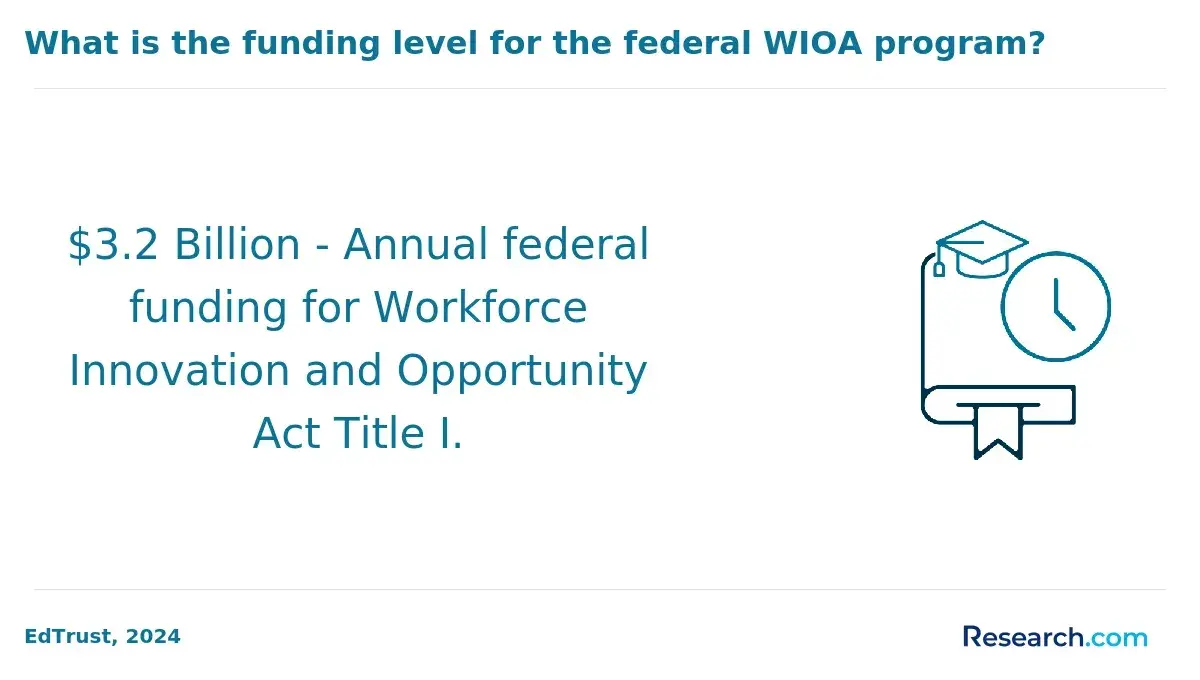
- Federal Student Aid Eligibility: Most accredited institutions offering accelerated cybersecurity programs qualify for federal aid, including Pell Grants and Direct Loans. Eligibility generally mirrors traditional degree programs, but students should verify their specific accelerated curriculum meets federal standards.
- Scholarships and Grants: Numerous awards target cybersecurity fields specifically, often provided by government agencies, nonprofits, and industry groups. These funds commonly address tuition costs and may also offer stipends, with some designed to encourage careers in this vital sector.
- Employer Tuition Assistance: Many professionals working in technology or related industries can access company-sponsored tuition benefits. This support often eases financial burdens by covering part or all of the cost for employees pursuing accelerated degrees.
- Impact of Accelerated Pacing: The condensed timeline can influence the timing and distribution of financial aid, since aid disbursements are typically aligned with traditional semester schedules. Accelerated programs might require more careful budgeting to manage payments over shorter intervals.
When I spoke with a cybersecurity professional who completed her accelerated bachelor's in just two years, she described the financial aid process as "challenging but manageable." She emphasized the importance of early planning and staying in close contact with the financial aid office to adjust for the quicker pace.
"Because the semesters moved so fast, some aid payments arrived just as I was finishing courses, which meant I had to have a clear budget upfront," she explained. Employer support was a key factor for her, helping to cover tuition while she maintained full-time work.
Reflecting on the experience, she noted, "The financial aid definitely made an intense schedule doable, and I felt confident knowing resources were available if I needed extra help."
What Jobs Can You Get With a 2-Year Cybersecurity Degree?
Evaluating the career outcomes of an accelerated cybersecurity bachelor's degree is essential for understanding its long-term value and how it fits with individual career and financial goals.
Knowing which jobs are accessible with a 2-year cybersecurity degree helps prospective students align their education plans with realistic entry points in the industry.
Below is an overview of common cybersecurity career options after associate degree completion and how the accelerated format supports early workforce success.
- Cybersecurity Technician: Graduates often start as technicians who monitor security systems and assist with routine threat detection. This role builds foundational skills by supporting network defenses and managing security tools in real-world environments.
- Information Security Analyst Assistant: Assisting senior analysts, this position focuses on analyzing security incidents and implementing basic protective measures. It's a critical stepping stone for those aiming to deepen expertise in risk management and ethical hacking.
- Network Administrator: Many graduates pursue network administration, managing access controls and ensuring secure communication across company systems. This role emphasizes hands-on IT skills valuable across diverse industries such as finance and healthcare.
- IT Support Specialist: Providing technical support to users, this career path helps build problem-solving abilities and familiarity with cybersecurity protocols important for protecting organizational data.
- Industry Demand and Advancement: The accelerated degree's focus on certifications and practical tools prepares students for rapid workforce entry, addressing the 35% projected growth in information security jobs.
Graduates can find cybersecurity career options after associate degree studies in sectors including government, technology firms, and healthcare, where practical experience is highly valued.
The shorter time-to-completion also allows many students to pursue further education or certifications with a lower overall investment, enhancing career prospects.
For those exploring flexible educational pathways beyond traditional degrees, affordable np programs provide useful examples of accelerated learning tailored to workforce readiness.
How Do Salaries Compare for 2-year Cybersecurity Degree vs. Traditional Bachelor's Degrees?
Salary outcomes are a critical factor when evaluating the return on investment (ROI) of accelerated versus traditional degree paths in cybersecurity. Comparing earning potential helps prospective students decide whether a 2-year cybersecurity degree or a traditional bachelor's degree aligns better with their financial and career goals.
The following points explore the differences in salary trajectories between these education paths.
- Early-career earnings: Graduates with a 2-year cybersecurity degree typically start with median salaries ranging from $50,000 to $65,000 annually, while traditional bachelor's degree holders often begin higher, with salaries between $60,000 and $80,000.
- Long-term earning potential: Over time, bachelor's degree holders often exceed $100,000 per year due to access to leadership and specialized roles. The broader scope of opportunities typically available to these graduates tends to create a steeper salary growth trajectory compared to many 2-year degree holders.
- Employer perception: Traditional bachelor's degrees are widely recognized and generally preferred for advanced cybersecurity positions, whereas 2-year degrees are valued for technical, entry-level roles.
- Career progression timelines: The accelerated nature of a 2-year cybersecurity degree allows graduates to enter the workforce approximately two years earlier, potentially offsetting initial salary gaps through earlier experience accumulation and income generation.
- Total lifetime earnings potential: Starting earlier may result in longer overall careers and potentially higher lifetime earnings despite lower starting salaries. Graduates who continually upskill and gain certifications can further enhance their financial outcomes.
Demand for cybersecurity professionals is projected to grow 35% from 2021 to 2031, benefiting graduates from both traditional and accelerated paths. Factors such as skill development, certifications, and continuing education remain vital in this competitive field.
Students exploring educational options should also consider financial investments beyond salary. Those interested in affordable healthcare degrees might look at resources detailing the cheapest dnp programs online to balance cost with career goals.
The following discussion includes insights into 2-year cybersecurity degree salary comparison and traditional bachelor's vs accelerated cybersecurity pay dynamics to help inform this complex decision.
Which Factors Most Affect ROI for Accelerated Cybersecurity Degrees?
Return on investment (ROI) is a vital metric for prospective students weighing accelerated cybersecurity degree options. Since these programs require significant financial and time commitments, evaluating ROI helps ensure that the effort aligns with long-term career and financial goals.
The following outlines the main factors that most impact ROI in accelerated cybersecurity education.
- Time-to-completion: Accelerated programs typically allow students to finish in about half the time of traditional degrees, often around two years. This shortened duration minimizes living expenses and limits income lost during studies, enhancing financial benefits.
- Tuition and total cost: Although tuition per credit might be higher in accelerated formats, the condensed schedule generally results in a lower overall cost. Lower total expenses combined with strong employment prospects tend to boost net ROI significantly.
- Opportunity cost savings: By entering the workforce sooner, students reduce the amount of potential earnings forgone. This factor is especially important for working adults seeking to minimize disruptions to their income streams.
- Employment outcomes and salary growth: Strong demand for cybersecurity roles drives competitive starting salaries and rapid career advancement. Graduates with accelerated degrees benefit from projected job growth and median salaries above average, accelerating salary increases over time.
- Industry demand: The rising need for cybersecurity professionals across multiple sectors helps maintain high employability. Accelerated degree graduates are positioned well to meet this expanding labor market.
- Transferability of skills: Skills such as network security, risk management, and incident response gained from accelerated programs are applicable to a variety of IT roles. This flexibility allows graduates to pivot within technology fields, increasing long-term career stability and opportunities.
How Do You Decide If a 2-year Cybersecurity Degree Is Right for You?
Choosing a 2-year cybersecurity degree requires reflecting on your personal learning preferences and capacity for intensive study. These programs often condense a traditional four-year curriculum into half the time, demanding strong time management and adaptability.
Consider whether you need to enter the job market quickly, as accelerated options can reduce education time by up to two years.
Your readiness to handle fast-paced coursework and balance other responsibilities is essential. Additionally, think about how this timeframe fits your professional goals and life circumstances.
From a practical standpoint, tuition for a 2-year degree is generally lower than a bachelor's, but some employers may favor candidates with four-year degrees for certain roles. Analyze the potential return on investment by weighing upfront costs against future earning potential and growth opportunities.
The cybersecurity field is expanding rapidly, with strong job prospects and projected demand increases. It's also important to consider how the credential aligns with long-term career flexibility and advancement, ensuring your education supports evolving industry standards and employer expectations.
What Graduates Say About Their 2-Year Cybersecurity Degree
- Raphael: "I chose the 2-year accelerated bachelor's degree in cybersecurity because I wanted to enter the workforce quickly without sacrificing quality education. Balancing the intensive schedule was challenging, but the flexible online components made it manageable alongside my part-time job. Since graduating, the degree has significantly boosted my confidence and opened doors to roles that previously felt out of reach. "
- Russell: "The decision to pursue a 2-year cybersecurity program came from a need to reskill efficiently while keeping costs affordable; the average cost of attendance was an important factor for me. The fast-paced curriculum demanded rigorous time management, especially when juggling family responsibilities. Reflecting on my progress, this degree has been pivotal in transforming my career path into something much more promising. "
- Theo: "Opting for the accelerated 2-year bachelor's program allowed me to dive deep into cybersecurity without years of delay, which was essential given the rapidly evolving tech landscape. I approached the rigorous schedule by organizing study sessions and leveraging support networks to stay on track. Professionally, obtaining this degree has been a game-changer, enhancing my expertise and credibility in the cybersecurity industry. "
Other Things You Should Know About Cybersecurity Degrees
In 2027, an accelerated bachelor's in Cybersecurity generally offers higher ROI compared to a 2-year degree due to increased earning potential and greater opportunities for advancement. However, a 2-year degree can provide quicker workforce entry. The ideal choice depends on career goals and immediate financial needs.
Many accelerated bachelor's programs accept transfer credits from 2-year cybersecurity degrees, which can significantly reduce the time to complete the bachelor's.
Transfer policies vary by institution, so it's important for students to confirm credit articulation agreements before enrolling. Effective credit transfer improves return on investment by accelerating degree completion and reducing tuition costs.
In 2027, a 2-year degree offers quicker entry into the workforce, often leading to intermediate positions. An accelerated bachelor's typically results in higher initial earning potential and broader job prospects, leading to more substantial long-term ROI. However, time investment and tuition costs are generally higher for the bachelor's program.
References
- Cybersecurity Degree ROI: Is It Worth the Investment? https://www.hakia.com/degrees/cybersecurity/salary-roi/
- Cybersecurity Certification vs. Degree https://prepsaret.com/comptia/cybersecurity-certification-vs-degree
- Two year accelerated degrees https://www.staffs.ac.uk/courses/undergraduate/study-options/two-year-accelerated-degrees
- Cybersecurity Certificate vs. Degree: Which Should You Choose? https://www.nu.edu/blog/cybersecurity-certificate-vs-degree/
- How to Land a Cybersecurity Job: Your Complete Guide https://cybersecurityguide.org/resources/cybersecurity-jobs/
- How to Calculate Cybersecurity ROI & Prove Business Value - Auxis https://www.auxis.com/how-to-calculate-cybersecurity-roi-prove-business-value/
- Is a Cybersecurity Degree Worth It? https://www.snhu.edu/about-us/newsroom/stem/is-a-cybersecurity-degree-worth-it
- Two-year Degree Courses in the UK | GoStudyIn https://gostudyin.com/study-in-uk/study-options/two-year-degree/


