
2027 What Job Postings Reveal About Marketing Careers: Skills, Degrees, and Experience Employers Want

Co-Founder and Chief Data Scientist
How can recent graduates and career changers decode what employers truly seek in marketing roles? Job postings often list an array of skills, degrees, and experience levels, but the reality can diverge from common expectations. For instance, 62% of marketing job listings now prioritize digital proficiency alongside traditional communication skills, reflecting the shifting landscape of the industry. This trend impacts applicants aiming to align their qualifications with hiring demands effectively. This article examines insights drawn directly from job postings to clarify which skills, degrees, and experience employers value most in marketing careers, guiding candidates toward informed preparation.
Key Things to Know About Skills, Degrees, and Experience Employers Want
- Job postings emphasize digital marketing, data analysis, and communication skills, highlighting demand for candidates proficient in modern tools and platforms.
- Employers often require a bachelor's degree in marketing or related fields combined with 2-4 years of relevant experience, underscoring education's role in candidate screening.
- Systematic analysis of postings reveals evolving standards, helping students tailor education and internships to meet actual market expectations effectively.
What Do Job Postings Say About Marketing Careers?
Job postings provide a clear picture of what employers expect from candidates in marketing careers, highlighting a blend of essential skills, education, and experience. Communication, digital literacy, and analytical thinking are commonly emphasized abilities that candidates must demonstrate. Educational requirements usually span from bachelor's degrees to specialized certifications, depending on the role's complexity. Notably, over 60% of marketing job listings call for at least two years of relevant experience, indicating heightened competition for fresher applicants.
Patterns within job postings reveal consistent priorities, such as a steady demand for strong digital platform skills and data analysis capabilities. However, expectations shift depending on the position's seniority or focus, with entry-level roles often accepting broader qualifications while advanced roles require deeper expertise. Employers also consistently stress soft skills like creativity and teamwork, reflecting the multifaceted nature of marketing work today. These recurrent themes help candidates tailor their qualifications to better align with market demands.
What Skills Are Most Requested in Marketing Job Postings?
Job postings consistently highlight the most sought-after skills in marketing roles, reflecting the evolving demands of the industry. A 2023 report by LinkedIn shows that over 70% of marketing job postings include digital marketing skills as a key requirement, illustrating the prominence of digital expertise. These listings reveal the priorities employers set when evaluating candidates for a competitive market.
The following list outlines essential skills frequently requested by employers, showcasing the focus on digital and data-driven marketing techniques employers want.
- Digital Marketing Proficiency: This skill set includes SEO, pay-per-click (PPC) advertising, and social media management, emphasizing the shift toward online platforms for customer engagement and brand promotion.
- Content Creation and Copywriting: Employers seek professionals who can craft clear, persuasive messages tailored to varied audiences. Effective content supports brand identity and drives consumer action.
- Analytical Skills: The ability to interpret campaign data and marketing metrics is critical. Data-driven marketing techniques employers want ensure campaigns are optimized to improve targeting and maximize return on investment (ROI).
- Communication Skills: Strong written and verbal communication is vital for collaborating across teams and engaging clients. Clear messaging and coordination are fundamental for project success.
- Project Management: Managing, planning, and delivering marketing initiatives efficiently remains essential given the complexity and rapid pace of campaigns.
For those exploring educational paths aligned with these skills, discovering the easiest bachelor degree to get online can provide a flexible starting point toward gaining relevant knowledge and credentials.
What Degrees Do Employers Require for Marketing Careers?
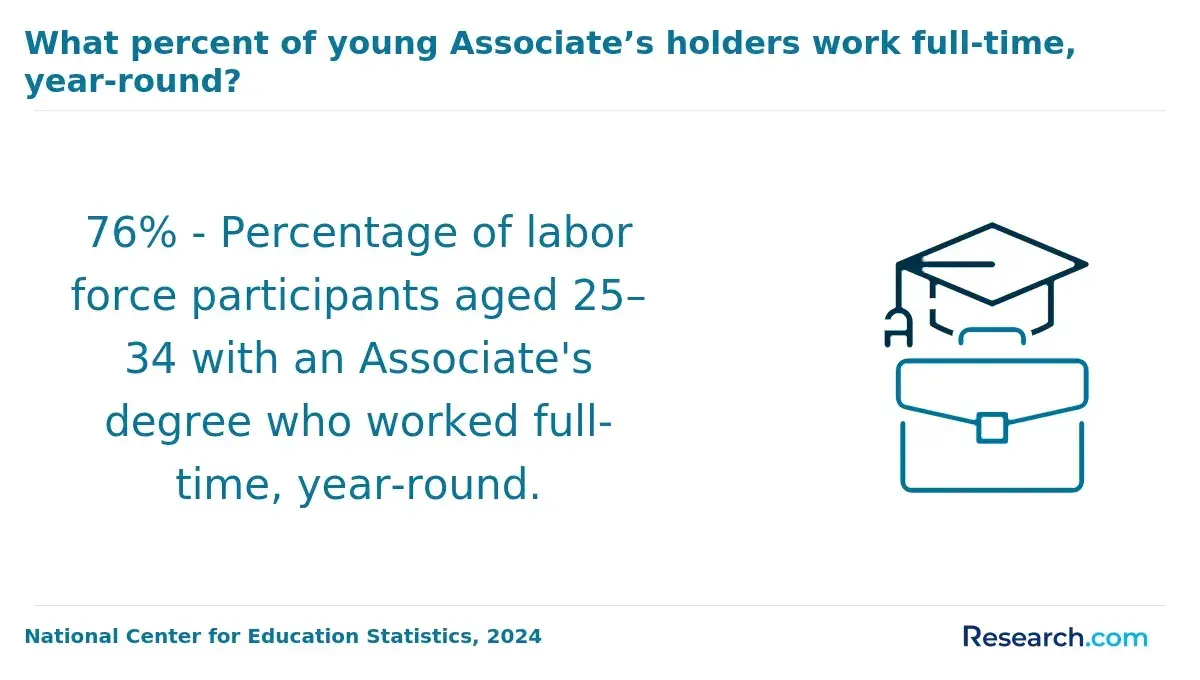
Job advertisements for marketing roles frequently specify degree requirements, with most expecting at least a bachelor's credential. These educational expectations shift depending on the job's seniority and industry, reflecting differing levels of expertise and specialization. Recent data shows that over 70% of marketing job listings require a minimum of a bachelor's degree, underlining its role as a foundational qualification.
Below are some common patterns related to degree requirements found in marketing job postings:
- Bachelor's Degree Baseline: Most entry-level marketing positions list a bachelor's degree in marketing, business, communications, or a related field as the fundamental educational prerequisite needed for consideration.
- Advanced Degree Preference: For roles with greater specialization or leadership responsibilities, such as marketing analytics or strategic management, employers often seek candidates with master's degrees or MBAs to demonstrate deeper knowledge and refined business acumen.
- Industry Variation: Degree preferences vary by sector; technical industries may favor candidates with quantitative or scientific degrees like economics, statistics, or engineering, while creative fields lean toward communications, advertising, or design qualifications.
- Supplementary Credentials: Although bachelor's degrees remain essential, complementary certifications related to digital marketing tools or social media platforms are frequently recognized as valuable additions, though not replacements for formal degrees.
When discussing degree requirements with a marketing degree graduate, he reflected on his hiring journey, recalling how he initially found the process daunting because of the competitive landscape and the many qualification expectations. He emphasized that while his bachelor's degree opened the door, some roles required highlighting certifications and ongoing learning to stand out. He mentioned, "It wasn't just about having the degree; demonstrating additional relevant knowledge really seemed to make a difference." This experience underscored how degree credentials form a base but often need to be supplemented by other qualifications to align with employer demands.
How Much Experience Do Marketing Job Postings Require?
Marketing job postings often specify different experience levels based on the role's seniority and specialization. Employers rely on these requirements as a primary means to identify candidates capable of handling specific responsibilities and contributing effectively from day one. Experience criteria reflect the increasing complexity and expectations tied to each position.
Here are common patterns seen in marketing job postings:
- Entry-Level Roles typically expect minimal experience, often 0-2 years. These positions focus on foundational skills and support tasks, making them suitable for recent graduates or those with internship backgrounds, aligning with typical entry level marketing experience requirements.
- Mid-Level Positions generally require 3 to 5 years of practical experience. Candidates should demonstrate proven abilities in managing campaigns, analyzing data, or collaborating within teams, reflecting a growing responsibility in their roles.
- Senior and Specialized Roles demand more than 5 years of demonstrated expertise. Leadership skills, strategic thinking, and often niche industry knowledge are essential, along with a record of successful project leadership or campaign outcomes.
- Supplementary Experience may include familiarity with specific marketing tools or methods that enhance a candidate's suitability beyond general experience thresholds.
For those exploring marketing careers, combining experience with education-such as through accelerated degree programs-can help meet these evolving employer expectations.
What Industries Hire Fresh Graduates With No Experience?
Entry-level marketing positions often welcome graduates with minimal professional experience, especially in fields that value creativity and adaptability. Such industries typically emphasize enthusiasm and willingness to learn, as seen in many recent job listings. A 2023 survey found that approximately 42% of marketing entry-level hires are made without requiring prior work experience, highlighting this trend.
Below are some industries that frequently employ fresh marketing graduates without demanding extensive backgrounds:
- Retail Sector regularly recruits graduates for roles focusing on brand promotion and customer engagement. These positions usually involve teamwork and fast-paced campaign execution where fresh ideas are welcomed.
- Hospitality Industry hires marketing assistants to support event marketing, social media campaigns, and community outreach. The job environment encourages on-the-job learning and quick adaptability over prior experience.
- Non-Profit Organizations seek candidates to assist with fundraising efforts, social media presence, and awareness initiatives. These roles provide practical experience aligned with mission-driven objectives.
- Media and Publishing outlets occasionally onboard newcomers for content promotion and audience engagement tasks, valuing creative energy and fresh perspectives despite limited professional histories.
- Startups often look for versatile marketers who can wear multiple hats in dynamic settings. They tend to prioritize attitude and learning potential over established experience.
When asked about her experience, a fresh graduate with a marketing degree described the initial challenges of entering the workforce without a traditional background. She explained that securing a position meant focusing on industries open to novices and demonstrating a proactive mindset during interviews. "It was intimidating at first, not having prior roles to reference, but I found that many employers valued my eagerness and willingness to contribute," she noted. This gradual entry allowed her to build confidence and develop relevant skills through hands-on tasks, proving that several sectors truly accommodate fresh talent despite their lack of formal experience.
Which Industries Require More Experience or Skills?
Certain industries are notably more selective when hiring marketing graduates, demanding higher levels of experience, specialized training, and sophisticated skills. These expectations are clearly reflected in job postings, which emphasize advanced competencies beyond basic marketing knowledge. For instance, about 62% of openings in high-tech and healthcare markets call for a minimum of five years of relevant experience, highlighting the premium placed on seasoned professionals in these fields.
Below are examples of sectors where elevated experience or skill sets are typically sought:
- Technology and Pharmaceuticals These fields usually require candidates to have extensive experience paired with specialized knowledge such as data analytics, regulatory compliance, and product lifecycle expertise. Marketing roles here often demand familiarity with complex scientific or technical concepts.
- Financial Services Marketing professionals in this sector often need certifications like the Chartered Financial Analyst (CFA) and a thorough understanding of financial regulations and risk management. Advanced training in compliance and financial products is standard.
- Media and Advertising Although creative ability and portfolio strength weigh heavily, these industries sometimes accept candidates with fewer years of experience if they showcase exceptional innovative thinking and campaign management skills.
- Manufacturing and Energy Candidates must demonstrate cross-functional skills, including technical writing and project coordination, alongside marketing. Experience working with supply chain processes and relevant industry knowledge raises their qualifications.
These industries consistently seek marketing professionals who can handle strategic responsibilities, navigate intricate regulatory environments, and execute data-driven initiatives, marking a distinct difference from less specialized markets.
Which Credentials Are Most Valuable for Marketing Careers?
Employers often use credentials to gauge candidates' preparedness and specialization within marketing careers. Academic degrees, professional certifications, and licenses serve as key indicators of a candidate's knowledge and dedication, influencing hiring decisions across diverse marketing roles. These credentials help distinguish applicants by demonstrating both foundational and updated expertise relevant to the field.
The following credentials are commonly valued in marketing job postings:
- Bachelor's Degree: A degree in marketing, business, communications, or related fields provides a broad understanding of marketing principles, consumer behavior, and strategic planning. It signifies a well-rounded educational foundation that employers frequently require.
- Certified Digital Marketing Professional (CDMP): This certification affirms proficiency in digital marketing tactics and technologies. Employers value it as evidence of up-to-date expertise necessary for navigating today's tech-driven marketing landscape.
- Google Ads Certification: Widely recognized in the industry, this credential verifies skills in pay-per-click advertising and campaign management, highlighting a candidate's ability to drive targeted online marketing efforts effectively.
- Google Analytics Individual Qualification (GAIQ): This license demonstrates capability in using data analytics to measure and interpret marketing performance. It is essential for roles that require insight into campaign effectiveness and data-driven decision-making.
Are Salaries Negotiable Based on Experience?
Salary levels in marketing job postings are heavily influenced by a candidate's experience, educational background, and the role's complexity. Employers usually provide a salary range instead of a fixed figure, allowing adjustments based on the applicant's qualifications. A 2023 survey by the American Marketing Association revealed that marketing professionals with over five years of experience can earn approximately 30% more than entry-level candidates, reflecting how experience plays a crucial role in compensation. This dynamic highlights the importance of understanding that marketing salary negotiation strategies by experience level are commonly factored into job offers.
Experience often dictates the degree of salary flexibility within job postings. Entry-level marketing roles typically have standardized salaries with limited room for negotiation, while advanced positions or leadership roles feature broader pay ranges to accommodate valuable expertise. Employers list minimum qualifications alongside desired experience to set expectations but remain open to rewarding candidates with proven achievements or relevant advanced education, such as a criminal justice degree online accredited, when applicable. Overall, this structure allows companies to manage salary offers strategically while accounting for the varying levels of experience candidates bring.
How Can You Match Your Resume to Job Descriptions?
Job postings provide essential guidance for tailoring marketing resumes to job postings by revealing what employers value most in candidates' skills, education, and experience. Research indicates that around 75% of resumes are filtered out by applicant tracking systems (ATS) before they reach human recruiters, emphasizing the need for precision in matching resume content to job descriptions. Carefully aligning resumes with these requirements boosts the chances of successfully passing through automated screenings and catching employer attention.
To enhance resume effectiveness, consider the following strategies:
- Interpreting Job Language: Focus on key action verbs and skill terms frequently mentioned, like "data analysis," "content creation," or "campaign management." Using these phrases increases ATS compatibility and signals a clear understanding of the role.
- Highlighting Relevant Experience: Emphasize projects and roles that directly align with marketing job requirements described in postings. For example, if social media strategy is a priority, showcase accomplishments and expertise in that specific area.
- Aligning Terminology: Mirror the specific language employers use to describe skills and qualifications. Marketing postings may vary in phrasing, such as "SEO optimization" versus "search engine marketing," so matching these terms can be advantageous.
- Prioritizing Required Qualifications: Clearly display critical degrees or certifications, especially if listed as mandatory or preferred. This clarity allows recruiters to quickly verify eligibility without confusion.
- Considering Educational Advancement: Some marketing employers prioritize advanced credentials; incorporating details about relevant programs like the cheapest online MBA you have completed or are pursuing can strengthen your resume.
What Should You Look for When Analyzing Job Ads?
Job advertisements reveal detailed expectations employers have for marketing careers, highlighting the skills and qualifications most valued in the field. Analyzing these ads carefully helps clarify the specific demands of various roles, aiding students in aligning their education and experience accordingly. Notably, a 2023 Content Marketing Institute survey found that 72% of marketing job postings list both technical and soft skills.
Key aspects to focus on when reviewing marketing job ads include the following:
- Responsibilities: This section details the daily activities and overall goals associated with the position, such as managing campaigns or interpreting consumer behavior, providing a clear picture of what the role entails.
- Qualifications: Look for required educational backgrounds, often degrees in marketing, business, or related fields, and sometimes specific certifications that reflect industry standards.
- Experience Levels: Job ads specify if they target entry-level, mid-career, or senior professionals, indicating the amount of prior work or internship experience expected from candidates.
- Required Skills: Employers typically list a combination of hard skills like SEO, data analytics, and marketing software expertise, alongside soft skills such as communication, adaptability, and critical thinking.
- Educational Pathways: Some postings reference preferred institutions or learning modes, including degrees from a nonprofit university, highlighting pathways that meet hiring preferences.
What Graduates Say About Skills, Degrees, and Experience Employers Want
- Valentino: "As a fresh graduate, I found job postings to be a crucial guide in identifying roles that aligned with my academic background in marketing. They not only highlighted the essential skills employers seek but also helped me tailor my resume to stand out. Navigating through job ads gave me confidence and direction during an otherwise overwhelming job search."
- Zev: "Relying on job ads has been instrumental in advancing my marketing career, especially as I gained more experience. They provide real-time insights into industry demands and emerging trends, allowing me to upskill accordingly. These postings also helped me pinpoint positions where I could leverage my strengths and challenge myself professionally."
- Grayson: "Throughout my career as a marketing professional, job advertisements have influenced my decisions on when to seek new opportunities and how to position myself in the market. Reflecting on the language and requirements in postings, I've learned to highlight my achievements more effectively. Job ads remain a valuable resource for staying connected with the evolving field and crafting a strategic career path."
Other Things You Should Know About Marketing Degrees
Soft skills such as communication, teamwork, and adaptability are frequently highlighted alongside technical skills in marketing job postings. Employers value these interpersonal abilities because marketing roles often require collaboration across departments and with clients. Strong soft skills help candidates better execute campaigns and respond to dynamic market conditions.
Most marketing job postings favor candidates with degrees in marketing, business, or communications, but many also accept broader academic backgrounds if paired with relevant experience. Employers often prioritize demonstrated knowledge of marketing principles and tools over the specific title of the degree. Practical experience and certifications can sometimes compensate for less traditional academic paths.
In 2027, marketing job postings show increasing value on certifications and ongoing education. Employers favor candidates investing in updated skills, especially those relevant to dynamic fields like digital marketing and analytics. Recognized certifications enhance job applications by showcasing commitment to skill advancement.
Marketing job postings commonly list familiarity with specific digital tools, such as social media platforms, SEO software, CRM systems, and marketing automation technologies. Employers require experience using these technologies to demonstrate practical skills in executing campaigns and measuring performance. Candidates with hands-on knowledge of relevant software have an advantage in the hiring process.
References
- How to negotiate a high salary in marketing roles?[10 Key Factors] [2026] https://digitaldefynd.com/IQ/how-to-negotiate-high-salary-in-marketing-roles/
- How to Make Your Resume Match the Job Description https://hbr.org/2023/08/how-to-make-your-resume-match-the-job-description
- How to Align Your Resume with a Job Description https://flavoredresume.com/blog/how-to-align-your-resume-with-job-description
- what - Translation into Polish - examples English | Reverso Context https://context.reverso.net/translation/english-polish/what
- Top Skills Employers Want in Marketing Professionals https://herd.digital/blog/top-digital-marketing-skills-employers-want/
- Essential Marketing Skills Employers Value Most https://freshsuccessmarketinggroup.com/all/top-marketing-skills-hiring-managers-look-for-in-candidates/
- The guide to marketing and marketing jobs: Everything I wish I had known when I started | The Marketing Meetup https://themarketingmeetup.com/blog/the-guide-to-marketing/
- How to Analyze Your Next Recruitment Marketing Campaign Like a Pro (Template Included!) - Rally® Recruitment Marketing https://rallyrecruitmentmarketing.com/2018/08/how-to-analyze-your-next-recruitment-marketing-campaign-like-a-pro-template-included/
- The Most In-Demand Marketing Skills https://www.marketingprofs.com/charts/2016/30647/the-most-in-demand-marketing-skills
- LinkedIn Report Reveals Most In-Demand Marketing Skills https://www.searchenginejournal.com/linkedin-report-reveals-most-in-demand-marketing-skills/538235/


