
2027 What Job Postings Reveal About Nurse Administrator Careers: Skills, Degrees, and Experience Employers Want

Co-Founder and Chief Data Scientist
How do employers define the qualifications that set apart successful nurse administrators in a competitive healthcare job market? Many aspiring candidates review numerous job postings to discern the essential skills, degree requirements, and experience levels sought by hospitals and healthcare organizations.
With nearly 30% of nurse administrators holding advanced degrees like MSN or MHA, education plays a critical role alongside leadership and operational expertise. Understanding these evolving demands is key as healthcare systems increasingly prioritize both clinical knowledge and management acumen.
This article examines job listings to reveal what employers expect from nurse administrators and guides readers in aligning their credentials accordingly.
Key Things to Know About Skills, Degrees, and Experience Employers Want
- Job postings consistently emphasize leadership, communication, and compliance management as critical skills for nurse administrators, reflecting employers' focus on operational and clinical oversight capabilities.
- Educational requirements typically include a bachelor's degree in nursing with a preference for a master's in nursing administration, alongside 3-5 years of clinical experience, shaping candidate expectations.
- Analyzing postings reveals alignment between certification preferences, like CNML or NEA-BC, and real-world hiring standards, guiding students on necessary credentials and professional development.
What Do Job Postings Say About Nurse Administrator Careers?
Job postings for nurse administrator careers provide insight into employers' real-world expectations, emphasizing a strong foundation in both education and experience. Most listings ask for at least a bachelor's degree in nursing or healthcare administration, often preferring candidates with a master's degree or professional certification.
Over 70% of these postings specify a minimum of five years' clinical nursing experience prior to stepping into administrative roles, highlighting the value of clinical expertise alongside leadership capabilities. Essential skills frequently mentioned include strategic planning, financial management, and compliance knowledge.
Patterns across job postings reveal consistent demands for leadership and communication skills, regardless of the healthcare setting or organization size. While entry-level positions might require supervisory experience, senior nurse administrator roles typically expect demonstrated success in managing entire departments or multiple locations.
Adaptability and technological proficiency, particularly with electronic health records and data analytics, are also commonly emphasized to meet the evolving needs of healthcare administration. These trends illustrate employers' preference for candidates who combine clinical insight with operational expertise and strong managerial abilities.
What Skills Are Most Requested in Nurse Administrator Job Postings?
Job postings for nurse administrator roles consistently highlight specific skills that employers prioritize to ensure efficient healthcare operations. Approximately 75% of nurse administrator job listings emphasize leadership as a critical skill, illustrating its widespread demand in the field. These postings provide valuable insight into the key skills nurse administrator employers seek to manage teams and deliver quality care.
Several skills regularly appear in these job listings, indicating what employers value most. These include:
- Leadership: Effective guidance and motivation of nursing staff are crucial. Leadership promotes teamwork and helps maintain high standards in patient care, supporting smooth coordination across healthcare teams.
- Communication: Clear and concise communication with medical personnel, patients, and other stakeholders is essential. Strong communication reduces misunderstandings and facilitates collaboration, which supports adherence to healthcare regulations.
- Organizational Skills: Managing multiple projects, schedules, and resources is vital in a dynamic healthcare setting. Nurse administrators require exceptional organizational abilities to prioritize tasks and oversee staffing, budgeting, and policy implementation efficiently.
- Problem-Solving: Quick, evidence-based decision-making is necessary in complex and evolving healthcare situations. The ability to analyze challenges, generate solutions, and adapt is key to maintaining operational effectiveness and quality care.
- Technical Proficiency: Familiarity with healthcare information systems, including electronic health records and management software, enhances data accuracy and streamlines administrative workflows.
For those aiming to enhance their qualifications, researching options like the cheapest online DNP program can provide accessible pathways to improve skills and career prospects in nurse administration.
What Degrees Do Employers Require for Nurse Administrator Careers?
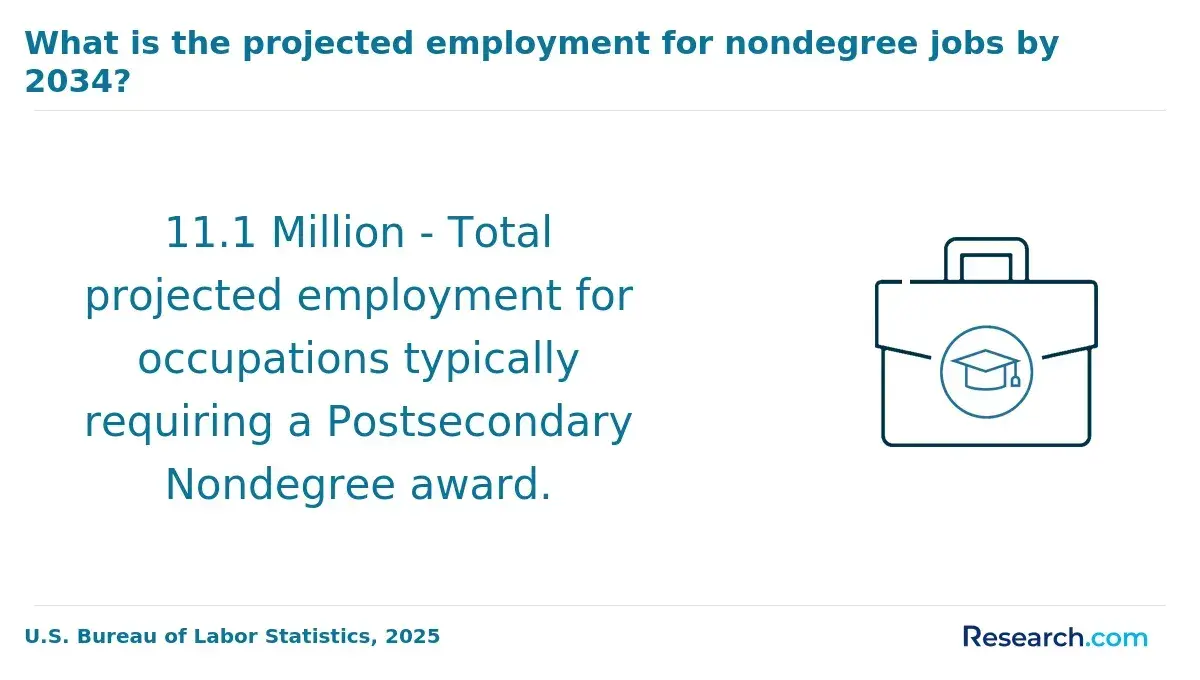
Job listings for nurse administrator roles typically reflect clear degree requirements that align with the level of responsibility and complexity of the position. Entry-level jobs often require a bachelor's degree, while more advanced or specialized roles call for master's or doctoral credentials. These standards shift based on the healthcare setting and the administrative demands of the role.
Recent data reveals that about 60% of nurse administrator job postings favor candidates with graduate-level nursing degrees, highlighting a trend toward increasing educational expectations within the field.
Common degree requirements in nurse administrator job postings include these patterns:
- Bachelor's Degree Minimum: Most entry-level nurse administrator positions require a Bachelor of Science in Nursing (BSN) as the foundational credential to ensure a solid grasp of nursing concepts alongside basic management knowledge.
- Advanced Degree Preference: Roles with higher complexity or leadership responsibilities often specify a master's degree, such as a Master of Science in Nursing (MSN) focused on healthcare administration or management, reflecting a need for enhanced expertise.
- Doctoral or MBA Requirements: Executive or highly specialized nurse administrator positions may call for a Doctor of Nursing Practice (DNP) or an MBA with a healthcare emphasis, signaling a strong emphasis on strategic leadership and system-level knowledge.
- Industry Variation: Requirements vary by healthcare environment; major hospitals and academic centers tend to expect higher degree qualifications compared to smaller community or outpatient facilities, sometimes supplemented by additional expertise in areas like finance or informatics.
When I spoke with a nurse administrator degree graduate about these requirements, he reflected on the challenges he faced in navigating the educational expectations. 'Balancing coursework with work was demanding, especially while pursuing my MSN,' he said.
He emphasized that meeting the degree criteria felt like an important milestone but also a gateway to understanding the broader operational and leadership aspects of healthcare. 'The process was tough, but it definitely prepared me for the complexities I handle daily,' he shared, highlighting how higher education supplied essential tools beyond clinical knowledge.
How Much Experience Do Nurse Administrator Job Postings Require?
Job postings for nurse administrator roles show widely varying experience requirements depending on the position's seniority and focus area. Employers frequently use years of experience as a critical filter to identify candidates equipped to handle the complexities of healthcare management. These varying demands help clarify expectations for applicants across different stages in their careers.
Below are common patterns found in nurse administrator job postings regarding experience:
- Entry-Level Roles typically ask for limited professional experience, often welcoming recent graduates with clinical nursing experience or internships. These positions focus on foundational leadership exposure rather than extensive management.
- Mid-Level Positions often require three to five years of experience in nursing leadership or management, emphasizing demonstrated skills in supervisory roles and operational knowledge within healthcare settings.
- Senior Roles such as director or executive positions generally expect over five to ten years of experience. Candidates should show proven success managing large teams and navigating complex healthcare administration challenges.
- Specialized Experience is sometimes required based on the healthcare setting-acute care, outpatient, or long-term care-with preferences for relevant sector knowledge influencing the years and type of experience needed.
- Regulatory and Operational Skills are often highlighted alongside overall experience, focusing on abilities like budgeting, staff development, and compliance which are crucial for higher-level nurse administrator roles.
This structured approach aligns with typical years of experience needed for nurse administrator roles, helping candidates gauge their readiness effectively. For those considering advancement, further education options such as MSN to DNP programs offer pathways to meet evolving experience and skill expectations.
What Industries Hire Fresh Graduates With No Experience?
Several fields readily recruit nurse administrator graduates with minimal or no professional experience, particularly where structured support programs facilitate their transition into the workforce. Recent data indicates that around 35% of entry-level nurse administrator roles are filled by candidates without substantial hands-on experience, reflecting growing industry acceptance of hiring fresh graduates.
The following industries are known for offering such opportunities:
- Hospitals and Healthcare Systems: These institutions frequently create entry-level positions tailored to new graduates, often within clinical or operational departments. Supervised roles allow novices to develop managerial skills while gaining exposure to healthcare administration.
- Long-Term Care Facilities: Nursing homes and community-based care settings commonly seek new nurse administrators to manage daily operations, emphasizing leadership growth in collaborative environments focused on patient care continuity.
- Public Health Agencies: State and local health departments employ nurse administrators to oversee program delivery, policy application, and community health initiatives. These roles often prioritize academic background over prior administrative experience.
- Nonprofit Healthcare Organizations: Charitable groups and advocacy organizations engage fresh nurse administrators in roles requiring a blend of patient support, outreach activities, and administrative tasks, fostering gradual professional development.
Asked about her experience exploring available industries, a fresh graduate with a nurse administrator degree shared that despite initial anxiety about limited practical experience, she found reassurance through comprehensive mentoring programs.
She remarked, 'It was challenging at first to adapt to managing teams without prior hands-on leadership, but the guidance provided helped me grow quickly.' This hands-on support created a positive environment where she could build confidence and understand the administrative facets of healthcare more deeply.
Which Industries Require More Experience or Skills?
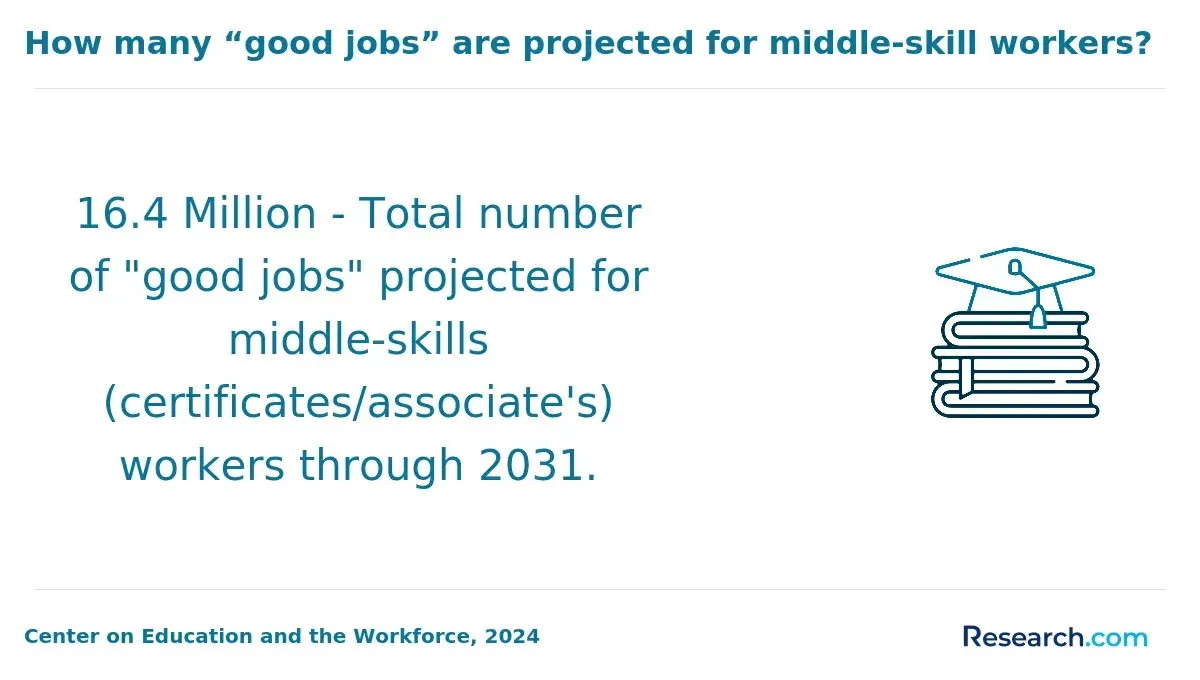
Certain sectors are particularly selective when hiring nurse administrator graduates, due to heightened demands for specialized training, advanced skills, and extensive experience. Job postings in these fields often reflect stringent criteria that surpass basic qualifications, focusing on candidates who demonstrate robust leadership abilities and professional development.
Notably, around 65% of nurse administrator positions in hospital environments require a minimum of five years' supervisory experience, emphasizing the value placed on seasoned professionals in complex healthcare settings.
Below are key industries known for expecting more advanced expertise and experience from nurse administrator candidates:
- Hospitals and Large Health Systems: These organizations frequently seek candidates with several years of management experience and competencies in clinical leadership, strategic planning, and healthcare informatics. Certifications like Certified Nurse Manager and Leader (CNML) are often preferred, reflecting industry standards for advanced proficiency.
- Long-Term and Specialized Care Facilities: Settings such as oncology or rehabilitation centers prioritize nurse administrators skilled in coordinating complex patient care plans. Familiarity with regulatory compliance frameworks, including HIPAA and Medicare, is essential due to the specialized nature of these populations.
- Public Health Sector: Nurse administrators in this field are expected to manage community or governmental health programs, requiring expertise in policy execution and collaboration across agencies. Job listings typically highlight the need for clinical leadership paired with knowledge of public health regulations.
- Regulatory and Quality Improvement Roles: Many employers demand nurse administrators who can lead initiatives focused on clinical quality and ensure adherence to healthcare regulations. Proven success in these areas signals readiness to handle the complexities of modern healthcare operations.
Employer Confidence in Online vs. In-Person Degree Skills, Global 2024

Which Credentials Are Most Valuable for Nurse Administrator Careers?
Employers carefully evaluate credentials to determine a candidate's suitability for nurse administrator roles. Specific licenses, academic qualifications, and certifications offer clear evidence of a candidate's expertise and leadership capabilities. These credentials help employers identify individuals prepared to navigate the complexities of healthcare management.
The following credentials are frequently emphasized in job postings as indicators of readiness and professional competence:
- Registered Nurse (RN) License: This essential license confirms that candidates meet the fundamental legal and professional standards required for nursing practice. It serves as proof of clinical competence and a solid foundation in patient care.
- Bachelor's and Master's Degrees: Many employers prefer candidates with a Bachelor of Science in Nursing (BSN) or higher degrees like a Master of Science in Nursing (MSN) or a Master's in healthcare administration. These qualifications illustrate advanced understanding of nursing theories, healthcare policies, and administrative skills necessary for leadership roles.
- Certified Nurse Executive (CNE) Certification: The CNE credential is highly regarded for validating leadership skills, financial knowledge, and comprehensive awareness of healthcare systems. It signals that the holder is adept at managing clinical operations and staff effectively.
- Nurse Executive-Advanced (NEA-BC) Certification: This certification demonstrates a higher level of expertise in strategic planning and organizational leadership, showing that a nurse administrator can guide complex healthcare environments and implement long-term goals.
Are Salaries Negotiable Based on Experience?
Salary levels for nurse administrator roles in job postings vary significantly, influenced by a candidate's experience, education, and the complexity of the position. Employers often present salary as a range rather than a fixed figure, reflecting the potential for higher compensation with advanced qualifications and managerial experience.
Reports indicate that nurse administrators with over five years of leadership experience can earn up to 20% more than entry-level professionals, illustrating how pay scales reward tenure and expertise. About 40% of hiring managers in healthcare are open to offer adjustments based on specialized skills, highlighting the commonality of nurse administrator salary negotiation tips in the field.
Experience also affects salary flexibility through structured pay bands that differentiate entry-level from advanced positions. Entry-level roles typically have stricter salary ceilings, given their narrower scope of responsibilities, while senior roles often feature broader ranges to account for strategic and operational leadership duties.
Employers use these ranges to balance budget constraints with attracting qualified candidates, allowing some room for negotiation depending on credentials and achievements. For those interested in related career options, exploring a medical billing and coding salary path offers additional perspective on compensation trends in healthcare administration.
How Can You Match Your Resume to Job Descriptions?
Job postings for nurse administrator careers play a key role in guiding candidates to tailor their resumes effectively to employer expectations. These postings clarify the specific skills, degrees, and experience sought, improving alignment with organizational priorities. Notably, 75% of resumes are filtered out by applicant tracking systems (ATS) before any human review.
To optimize your resume's relevance, consider these strategies when matching it to job descriptions:
- Interpret Job Postings: Analyze job listings carefully to identify recurring keywords related to management, clinical oversight, or regulatory compliance. This helps ensure your resume highlights precisely what employers prioritize.
- Highlight Relevant Experience: Emphasize prior roles involving administrative duties, budget management, and team leadership that closely align with the posted nurse administrator responsibilities.
- Align Terminology: Use industry-standard language identical to the job description. Aligning terminology enhances recognition by ATS and reflects your understanding of employer expectations.
- Prioritize Mandatory Qualifications: Focus on including mandatory certifications or degrees such as nursing licensure or an MBA before preferred qualifications. This ordering signals your attentiveness to critical employer demands.
- Incorporate Educational Credentials: Including specific credentials, such as an online dietitian degree if relevant, can strengthen your resume by demonstrating specialized expertise valued in healthcare administration.
By methodically adjusting your resume using these insights from job descriptions, you increase your chances of passing ATS screening and advancing in nurse administrator recruitment.
What Should You Look for When Analyzing Job Ads?
Job ads offer valuable insights into the expectations employers have for nurse administrator positions. By analyzing these postings in detail, candidates can better understand the specific qualifications, skills, and responsibilities required for success in this field. Research shows that about 70% of nurse administrator job postings clearly list the necessary qualifications and skills.
Key elements to focus on when reviewing job ads include:
- Core Responsibilities: Listings often emphasize leadership duties such as managing nursing teams, overseeing departmental budgets, and ensuring compliance with healthcare regulations. These tasks highlight the administrative and managerial focus of the role.
- Educational Requirements: Most postings require at least a bachelor's degree in nursing, with many preferring a master's degree in healthcare administration or nursing leadership. Certifications like Certified Nurse Manager and Leader (CNML) are frequently mentioned, reflecting employer priorities.
- Experience Levels: Candidates are generally expected to have several years of clinical nursing experience combined with supervisory or management roles, demonstrating their ability to lead teams effectively.
- Critical Skills: Beyond technical knowledge, employers seek strong communication, conflict resolution, and strategic planning skills. These soft skills are crucial for navigating complex healthcare environments and facilitating collaboration.
When evaluating your educational options, consider factors such as which school is better SNHU vs WGU, as the choice can impact employability and career advancement in nurse administrator roles.
What Graduates Say About Skills, Degrees, and Experience Employers Want
- Westin: "As a fresh graduate, I found job postings to be incredibly useful in identifying Nurse Administrator roles that matched my academic credentials and internship experiences. They helped me understand the key qualifications employers value, guiding me to tailor my resume effectively. I'm thrilled to have landed a position that aligns well with my training and passion for leadership in nursing."
- Peter: "Over the years, I've relied heavily on job ads to navigate my career progression in Nurse Administrator roles. By carefully analyzing the requirements and desired skills listed, I was able to target positions that suited my increasing experience and professional growth. This strategic use of job postings has been instrumental in advancing my career step by step."
- Andrew: "From a professional standpoint, job postings have consistently offered valuable insights into the evolving expectations for Nurse Administrator positions. They keep me informed about industry trends, required certifications, and leadership qualities sought by employers. This ongoing awareness has shaped my approach to continuous learning and career development."
Other Things You Should Know About Nurse Administrator Degrees
Job postings consistently highlight strong communication skills as essential for nurse administrators. Employers seek candidates who can effectively liaise between medical staff, patients, and executive leadership. The ability to clearly convey policies, resolve conflicts, and facilitate teamwork is repeatedly emphasized.
Many job postings mention preferred or required leadership certifications such as CNML (Certified Nurse Manager and Leader) or NE-BC (Nurse Executive-Board Certified). These certifications serve as proof of advanced knowledge in healthcare management and leadership. Including such credentials often strengthens a candidate's profile for nurse administrator roles.
Yes, job listings frequently request proficiency in electronic health records (EHR) systems and healthcare management software. Familiarity with tools like Epic, Cerner, or Meditech is commonly mentioned. These technical skills demonstrate a candidate's ability to manage patient information and streamline operations efficiently.
In 2027, job postings frequently highlight the necessity for nurse administrators to have a solid understanding of budgeting and financial management. Employers prefer candidates who can effectively manage resources, oversee departmental budgets, and contribute to financial planning within healthcare settings.
References
- Which Skills Do Nurse Administrators Need? https://www.nri-staffing.com/2017/04/14/skills-develop-become-nurse-administrator-healthcare-staffing-washington-dc/
- What Careers Exist in Nursing Administration? - Healthcare Management Degree Guide https://www.healthcare-management-degree.net/faq/what-careers-exist-in-nursing-administration/
- 14 Great Non-Bedside Nursing Jobs https://credenzahealth.com/career-advice/13-great-non-bedside-nursing-jobs
- 9 Best Nursing Certifications for Career Advancement? https://www.scrubsandbeyond.com/blog-articles/the-9-best-nursing-certifications-for-career-advancement.html
- 6 Nursing Administrator Interview Questions | Together SC https://jobs.togethersc.org/interview-questions/nursing-administrator
- How to Create the Perfect Nursing Resume | Tips & Strategies https://www.eaglegatecollege.edu/blog/how-to-create-the-perfect-nursing-resume/
- MatchDay Resources | How to Transform Your Clinical Resume into a Corporate Resume: The Complete Guide for Nurses, Therapists, and Allied Health Professionals https://www.matchday.health/post/how-to-transform-your-clinical-resume-into-a-corporate-resume-the-complete-guide-for-nurses-therapists-and-allied-health-professionals
- The Best Nursing Resume Guide for 2025 With Templates | Incredible Health https://www.incrediblehealth.com/blog/nursing-resume-guide/
- Nurse Administrator Job Description (Updated 2026 With Examples) | APOS https://careers.apos-society.org/career/nurse-administrator/job-descriptions
- What Degrees Are Necessary To Land a Job In Healthcare Administration? - Healthcare Administration Degree Programs https://www.healthcare-administration-degree.net/faq/what-degrees-are-necessary-to-land-a-job-in-healthcare-administration/


