
2027 What Job Postings Reveal About School Psychology Careers: Skills, Degrees, and Experience Employers Want

Co-Founder and Chief Data Scientist
A recent graduate scanning school psychology job listings might find a varied landscape of expectations. Job titles such as school psychologist or behavioral specialist often require a combination of clinical skills, assessment expertise, and a graduate degree.
Yet, beyond degrees, employers seek candidates with practical experience, often preferring internships or supervised practice hours. According to the Bureau of Labor Statistics, employment in school psychology is projected to grow 8% by 2032, faster than average for all occupations.
This article examines what job postings reveal about the specific skills, degrees, and experience that employers prioritize in school psychology careers, helping candidates target their preparation effectively.
Key Things to Know About Skills, Degrees, and Experience Employers Want
- Job postings emphasize advanced assessment, intervention, and collaboration skills, with nearly 70% requiring proficiency in evidence-based practices for diverse student populations.
- Employers commonly request a specialist-level degree or higher and 1-3 years of supervised experience, reflecting high professional standards in school psychology.
- Analyzing job ads reveals clear expectations, helping candidates target their training and internships to meet real-world hiring demands and improve employability.
What Do Job Postings Say About School Psychology Careers?
Job postings for school psychology careers consistently highlight the need for a solid educational foundation, typically requiring a master's or specialist degree in school psychology. Candidates must demonstrate proficiency in assessment techniques, individualized education program (IEP) development, and effective collaboration with educators and families.
Practical experience is also highly valued, with job ads frequently asking for internships or several years of relevant work history. Notably, over 70% of analyzed postings emphasize experience with special education laws and compliance, underscoring the importance of regulatory knowledge in this field.
Employer expectations revealed through job postings show strong consistency in foundational qualifications while allowing for variation based on setting and role. For example, urban district positions often prioritize cultural competence and crisis intervention skills more heavily than other locations.
Across postings, there is a clear emphasis on balancing technical expertise with interpersonal communication abilities. This pattern signals that successful candidates must be both well-trained professionals and adaptable collaborators within diverse educational environments.
What Skills Are Most Requested in School Psychology Job Postings?
Job postings for school psychology roles consistently highlight a core set of skills that employers prioritize when looking for qualified candidates. A recent analysis found that approximately 68% of listings emphasize assessment and diagnostic skills, highlighting their critical role in the field. This data reflects underlying trends showing the increasing importance of specific competencies in supporting student success.
Below are some of the most sought-after school psychology skills by employers that regularly appear in job descriptions.
- Assessment and Diagnostic Skills: These abilities involve evaluating students' cognitive, emotional, and behavioral needs with standardized tools. Employers value this skill for its essential role in developing tailored interventions that address individual student challenges.
- Strong Communication: Effective communication includes clearly conveying findings and recommendations to educators, parents, and students, as well as active listening within multidisciplinary teams. This skill is crucial as school psychologists often act as liaisons between families and educational staff.
- Data Analysis: The capacity to collect, interpret, and apply data supports evidence-based decision-making. Employers seek this skill to ensure interventions are monitored and adjusted appropriately for diverse student populations.
- Crisis Intervention: Preparedness for emergencies involving student safety or mental health is critical. School psychologists must remain calm under pressure and understand proper protocols and available resources.
- Cultural Competence: As schools grow increasingly diverse, understanding and respecting cultural differences is vital. This skill helps reduce bias and improves the effectiveness of psychological services in varied settings.
Prospective students aiming to build these essential skills for school psychology job postings can find valuable insights even when exploring options like nursing schools that are easy to get into, as it enhances awareness of interdisciplinary approaches in educational support systems.
What Degrees Do Employers Require for School Psychology Careers?
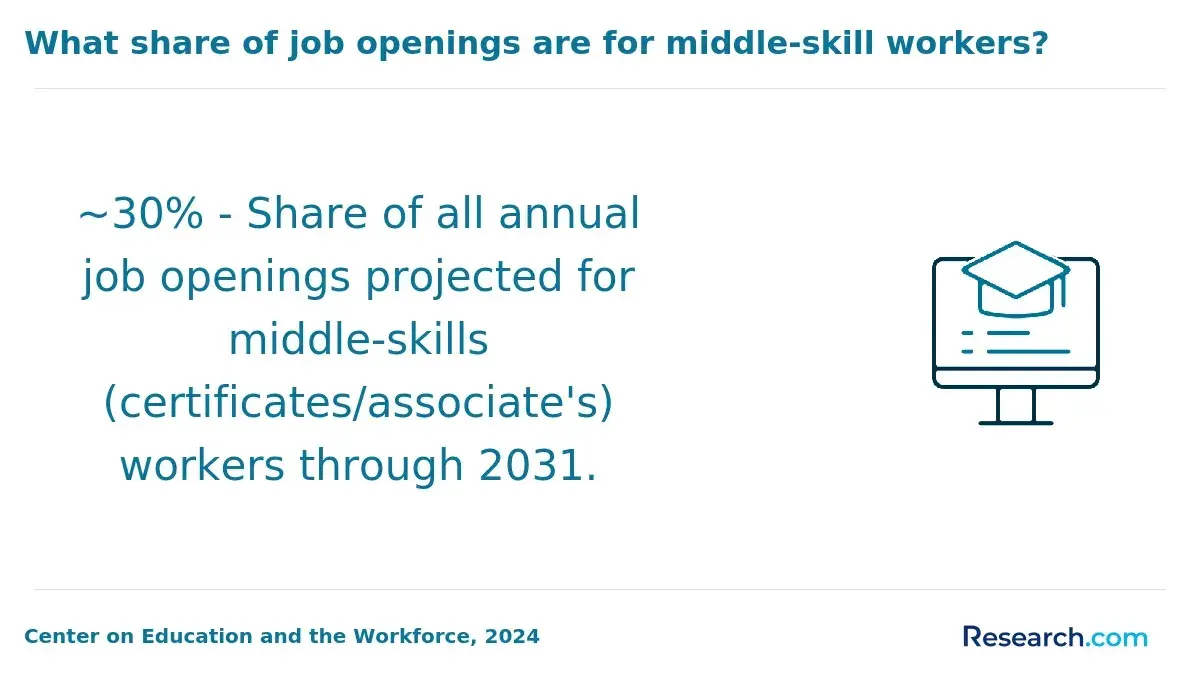
Job listings for school psychology roles typically outline degree requirements that vary by position complexity and employer expectations. While entry-level roles often demand a bachelor's degree, more advanced positions generally require graduate studies. Data shows that about 85% of school psychology job postings ask candidates to hold a master's or specialist degree.
Below are common educational expectations highlighted in these job postings:
- Bachelor's Degree Entry: Many positions at the assistant or support level accept candidates with a bachelor's degree in psychology, education, or related fields. These roles are usually limited to paraprofessional duties rather than independent clinical responsibilities.
- Graduate Degree Requirement: For certified school psychologist roles, employers almost universally require a master's or specialist-level degree such as an Ed.S. This credential is a baseline for tasks involving assessment, consultation, and intervention in educational environments.
- Doctoral Degree Preference: Positions that emphasize research, leadership, or university-level teaching often prefer candidates with a Ph.D. or Psy.D. These degrees signal advanced clinical expertise and supervision capability for senior roles.
- Organizational Variability: Requirements can differ by setting; public schools tend to follow strict state licensure standards mandating graduate credentials. Private agencies may sometimes accept bachelor's degree holders with relevant experience, although this is uncommon.
A school psychology degree graduate shared that navigating the educational requirements was a challenging process. He recalled feeling uncertainty early on, especially about whether pursuing a specialist or doctoral degree would open more opportunities.
"It was overwhelming at times," he said, noting the pressure to meet licensure standards while weighing personal career goals. He emphasized that the clarity of degree expectations from employers ultimately helped him focus his studies and professional planning, even if the path wasn't always straightforward.
How Much Experience Do School Psychology Job Postings Require?
School psychology job postings in the United States vary in experience requirements according to the level and area of specialization. Employers use these criteria to effectively screen candidates, ensuring they meet the role's expectations from entry through advanced stages.
Below are typical experience patterns commonly found in school psychology career experience requirements for entry-level and advanced roles:
- Entry-Level Roles require minimal professional experience, often focusing on completed internships, practicum placements, or supervised training. These positions are suitable for recent graduates or newly credentialed individuals beginning their careers.
- Mid-Level Positions generally ask for two to five years of practical experience. Candidates are expected to demonstrate competence in assessments, interventions, and collaboration with educators and families, often across diverse educational settings.
- Advanced Positions frequently demand over five years of experience. Such roles may include supervisory duties, development of specialized programs, or expertise in niche areas like neuropsychology or behavioral consultation, reflecting a high level of autonomy and specialization.
- Specialized Experience is sometimes required, emphasizing work with specific age groups or within certain school districts. Coordination of interdisciplinary teams and leadership in intervention efforts are valued in higher-level postings.
For those interested in advancing their education alongside gaining experience, exploring nurse practitioner programs online can offer flexible learning options to fit diverse career goals.
What Industries Hire Fresh Graduates With No Experience?
Several fields show a strong tendency to hire recent school psychology graduates with limited or no professional experience. Entry-level job listings frequently highlight the importance of foundational knowledge and interpersonal abilities rather than prior work history. This approach is evident in the fact that about 35% of these positions actively seek candidates who are new to the profession.
Below are some industries that typically welcome fresh graduates into their ranks.
- Public Education Systems: Schools often bring in newly qualified school psychologists to support students through assessments and behavioral interventions. These settings value adaptability and the eagerness to develop skills on the job, making them accessible to beginners.
- Nonprofit Organizations: Many nonprofits focused on youth mental health offer beginner roles that emphasize client interaction and program delivery. These opportunities usually do not require extensive prior experience and foster collaboration within supportive teams.
- Government Agencies: Local or state departments related to health and education hire entry-level staff for tasks like research assistance and developmental screenings. These roles provide structured environments that facilitate professional growth for newcomers.
- Private Practice Groups and Clinics: Some multidisciplinary clinics offer internship or assistant positions aimed at early-career school psychologists. These roles help graduates gain practical experience in evaluation and intervention practices.
When asked about her experience entering the workforce, a fresh graduate with a School Psychology degree shared that finding a position without previous experience was initially daunting. She explained, "I felt uncertain about how to demonstrate my readiness without a work history."
Her first role, however, came through a local nonprofit, where supportive supervisors prioritized learning and gradual responsibility. She describes the process as "challenging but rewarding," appreciating how her employer valued motivation and interpersonal skills over formal experience, which helped build her confidence early on.
Which Industries Require More Experience or Skills?
Certain fields within school psychology demand higher levels of experience, specialized training, and advanced skills, making their hiring processes more selective. Job postings for these roles often emphasize specific qualifications and years of relevant practice, reflecting the complexity of the work involved.
Notably, a study by the National Association of School Psychologists found that about 38% of openings in specialized educational settings require at least five years of hands-on experience, compared to only 15% in more general public school roles.
The following industries commonly seek candidates with these heightened qualifications:
- Special Education Agencies: These organizations prioritize candidates trained in evidence-based interventions and crisis management techniques, often requiring advanced certifications beyond basic degrees.
- Healthcare Facilities: Hospitals and clinics usually look for professionals skilled in conducting psychological assessments within medical contexts, valuing multidisciplinary teamwork and several years of clinical practice.
- Juvenile Justice Systems: Employers emphasize expertise in trauma-informed care and risk evaluation, expecting demonstrated success in managing challenging youth, which translates to longer onboarding periods.
- Private Clinical Practices: These settings focus on child and adolescent mental health, seeking practitioners with significant experience and licensing credentials that enable specialized therapeutic work.
Which Credentials Are Most Valuable for School Psychology Careers?
Employers in school psychology careers rely heavily on specific credentials to evaluate a candidate's qualifications and readiness for complex educational roles. Advanced academic degrees, licensure, and certifications serve as key indicators of expertise and professional standards. These credentials shape hiring decisions by highlighting competencies required to meet diverse student needs within school settings.
Below are some of the most valued credentials that frequently appear in job postings for school psychology positions:
- Advanced Degrees: Educational Specialist (Ed.S.) or doctoral degrees (Ph.D. or Psy.D.) are often required, as they demonstrate extensive training in psychological assessment, intervention, and educational systems. Employers recognize these qualifications as evidence of both theoretical knowledge and practical skills essential to the role.
- State Licensure or Certification: Most states mandate licensure or certification for school psychologists to practice independently. This credential ensures candidates meet legal and professional standards specific to educational environments, reflecting employers' need to ensure compliance and student safety.
- National Certification: Credentials like the Nationally Certified School Psychologist (NCSP) granted by NASP confirm adherence to national standards of training, ethics, and professional practice. Holding this certification signals a candidate's dedication to excellence and continual professional development.
- Specialized Training: Additional certifications in areas such as special education law, behavioral intervention, or counseling highlight specialized expertise. These skills are valuable to employers addressing diverse challenges faced by students, enhancing a candidate's ability to support varied learning and behavioral needs.
Are Salaries Negotiable Based on Experience?
Salaries in school psychology positions are often shaped by a candidate's experience, education, and the complexity of the role they assume. Job postings tend to show salary ranges rather than fixed amounts, allowing employers to adjust compensation based on individual qualifications and background.
According to the National Association of School Psychologists, professionals with five or more years of experience earn roughly 20% more than entry-level colleagues, highlighting notable salary variation by experience level. This flexibility reflects common practices in salary negotiation for school psychology positions, where employers recognize the value of specialized skills and advanced degrees.
Entry-level job postings typically offer lower starting salaries but signal potential for growth as practitioners gain experience, certifications, or higher degrees. In contrast, advanced roles often have less flexible but higher pay due to increased responsibilities like leadership or specialized interventions.
Employers commonly design salary scales with minimum qualifications as the floor and extensive experience as the ceiling, allowing room for negotiation and adjustments. Understanding these patterns helps explain why pay structures in school psychology reflect both market demand and individual expertise, much like other highest paying jobs with a biology degree.
How Can You Match Your Resume to Job Descriptions?
Job postings for school psychology careers offer valuable insights for tailoring your resume to better align with employer requirements.
Studies indicate that about 75% of resumes are filtered out by applicant tracking systems (ATS) before reaching a human reviewer, highlighting the need to closely match your application to job descriptions. Using these postings as a guide can significantly improve your chances of success.
Consider the following strategies to match your qualifications to school psychology employer requirements:
- Interpret Job Language: Carefully analyze the specific skills, certifications, and educational qualifications emphasized in the posting. Reflecting these exact terms on your resume helps demonstrate that you meet the employer's expectations.
- Highlight Relevant Experience: Showcase clinical and assessment experiences aligned with job duties such as psychological evaluations, intervention planning, or collaboration with educational teams to provide a clear example of your abilities.
- Align Terminology: Use the same language and keywords found in the job description to improve ATS compatibility and present a clear, targeted application.
- Prioritize Qualifications: Position required certifications, degrees, or skills prominently near the top or in summary sections of your resume so employers can quickly identify your suitability.
- Show Measurable Outcomes: Emphasize achievements related to student success and counseling that resonate with typical desired candidate profiles in school psychology roles.
For those seeking additional evidence-based educational opportunities to strengthen credentials, exploring the best online MHA programs can provide valuable options. Matching your resume effectively to job descriptions remains essential for standing out in today's competitive school psychology job market.
What Should You Look for When Analyzing Job Ads?
Job ads in school psychology offer crucial insight into what employers expect from candidates by outlining specific responsibilities, qualifications, and skill sets. Research shows that more than 70% of postings in this field clearly specify the required experience and competencies, making it easier to understand role expectations.
Careful review of these ads helps clarify the key qualifications and experience required for school psychology positions.
Consider these important aspects when analyzing job listings:
- Responsibilities: Check for main duties such as assessment, consultation, intervention, or crisis management, which show the practical focus and demands of the position.
- Qualifications: Notice educational requirements like specialist or doctoral degrees and necessary certifications or state licenses needed to qualify for the role.
- Experience: Look for specified prerequisites including internships, practicum hours, or years of professional practice that indicate the expected readiness and background of applicants.
- Skills: Identify key technical abilities like psychological testing alongside soft skills such as communication and teamwork, which are often highlighted as essential.
- Professional Development: Some ads emphasize ongoing learning or additional credentials, which can include specialized training or pathways such as a BSN to MSN program for related fields.
What Graduates Say About Skills, Degrees, and Experience Employers Want
- Otto: "As a fresh graduate, I found job postings to be invaluable in identifying roles that closely matched my credentials and skills. They helped me understand the key competencies schools are seeking and guided me in tailoring my applications effectively. This strategic approach gave me confidence as I entered the School Psychology field."
- Colsen: "Over the years, I've relied on job ads not only to find new opportunities but also to gauge how my experience aligns with current demands in the profession. They've been essential in shaping my career path by revealing emerging trends and specialized roles within School Psychology. It's a practical tool for anyone aiming to advance with intention."
- Isaiah: "Reading job postings early in my career made me realize the broad impact School Psychology professionals have beyond just supporting students. These ads highlighted the skills needed to collaborate with educators and families, influencing how I approached professional development. I appreciate how job ads continue to influence my growth as a dedicated practitioner."
Other Things You Should Know About School Psychology Degrees
Internship experiences are frequently emphasized as essential components in job postings for school psychology roles. Employers often seek candidates who have completed internships that provide practical exposure to assessment, intervention, and collaboration with educators and families. These experiences demonstrate readiness to apply theoretical knowledge in real school settings.
Yes, many job postings specify state licensure or certification as a mandatory requirement. Commonly requested credentials include the Nationally Certified School Psychologist (NCSP) or state-specific licensure that authorizes psychological practice within educational environments. Holding these certifications can significantly enhance a candidate's competitiveness.
In 2027, job postings for school psychologists frequently emphasize the importance of continuing education and professional development. Employers seek candidates committed to lifelong learning to keep up with evolving practices, ensuring they remain effective and up-to-date in their field.
Job listings routinely stress the necessity of strong interpersonal and communication abilities alongside clinical skills. School psychologists must collaborate effectively with students, families, teachers, and administrators, making these skills critical. Descriptions often mention teamwork, consultation, and culturally responsive communication as key job functions.
References
- 10 Psychology Careers Worth Going to School For https://www.onlinepsychologydegrees.com/articles/10-psychology-careers-worth-going-back-to-school/
- How To Become A School Psychologist | Psychology.org https://www.psychology.org/careers/school-psychologist/
- School Psychologist Career Paths: Specialized vs Traditional Roles - LEARN Academy® https://thelearnacademy.com/blog/two-paths-one-profession-school-psychology-careers
- 20 most popular jobs upon graduation for students majoring in psychology - College Recruiter https://www.collegerecruiter.com/blog/2025/11/07/20-most-popular-jobs-upon-graduation-for-students-majoring-in-psychology
- What a School Psychologist Job Entails | All Psychology Schools https://www.allpsychologyschools.com/school-psychology/job-description/
- Pros and Cons of Being a School Psychologist - The Counseling Fanny Pack https://counselingfannypack.com/the-pros-and-cons-of-being-a-school-psychologist/
- How to Write a School Psychologist Resume | VocoVision https://www.vocovision.com/resources/therapists/how-to-write-a-standout-school-psychologist-resume/
- Getting your first job as a School Psychologist | The Calming Corner https://www.thecalmcorner.com/2019/03/getting-your-first-job-as-a-school-psychologist.html
- Top 10 School Psychologist Certifications | ResumeCat https://resumecat.com/blog/school-psychologist-certifications
- School Psychology Jobs & School Psychologist Career Guide https://psychologyjobs.com/career-advice/school-psychology-careers/


