2027 What Requirements Do You Need for an Online Animal Science Bachelor's Degree? Admission Rules, Credits & Eligibility

Co-Founder and Chief Data Scientist
Many prospective students struggle to understand the specific admission rules and credit requirements for an online animal science bachelor's degree. This uncertainty often delays enrollment and prolongs career transitions. According to recent data, enrollment in online animal science programs increased by 18% over the past five years, reflecting growing demand for flexible education in agriculture-related fields.
Clarifying eligibility criteria and transfer credit policies is crucial for applicants balancing work and study. This article outlines the key admission requirements, credit expectations, and eligibility conditions to help prospective students confidently navigate the application process for an online animal science bachelor's degree.
Key Benefits of Preparing for Online Animal Science Bachelor's Degree Requirements
- Choosing the right online animal science program ensures alignment with career goals, accreditation, and flexible pacing, enhancing degree value post-graduation.
- Maximizing transfer credits, often up to 90, accelerates completion time and reduces tuition costs, benefiting returning and transfer students.
- Completing degree requirements unlocks diverse job prospects in agriculture, research, and veterinary fields, with employment in related sectors expected to grow 6% by 2030.
What Are the Basic Eligibility Requirements to Apply for an Online Animal Science Bachelor's Degree?
Eligibility in undergraduate online admissions means meeting the minimum qualifications and conditions required to apply for a program, differing from acceptance, which is formal approval, and enrollment, the official registration in courses. According to the U.S. Department of Education and various accredited universities, fulfilling these baseline criteria is necessary but does not guarantee admission.
For those pursuing an online animal science bachelor's degree, understanding basic eligibility requirements for applying to an online animal science bachelor's degree program helps position prospective students for success in the admission process. Most accredited online animal science bachelor's degree programs set foundational eligibility standards to prepare students academically and ensure legal compliance.
Common criteria include holding a high school diploma or GED equivalent, meeting minimum age requirements typically 17 or 18 years old, and demonstrating citizenship or legal residency in the country where the institution operates. Institutions also require proof of English language proficiency for non-native speakers and verification of academic documents.
Policies vary, so it is important to consult specific school admissions websites for detailed admission criteria for online animal science bachelor's degree programs. Additionally, learners seeking the most affordable and credit-efficient path should explore financial aid options and transfer credit policies, with some institutions linking to programs such as a PharmD for related career advancement.
- High School Diploma or GED Equivalent: Nearly all accredited online animal science programs require applicants to have completed high school or earned an equivalent credential, ensuring readiness for bachelor-level coursework.
- Minimum Age Requirements: Applicants are usually required to be at least 17 or 18 years old to meet legal and financial aid eligibility standards, with rare exceptions for early college entrants.
- Citizenship or Residency Status: Candidates must be citizens, legal residents, or hold valid study visas to comply with federal and institutional regulations.
- English Language Proficiency: Non-native English speakers typically need to demonstrate proficiency via tests like TOEFL or IELTS to succeed in English-medium instruction.
- Verification of Documents: Official transcripts, diplomas, and identity proofs are required at application or enrollment stages and vary by program, so direct consultation with admissions offices is advisable.
What Is the Minimum GPA Required for Admission to an Online Animal Science Bachelor's Degree Program?
Minimum GPA requirements for online animal science bachelor's programs differ widely across institutions. Many accept a 2.0 cumulative high school GPA as a baseline, while more selective programs often set the bar at 2.5 or higher. The average admission GPA for animal science online degree programs is influenced by these variations and is considered alongside other factors in a holistic admissions review.
These factors typically include class rank, standardized test scores, and letters of recommendation to give a fuller picture of each applicant's academic potential. Some schools calculate GPAs on a weighted scale, which accounts for honors, AP, or IB courses, whereas others rely on an unweighted 4.0 scale. This distinction is important when reporting your GPA on applications.
Students with GPAs near the minimum required may still gain acceptance through conditional or probationary admission, allowing them to demonstrate satisfactory academic progress after enrollment. To avoid mistakes, prospective animal science students should double-check transcripts, verify the GPA scale used, and consider using online GPA calculators. Consulting admissions counselors can provide clarity and ensure accurate GPA reporting.
- Variable GPA Standards: Institutions differ in GPA minimums, commonly requiring between 2.0 and 2.5, reflecting diverse academic expectations and program selectivity.
- Holistic Admissions Review: GPA is weighed with class rank, test results, and recommendation letters to assess overall applicant readiness and capability.
- Weighted vs. Unweighted GPA: Knowing whether a program values weighted GPAs helps applicants present their academic records correctly.
- Conditional Admission Options: Borderline GPAs may qualify for admission under probationary terms that require satisfactory performance during early semesters.
- Accurate GPA Reporting: Use official transcripts and clarify GPA calculation methods with admissions to ensure the correct presentation of academic records.
For students looking for affordable degree progression pathways, considering the cheapest online BSN to DNP programs can provide guidance on managing tuition costs alongside academic criteria.
2026 Update: Hands-On Learning Requirements to Confirm Before Enrolling
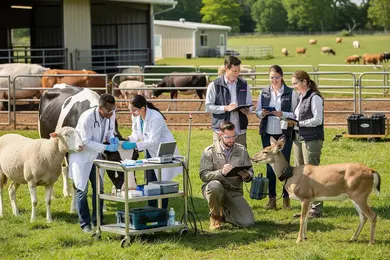
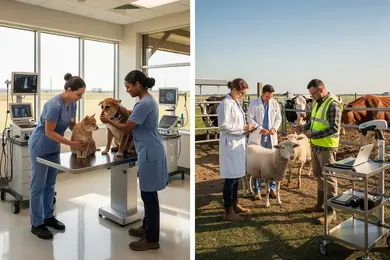
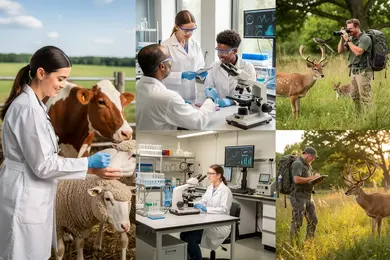
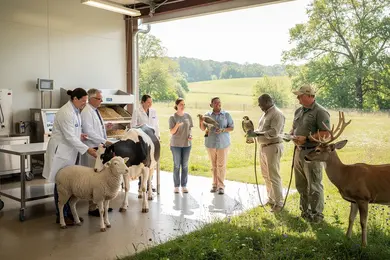
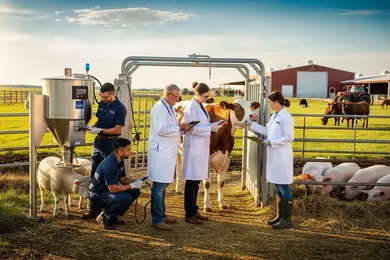
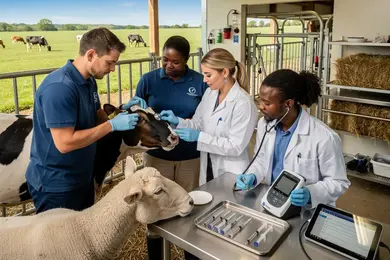
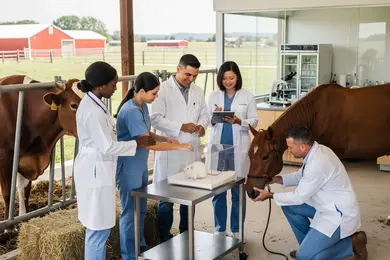
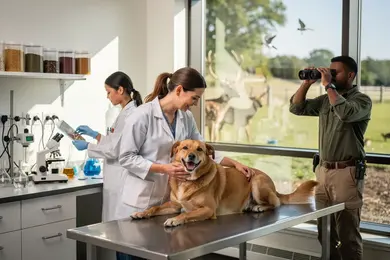
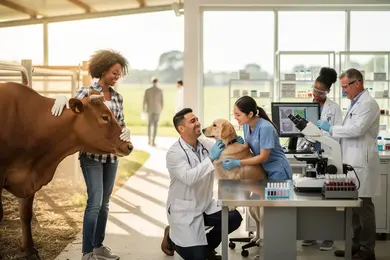
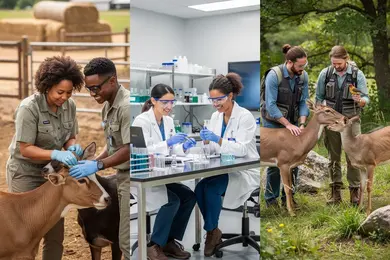
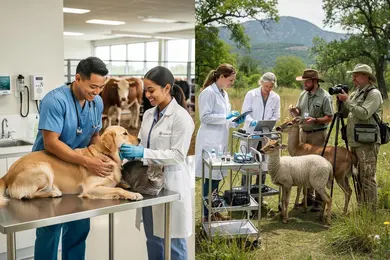
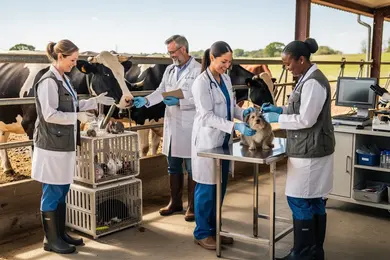
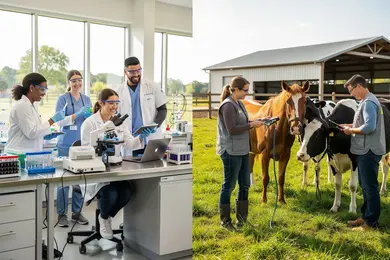
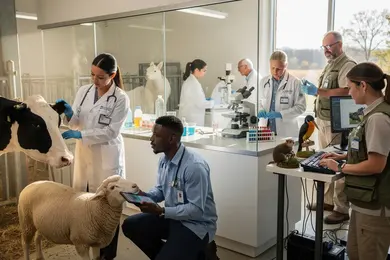
For this 2026 update, we added guidance on the in-person and practical learning expectations that may apply even when an animal science bachelor’s degree is offered online.
- Whether biology, chemistry, or animal science labs are fully online, hybrid, or completed through approved local sites
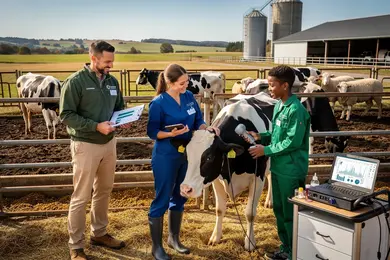
- If the program requires farm, ranch, veterinary, livestock, or companion animal experience before graduation
- Whether students must arrange their own field placement, internship, or supervised animal handling site
- Any travel requirements for campus intensives, lab weekends, or proctored practical assessments
- Health, safety, vaccination, background check, or liability insurance requirements for animal-related placements
- Whether your current job or volunteer experience can satisfy any experiential learning component
Checking these details early helps students avoid surprises after admission and choose an online program that fits their location, schedule, and access to animal care settings.
Do Online Animal Science Bachelor's Degree Programs Require SAT or ACT Test Scores?
Many online bachelor's programs in animal science-especially those geared toward adult learners-have moved to test-optional or test-free admissions in recent years. Since 2020, a majority of U.S. colleges have eased SAT or ACT requirements to broaden access and streamline enrollment. However, standardized test scores may still be requested for competitive scholarships, honors tracks, or in highly selective animal science programs where admissions rely on academic metrics.
When needed, typical admissions benchmarks include SAT scores in the 1100-1300 range or ACT composites between 22 and 28, varying by institution and program rigor. Since policies frequently change, prospective students should consult each school's official admissions webpages for the latest updates, ensuring they understand specific requirements for their chosen animal science program.
- Test-Optional Flexibility: Students with dated or lower test scores can benefit from programs that focus on overall experience, GPA, or other credentials instead of standardized exams.
- Merit-Based Considerations: Higher SAT or ACT scores may improve chances for scholarships or placement into accelerated or honors tracks that prioritize academic achievement.
- Adult Learner Emphasis: Many online programs designed for working adults prioritize a holistic review of applications, considering professional background and life experience alongside or instead of test scores.
- Policy Variation: Requirements differ widely between schools and evolve rapidly, making it essential to verify admissions criteria directly through the institution's official channels.
- Recent Trends: By 2023, over 1,650 colleges had adopted test-optional policies, reflecting a growing nationwide shift toward expanded access in higher education.
A professional who enrolled in an online animal science bachelor's program to change careers shared that the absence of a strict test score requirement was a major relief. He emphasized that navigating each school's unique application process still required careful attention, noting, "I had to gather detailed information about my work history and submit strong recommendation letters to show my commitment to this new field."
He added that while some programs were open to flexible admissions criteria, others still valued standardized test scores for scholarships, so he tailored each application accordingly. The experience underscored the importance of patience and persistence when applying for an online animal science degree without relying heavily on SAT or ACT scores.
How Many Total Credit Hours Are Needed to Complete an Online Animal Science Bachelor's Degree?
Most accredited online animal science bachelor's degree programs require around 120 credit hours for graduation. Certain majors within animal science may demand as many as 128 to 130 credits depending on course depth or projects. These credits usually include general education, core coursework focused on the major, electives, and practical experiences such as capstones or internships. For students determining how many credit hours for an online animal science bachelor's degree, this range sets a typical baseline to plan their studies.
Credit hours are often counted as semester credit hours (SCH), which correlate to the weekly hours spent on course work during a 15-week semester. Some institutions operate on quarter systems, where credits represent courses taken over shorter, 10- to 12-week terms. Students enrolled in quarter-based schools should know that one quarter credit roughly equals 0.67 semester credits, helping to convert and compare requirements accurately.
Transfer credits, advanced placement (AP) courses, and College-Level Examination Program (CLEP) tests offer pathways to reduce the total credit load for many programs. These options can help students, especially adult learners or those with previous college experience, advance faster and possibly lower tuition expenses.
- Standard Credit Requirements: Most programs require 120 to 130 credits, depending on specialization and institutional standards.
- Credit Hour Systems: Programs may use semester or quarter systems; understanding this helps with credit transfers and scheduling.
- Course Distribution: Credits generally split among general education, major-specific courses, electives, and hands-on learning like capstones.
- Transfer and Exam Credit Options: Prior learning through AP and CLEP exams can reduce credit needs and expedite degree completion.
- Program Variability: Credit hour demands differ by school and track, so researching specific requirements aids in effective academic planning.
Adult learners seeking streamlined degree paths may also explore options like the LPN fast-track program for accelerated training opportunities.
What High School Courses or Prerequisites Are Required Before Enrolling in an Online Animal Science Bachelor's Degree?
Before starting an online bachelor’s degree, it helps to know what high school courses and prerequisites can set you up for success. Understanding these expectations early can give you a clear advantage and help you build a stronger, more competitive application.
- Core Science Requirements: Prospective students usually must complete biology and chemistry in high school to build essential knowledge of living systems and chemical principles needed for animal science coursework.
- Mathematics Foundations: Algebra is generally required, with many programs also expecting geometry or higher-level math. These skills support data interpretation and statistical understanding, critical to the field.
- English Proficiency: Strong reading and writing abilities are necessary, often demonstrated through courses in English composition or advanced writing. Effective communication is vital for analyzing scientific texts and reporting research outcomes.
- Recommended Courses: Classes in physics, environmental science, or agriculture strengthen applications but are usually optional. They prepare students for specialized topics and broaden their scientific background.
- Dual Enrollment and Transfer Credits: Many programs accept relevant community college or dual enrollment courses completed during high school. These can satisfy prerequisite requirements and potentially shorten the time to degree completion.
A professional who advanced through an online animal science bachelor's degree shared how navigating prerequisite requirements initially felt overwhelming. She recalled having to verify which courses qualified and coordinating dual enrollment credits with her high school counselor.
Although she lacked some recommended courses, the availability of bridge classes helped fill gaps without delaying her progress significantly. Her experience highlights the importance of early planning, asking detailed questions during admissions, and leveraging available academic options to create a tailored, efficient pathway in animal science education.
Can Transfer Credits Count Toward an Online Animal Science Bachelor's Degree, and How Many Are Accepted?
Most accredited colleges and universities allow transfer credits toward a bachelor's degree, typically accepting between 60 and 90 credits, though each institution sets its own limit. Transfer-friendly schools, such as community colleges with 2+2 articulation agreements, often guarantee credit acceptance when students move to partner four-year universities. In contrast, other institutions enforce stricter transfer policies that limit the number or type of credits accepted.
During transcript evaluation, registrars carefully review previous coursework to determine if it aligns with animal science degree requirements. They assess course content, credit hours, and earned grades to confirm equivalency. While science labs, general education, and foundational classes frequently transfer, specialized electives or unrelated courses might not qualify.
Requesting an official transfer credit evaluation from the admissions office before enrollment is essential. This assessment clarifies exactly which credits count toward the animal science degree, helping students avoid retaking courses and plan their academic paths efficiently.
- Credit Limits: Most schools accept 60-90 transfer credits, but limits vary by institution and program.
- Transfer-Friendly Programs: Community colleges often offer 2+2 agreements that streamline credit transfers to four-year schools.
- Transcript Evaluation: Registrars compare course details and grades to determine if credits meet program standards.
- Relevant Coursework: Science and general education courses usually transfer, but specialized or unrelated credits may be denied.
- Official Assessment: Getting a formal credit evaluation helps students understand their transfer eligibility and plan accordingly.
A recent report from the National Student Clearinghouse found that nearly 62% of college students transferred credits at some point, underscoring the importance of transparent transfer policies for online degree candidates.
Does Accreditation Status Affect Admission Requirements for an Online Animal Science Bachelor's Degree?
Accreditation plays a vital role for students pursuing an online animal science bachelor's degree, affecting admission requirements, credit transferability, and career opportunities. It is essential to confirm a program's accreditation status before applying to ensure your investment in education leads to valid credentials and recognized qualifications.
- Institutional Accreditation: Regional or national accreditation by agencies recognized by the Council for Higher Education Accreditation (CHEA) or the U.S. Department of Education confirms that a college or university meets established quality standards. This type of accreditation is important because many employers and graduate programs require degrees from accredited institutions.
- Credit Transferability: Credits earned at regionally accredited schools are more easily transferable between institutions. This flexibility supports students who may need to relocate or wish to switch schools without losing progress toward their degree, benefiting working professionals and adult learners.
- Programmatic Accreditation: Certain animal science specializations may require additional discipline-specific accreditation from specialized accrediting bodies. These organizations may set their own admission criteria and prerequisites, which can influence eligibility and degree planning.
- Employment and Licensing: Degrees from unaccredited institutions often face rejection by employers and licensing boards. Graduates with such degrees usually encounter obstacles when seeking graduate education or professional certification.
Recent studies indicate that about 85% of U.S. employers prefer candidates holding degrees from regionally accredited institutions, reflecting the significant impact accreditation has on career advancement. Prospective students should verify accreditation status through official websites or federal databases before making enrollment decisions.
What Documents Do You Need to Apply for an Online Animal Science Bachelor's Degree Program?
Applying to an online bachelor’s degree program usually requires submitting a standard set of documents that help schools evaluate your academic background and readiness. Knowing what to prepare in advance can make the application process smoother and help you stay organized.
- Official High School Transcripts: Most online animal science bachelor's programs require official high school transcripts to verify your graduation and academic performance. These must be sent directly from your school or testing agency, not submitted by the applicant, to be considered official. Unofficial transcripts can be used initially, but official versions are necessary for final acceptance. These documents are a crucial part of the documents required for an online animal science bachelor's degree application.
- College Transcripts: If you have previously attended college, official transcripts from all post-secondary institutions are essential. These documents help the admissions office evaluate transfer credits and your academic readiness. Like high school transcripts, these must be sent directly from the issuing institution to be official. Ensure you understand the transfer credit rules when submitting these as part of your submission checklist for online animal science degree programs.
- Government-Issued ID: A valid government-issued photo ID, such as a driver's license or passport, is usually required to confirm your identity during the application process. This may be uploaded electronically or presented during orientation and registration.
- Application Essay: Many animal science programs ask for a written essay or personal statement. This provides insight into your interests, goals, and suitability for the field. Some schools offer prompts, while others allow for open-topic submissions tailored to your background and aspirations.
- Portfolio and Additional Documents: Selective programs may request more materials such as a portfolio highlighting relevant skills or experiences, letters of recommendation from educators or employers, and a résumé outlining your academic and work history. Carefully review each program's requirements, as these can vary widely.
- Official vs. Unofficial Documents: Official documents are certified copies sent directly from the issuing institution or authority, while unofficial ones might be student-copies or scanned versions. International applicants must provide certified English translations for any documents not in English to comply with U.S.-based program standards.
- Time Management: Start gathering your documents at least three to six months before your intended start date. This buffer ensures you meet rolling or fixed semester deadlines, particularly if requesting transcripts or letters from third parties.
Early preparation reduces stress and improves application quality. For additional guidance on online programs in related fields, consider exploring online associate RN programs.
Are There English Language Proficiency Requirements for Non-Native Speakers Applying to an Online Animal Science Bachelor's Degree?
Most accredited U.S. online bachelor's programs in animal science require non-native English speakers to demonstrate language proficiency. This helps ensure students can engage fully with course materials and academic communication. Common tests accepted include the TOEFL iBT, IELTS Academic, and the Duolingo English Test, each with minimum score ranges that vary by institution.
- TOEFL iBT Requirements: Minimum scores for undergraduate admission typically range from 61 to 80. Scores in this range indicate sufficient English skills for success in online academic settings.
- IELTS Academic Scores: Many programs require a baseline band score between 6.0 and 6.5, demonstrating adequate command of English needed for coursework and discussions.
- Duolingo English Test: Increasingly accepted as an alternative, with minimum required scores usually between 80 and 100. Always verify the specific animal science program's accepted test scores.
- Exemptions for English Speakers: Applicants from English-speaking countries or those who have completed two or more years of study in English-medium institutions often do not need to submit test scores. These credentials are typically verified during the application review.
- Conditional Admission Options: Some online animal science programs offer conditional admission with ESL bridge programs, allowing students who do not meet proficiency requirements to improve their English while beginning their degree.
Students should carefully review English language proficiency requirements for online animal science bachelor's degree programs and consider contacting admissions offices to clarify exemptions and conditional options. Gathering valid proficiency scores strengthens applications and eases transition into academic study.
Additionally, understanding transfer credit rules, minimum GPA policies, and financial aid pathways can help learners map out the most affordable, credit-efficient path to their degree. For those balancing career advancement or returning to education, exploring the best online RN to BSN programs may also offer insights into flexible study strategies applicable across disciplines.
Do Online Animal Science Bachelor's Degree Programs Accept CLEP Exams or Prior Learning Credits?
The College-Level Examination Program (CLEP) offers a way to earn college credits by passing standardized tests. A score of 50 or higher, per the American Council on Education (ACE) recommendation, is accepted by more than 2,900 colleges nationwide. This can help students in online animal science bachelor's degree programs reduce required coursework and finish faster.
Acceptance of CLEP credits differs by college. Some animal science programs apply these credits broadly, while others limit them strictly to general education subjects. It's important to verify each school's CLEP policy before submitting scores.
Other prior learning assessments (PLA) can add to your credits, including DANTES/DSST exams, portfolio evaluations, military training credits, professional certifications, and work experience. Schools vary on which PLA options they accept and what documentation is necessary.
Contacting your prospective school's registrar early is critical. Understanding PLA and CLEP rules helps you plan your degree path efficiently, potentially saving time and money.
- Clep Credit: Many colleges accept CLEP test results following ACE guidelines, but policies on applying credits to animal science vary. Confirm what counts toward your major versus general education.
- Institution Policies: Each school sets unique rules for prior learning credits, including CLEP and other assessment tools. Reviewing these guidelines maximizes transfers.
- Other Pla Options: Exams like DANTES/DSST, portfolios, military service credits, and certifications might earn you additional credit, depending on school requirements.
- Early Communication: Reach out to your registrar to clarify deadlines, acceptable documentation, and how to submit PLA credits to avoid delays.
Are There Residency or In-State Tuition Requirements That Affect Enrollment in an Online Animal Science Bachelor's Degree?
Many public universities offer in-state tuition rates to online students across states through the State Authorization Reciprocity Agreement (SARA). This agreement allows universities based in member states to provide online programs to students in other member states without needing separate state approvals, simplifying enrollment processes and reducing tuition disparities.
Despite SARA, some institutions still charge out-of-state tuition for their online animal science programs. Prospective students should carefully check each school's tuition policies before applying to avoid unexpected costs.
- SARA Participation: Member states in SARA enable colleges to enroll out-of-state online students more easily, often extending in-state tuition benefits regardless of residency.
- Out-of-State Tuition Risks: Not all schools are part of SARA; some may impose higher fees on out-of-state online learners, increasing total educational expenses.
- Residency Documentation: To qualify for in-state tuition, students might need proof such as utility bills, voter registration, or a state-issued driver's license demonstrating residency.
- Verify Tuition Policies: Contact admissions or financial aid offices directly to confirm residency rules and tuition rates to plan finances and avoid surprises before enrolling.
What Graduates Say About Preparing for the Online Animal Science Bachelor's Degree Requirements
- Carolyn: "Pursuing my online animal science bachelor's degree was a game-changer because I took the time to understand the admission requirements thoroughly. Knowing exactly what I needed before applying helped me streamline my efforts and avoid any last-minute surprises. This understanding not only saved me time but also gave me confidence as I worked towards a degree that truly advances my career prospects."
- Frances: "When I decided to enroll in an online animal science bachelor's program, I made sure to grasp the credit policies and eligibility criteria right away. This clarity allowed me to maximize my previous coursework and transfer credits without hassle. Reflecting back, this strategic approach was crucial in completing my degree efficiently and feeling prepared for the professional challenges ahead."
- Nancy: "My experience with an online animal science degree was highly rewarding because I focused on how the program would impact my career from the start. Fully understanding the admission requirements and credit transfer rules gave me the professional edge I needed to meet all the criteria confidently. Today, I see the degree as a vital step in opening doors to new job opportunities and growth in my field."
Other Things You Should Know About Animal Science Degrees
The standard duration to complete an online animal science bachelor's degree is usually four years for students enrolled full-time. Part-time students or those transferring credits may take longer, depending on how many credits they bring in and their course load each semester. Some accelerated programs allow completion in less than four years, but they often require a heavier course load.
Students need reliable internet access and a computer capable of running common software such as learning management systems and video conferencing tools. Most programs recommend or require up-to-date web browsers, word processing software, and sometimes specific scientific software for data analysis. Having a webcam and microphone is often necessary for virtual classes and exams.
References
- Bachelor of Science in Agriculture (B.S.A.G.) Major in Animal Science https://mycatalog.txstate.edu/undergraduate/science-engineering/agriculturalsciences/agriculture-animal-science/
- Ask 10 Questions About Transferring Credits to Online Bachelor's Programs https://www.yahoo.com/news/ask-10-questions-transferring-credits-online-bachelors-programs-133000989.html
- Online Animal Science Degree: What to Expect and How to Succeed https://animalia.bio/blog/online-animal-science-degree-what-to-expect-and-how-to-succeed
- Bs In Animal Science https://www.gotouniversity.com/programs/bachelors/united-states-of-america/agriculture-and-veterinary/animal-sciences/new-mexico-state-university/bs-in-animal-science
- Can I finish an unfinished Bachelors Digree in Animal science at a Canadian college/university? https://www.canadavisa.com/canada-immigration-discussion-board/threads/can-i-finish-an-unfinished-bachelors-digree-in-animal-science-at-a-canadian-college-university.829325/post-10696429
- Education https://www.ohsu.edu/education/oregon-residency-state-tuition
- World's Largest platform as University Common Application https://www.planstudyabroad.uniagents.com/course-details.php
- Bachelor's Degree (BS) in Animal Sciences https://academics.uky.edu/programs/bachelors/animal-sciences
- Online Option for Animal Science Degrees - Peterson's https://www.petersons.com/blog/online-option-for-animal-science-degrees/