
2027 Which Aviation Management Degree Careers Offer the Best Return Without Graduate School?

Co-Founder and Chief Data Scientist
For many prospective students weighing the financial burden of advanced degrees, the challenge lies in finding aviation management careers with strong returns without pursuing graduate school. With tuition costs rising over 40% in the last decade, investing in a bachelor's degree alone must offer viable salary potential and job stability. Entry-level roles such as operations coordinators or airline analysts often require only a bachelor's and provide competitive compensation.
Approximately 65% of aviation management graduates secure positions within six months of graduation. This article explores the best career paths in aviation management that maximize earnings and growth while avoiding the costs and time commitment of graduate education.
Key Benefits of Aviation Management Degree Careers That Offer the Best Return Without Graduate School
- Strong earning potential with an average starting salary above $60,000 enables early salary growth, maximizing long-term return on investment without pursuing graduate school.
- Stable job demand driven by expanding air travel supports financial security and consistent career advancement opportunities in aviation management roles.
- Accessible entry requirements allow graduates to enter the workforce faster, reducing education costs and accelerating income generation compared to careers requiring graduate degrees.
Which Aviation Management Careers Offer the Best Return Without Graduate School?
Evaluating return on investment (ROI) is essential when choosing aviation management careers that require only a bachelor's degree. The U.S. Bureau of Labor Statistics projects a 5% growth in aviation-related management jobs over the next decade, indicating steady demand and career longevity. Below are several careers known for offering one of the best aviation management job opportunities for bachelor's degree holders with strong salary potential and advancement pathways.
- Airport Manager: Airport managers coordinate daily operations, ensure regulatory compliance, and lead interdepartmental teams. This role demands strong leadership without requiring graduate education and provides steady salary increases alongside long-term job stability.
- Airline Operations Manager: Managing flight schedules and crew logistics, airline operations managers oversee complex operational details that directly impact efficiency and safety. The position features clear advancement opportunities and competitive compensation, making it a wise choice for bachelor's degree holders.
- Aircraft Maintenance Manager: Overseeing teams responsible for aircraft upkeep, this role merges technical expertise with management skills. It offers a secure career track with ongoing demand, reflecting one of the top aviation management careers with highest salary without graduate degree requirements.
- Cargo and Freight Manager: Handling logistics and shipments within airports or airlines, this growing sector offers solid pay and promotion pathways. It requires balancing efficiency and customer satisfaction without the need for advanced degrees, supporting strong ROI for entry-level degree holders.
For students keen on maximizing their investment in aviation management education, these roles stand out as pathways to robust careers. To explore related options, consider checking aviation management careers with highest salary without graduate degree for further insights.
What Are the Highest-Paying Aviation Management Jobs Without a Master's Degree?
Focusing on aviation management careers that offer strong earning potential without requiring a master's degree is essential for maximizing long-term financial returns. According to the U.S. Bureau of Labor Statistics, many aviation management roles pay well above the national average, often exceeding $80,000 annually with only a bachelor's degree. Below are several high-paying positions within aviation management that provide lucrative opportunities without the need for advanced graduate education.
- Airport Manager: Airport managers are responsible for overseeing daily airport operations, ensuring regulatory compliance, and coordinating various departments. Salaries typically range from $75,000 to $110,000 per year, reflecting the critical role they play in operational efficiency and public safety.
- Airline Operations Manager: These professionals handle airline scheduling, crew management, and flight optimization. Earning between $80,000 and $120,000 annually, their role demands strong logistical skills to maintain smooth flight operations, contributing to their high salary.
- Flight Dispatcher: Flight dispatchers plan flight routes and monitor weather conditions to ensure safety and efficiency. With salaries from $70,000 to $100,000 per year, their focus on flight safety and compliance makes them among the well-compensated roles in aviation management.
- Aircraft Maintenance Manager: This position involves leading teams that repair and inspect aircraft to ensure airworthiness. Their salaries commonly range from $80,000 to $115,000 annually due to the technical expertise and leadership required in maintaining safety standards.
These roles show that rewarding aviation management careers are accessible with a bachelor's degree, offering strong financial prospects tied directly to leadership and industry knowledge.
Which Industries Offer High Salaries Without Graduate School?
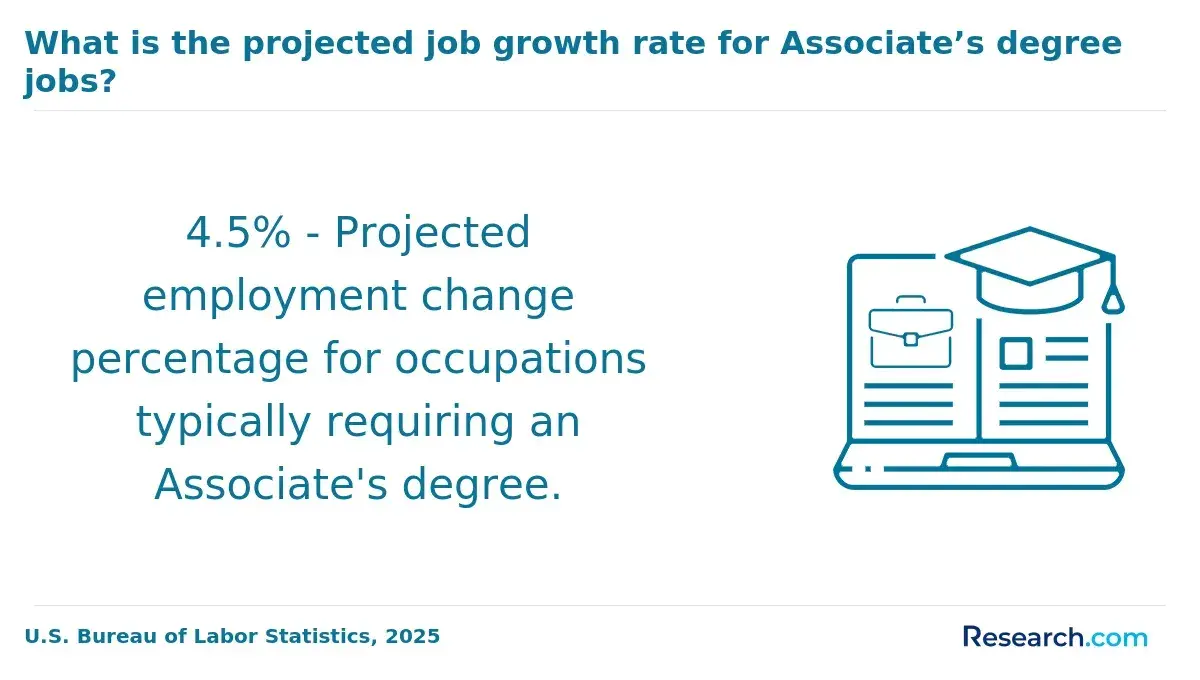
Salary outcomes for aviation management bachelor's degree holders can vary widely depending on the industry they enter. According to U.S. Bureau of Labor Statistics data, some sectors like transportation and warehousing offer median annual wages above $54,000, highlighting significant industry wage disparities. Choosing the right field is essential for maximizing earnings potential without pursuing graduate education. Below are several industries known for high pay and stable demand.
- Commercial Aviation and Airlines: This major segment generates substantial revenue and demands advanced operational and regulatory skills. Salaries in this field typically range from $60,000 to $90,000 annually, reflecting the complexity and scale of airline management activities that reward expertise without requiring further degrees.
- Airport Operations and Management: Airports operate as intricate systems with heavy regulatory oversight and coordination needs. Management roles here offer stable compensation generally between $55,000 and $85,000, supported by ongoing investments from both public and private sectors in airport infrastructure.
- Logistics and Freight Transportation: The growth of global e-commerce and supply chain optimization has propelled this sector's profitability. Aviation management professionals in logistics can earn between $60,000 and $95,000, benefiting from the expanding role of air cargo in global trade networks.
- Government and Defense Aviation: National security and regulated aviation services within defense agencies create steady demand for skilled managers. Compensation in this industry usually falls between $58,000 and $90,000, offering a strong financial return on a bachelor's degree due to the specialized nature of operations.
When discussing which industries provide robust salaries without requiring additional degrees, an aviation management graduate shared that entering commercial aviation was challenging initially. "Navigating the complexities of airline operations and gaining trust took persistence," he explained, noting the intense focus on compliance and logistics demanded a steep learning curve. However, he emphasized that the industry's financial rewards and career stability made the effort worthwhile. "I didn't need grad school to advance-experience and industry knowledge opened doors," he reflected, underscoring how real-world skills and on-the-job development drive success in these sectors.
What Entry-Level Aviation Management Jobs Have the Best Growth Potential?
Securing an entry-level role in aviation management with clear growth potential is crucial for building a career that advances steadily without needing graduate studies. Early roles in this field often experience promotion rates between 10% and 15% in the first five years, indicating significant room for upward movement. Below are some promising entry points that provide valuable experience and leadership skills for future advancement.
- Airport Operations Coordinator: This position involves managing daily airport activities such as scheduling and coordinating with airlines. It develops a strong understanding of airport logistics and offers direct engagement with aviation partners, paving the way for supervisory responsibilities.
- Fleet Manager Assistant: Assisting in planning aircraft maintenance and usage prepares individuals to optimize resources and navigate regulatory requirements, setting a foundation for fleet management or broader operational roles.
- Airline Customer Service Supervisor: Overseeing customer service teams builds expertise in leadership and conflict resolution, creating a clear track toward higher management within airline operations.
- Logistics Coordinator: Managing cargo shipments and delivery schedules equips professionals with supply chain skills vital for progressing into logistics management positions.
Each role fosters hands-on experience and leadership growth, essential for moving toward mid-level and senior aviation management roles. For students exploring educational options linked to such careers, reviewing the best online CACREP counseling programs may also offer useful guidance in related fields.
What Skills Increase Salary Without a Master's Degree?
Building specific skills can lead to significant salary increases for graduates with a bachelor's degree in aviation management, especially since employers now value practical abilities over formal credentials. Studies show that workers with sought-after skills earn up to 20% more, highlighting the financial benefits of targeted professional development. The following skills stand out as key drivers for higher pay in this field.
- Analytical Thinking: Interpreting data and spotting trends enables aviation professionals to enhance operational efficiency and reduce costs. Employers reward those who can leverage data tools to support smarter decision-making and boost profitability.
- Project Management: Overseeing projects from initiation to completion while managing resources and deadlines ensures smoother operations. Effective project managers reduce risks and delays, which increases their value and earning potential.
- Communication and Negotiation: Clear communication improves teamwork and stakeholder relationships, while strong negotiation skills lead to better contracts and partnerships. These abilities directly impact an organization's success and compensation levels.
- Technological Proficiency: Navigating aviation-related software and embracing new technologies empowers professionals to innovate and streamline workflows. Demonstrating adaptability with tech tools often results in higher wages.
- Regulatory Knowledge: Expertise in industry rules and compliance protects companies from costly penalties. Professionals skilled in this area safeguard assets and enhance organizational reputation, increasing their market value.
When discussing what skills increase salary without a master's degree, a professional with an aviation management degree shared her experience. She recalled early on facing the challenge of juggling multiple projects while adapting to new software systems.
"It was overwhelming at first, but focusing on improving my communication and learning negotiation techniques helped me secure better deals and earn recognition," she noted. Her journey underscored that mastering these transferable skills required persistence but ultimately opened doors to higher compensation and career growth.
What Certifications Can Replace a Master's Degree in Aviation Management Fields?
Certifications offer a practical alternative to graduate degrees by enhancing professional reputation and mobility in aviation management. Industry data indicates that those holding relevant certifications can see a 10-15% boost in salary, reflecting their value in the job market. The following credentials are among the most respected for advancing careers without additional academic degrees.
- Certified Aviation Manager (CAM): This credential from the National Business Aviation Association emphasizes crucial aspects such as safety protocols, regulatory standards, and financial management. It is designed for professionals responsible for the operational management of aviation organizations, improving leadership and industry-specific expertise.
- Project Management Professional (PMP): Offered by the Project Management Institute, the PMP credential develops advanced skills in organizing and executing complex projects. It is particularly beneficial in aviation environments where coordination and efficiency are key to managing multi-faceted operations.
- Certified Member (C.M.): Provided by the American Association of Airport Executives, this certification highlights a candidate's capabilities in airport planning and administration. It reinforces expertise in operational oversight as well as in community engagement within the aviation sector.
- Safety Management Systems (SMS) Certification: Focused on fostering strong safety cultures, this certification addresses increasing demands for risk management. It demonstrates a commitment to proactive safety practices, a crucial component for aviation management professionals seeking to elevate their credentials.
Can Experience Replace a Graduate Degree for Career Growth?
Professional experience plays a significant role in career growth, especially within aviation management, where many employers prioritize demonstrated skills and proven performance over formal credentials. On-the-job learning provides practical knowledge and fosters the ability to tackle real-world challenges, qualities highly valued in operational and supervisory roles.
Practical expertise also helps individuals build important networks and adapt quickly to industry changes, which can accelerate advancement. Employers often recognize that solid performance and problem-solving on the job may outweigh theoretical knowledge.
However, relying solely on experience has its drawbacks. Entry into more technical or strategic aviation management positions may be slower without a graduate degree, as advanced education is often preferred for roles involving finance, regulatory compliance, or long-term strategic planning.
Experience is most beneficial when combined with professional development, certifications, and leadership initiatives. In many cases, a bachelor's degree paired with extensive experience offers competitive salary growth, though executive roles frequently require advanced credentials such as an MBA or industry-specific certifications to demonstrate mastery.
What Are the Downsides of Not Pursuing a Graduate Degree?
Many aviation management professionals weigh the decision of pursuing graduate education against the time and cost involved. Data from the U.S. Bureau of Labor Statistics indicates that holders of graduate degrees in management-related fields typically earn around 20% more than those with only a bachelor's degree. Considering these differences, understanding the potential challenges of stopping at a bachelor's degree can clarify long-term career planning.
- Slower Advancement: Without a graduate degree, career progression in aviation management can be slower. Many leadership and specialized roles prefer candidates with advanced education, viewing it as a sign of deeper expertise and broader skills.
- Restricted Executive Access: Certain senior-level positions, such as strategic planning or airport administration, often require graduate qualifications or equivalent experience. This can limit upward mobility for professionals relying solely on a bachelor's credential.
- Competitive Hiring Disadvantages: In a competitive job market, applicants with graduate degrees may have an edge. This difference reflects not only educational background but also employer expectations regarding commitment and knowledge.
- Reduced Networking Opportunities: Graduate programs frequently offer access to internships, industry experts, and professional networks that can accelerate career growth. Forgoing this can require individuals to find alternative ways to build connections and specialized skills.
- Earnings Gap: The impact of no graduate degree on aviation management salaries becomes evident over time, as master's degree holders often command significantly higher wages compared to those with just a bachelor's degree in criminal justice or related fields.
How Can You Maximize ROI With a Aviation Management Degree?
Return on investment (ROI) in education compares the cost and time spent earning a degree against the financial benefits gained from career opportunities. For aviation management graduates, the median annual salary is about $122,000, illustrating strong earnings potential for those who make strategic career choices. Considering aviation management career paths with highest return on investment means focusing on actionable strategies to enhance long-term benefits without additional graduate education.
- Specialize in High-Demand Sectors: Concentrate on areas like airport operations, airline management, or aviation safety, which often provide better compensation and career growth. Specializing aligns the bachelor's degree with sectors offering higher returns and job security.
- Build Industry Networks: Engage with professional aviation organizations and attend conferences to access hidden job markets and mentorship opportunities. Strong networking improves career progression and salary negotiations, key strategies to increase earnings after aviation management degree completion.
- Gain Practical Experience: Pursue internships or cooperative education while studying. Real-world experience strengthens résumés and often leads to higher starting salaries and faster promotions, boosting ROI significantly.
- Combine Management and Technical Skills: Focus on hybrid roles like fleet management or aviation logistics. These positions command premium pay by blending operational knowledge with leadership, maximizing earning potential over time.
- Leverage Leadership Opportunities: Take initiative in managing teams or projects early in your career to demonstrate value to employers. Early leadership roles can accelerate advancement to senior positions and increase long-term income.
Prospective students might also consider programs in related fields, such as a masters in communication, to complement aviation management skills and expand career options.
When Is Graduate School Worth It for Aviation Management Careers?
Choosing to attend graduate school in aviation management depends heavily on career objectives, industry standards, and analyzing the return on investment. Professionals with a master's degree in aviation-related fields tend to earn about 20% more than those holding only undergraduate degrees, reflecting a tangible financial benefit.
However, this advanced education requires weighing the substantial costs and time commitments against potential salary growth and career progression. Those exploring whether graduate school benefits for aviation management professionals should carefully consider these factors before enrolling.
Graduate education is particularly advantageous for those aiming at specialized or leadership roles within the industry. Positions such as airport directors, airline executives, or managers in aviation safety often require or strongly favor candidates with advanced degrees.
Additionally, careers involving regulatory compliance, research, and policy development usually demand graduate-level expertise, making further education essential. For students unsure about graduate school, exploring 2 year degrees can also provide viable pathways without immediate graduate study.
What Graduates Say About Aviation Management Degree Careers That Offer the Best Return Without Graduate School
- Iker: "Choosing not to pursue a graduate degree after earning my aviation management degree was one of the best decisions I made. I focused on gaining hands-on experience and networking within the industry, which opened doors to leadership roles much faster than I expected. This degree truly gave me the foundation and confidence to thrive without the extra schooling."
- Hayden: "Reflecting on my journey, I realized that maximizing the value of my aviation management degree required continuous skill-building beyond the classroom-particularly in technology and regulatory knowledge. I actively sought internships and certifications to stand out, which led to a significant career boost early on. For me, practical experience combined with my degree proved more impactful than graduate studies."
- Caleb: "My career took off because of the solid base provided by my aviation management degree. By deliberately avoiding graduate school, I saved time and debt while diving directly into the workforce, where I applied what I learned and steadily advanced. This path gave me the professional credibility and perspective to succeed in a competitive field without additional academic credentials."
Other Things You Should Know About Aviation Management Degrees
Networking is a critical component for success in aviation management careers that do not require graduate education. Building relationships within the industry can lead to job opportunities, mentorship, and insights into company cultures and hiring practices. Active participation in aviation organizations and industry events can enhance your professional profile and open doors that formal education alone may not provide.
In 2027, the best entry-level aviation management positions for high returns without a master’s degree include roles like Operations Manager, Airport Planner, and Aviation Analyst. These positions provide solid salary prospects while leveraging skills learned in an undergraduate program.
Technological skills are increasingly important in aviation management roles, particularly because the industry relies heavily on advanced systems for operations, logistics, and safety management. Proficiency with software like flight scheduling tools, data analysis platforms, and customer relationship management systems can improve efficiency and position candidates for higher-paying roles. Staying current with technology trends supports career growth even without a graduate degree.
Geographic location can have a significant impact on job availability and salary levels in aviation management. Major airline hubs and airports often provide more high-return job opportunities and faster career progression. Conversely, smaller regional airports or less populated areas may offer fewer positions with limited salary growth, so location choice should be strategic for those seeking the best returns without additional schooling.
References
- Aviation Management: Careers, Skills, and Opportunities https://www.acumen.aero/blogs/aviation-management-careers-skills-and-opportunities
- High-Paying Aviation Jobs Without A College Degree (2026 Guide) https://theflyingengineer.com/aviation-jobs-without-degree-2026-guide/
- How to Make a Solid Financial Choice for Your Aviation Education https://www.flyingmag.com/how-to-make-a-solid-financial-choice-for-your-aviation-education/
- Little-Known, High-Paying Careers in Aviation Management | Vaughn College https://www.vaughn.edu/blog/little-known-high-paying-careers-in-aviation-management/
- Aviation Management Professional (AvMP) https://www.iata.org/en/training/pages/avmp/aviation-management-professional-tcvg88/
- Aviation Management Degree | 5 Top Career Paths & Salaries https://wayman.edu/what-can-you-do-with-an-aviation-management-degree/
- 8 High-Paying Aviation Jobs for Students Straight Out of College — Allplane https://allplane.tv/blog/2026/4/6/8-high-paying-aviation-jobs-straight-out-of-college
- Aviation management degrees - worth it or not? - PPRuNe Forums https://www.pprune.org/pacific-general-aviation-questions/667753-aviation-management-degrees-worth-not.html
- Why You Should Consider a Career in Aviation Management https://degree.hsu.edu/online-programs/business/mba/aviation-management/career-in-aviation-management/
- Top 4 Entry-Level Aviation and Airport Operation Jobs https://www.aerotek.com/en/insights/top-4-entry-level-aviation-and-airport-operations-jobs


