
2027 What Job Postings Reveal About Aviation Management Careers: Skills, Degrees, and Experience Employers Want

Co-Founder and Chief Data Scientist
When a recent graduate scans job postings for aviation management positions, the gap between academic preparation and employer expectations quickly becomes apparent. While degrees in aviation management remain crucial, nearly 65% of job listings emphasize specialized skills such as regulatory compliance, data analysis, and team leadership. Employers also frequently cite experience within airline operations or airport management as a key determinant for consideration. Understanding these demands is vital for those aiming to navigate the competitive job market effectively. This article explores how job postings outline the essential skills, degrees, and experience sought by employers, helping candidates align their qualifications with industry needs.
Key Things to Know About Skills, Degrees, and Experience Employers Want
- Employers emphasize analytical, communication, and regulatory skills, reflecting a demand for candidates who can manage complex aviation systems and comply with safety standards.
- Most job postings require a bachelor's degree in aviation management or related fields, with 60% seeking 3-5 years of relevant experience to ensure practical expertise.
- Analyzing postings helps clarify hiring trends, revealing a growing preference for candidates with combined technical knowledge and leadership abilities in dynamic aviation environments.
What Do Job Postings Say About Aviation Management Careers?
Job postings for aviation management careers provide insight into the sector's practical expectations, often highlighting the need for a bachelor's degree in aviation management or a closely related field. Candidates are frequently expected to bring several years of experience, with a recent analysis showing that 67% of postings require prior work in aviation or transportation. Alongside formal education, employers value strong communication, leadership, and organizational skills, reflecting the diverse capabilities needed to succeed. Technical knowledge of industry regulations and operational systems also ranks high among priorities.
Patterns in these listings reveal consistent employer standards, though requirements can vary depending on role seniority and specialization. Many emphasize adaptability and problem-solving alongside regulatory and management expertise, portraying a dynamic field that demands professionals able to respond to evolving challenges. This consistency suggests that employers maintain clear benchmarks while allowing some flexibility for different positions. The presence of these recurring themes helps guide candidates toward developing a well-rounded skill set aligned with real-world aviation management demands.
What Skills Are Most Requested in Aviation Management Job Postings?
Job postings consistently highlight a core set of essential aviation management skills for employers, reflecting the complexities of the field. Recent analyses show that over 70% of listings prioritize leadership and communication, underscoring their importance in effective operations. These trends provide valuable insight into the top qualifications sought in aviation management roles.
Below are some of the most frequently requested skills in aviation management job postings:
- Communication: Clear verbal and written communication is vital for coordinating with diverse teams such as pilots, maintenance crews, regulatory agencies, and customer service staff. Effective communication helps maintain safety protocols and smooth operational workflows.
- Leadership: Aviation management requires guiding teams through high-pressure and dynamic situations. Strong leadership skills enable managers to motivate employees, manage conflicts, and make strategic decisions impacting safety and organizational success.
- Problem-Solving: The unpredictable nature of aviation demands quick assessment and resolution of issues like delays, equipment malfunctions, or emergencies. Robust problem-solving skills minimize disruptions and support continuous operations.
- Regulatory Knowledge: Compliance with local and international laws and safety standards is essential. Familiarity with agencies such as the Federal Aviation Administration (FAA) and the International Civil Aviation Organization (ICAO) is frequently cited in job requirements.
- Technical Proficiency: Knowledge of aviation software systems, operational technology, and basic engineering concepts allows managers to oversee maintenance, flight operations, and data analysis effectively.
For students exploring essential skills in this field, reviewing recommended college majors can offer guidance on aligning education with employer expectations.
What Degrees Do Employers Require for Aviation Management Careers?
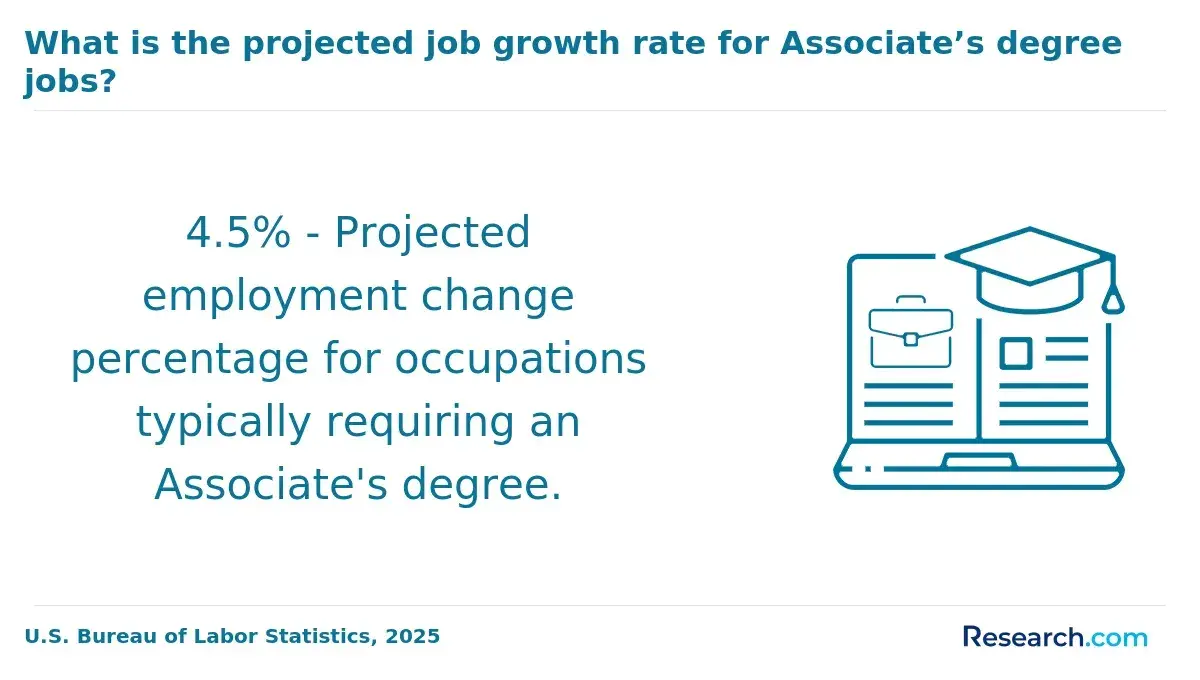
Job listings for aviation management roles typically specify educational qualifications based on the complexity of the position and specific industry needs. Entry-level roles generally require a bachelor's degree, while advanced roles increasingly seek candidates with higher degrees. Industry data shows nearly 30% of aviation management job postings prefer applicants with a master's degree or higher, highlighting the growing demand for advanced education.
Common degree expectations in aviation management job postings include the following:
- Bachelor's Degree Minimum: Most entry- to mid-level aviation management positions require at least a bachelor's degree. Degrees often focus on aviation management, business administration, logistics, or similar related fields that combine operational and business knowledge.
- Advanced Education Preferred: Senior, strategic, and specialized positions tend to prefer candidates holding master's degrees or professional certifications. Popular graduate degrees include aviation management master's programs and MBAs, especially for roles emphasizing regulatory compliance and leadership.
- Industry-Specific Focus: Degree requirements can differ by sector within aviation. For example, airline management jobs often stress safety and operational studies, while airport management roles may lean toward public administration or facilities management education.
- Public Sector Considerations: Government and regulatory agency positions sometimes prioritize degrees in public administration or transportation policy, reflecting the regulatory and policy-driven nature of these roles.
When asked about his experience, an aviation management degree graduate shared that navigating job requirements was both challenging and eye-opening. He remarked, "I realized early on that a bachelor's degree got me in the door, but many senior roles I aspired to demanded more specialized education." He recalled feeling uncertain about which advanced degree path to pursue but found that understanding employer preferences through job listings helped him tailor his education strategically. This insight gave him confidence that his degree aligned with industry expectations, even though the process required patience and persistence.
How Much Experience Do Aviation Management Job Postings Require?
Aviation management job postings often list varied experience requirements depending on the role's level and area of specialization. Employers prioritize experience as a crucial filter to match candidates with the responsibilities of the position. These postings typically reflect how essential prior work background is for success in the field.
Below are typical patterns seen in aviation management career experience expectations:
- Entry-Level Roles usually ask for little to no professional experience, welcoming new graduates or candidates with internships. These positions focus on foundational skills and basic understanding of aviation operations.
- Junior to Mid-Level Positions often require two to five years of relevant industry experience. Candidates are expected to show competence in managing projects, coordinating teams, or overseeing departmental functions within aviation organizations.
- Senior-Level Roles demand extensive experience, commonly five to ten or more years. Leadership, strategic planning, and handling complex regulatory environments are critical for such positions.
- Specialized Positions may call for specific expertise, such as safety compliance or airport operations, reflecting focused knowledge beyond general aviation management experience.
These guidelines help hiring managers identify individuals with the right mix of experience to fulfill the needs of aviation management positions. Prospective candidates seeking the cheapest online degrees can benefit from understanding these expectations early on.
What Industries Hire Fresh Graduates With No Experience?
Many sectors show a willingness to recruit aviation management graduates without prior professional experience, which is evident in the volume of entry-level opportunities available. Data reveals that approximately 40% of job listings in aviation-related fields are open to applicants with no previous work history, indicating a notably high demand for fresh talent.
Below are some industries that frequently employ novice graduates in aviation management roles.
- Airline Operations Airlines often hire recent graduates for positions like operations coordinators or customer service agents. These roles emphasize adaptability and on-the-job training in fast-paced environments including airport terminals and airline offices.
- Airport Management Entry-level positions in airport management focus on facility oversight and daily operations. Employers tend to prioritize candidates who understand regulatory compliance and coordination more than those with extensive work backgrounds.
- Consulting and Logistics Firms in this sector recruit fresh graduates as junior analysts or administrative assistants. These jobs generally involve data collection, report generation, and supporting senior team members, usually in office-based settings with occasional site visits.
- Government Aviation Agencies Agencies related to aviation regulation and safety occasionally hire newcomers for inspection and compliance positions. Structured training and clear advancement paths are common features of these roles.
When asked about her experience seeking roles without prior employment, a fresh graduate with an aviation management degree shared how daunting the lack of experience initially felt. She described the application process as a series of learning moments, requiring patience and persistence. Although many openings targeted experienced candidates, she appreciated the few positions that valued enthusiasm and willingness to learn, which ultimately led her to an entry-level role at a consulting firm. Her story reflects the challenge and hope typical for those entering this competitive field.
Which Industries Require More Experience or Skills?
Some industries within aviation management have notably higher requirements for experience and specialized skills, reflecting the complexity and regulatory demands of their operations. Job postings in these sectors often highlight advanced certifications and multi-year experience as prerequisites, underscoring their selective hiring practices. For instance, about 65% of listings in commercial airlines require at least five years of relevant experience, which surpasses the average across all aviation fields.
The following industries commonly seek candidates with elevated expertise and qualifications:
- Commercial Airlines: These organizations prioritize candidates experienced in regulatory compliance, safety protocols, and operational leadership. Many roles mandate certifications such as FAA management credentials alongside substantial industry tenure.
- Aerospace Manufacturing: Employers expect specialized technical knowledge related to engineering workflows and supply chain management. Candidates often need skills in quality assurance and adherence to manufacturing standards.
- Government Aviation Agencies: Positions here are highly selective, frequently requiring advanced education, security clearances, and a strong grasp of aviation law and international regulations. These roles involve thorough screening and longer hiring processes.
- Cargo and Logistics: This sector demands expertise in complex supply chain coordination and rigorous safety management. Experience in handling operational challenges within freight environments is essential.
Such industries emphasize proficiency in managing highly regulated environments, ensuring that only well-qualified professionals are considered for aviation management roles with greater responsibility.
Which Credentials Are Most Valuable for Aviation Management Careers?
Employers in aviation management rely heavily on candidates' credentials to assess their expertise and suitability for demanding roles. Certifications, licenses, and academic qualifications often influence hiring decisions by providing tangible evidence of knowledge and skills relevant to the industry's complex environment.
The following credentials are frequently highlighted as valuable by employers in this field:
- Bachelor's Degree: A bachelor's degree in aviation management, business administration, or a related discipline lays the foundation for understanding aviation principles, management techniques, and regulatory frameworks. Many organizations consider this qualification essential for entry-level and supervisory positions.
- Certified Aviation Manager (CAM): Offered by the National Business Aviation Association, the CAM credential demonstrates proficiency in operational leadership, safety compliance, and industry-specific management practices. Employers value this certification as a mark of professional standards and dedication.
- FAA Licenses and Certifications: While primarily held by pilots and maintenance staff, familiarity with Federal Aviation Administration licenses can enhance credibility in managerial roles that require regulatory oversight or coordination with flight operations.
- Accredited Airport Executive (A.A.E.): This credential from the American Association of Airport Executives reflects expert knowledge in airport finance, security, and management. It signifies a candidate's ability to handle the complex demands of airport operations.
Are Salaries Negotiable Based on Experience?
Salary levels in aviation management job postings typically reflect a candidate's experience, education, and the complexity of the role, with employers adjusting offers based on these factors. A 2023 industry report highlighted that professionals with over five years of experience earn 20-30% more than entry-level counterparts, illustrating how experience impacts compensation significantly. Education and specialized certifications also influence salary bands, signaling that candidates with advanced qualifications can command higher pay. This relationship between qualifications and pay underscores how negotiable aviation management salaries by experience level can be in relevant job advertisements.
Entry-level positions generally offer more fixed salaries due to standardized expectations, prioritizing foundational skills and degrees over extensive work history. In contrast, mid-level and senior roles usually provide broader pay ranges to accommodate candidates with greater responsibility and leadership capabilities. Employers often structure these salary variations to attract seasoned candidates while reflecting the value of proven experience. For those seeking to enhance their qualifications, exploring affordable doctoral programs in leadership may support long-term career growth in aviation management.
How Can You Match Your Resume to Job Descriptions?
Job postings in aviation management reveal key skills, experiences, and educational backgrounds employers expect from candidates. Tailoring your resume to reflect these specifics improves your alignment with employer expectations and boosts your chances of advancing in the hiring process. Statistics show that roughly 75% of resumes are filtered out by applicant tracking systems (ATS) before reaching hiring managers, underscoring the importance of keyword optimization.
Consider the following strategies to effectively match your resume to aviation management job descriptions:
- Interpret Job Postings: Carefully analyze the description to identify repeated competencies and mandatory qualifications. This ensures your resume highlights the critical skills recruiters prioritize.
- Highlight Relevant Experience: Showcase work or internships that directly relate to job duties such as managing airport operations or ensuring regulatory compliance, reinforcing your practical knowledge in the field.
- Align Terminology: Use specific phrases and keywords from the job posting to improve ATS compatibility and demonstrate your familiarity with industry language and expectations.
- Prioritize Qualifications: Emphasize degrees in aviation management or certifications related to safety and security prominently, as these credentials quickly catch employer attention during screening.
Additionally, exploring an online masters urban planning program or similar advanced degrees can complement your aviation management qualifications and broaden career opportunities. Using these tactics when tailoring your resume will position you as a prepared professional and increase your likelihood of moving past ATS filters to secure interviews.
What Should You Look for When Analyzing Job Ads?
Job ads offer valuable insight into what employers expect from candidates in aviation management careers. Carefully reviewing these postings clarifies important role requirements and highlights industry standards. Research shows over 75% of aviation management job listings emphasize a mix of technical skills and leadership qualities.
To better understand these postings, pay attention to the following key elements:
- Key Responsibilities: Look for duties such as overseeing airport operations, ensuring regulatory compliance, managing safety protocols, and coordinating with various stakeholders to grasp the role's scope and challenges.
- Qualifications: Employers usually specify required education levels, often a bachelor's degree in aviation management or related fields, along with preferred certifications or specialized training that enhance candidate competitiveness.
- Experience Levels: Job ads indicate the necessary background, ranging from entry-level to senior management, revealing if practical knowledge of air traffic, airport logistics, or regulatory frameworks is mandatory.
- Desired Skills: Commonly sought skills include data analysis proficiency, leadership, communication abilities, and familiarity with aviation regulations and management software systems.
- Career Focus: Aligning your qualifications with these elements helps meet employer expectations and supports targeted career planning in the aviation management field.
Many students also explore options like military friendly online colleges to enhance their education while gaining relevant skills in aviation management.
What Graduates Say About Skills, Degrees, and Experience Employers Want
- Iker: "As a fresh graduate in aviation management, I found that carefully reviewing job postings was essential in understanding which roles align with my credentials. These ads helped me identify the skills and certifications employers prioritize, allowing me to tailor my applications effectively. It gave me the confidence that I was positioning myself well in a competitive job market."
- Hayden: "Over the years, I've relied heavily on job ads to navigate the next steps in my aviation management career. They served as a barometer for industry trends and emerging skills, helping me decide when to pursue additional training or certifications. This approach ensured my professional growth stayed relevant and competitive in a constantly evolving field."
- Caleb: "Job postings have played a pivotal role throughout my aviation management career by highlighting what companies truly value in seasoned professionals. They often reveal the increasing emphasis on leadership and strategic skills, prompting me to focus on developing these areas. Reflecting on this feedback from the market has deepened my understanding of how to advance effectively."
Other Things You Should Know About Aviation Management Degrees
In 2027, aviation management job listings emphasize the importance of technology proficiency. Employers seek candidates skilled in data analysis, aviation software, and digital communication tools. These competencies are crucial in managing flight operations, optimizing logistics, and enhancing passenger experience.
Yes, many job postings emphasize certifications like FAA management training or safety and security credentials. These specialized trainings demonstrate a candidate's commitment to industry standards and regulatory compliance, making them more competitive in the hiring process.
While aviation management degrees are often preferred, postings sometimes accept candidates with related degrees such as business administration, logistics, or engineering. This shows employers value versatile knowledge that supports operational and strategic aspects of aviation management.
References
- Aviation Management: Careers, Skills, and Opportunities https://www.acumen.aero/blogs/aviation-management-careers-skills-and-opportunities
- Aviation Resume Guide India | Pilot Cabin Crew AME Job Tips https://www.aviationindeed.com/blog/aviation-resume-writing-tips
- Aviation Careers: An Overview of Different Aviation Positions https://www.revfine.com/aviation-careers/
- Top 10 Skills Required for a Career in Aviation Management https://www.transglobeacademy.com/top-10-skills-required-for-a-career-in-aviation-management/
- World Famous Aviation Jobs | MCAS Srilanka https://themcas.com/world-famous-aviation-jobs/
- Aviation Management: Career Overview and 10 Jobs To Consider https://www.aviation.holmes.edu.au/post/aviation-management-career-overview-and-10-jobs-to-consider
- Navigate the Aviation Job Market | Argo Aviation Insights https://www.argo-aviation.co.uk/how-to-navigate-the-aviation-job-market-essential-tips-for-job-seekers/
- The Top 5 In-Demand Aviation Jobs in 2023 and How to Land Them! https://www.aviationjobsearch.com/career-hub/articles/career-advice/job-searching/the-top-5-in-demand-aviation-jobs-in-2023-and-how-to-land-them
- Aviation Management Career, Certifications, and Job Opportunities https://siit.co/blog/aviation-management-career-certifications-and-job-opportunities/44861
- Top 5 Human Skills for Aviation Careers in 2025 https://www.goose-recruitment.com/blog/2025/10/top-5-human-skills-for-aviation-careers-in-2025


