2027 Which Crime Analysis Degree Careers Offer the Best Work-Life Balance?

Co-Founder and Chief Data Scientist
Choosing a career in crime analysis often involves balancing demanding tasks with personal time. Many students wonder which roles allow for a manageable work-life balance while maintaining professional growth. Recent 2025 labor reports indicate that 68% of crime analysts in federal agencies report more predictable hours compared to their local law enforcement counterparts, who often face irregular shifts.
This discrepancy significantly impacts lifestyle and stress levels. Understanding these differences early helps prospective analysts target positions offering greater work-life harmony. This article explores various crime analysis career paths and examines which roles best support a balanced professional and personal life.
Key Points About Crime Analysis Careers With Good Work-Life Balance
- Crime analysts in law enforcement report moderate salaries with growing demand; stress scores average 4.3/10, reflecting balanced workloads and retention rates above 75%.
- Intelligence analysts often enjoy higher salaries and strong career growth, with burnout levels lower due to structured hours and remote work options.
- Forensic data specialists combine technical skills and steady employment outlook; job satisfaction reaches 82%, with lower stress linked to predictable work environments.
Is working in the Crime Analysis industry demanding?
Working in the crime analysis field demands managing high-pressure situations where accurate, timely insights can directly affect law enforcement decisions and community safety. This responsibility often leads to intense mental strain.
Analysts also navigate complex technical requirements, including mastering advanced software and statistical tools, while staying current with technological advances to maintain data accuracy.
The ever-changing nature of criminal activity requires analysts to be adaptable and respond swiftly to new developments. Frequent tight deadlines and a fast workflow increase the risk of stress and professional exhaustion.
On top of this, strict adherence to regulatory standards and privacy laws is essential, adding further layers of accountability. Nearly half of crime analysts-about 47%-report experiencing moderate to severe burnout due to these various pressures, underscoring the demanding environment common in this career path.
When asked about the demands of his role, a crime analysis professional with an online bachelor's degree shared how managing multiple data sources can become overwhelming. He explained, "You're constantly reconciling different datasets, and the pressure to deliver actionable intelligence quickly never lets up."
He also mentioned that learning to balance the workload and maintain mental clarity was especially challenging early on. "It took time to develop strategies for managing stress, especially when deadlines and crime spikes coincided. But the satisfaction of contributing to public safety helps keep you going." This personal experience highlights the persistence and resilience often required to succeed in the field.
Which Crime Analysis careers are known to offer the best work-life balance?
Many career paths within the crime analysis industry provide a strong balance between work and personal time. For example, a 2025 industry survey found that 68% of crime analysts reported high job satisfaction due in part to predictable schedules and manageable workloads.
The following list highlights five crime analysis careers known for offering flexible schedules and good work-life balance.
- Crime Analyst: This role typically involves regular office hours and often includes remote data analysis options, making it easier to manage work alongside personal commitments. Agencies frequently support flexibility, contributing to high job satisfaction among professionals in this role.
- Intelligence Analyst: Intelligence analysts usually work structured shifts with many employers supporting telework, which helps maintain a steady routine and reduces commuting stress. Strong employee retention in this field reflects the positive work environment and balanced hours.
- Criminal Justice Researcher: Focused on crime trends, these roles are often project-based and affiliated with universities or private organizations. The flexible schedules and frequent remote work opportunities result in some of the highest reported work-life balance scores among crime analysis careers.
- Policy Analyst (Crime Prevention): These professionals evaluate and develop public safety policies, mostly within government or nonprofit sectors. Standard 40-hour workweeks and supportive leave policies play a significant role in promoting healthier personal and professional life balance.
- Cyber Crime Analyst: Given the digital nature of this position, flexible scheduling and remote work are common. Emphasis on outcomes rather than strict office hours creates an outcome-focused environment that supports employee engagement and well-being.
Students seeking crime analyst jobs with flexible schedules or the best crime analysis careers for work-life balance may consider exploring relevant qualifications through one year masters programs online to quickly enter these promising fields with flexibility and meaningful work.
Are there non-traditional careers for Crime Analysis professionals that offer better flexibility?
Graduates and professionals with skills in crime analysis possess a versatile foundation that enables transitions into unconventional or emerging sectors, often enhancing flexibility and work-life balance. According to a study, 47% of professionals in alternative crime analysis careers reported noticeably improved work-life balance due to flexible scheduling and reduced overtime requirements.
Below are non-traditional career options that leverage crime analysis expertise and support better flexibility.
- Data Privacy Consultant: This role utilizes crime analysts' aptitude for data interpretation and risk assessment to help organizations protect sensitive information. It often involves project-based work and remote opportunities, making it one of the flexible crime analysis career options that support personal and professional balance.
- Urban Planner (Community Safety): By applying crime prevention strategies and spatial pattern knowledge, crime analysis professionals contribute to designing safer public spaces. Urban planning typically offers regular office hours and collaborative yet adaptable work environments, promoting work-life balance in crime analysis alternatives.
- Threat Intelligence Analyst: In the cybersecurity field, this role benefits from crime analysis experience to identify and counter digital threats. Cybersecurity careers frequently provide remote work opportunities with predictable hours, appealing to those seeking flexible schedules.
- Research and Policy Analyst: Working in criminal justice reform, these analysts evaluate policy impacts and recommend improvements. Positions in think tanks or nonprofits usually promote healthier work environments and greater autonomy, aligning with flexible crime analysis career options.
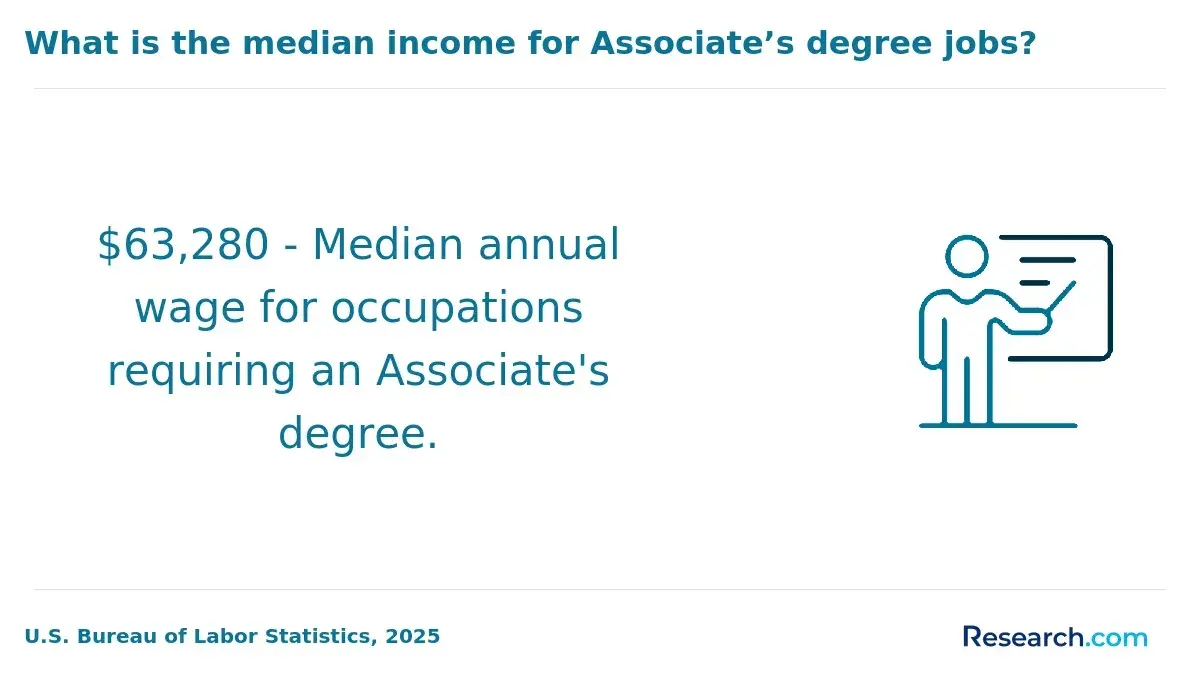
Crime analysis professionals interested in gaining these flexible career qualifications may consider educational pathways such as the fast track associates degree online, which can provide foundational knowledge and speed their transition into these alternative roles.
What is the typical work schedule for Crime Analysis careers?
Most crime analysis professionals follow a regular weekday schedule, usually working from 9 a.m. to 5 p.m. These hours allow for routine data evaluation, report preparation, and coordination with law enforcement teams. While entry-level roles generally stick to this structure, more experienced analysts might occasionally extend their work hours during critical investigations or periods of increased criminal activity.
The workload for many crime analysts typically fits within a 40-hour workweek, with mandatory overtime being relatively rare and often tied to specific situations. Seasonal changes related to crime trends or community events can sometimes shift the workload temporarily, but agencies usually plan these adjustments ahead of time.
This predictable schedule helps maintain manageable job demands within standard working hours.
Flexible scheduling options become more common as analysts gain seniority, and remote work opportunities are increasingly available at many organizations. Such arrangements contribute to a healthier balance between professional responsibilities and personal life, making the career appealing to those seeking stability alongside meaningful public safety work.
What responsibilities do Crime Analysis careers usually entail?
The responsibilities of crime analysis roles often shape the intensity and pace of the workday, directly influencing the overall work-life balance professionals experience. About 42% of crime analysis experts report better work-life balance when their duties focus more on strategic and predictive tasks rather than urgent, reactive assignments.
The following outlines typical daily duties of crime analyst professionals and their impact on job expectations.
- Analytical Work: This involves examining crime trends, creating predictive models, and designing strategic prevention plans. These tasks demand high concentration, critical thinking, and creativity, making them mentally intensive but rewarding for those who prefer deep, focused work.
- Reactive Tasks: Responding to urgent requests from police or community members, attending meetings, and managing emails often interrupt longer work periods. These duties require quick adaptability and can increase stress levels due to their unpredictable nature.
- Data Management: Cleaning and processing large datasets is a common responsibility that, while time-consuming, tends to be less mentally exhausting. It supports both analytical efforts and routine reporting.
- Collaboration and Communication: Crime analysts must coordinate with various departments and clearly convey findings to non-technical audiences. This skill set suits professionals with diverse work styles and fosters teamwork.
Work schedules and job expectations in crime analysis roles that minimize on-call duties and emergency troubleshooting typically offer better opportunities to maintain structured hours and reduce work-related stress. Students interested in these roles might consider exploring cybersecurity programs as a complementary field that also supports analytical skill development.
Are there remote or hybrid work opportunities for Crime Analysis careers?
Many crime analysis roles, especially those focused on data interpretation, intelligence gathering, and geographic information systems, have adopted remote or hybrid work models. Nearly half of crime analysis professionals currently enjoy flexible work arrangements, which often result in higher job satisfaction and greater work-life balance.
These setups typically allow analysts to reduce commuting time and better manage personal responsibilities.
However, positions requiring frequent interaction with law enforcement officers or direct access to secure facilities face more obstacles in implementing remote work. Concerns about maintaining data security and confidentiality limit the feasibility of fully remote arrangements in some agencies.
As a result, many organizations favor hybrid models that blend remote data analysis with periodic in-office collaboration.
Specific challenges include the need for secure communication channels and the handling of classified information, which can restrict remote access. For individuals seeking roles with strong work-life balance potential, jobs that emphasize computer-based analysis and intelligence are most likely to provide flexibility.
Yet, the balance can be influenced by industry requirements and agency policies that prioritize security over remote convenience.
Is the potential income worth the demands of Crime Analysis careers?
The median annual salary for crime analysts generally ranges from $60,000 to $75,000, influenced by location and experience. Mid-career professionals in this field often see earnings near $80,000, demonstrating steady income growth aligned with the specialized training and requirements of the role.
Crime analysts hold a bachelor's degree in criminal justice or related areas, which typically positions them well for advancing their careers. Additional financial benefits such as pension plans, health insurance, and paid overtime are common, particularly in public sector jobs.
Despite these perks, some positions demand shift work or emergency response duties, which can affect personal time and overall work-life balance. A labor market study found that 68% of crime analysts in mid-sized cities reported a satisfactory balance between job responsibilities and personal life, with average salaries around $70,000.
This indicates that while the income is competitive, the occasional unpredictable hours and pressure must be considered. Ultimately, the financial rewards can be worth the job demands, but candidates should carefully evaluate how these factors impact their long-term work-life harmony.
Is the cognitive labor of Crime Analysis careers sustainable over a 40-year trajectory?
Crime analysis roles demand intense mental effort, involving tasks such as data interpretation, recognizing patterns, and forecasting trends. Over a 40-year career, sustaining this level of cognitive demand can be challenging. Many professionals experience a gradual shift in responsibilities to maintain career longevity, often moving into supervisory or training positions that ease direct analytical strain.
While roughly 60% of analysts remain in their jobs beyond 15 years, ongoing high cognitive load can lead to burnout or career changes.
Challenges often stem from managing continuous mental fatigue, especially in high-pressure roles focused on crisis situations. Positions emphasizing routine data processing or research tend to impose lighter cognitive demands, supporting better work-life balance and longer career sustainability.
Flexible schedules and hybrid work arrangements also contribute to cognitive relief, making certain roles more manageable over the long term.
When asked about the sustainability of cognitive labor over decades, a crime analysis professional shared that the constant need to "stay sharp and think quickly can be draining," particularly during high-stress cases. He noted that transitioning into mentoring roles helped reduce pressure, allowing more balance.
"It's about finding the right fit within the field," he said, reflecting that maintaining mental stamina is possible but often requires strategic career shifts.
How can aspiring Crime Analysis professionals negotiate for better work-life balance?
Negotiating work-life balance options is most effective when done during the initial job offer stage in crime analysis careers. Studies reveal that about 58% of employers in this field are willing to discuss flexible scheduling, making early negotiations a crucial opportunity to set boundaries that support well-being.
Below are practical tips for effective work-life balance negotiation strategies for crime analysis careers.
- Flexibility Based on Productivity: Emphasize your ability to meet goals rather than adhering to strict hours. Proposing schedules tied to key performance indicators allows both you and your employer to focus on outcomes while optimizing your work hours for peak efficiency.
- Hybrid or Remote Work Options: Request partial remote work arrangements that can reduce stress and enhance concentration. Structuring your work to include remote days creates a healthier routine and lowers burnout by providing greater control over your environment.
- Professional Development Time: Negotiate dedicated hours for skill-building during workdays. Continuous learning keeps your expertise current and benefits your employer by fostering innovation, making it a valuable trade-off within your schedule.
- Cross-Department Collaboration Hours: Suggest flexible timing that facilitates better coordination with law enforcement and community teams. This approach highlights how balanced hours improve agency-wide crime reduction efforts and serve mutual goals.
- Leverage Relevant Education Paths: Connect your negotiation points to your background, such as a project manager degree, to showcase your structured approach to managing tasks and workflows that enhance balance and productivity.
What should aspiring Crime Analysis professionals look for in an employer to ensure a balanced lifestyle?
Beyond choosing crime analysis roles that offer schedule flexibility, aspiring professionals should carefully consider the organizational culture of their prospective employers, as this greatly impacts long-term work-life balance. The following criteria help identify workplaces that support sustainable careers in this field.
- Flexible Scheduling: Agencies that offer adaptable work hours or hybrid models enable analysts to manage fluctuating case demands without compromising personal time. During interviews, ask if telecommuting options exist and how schedule adjustments are handled.
- Professional Development: Look for employers who provide manageable training that enhances skills without overwhelming staff. Clear pathways for advancement paired with ongoing learning opportunities indicate a supportive culture valuing growth over burnout.
- Mental Health Support: Companies investing in counseling and stress management resources tailored to first responders and analysts demonstrate commitment to employee well-being. Inquire about available mental health services during the hiring process.
- Technology Integration: Use of efficient analytic tools reduces manual workload and overtime, contributing to better balance. Candidates should ask how technology aids daily tasks and whether it lessens after-hours responsibilities.
- Employee Feedback Channels: Transparent communication and opportunities to share work-life balance concerns are green flags. Researching employee reviews on specialized platforms and connecting with current staff through professional networks reveals realistic insights.
According to recent industry data, 62% of crime analysis professionals at agencies with flexible work policies report higher job satisfaction and lower burnout compared to traditional roles. Prioritizing employer benefits that support work-life balance for crime analysis professionals, including flexible work schedules in crime analysis career opportunities, is essential for a sustainable and rewarding career path.
For those seeking further education options aligned with these goals, exploring online colleges for military can offer convenient pathways that complement a balanced lifestyle.
What Graduates Say About Having Crime Analysis Careers With Good Work-Life Balance
- Taylor: "Working in crime analysis has been both challenging and rewarding. The workload can be intense during major investigations, but the flexibility employers offer makes it easier to maintain a healthy work-life balance. The salary is competitive, and the supportive work culture truly values analytical skills and continuous learning."
- Cruz: "Reflecting on my career in crime analysis, I find the job satisfaction comes from knowing my work directly impacts community safety. The workload is manageable, with clear deadlines and collaborative teams that reduce stress. Income levels are sufficient to live comfortably, which helps me enjoy quality time outside work without financial worries."
- Luka: "Crime analysis demands attention to detail and persistence, but it also allows for a structured schedule conducive to a balanced lifestyle. The pay is decent compared to other public sector jobs, and there's a genuine sense of purpose that keeps me motivated day after day. Overall, the work culture encourages growth and respects personal time, which keeps burnout at bay."
Other Things You Should Know About Crime Analysis Degrees
In 2027, a Bachelor’s degree in criminal justice, criminology, or related fields like sociology provides strong foundations for crime analysts. Degrees focusing on data analysis and statistical methods can enhance work-life balance through remote or flexible job opportunities in digital crime analysis roles.
Obtaining certification, such as the Certified Law Enforcement Analyst (CLEA) credential, can significantly improve credibility and career advancement opportunities. Certifications demonstrate specialized knowledge and commitment to the profession. Many employers prefer or require certification for senior crime analyst roles.
Crime analysts are employed by a range of organizations including private security firms, insurance companies, consulting agencies, and academic research institutions. These roles often focus on risk assessment, fraud detection, or policy evaluation, offering varied work environments and potentially different work-life balance dynamics.
Continuous learning through workshops, conferences, and specialized training keeps analysts updated on new technologies and methodologies. This ongoing development supports career growth and helps maintain analytical skills relevant to changing crime trends. Employers often encourage professional development as part of career progression.
References
- Careers - Vault https://vault.com/professions/crime-analysts/outlook
- Serious Crime Analysis Section: 'A day in the life' https://www.nationalcrimeagency.gov.uk/careers/a-day-in-the-life/a-day-in-the-life-serious-crime-analysis-section-crime-analyst
- A Day in the Life of a Criminal Analyst – Loren Kelly Coaching https://lorenkellycoaching.com/a-day-in-the-life-of-a-criminal-analyst/
- Crime and Intelligence Analyst Career - Certifications & Salary https://www.forensicscolleges.com/careers/intelligence-analyst
- Work life balance for investigators | Oscar Kilo http://www.oscarkilo.org.uk/resources/toolkits-and-campaigns/wellbeing-investigators-toolkit/work-life-balance-investigators
- Is A Career As A Crime Analyst Right For You? — Business Analyst Learnings https://www.businessanalystlearnings.com/career-musings/2021/5/28/is-a-career-as-a-crime-analyst-right-for-you
- How to Help Your Officers Establish a Work-Life Balance https://www.benchmarkanalytics.com/blog/how-to-help-your-officers-establish-a-work-life-balance/
- The Relationship Between Work-Life Balance and Employee Wellness Among Police Officers https://www.wr-publishing.org/index.php/ijarbm/article/view/417
- Achieving Work-Life Balance: Essential Strategies for Lawyers » Alameda County Bar Association https://www.acbanet.org/2023/05/25/achieving-work-life-balance-essential-strategies-for-lawyers/
- Why criminal law jobs remain a vital career path https://www.sellickpartnership.co.uk/resources/blog/why-criminal-law-jobs-remain-a-vital-career-path/