
2027 Which Disability Studies Degree Careers Offer the Best Long-Term Salary Growth?

Co-Founder and Chief Data Scientist
How do careers in disability studies compare when it comes to long-term salary growth? Recent graduates and those shifting into this field often weigh initial pay against future earning potential.
While direct support roles may offer immediate employment, advancement into policy development, advocacy leadership, or academic research typically drives higher salary increases over time. The U.S. Bureau of Labor Statistics projects a 12% growth in employment for education and social services roles linked to disability studies through 2030, indicating expanding opportunities.
This article examines which disability studies degree careers provide the best long-term salary growth to guide informed career planning decisions.
Key Benefits of Disability Studies Degree Careers That Offer Long-Term Salary Growth
- Careers in disability studies show an average salary growth of 3-5% annually, reflecting increasing demand for specialized expertise across healthcare, education, and policy sectors.
- Skill enhancement and experience in disability studies roles correlate strongly with upward salary adjustments and leadership opportunities over time.
- Long-term employment in disability studies fields often includes pathways to financial stability through promotions and roles in advocacy, administration, or consultancy.
Which Disability Studies Careers Have the Highest Long-Term Salary Growth?
Certain careers in disability studies are known for exhibiting stronger long-term salary growth compared to others, reflecting increased responsibilities and expertise in advocacy and program development. A 2022 U.S. Bureau of Labor Statistics report highlights that disability-related social services professionals experience a projected median salary growth rate of around 8% over a decade.
Here are some of the top disability studies careers with best salary growth:
- Disability Policy Analysts: These professionals often see steady wage increases over time as they influence legislative frameworks and contribute to public and nonprofit sectors. Their salaries typically grow consistently due to the emphasis on longevity and expertise in policy development.
- Rehabilitation Counselors: With rising demand in healthcare and social services, rehabilitation counselors specializing in disability generally experience gradual salary growth. Earnings increase alongside managing more complex cases and assuming leadership responsibilities.
- Academic Researchers: Faculty and researchers in disability studies benefit from tenure and funded projects, which can result in significant salary progression. Their income often rises with scholarly recognition and advancement within academic institutions.
How Does Salary Growth Progress Over Time in Disability Studies Careers?
Salary progression in disability studies careers typically follows a steady and gradual increase over an individual's professional lifetime. Early salary increments tend to be modest, reflecting growing experience and competence.
Research shows that professionals in disability studies-related fields can expect an average annual wage growth rate of about 3-5%, which compounds over time to provide significant long-term financial gains.
Across a typical career timeline, salary growth often appears as a smooth curve with variations in pace. Mid-career phases usually experience relatively faster wage increases, followed by periods of slower growth or plateaus reflecting seniority and specialization.
Toward the later stages of a career, salaries generally continue to rise but at a more moderate rate, maintaining positive trends rooted in accumulated expertise. These broad patterns highlight a progressive enhancement of earning potential throughout a disability studies career.
Which Entry-Level Disability Studies Jobs Lead to High-Paying Careers?
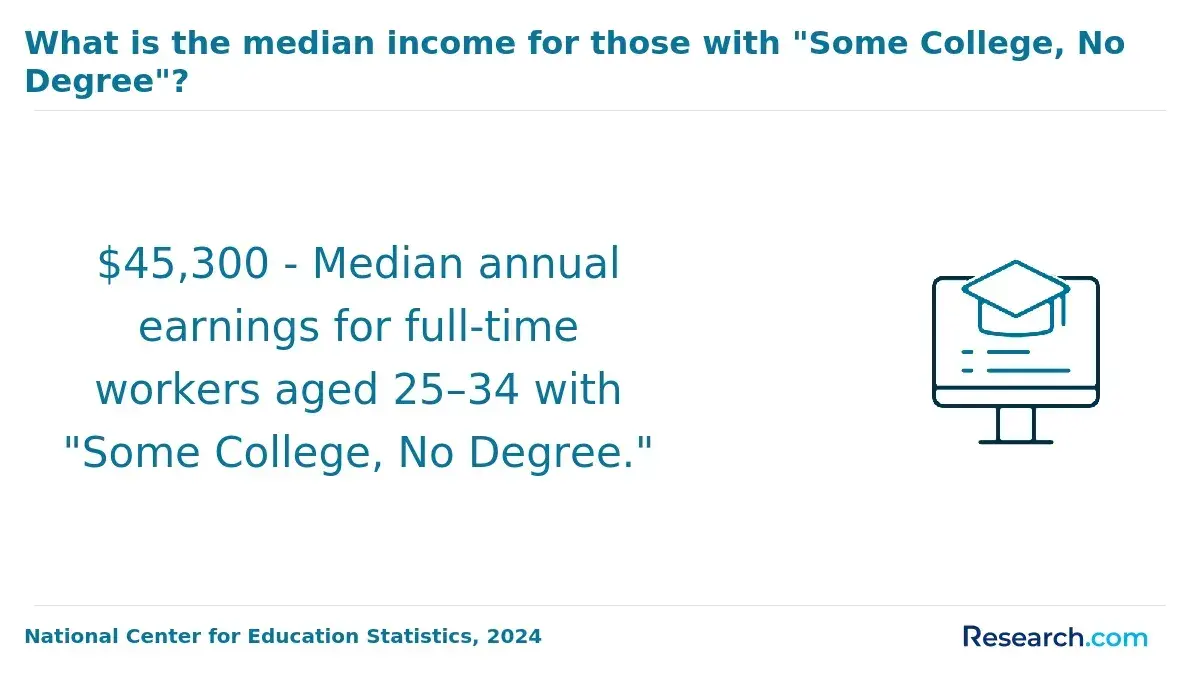
Many entry-level positions in disability studies offer a solid foundation for higher-earning roles as professionals gain experience and responsibility. Starting salaries typically fall between $35,000 and $45,000 annually, but several jobs in this field have strong potential for long-term salary growth.
The following entry-level jobs are commonly linked to significant upward earning trajectories over time:
- Disability Support Specialist: This role centers on providing direct aid to individuals with disabilities, coordinating services and resources. It often leads to management or program coordination positions that offer increased salaries as experience grows.
- Rehabilitation Counselor Assistant: In this position, individuals assist counselors with client care and case management, gaining valuable expertise that supports progression into counseling or consultancy roles with better compensation.
- Accessibility Coordinator: Focused on ensuring compliance with accessibility standards, this job builds skills that frequently result in roles with greater responsibility in compliance, advocacy, or corporate social responsibility, often accompanied by salary increases.
- Program Analyst for Disability Services: Entry-level analysts handle data collection and interpretation related to disability programs, positioning themselves for advancement into policy development and administrative roles with higher pay.
- Community Outreach Worker: Working closely with communities to raise program awareness, this role can serve as a springboard to nonprofit leadership or public relations positions that command higher wages.
A new disability studies degree graduate shared how navigating the early job market felt "like a puzzle, figuring out where entry-level experience might lead."
He described the challenge of balancing immediate work demands with long-term goals by reflecting, "I was often uncertain if the roles I took would really open doors later."
Yet, gaining hands-on experience and building networks gave him confidence that many entry-level positions do indeed serve as stepping stones to rewarding careers with better financial stability.
What Industries Offer the Best Salary Growth for Disability Studies Graduates?
Industries that blend social impact with expanding demand often provide the best salary growth prospects for disability studies graduates. For instance, healthcare-related jobs are expected to see a 16% increase in wages over the next decade, reflecting broader compensation structures in this sector.
The following industries stand out for their salary advancement opportunities for disability studies careers in the US:
- Healthcare: Rising investments in disability care and rehabilitation programs contribute to steady wage increases. This sector's broad scope supports continuous salary growth as inclusive health services expand nationwide.
- Educational Services: As institutions adopt more disability-inclusive policies, demand for professionals grows, pushing compensation upward. Salary gains here correlate with increased commitment to accessibility in academic settings.
- Technology: Focused on assistive and accessible technologies, this rapidly expanding industry offers wide salary ranges. Disability studies graduates benefit from innovation-driven pay scales and growing market funding.
- Government & Public Administration: Structured pay raises and benefits growth stem from enhanced legislation and public programs that promote disability inclusion, ensuring steady, long-term salary increases.
Those exploring career options in this field should also consider the average cost of DNP program options to better understand educational investments needed for advancement.
What Factors Influence Long-Term Salary Growth in Disability Studies Careers?
Salary growth over time in disability studies careers is shaped by various complex factors linked to workplace structures and broader economic trends. These influences often work together, affecting how earnings develop as professionals advance. Among the primary considerations are these factors:
- Experience and Responsibility: Progressive experience and increased duties generally lead to higher pay. When individuals take on greater accountability and perform well, employers usually respond with salary raises that reflect their growing contribution.
- Advancement Opportunities: Clear promotion paths and organizational hierarchies affect earning potential significantly. Positions that allow upward mobility or specialization often come with access to better compensation over time.
- Market Demand and Funding: The availability of external resources such as grants or government funding can boost salaries. Moreover, ongoing demand for experts in disability studies encourages organizations to offer competitive wages to retain talent.
- Location and Cost of Living: Geographic factors influence salary levels indirectly. Regions with higher living expenses or greater investment in disability services tend to have elevated pay scales, which can increase steadily during a career.
- Economic and Policy Environment: Changes in public policy, labor regulations, and budget allocations can prompt adjustments in wages. These factors may either accelerate salary growth or limit it depending on broader economic conditions.
When I spoke with a professional holding a disability studies degree, she emphasized how navigating salary growth often felt like a gradual balancing act. "It wasn't just about doing my job well," she reflected, "but understanding when to advocate for raises and positioning myself in roles where advancement was possible."
She described moments of uncertainty, especially during periods of policy shifts or budget changes, which made salary expectations unpredictable. Yet, over time, sustained effort and strategic career moves led to meaningful increases. Her experience highlighted the importance of patience and adaptability in managing long-term earning potential within this field.
How Do Skills and Specializations Affect Salary Growth?
In disability studies careers, developing specialized skills and focus areas can significantly boost long-term salary growth. Individuals with expertise in niche fields often earn up to 20% more than those with a more general approach, reflecting high demand for advanced competencies that improve outcomes and accessibility.
The following key skills and specialization areas particularly influence salary progression:
- Technical Proficiency: Mastery of adaptive technologies and digital accessibility solutions increases earning potential by enabling professionals to offer cutting-edge services that address evolving needs.
- Communication and Advocacy: Advanced skills tailored for specific disability populations enhance negotiation and leadership opportunities, leading to stronger income growth.
- Interdisciplinary Collaboration: The ability to work effectively across various fields boosts program success and attracts higher compensation for the resulting impact.
- Data Analysis and Research: Expertise in evidence-based methods supports improved interventions and policy, positioning professionals for better salaries through informed decision-making.
Pursuing an online health administration degree can further strengthen these capabilities by combining leadership, policy, and healthcare system knowledge, opening pathways to higher-paying roles in program management and healthcare services.
Do Advanced Degrees or Certifications Increase Long-Term Earnings?
Advanced degrees and certifications often lead to higher long-term earnings in disability studies careers by equipping professionals with specialized knowledge and skills that qualify them for leadership roles and complex responsibilities. These expanded roles typically come with increased compensation, reflecting the greater expertise required.
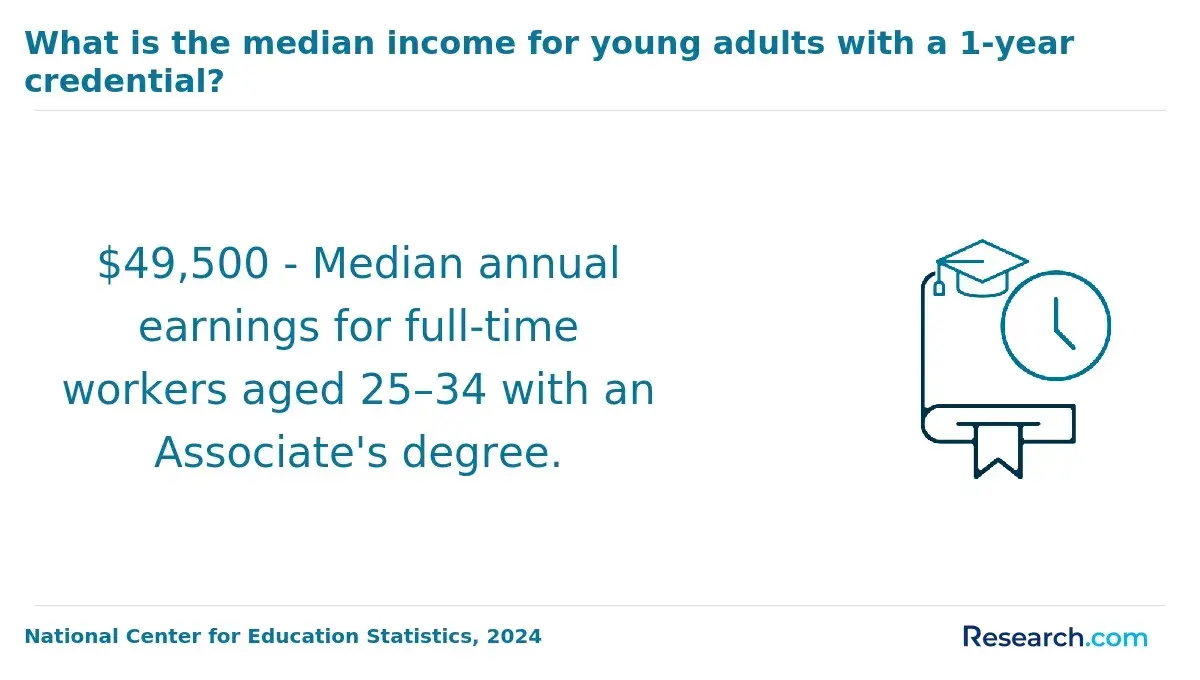
For example, research from the Georgetown University Center on Education and the Workforce reveals that individuals with master's degrees earn roughly 20% more over their lifetimes compared to those with only a bachelor's degree, a wage premium also evident in disability studies and related fields.
Certifications in areas such as assistive technology or rehabilitation counseling further enhance earning potential by signaling technical proficiency and opening access to higher-paying niche roles.
The influence of advanced education on earnings varies widely depending on the specific career path within disability studies. Some roles emphasize experience and interpersonal skills over formal qualifications, especially in advocacy or community-based positions, resulting in more moderate salary gains linked to advanced degrees or certifications.
Careers that blend disability studies with healthcare, education, or social work tend to see greater salary growth due to increased supervisory or interdisciplinary responsibilities.
Conversely, public sector positions often rely on standardized pay scales, limiting income progression despite additional credentials, highlighting how the impact of advanced education is closely tied to specialization, role complexity, and institutional context.
How Does Job Stability Impact Long-Term Salary Growth?
Job stability plays a significant role in long-term salary growth within disability studies careers by fostering consistent employment that supports gradual income increases. Professionals who maintain steady positions often build tenure that allows for incremental wage growth tied to experience and organizational policies.
Data from the U.S. Bureau of Labor Statistics suggests that employees with continuous work in specialized fields like disability studies can expect average earnings growth of about 3% annually. This steady employment also enhances long-term earning potential with stable disability studies jobs by creating opportunities for ongoing professional development and expertise accumulation.
Maintaining stable employment further shapes salary progression by enabling individuals to benefit from compensation increases related to seniority, skill improvements, and added responsibilities. Continuous work experience supports a reliable trajectory of wage gains as professionals demonstrate growth that employers recognize with promotions or merit-based raises.
Conversely, frequent job changes or gaps may interrupt this pattern, slowing cumulative salary growth despite sometimes higher starting offers in new roles. For those pursuing careers in disability studies, stabilizing employment often establishes a foundation for sustained advancement in earnings over time.
Those interested in advancing their qualifications might explore online nursing PhD programs to complement their career paths.
What Are the Highest-Paying Career Paths After 10+ Years?
After a decade or more in disability studies-related careers, many professionals reach their peak earning potential, often entering roles that command greater responsibility and expertise. Statistical data suggest that mid-to-late career compensation in these fields frequently exceeds $80,000 annually.
Typical high-paying career paths after 10+ years in disability studies include:
- Healthcare Administration: Professionals leading disability services programs often manage large organizations or departments. Their roles involve strategic oversight, resource allocation, and ensuring compliance with disability regulations.
- Policy Analysis and Consulting: Experts influence disability rights and accessibility policy through governmental or nonprofit work. Their contributions drive reforms and promote social services improvements.
- Academic Leadership: Senior faculty, such as professors or department chairs, frequently secure tenure and research funding. These positions combine teaching, research, and administrative duties in disability studies or allied disciplines.
- Vocational Rehabilitation Management: Directors and senior counselors oversee workforce initiatives supporting people with disabilities. Their leadership ensures effective employment programs and aligns with workforce development goals.
- Assistive Technology and Accessibility Consulting: Specialists develop and implement practical solutions to improve accessibility. Their expertise bridges technical innovation and disability advocacy.
Prospective students may also consider related opportunities in allied health fields, such as exploring online associate radiology tech programs, which offer complementary skills useful in interdisciplinary disability services.
How Do You Choose a Disability Studies Career Path With Strong Salary Growth?
Evaluating long-term earning potential is crucial when selecting a disability studies career path, as salary growth can vary widely depending on the role. Labor studies reveal that disability policy analysts and administrators earn up to 40% more on average than direct care providers.
Several key considerations can help identify the best career paths for disability studies professionals with high earning potential:
- Long-Term Earning Potential: Focus on salary trends throughout a career rather than starting wages to understand true financial growth opportunities within a field.
- Role Progression: Careers with well-defined advancement stages typically offer consistent salary increases and greater future earning possibilities.
- Demand Trends: Fields linked to growing sectors like inclusive technology or policy development are more likely to experience steady or rising salaries over time.
- Specialization Areas: Niche expertise, such as legal advocacy or program evaluation, can command premium salaries compared to general roles.
- Funding Sources: The origin of financial support, whether government grants or private sector funds, often affects salary trajectories and stability.
For students interested in expanding skills that align with market demands, exploring an online masters healthcare management can complement disability studies expertise and enhance earning potential.
What Graduates Say About Disability Studies Degree Careers That Offer Long-Term Salary Growth
- Jayce: "Choosing a disability studies degree was one of the smartest decisions I've made for my career. The knowledge I gained opened doors to roles in policy-making and advocacy with impressive salary growth over time. I appreciate how the degree balances theoretical understanding with practical skills, making the ROI not only financial but deeply fulfilling."
- Kaizen: "Reflecting on my journey, the disability studies degree gave me a unique perspective that employers highly value, especially in inclusive education and healthcare sectors. The impact of this degree on my professional life has been profound-it not only enhanced my earning potential but also allowed me to contribute meaningfully to communities. I found the long-term salary growth particularly rewarding as I advanced in specialized roles."
- Dominic: "From a professional standpoint, earning a disability studies degree significantly boosted my credibility and job prospects in consulting and corporate diversity initiatives. The initial investment felt justified quickly due to the degree's relevance in today's workforce and the upward trajectory in salary it supported. Beyond the numbers, it's gratifying to see the real-world impact my work has on shaping more inclusive environments."
Other Things You Should Know About Disability Studies Degrees
In 2027, careers in policy development, consulting for non-profits, or roles within governmental agencies focusing on disability advocacy are some of the top options for long-term salary growth for Disability Studies graduates. These fields often require a deep understanding of policy and advocacy, which can lead to substantial salary increases over time.
Yes, certifications such as Certified Disability Management Specialist (CDMS) or certification in assistive technology can enhance a graduate's qualifications. These credentials demonstrate specialized expertise, making individuals more competitive for higher-level positions and increasing potential for salary advancement. Pursuing certifications related to social work or counseling may also complement the degree and open additional career opportunities.
Geographic location plays a significant role in salary variations for disability studies-related careers. Urban areas with larger populations and more healthcare and social service organizations generally offer higher salaries than rural regions. Cost of living and state funding for disability services also impact wage levels, so graduates should consider these factors when planning their career geographically.
Experience in related fields like healthcare administration, education, or public policy can positively affect salary growth for disability studies graduates. Cross-disciplinary skills and leadership experience broaden career options and can lead to managerial roles with higher pay. Employers often value diverse experience because it enhances the ability to advocate effectively and manage complex programs.
References
- Discovering New Career Paths With A Disability https://www.allsupemploymentservices.com/blog/discovering-new-career-paths-with-a-disability
- Best Jobs for Individuals With a Developmental Disability https://eastersealsar.com/best-jobs-for-individuals-with-a-developmental-disability/
- Measuring the effect of disability on the lifetime earnings of lawyers, doctors and other professionals https://plaintiffmagazine.com/recent-issues/item/measuring-the-effect-of-disability-on-the-lifetime-earnings-of-lawyers-doctors-and-other-professionals
- Working in Disability: The Most Rewarding Jobs in the Industry https://www.training.com.au/ed/working-disability-roles/
- Achieving Career Success: How to Find Work if You Have a Disability - BRIDGES https://www.bridgesrc.org/achieving-career-success-how-to-find-work-if-you-have-a-disability/
- Career Outcomes for Graduates https://online.utoledo.edu/programs/disability-studies/career-opportunities.html
- 16 Highest Paying Jobs for Special Needs in UK | Earn up to 150K https://trainingexpress.org.uk/highest-paying-jobs-for-special-needs-in-uk/
- Top High-Paying Jobs Working with Special Needs: Rewarding Careers That Make a Difference | DiverseJobsMatter https://diversejobsmatter.co.uk/blog/high-paying-jobs-working-with-special-needs/
- Helping People With Disabilities Decide On A Career Path - Lexington Services https://lexingtonservices.com/helping-people-with-disabilities-decide-on-a-career-path/
- 10 Jobs for People With Disabilities That Pay Over $50K in 2026 (+ Best Employers) https://www.checksalaries.com/resource-hub/jobs-for-people-with-disabilities


