
2027 Which Employers Hire Communication Management Degree Graduates? Industries, Roles, and Hiring Patterns

Co-Founder and Chief Data Scientist
Determining which employers hire communication management degree graduates poses a challenge for many prospective students and career changers-especially given the field's scope across diverse industries. For example, about 38% of communication management graduates find roles in corporate communications within technology and healthcare sectors, indicating concentrated demand yet varied pathways. This statistic highlights how understanding industry-specific hiring patterns and typical roles-ranging from public relations specialists to internal communications managers-can clarify career prospects. This article explores these employer ecosystems, revealing key industries, entry-level and mid-career opportunities, and geographic trends to guide readers in making informed decisions on specialization, internships, and long-term career strategy.
Key Things to Know About the Employers That Hire Communication Management Degree Graduates
- Employers primarily include corporate marketing departments, public relations firms, and nonprofit organizations-industries showing a 15% annual growth in hiring communication management graduates.
- Graduates fill roles in digital content creation, stakeholder engagement, and internal communications-positions rising sharply due to the shift toward integrated communication strategies.
- Hiring patterns favor metropolitan markets with entry-level roles concentrated in tech hubs, while mid-career professionals see increased demand in healthcare and finance sectors.
Which Industries Hire the Most Communication Management Degree Graduates?
The employment landscape for communication management degree graduates is shaped largely by the industries that absorb the largest share of those entering the workforce-an essential insight for students, career changers, and professionals seeking to align their academic preparation with market demand. Drawing on data from the Bureau of Labor Statistics (BLS), National Center for Education Statistics (NCES), and LinkedIn Workforce Insights, we identify the top sectors hiring communication management graduates, spotlighting where the strongest opportunities lie across the United States.
- Professional, Scientific, and Technical Services: Leading in volume, this industry relies on communication graduates to drive consulting, marketing research, public relations, and corporate training efforts. Here, communication management is a core operational function underpinning client engagement and brand strategy development.
- Healthcare and Social Assistance: With growing demand, hospitals, clinics, and nonprofits employ communication professionals for patient outreach, internal communications, health promotion, and crisis response-key roles that support public trust and service delivery.
- Educational Services: Colleges, universities, and K-12 districts hire graduates to manage stakeholder relations, media outreach, and event coordination, integrating communication management crucially in achieving educational mission goals.
- Finance and Insurance: Communication specialists in this sector focus on regulatory messaging, investor relations, and customer communications, operating as both support and competitive functions to strengthen trust and compliance.
- Information Technology and Software Development: Tech firms increasingly depend on communicators to translate complex technical content for diverse audiences-driving product marketing, user education, and cross-functional collaboration.
- Government and Public Administration: Public sector roles emphasize transparent communication, policy dissemination, and crisis management, essential for civic engagement and effective governance.
- Media and Publishing: Though smaller in employment volume, this industry remains a central domain where communication management fuels content creation, audience development, and media relations.
The varied demand for communication management graduates across these leading sectors highlights differences in whether communication operates as a core business element or as specialized support-factors that influence fit for entry-level and mid-career roles alike. Moreover, these industry concentrations shift by degree level and field specialization, details that shape hiring patterns and career trajectories for professionals in communication management.
Those considering graduate education to enhance their career paths might explore options such as an online MBA to expand their strategic and leadership capabilities within these employer sectors.
Understanding the top US industries hiring communication management degree graduates and the leading sectors for entry-level communication management roles in the United States equips aspiring professionals with a clear, actionable framework for internship targeting, specialization choice, and geographic strategy.
What Entry-Level Roles Do Communication Management Degree Graduates Typically Fill?
Graduates holding a communication management degree typically begin their careers in entry-level roles that leverage their expertise in strategic communication, media relations, and organizational messaging. Employer demand for these skills spans diverse industries-each with unique job titles but shared foundational competencies grounded in analytical, writing, and interpersonal abilities.
- Coordinator:
- Core Responsibilities: Day-to-day management of communications materials, scheduling media interactions, and coordinating internal messaging campaigns.
- Typical Reporting Structure: Reporting to communications managers or directors in marketing, nonprofit, or corporate communications departments.
- Communication Management Competencies: Project coordination, content creation, and audience analysis-which support cohesive strategies in nonprofits, education, and other sectors.
- Analyst:
- Core Responsibilities: Gathering data, conducting market research, and interpreting communication metrics to guide strategic decisions.
- Typical Reporting Structure: Reporting to senior analysts or communication strategists within financial services, healthcare, or government agencies.
- Communication Management Competencies: Critical thinking, data interpretation, and message evaluation-enabling graduates to translate insights into actionable plans.
- Associate Consultant:
- Core Responsibilities: Advising clients on communication strategies, brand positioning, and stakeholder engagement.
- Typical Reporting Structure: Working under senior consultants or partners in management consulting firms.
- Communication Management Competencies: Client communication, strategic planning, and persuasive presentations-essential for contributing to consulting projects across industries.
Variation in job titles and scope reflects industry-specific needs. For example, a coordinator in a nonprofit may focus on community outreach and event planning, while in corporate settings, the role might prioritize internal communications. An analyst in financial institutions emphasizes quantitative data and regulatory messaging, contrasting with qualitative analysis in media firms. Recent data from the BLS Standard Occupational Classification and NACE Early Career Salary Survey align with these findings on typical job titles for recent communication management graduates.
Prospective graduates should map these roles against their specialized coursework, internship portfolios, and professional goals. Building targeted communication samples and pursuing internships aligned with intended industries enhances marketability-important for navigating entry-level communication management degree roles in the United States. For individuals considering related educational pathways or career shifts, exploring business degrees online can provide further flexibility and specialization options.
What Are the Highest-Paying Employer Types for Communication Management Degree Graduates?
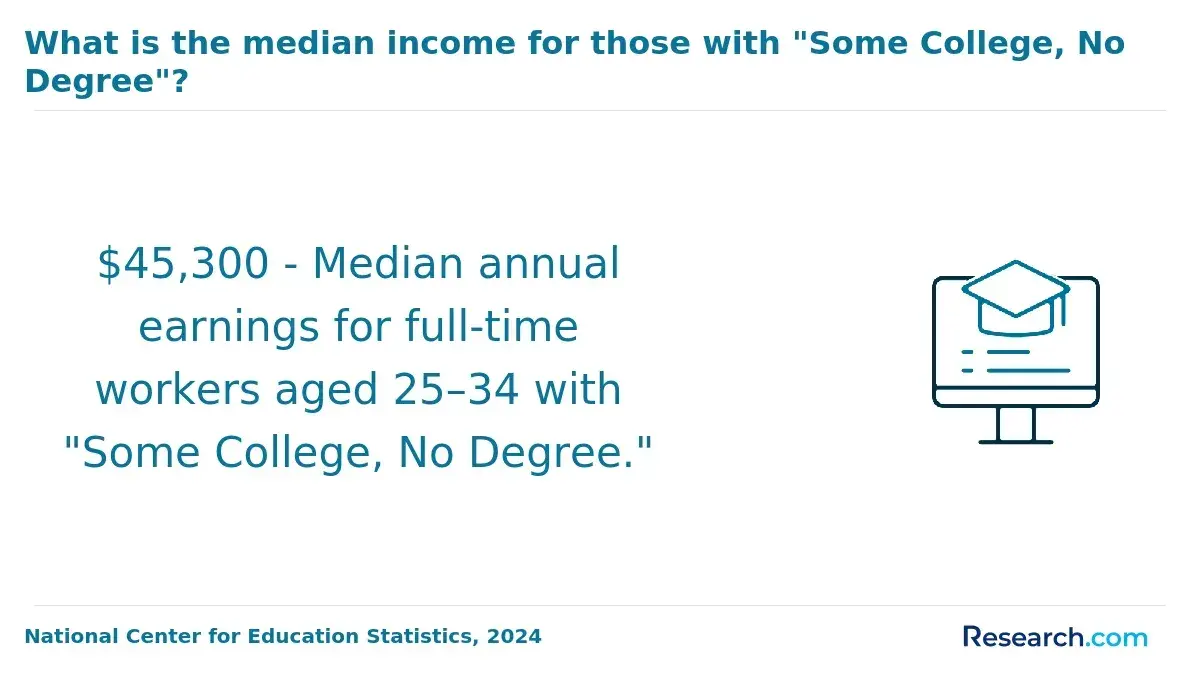
Compensation for communication management graduates varies significantly by employer type, reflecting differences in industry profitability, organizational structures, and strategic priorities. Investment-backed technology firms-particularly those in software, digital media, and internet services-offer some of the highest starting and mid-career salaries, often pairing competitive base pay with equity and performance bonuses aligned with rapid growth demands.
- Financial Services: Banking, investment, and insurance organizations provide robust salaries supported by complex regulatory communication needs, with additional incentives like annual bonuses and profit sharing enhancing total compensation.
- Professional Services Consultancies: Large advisory firms value communication expertise highly, rewarding professionals with strong base pay plus performance bonuses and development opportunities that contribute to long-term career growth.
- Privately Held High-Revenue Companies: Firms such as notable manufacturing or media businesses, with substantial revenues, offer competitive pay driven by internal profit margins, though compensation packages can vary based on company size and market conditions.
- Government Agencies and Nonprofits: Though these sectors provide essential employment and benefits like pensions and healthcare, their base salaries generally lag behind private-sector counterparts, reflecting lower-margin operational models.
The differences in pay are rooted in business models-high-margin, shareholder-driven firms prioritize rewarding communication skills with higher cash compensation. However, total packages may also include retirement benefits, equity, and professional development, which sometimes make moderate-base pay employers more attractive overall. Graduates should consider not only entry-level salary but also growth potential, job security, and workplace culture as part of a holistic career strategy.
A professional who graduated with a communication management degree shared his experience navigating the job market: "Initially, I was drawn to the high salaries offered by tech startups, but the intense pace and limited upward mobility soon made me rethink my options. I shifted my focus toward a consultancy that provided steady growth, mentorship, and a clearer path to leadership. It wasn't just about the paycheck-understanding company culture and long-term prospects made all the difference in building a rewarding career."
Do Large Corporations or Small Businesses Hire More Communication Management Degree Graduates?
Data from sources like the Census Bureau Statistics of U.S. Businesses, BLS Quarterly Census of Employment and Wages, and NACE hiring intention surveys reveal that communication management graduates find opportunities across employer sizes, each offering distinct advantages.
- Large Corporations: Fortune 500 and mid-market firms generally provide structured onboarding, formal training, and defined promotion pathways. Graduates benefit from strong brand recognition, enhancing future job prospects. These organizations typically focus on specialized communication roles such as corporate communications and crisis management, fitting complex operational needs.
- Small Businesses and Startups: Though hiring fewer communication management graduates overall, small companies present a wider range of responsibilities. Early professionals gain hands-on experience in diverse areas like media relations and marketing strategy, with quicker advancement and broader decision-making exposure-ideal for rapid skill growth.
- Nonprofits and Boutique Firms: These employers offer a blend of broader duties and steady growth, appealing especially to those drawn to mission-driven work or niche communication specializations.
- Specialization Alignment: Certain communication management focuses-digital content creation or public relations-often align better with large organizations' resources, while others-like community engagement or entrepreneurial communication-thrive in smaller, agile environments.
- Career Fit: Choosing employer size should complement a broader decision framework-including industry sector, mission, geography, and growth potential-rather than acting as the sole selection factor.
How Do Government and Public Sector Agencies Hire Communication Management Degree Graduates?
Federal, state, and local government organizations actively recruit communication management graduates for essential roles in public affairs, information dissemination, and internal communications. Leading federal employers include the Department of Defense, Health and Human Services, and the Environmental Protection Agency, while state agencies such as transportation, education, and public safety departments also show strong demand. Job classifications in the federal system typically follow the General Schedule (GS), with bachelor's degree holders usually entering at GS-7 or GS-9 pay grades. Advancement often depends on experience and additional credentials.
- Hiring Process: Most openings require navigating the competitive service, involving formal applications and exams; excepted service roles may offer faster or specialized hiring routes.
- Security Clearances: Some positions, especially in defense or intelligence, demand background checks and security clearances, adding complexity and length to hiring timelines.
- Credential Importance: Internships, certifications, and fellowships greatly enhance candidate competitiveness and often influence hiring outcomes.
- Job Stability: Public sector roles provide considerable job security, retirement benefits, and healthcare, although salary growth and promotions can be slower compared to private sector jobs.
- Early-Career Opportunities: Programs like the Presidential Management Fellows (PMF) and agency-based fellowships offer structured entry points and mentorship specifically designed for communication management graduates pursuing public service.
A professional who built her career after earning a communication management degree reflected on her path into government employment. She described the application process as rigorous but rewarding, emphasizing the patience required to complete security clearances and navigate multiple interview stages. "It wasn't just about my degree," she noted, "but the internships and fellowships that showed I understood the government's unique communication challenges." Her experience highlighted how public sector hiring values demonstrated expertise and the readiness to operate within established, often slower-moving systems. Despite the wait, she found the stability and mission-driven nature of her work fulfilling-an experience she hopes others consider when choosing their career trajectory.
What Roles Do Communication Management Graduates Fill in Nonprofit and Mission-Driven Organizations?
Graduates with a communication management degree often pursue careers within nonprofit and mission-driven organizations where their expertise in strategic messaging and stakeholder engagement advances social goals. These roles emphasize creating compelling narratives that connect donors, volunteers, and communities to organizational missions.
- Program Communications: Positions such as communications coordinators focus on developing campaign content, managing social media platforms, and writing grant proposals to support nonprofit initiatives through storytelling.
- Development and Fundraising: Communication management skills are essential for crafting persuasive donor outreach and managing event communications that sustain financial resources.
- Public Relations and Advocacy: Graduates fill roles liaising with media and mobilizing public support for policy and advocacy programs that promote social change.
- Cross-Functional Versatility: Nonprofit roles typically demand multitasking-combining communications strategy, event planning, volunteer coordination, and internal training-which accelerates skill diversification, especially for early-career professionals.
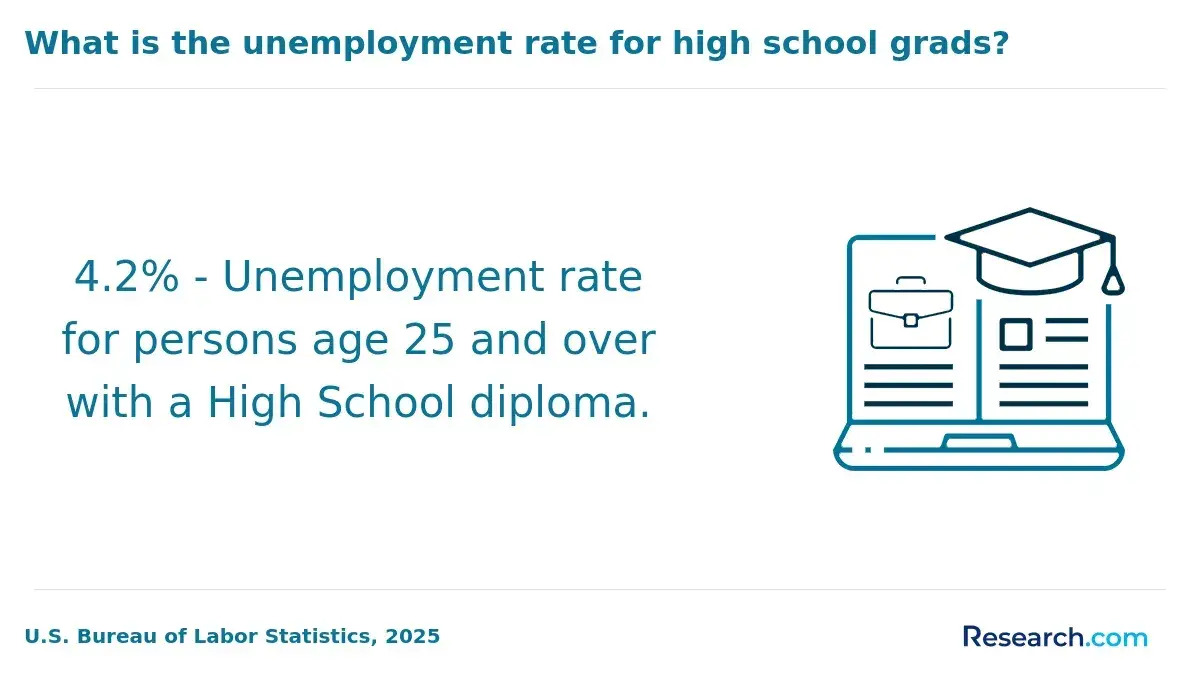
- Compensation and Culture: While nonprofit salaries often lag behind private sector equivalents, many organizations offer mission-driven work environments with meaningful impact and supportive cultures that can offset lower pay.
- Mission-Driven For-Profit Sector: Benefit corporations, social enterprises, certified B Corporations, and impact startups form a growing employment category offering higher salaries and entrepreneurial settings, blending social purpose with market focus.
- Loan Repayment and Public Service Incentives: Public Service Loan Forgiveness programs may help graduates mitigate lower initial salaries when working in conventional nonprofits.
- Organizational Types and Program Areas: Employment concentrates in health and human services, education, environmental advocacy, and the arts-primarily in urban nonprofit hubs-with remote work increasingly prevalent.
This landscape illustrates how communication management graduates can align their skills within diverse mission-driven sectors-balancing trade-offs between financial compensation and the non-monetary benefits of purposeful, flexible roles that foster professional growth and societal impact.
How Does the Healthcare Sector Employ Communication Management Degree Graduates?
Healthcare organizations represent a significant employer group for communication management degree graduates, spanning multiple types of institutions that seek expertise at the intersection of communication and healthcare operations. Key healthcare employers include:
- Hospital Systems: Roles often involve patient communication, internal messaging, and community outreach, where competencies in crisis communication and interdisciplinary collaboration are essential due to the complex and high-stakes nature of healthcare delivery.
- Insurance Carriers: These positions focus on member communications, claims liaison work, and regulatory compliance-demanding skills in policy research, financial communication, and navigating intricate healthcare regulations.
- Pharmaceutical Companies: Graduates find opportunities in marketing communications, medical writing, and regulatory affairs communication, requiring knowledge of behavioral science and data interpretation to effectively relay scientific information.
- Public Health Agencies: Communication managers support health campaigns, policy advocacy, and educational program outreach by leveraging operations management and community engagement expertise.
- Health Tech Startups: These organizations prioritize combined skills in digital communication strategies, data analytics, and technical literacy to drive product messaging and user education in fast-paced environments.
Graduates with proficiencies in data analysis, policy research, behavioral science, and operations management hold particularly transferable skills that match healthcare's evidence-based communication demands. However, prospective hires should recognize the importance of regulatory frameworks and compliance factors inherent to the sector-some roles require additional licensure or certifications such as HIPAA training or specialized health communication credentials beyond the degree itself.
The healthcare sector remains recession-resistant, maintaining stable demand even during economic downturns due to sustained needs for healthcare services. Growth is notably strong in digital health communication and public health promotion, particularly concentrated in metropolitan areas with large hospital systems and expanding health tech clusters, guiding graduates to focus geographic job searches accordingly.
Which Technology Companies and Sectors Hire Communication Management Degree Graduates?
Technology companies and sectors represent key employers for communication management degree graduates in the United States technology industry-offering diverse roles that leverage expertise in messaging, collaboration, and stakeholder engagement within digitally driven environments. LinkedIn Talent Insights, BLS technology sector statistics, and Lightcast labor market data reveal several intersections where communication management skills align with tech industry demand.
- Core Technology Firms: Top tech firms recruiting communication management graduates for roles in software and digital services include positions focused on technical communications, product marketing, customer experience, and internal communications that support innovation cycles and user engagement.
- Technology Functions in Non-Tech Companies: Communication management graduates also find opportunities within technology units of companies in finance, healthcare, and retail-sectors whose primary business is not tech but require communication expertise to drive digital transformation, IT governance, and technology adoption.
- Skills-Based Hiring Trends: The tech sector's shift toward valuing versatile, cross-disciplinary competencies under remote-first models has expanded entry points for these graduates without traditional STEM backgrounds. Demonstrable skills in data storytelling, UX communication, and digital content strategy help candidates stand out.
- Emerging Sub-Sectors: Accelerated growth areas such as health tech, fintech, edtech, and climate tech increasingly demand communication professionals who can translate complex information for diverse audiences and build stakeholder trust.
- Entry Points and Portfolios: Building a portfolio with case studies on digital campaigns, user communications, or research-driven content is critical. Internships at tech startups or collaborations with engineering and product teams ease transition into technology-centric roles.
- Role Diversity: Available roles span product communications, technology policy, regulatory affairs, community and social media management, and research support-reflecting broad applications of communication management skills in tech ecosystems.
Geography influences opportunities, with tech hubs like Silicon Valley, Seattle, and Austin enhancing communication management roles-though remote work policies have broadened access nationally and internationally. Graduates can also benefit from exploring online MBA programs comparison to strengthen their skills and career prospects. As companies embrace digital workflows and integrated teams, communication management graduates with adaptable, tech-savvy profiles find increasing demand across technology-driven contexts.
What Mid-Career Roles Do Communication Management Graduates Commonly Advance Into?
Advancing into mid-career roles-typically five to ten years after entering the workforce-is a pivotal phase for communication management graduates. During this period, professionals transition from entry-level positions into more strategic, leadership, and specialized roles that reflect their growing expertise and expanded responsibilities. The landscape of mid-career communication management roles in the United States varies significantly based on initial industry and employer type.
- Title Progressions: Common mid-career job titles for experienced communication management professionals include communications manager, public relations manager, corporate communications specialist, content strategist, and internal communications lead. Many graduates progress from roles such as communications coordinator or marketing assistant to these positions, taking on responsibilities for team leadership, campaign design, and interdepartmental collaboration.
- Functional Leadership Roles: Mid-career professionals often manage teams or projects focusing on brand messaging, media relations, digital content, or employee communications. In large organizations, managers might oversee multiple channels and align communication strategies with overall corporate goals.
- Specialization Paths: Specializations like crisis communications, digital media management, investor relations, and corporate social responsibility are common as graduates sharpen skills in analytics, storytelling, and stakeholder engagement.
- Competency Development: Graduate degrees in communication, business administration, or organizational leadership and certifications such as Certified Communication Manager (CCM) or digital marketing credentials support advancement. Skill-building in data analytics, project management, and multimedia content production is essential to build career capital early on.
- Employer Type Variability:
- Large corporations offer structured promotion ladders with formal performance metrics and mentorship programs.
- Startups and small businesses demand lateral, self-directed career progressions requiring broader skill application and intentional role negotiations.
- Career Arc Mapping: Entry-level roles provide foundational communication and project skills that evolve into strategic communication planning and stakeholder management as professionals move into mid-career positions.
For those considering significant career transitions, resources that guide moves from different fields-like from teacher to speech pathologist-can offer useful insights. Understanding these trajectories equips graduates and career changers to navigate the employer ecosystem effectively and position themselves for long-term success.
How Do Hiring Patterns for Communication Management Graduates Differ by Geographic Region?
Geographic location significantly influences employment prospects and earnings for communication management graduates. Major metropolitan areas like New York City, Washington D.C., and Los Angeles lead in both hiring volume and salary levels due to robust industries such as media, government, and technology. Strong university research hubs in these cities also funnel skilled graduates into local employers, reinforcing regional demand.
Mid-sized cities-including Austin, Denver, and Raleigh-offer expanding opportunities characterized by growing tech sectors and company expansions. These markets often provide competitive wages alongside lower living costs, making certificates and bootcamps attractive routes for faster workforce entry or career shifts.
Smaller towns and rural regions typically show lower hiring activity and salary ranges, with a preference for traditional degrees stemming from cautious employer hiring practices. Yet, the rise of remote and hybrid work since 2020 has eased these geographic limitations, allowing candidates outside top metro areas to vie for well-paying roles formerly limited to major hubs.
- Remote Work Impact: Remote jobs have broadened access to lucrative positions for those in lower-cost areas but also increased competition nationwide.
- Geographic Flexibility: Willingness to relocate to employment-dense regions tends to speed up job placement and enhance salary growth.
- Local Employer Networks: Candidates restricted to certain areas should focus on regional firms with strong hiring pipelines aligned to their credentials.
- Recent Trend: From 2020 to 2023, remote hiring for communication management roles rose by 35%, reflecting shifting employment landscapes.
Weighing geographic factors carefully helps graduates and career changers align credential investments with market realities and evolving remote work dynamics, ultimately guiding more strategic career navigation.
What Role Does Internship Experience Play in How Employers Hire Communication Management Graduates?
Internship experience plays a decisive role in securing employment for communication management graduates-strongly influencing job offer receipt, salary levels, and speed of hiring. According to the 2023 NACE Internship and Co-op Survey, over 70% of employers favor candidates who have completed at least one internship in their field. Beyond quantity, internship quality significantly affects career outcomes: placements at respected organizations within relevant industries serve as powerful endorsements, signaling practical skills and cultural fit to prospective employers and amplifying the value of the degree over time.
Access to internships is uneven, with financial constraints limiting students from lower-income backgrounds, while those attending institutions with fewer employer ties or living in less concentrated geographic markets also face challenges. To combat these disparities, innovative solutions such as virtual internships, cooperative education programs, and employer diversity initiatives provide alternative pathways to gain meaningful experience.
Communication management students should prioritize internship acquisition early-ideally starting applications in their sophomore or junior years-to align opportunities with career ambitions. Utilizing university career centers, alumni connections, and faculty networks enhances chances of securing internships that lead to full-time roles. Targeting organizations that match both specialization interests and geographical preferences can improve placement success and long-term career navigation.
- Employer Preference: More than 70% of communication management employers prefer graduates with relevant internship experience, highlighting its critical influence on hiring decisions.
What Graduates Say About the Employers That Hire Communication Management Degree Graduates
- Pierce: "Graduating with a communication management degree opened my eyes to the wide variety of industries that value this skill set-everything from tech startups to healthcare organizations. I found that nonprofits often seek graduates for roles focused on community engagement and public relations, which was a perfect fit for my passion. Interestingly, many employers in metro areas tend to look for candidates who can bridge gaps between departments, which emphasizes versatility over specialization."
- Aryan: "Reflecting on my experience post-graduation, I've noticed that communication management grads are highly sought after by corporate firms, especially in marketing and internal communications roles. Large multinational companies frequently hire from this field to manage their diverse teams, reflecting a global trend in their hiring practices. The geographic breadth is impressive-while major hubs dominate, remote and hybrid positions are becoming increasingly common, offering flexibility to job seekers."
- Jonathan: "From a professional standpoint, employers hiring communication management graduates span both public and private sectors, with governmental agencies often valuing these candidates for their ability to handle crisis communication and stakeholder relations. The pattern suggests steady demand in urban centers but also in regional offices where effective communication strategies can significantly impact organizational success. For me, understanding these dynamics helped target my applications more strategically-an invaluable insight."
Other Things You Should Know About Communication Management Degrees
Graduate degree holders in communication management often have a hiring advantage over bachelor's graduates due to their advanced skills in strategic communication, leadership, and data analysis. Employers tend to value the deeper theoretical knowledge and practical experience that come with graduate programs. This often translates to more opportunities in mid-level and senior roles, as well as higher starting salaries. However, bachelor's graduates remain competitive for entry-level positions.
Employers in communication management fields closely examine portfolios and extracurricular activities to assess a candidate's practical skills and creativity. Projects that demonstrate real-world communication strategies, campaign development, and digital media proficiency tend to stand out. Leadership roles in student organizations or relevant internships also add significant value, indicating initiative and hands-on experience beyond academic achievements.
In 2027, the tech, healthcare, and digital marketing sectors are seeing the highest demand for communication management degree graduates. Employers value their skills in strategic communication, brand management, and digital media, ensuring graduates have diverse opportunities in these growth industries.
Diversity, equity, and inclusion (DEI) initiatives have become a critical factor shaping hiring practices in communication management. Employers are actively seeking graduates who understand and can communicate across diverse audiences in culturally competent ways. Candidates with experience or coursework related to DEI are increasingly preferred, as organizations strive to foster inclusive communication strategies that align with social values and broader market demographics.
References
- Working in Communications https://www.civil-service-careers.gov.uk/professions/working-in-communications/
- The Role of Internships: Building Experience and Advancing Careers https://ifim.edu.in/ifim-college/role-of-internships-building-experience-advancing-careers/
- Jobs for Communications Graduates: Top 12 Best Across Industries https://www.betterup.com/blog/jobs-for-communications-graduates
- How to resolve cross-cultural differences in the recruitment process https://workmotion.com/blog/resolving-cross-cultural-differences-in-recruitment/
- Public Affairs and Communications: Bridging Policy and Public Perception | EuroBrussels https://www.eurobrussels.com/article/863/public-affairs-and-communications-bridging-policy-and-public-perception
- How Internships Boost Confidence and Communication Skills https://absoluteinternship.com/blog/how-internships-boost-confidence-and-communication-skills/
- From Intern to Employee: How Managers Identify Future Talent https://jouleinc.com/blog/from-intern-to-employee-how-managers-identify-future-talent/
- Top 10 Highest Paying Jobs with a Communications Degree 2026 | Nexford University https://www.nexford.edu/insights/highest-paying-jobs-with-communications-degree
- Nonprofit Communications Manager Job Description Template https://workello.com/communications-manager-job-description-nonprofit/
- Mastering Public Sector Recruitment: Government Hiring Success Strategies https://www.phenom.com/blog/public-sector-recruitment-strategies


