
2027 Which Employers Hire Emergency Management Degree Graduates? Industries, Roles, and Hiring Patterns

Co-Founder and Chief Data Scientist
Imagine an individual with an emergency management degree seeking to understand which employers most actively recruit graduates-and why. The hiring landscape spans public safety agencies, healthcare organizations, and private sector firms specializing in risk mitigation. Notably, government agencies account for approximately 40% of emergency management employment opportunities nationwide, reflecting their critical role in disaster preparedness and response. This article analyzes the industries that dominate hiring, the roles offered at various career stages, and key hiring patterns shaping this professional field. Readers will gain a data-driven perspective to strategically navigate their career paths and employer targeting in emergency management.
Key Things to Know About the Employers That Hire Emergency Management Degree Graduates
- Graduates are commonly hired by government agencies-federal, state, and local-focusing on disaster response, risk reduction, and public safety coordination roles.
- Private sector employers-especially in healthcare, insurance, and logistics-seek professionals for business continuity, crisis communication, and resilience planning positions.
- Hiring patterns show entry-level roles emphasize operational support, while mid-career positions increasingly require strategic leadership and cross-sector collaboration expertise.
Which Industries Hire the Most Emergency Management Degree Graduates?
The employment landscape for emergency management degree graduates reveals a diverse array of industries that absorb the largest share of talent. Aligning academic preparation with career opportunity begins by examining which sectors lead in hiring these graduates. Data from the Bureau of Labor Statistics (BLS), National Center for Education Statistics (NCES), and LinkedIn Workforce Insights highlight key industries where emergency management expertise is either a core operational function or a critical support role.
- Government: This is the largest employer of emergency management graduates, encompassing federal, state, and local agencies. Emergency management is central here-responsibilities focus on disaster preparedness, mitigation, and coordinated response to both natural and human-made disasters.
- Healthcare and Social Assistance: Hospitals and public health organizations increasingly rely on emergency management professionals to prepare for medical crises such as infectious disease outbreaks and mass casualty events. Though sometimes a support function, its integration within healthcare operations is rapidly expanding.
- Utilities and Energy: This sector hires graduates to maintain operational continuity during power outages, cyberattacks, and extreme weather events. Emergency management is typically embedded within risk and business continuity teams to safeguard infrastructure.
- Insurance: Insurance firms employ emergency management experts to assess risks and enhance disaster response strategies influencing underwriting and claims. Although a support role, the focus on hazard analysis and mitigation is vital.
- Construction and Engineering: Roles here involve safeguarding building sites and infrastructure, coordinating recovery, and supporting project risk assessments and safety compliance. Emergency management functions are peripheral but important.
- Education: Colleges and school districts seek graduates to develop emergency plans, conduct safety drills, and manage crisis communications-core to protecting students and staff.
- Transportation and Warehousing: This industry focuses on logistics continuity and emergency response planning critical for supply chain resilience, combining planning, coordination, and incident management duties.
The distribution of employment across these top industries varies by degree level and specialization. Associate degree holders frequently enter government or healthcare support roles, while bachelor's and graduate degree holders often transition into leadership or specialized positions in areas such as cybersecurity, hazardous materials management, or public health preparedness. For professionals exploring growth opportunities or career changers weighing the field, this industry insight informs strategic decisions on program selection, internships, and geographic focus. Those seeking flexible educational options to pivot into or advance within this field may consider programs like a cheap online MBA to enhance leadership capabilities.
Exploring which industries hire the most emergency management degree graduates in the United States provides a targeted view that helps students and professionals align their credentials with sectors demanding specialized expertise. This analysis of top industries employing emergency management graduates by sector sets the foundation for understanding evolving roles and hiring trends in this dynamic field.
What Entry-Level Roles Do Emergency Management Degree Graduates Typically Fill?
Graduates with an emergency management degree commonly enter the workforce through several key entry-level roles tailored to their training and competencies. These roles vary by industry sector but share foundational duties focused on preparedness, response, recovery, and mitigation planning-core areas emphasized in both BLS Standard Occupational Classification data and NACE Early Career Salary Survey results.
- Coordinator:
- Core responsibilities include organizing emergency drills, managing communication channels during incidents, and liaising with community partners.
- Typically reports to program managers or directors within government agencies or nonprofit organizations focused on disaster preparedness and resilience.
- Emergency management competencies such as risk assessment, crisis communication, and interagency coordination position graduates competitively for these roles.
- Analyst:
- Focuses on data collection, hazard evaluation, and developing predictive models to inform decision-making.
- Reports commonly to senior analysts or risk managers, especially in sectors like financial services, healthcare, or large corporations with dedicated security teams.
- Skills in hazard analysis, data interpretation, and emergency planning enhance suitability for analytical roles.
- Associate Consultant:
- Supports consulting teams on risk management, business continuity, and disaster recovery projects for a variety of clients.
- Usually reports to project managers or senior consultants within consulting firms.
- Knowledge of emergency operations, regulatory compliance, and strategic planning strengthens candidates for these positions.
Industry context heavily shapes entry-level emergency management roles in the United States-with nonprofit coordinators engaging directly with affected populations or volunteers, public sector roles emphasizing community outreach and policy enforcement, and corporate roles valuing analytical and planning expertise. Mapping internships, degree concentrations, and portfolio projects against these roles can help graduates strategically target positions most aligned with their backgrounds.
For example, someone specializing in data-driven risk assessment and completing an internship in a financial institution would align well with an analyst role. Conversely, hands-on experience organizing public safety exercises supports candidacy for coordinator roles in government or nonprofit organizations. Examining the landscape of typical job titles for emergency management degree graduates equips students and career changers to navigate early career markets more effectively.
Students considering an accelerated pathway may explore options such as an accelerated bachelor's degree, which can potentially shorten time to employment by aligning curricular and practical experiences with employer expectations.
What Are the Highest-Paying Employer Types for Emergency Management Degree Graduates?
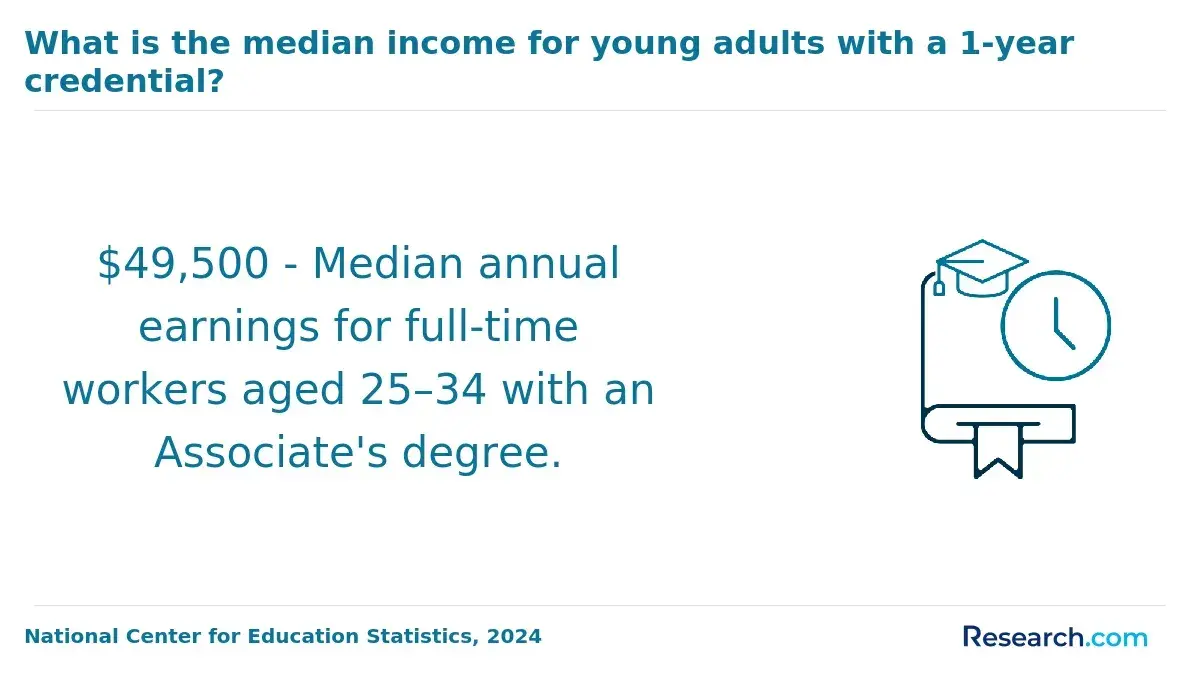
Technology Firms: These companies often top the compensation charts, offering competitive base salaries fueled by substantial revenue per employee and investor funding. Emergency management roles here focus on risk reduction within broader compliance and operational resilience teams, with pay frequently enhanced by equity awards and performance bonuses tied to company success.
Financial Services: Banks, insurers, and investment firms rank highly, emphasizing emergency management for strategic crisis response. Compensation packages combine solid base pay, bonuses, profit sharing, and often extensive retirement plans, reflecting these sectors' prioritization of risk mitigation.
Professional Services Consultancies: Consulting firms specializing in risk advisory, disaster recovery, and continuity provide attractive pay, especially mid-career. Their client-billing models support higher salaries, supplemented by perks such as travel stipends, education funding, and incentive programs.
Government Agencies: Federal and state roles tend to offer lower starting salaries but compensate with job stability, pension plans, and comprehensive health benefits. Career progression can yield steady salary increases, making total compensation meaningful beyond initial paychecks.
Nonprofit Organizations: Budget constraints lead to modest salaries and fewer monetary incentives. However, graduates may find value in mission-driven work and increased autonomy, which can offset financial limitations for some.
Compensation differences arise primarily from organizational revenue models, funding sources, and total rewards strategies. Private firms with rapid growth and high margins usually provide higher base pay. Yet total compensation packages-factoring bonuses, equity, retirement, and development-can shift overall value toward moderate-base employers offering richer benefits. Evaluating career trajectory, job security, and culture alongside salary is crucial; a higher starting salary doesn't always equate to better long-term outcomes.
Reflecting on his journey, a professional who earned an emergency management degree shared how navigating job markets felt complex. "At first, the salaries in government roles seemed low compared to tech firms, which was discouraging. But I realized stability and growth mattered more to me than immediate high pay," he said. He described the challenge of balancing passion for public service with financial needs and how mentorship and targeted internships helped clarify his priorities. "Understanding the full compensation picture-not just salary-made me more confident in choosing a path that fits my goals, even if it wasn't the highest paying upfront."
Do Large Corporations or Small Businesses Hire More Emergency Management Degree Graduates?
Employment opportunities for emergency management degree holders differ significantly by employer size, each offering unique advantages. Large companies-especially Fortune 500 corporations-tend to hire in higher volumes, providing new graduates with structured onboarding, established training programs, and clear paths for promotion. These roles usually involve specialized tasks within larger teams, offering stability but narrower scopes of work.
- Mid-Market Companies: These employers combine the benefits of scale with flexibility, often assigning broader responsibilities than large firms while maintaining some formal HR and development support. Graduates here can expect growth and varied project exposure.
- Small Businesses and Startups: Though hiring less frequently, these organizations offer rapid career advancement and engagement across multiple functions. This dynamic suits graduates seeking fast skill-building but may come with less security and fewer structured resources.
- Nonprofits and Government Agencies: Representing a significant portion of hires-particularly regionally-these employers attract those driven by community impact. Positions tend to focus on operational readiness and disaster response, often influenced by public funding cycles.
Preferences for employer size also align with emergency management specializations-large enterprises often match complex corporate security and business continuity functions, while smaller or nonprofit settings better support disaster recovery and resilience roles. Graduates should evaluate employer size within a broader framework that includes industry sector, mission, location, and growth prospects to identify the best fit. For those researching degree options and career pathways, understanding these distinctions helps in targeting internships and jobs aligned with long-term goals, similar to guidance found at anchors part-time Ph.D. in economics.
How Do Government and Public Sector Agencies Hire Emergency Management Degree Graduates?
Federal, state, and local government agencies form a key employment sector for emergency management degree holders, spanning departments such as FEMA, the Department of Health and Human Services, Environmental Protection Agency, and various state emergency response offices. These agencies operate under structured personnel systems, notably the General Schedule (GS) pay scale at the federal level, where educational background significantly influences starting grades-often GS-7 or GS-9 for degree holders in emergency management.
- Hiring Categories: Competitive service positions demand applicants follow formal, merit-based procedures including exams, while excepted service roles permit alternative hiring processes to expedite staffing for specialized needs.
- Security Requirements: Many federal roles require background investigations and security clearances, reflecting the sensitive nature of emergency-related information.
- Career Progression: Advancement is typically regimented with time-in-grade benchmarks and formal performance reviews, offering predictable but sometimes slower upward mobility compared to private companies.
- Compensation and Benefits: Public sector jobs generally provide greater job stability, comprehensive health coverage, defined-benefit pensions, and paid leave, though often with more modest salary growth.
At the state and local level, emergency management employment follows similar credentialing and merit-based norms, though hiring protocols may align with civil service or local government guidelines. Programs such as FEMA's Pathways and Department of Homeland Security fellowships create structured entry points for recent graduates, offering training, mentorship, and long-term career development.
One emergency management professional, reflecting on her journey, described the federal hiring process as both challenging and rewarding. She noted the complexity of navigating competitive applications and assessments-"It was a test of patience and persistence"-but valued the clear structure and support offered once onboard. She appreciated how the public sector emphasized mission-driven work over rapid salary increases, sharing that "knowing my role contributes to public safety and resilience makes the slower advancement worthwhile." Her experience underscores the importance of understanding government hiring's unique rhythm to build a sustainable emergency management career.
What Roles Do Emergency Management Graduates Fill in Nonprofit and Mission-Driven Organizations?
Graduates with an emergency management degree frequently fill critical roles in nonprofit and mission-driven organizations-where their expertise supports disaster preparedness, risk reduction, and community recovery efforts. These roles address varied challenges such as public health crises, natural disaster response, homelessness, refugee assistance, and climate adaptation projects.
- Program Areas: Graduates contribute to initiatives like disaster education, crisis recovery planning, and community resilience-building, often centered on vulnerable populations and emergency readiness.
- Organizational Types: Nonprofits employing these professionals include national organizations like the American Red Cross, faith-based relief groups, and grassroots community agencies. Staff often consist of emergency planners, logistics managers, and program coordinators who execute mission-driven strategies.
- Functional Roles: Positions go beyond frontline response to encompass grant writing, volunteer management, stakeholder collaboration, advocacy, and data-driven decision support. Leadership in training, risk communication, and analytical roles is common.
- Scope and Versatility: Compared to private sector roles, nonprofit jobs demand broader cross-functional responsibilities due to smaller teams. This environment sharpens diverse skills quickly-beneficial for early-career growth-although salary progression may lag behind corporate equivalents.
- Compensation and Culture: While nonprofit pay scales are often lower, they offer distinctive non-monetary benefits including alignment with social causes, tangible community impact, and eligibility for Public Service Loan Forgiveness (PSLF), which partially compensates for income differences.
- Mission-Driven For-Profit Sector: A growing employment niche includes certified B Corporations, social enterprises, and impact startups, blending business practices with social goals. These organizations attract emergency management graduates seeking meaningful work with more competitive earnings than typical nonprofits.
- Career Considerations: Prospective employees should balance trade-offs between nonprofit mission focus with modest compensation and mission-driven for-profits offering greater upward mobility and pay. Early care leadership opportunities often come faster in nonprofits, while for-profit mission settings present longer-term financial benefits.
How Does the Healthcare Sector Employ Emergency Management Degree Graduates?
The healthcare sector employs emergency management degree graduates across a diverse set of organizations and roles-reflecting the sector's complex demands for preparedness, response, and recovery. According to BLS Occupational Employment and Wage Statistics alongside NCES data, key employers include hospital systems, insurance carriers, pharmaceutical companies, public health agencies, and rapidly expanding health tech startups focused on data-driven solutions for crisis management.
- Hospital Systems: Graduates contribute in emergency preparedness coordination, risk assessment, and operational continuity planning to ensure resilience during disasters or pandemics.
- Insurance Carriers: Roles concentrate on risk modeling, claims response planning, and navigating healthcare emergency regulations.
- Pharmaceutical Companies: Positions involve supply chain resilience and regulatory coordination to maintain drug availability in crises.
- Public Health Agencies: Specialists engage in policy research, public communication strategies, and outbreak response coordination.
- Health Tech Startups: Employers develop technologies advancing data analysis, real-time incident tracking, and emergency communication platforms.
Emergency management competencies that drive demand in healthcare include data analysis, operations management, strategic communication, policy research, financial management, and behavioral science applications. Graduates should assess which skills align best with healthcare needs to target suitable roles effectively.
Many healthcare positions require certifications or licenses beyond an emergency management degree-such as Certified Healthcare Emergency Professional (CHEP) credentials or HIPAA compliance expertise. Candidates must evaluate the credentialing and regulatory requirements of target roles before applying.
Healthcare employment remains resilient through economic cycles, with fast growth notably in public health agencies and health tech startups. Concentrating job searches in these expanding sub-sectors can maximize career opportunities for emergency management graduates.
Which Technology Companies and Sectors Hire Emergency Management Degree Graduates?
Technology companies increasingly value emergency management degree graduates for their ability to handle complex risk scenarios, crisis response, and resilience planning. This demand spans companies where technology and public safety intersect and organizations relying heavily on continuity.
- Technology Firms as Employers: Large tech companies recruit emergency management graduates for disaster recovery in data centers, cybersecurity incident response, and product management focused on resiliency in software and hardware.
- Technology Functions within Non-Tech Organizations: Many graduates secure roles in IT and technology departments of firms outside the pure tech sector, contributing to digital transformation, IT governance, and technology adoption to maintain business continuity during disruptions. This distinction clarifies the two career pathways into tech-adjacent roles.
- Skills-Based Hiring Trends: The technology sector's move toward valuing cross-disciplinary skills and embracing remote work has broadened opportunities for emergency management professionals without traditional technical degrees. Soft skills like crisis communication, problem-solving under pressure, and regulatory compliance complement technical competencies.
- High-Demand Tech Subsectors: Accelerated demand for emergency management expertise is evident in several subsectors:
- Health Tech: Managing risks involving patient data and system outages during health emergencies.
- Fintech: Mitigating risks in financial platforms, fraud detection, and compliance.
- Climate Tech: Addressing environmental hazards with data analytics and resilience frameworks.
- AI-Adjacency: Supporting ethical governance and autonomous systems' risk assessment.
- Effective Positioning: Entry points into tech roles often include internships combining disaster preparedness with technology, certifications in risk or cybersecurity, and portfolios highlighting interdisciplinary problem-solving. Demonstrating adaptability alongside emergency management and technical skills is vital.
Emergency management graduates exploring which technology companies hire emergency management degree graduates should consider the sector's evolving hiring landscape, shaped by skills-based models and remote work trends. Opportunities exist both within core tech businesses and technology functions of other industries.
As technology sectors employing emergency management professionals expand, candidates may enhance their prospects by combining their emergency management expertise with focused certifications or hands-on experience. For those exploring educational pathways, community college students and career changers can also benefit by reviewing degree options carefully-for example, an office administration college program might serve as an accessible transfer step for complementary skills development.
What Mid-Career Roles Do Emergency Management Graduates Commonly Advance Into?
Mid-career roles for emergency management degree graduates typically develop between five and ten years into their careers-marking a shift from foundational responsibilities to leadership and specialized functions. Insights from the Bureau of Labor Statistics (BLS) occupational wage percentiles, LinkedIn career progression data, and NACE alumni reports reveal consistent patterns in how professionals advance within this timeframe.
- Title Progression: Graduates frequently transition from entry-level positions such as emergency management coordinator or analyst to titles like emergency management specialist, program manager, and mid-level director roles. Depending on the industry, some move into niche roles like risk manager or continuity planner, illustrating diverse pathways that align with organizational priorities.
- Functional Leadership: Many mid-career professionals lead teams or direct projects focused on response strategies, recovery efforts, or training initiatives. Leadership positions vary widely-from supervising local emergency response units to serving as chief of emergency preparedness-requiring not only practical experience but also advanced organizational and communication skills.
- Specialization Paths: Specializations frequently emerge in areas such as cybersecurity disaster preparedness, public health emergency response, and critical infrastructure protection. These advanced roles for emergency management graduates in the United States continue to grow in relevance, especially within government agencies and large corporations.
- Credential Development: Advancement relies heavily on acquiring professional certifications such as Certified Emergency Manager (CEM), alongside credentials in project management and public administration. Many also pursue graduate degrees in public safety, homeland security, or business administration to enhance leadership potential and technical expertise.
- Industry-Dependent Trajectories: Graduates starting in large enterprises tend to follow structured promotion ladders with incremental managerial leaps. By contrast, those launching careers in startups or smaller agencies often navigate more lateral and self-directed trajectories, necessitating deliberate skill-building and networking to progress.
Those exploring related fields might also consider pursuing a health and human services degree as a complementary credential, broadening their skill set and employment prospects.
How Do Hiring Patterns for Emergency Management Graduates Differ by Geographic Region?
Major metropolitan centers-such as Washington D.C., Los Angeles, and New York-dominate employment for emergency management degree graduates by offering both high job volume and competitive salaries. These urban areas benefit from dense federal agencies, universities with crisis research programs, healthcare systems, and disaster response organizations that collectively drive robust demand for candidates with comprehensive academic credentials.
Mid-tier cities like Charlotte, Austin, and Denver provide balanced opportunities with moderate hiring volume and salaries. These regions blend public agencies with expanding private sectors-including technology and energy firms-that invest in risk mitigation and emergency planning roles.
Smaller and rural markets typically offer fewer job openings but often prioritize applicants with focused certificate or bootcamp training for operational positions in local emergency services and public health departments.
- Remote Work Impact: Since 2020, an increase in remote and hybrid positions has expanded access to well-paying emergency management jobs beyond traditional hotspots, benefiting candidates in lower-cost areas while raising nationwide competition.
- Salary Drivers: Salaries correlate strongly with the presence of federal agencies, disaster research centers, and tech-oriented emergency planning in metropolitan hubs.
- Hiring Volume: Urban centers sustain higher job throughput, aiding quicker placement for degree holders entering the field.
- Career Planning: Graduates with relocation flexibility should target high-demand markets to accelerate salary growth and job acquisition, whereas those limited to certain locations should cultivate connections with local public sector, healthcare, or utility employers who regularly recruit emergency management professionals.
LinkedIn data from 2023 reveals a 15% year-over-year rise in remote emergency management job listings, highlighting the growing importance of geographic strategy in career development.
What Role Does Internship Experience Play in How Employers Hire Emergency Management Graduates?
Internship experience strongly influences hiring outcomes for emergency management degree graduates, affecting job offer rates, starting salaries, and speed of employment. Data from the NACE Internship and Co-op Survey reveal that graduates with field-related internships are far more likely to secure positions and command better pay than peers lacking such practical exposure. Employers prioritize internships as indicators of job readiness and essential skills, which enhances graduates' immediate value in the workforce.
The prestige of an internship employer further elevates its impact-placements at recognized organizations in the emergency management sector boost both initial hiring success and long-term career growth. Such internships communicate a graduate's professionalism, work ethic, and cultural alignment with industry standards, effectively increasing the degree's worth by establishing early credibility and opening pathways to advanced roles.
Access to high-quality internships is uneven across demographics-students from lower socioeconomic backgrounds, institutions with limited employer connections, and regions with fewer local opportunities face significant challenges. These barriers restrict exposure to influential employers and reduce hiring success, but solutions like virtual internships, co-op programs, and employer diversity initiatives help to address these disparities and expand opportunities.
Students should prioritize securing internships early, ideally starting applications in their sophomore or junior year. Effective strategies include targeting reputable emergency management organizations, utilizing university career centers, alumni networks, and faculty referrals. According to recent NACE data, nearly 65% of employers consider internship experience the top hiring factor for entry-level roles-highlighting its critical importance in shaping career trajectories.
- Impact: Internship completion greatly increases job offer likelihood and starting salaries.
- Quality: Prestigious internships enhance career prospects and employer perceptions.
- Access: Economic and geographic factors limit opportunities for some students.
- Solutions: Virtual internships and diversity recruiting help reduce access barriers.
- Strategy: Early applications and leveraging networks improve placement success.
What Graduates Say About the Employers That Hire Emergency Management Degree Graduates
- Raul: "Graduating with a degree in emergency management opened my eyes to a variety of industries that rely heavily on skilled professionals-from government agencies to private sector firms specializing in disaster recovery. I found that many employers favor candidates who are ready to fill roles in planning, operations, and public safety coordination. Interestingly, there seems to be a strong hiring emphasis in urban and coastal regions, which face greater climate risks and thus have more frequent need for emergency management expertise."
- Elisha: "Reflecting on my journey, I realized that the types of organizations hiring emergency management graduates are incredibly diverse-non-profits, federal entities, and even international aid organizations all play a part. I noticed that hiring patterns often focus on versatile candidates who can adapt between on-the-ground crisis response and strategic policy development. From my experience, the geographic markets with the most opportunity are regions prone to natural disasters, especially in the southern and western United States."
- Michael: "My background in emergency management has given me a clear view of how employers prioritize professionals who can navigate both public sector agencies and corporate risk management departments. There is a steady demand across public health sectors, emergency services, and infrastructure firms-each with unique role expectations ranging from tactical response to long-term resilience planning. I've also seen that while nationwide hiring exists, there's a distinct concentration in metropolitan areas and states with active disaster preparedness programs."
Other Things You Should Know About Emergency Management Degrees
Graduate degree holders in emergency management generally have an advantage in the hiring process compared to bachelor's graduates. Employers often value the advanced knowledge and leadership skills that come with a master's or doctoral degree. These graduates are more likely to be considered for mid-level and senior roles that involve planning, policy development, and coordination across agencies.
Employers in emergency management pay close attention to practical experience showcased through portfolios and extracurricular activities. Internships - especially with government agencies or nonprofit disaster response organizations - provide tangible proof of applied skills. Volunteer work, training certifications, and participation in simulation exercises also strengthen candidates' profiles.
In 2027, emergency management degree graduates find opportunities primarily within government agencies, healthcare facilities, and non-profit organizations. Common roles include emergency management specialist, disaster recovery coordinator, and public safety director. There's a strong demand for expertise in disaster preparedness and crisis response, reflecting societal needs.
Diversity, equity, and inclusion (DEI) initiatives are increasingly influential in shaping hiring practices within emergency management. Agencies and organizations are actively seeking candidates who bring diverse perspectives and cultural competencies, as these qualities enhance community outreach and crisis communication effectiveness. DEI efforts also contribute to creating more equitable recruitment and advancement pathways in the field.
References
- 6 Most Common Emergency Management Careers https://www.nrep.org/blog/common-emergency-management-careers
- What Can You Do with an Emergency Management Degree? Salary & Career Info https://www.publicservicedegrees.org/what-can-you-do/emergency-management/
- Seven Jobs You Can Do with a Degree in Emergency Management and Homeland Security https://www.albany.edu/graduate/news/2025-seven-jobs-you-can-do-degree-emergency-management-and-homeland-security
- 10 Best Emergency Management Fields https://www.drury.edu/business/management-major/10-best-emergency-management-fields/
- Ontario Association of Emergency Managers https://oaem.ca/news_manager.php
- How to Become an Emergency Management Specialist https://www.publichealthdegrees.org/careers/emergency-management-specialist/
- Emergency Management Career | Degree and Licensing Paths https://www.publichealthonline.org/emergency-management-career/
- Emergency Management Jobs for College Graduates | Top 5 | CSU-Global https://csuglobal.edu/blog/top-5-emergency-management-jobs-college-graduates
- Are Emergency Management Graduates Finding Jobs? https://www.govtech.com/em/disaster/Emergency-Management-Graduates-Jobs.html
- Jobs for Former Military - Opportunities in Emergency Management https://www.tidalbasingroup.com/jobs-for-former-military-opportunities-in-emergency-management/


