2027 Which Industries Offer the Best Career Paths for Crime Analysis Degree Graduates?

Co-Founder and Chief Data Scientist
Imagine entering a field where compensation varies widely and workplace culture can make or break career satisfaction-this is the reality for many crime analysis degree graduates. While some sectors offer steady growth and clear advancement paths, others struggle with high turnover and stagnant wages. According to the Bureau of Labor Statistics, crime analysts in government roles earn a median annual salary 15% higher than those in private security firms, highlighting disparities tied to industry choice.
This article explores which industries provide the best blend of salary, stability, career progression, and supportive environments-helping graduates make informed decisions for long-term success.
Key Things to Know About the Industries That Offer the Best Career Paths for Crime Analysis Degree Graduates
- Law enforcement agencies offer competitive salaries-median wages exceed $70,000 annually-and robust advancement, with many roles supporting remote analytics to enhance work-life balance.
- Private sector firms, including security consultancies, provide greater compensation stability and emphasize professional development for Crime Analysis graduates adapting to evolving threats.
- Federal government positions value workplace culture centered on mission alignment and offer extensive licensure and training programs, though promotion timelines are often structured and formalized.
Which Industries Offer the Highest Starting Salaries for Crime Analysis Degree Graduates?
Among the highest starting salaries for crime analysis degree graduates in the United States, several industries consistently stand out according to recent Occupational Employment and Wage Statistics. These sectors combine economic strength, specialized skill demands, and organizational priorities that drive pay premiums-ranging from advanced technical expertise to labor shortages and critical mission alignment.
- Federal Government: Federal agencies generally offer the highest starting salaries because crime analysts support national security and intelligence work. The need for specialized analytical skills, security clearances, and counterterrorism expertise elevates compensation, reflecting both the sensitivity of assignments and a scarcity of cleared professionals.
- Private Security and Risk Management: Companies in this industry provide competitive pay to analysts whose work directly protects assets and mitigates financial losses. Skills in fraud detection and cybersecurity-related crime are especially valued, driving higher starting wages tied to profit preservation and risk reduction.
- Law Enforcement Agencies (State and Local): While pay in many state and local agencies remains moderate, metropolitan areas often offer elevated starting rates due to urban crime complexities and increased funding. These boosts also respond to labor shortages and investments in data-driven policing strategies.
- Consulting Firms Specializing in Criminal Justice: These firms rely on crime analysis for advisory roles across government and private clients. Project-based demand and the requirement for sharp analytical and client-facing skills support above-average earnings.
- Healthcare and Insurance Sectors: Crime analysts focusing on fraud detection and regulatory compliance earn premiums, driven by the growing complexity of healthcare fraud and stringent industry requirements.
- Financial Services and Banking: Involved in anti-money laundering and fraud prevention, analysts in this sector receive competitive pay informed by rapid digitization and regulatory pressures demanding precise data skills.
- Information Technology and Cybersecurity Firms: The rise in cybercrime creates strong demand for crime analysts skilled in crime pattern recognition and technical threat intelligence, resulting in above-average starting salaries due to market shortages for these hybrid abilities.
Understanding these top-paying industries is just one dimension in assessing career paths for crime analysis graduates. Factors such as advancement potential, sector stability, remote work opportunities, and personal mission alignment also critically shape long-term success. For those interested in exploring online degrees that pay well as a starting point, resources like online degrees that pay well offer valuable guidance.
What Are the Fastest-Growing Industries Actively Hiring Crime Analysis Graduates Today?
Several industries stand out as fast-growing employers actively seeking crime analysis graduates-driven by economic shifts, technological advances, and evolving regulatory landscapes.
- Law Enforcement and Public Safety: This sector expands steadily due to growing public demand for data-driven policing and community safety initiatives. Enhanced predictive analytics and real-time crime mapping transform how agencies allocate resources, making crime analysts essential to operational success.
- Cybersecurity and Information Technology: Rising cybercrime threats and ongoing digital transformation heighten demand for crime analysis talent within IT firms, particularly those specializing in security intelligence and fraud prevention. The complex technological environment and regulatory compliance needs create structural, long-term workforce growth here.
- Healthcare and Social Services: Increasing recognition of links between social determinants and crime drives demand for analysts supporting prevention programs targeting mental health, substance use, and domestic violence. Growth in this industry is further fueled by aging populations and expanded community outreach efforts.
- Financial Services: Regulatory changes aimed at curbing financial crimes like money laundering and fraud boost demand for crime analysts in banks, insurance providers, and regulatory agencies. Advances in digital payments amplify the sector's analytical requirements, making this a sustainable growth area.
- Transportation and Infrastructure Security: Investments in protecting critical infrastructure-including ports, transit systems, and utilities-are propelled by climate resilience and terrorism concerns, creating continuous demand for crime analysis graduates. Both public and private sectors are enhancing surveillance and risk assessment capabilities to address emerging threats.
Industries such as construction and energy often experience cyclical hiring surges tied to specific projects, which rarely lead to sustained demand for crime analysts. By contrast, sectors emphasizing data-driven risk management and regulatory compliance-like cybersecurity and financial services-show structurally sustainable growth. Those mapping fastest-growing crime analysis careers in the United States should weigh each industry's trajectory alongside factors such as professional development, mission alignment, and remote work options.
For students or professionals considering a career pivot, pursuing an accelerated bachelor's degree psychology can complement crime analysis credentials by deepening understanding of behavioral drivers behind crime trends, enhancing their relevance across these industries.
How Does Industry Choice Affect Long-Term Earning Potential for Crime Analysis Professionals?
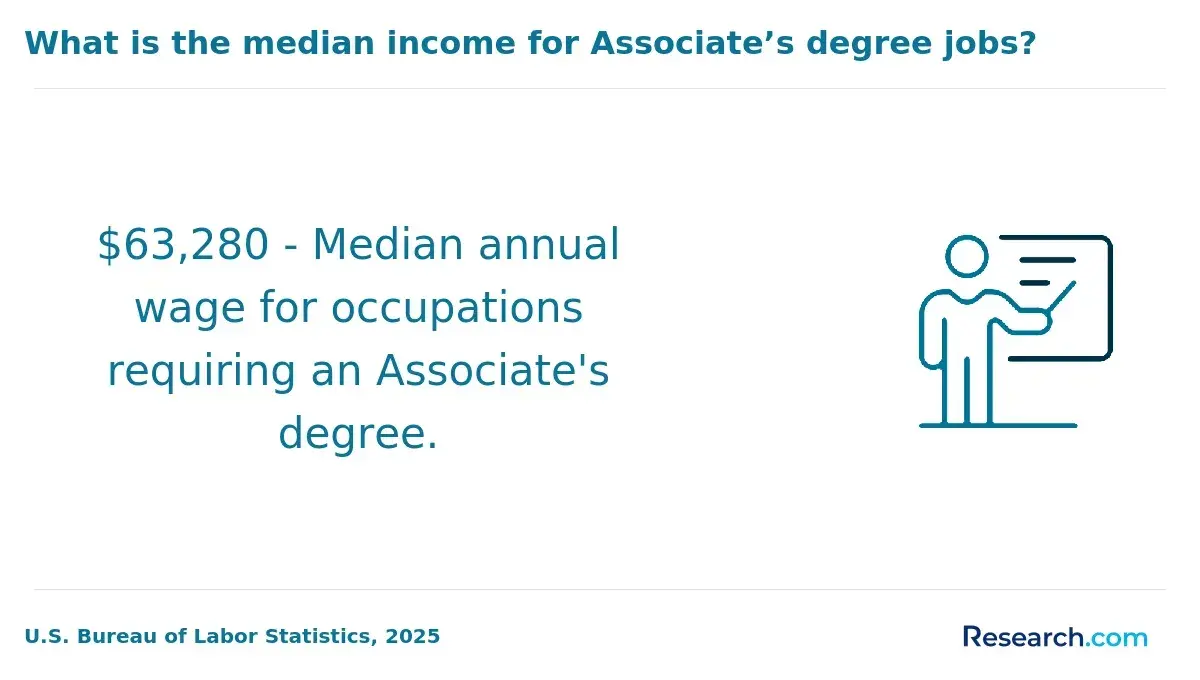
Growth Industries: Technology companies, cybersecurity firms, and federal law enforcement agencies often show significant salary increases over a 10 to 15-year period-sometimes doubling or tripling initial pay. These sectors frequently offer additional incentives like performance bonuses and equity awards, which considerably boost overall compensation beyond base salary.
- Wage Compression: Careers in local or municipal law enforcement tend to have narrower salary ranges. Advancement and raises are tied closely to fixed pay scales and collective bargaining agreements, resulting in steady but limited growth regardless of experience or individual effort.
- Incentive Programs: Corporate roles in private security and risk management commonly feature profit-sharing plans and bonuses tied to company performance. These financial perks can create meaningful income gaps among employees with similar base pay across different industries.
- Professional Advancement: Industries that invest in ongoing training and certifications enable employees to climb into higher-level roles more quickly, which positively impacts earnings. In contrast, sectors with minimal professional development support may restrict career progression and salary increases.
- Remote Work Flexibility: Some workplaces offer remote or hybrid schedules, enhancing job satisfaction and retention. This flexibility can indirectly support steady salary growth by reducing turnover and promoting longer tenure.
A professional who earned a crime analysis degree shared his journey navigating these industry differences. He described how early on he faced uncertainty about which sector would offer the best long-term prospects. "I initially focused on entry-level pay but soon realized that some industries capped growth, which was disheartening," he recalled. After seeking mentorship and comparing options, he chose a federal agency role that emphasized training and performance rewards. He emphasized, "The career path wasn't always smooth-there were slow periods and tough competition-but the investments in my skills paid off over time." This experience highlights how thoughtfully selecting an industry shapes the trajectory of a crime analysis career well beyond the starting salary.
Which Industries Provide the Most Stable and Recession-Proof Careers for Crime Analysis Graduates?
During economic downturns such as the 2008 financial crisis and the 2020 COVID-19 disruption, graduates with a crime analysis degree found most stability in government and public safety sectors. These areas-ranging from local law enforcement to federal agencies like the FBI-have maintained consistent demand due to their essential role in public security. This resilience highlights why stable and recession-proof careers for crime analysis graduates are often rooted in the public sector.
Healthcare: Roles in fraud detection within healthcare and insurance prove relatively insulated from macroeconomic shocks. The critical nature of these services ensures continued investment, though career progression may require cross-disciplinary expertise.
Government: Public safety agencies not only offer predictable advancement tied to certifications and tenure but also increasingly support remote analytical positions through secure technology platforms.
Private Sector Volatility: Financial services and cybersecurity sectors offer lucrative opportunities but tend to face more hiring fluctuations during recessions. These industries demand specialized licenses-such as in finance or information security-which can create barriers for some candidates. Graduates weighing industry stability must consider their tolerance for risk versus the appeal of higher compensation.
Professional Development: Agencies that invest heavily in ongoing training enable crime analysis professionals to build resilience and adapt to changing threat landscapes. This continuous learning often aligns with social impact goals, appealing to those who seek meaningful work beyond salary alone.
Trend: The demand for crime analysis professionals in intelligence and national security remains strong and even countercyclical, supported by sustained public funding and increased reliance on data-driven decision-making.
Key factors include licensing, remote work availability, and mission alignment-elements that define the most resilient industries for crime analysis professionals over time.
For those exploring their career options, combining these insights with practical research-such as programs offering a construction management degree online accredited-can enhance strategic planning and adaptability.
What Role Does the Private Sector Play in Shaping Career Paths for Crime Analysis Degree Holders?
Crime analysis graduates find diverse opportunities in the private sector-from established Fortune 500 firms to nimble startups-each with distinct expectations and cultures.
- Technology Industry: The tech industry recruits analysts for cybersecurity, fraud prevention, and risk assessment, with companies like IBM and Palantir offering dynamic, innovation-driven environments and performance-focused rewards.
- Financial Services: Institutions such as JPMorgan Chase and Allstate emphasize precise, outcome-based work detecting financial crimes, often pairing higher base pay with performance bonuses.
- Consulting and Risk Management: Firms like Deloitte and Kroll use crime analysis expertise to advise businesses on security threats and corporate investigations, demanding travel and client engagement alongside meritocratic but intense advancement.
- Retail and E-commerce: Giants including Walmart and Amazon apply crime analysis to combat theft and cyber risks, promoting flexible work settings and fast-paced, results-oriented cultures that blend operational management and specialized analysis tracks.
Compared to public-sector roles, private employers typically offer faster promotions tied closely to measurable impact, alongside compensation packages that may include performance incentives and stock options, especially at startups. Work environments range widely from formal corporate offices to flexible, remote-friendly settings, with startups often valuing creativity and autonomy.
A professional who launched her career after earning a crime analysis degree reflected on her transition into the private sector. She recalled the initial challenge of adapting to a culture focused intensely on metrics and rapid results, contrasting sharply with her academic experience. "It was a steep learning curve-figuring out how to translate analytical insights into actionable business decisions and demonstrating tangible impact quickly," she shared. Over time, she found this environment rewarding, appreciating the emphasis on innovation and the clear pathways for advancement. Her experience highlights how thriving in private-sector roles often requires balancing analytical rigor with agility and proactive communication, a skill set honed but expanded beyond the classroom.
How Do Public Sector and Government Agencies Compare to Private Employers for Crime Analysis Graduates?
Public sector roles in crime analysis typically follow well-defined civil service frameworks, with clear grade progressions especially within federal, state, and local agencies such as the FBI, Department of Homeland Security, and various police departments. These organizations often provide structured career ladders that start at entry-level analyst positions and extend to supervisory and specialized roles.
- Career Structure: Government positions offer predictable pathways through standardized job classifications, helping professionals anticipate promotion milestones and role expectations.
- Compensation Model: Federal pay scales-like the General Schedule-establish salary limits that can restrict income growth compared to private-sector roles. However, public jobs compensate with robust benefits, notably defined-benefit pension plans and comprehensive health coverage, which private firms rarely match.
- Advancement Opportunities: Advancement in government tends to be steady but often slower due to formal promotion procedures and fewer openings. Private sector employers may reward faster growth and merit-based pay hikes but usually provide less job security and fewer retirement benefits.
- Unique Government Advantages:
- Access to loan forgiveness programs targeting public service careers
- Strong protections against arbitrary layoffs ensuring job stability
- Agency-funded professional development resources
- Alignment with public safety missions that enhance job fulfillment for community-oriented professionals
- Trade-Offs: Candidates seeking higher initial salaries might prefer private companies, while those prioritizing long-term stability and benefits might lean towards government service despite slower promotion and salary ceilings.
- Recent Trend: Employment in crime analysis within government agencies is projected to grow by 8% over the next decade, outpacing average occupational growth and reflecting ongoing demand for analytical expertise in law enforcement and public safety.
Which Industries Offer the Clearest Leadership and Advancement Pathways for Crime Analysis Professionals?
Graduates with a crime analysis degree find some industries particularly promising for career growth-offering clear paths from entry-level roles to senior management and executive positions within ten to fifteen years. This trajectory is crucial for professionals seeking long-term advancement beyond initial employment.
Public Safety and Law Enforcement: This sector is the leading employer for crime analysis graduates, known for its structured, merit-based promotion systems.
- Established Hierarchies: Police departments and federal agencies frequently advance analysts to supervisory, director, and chief analyst roles.
- Professional Development: These organizations invest heavily in certification and specialized training, including advanced investigative techniques.
- Graduate Education Impact: Degrees such as an MBA focused on public administration or a master's in criminal justice enhance leadership readiness by building management and strategic planning skills.
Private Security and Risk Management: Corporations and consulting firms utilize crime analysis talents in corporate security and threat assessment with clear leadership ladders.
- Meritocratic Advancement: Careers progress from analyst to risk manager, then to security director positions.
- Cross-Disciplinary Benefits: MBAs specializing in risk management or cybersecurity significantly accelerate promotion into high-responsibility leadership roles.
Intelligence and National Security: This sector's government-backed standards ensure transparent advancement from analyst roles to unit chief or program director within 10 to 15 years.
- Leadership Progression: Structured career ladders support elevation to senior leadership positions.
- Advanced Degrees: Master's degrees in security studies or international relations complement experience, facilitating leadership entry.
Recent Trend: Crime analysis positions in the private sector have expanded by over 12% in the past five years, reflecting substantially increased demand and enhanced opportunities outside traditional public safety roles.
What Emerging and Technology-Driven Industries Are Creating New Demand for Crime Analysis Skills?
Emerging and technology-driven industries are reshaping demand for crime analysis skills--inviting graduates to explore beyond traditional law enforcement roles. These sectors leverage advanced data analytics and interdisciplinary expertise, creating new opportunities where crime analysis competencies are critical in high-growth environments.
- Artificial Intelligence: AI-driven industries seek crime analysis professionals skilled in pattern recognition and predictive modeling to counter cybersecurity threats and fraud. Expertise in machine learning, data mining, and risk assessment is prized as companies face increasingly sophisticated digital crimes. Upskilling in AI tools, programming languages like Python, along with certifications such as Certified Information Systems Security Professional (CISSP), can significantly enhance employability.
- Clean Energy: Though less obvious, clean energy firms emphasize regulatory compliance and asset protection-areas where crime analysis professionals excel at mapping criminal networks and analyzing risk. Knowledge of physical and digital security risks across infrastructure, supplemented by training in environmental regulations, positions graduates for success.
- Biotechnology: This sector faces intellectual property theft and regulatory challenges. Crime analysis graduates with forensic data analysis skills and supply chain crime investigation experience are increasingly in demand. Familiarity with biotech industry standards and laboratory security protocols supports strong job placement prospects.
- Advanced Manufacturing: Industry 4.0 introduces cyber-physical threats and intellectual property risks. Crime analysis competencies in data-driven threat assessment and insider threat detection align with these evolving security needs. Additional knowledge of industrial control systems and compliance enhances career trajectories.
- Digital Health: The growth of telehealth and electronic health records presents new vulnerabilities. Experts in healthcare fraud, identity theft, and regulatory compliance protect patient data and build safer digital environments. Complementary skills in health information privacy laws and digital forensics are highly valued.
Graduates aiming to enter these fields should pursue targeted certifications-such as Certified Fraud Examiner (CFE)-and consider graduate studies blending crime analysis with data science or cybersecurity. While these emerging technology sectors driving demand for crime analysis skills offer higher salaries and cutting-edge workstreams, they also entail risks due to evolving technologies and shifting regulations. Evaluating an industry's maturity, market demand, and personal mission alignment can help graduates make informed career decisions that balance risk and reward.
For those exploring further education options that complement a career in crime analysis, considering online MBA programs no GMAT low cost may provide valuable business and leadership skills to navigate these interdisciplinary roles effectively.
Advanced data analytics careers in crime analysis are integral to thriving in these sectors, requiring continuous professional development and adaptability to complex, technology-driven challenges.
How Do Nonprofit and Mission-Driven Organizations Compare as Career Options for Crime Analysis Graduates?
Nonprofit, social enterprise, and mission-driven organizations offer promising career paths for crime analysis graduates who prioritize purpose alongside professional development. These roles-common in social justice nonprofits and advocacy groups-emphasize societal impact, which many find rewarding beyond traditional earnings.
Key factors in assessing nonprofit career paths for crime analysis graduates include:
- Compensation: Salaries in nonprofit crime analysis roles typically trail those in private sector and specialized government positions. Data from nonprofit compensation surveys show entry-level wages start modestly but tend to rise steadily with experience.
- Benefits And Incentives: Nonprofits often provide robust benefits-such as health insurance, flexible work schedules, and paid time off-that may balance lower base pay. A critical financial advantage is eligibility for the Public Service Loan Forgiveness (PSLF) program. This federal initiative forgives remaining student debt after ten years of qualifying payments while employed by a nonprofit or public service organization, significantly improving overall compensation over time.
- Career Advancement: While nonprofit advancement paths may lack the rigid hierarchies seen in corporate settings, opportunities exist to lead in program development, policy advocacy, and cross-sector collaboration. Many mission-driven organizations are increasing investments in professional development-supporting certifications and continuing education to retain skilled crime analysis professionals.
- Mission Alignment And Workplace Culture: Employees often highlight strong value alignment and collaborative, inclusive cultures as key sources of job satisfaction. For graduates exploring mission-driven organizations crime analysis job opportunities, these factors can drive long-term engagement and fulfillment.
- Non-Monetary Benefits: Beyond salary, the chance to influence community safety and foster systemic change represents a unique reward. Many employees find these intangible benefits-meaningful work and community impact-worth potential financial trade-offs.
Graduates navigating the decision to pursue nonprofit career paths for crime analysis graduates should weigh immediate salary expectations against benefits, loan forgiveness, and mission-related fulfillment as integral parts of the total career value.
For a comparison of compensation trends in related fields, consider resources like the SLP salary data, which illustrate how purpose-driven professions often balance financial and intrinsic rewards.
Which Industries Support the Most Remote and Flexible Work Arrangements for Crime Analysis Degree Holders?
Industries emphasizing digital workflows and secure data access-such as cybersecurity firms, consulting agencies, and federal government departments-offer the greatest flexibility for crime analysis professionals to work remotely or in hybrid arrangements. These sectors leverage advanced technology infrastructures that facilitate secure communication regardless of location, supporting flexible schedules essential for many modern workers.
In contrast, traditional law enforcement and local government roles tend to mandate on-site presence to coordinate closely with field units and respond promptly to incidents. Such positions often restrict remote work possibilities but may offer structured career advancement tied to physical office or precinct-based environments.
Remote work options broaden geographic reach for crime analysis graduates, enabling them to pursue higher salary opportunities typical of metropolitan areas while residing in lower-cost regions. This spatial flexibility can improve overall financial wellbeing and work-life balance by decoupling compensation from location-dependent expenses.
- Industry Compatibility: Cybersecurity, consulting, and federal agencies support greater remote work due to their digital platforms and security protocols.
- In-Person Requirements: Local law enforcement and certain state agencies prioritize physical presence, limiting remote flexibility.
- Salary Accessibility: Remote positions allow analysts to obtain competitive urban salaries while living in more affordable areas.
- Workforce Trend: Approximately 58% of federal analysts currently benefit from hybrid or fully remote work setups, reflecting evolving employer policies.
- Job Search Strategy: Candidates should assess remote work policies by reviewing job listings carefully and posing specific questions during interviews to negotiate flexible options successfully.
How Do Industry-Specific Licensing and Certification Requirements Affect Crime Analysis Career Entry?
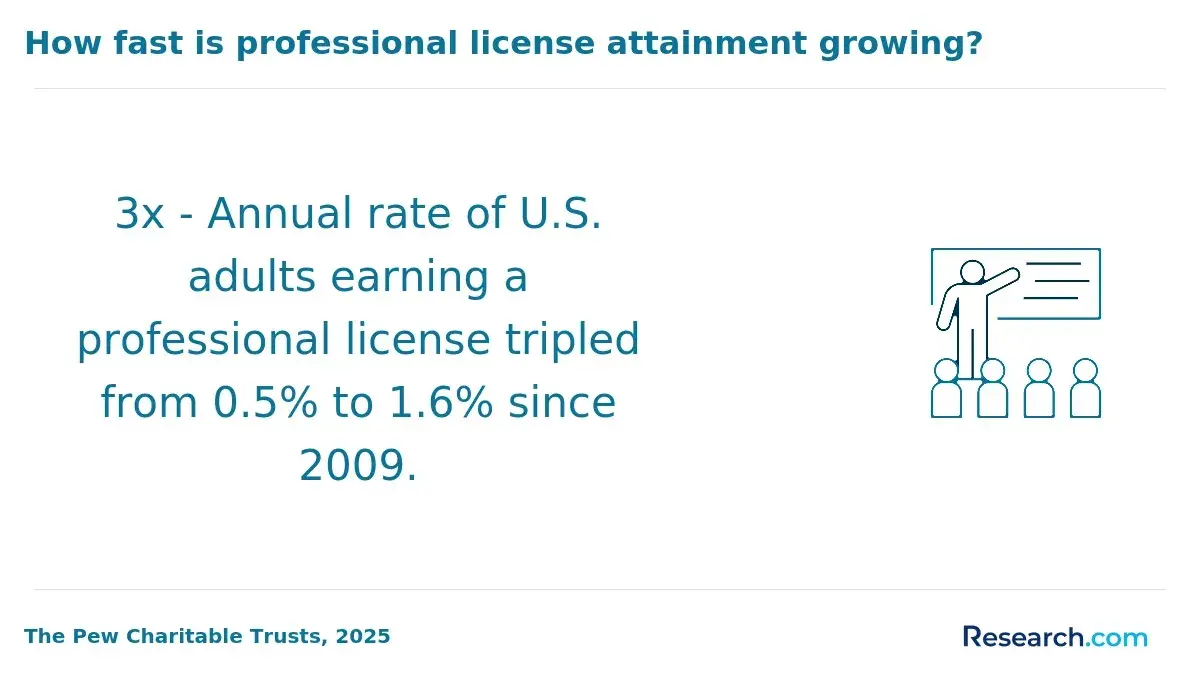
Regulatory Barriers: Careers in law enforcement-across federal, state, and local levels-frequently demand stringent licensing, comprehensive background checks, and sometimes completion of academy training. Specialized certifications like the International Association of Crime Analysts (IACA) Certified Crime Analyst credential or law enforcement-specific certifications are often prerequisites. Fields such as healthcare, corrections, and judiciary-related positions may also require added licensing tied to security clearances or professional standards.
Accessible Entry: Private-sector jobs in cybersecurity and security consulting commonly emphasize professional certifications, including the Certified Information Systems Security Professional (CISSP), rather than formal licensing. These areas typically allow for quicker employment opportunities post-degree, although holding such credentials can enhance career growth.
Certification Advantages: Earning industry-recognized credentials that go beyond required licenses helps candidates stand out by signaling dedication, expertise, and current knowledge. This often leads to faster hiring decisions and better chances of promotion-especially in competitive public safety roles where credentials from organizations like the IACA or the National Crime Prevention Council carry significant influence.
Dynamic Requirements: Licensing and certification standards continuously evolve alongside legal, technological, and policy shifts. Prospective crime analysis professionals should regularly consult licensing bodies and relevant associations to confirm up-to-date credentialing demands.
Employment Outlook: The Bureau of Labor Statistics projects a 14% increase in crime analyst jobs between 2022 and 2032, outpacing average occupational growth and underscoring the value of timely certification and licensing investments.
What Graduates Say About the Industries That Offer the Best Career Paths for Crime Analysis Degree Graduates
- Taylor: "Completing my crime analysis degree opened my eyes to industries where compensation really reflects expertise-law enforcement agencies and private security firms often lead here. What surprised me the most was how much workplace culture varies; some organizations prioritize team collaboration, making the work more rewarding. I feel confident knowing that advancement opportunities exist if you're proactive and committed."
- Carl: "Looking back, I appreciate how stable careers in crime analysis can be, especially within government sectors and federal agencies-the demand remains consistent despite economic swings. While the pay scale might start modestly, the chance to grow professionally and move into supervisory roles makes these paths worthwhile. It's a thoughtful balance of security and long-term professional development."
- Luka: "One of the standout insights from my crime analysis journey is how some private companies focus heavily on fostering positive workplace culture, which really enhances job satisfaction. Compensation tends to be competitive in these environments, especially as you gain experience and specialize. What excites me most is the clear ladder for advancement that encourages continuous learning and leadership growth."
Other Things You Should Know About Crime Analysis Degrees
Geographic location significantly affects job availability and advancement in crime analysis careers. Urban areas usually present more opportunities in law enforcement, intelligence, and private security sectors due to higher crime rates and larger organizational structures. Conversely, rural locations may offer fewer positions but often include roles with broader responsibilities and community engagement, which can appeal to those seeking variety in their work.
Federal agencies and large metropolitan police departments typically invest the most in professional development for crime analysis professionals. These industries provide extensive training programs, certifications, and access to advanced analytical tools to keep staff current with evolving technologies and techniques. Private security firms with specialized units also prioritize ongoing education to maintain a competitive edge in threat assessment and prevention.
Graduates should consider how an industry's mission aligns with their values and long-term objectives when choosing a career path. For those motivated by public safety and community impact, government or nonprofit roles may be ideal. Alternatively, graduates seeking innovation and higher compensation may prefer the private sector. Understanding each industry's culture, advancement opportunities, and work environment helps ensure a fulfilling career.
References
- The Future of Crime Analysis - Alpha Group Center https://alphagroupcenter.com/2024/04/23/the-future-of-crime-analysis/
- The Rise of AI-Enabled Crime: Exploring the evolution, risks, and responses to AI-powered criminal enterprises | TRM Blog https://www.trmlabs.com/resources/blog/the-rise-of-ai-enabled-crime-exploring-the-evolution-risks-and-responses-to-ai-powered-criminal-enterprises
- 7 Ways Nonprofits Use Crime Data to Boost Community Engagement & Safety | Social Explorer https://www.socialexplorer.com/home/post/how-nonprofits-improve-community-engagement-using-crime-data-analytics
- Crime analysts:Requirements https://gwulaw.vault.com/professions/crime-analysts/requirements
- Crime Analysis Degree: Top Schools, Skills You'll Gain, and Career Paths | CJSC https://criminaljusticeschoolscentral.com/degrees/crime-analysis-degree-schools/
- 21 top jobs you can land with a criminal justice degree https://www.police1.com/police-products/continuing-education/articles/21-top-jobs-you-can-land-with-a-criminal-justice-degree-8piYmG18StvQqdoG/
- The Complete Guide to Cyber Crime Analyst Training and Careers | McAfee Institute https://www.mcafeeinstitute.com/blog/cyber-crime-analyst-certification-complete-guide
- Private Sector Intelligence Careers: Analyzing Job Titles and Professional Trends https://www.belfercenter.org/research-analysis/private-sector-intelligence-careers-analyzing-job-titles-and-professional-trends
- Exploring Career Paths with a Criminology Degree – THE FHASS EMPLOYABILITY HUB https://wp.lancs.ac.uk/fassemployabilityhub/2024/08/11/exploring-career-paths-with-a-criminology-degree/
- The Next Chapter: AML Recruitment Trends Redefining Careers https://financialcrimeacademy.org/aml-recruitment-trends/