2027 Which Crime Analysis Degree Careers Offer the Best Return Without Graduate School?

Co-Founder and Chief Data Scientist
Rising tuition costs and growing student debt force many career changers to reconsider graduate education for crime analysis roles. With entry-level positions often accessible through a bachelor's degree, some professionals prefer immediate workforce entry over additional schooling. The U.S. Bureau of Labor Statistics projects a 14% growth in criminal and forensic science occupations through 2031, signaling strong demand.
Understanding which crime analysis careers provide solid salary prospects without graduate degrees helps prioritize immediate return on investment. This article examines those career paths, highlighting opportunities that maximize earnings and stability without the constraints of further education requirements.
Key Benefits of Crime Analysis Degree Careers That Offer the Best Return Without Graduate School
- Strong earning potential and early salary growth in crime analysis careers often exceed $60,000 within five years, enhancing long-term return on investment without graduate school costs.
- Job demand for crime analysts is projected to grow 9% by 2031, providing stable employment and opportunities for advancement that support financial security.
- Accessible entry requirements allow graduates to join the workforce quickly, reducing educational debt and accelerating career progression in crime analysis fields.
Which Crime Analysis Careers Offer the Best Return Without Graduate School?
Evaluating career options based on return on investment (ROI) is essential for those pursuing crime analysis without additional graduate education. The U.S. Bureau of Labor Statistics projects a 14% growth for criminal and forensic science technicians from 2022 to 2032, indicating strong demand and stability in related fields.
Several roles stand out for combining steady salary growth, career longevity, and advancement opportunities tied to a bachelor's degree.
- Crime Analyst: Professionals in this role analyze crime data to help law enforcement allocate resources effectively. A bachelor's degree in criminology or criminal justice supports advancement into supervisory or specialized analytic positions, offering a balanced ROI through consistent career growth and competitive salaries.
- Forensic Science Technician: These technicians gather and examine physical evidence from crime scenes, typically requiring a bachelor's in biology, chemistry, or forensic science. The position provides clear promotion pathways in labs and investigative units, making it a top career path in crime analysis for strong salary growth.
- Intelligence Analyst: Employed by local or federal agencies, intelligence analysts interpret data trends to anticipate criminal activity. Their upward mobility into senior or managerial roles relies on analytical skills honed with a bachelor's degree, ensuring long-term ROI through practical expertise application.
- Victim Advocate: By supporting victims of crime directly, victim advocates earn bachelor's degrees in criminal justice, social work, or psychology. Advancement into program management or policy roles provides meaningful work paired with salary increases aligned with experience.
- Loss Prevention Specialist: Focused in retail or corporate environments, these specialists use crime analysis techniques to deter theft and fraud. Entry-level positions require only a bachelor's degree, with opportunities to rise into security management roles that combine leadership and salary growth.
What Are the Highest-Paying Crime Analysis Jobs Without a Master's Degree?
Evaluating high-paying crime analysis jobs available without a master's degree is essential for students focused on maximizing early career earnings. According to the U.S. Bureau of Labor Statistics, many positions in law enforcement analysis and intelligence offer salaries ranging from $60,000 to $90,000 annually without requiring graduate education.
Below are some of the most lucrative roles accessible with a bachelor's degree.
- Intelligence Analyst: Earning between $65,000 and $95,000 per year, intelligence analysts gather and interpret data on criminal activity to inform law enforcement strategies. Their critical role in crime prevention and security places them among the highest-paying positions in crime analysis without graduate requirements.
- Criminal Investigator: With salaries typically from $60,000 to $90,000 annually, criminal investigators analyze evidence to solve cases, relying on strong analytical skills and investigative experience. This role offers a well-compensated career path that requires only a bachelor's degree and specialized law enforcement training.
- Forensic Analyst: Forensic analysts earn about $60,000 to $87,000 yearly by examining physical evidence from crime scenes. Their expertise in forensic science makes them vital contributors to the criminal justice process and positions them among the better-paid roles open to those without graduate education.
- Crime Analyst: Making roughly $55,000 to $85,000 annually, crime analysts identify crime patterns and trends to help allocate police department resources efficiently. This role supports strategic decision-making and offers solid salary potential with a bachelor's degree.
These roles highlight how specialized skills and responsibilities drive strong salaries in crime analysis fields without the necessity of a master's degree.
Which Industries Offer High Salaries Without Graduate School?
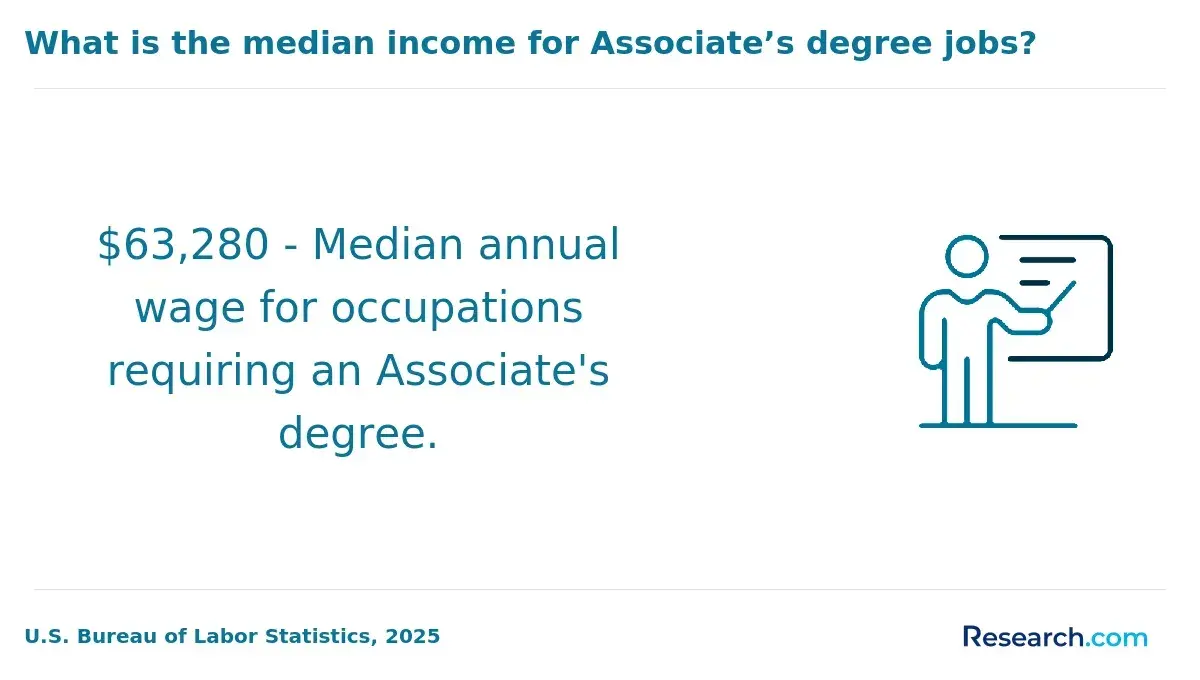
Choosing the right industry significantly impacts salary potential for bachelor's degree holders in crime analysis. Wage variations can be substantial, with federal executive agencies paying nearly 25% more than local government employers, according to the U.S. Bureau of Labor Statistics.
Below are several sectors known for offering competitive compensation without requiring advanced degrees.
- Federal Government: Agencies like the FBI and Homeland Security value crime analysts for their role in national security and law enforcement. Federal pay scales and the importance of these positions typically result in median salaries above $70,000, providing strong earning opportunities at the bachelor's level.
- Private Security and Risk Management: Corporate security departments and risk management firms use crime analysts to safeguard assets and evaluate risks. The private sector's ability to offer bonuses and performance incentives means salaries often fall between $60,000 and $80,000, supporting attractive compensation without higher degrees.
- Financial Services: Banks and insurers employ crime analysts to identify fraud and minimize losses. The emphasis on prevention and risk assessment leads to robust budgets and salary ranges from $65,000 to $85,000, frequently accompanied by performance-based rewards.
- Consulting Firms: Specialized security and forensic consulting companies engage analysts for diverse projects. These roles usually offer salaries in the $60,000 to $75,000 range, coupled with exposure to varied assignments that enhance career growth potential.
When asked about industries offering good pay without graduate school, a crime analysis degree graduate recalled the challenge of navigating different opportunities after completing his program. "It wasn't easy figuring out which path would pay well while matching my skills," he said.
The process involved extensive research and conversations with professionals, which eventually helped him secure a role in private security. "The bonus structures and career advancement potential there surprised me," he added, emphasizing that persistence and networking played key roles in reaching a satisfying position without pursuing additional degrees.
What Entry-Level Crime Analysis Jobs Have the Best Growth Potential?
Choosing entry-level positions with clear promotion pathways is essential for building a successful career in crime analysis. The Bureau of Labor Statistics notes that employment in analytical and investigative roles is growing faster than average, highlighting increasing demand.
Below are several entry-level jobs that offer valuable skill development and potential for advancement.
- Crime Analyst Assistant: Supporting senior analysts, this role involves gathering data and identifying patterns, providing exposure to core analytical techniques that prepare individuals for more complex tasks.
- Intelligence Analyst Trainee: Focused on collecting and assessing intelligence from diverse sources, this position develops critical thinking and reporting skills vital for advanced crime analyst duties.
- Records/Database Clerk: Handling crime data management systems, clerks gain technical expertise and insight into investigative processes, which facilitates upward movement into analytical or investigative roles.
- Field Data Collector: Working alongside law enforcement in the field, collectors acquire practical knowledge of crime trends and procedures that support career growth toward supervisory or analytical jobs.
Each role builds a foundation for career progression through hands-on experience with analytical methods and cross-agency collaboration. For students considering crime analysis, combining these opportunities with flexible education options, such as pursuing a business degree online, can further enhance long-term career prospects.
What Skills Increase Salary Without a Master's Degree?
Improving specific skills can notably enhance salary prospects for those with a crime analysis degree, even without advanced degrees. Recent data shows employers are increasingly using skills-based hiring approaches, sometimes offering wage boosts up to 20% for candidates who excel in key competencies.
The following skills have a strong impact on earning potential in this field.
- Data Analytics and Visualization: Mastering analytical software and visualization techniques allows crime analysts to uncover patterns and trends in complex data sets, improving strategic decision-making. This proficiency makes professionals critical assets in crime prevention efforts.
- Critical Thinking and Problem-Solving: Being able to evaluate complex crime situations and develop practical solutions can lead to more effective interventions. Workers who demonstrate this skill tend to be rewarded with better pay for driving positive outcomes.
- Geospatial Analysis: Expertise in geographic information systems enables analysts to identify crime hotspots and forecast future activity. This specialized ability is highly valued and often linked to higher compensation.
- Communication Skills: Conveying intricate analytical insights clearly to diverse audiences helps bridge the gap between data and action. Those who communicate well tend to gain trust and increased responsibility.
- Technology Adaptability: Keeping pace with evolving software and crime mapping tools ensures analysts remain efficient and relevant, which employers frequently acknowledge through salary increments.
A professional with a crime analysis degree shared her thoughts when asked about which skills helped increase her salary without pursuing graduate education. She emphasized how learning to use new data visualization software initially felt overwhelming but eventually became her strongest asset.
"I remember spending hours outside work experimenting with tools to create clearer reports," she recalled. This dedication not only improved her analyses but also earned recognition from supervisors, leading to incremental raises. Over time, her adaptability to technology and ability to turn data into actionable recommendations gave her confidence and opened doors to more complex projects. She reflected that cultivating these skills required persistence but ultimately proved rewarding both professionally and financially.
What Certifications Can Replace a Master's Degree in Crime Analysis Fields?
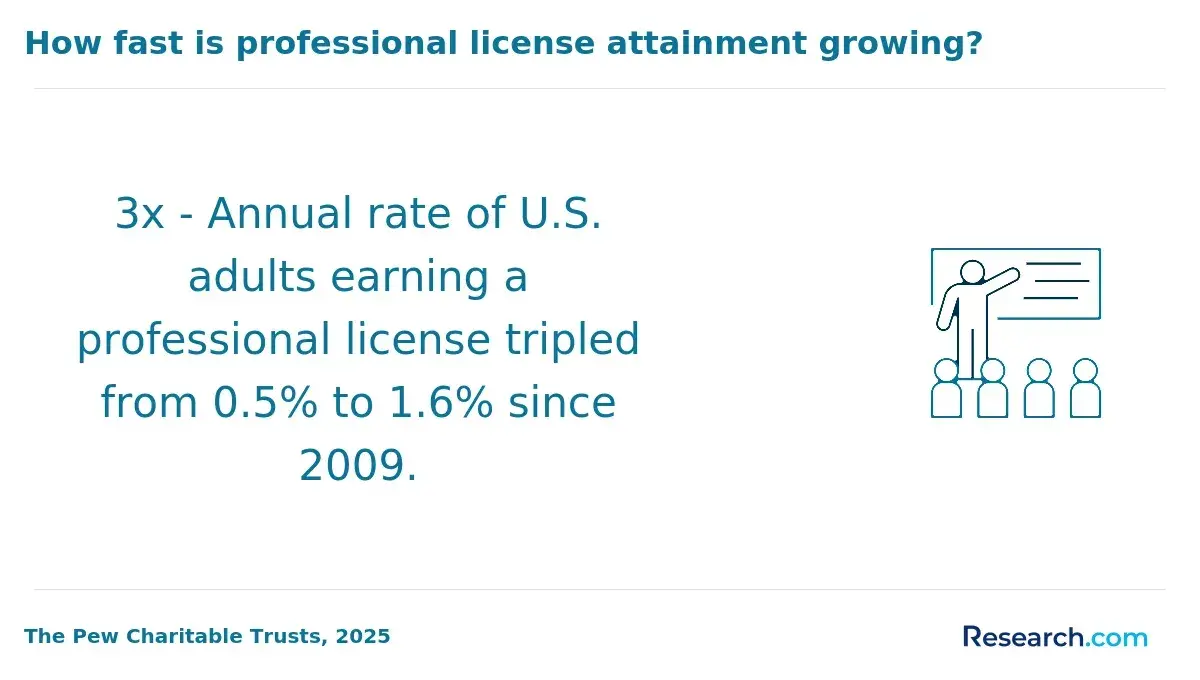
Certifications offer a practical way to boost credibility and open doors to advanced roles in crime analysis without attending graduate school. Research shows that professionals with relevant certifications can earn up to 15% more than those without, underscoring their value in the job market.
Below are several key certifications that enhance skills and career opportunities in this field.
- Certified Law Enforcement Analyst (CLEA): Administered by the International Association of Crime Analysts, this certification confirms competency in analytical techniques, critical thinking, and effective communication. It is widely acknowledged among law enforcement agencies and establishes a strong professional foundation.
- Crime and Intelligence Analyst Certification (CIAC): Focused on intelligence-driven policing, this credential sharpens expertise in data integration, geographic profiling, and predictive methods. It equips analysts to deliver actionable insights that support strategic decisions.
- Geographic Information Systems Professional (GISP): Spatial analysis is essential in crime analysis, and this certification affirms advanced knowledge of geographic information systems used to identify crime trends and hotspots efficiently.
- Certified Fraud Examiner (CFE): Targeted at those involved with financial crimes, the CFE demonstrates specialized skills in detecting and preventing fraud, making it valuable in investigations of white-collar offenses.
- Microsoft Certified: Data Analyst Associate: This credential validates proficiency in data visualization and analytic tools, which support data-driven problem solving and decision-making in crime-related contexts.
Can Experience Replace a Graduate Degree for Career Growth?
Professional experience plays a crucial role in career advancement within crime analysis, often valued as highly as formal education. Employers frequently prioritize demonstrated skills, practical knowledge, and proven performance gained through on-the-job learning over advanced degrees.
Experience fosters a deeper understanding of real-world crime patterns, data interpretation, and collaboration with law enforcement, which are essential to effective crime analysis. This hands-on expertise enables analysts to adapt quickly to evolving technologies and methodologies, often surpassing traditional classroom instruction in practical relevance.
Despite its advantages, relying solely on experience has limitations, especially when seeking entry into higher-level or specialized positions that may require graduate credentials. Certain sectors, such as federal agencies or research institutions, often mandate advanced degrees as minimum qualifications, making initial progression slower without formal education.
The value of professional experience is maximized when paired with ongoing certifications and training, particularly in roles focused on applied skills rather than research or policy development. Ultimately, for those seeking strong salary potential and career growth without affordable master degree graduate education, combining experience with continuous learning offers a viable path in crime analysis.
What Are the Downsides of Not Pursuing a Graduate Degree?
Some crime analysis professionals consider the trade-offs of not pursuing graduate education as they seek to balance practical experience with formal qualifications. Data from the U.S. Bureau of Labor Statistics shows that those with a master's degree in related fields often earn about 20% more than bachelor's degree holders, highlighting meaningful earning differences.
Below are key limitations that can arise from stopping at a bachelor's degree.
- Slower Career Advancement: Many specialized and senior roles in crime analysis require or prefer candidates with master's degrees. Careers with limited advancement without graduate degree often stall at entry or mid-level positions, restricting both responsibility and salary growth.
- Limited Access to Specialized Knowledge: Graduate programs offer deeper instruction in advanced analytical methods, criminology theories, and emerging technologies. Without this training, bachelor's degree holders may miss acquiring cutting-edge skills critical in competitive hiring processes.
- Competitive Disadvantages: Larger law enforcement agencies and federal employers sometimes set graduate education as a baseline qualification. This can narrow job opportunities for those with only a bachelor's degree, making it harder to compete in selective hiring environments.
- Earnings Impact: The salary impact of no graduate degree in crime analysis is notable, with advanced education translating into higher wages due to greater market valuation of those credentials.
- Alternative Career Strategies: Despite these challenges, some professionals prioritize gaining practical experience and certifications over graduate education. Exploring options like online PsyD programs accredited by APA or other focused credentials can support career growth without returning to graduate school.
How Can You Maximize ROI With a Crime Analysis Degree?
Return on investment (ROI) in education balances the time and money spent earning a degree against the financial benefits gained through career outcomes. For bachelor's degree holders in criminal justice and public safety fields, median early-career earnings reach about $52,000, according to a 2023 Georgetown University report.
Exploring practical strategies can help maximize ROI with a crime analysis degree by boosting earning potential and career growth.
Specialize in Growth Areas: Focusing on niches like data analysis, geographic profiling, or cybercrime trends increases your marketability. Expertise in these expanding sectors can command higher salaries and more competitive job opportunities, contributing to better long-term returns.
Gain Relevant Experience: Pursuing internships and cooperative education during your studies offers real-world skills and professional networks. Hands-on roles in law enforcement or government agencies help accelerate early-career advancement and strengthen your resume for high-value positions.
Target Government Employers: Working for federal, state, or large law enforcement organizations often provides superior salaries, benefits, and stable career progression. These employers typically offer structured pathways for promotions and income growth.
Develop Technical Skills: Mastering software widely used in the field, such as GIS mapping and statistical tools, keeps you competitive. Regular skill upgrades enable you to adapt to evolving crime analysis methods, enhancing long-term job security and pay.
Explore Related Degrees Online: Complementing your crime analysis degree with programs like an operations management MBA online can open leadership opportunities and diversify your qualifications, supporting sustained career and financial growth.
When Is Graduate School Worth It for Crime Analysis Careers?
Deciding on graduate school for crime analysis careers hinges on your professional goals, industry standards, and potential return on investment. While many entry-level positions accept candidates with a bachelor's degree, advanced education often leads to higher earnings and better advancement opportunities.
For example, data from the U.S. Bureau of Labor Statistics shows that individuals with a master's degree can earn about 20% more than those holding only a bachelor's in related fields. This financial edge highlights the benefits of advanced degrees in crime analysis for certain career paths.
Graduate education provides clear advantages in specific situations, such as gaining access to specialized roles like forensic or intelligence analysis, which demand in-depth research skills. Leadership or administrative positions within law enforcement agencies frequently prefer or require a master's degree, as do regulated professions needing advanced certification. Additionally, if you aim for research-oriented opportunities, including policy development or academic posts, pursuing graduate studies is often essential.
For those focused on career paths with solid salary returns without extra education, exploring bachelor-level qualifications combined with relevant experience is a practical approach. Interested students can also compare options in related fields, like graphic design programs, to weigh long-term value across disciplines.
What Graduates Say About Crime Analysis Degree Careers That Offer the Best Return Without Graduate School
- Taylor: "Choosing not to pursue a graduate degree in crime analysis was a conscious decision for me, as I found the practical skills gained during my undergraduate studies more valuable. I focused on internships and certifications to build real-world expertise, which opened doors faster than I expected. It's been rewarding to see how my hands-on experience has made a significant impact in law enforcement agencies without the need for further schooling."
- Cruz: "Reflecting on my career, I realize that maximizing my crime analysis degree meant combining it with technological skills such as data analysis and GIS mapping. These additional competencies allowed me to provide unique insights to my team, emphasizing the value of self-driven learning over formal graduate programs. The degree alone gave me a solid foundation, but continuous skill development has truly shaped my success."
- Luka: "From a professional standpoint, my crime analysis degree has been instrumental in advancing my career without the need for graduate studies. The broad scope of coursework prepared me to handle complex crime data and made me a valuable asset in strategic planning roles. Choosing to enter the workforce immediately after graduation challenged me to learn on the job, which ultimately accelerated my growth and expertise in the field."
Other Things You Should Know About Crime Analysis Degrees
Top entry-level jobs for crime analysis degree holders in 2027 include crime analyst, intelligence analyst, and data analyst. These roles can offer salaries starting around $50,000, growing with experience, and are available in various law enforcement agencies and private sectors.
Yes, internships offer essential real-world exposure to crime analysis practices and agency workflows. They provide a chance to develop technical skills and professional networks that are often required for competitive positions. Many employers prefer candidates who have completed internships related to criminal justice or public safety.
Technical proficiency is a key factor in career success for crime analysis graduates without graduate degrees. Familiarity with geographic information systems (GIS), data visualization tools, and statistical software increases employability and effectiveness. Mastering these technologies enables analysts to provide better insights and support law enforcement strategies.
In 2027, many crime analysis degree graduates can achieve financial success in roles like crime analyst or intelligence analyst. Entry-level positions often offer competitive salaries, especially in government agencies, allowing individuals to secure a solid financial return without the need to immediately pursue advanced degrees.
References
- 10 Criminal Justice Careers for Bachelor’s Degree Graduates | Tiffin University https://go.tiffin.edu/blog/10-criminal-justice-careers/
- Becoming a Crime Analyst | Certified Crime & Intelligence Analyst (CCIA) https://www.forensicscolleges.com/blog/htb/how-to-become-a-crime-analyst
- 27 Potential Jobs for Criminal Justice Graduates | Park University https://www.park.edu/blog/27-potential-jobs-for-criminal-justice-graduates/
- Is a Criminal Justice Degree Worth It or Worthless? https://criminaljusticeonlineblog.com/02/is-a-criminal-justice-degree-worth-it-or-worthless/
- 8 High-Paying Crime and Justice Jobs – No Degree! https://australianonlinecourses.com.au/8-high-paying-crime-and-justice-jobs-no-degree/
- Return on Investment for a College Degree in Criminal Justice ROI or a College Degree in Criminal Justice https://www.criminaljusticeprograms.com/articles/return-on-investment-for-a-college-degree-in-criminal-justice/
- Is a Criminal Justice MA Worth It? | University of Bridgeport https://www.bridgeport.edu/news/is-a-masters-in-criminal-justice-worth-it/
- Is a Criminal Justice Degree Worth It? ROI Analysis for 2026 https://policeofficer.org/is-a-criminal-justice-degree-worth-it/
- Criminal Justice Salary Guide | All Criminal Justice Schools https://www.allcriminaljusticeschools.com/criminal-justice/criminal-justice-salaries/
- Criminal Justice Jobs Without a Degree: High-Paying Careers in 2025 https://careerkarma.com/blog/criminal-justice-jobs-without-a-degree/