2027 Which Schools Offer Flexible Start-Anytime Enrollment for a Healthcare Administration Degree Master's Program?

Co-Founder and Chief Data Scientist
Choosing a start-anytime master’s program in healthcare administration is less about convenience alone and more about timing a graduate degree around real career and life constraints. If you manage shifts, supervise teams, travel for work, care for family, or need to move quickly toward a leadership role, waiting for one annual or semester-based start date can slow your progress.
Flexible enrollment can help, but it is not the same at every school. Some programs offer monthly starts, some use several short terms per year, and others advertise rolling admission while still requiring students to begin courses on set dates. Studies show that 64% of healthcare administration students prefer programs offering flexible, asynchronous start dates to accommodate shift work and family commitments, which explains why more graduate programs now promote adaptable schedules.
This guide explains what “start-anytime” enrollment really means for healthcare administration master’s students, which types of schools commonly offer it, how online and campus formats differ, what admissions and academic calendars look like, and how to judge cost, completion time, career support, and employer respect before applying.
Key Benefits of Flexible Start-Anytime Enrollment for a Healthcare Administration Degree Master's Program
- Flexible start-anytime enrollment allows students to customize their schedules, accommodating varied personal and professional commitments without waiting for traditional semester start dates.
- Programs often reduce overall duration by enabling continuous course progression, helping students complete their master's degree more quickly than fixed-term formats.
- This enrollment style supports balancing work and study effectively, addressing growing industry demand where 65% of healthcare administration students are employed while pursuing their degree.
What Does Start-Anytime Enrollment Mean for a Healthcare Administration Master's Degree?
Start-anytime enrollment for a healthcare administration master’s degree means students have more than one opportunity each year to begin the program, rather than waiting for a traditional fall or spring semester. In the most flexible models, students can start during monthly, bi-monthly, quarterly, or rolling course sessions. In less flexible models, “start-anytime” may simply mean the school accepts applications year-round but places students into the next available term.
For working healthcare professionals, this matters because career and personal schedules rarely match a university calendar. A nurse manager moving into operations, a clinic supervisor preparing for executive roles, or an analyst shifting into health systems leadership may need a program that starts when they are ready—not months later.
How this differs from a traditional cohort model
Traditional cohort-based graduate programs usually require a group of students to begin together on predetermined dates and move through the curriculum in a similar sequence. Start-anytime programs reduce that constraint by giving students more control over entry timing and, in some cases, course pace.
| Program feature | Traditional start model | Start-anytime or flexible-start model |
| Entry point | Usually tied to semester or cohort dates | Multiple start dates throughout the year |
| Course pacing | Often fixed by the cohort schedule | May allow part-time, accelerated, or modular pacing |
| Student interaction | Often synchronous or cohort-centered | Often asynchronous, with forums, email, and virtual meetings |
| Best fit | Students who want structure and peer continuity | Students who need flexibility around work, family, or shifts |
Courses in these programs are often delivered through asynchronous platforms, allowing students to review lectures, complete assignments, and participate in discussions without attending live class at a fixed time. That flexibility can be valuable, but it also requires strong self-management. Students should confirm whether the program has weekly deadlines, group projects, required live sessions, or practicum expectations before enrolling.
Students exploring adjacent healthcare graduate pathways may also compare flexible administration programs with fields such as online PharmD programs, especially if their long-term goals involve pharmacy leadership, medication policy, or clinical operations.
What Schools Offer Start-Anytime Healthcare Administration Master's Programs?
Start-anytime healthcare administration master’s programs are most common among schools built to serve working adults, online learners, and students who need more than a traditional semester calendar. Research indicates that approximately 40% of online graduate programs in healthcare administration utilize rolling or flexible enrollment models. However, the term “flexible” can mean different things, so applicants should look closely at the actual start dates, course length, and registration rules.
Students considering a health administration degree online should compare not only tuition and accreditation, but also how often courses begin and whether the schedule supports their expected work hours.
Types of institutions that commonly offer flexible starts
- Public Universities: Many public universities offer several admission windows per year, particularly for online or professional graduate programs. They may not be fully “start anytime,” but they often provide multiple entry points beyond a single annual intake.
- Private Nonprofit Institutions: Private nonprofit schools may offer flexible online formats with several start dates and asynchronous coursework. These programs can be a strong fit for students who want institutional stability, advising support, and a schedule designed for adult learners.
- For-Profit Universities: For-profit institutions are known for widespread monthly or quarterly enrollment cycles. Applicants should examine accreditation, total cost, credit transfer policies, student outcomes, and employer reputation carefully before enrolling.
- Competency-Based Institutions: Competency-based programs may allow students to advance after demonstrating mastery rather than completing a fixed semester schedule. This can create an open or near year-round enrollment structure, but it requires independence and consistent progress.
Questions to ask before calling a program “start-anytime”
- How many start dates are available each year?
- Can newly admitted students begin a course immediately, or only at the next module?
- Are courses offered every term, or only in a fixed sequence?
- Will delaying one course postpone graduation by several months?
- Are internships, capstones, or residencies tied to limited calendar windows?
Flexible enrollment can make graduate school easier to start, but it does not automatically make the degree easier to finish. Students planning additional healthcare credentials may also want to understand related costs, such as medical coding certification cost, when mapping a broader career development plan.
Are Start-Anytime Healthcare Administration Master's Programs Available in Both Online and On Campus Formats?
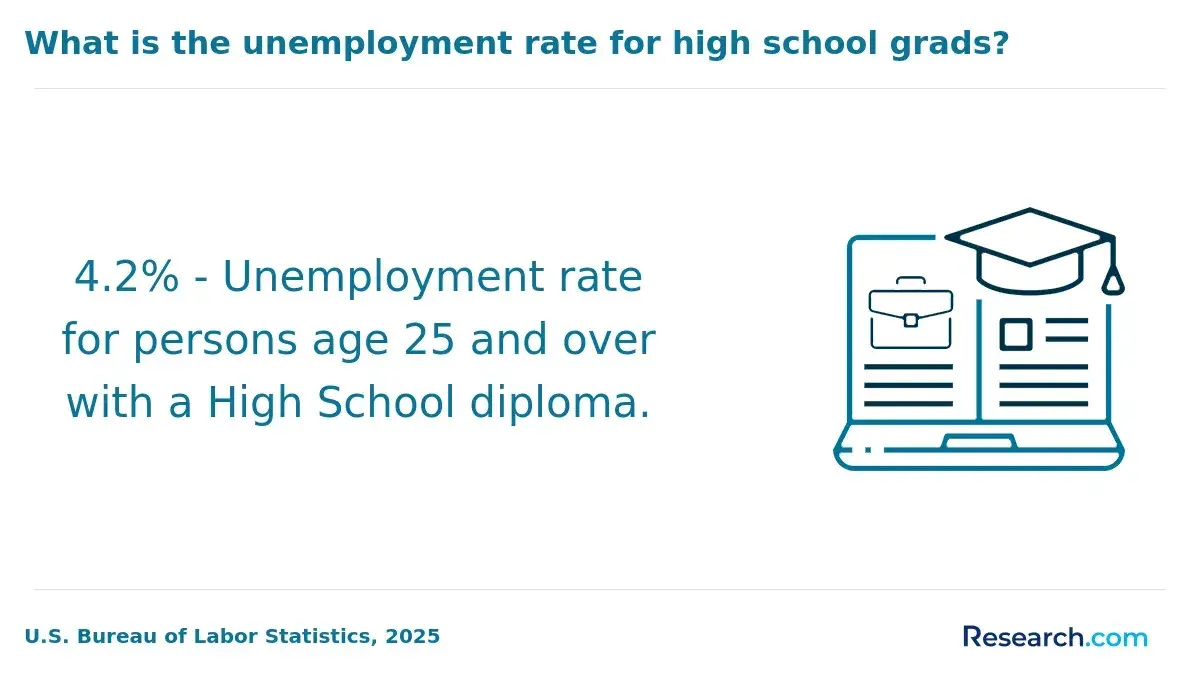
Start-anytime healthcare administration master’s programs can be found in online, hybrid, and some campus-based formats, but the greatest flexibility is usually online. Nearly 60% of flexible-enrollment graduate programs in healthcare administration are fully online, largely because asynchronous delivery makes it easier for schools to offer multiple course starts without coordinating classroom space or live meeting times.
Common delivery formats
- Fully Online Programs: These programs commonly use asynchronous courses and multiple start dates, such as monthly or quarterly sessions. They are often the best fit for professionals with changing schedules, overnight shifts, travel obligations, or family responsibilities.
- Hybrid Formats: Hybrid programs combine online coursework with occasional campus meetings, residencies, labs, or leadership intensives. They may offer rolling admissions, but in-person requirements can limit true start-anytime flexibility.
- Evening or Weekend Campus Options: Some campus-based programs serve working adults through evening or weekend classes. These programs may have more entry points than traditional programs, but they usually still follow structured academic calendars.
- Competency-Based Models: Competency-based programs focus on demonstrating mastery of defined skills rather than completing courses on a semester schedule. They can be highly flexible, though students must be comfortable with self-directed learning.
Online versus on-campus flexibility
| Format | Flexibility advantage | Potential limitation |
| Fully online | Most likely to offer multiple starts and asynchronous work | Requires discipline and comfort with remote learning |
| Hybrid | Combines online access with face-to-face networking | Campus dates may reduce scheduling freedom |
| Evening or weekend campus | Useful for local students who prefer in-person instruction | Typically less flexible than fully online programs |
| Competency-based | May allow faster or more individualized progression | Not ideal for students who need frequent live instruction |
A graduate of an online healthcare administration master’s program with flexible start-anytime enrollment described the benefit clearly: “Starting the program without waiting for a fixed semester helped me balance work and family demands much better.” The same graduate also noted that “the asynchronous nature meant I had to stay very disciplined to keep up, but it was empowering to learn on my own schedule.”
The takeaway is practical: flexible enrollment reduces calendar barriers, but students still need reliable advising, transparent course sequencing, and clear expectations. Before enrolling, ask whether an advisor will map out your first term, explain registration deadlines, and identify any courses that are not available year-round.
What Are the Admission Requirements for Start-Anytime Healthcare Administration Master's Programs?
Start-anytime healthcare administration master’s programs usually have admissions standards similar to traditional graduate programs. The main difference is not the academic bar; it is the application timeline. Instead of applying for one fixed semester, students may be able to submit materials throughout the year and begin at the next available start date after admission.
Common admission criteria
- Bachelor’s Degree: Applicants generally need an accredited bachelor’s degree. The undergraduate major may not always need to be healthcare-related, but students without business, statistics, finance, or healthcare experience may need prerequisite coursework.
- Minimum GPA Standards: Candidates usually need a bachelor’s degree with a GPA close to 3.0 on a 4.0 scale. Some programs consider applicants with slightly lower GPAs if they show strong professional achievement, leadership experience, or evidence of readiness for graduate work.
- Professional Experience: Relevant work in healthcare, administration, operations, insurance, public health, finance, human resources, or clinical leadership can strengthen an application. Some programs prefer applicants who already understand healthcare environments.
- Letters of Recommendation: Two to three references from supervisors, faculty members, or professional colleagues are commonly expected. Strong letters should speak to leadership ability, analytical skills, reliability, and readiness for graduate-level study.
- Statement of Purpose: Many schools ask applicants to explain their career goals and why healthcare administration is the right graduate path. A strong statement connects the degree to concrete goals, such as hospital operations, long-term care administration, policy, quality improvement, or healthcare finance.
- Standardized Test Policies: GRE or GMAT requirements are frequently waived or optional in start-anytime programs. When tests are optional, applicants should submit scores only if they strengthen the overall application.
How to prepare a stronger application
- Request transcripts early so rolling admission does not stall.
- Choose recommenders who can discuss leadership, communication, and problem-solving.
- Use the personal statement to show career direction, not generic interest in healthcare.
- Ask whether the program reviews applications continuously or in batches.
- Confirm whether admission guarantees immediate course registration.
Students comparing flexible graduate options across healthcare fields may also examine the cheapest DNP programs, especially if they are evaluating administrative versus advanced clinical leadership pathways.
How Do Academic Calendars Work in Start-Anytime Healthcare Administration Master's Programs?
Academic calendars in start-anytime healthcare administration master’s programs are designed to reduce waiting time between application, admission, registration, and the first course. These programs usually offer between 6 and 12 enrollment opportunities annually, but the exact model varies by institution.
Common calendar structures
- Rolling Start Dates: Students may begin monthly, every few weeks, or at several points throughout the year. This is the clearest version of start-anytime enrollment.
- Modular Courses: Courses are often divided into shorter sessions, typically lasting 4 to 8 weeks. This lets students focus on fewer subjects at once while still making steady progress.
- Asynchronous Scheduling: Most flexible programs allow students to access course materials outside fixed class hours. Assignments may still have weekly deadlines, so “asynchronous” should not be mistaken for deadline-free.
- Individualized Progression: Some programs allow students to adjust their course load each term with advisor approval. This is useful for healthcare professionals whose work schedules change seasonally or unpredictably.
What students should verify
A flexible calendar can be helpful only if required courses are available when students need them. Before enrolling, ask for a sample degree plan that shows when core courses, electives, capstones, practicums, or internships are offered. A program may allow frequent admission but still require students to wait for a key course if it is offered only once or twice per year.
| Calendar feature | Why it matters |
| Number of annual start dates | Determines how quickly students can begin after admission |
| Course rotation | Affects whether students can maintain steady progress |
| Drop and withdrawal deadlines | Important for students balancing work disruptions or family needs |
| Financial aid disbursement timing | Can affect payment planning in nontraditional terms |
| Capstone or practicum scheduling | May create fixed deadlines even in otherwise flexible programs |
This calendar model can minimize delays and help working professionals continue studying without waiting for conventional semester starts. The best programs pair flexible scheduling with proactive advising so students understand exactly how each course fits into the full degree plan.
Are Start-Anytime Healthcare Administration Master's Programs More Expensive Than Traditional Programs?
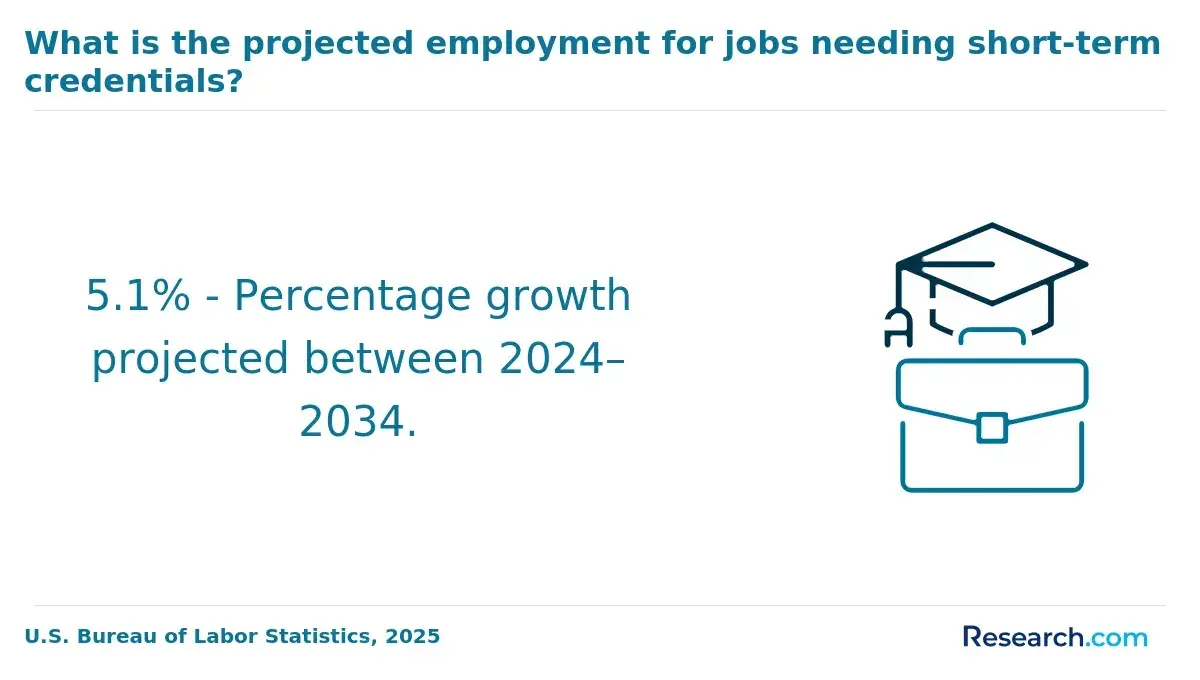
Start-anytime healthcare administration master’s programs are not automatically more expensive than traditional programs. Cost depends more on the institution, credit requirements, residency status, delivery format, fees, transfer credit policy, and financial aid eligibility than on the enrollment calendar alone. Typically, master’s tuition in healthcare administration ranges from $20,000 to $60,000, with online and campus-based options varying in fees due to institutional policies.
Cost factors to compare
- Tuition Structure: Some flexible-start programs charge by course or credit, while traditional programs may charge by term. Per-course billing can make payments easier to manage, but students should still calculate the full degree cost.
- Additional Fees: Technology, student services, graduation, assessment, library, and online platform fees can raise the total cost beyond advertised tuition.
- Technology Costs: Online and asynchronous programs may require software, webcam equipment, secure testing tools, or platform access. These costs are usually smaller than tuition but should be included in budgeting.
- Financial Aid Availability: Most schools provide comparable financial aid opportunities for eligible students in both start-anytime and traditional models. Students should confirm how aid is packaged for shorter modules or nonstandard terms.
- Pacing and Time to Completion: Accelerating can reduce time out of the workforce or shorten the period of educational expenses. Slowing down can improve cash flow but may extend fee exposure.
Cost comparison checklist
- What is the total estimated tuition for the entire degree?
- How many credits are required to graduate?
- Are tuition rates locked after enrollment?
- Are online students charged different fees than campus students?
- Can transfer credits, prior graduate coursework, or employer tuition benefits reduce cost?
- Does taking fewer courses affect financial aid eligibility?
A professional who completed a start-anytime healthcare administration master’s program said the tuition was in line with traditional programs she researched, but the payment structure made budgeting easier. “It definitely made managing my budget easier since I wasn’t locked into a fixed semester payment,” she said.
She also noted minor expenses for software access, but those costs did not outweigh the schedule flexibility. Her experience illustrates an important point: the best-value program is not always the one with the lowest tuition. It is the one that combines reasonable total cost, accredited quality, manageable pacing, and a schedule that students can realistically sustain.
How Long Does It Take to Complete a Start-Anytime Healthcare Administration Master's Program?
Start-anytime healthcare administration master’s programs commonly take 18 to 24 months to complete, but the timeline depends on course load, program design, transfer credits, prerequisite requirements, and whether the student studies full time or part time. Some students finish in under 18 months, while others take more than three years because of work, family, or financial considerations.
Factors that affect completion time
- Pacing Flexibility: Students who take courses continuously and handle heavier workloads may finish faster. Students who pause between modules or take one course at a time will usually need longer.
- Course Load Options: Full-time study generally shortens the degree timeline, while part-time study creates more room for professional and personal obligations.
- Accelerated Modules: Condensed courses can help students earn credits more quickly, but they may also require more intensive weekly effort.
- Part-Time vs. Full-Time Enrollment: Part-time enrollment is often the more realistic choice for working healthcare professionals. Full-time enrollment can be efficient but may be difficult during demanding work periods.
- Capstone, Internship, or Practicum Requirements: Applied projects can add scheduling complexity, especially if students must coordinate with employers, healthcare organizations, or faculty supervisors.
How to choose the right pace
Students should not choose the fastest option by default. Healthcare administration coursework often includes finance, policy, quality improvement, ethics, operations, data analysis, and leadership. Rushing through these topics may limit the practical value of the degree. A better approach is to choose a pace that supports strong performance, professional networking, and application of coursework to real workplace problems.
| Student situation | Likely pacing fit |
| Full-time healthcare worker with rotating shifts | Part-time or one course at a time |
| Professional with employer tuition support | Pace aligned with reimbursement rules |
| Career changer seeking faster transition | Accelerated or full-time if financially and personally feasible |
| Parent or caregiver | Flexible part-time schedule with predictable weekly deadlines |
The main advantage of start-anytime enrollment is not simply speed. It is control. Students can begin sooner, adjust course loads, and make progress without being locked into a single academic calendar.
Are Career Services Available for Start-Anytime Healthcare Administration Master's Students?
Career services are generally available to start-anytime healthcare administration master’s students, but access and quality vary by school. Flexible enrollment should not mean weaker career support. Strong programs provide advising, employer connections, resume support, interview preparation, and alumni networking throughout the year, including for online and part-time students.
Career services students should expect
- Career Counseling: Advisors can help students clarify whether they are targeting hospital operations, healthcare finance, quality improvement, compliance, long-term care administration, consulting, policy, or executive leadership.
- Resume and LinkedIn Support: Graduate students often need to translate clinical, administrative, military, nonprofit, or business experience into healthcare leadership language.
- Job Placement Assistance: Schools may provide job boards, employer events, interview coaching, and guidance on internal promotion strategies. Placement support is especially valuable for students moving from clinical roles into administration.
- Networking Opportunities: Virtual panels, alumni forums, faculty connections, and industry events can help flexible-start students build relationships even if they never visit campus.
- Alumni Connections: Alumni mentors can provide insight into hiring expectations, leadership roles, certifications, and practical career paths after graduation.
What to ask before enrolling
- Are career services available to online and part-time students?
- Can students schedule appointments outside standard business hours?
- Does the program offer healthcare-specific employer connections?
- Are alumni mentors available in healthcare administration roles?
- Does the school publish outcomes or examples of graduate career paths?
Career support should align with the student’s professional goal. A hospital department supervisor, a medical practice manager, a health insurance analyst, and a public health administrator may need different coaching and employer networks. Students considering other healthcare career pathways may also compare options such as online LPN programs when deciding whether their next step should be administrative, clinical, or both.
Are Start-Anytime Healthcare Administration Master's Degrees Respected by Employers?
Start-anytime healthcare administration master’s degrees can be respected by employers when they come from properly accredited institutions and demonstrate rigorous graduate preparation. Employers are usually less concerned with the number of annual start dates and more concerned with school credibility, program quality, relevant experience, and whether graduates can perform in healthcare leadership settings.
A 2023 National Association of Colleges and Employers (NACE) survey found that 72% of employers regard online or flexible graduate programs as equally credible. That does not mean every program carries the same value. Students should evaluate reputation and outcomes carefully before enrolling.
What employers are likely to examine
- Accreditation: Institutional accreditation is essential. Programmatic accreditation, such as recognition from the Commission on Accreditation of Healthcare Management Education (CAHME), can further reassure employers about curriculum quality and healthcare management rigor.
- Program Rigor: Employers value programs that require meaningful projects, data-informed decision-making, financial analysis, leadership assignments, policy work, and applied assessments.
- Professional Experience: A master’s degree is stronger when paired with relevant work experience in healthcare administration, clinical leadership, operations, finance, public health, compliance, or quality improvement.
- Skill Demonstration: Graduates should be able to show competencies in leadership, budgeting, health policy, analytics, communication, and process improvement through capstones, portfolios, internships, or workplace projects.
- Institutional Reputation: A flexible start date does not weaken a degree, but unclear accreditation, weak advising, low academic standards, or poor career support can.
How to protect the value of the degree
- Verify accreditation before applying.
- Review faculty qualifications and healthcare industry experience.
- Ask whether the curriculum includes current healthcare finance, policy, analytics, and operations content.
- Look for applied projects that can be discussed in interviews.
- Use career services early, not only near graduation.
Students comparing flexible admissions options may also find that some universities with no application fee offer start-anytime healthcare administration master’s degrees. Application convenience is useful, but it should never replace careful review of accreditation, total cost, curriculum, and employer relevance.
Who Benefits Most From Flexible Enrollment Graduate Programs?
Flexible enrollment graduate programs are best for students whose timing needs do not fit a traditional academic calendar. Around 70% of enrollees in online or rolling-start programs are identified as working professionals or nontraditional learners, which reflects the practical appeal of multiple start dates, asynchronous coursework, and adjustable pacing.
Students who often benefit most
- Working Professionals: Healthcare employees with full-time jobs, rotating schedules, or leadership responsibilities can begin when their workload allows and adjust course loads as needed.
- Career Changers: Students moving from clinical care, business, public health, insurance, or nonprofit roles into healthcare administration may prefer not to wait months for a traditional semester to begin.
- Adult Learners with Family Responsibilities: Parents, caregivers, and students with household obligations may benefit from asynchronous coursework and part-time options.
- Students Seeking Accelerated Completion: Motivated learners who can manage intensive coursework may use multiple start dates and condensed modules to finish more quickly.
- Professionals Responding to Promotion Opportunities: Some students pursue a master’s degree after being encouraged to qualify for management, director, or executive-track roles. A flexible start can help them act quickly.
Who may not prefer this model
Flexible enrollment is not ideal for every student. Learners who need a highly structured weekly class meeting, a close cohort experience, frequent live faculty interaction, or in-person accountability may prefer a traditional or hybrid program. The best choice depends on learning style, career timeline, support needs, and personal discipline.
A good rule: choose start-anytime enrollment if schedule flexibility is essential and you are confident you can manage independent work. Choose a more structured format if consistency, live discussion, and cohort accountability are more important to your success.
What Graduates Say About Flexible Start-Anytime Enrollment for a Healthcare Administration Degree Master's Program
- : "The start-anytime structure of the healthcare administration master's program was a game changer for me as a full-time nurse manager. The ability to begin courses whenever I was ready meant I didn't have to rearrange my work schedule drastically. Plus, the affordable tuition kept my debt manageable, and since graduating, I've been promoted to a leadership role that I previously thought was out of reach. — Trace"
- : "Reflecting on my experience, the flexibility of the start-anytime healthcare administration degree really suited my unpredictable consulting workload. Financially, the program's reasonable cost was a relief compared to other options I looked at. Most importantly, completing it helped me transition into healthcare project management with greater confidence and competence. — Sutton"
- : "I appreciated how the program's flexible enrollment aligned perfectly with my demanding career, allowing me to advance my education without pausing my professional growth. The cost-effectiveness of the degree made it an accessible choice without sacrificing quality. Since earning my master's, I've achieved significant career milestones, underscoring the real-world impact of this flexible healthcare administration degree. — Hailey"
Other Things You Should Know About Healthcare Administration Degrees
Yes, these programs are designed to support working professionals by allowing students to begin courses at multiple points throughout the year. This flexibility helps healthcare workers balance job responsibilities with their studies without waiting for traditional semester start dates.
Generally, students enrolled in flexible start-anyime programs have access to comparable academic advising, tutoring, and library resources as traditional students. Many schools prioritize equal support services to ensure all students succeed regardless of enrollment format.
In 2027, start-anytime enrollment options generally do not affect the availability of practicum opportunities. Schools ensure these crucial experiences align with academic schedules, although students may need proactive planning to coordinate timely placement and fulfill requirements efficiently.
References
- Master of Health Care Management (MHCM) - UNF https://www.unfc.ca/academics/graduate/master-of-health-care-management
- MBA in Healthcare Administration - STU Online https://online.stu.edu/degrees/business/mba/healthcare-administration/
- How Long is an MHA Program? MHA Programs One Year to 18 Months https://www.onlineeducation.com/healthcare/faqs/length-of-online-mha-programs
- Affordable Online Colleges With Open Enrollment & Flexible Start Dates https://www.affordablecollegesonline.org/college-resource-center/start-anytime-open-enrollment/
- Master of Healthcare Administration (MHA) | National University https://www.nu.edu/degrees/healthcare-leadership/programs/master-healthcare-administration/
- Online MHA Degree Programs: Finding the Right School https://www.edumed.org/online-schools/healthcare-administration-degrees/masters-mha-programs/
- Healthcare Administration Master's Degree | MHA | King's College https://www.kings.edu/programs/graduate/healthcare-administration.html
- Master’s in Healthcare Administration Online https://www.snhu.edu/online-degrees/masters/ms-in-healthcare-administration
- Calendar https://online.fitchburgstate.edu/academic-calendar/
- The Benefits of Pursuing an Online Healthcare Administration Degree | Boston College https://onlinemha.bc.edu/benefits-of-pursuing-an-online-healthcare-administration-degree/