
2027 Which Theology Degree Careers Offer the Best Long-Term Salary Growth?

Co-Founder and Chief Data Scientist
Choosing a career path after earning a theology degree involves more than passion; financial sustainability plays a crucial role. Recent graduates often face the challenge of balancing meaningful work with adequate salary growth to support long-term goals.
Notably, the U. S. Bureau of Labor Statistics reports that clergy roles, a common theology career, project a 5% growth from 2022 to 2032, indicating steady demand. Understanding how salary trajectories differ among chaplains, educators, counselors, and administrators can inform better choices.
This article explores which theology degree careers offer the best long-term salary growth and what factors drive these trends.
Key Benefits of Theology Degree Careers That Offer Long-Term Salary Growth
- Theology careers often show consistent salary growth as professionals gain experience, with median earnings rising by up to 35% over 10 years in pastoral and academic roles.
- Ongoing skill development, such as advanced theological education or leadership training, directly correlates with promotions and salary increases in ministry, counseling, and education sectors.
- Long-term progression opportunities support financial stability by enabling career shifts into higher-paying roles such as chaplaincy director, religious educator, or nonprofit executive leadership.
Which Theology Careers Have the Highest Long-Term Salary Growth?
Certain theology careers offer notably stronger long-term salary growth due to expanding responsibilities and institutional impact.
For example, senior roles within these fields can earn up to 40% more than entry-level positions over a decade, reflecting the increasing value of experience and leadership. This trend highlights how pursuing top paying theology degree jobs with strong salary progression can enhance earning potential.
The following careers stand out for their robust long-term salary growth:
- Senior Clergy Roles: These positions often lead to the most substantial salary increases, as leadership in congregations and denominational organizations grows. Longevity and expanded duties within ministry contribute to consistent compensation growth.
- Theology Professors: Academic careers, including professorship and administration, typically show steady salary progression aligned with tenure and scholarly achievements. Their earnings improve as they take on more influential roles in educational institutions.
- Chaplains and Religious Counselors: Working in hospitals, military, or corporate settings, these professionals experience salary increases linked to accumulated specialized expertise and responsibilities. Their compensation packages often include additional benefits that enhance long-term earnings.
The strong salary growth in these theology-related professions supports the decision to explore fields with promising economic advancement.
For students considering a blend of purpose and financial stability, investigating programs such as an AI degree may also offer complementary skills to expand career opportunities.
How Does Salary Growth Progress Over Time in Theology Careers?
Salary progression in theology careers typically reflects steady, incremental growth over many years rather than sudden jumps. The average annual wage growth rate in theology and religious occupations is about 3% to 4%, illustrating a moderate but consistent increase.
This gradual trend rewards accumulated experience and tenure with measurable pay raises that correspond to increased responsibility. Professionals in this field generally see their compensation rise predictably as they advance through their careers.
Early salary growth tends to be modest as foundational skills and knowledge are established. Mid-career stages often display consistent, gradual increases, while later years bring sustained salary improvements linked to seniority or advanced roles.
Across multiple decades, this linear progression results in meaningful earnings growth that mirrors a professional's expanded contributions and longevity in theology careers. Such incremental raises create a reliable upward trajectory in income throughout one's working life.
Which Entry-Level Theology Jobs Lead to High-Paying Careers?
Certain entry-level theology positions are known for their potential to lead to significant salary increases over time.
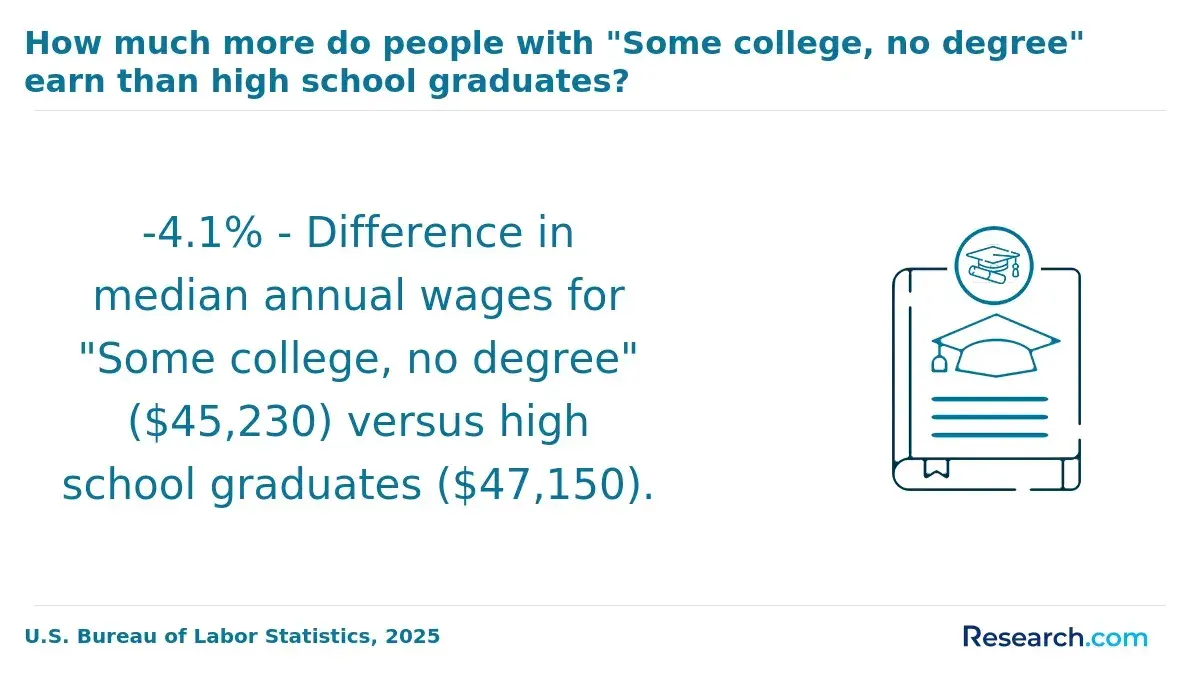
Entry roles typically start with annual salaries ranging from $35,000 to $45,000, according to recent data, laying a solid foundation for growth in this field. These jobs often combine practical experience with leadership opportunities that support career advancement.
Here are some common entry-level theology jobs linked to strong long-term earning potential:
- Pastoral Assistant: This role involves supporting clergy through community outreach and event management, while handling administrative responsibilities. It offers valuable exposure to church leadership, creating pathways to more senior and better-compensated pastoral or administrative roles.
- Religious Educator: Working as a religious educator allows for development in teaching and curriculum design. Over time, this experience can lead to higher-level education roles or specialized counseling positions with improved salary prospects.
- Chaplain Intern: Serving entry-level chaplain roles in healthcare or correctional settings provides critical experience in spiritual care and counseling. Chaplaincy remains a field with steady demand and opportunities to advance to leadership roles that offer higher pay.
- Program Assistant at Faith-Based Nonprofits: This position supports program development and fundraising efforts, building project management skills. These competencies often lead to managerial roles that command increased compensation.
When asked about which entry-level theology jobs have the highest earning potential, a new theology graduate shared that the early stages of this career can feel uncertain and challenging. He described spending months exploring various roles before settling on a position that aligned with both his values and financial goals.
"It wasn't just about the paycheck," he said, "but finding a role where I could grow and eventually support myself and my community better." His experience highlights the importance of patience and strategic choices in the early theology career path.
What Industries Offer the Best Salary Growth for Theology Graduates?
Industries with expansive pay scales and growing needs for leadership and counseling offer strong long-term salary growth opportunities for theology graduates.
Data shows nonprofit management salaries rising about 15% over the past ten years, highlighting increasing competitiveness in compensation. These trends make certain sectors more lucrative for theology graduate career salary growth in the United States.
The following industries commonly exhibit robust salary advancement for those with theology degrees:
- Nonprofit Sector: As organizations expand programs and funding, salary packages in management roles have steadily improved, reflecting the sector's growing emphasis on leadership and administration.
- Education: Particularly in higher education administration and campus ministry, salary growth aligns with institutional investments in student services and religious studies, supporting steady income progression.
- Healthcare: Chaplaincy and spiritual counseling roles benefit from an increased focus on holistic patient care, driving notable salary gains as spiritual support integrates with wellness models.
- Government: Public sector jobs related to outreach and cultural affairs offer structured pay scales with scheduled raises, contributing to consistent salary growth over time.
- Religious Organizations: Although traditionally modest, compensation has been increasing by 10% to 12% over five years in larger denominations to retain experienced leaders and administrators.
For those interested in complementary fields, exploring marriage and family therapy online programs can also provide valuable career pathways.
What Factors Influence Long-Term Salary Growth in Theology Careers?
Salary growth over time in theology careers is shaped by several common workplace elements that affect many professions. These include factors tied to career development, recognition, and economic influences, all contributing to how earnings can increase steadily.
The following key components play important roles in long-term salary advancement for those in theology fields:
- Experience Development: Gaining years of practical involvement enhances expertise and trustworthiness, which typically leads to expanded responsibilities and higher pay.
- Career Progression: Moving up organizational ranks into roles with leadership or decision-making powers usually results in salary increases aligned with added duties.
- Network and Reputation: Building strong professional relationships and recognition can open doors to better-paying opportunities such as consulting or advisory positions.
- Economic Environment: Regions with higher living costs or organizations with more funding often offer faster salary advances reflecting local financial conditions.
A professional with a Theology degree shared his perspective on these influences. He described how early in his career, securing trust and demonstrating reliability felt like a slow process, but over time those efforts translated into more significant roles and compensation.
He recalled moments when expanding his professional connections led to unexpected invitations to lead workshops or participate in collaborative projects, which boosted his income. Navigating economic fluctuations was challenging, especially in smaller communities where funding could be tight, causing periods of stagnant pay.
Yet, he acknowledged that patience and steady growth were key, explaining, "It wasn't just what I knew, but how I was trusted and valued that made the difference." His experience highlights the nuanced and multi-faceted nature of salary growth in theology careers.
How Do Skills and Specializations Affect Salary Growth?
Developing specialized skills and focusing on particular areas within theology can significantly impact salary growth over the long term.
Research shows that professionals with targeted expertise in theology can earn up to 25% more than their generalist peers after a decade. This demonstrates how honing specific abilities enhances earning potential in this field.
The following factors contribute to increased salary progression for individuals in theology careers:
- Theological Research: Mastery of in-depth research skills enables publication and teaching opportunities, which often translate into higher compensation through academic and scholarly recognition.
- Institutional Leadership: Specializing in areas such as ethics committees or faith-based organizational roles positions professionals for leadership responsibilities that typically offer elevated salaries.
- Grant Writing & Program Development: Proficiency in securing grants and designing community initiatives adds substantial value beyond traditional duties, encouraging financial growth within ministry or academic contexts.
- Applied Theology & Pastoral Care: Expertise that directly serves community or institutional needs increases demand for such roles, supporting higher pay due to their practical impact.
- Global & Social Justice Focus: Specializing in international religious studies or social justice expands opportunities in non-profits and international organizations where specialized skills often attract better compensation.
By cultivating such targeted skills and specializations, theology professionals not only stand out but also enhance their ability to command greater salaries as their careers advance.
Do Advanced Degrees or Certifications Increase Long-Term Earnings?
Advanced degrees and certifications often play a significant role in enhancing long-term earnings within theology-related careers by correlating with expanded responsibilities and higher compensation. Studies suggest that clergy and religious educators holding doctoral degrees can earn up to 25% more annually than those with only undergraduate qualifications, reflecting increased leadership and specialized roles.
Certifications also provide targeted expertise in areas like counseling or ethics, which can lead to higher consulting fees or salaries over time. Such qualifications enable professionals to handle complex duties, including administrative leadership and academic positions, further influencing income growth.
The financial impact of advanced education varies widely depending on the particular theology career path and work environment. For instance, pastors at smaller congregations may see only modest salary increases from doctoral degrees, while those in academia or large religious institutions often benefit from more substantial pay boosts.
Geographic location, denominational affiliation, and organizational size also shape how additional education affects compensation. Certain specialized roles, such as religious studies professors or healthcare chaplains, frequently require advanced degrees, inherently linking higher qualifications with better earnings.
How Does Job Stability Impact Long-Term Salary Growth?
Job stability plays a significant role in shaping long-term earning potential in theology professions, where steady employment often supports gradual income increases. Employees who maintain continuous work within their field typically experience more reliable wage progression than those with frequent job changes or interruptions.
For example, research from the National Bureau of Economic Research reveals that workers with uninterrupted employment over ten years saw wage growth averaging 15% higher than peers with disrupted job histories. This highlights how consistent engagement in theology careers contributes directly to sustained earnings progression over time.
Stability in employment also helps create predictable salary progression patterns across a theology career. Long-term work experience enables professionals to develop specialized skills, deepen knowledge, and expand their networks within religious institutions or academic settings, factors that often correlate with incremental compensation increases.
Many theology roles feature structured pay scales tied to tenure, such as ordained ministry or academic appointments, which reward stable service with steady salary growth. This connection between stability and salary growth aligns closely with trends seen in other fields, including those explored in online data science programs, where progression is similarly affected by continuous employment.
What Are the Highest-Paying Career Paths After 10+ Years?
After a decade or more in theology-related careers, professionals often reach their highest earning potential through advanced roles that capitalize on deep expertise and leadership.
Industry data indicates that mid-to-late career salaries in these fields can exceed entry-level pay by more than 50%, emphasizing the value of experience in this sector. Long-term salary growth in theology professions rewards those who specialize or move into key leadership positions.
Below are some of the highest-paying career paths typically available after 10+ years in theology-related disciplines:
- Theology Professors: Tenured professors at reputable universities usually hold doctoral degrees and have substantial research credentials. Their academic standing and publication records enable them to secure competitive salaries in higher education.
- Senior Chaplains: Serving large hospitals, military branches, or corporations, senior chaplains provide spiritual leadership and care. These roles come with significant responsibility and are well compensated for their impact within institutions.
- Religious Organization Leaders: Clergy members who advance to become bishops or lead large religious bodies often receive some of the top incomes in theology careers due to their administrative duties and broad influence.
- Licensed Religious Counselors: Experienced counselors specializing in clinical or licensed roles frequently earn strong remuneration in private practice or health system settings, benefiting from long-standing expertise in their niches.
- Non-profit Executives: Theology scholars moving into executive positions at faith-based nonprofits or foundations combine theological knowledge with management skills, resulting in salaries that reflect both areas.
For those considering additional education to enhance career prospects, exploring fields like a UX design online degree might offer complementary skills in leadership and communication, further supporting career advancement in theology-related professions.
How Do You Choose a Theology Career Path With Strong Salary Growth?
Assessing long-term earning potential is essential when selecting theology career options with highest salary growth.
Salary differences across theology specialties can exceed 40%, reflecting substantial variation based on chosen paths and sectors. Such disparities emphasize the need for careful consideration of factors impacting financial progression over time.
Key elements to consider include:
- Long-Term Earning Potential: Understanding how salaries increase over years, particularly as professionals move into senior or specialized roles, can highlight careers with stronger income trajectories.
- Sector Demand Trends: Growing fields such as academic administration or counseling often sustain more stable salary growth due to expanding institutional support and service needs.
- Role Progression Patterns: Career advancement opportunities, including leadership or administrative positions, typically offer higher compensation and influence overall salary growth.
- Salary Variability: Geographic location and type of institution affect earnings, making it important to assess how external factors might impact long-term income.
- Education Specialties: Choosing the best theology degree specialties for long-term income can steer students toward areas with scalable financial rewards and career advancement.
Those interested in related fields may also explore the best art therapy programs in the world for alternative career paths with promising growth.
What Graduates Say About Theology Degree Careers That Offer Long-Term Salary Growth
- Martin: "Choosing a theology degree was one of the best decisions I made for my professional journey. The depth of knowledge and critical thinking skills I gained allowed me to pursue career paths that not only offer personal fulfillment but also impressive long-term salary growth, especially in academic and organizational leadership roles. The investment in my education quickly showed a strong ROI as I found opportunities in both non-profit sectors and religious institutions expanding at a significant pace."
- Jeff: "Reflecting back, the impact of my theology degree surpassed what I initially expected. While some question the value financially, my experience proved that the degree is a powerful foundation for careers with steady advancement and salary increases, particularly in counseling, education, and spiritual care. The analytical and ethical frameworks I developed helped me gain credibility and leadership roles, affirming that the ROI of this degree extends far beyond just dollars."
- Billy: "From a professional standpoint, theology opened doors I hadn't anticipated, especially in fields demanding strong communication and cultural awareness skills. Careers linked to theology not only provide long-term salary growth but also offer meaningful work that aligns with my values. Understanding this has been crucial in shaping a fulfilling career path, showing that the choice to pursue theology can blend financial success with impactful service."
Other Things You Should Know About Theology Degrees
Theology graduates seeking strong long-term salary growth benefit from pursuing advanced degrees like a Master of Divinity or Doctor of Ministry. Specialized certifications in counseling, chaplaincy, or nonprofit leadership can also enhance job prospects and earning potential. Staying current with theological scholarship and leadership trends often translates into better career advancement opportunities.
In 2027, non-traditional career paths such as roles in counseling, education, or non-profit management can lead to diverse opportunities for theology graduates. These paths often offer potential for salary growth due to cross-disciplinary skills, opening doors to higher-paying roles beyond traditional religious contexts.
Yes, geography significantly impacts salary trajectories in theology-related careers. Urban areas and regions with larger religious or educational institutions tend to offer better pay and more advancement opportunities. Conversely, rural settings may provide fewer growth prospects but sometimes offer higher stability or community impact that some professionals prioritize.
Non-traditional careers such as nonprofit management, religious publishing, or faith-based counseling can offer competitive salary growth for theology degree holders. These sectors often value theological knowledge combined with business or social service skills. Diversifying into these fields allows graduates to leverage their expertise in varied contexts beyond traditional ministry.
References
- Why Study Theology? Career Opportunities in a Changing World https://ths-academy.com/theology-career-opportunities/
- 20 Job Options With a Degree in Theology: Career Guide | Franciscan School of Theology https://www.fst.edu/jobs-in-theology/
- Exploring a Theology Degree: Career Opportunities - The Cooley Seminary https://cooleyseminary.org/exploring-the-path-to-a-theology-degree-benefits-programs-and-career-opportunities/
- Learn How To Earn A Master's In Theology Online https://www.learnhowtobecome.org/best-online-masters-in-theology-degree-programs/
- 30 Highest Paying Jobs in Theology and Ministry - Online Christian Colleges https://www.onlinechristiancolleges.com/highest-paying-jobs-in-theology-and-ministry/
- Exploring Theology Graduate Careers: A Deep Dive at Mount Carmel Seminary https://mcscollege.com/resources/uncovering-the-potential-of-theology-graduate-careers


