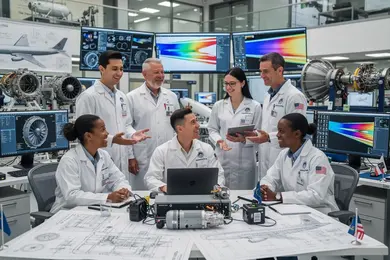
2027 Work Experience Requirements for Aerospace Engineering Degree Programs

Co-Founder and Chief Data Scientist
Applicants to aerospace engineering degree programs often face uncertainty about how much and what type of work experience is essential for admission. Undergraduate tracks may require little to no experience, while master's and doctoral programs often set specific thresholds, sometimes demanding documented industry internships or research roles.
Professional degrees emphasize relevant paid work, including licensure or certification in some cases. In 2024, aerospace engineering graduates nationally report a median starting salary exceeding $80,000 annually, with experience significantly influencing early career trajectories.
This article clarifies how accredited U. S. institutions define, evaluate, and document work experience across degree levels to guide applicants effectively.
Key Things to Know About Work Experience Requirements for Aerospace Engineering Degree Programs
- Experience thresholds, ranging from none at the undergraduate level to 2-3 years for master's and doctoral programs, are shaped by program rigor, industry demand, and accreditation standards across U.S. institutions.
- Admissions committees evaluate work through verified engineering projects, internships, and co-op roles, prioritizing relevance, recency, and complexity over mere duration of experience, especially for professional degrees.
- Documentation must include detailed employer references, project descriptions, and official transcripts. International experience often requires certified translation and equivalency evaluations to meet U.S. norms.
What Are the Work Experience Requirements for Aerospace Engineering Degree Programs at the Undergraduate Level?
Undergraduate aerospace engineering degree programs in the United States generally treat work experience as a supplemental component rather than a firm admission criterion.
Expectations vary: while programs rarely require prior work experience for undergraduate admission, many encourage applicants to strengthen their profiles through internships, summer jobs, or technical projects aligned with aerospace engineering.
This emphasis on practical exposure is especially common in programs designed to integrate applied learning alongside academic coursework. Some institutions go further by offering course credit for cooperative education (co-op) or structured internships, recognizing hands-on experience as valuable in the educational process.
Unlike undergraduate curricula, which prioritize foundational math and science skills, graduate-level aerospace engineering programs typically expect candidates to demonstrate relevant industry or research experience to qualify. This distinction means work experience is often more critical in graduate admissions.
For students entering directly from high school, it is advisable to seek out undergraduate programs embedding internship or co-op components to build workforce readiness as part of degree completion.
These pathways help bridge the gap between campus learning and the aerospace industry's practical demands. Mid-career professionals and international applicants should carefully document all relevant work history, considering how experience earned overseas translates into U.S. admissions contexts, when pursuing advanced aerospace degrees or accelerated pathways.
For those interested in advanced credentials, exploring online BCBA masters programs may illustrate how work experience factors into graduate admissions across technical disciplines.
How Much Professional Experience Do Aerospace Engineering Graduate Programs Typically Require Before Admission?
Work experience expectations for aerospace engineering graduate programs in the United States vary widely depending on degree level, specialization, and institution. Accredited programs align these requirements with academic objectives and applicant profiles, creating diverse benchmarks for admission.
- No Experience Required: Numerous master's programs, especially those serving as direct continuations of undergraduate work, accept applicants without professional experience. These programs focus on strong academic performance and foundational skills to develop expertise through theory and introductory research.
- Recommended Experience: Mid-tier programs commonly expect two to three years of relevant professional experience in aerospace engineering or related fields. This helps candidates showcase practical problem-solving, industry familiarity, and project maturity that enhances advanced coursework.
- Preferred Experience: Elite and highly competitive graduate or professional aerospace engineering programs often require five or more years of work, sometimes including leadership or specialized research roles. This standard ensures candidates contribute advanced knowledge and innovation, important for doctoral research and applied development.
The typical aerospace engineering graduate applicant pool includes recent graduates entering master's pathways, mid-career practitioners pursuing advancement, and international candidates navigating how their foreign experience aligns with U.S. standards.
Admissions committees evaluate paid full-time, part-time, internship, and pertinent unpaid work distinctly, prioritizing quality and relevance over mere duration. Applicants should regard stated experience thresholds as minimums, especially in competitive programs where demonstrated impact and skills can outweigh years of service.
Those seeking accelerated pathways might benefit from resources like the accelerated psychology bachelor's degree discussion, which offers insight into fast-tracked programs that parallel some engineering education models.
What Types of Work Experience Are Considered Relevant for Admission Into Aerospace Engineering Programs?
Graduate programs in aerospace engineering often request relevant work experience without clearly defining what qualifies, causing confusion for applicants. Typically, experience in aerospace-focused roles and industries, such as aerospace engineering, avionics, systems engineering, and mechanical engineering with aerospace projects, is deemed pertinent.
Employment at aerospace manufacturers, government agencies like NASA or the DoD, research centers, and high-tech firms linked to aerospace components is usually valued. Practical tasks involving design, development, testing, propulsion systems, structural analysis, simulation, and quality control of aerospace vehicles carry significant weight.
- Professional Roles: Key positions recognized include aerospace engineers, avionics experts, systems engineers, and mechanical engineers engaged in aerospace-related projects.
- Industries: Experience in aerospace manufacturing facilities, defense contractors, governmental aerospace bodies, and research laboratories is highly regarded.
- Functional Responsibilities: Involvement in activities such as aircraft or spacecraft design, propulsion analysis, systems integration, and simulation modeling is critical.
- Less Relevant Experience: Technical or engineering jobs unrelated to aerospace fields, administrative duties, and retail roles generally do not fulfill requirements.
- Program Focus: Broad aerospace engineering programs may accommodate diverse aerospace work experience, whereas specialized tracks like aerodynamics or propulsion often require tightly aligned expertise.
- Applicant Guidance: Since definitions vary considerably, it is essential for candidates to review each program's criteria carefully and seek direct clarification from admissions when their experience is ambiguous.
A professional who completed an aerospace engineering degree shared that his path was shaped by navigating these uncertainties: "Determining what counted as relevant experience was tricky. My work wasn't a perfect fit with the program's preferred roles.'
"I had to gather detailed documentation and explain how my projects related to aerospace principles. Thankfully, contacting the admissions office helped clarify their expectations early on, which reduced my anxiety and strengthened my application." This type of proactive engagement can make a crucial difference for applicants with unconventional backgrounds.
How Do Aerospace Engineering Master's Programs Evaluate Part-Time or Volunteer Work Experience?
Admissions committees for aerospace engineering master's programs place greater emphasis on the substance of non-traditional experience, such as part-time roles, freelance consulting, unpaid internships, or volunteer positions, than on formal employment status.
These programs assess experience by key factors that highlight an applicant's professional maturity beyond conventional job titles.
- Relevance: Tasks must closely connect to aerospace engineering or closely related technical disciplines.
- Responsibility: Admissions committees look for evidence of meaningful duties, independent decision-making, or significant project contributions.
- Duration and Consistency: Ongoing, sustained involvement is valued more than brief, intermittent engagements.
- Skills Development: Clear demonstration of acquiring technical, analytical, or management skills tied to aerospace engineering is crucial.
- Impact: Examples that show how contributions supported larger organizational objectives or project success strengthen the application.
Programs with flexible admissions criteria, especially those focused on interdisciplinary research, are typically more receptive to applicants with diverse work backgrounds.
Candidates drawing on predominantly part-time or volunteer experience should emphasize specific accomplishments, skills, and decision-making rather than hours worked or job titles. Such framing helps admissions panels properly evaluate the valuable experience offered.
Strong letters of recommendation from supervisors or mentors in these non-traditional roles can substantially mitigate the absence of full-time employment. They lend credibility to claims around responsibility and skill application, assisting candidates in navigating the evaluation of part-time work experience in aerospace engineering master's programs.
For applicants exploring their options, researching good online colleges that offer aerospace engineering degrees can provide pathways accommodating varied experiences, including international and volunteer backgrounds.
What Is the Minimum Work Experience Requirement for Aerospace Engineering MBA or Professional Degree Programs?
Part-time and online aerospace engineering master's programs typically expect applicants to have between two and five years of relevant work experience, often emphasizing managerial roles and accomplishments. These formats cater mainly to mid-career professionals, valuing practical expertise that supports leadership and advanced technical training.
Conversely, full-time daytime programs tend to admit many recent graduates or individuals with limited work history. Such programs prioritize foundational learning and offer opportunities for hands-on internships or cooperative education during the course of study.
- Experience Thresholds: Part-time professional degrees demand measurable professional success, setting higher bars than traditional full-time programs that welcome newcomers.
- Average Class Profile: Admissions committees calculate the mean years of work experience for incoming cohorts to align peer collaboration and curriculum rigor.
- Competitive Insight: Applicants should use these averages to gauge how well their backgrounds fit program expectations.
- Median vs. Minimum: Investigating the median experience of admitted students reveals a more accurate benchmark than stated minimums.
- Experience Types Considered: Both paid and unpaid work are assessed based on relevance, responsibility, and duration.
- Documentation: Detailed resumes with clear employment descriptions help admissions evaluate varied and international work histories effectively.
A professional who built a career following graduation shared that navigating the admissions process required a thorough review of her work record. "I had diverse roles but had to demonstrate how each connected to aerospace engineering's demands."
She emphasized the value of clear, detailed descriptions in her application, saying, "It was challenging to quantify experiences from different countries, but focusing on responsibilities rather than job titles made a difference." Her journey highlighted how applicants benefit from framing varied experiences to meet program expectations while embracing opportunities for growth during the degree.
How Do Aerospace Engineering Doctoral Programs Distinguish Between Industry Experience and Academic Research Experience?
Doctoral programs in aerospace engineering distinctly weigh applied professional experience against academic research involvement, depending on their core focus.
Practice-driven degrees often prioritize candidates with real-world aerospace industry backgrounds, valuing hands-on problem solving and experience with the technologies shaping the field. These programs consider such expertise essential for dissertation topics rooted in practical challenges faced by aerospace companies or government entities.
In contrast, research-oriented doctoral tracks emphasize scholarly research experience gained during undergraduate or master's studies. Applicants who demonstrate a strong foundation in experimental methods, theoretical frameworks, and research publication potential are often favored, with intellectual rigor taking precedence over professional practice.
Recent data reveal that over 60% of U.S. aerospace doctoral programs now incorporate some form of professional experience evaluation alongside traditional academic criteria.
Which Aerospace Engineering Degree Programs Accept Internships or Co-Op Experience in Lieu of Full-Time Work History?
Many aerospace engineering programs integrate structured co-op placements or internships as formal substitutes for full-time work experience required for admission or graduation. These experiential components provide vital industry exposure aligned with academic goals and program criteria.
- Co-op Credit: Co-op placements involve planned rotations with clearly defined learning objectives and rigorous academic oversight from both employers and institutions. Typically paid and often spanning multiple academic terms, co-ops represent substantial professional engagement directly tied to the curriculum.
- Internship Credit: Internships generally last shorter periods, are sometimes unpaid, and have less formal institutional supervision. Though providing valuable hands-on experience, internships are less uniformly credited and often weigh less than co-op or full-time work for meeting experience requirements.
- Documentation: To have work experience officially recognized, students must submit verification forms, employer evaluations, detailed work reports, and reflective essays or presentations clarifying the scope, duration, and technical relevance.
- Admissions Perspectives: Competitive aerospace engineering programs often consider internships favorably in holistic reviews, even when they don't formally replace paid experience, benefiting recent graduates, career changers, and international applicants adapting foreign work records.
- Verification Recommendation: Prospective students should secure official written confirmation from their programs that planned internships or co-ops fulfill experiential requirements before committing, ensuring recognition of their efforts.
According to a recent survey by the National Association of Colleges and Employers, over 65% of engineering programs now accept co-op or internship experiences as formal alternatives to traditional work histories, highlighting evolving priorities in practical aerospace engineering education pathways.
How Do Aerospace Engineering Online Programs Handle Work Experience Verification During the Admissions Process?
Online aerospace engineering programs often require robust work experience verification processes to assess applicants' professional backgrounds accurately, an especially important challenge for programs serving adult and non-traditional learners.
With no in-person interviews, these programs depend extensively on documented evidence and third-party verification to validate the authenticity and relevance of candidates' employment histories.
Evaluating professional background for aerospace engineering online programs in the United States involves multiple strategies tailored to different academic levels and program structures.
- Resume Submission: Applicants must submit detailed resumes showcasing their job roles and responsibilities, providing a comprehensive overview of their experience related to aerospace engineering tasks.
- Employer Confirmation Letters: Programs often request letters from former or current employers to confirm job titles, duties, and tenure, adding an official layer of verification to the application.
- Professional References: References from supervisors or colleagues familiar with the applicant's work provide insights into applied skills, which can be crucial when assessing readiness for advanced studies.
- LinkedIn Profiles: Although not a substitute for formal documents, reviewing LinkedIn profiles helps confirm continuity in employment and relevant industry engagement.
- Verification Challenges: Online admissions face difficulties verifying international work experience where documentation formats differ, increasing risks in evaluating self-reported claims without face-to-face interactions.
- Safeguards: To uphold admissions integrity, programs employ multiple verification layers, including follow-up calls and third-party authentication services.
- Policy Variation: Some programs require a minimum work experience threshold as a formal admission criterion, particularly for graduate or professional degrees, while others consider experience an optional factor enhancing the application but not determining acceptance.
- Applicant Advice: Prospective students should prepare clear, detailed resumes emphasizing relevant aerospace engineering experience and secure at least one employer reference who can provide concrete examples of applied competencies.
Applicants navigating these processes can also benefit from exploring degree options such as the cheapest AACSB online MBA programs, which highlight the value of specialized business education alongside technical expertise in aerospace engineering careers.
What Role Does Work Experience Play in Aerospace Engineering Program Rankings and Selectivity?
Work experience impact on U.S. aerospace engineering program rankings is a well-documented factor influencing both school reputation and admissions selectivity. Ranking methodologies incorporate metrics like the average years of work experience among entering students, employer reputation scores, and alumni career outcomes directly tied to prior professional experience.
Programs admitting cohorts with substantial work backgrounds tend to form stronger employer partnerships, which in turn elevate their rankings and recruitment success.
This dynamic creates a competitive feedback loop. Programs attract applicants with more extensive experience because of their proven outcomes, while experienced applicants prioritize these higher-ranked schools to boost career potential.
Understanding this loop is critical for applicants to strategically build their list of target programs by comparing selectivity data and average entering experience.
- Average Experience: Typical work years possessed by incoming students signal real-world readiness and program rigor, playing a pivotal role in ranking assessments.
- Employer Reputation: Admission of experienced candidates correlates with closer industry ties, enhancing placement and internship opportunities.
- Alumni Outcomes: Postgraduate success, often a reflection of prior professional experience, feeds back into program standing via alumni performance indicators.
- Applicant Strategy: Prospective students should evaluate programs based on selectivity and experience norms to target where their background is competitive in aerospace engineering admissions selectivity.
- Holistic Considerations: Since rankings represent only one input, candidates must weigh program fit, cost, and career alignment equally.
Given the complexity of experience evaluation, applicants navigating U.S. aerospace engineering admissions must thoroughly document their backgrounds. This approach mirrors strategies seen in related graduate fields like masters in child psychology online, where experience impacts rankings and selectivity alike.
How Do Aerospace Engineering Programs With Accelerated Tracks Adjust Their Work Experience Expectations?
Accelerated aerospace engineering programs adjust their work experience expectations based on the intended student profile. Programs designed for recent graduates typically require minimal professional experience to facilitate swift progression through degree milestones.
In contrast, executive-style accelerated tracks often seek applicants with substantial work histories, reflecting the mid-career status of these students pursuing leadership advancement.
These program formats introduce trade-offs affecting cohort composition, curriculum depth, and available career resources. Accelerated cohorts tend to have less variation in work backgrounds, which can limit peer-to-peer learning that benefits from diverse practical insights.
Curricula in these compressed formats prioritize core technical competencies and may reduce elective options or the opportunity to explore niche subjects extensively. Limited professional experience within accelerated cohorts can influence classroom engagement.
Students with fewer years in the field might find it harder to connect theoretical frameworks with applied aerospace engineering challenges compared to more experienced classmates. This gap potentially diminishes interactive case discussions and collaborative project leadership roles.
Applicants lacking substantial experience should emphasize leadership activities, project management, or research engagements to strengthen their applications and indicate readiness for the rigorous pace.
In 2024, 47% of U.S.-based accelerated aerospace engineering programs reported rising numbers of candidates with under two years of work experience, highlighting increased demand among early-career students for expedited degree tracks.
Which Aerospace Engineering Degree Concentrations Require the Highest Levels of Prior Professional Experience?
Several concentrations within aerospace engineering consistently require significant prior work experience, often targeting mid-career professionals whose backgrounds combine technical and managerial expertise. These specializations exist due to the complex demands of executive leadership, policy formulation, and human factors, where hands-on application outweighs theoretical knowledge.
Accreditation standards and industry expectations further reinforce the need for seasoned applicants, as these programs emphasize practical skills developed through substantial career involvement.
- Executive Leadership: Concentrations in this area prioritize candidates with proven experience managing aerospace projects or organizations, ensuring they can blend engineering principles with strategic decision-making.
- Policy and Regulatory Affairs: These tracks typically seek individuals familiar with aerospace regulations, government processes, and industry standards, areas that benefit from professional exposure over time.
- Clinical and Human Factors Engineering: Programs focusing on safety, ergonomics, and system usability demand accumulated real-world insights that come with advanced fieldwork rather than entry-level study.
Many institutions address varying experience levels by dividing offerings between foundational tracks for early-career students and advanced programs tailored to experienced professionals.
Prospective applicants should carefully review admissions criteria and investigate the career profiles of enrolled students or alumni to identify where a concentration fits along this spectrum.
Research from 2024 reveals that about 38% of aerospace engineering master's programs in the United States now formally require a minimum of three years' relevant work experience for admission to specialized tracks, highlighting a growing trend toward professionalization and rigor.
Admissions committees evaluate experience holistically, considering paid, unpaid, part-time, and international work for relevance and depth rather than duration alone, so applicants are advised to document their histories thoroughly and strategically to meet program expectations.
What Graduates Say About the Work Experience Requirements for Aerospace Engineering Degree Programs
- Eddie: "Completing an online aerospace engineering degree challenged me to carefully track my work experience, especially since undergraduates are often expected to meet specific hour requirements verified by supervisors. I found that institutions set these thresholds thoughtfully to ensure practical exposure but also provide flexibility when evaluating diverse projects. Documenting everything precisely, whether lab work or internships, was absolutely crucial for my graduation portfolio."
- Sage: "Reflecting on my master's program, I appreciated how graduate aerospace engineering degrees assess experience depth rather than just hours, focusing on complex project involvement and problem-solving skills. The evaluation process can be rigorous, requiring detailed logs and supervisor confirmations, but it truly mirrors how professional work unfolds. This made me realize that these standards ensure every student acquires meaningful, documented expertise that drives innovation."
- John: "In pursuing my doctoral aerospace engineering degree online, I noticed the work experience expectations shift to emphasize original research contributions alongside traditional industry roles. Accreditation bodies require precise documentation, often integrating publications and patents, to validate this advanced experience. This professional approach to setting and evaluating experience thresholds gave me confidence that my degree reflected real-world impact and academic rigor."
Other Things You Should Know About Aerospace Engineering Degrees
Applicants lacking formal aerospace engineering work experience can strengthen their applications by highlighting relevant internships, research projects, or lab work completed during their undergraduate studies. Participation in engineering competitions or involvement in related extracurricular activities also adds value. Emphasizing transferable skills such as programming, CAD design, or systems analysis-especially when applied in technical settings-demonstrates practical capability even without conventional job experience.
Most aerospace engineering programs require official employment verification, such as letters from supervisors outlining job responsibilities, duration, and relevance to aerospace topics. Some institutions accept pay stubs or signed contracts if supervisors' contact information is included. Documentation must clearly demonstrate the technical nature of the experience and how it aligns with aerospace engineering competencies the program expects.
International applicants should provide translated and notarized copies of employment records or letters verifying job duties and dates. Many programs recommend using credential evaluation services to assess equivalency with U.S. work standards. Including detailed descriptions of the applicant's role and how it relates to aerospace engineering helps admissions committees fairly evaluate foreign experience within the context of the program's requirements.
References
- Entry routes to a career in aerospace - Careers in Aerospace https://www.careersinaerospace.com/news/entry-routes-to-a-career-in-aerospace/
- Study Aerospace Engineering - Experience, Job Opportunities, Salary + Survey https://jobtensor.com/uk/Studies/Aerospace-Engineering
- Work experience FAQs https://help.ncees.org/article/70-work-experience-faqs
- Aerospace Engineering Virtual Work Experience https://www.airbus.com/en/careers/life-at-airbus/working-here/working-at-airbus-in-the-uk/aerospace-engineering-virtual-work-experience
- GE Aerospace | Europe Internships & Co-Ops https://careers.geaerospace.com/global/en/europe-internships-co-ops
- How to Stand Out in the Competitive Aerospace Engineering Job Market | EuroEngineerJobs https://www.euroengineerjobs.com/article/835/how-to-stand-out-in-the-competitive-aerospace-engineering-job-market
- Aerospace Engineering https://universitycompare.com/guides/subject/aerospace-engineering
- Aerospace Engineer Careers - Careers Guide https://www.youthemployment.org.uk/careers-hub-job-role/aerospace-engineer/