2027 Work Experience Requirements for Respiratory Care Therapy Degree Programs

Co-Founder and Chief Data Scientist
Applicants often face challenges determining how much work experience is needed for respiratory care therapy degree programs-particularly since requirements vary widely across undergraduate, master's, doctoral, and professional levels. Experience thresholds are set differently by accredited institutions throughout the United States, complicating the application process. Programs evaluate and document experience based on paid versus unpaid roles, part-time versus full-time status, and even the geographic origin of experience, all of which affect admissions outcomes. Notably, respiratory therapists report a median annual salary of $66,530 in 2024, emphasizing the importance of meeting these thresholds for career success. This article clarifies how work experience is assessed, weighted, and documented to guide applicants effectively.
Key Things to Know About Work Experience Requirements for Respiratory Care Therapy Degree Programs
- Work experience thresholds vary widely-undergraduate programs may require minimal clinical hours, while master's and doctoral formats often demand 500+ hours of documented, relevant respiratory care practice.
- Program admissions committees assess experience quality through supervisor evaluations, direct patient care involvement, and alignment with specialized concentrations, factoring paid, unpaid, part-time, and international work differently.
- Applicants must submit detailed, verifiable documentation-such as employer letters and clinical logs-to meet accreditation standards and bridge gaps for non-U.S. experience, ensuring consistent evaluation nationwide.
What Are the Work Experience Requirements for Respiratory Care Therapy Degree Programs at the Undergraduate Level?
Undergraduate respiratory care therapy degree programs across community colleges and four-year institutions generally treat prior work experience as a supplemental element rather than a strict admission requirement. While some programs recommend applicants have exposure to healthcare or patient care settings, few mandate specific clinical hours or roles before acceptance. This reflects the foundational nature of undergraduate programs, which prioritize comprehensive training regardless of previous work history. Such programs may also consider the work experience requirements for respiratory care therapy undergraduate programs in the United States, ensuring applicants understand expectations.
Many undergraduate curricula integrate clinical experience through course credit or advanced standing for documented hours earned in allied health roles. These experiential learning opportunities offer practical skills development and may accelerate degree completion, but policies and documentation standards vary considerably across institutions. This is especially relevant to respiratory care therapy clinical experience expectations and documentation, which tend to be more rigorous at advanced levels.
Graduate-level respiratory care therapy programs-such as master's and doctoral tracks-commonly require or strongly prefer prior clinical experience, marking a notable distinction from undergraduate programs focused on foundational knowledge. Students advancing to these levels often benefit from having completed relevant work prior to application.
Prospective students entering directly from high school are advised to seek programs that incorporate internships or clinical placements within their curricula, providing essential hands-on exposure.
- Admission Requirements: Work experience is rarely mandatory but sometimes recommended to strengthen applications.
- Experiential Credit: Some programs grant academic credit for documented clinical experience or internships.
- Program Focus: Undergraduate programs emphasize training over prior experience prerequisites.
- Graduate Expectations: Advanced degrees usually expect applicants to have relevant work experience.
- Advice for High School Graduates: Target programs integrating internships for practical exposure early in training.
Those seeking accelerated pathways or advanced degree options may explore the easiest DNP program, which can provide streamlined advancement with appropriate clinical background.
How Much Professional Experience Do Respiratory Care Therapy Graduate Programs Typically Require Before Admission?
Graduate programs for respiratory care therapy in the United States set diverse professional experience requirements-reflecting differences in academic focus, program level, and admissions philosophy. Many programs admit applicants with no prior professional work experience, particularly at entry master's and undergraduate levels, prioritizing foundational clinical education rather than advanced practice or leadership.
- None Required: Numerous accredited respiratory care therapy graduate programs do not mandate professional respiratory care work before admission. This approach allows recent graduates or career changers to pursue further education without prior clinical hours.
- Two to Three Years Recommended: A significant portion of graduate-level programs prefer candidates with two to three years of clinical experience. This helps maintain academic rigor by ensuring students contribute practical knowledge to classroom discussions, clinical placements, and research projects.
- Five or More Years Expected: Top-tier respiratory care therapy programs-especially doctoral or specialized advanced practice tracks-often expect five-plus years of professional experience. Such applicants are generally better prepared for complex patient care, leadership duties, and evidence-based practice.
The average respiratory care therapy graduate applicant typically holds an associate degree or certificate supplemented by clinical hours. Programs increasingly welcome mid-career professionals and international applicants who provide verified, diverse experience-paid, unpaid, part-time, or internationally earned-all weighted differently in admissions evaluations. Understanding the average work experience needed for respiratory care therapy graduate degrees in the United States helps applicants gauge their readiness.
Prospective students should treat minimum experience requirements as starting points rather than ceilings. Meeting or exceeding these benchmarks enhances competitiveness-especially within selective or accelerated programs where practical expertise supports academic success. Clear and well-documented clinical backgrounds align best with program expectations. Applicants may also want to consider factors such as cost alongside experience; for example, exploring the average cost of DNP program can be a crucial part of planning advanced respiratory care education.
What Types of Work Experience Are Considered Relevant for Admission Into Respiratory Care Therapy Programs?
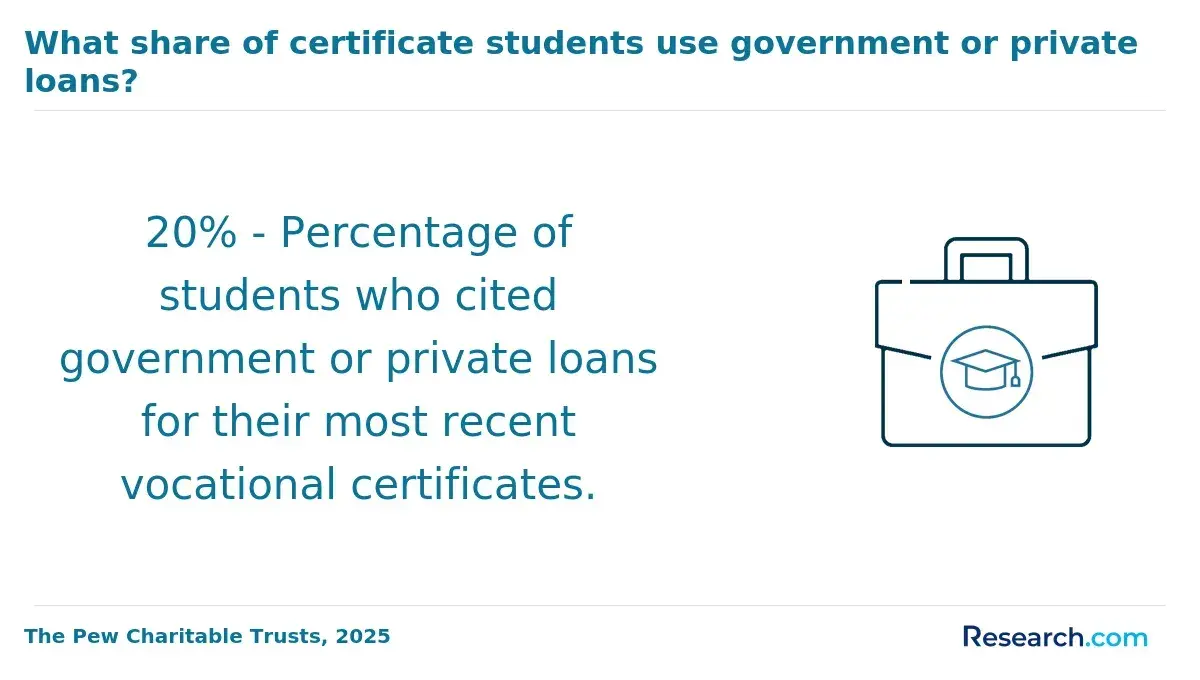
When programs seek "relevant" work experience for respiratory care therapy applicants, they usually mean hands-on clinical roles or healthcare settings tied closely to respiratory patient care. The exact meaning varies widely-programs rarely specify clearly-so it's important to grasp which kinds of experience carry weight and which do not.
- Clinical Roles: Positions providing direct patient care, such as respiratory therapy techs, EMTs, nursing aides, or medical assistants, are highly valued because they show practical exposure to healthcare environments and patient treatment.
- Healthcare Settings: Experience at pulmonary labs, rehabilitation centers, or sleep clinics often counts if the work involves respiratory-related assessments or equipment handling.
- Relevant Duties: Tasks like administering respiratory treatments, managing ventilators, or assisting airway procedures highlight applicable skills, whereas purely administrative or clerical roles typically lack relevance.
- Program Focus Differences: General respiratory care programs may accept broader clinical backgrounds, but specialized tracks-such as neonatal or critical care-usually require experience specific to those populations or settings.
- Unpaid and International Experience: Volunteer roles, internships, or clinical work obtained abroad can be considered relevant if well documented, although some schools may require credential verification.
- Ambiguous Cases: For uncertain situations, reaching out to admissions offices is advisable-policies differ, and direct clarification helps avoid wasted effort or misunderstandings.
A professional who graduated from a respiratory care therapy degree shared that navigating these experience requirements felt daunting at first, especially when some of his work wasn't a perfect fit on paper. He recalled, "I had volunteered in different healthcare settings, but wasn't sure which counted until I spoke directly with admissions. They helped me understand how to present my history clearly and what documentation was needed. That conversation made all the difference-without it, I might have delayed applying or underestimated my own readiness." This insight emphasizes the value of proactive communication to clarify expectations.
How Do Respiratory Care Therapy Master's Programs Evaluate Part-Time or Volunteer Work Experience?
Work experience requirements for respiratory care therapy master's programs in the United States often emphasize the quality and relevance of part-time and volunteer roles instead of focusing solely on hours or job titles. Admissions committees value contributions that demonstrate a clear connection to clinical competency and patient care skills, assessing how these experiences support readiness for graduate-level study.
- Demonstrated Responsibility: Admissions seek evidence that applicants took proactive roles-managing significant tasks or engaging directly in respiratory care activities-reflecting commitment beyond mere presence.
- Sustained Duration: Long-term involvement in part-time, unpaid, or volunteer positions indicates dedication and allows for meaningful skill development, which programs consider favorably.
- Field Connection: Experience tied to respiratory care therapy-such as assisting in clinical assessments or supporting respiratory equipment-carries more weight than unrelated jobs, even if informal or unpaid.
- Skill Development: Candidates should highlight gained competencies like critical thinking, communication, and technical abilities that prepare them for advanced professional roles.
- Recommendation Letters: Strong endorsements from supervisors familiar with the applicant's performance can offset limited traditional full-time employment experience.
Programs offering accelerated or flexible learning pathways tend to be more receptive to diverse work backgrounds. International applicants especially need to translate foreign part-time or volunteer experience into equivalent U.S. terms for clear evaluation. Emphasizing continuity, responsibility, and relevant skills improves candidacy among those with primarily non-traditional experience.
Applicants pursuing certification should consider exploring roles similar to a certified coding specialist for broadening their expertise within respiratory care therapy pathways.
What Is the Minimum Work Experience Requirement for Respiratory Care Therapy MBA or Professional Degree Programs?
Work experience expectations for respiratory care therapy mba and professional degree programs vary significantly by program format and target audience. Evening and online programs-aimed at working adults-commonly require three to five years of relevant experience prior to admission. These programs prioritize career advancement for established professionals, making extensive work history a key factor. By contrast, full-time, traditional programs often admit recent graduates or candidates with minimal respiratory care therapy experience, focusing more on academic achievements than time spent working in the field.
Admissions committees typically calculate the average years of professional experience across incoming cohorts to assess program fit and maintain consistent standards. This figure signals to applicants whether the program favors seasoned professionals or those earlier in their careers. It's important to look beyond minimum requirements and investigate median experience levels, which provide a clearer understanding of a program's typical candidate profile.
A professional who built her career after completing a respiratory care therapy degree shared how navigating varied experience requirements shaped her path. She recalled feeling uncertain when her prior unpaid roles-though impactful-didn't neatly fit typical admissions metrics. "It was challenging to document everything in a way that reflected my true skills," she said, emphasizing the importance of transparent communication with admissions officers. Her persistence in presenting both paid and volunteer experiences ultimately helped her demonstrate readiness for advanced study, affirming that thoughtful preparation and understanding program expectations are crucial for applicants at all stages.
How Do Respiratory Care Therapy Doctoral Programs Distinguish Between Industry Experience and Academic Research Experience?
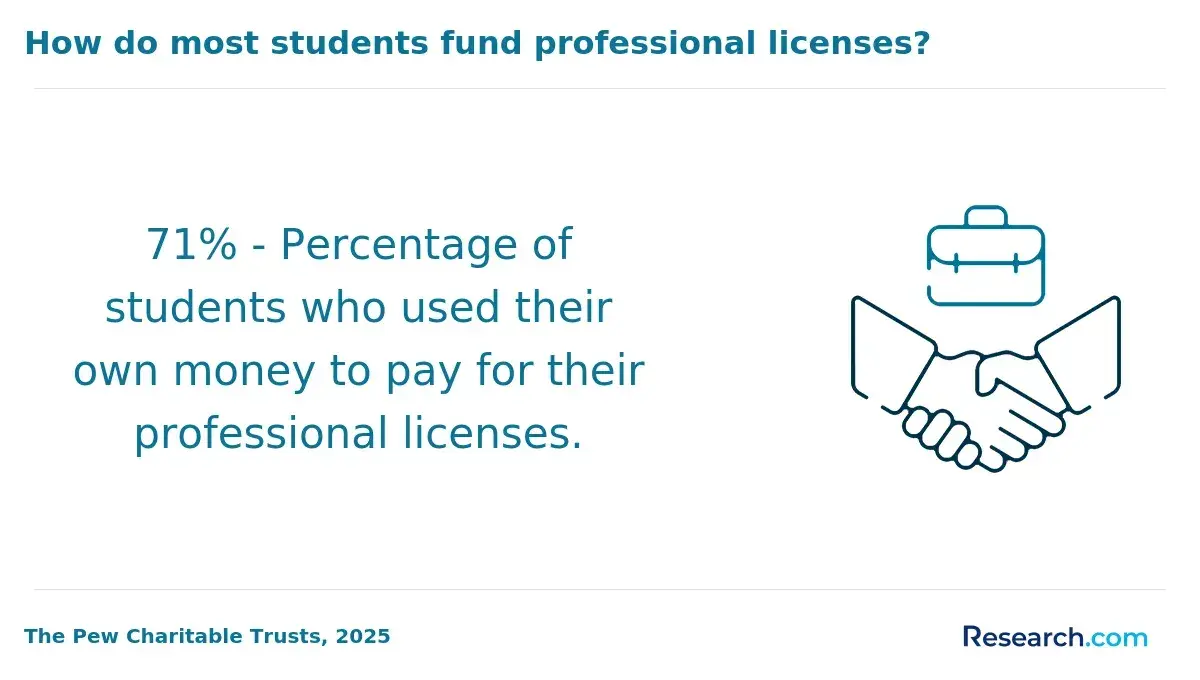
Doctoral programs in respiratory care therapy differentiate sharply between applied professional experience and academic research background based on their core orientation. Practice-oriented doctorates-like professional doctorates-value extensive industry experience, emphasizing clinical exposure that directly shapes patient care decisions and supports practical dissertation themes rooted in real-world healthcare environments.
In contrast, research-driven doctoral tracks such as Ph.D. programs prioritize candidates with demonstrated undergraduate or graduate research capabilities. These programs focus on nurturing expertise in scientific investigation, methodology, and scholarly dissemination rather than emphasizing fieldwork.
- Focus: Practice-centered degrees give precedence to hands-on industry experience, whereas research degrees emphasize academic inquiry and investigation.
- Preference: Some programs explicitly favor applicants with substantial professional backgrounds to enhance applied research projects.
- Documentation: Evaluation relies on professional portfolios or resumes showcasing clinical roles, alongside research portfolios including publications and presentations for academically focused candidates.
- Tailoring: It's essential for applicants to customize their materials and narratives to reflect the distinct values of their targeted program-highlighting clinical practice for professional doctorates and scholarly outputs for Ph.D. tracks.
- Advisory: Prospective students should reach out to program directors to clarify how experiential learning balances with GPA and standardized test scores, ensuring alignment with admissions priorities.
Recent data from 2024 indicate a 15% rise in doctoral respiratory care programs integrating competency-based assessments, reflecting an evolving emphasis on practical experience alongside academic credentials.
Which Respiratory Care Therapy Degree Programs Accept Internships or Co-Op Experience in Lieu of Full-Time Work History?
Several respiratory care therapy degree programs-especially bachelor's completion and professional master's tracks-formally accept structured internships, co-op placements, or supervised practicums as substitutes for traditional work experience requirements. These options often benefit students pursuing hands-on exposure and practical training under strict supervision. Understanding how co-op credit differs from internship credit is key to navigating these pathways successfully.
- Co-Op Credit: Co-op placements are distinguished by formal agreements between academic institutions and employers, usually involving paid work terms combined with academic reflection. These experiences are integrated into the curriculum with scheduled evaluations and rigorous oversight, making them a robust alternative to conventional employment requirements.
- Internship Credit: Internships typically have shorter durations, less formal structures, and may be unpaid or voluntary. Although many programs acknowledge internships as valuable, they may not fully replace paid work experience unless explicitly approved by the institution.
- Documentation: To ensure recognition, students must submit detailed logs, supervisor evaluations, and occasionally reflective essays or portfolios. Written confirmation from both the clinical site and academic program is essential to verify that the experience meets established standards.
- Admissions Perspective: Competitive respiratory care therapy programs often view internships favorably during holistic admissions, especially for recent graduates and career changers who demonstrate commitment and practical skills through these experiences.
- Verification Advice: Prospective students should obtain written assurance from their target programs that planned internships or co-ops satisfy experiential prerequisites to avoid unforeseen issues.
Recent data reveal that nearly 40% of accredited U.S. respiratory care therapy programs have expanded formal co-op or practicum options since 2023, reflecting broader acceptance of diverse experiential learning pathways across undergraduate and graduate levels.
How Do Respiratory Care Therapy Online Programs Handle Work Experience Verification During the Admissions Process?
Online respiratory care therapy degree programs serving adult and non-traditional learners rely on multiple methods to verify applicants' work experience during admissions, especially given the limits on in-person interviews and direct observation. These programs prioritize authenticating self-reported professional histories to ensure fairness and uphold academic rigor within a virtual process.
- Employer Confirmation Letters: Applicants often must submit official letters from current or past employers that detail job duties, length of employment, and relevant skills to establish alignment with program expectations.
- Resume Submission: A comprehensive professional resume outlining respiratory care tasks, certifications, and training provides admissions officers with an initial clear snapshot of experience.
- Professional References: References-preferably supervisors or clinical mentors-offer qualitative insights to corroborate applicants' skills and performance claims.
- LinkedIn Profiles: Some programs cautiously review LinkedIn or other professional social media profiles to supplement verification efforts while considering possible inaccuracies.
Admissions challenges include verifying work experience solely through documents without direct contact, which can raise concerns about falsified or exaggerated claims. Programs combat this by cross-checking information, requesting multiple evidence sources, and occasionally conducting virtual follow-ups. Policies vary widely across accredited institutions offering respiratory care therapy online degrees in the United States-some require verified experience, particularly in advanced degree formats, while others treat it as a recommended enhancement rather than a strict criterion.
Evaluation considers variables such as paid versus unpaid roles, part-time versus full-time work, volunteer activities, and international experience. Each factor weighs differently depending on program type and degree level, reflecting the complexity of admissions requirements for respiratory care therapy online degrees in the United States.
Applicants should prepare detailed resumes and secure at least one employer reference who can specifically speak to their clinical competencies. This preparation facilitates verification and improves admission prospects.
Career changers might also explore related pathways, such as an MA to LPN bridge program, to broaden healthcare qualifications when entering respiratory care therapy fields.
What Role Does Work Experience Play in Respiratory Care Therapy Program Rankings and Selectivity?
- Ranking Factors: Work experience impacts respiratory care therapy program selectivity and rankings by contributing to metrics such as average entering student experience, employer reputation scores, and alumni career outcomes. Accrediting bodies and ranking organizations weigh these factors heavily because they reflect program quality and student preparedness. Programs with more experienced students often show stronger employer reputation scores-an essential element in regional ranking factors for respiratory care therapy programs-signaling higher perceived value within healthcare networks.
- Competitive Applicant Pool: Programs that enroll students with substantial work experience create a feedback loop, attracting more competitive applicants. Candidates with robust professional backgrounds target higher-ranked institutions that prioritize relevant experience, while these programs admit students who can both contribute to and benefit from an advanced learning environment.
- Selectivity Insights: Prospective applicants should analyze program selectivity data-including the average work experience of enrolled students-as a key calibration tool when building their application list. This helps target programs where their background is competitive, improving acceptance chances. For those exploring accelerated or flexible pathways, resources like easiest online RN to BSN programs offer insight into options suitable for diverse applicant profiles.
- Experience Weighting: The weight assigned to work experience varies by program type-undergraduate, master's, doctoral, or professional-and concentration. Admissions committees evaluate distinctions such as paid versus unpaid roles, part-time versus full-time employment, and internationally earned credentials differently, influencing decisions. Recognizing these practical variables can empower applicants to tailor their submissions effectively across accredited programs in the United States.
Holistic Evaluation: Although work experience is a significant metric, it remains only one aspect of program selectivity and rankings. Applicants should balance rankings with considerations of program fit, cost, and specific career outcomes within their chosen respiratory care therapy concentration to make well-informed choices.
How Do Respiratory Care Therapy Programs With Accelerated Tracks Adjust Their Work Experience Expectations?
Accelerated respiratory care therapy programs-ranging from 12-month master's degrees to combined bachelor's-to-master's tracks-often adjust work experience expectations based on their target population. Programs aimed at recent graduates usually lessen clinical work hour requirements compared to traditional two-year pathways, focusing on students with limited hands-on exposure. Conversely, accelerated formats designed for mid-career or executive-level professionals may demand more substantial leadership or management experience, trading clinical hours for demonstrated project and supervisory expertise.
This variation shapes cohort makeup-faster tracks catering to newer entrants often feature fewer experienced peers, which can reduce opportunities for robust, practice-informed discussions and peer learning. Students entering with minimal professional history may encounter challenges relative to classmates who offer deeper career insights. To address this, accelerated programs frequently bolster faculty mentorship and career support services, helping less seasoned students build practical skills and professional networks more effectively.
- Experience Requirements: Recent graduate-focused tracks lower clinical experience thresholds; executive formats prioritize leadership and project-based backgrounds.
- Cohort Diversity: Limited professional experience within a group can diminish rich peer interaction and collaborative learning.
- Curriculum Intensity: Accelerated paths compress foundational topics to allow faster clinical placements or advanced theoretical studies.
- Support Services: Enhanced mentorship and career guidance help compensate for reduced hands-on experience among newer students.
- Application Advice: Candidates with limited respiratory care backgrounds should highlight leadership, research, or management skills to strengthen admissions prospects.
In 2024, about 40% of accelerated respiratory care therapy programs revised their prerequisites to emphasize diverse types of experience beyond traditional clinical hours-reflecting a move toward inclusivity and adaptability for varied professional profiles.
Which Respiratory Care Therapy Degree Concentrations Require the Highest Levels of Prior Professional Experience?
Certain respiratory care therapy degree concentrations-especially advanced clinical specialties, executive leadership paths, and policy-oriented programs-typically require substantial prior work experience. These areas cater mainly to mid-career professionals, reflecting both the practical demands of the field and accreditation standards emphasizing significant professional expertise for student readiness.
- Clinical Specializations: Fields like neonatal-pediatric respiratory care and critical care management often mandate extensive hands-on experience to ensure students can effectively manage complex clinical situations.
- Executive Leadership Tracks: Programs preparing candidates for healthcare management or administration expect applicants to have a background in supervisory or managerial roles, allowing them to apply clinical knowledge strategically to organizational operations.
- Policy and Education Focus: Concentrations centered on respiratory care policy, advocacy, or academic roles usually require a solid professional foundation to contribute meaningfully to curriculum design and systemic change.
- Program Tiers: Many institutions address varying experience levels by offering foundational tracks with minimal prerequisites for newcomers alongside advanced concentrations tailored to seasoned practitioners. Applicants should assess program requirements and student demographics to discern these distinctions.
- Applicant Research: Prospective students benefit from investigating the professional backgrounds of current enrollees and alumni via school websites or professional networks to better gauge experience expectations.
- Recent Data: As of 2024, over 60% of master's respiratory care therapy programs require a minimum of two years' relevant work experience, signaling a strong trend towards valuing practical expertise.
This multifaceted approach to work experience-accounting for concentration focus, degree level, and nature of previous roles-guides applicants in aligning their career stage with suitable respiratory care therapy degree options.
What Graduates Say About the Work Experience Requirements for Respiratory Care Therapy Degree Programs
- Briar: "My experience with the respiratory care therapy degree program was truly eye-opening-especially when it came to understanding how work experience requirements differ with each academic level. Undergraduate programs tend to set clear thresholds to ensure foundational clinical exposure, while master's and doctoral tracks expect deeper, more specialized evaluations of hands-on skills. Documenting these hours meticulously was crucial, and I appreciated how each institution's accreditation standards ensured that my experience met rigorous national criteria."
- Jesse: "Reflecting on my journey through the respiratory care therapy degree, I found the way experience thresholds are set quite insightful. Professional degree formats require not just a set quantity of hours but also emphasize the quality and diversity of clinical settings, which are carefully reviewed by both program coordinators and accrediting bodies. It forced me to keep detailed records and engage thoughtfully with my supervisors, turning the work experience into a portfolio that showcased my readiness across various patient care scenarios."
- Josiah: "Throughout my studies in respiratory care therapy, I gained a strong appreciation for how varied the evaluation and documentation processes can be across different degree levels. While undergraduate programs give you a structured pathway to accumulate practical hours, doctoral programs expect comprehensive evidence of your competency through detailed logs and reflective assessments. This layered approach-ensured by accreditation-helped me understand the profession's demands deeply and prepared me confidently for clinical practice."
Other Things You Should Know About Respiratory Care Therapy Degrees
Students lacking traditional respiratory care work experience can strengthen their applications by highlighting related healthcare roles such as patient care technician or emergency medical technician. Volunteering in healthcare settings, completing internships, or gaining shadowing experience under licensed respiratory therapists also adds value. Programs often appreciate demonstrated commitment to the field through these alternative forms of exposure.
Applicants must typically submit official documentation such as letters of employment or verification forms completed by supervisors. These documents should specify job duties, dates of employment, and hours worked to clearly demonstrate relevant experience. Some programs may also require notarized affidavits or detailed logs if the work was unpaid or non-traditional.
International applicants must provide certified translations of their work experience documents and may need to have their credentials evaluated by recognized agencies. Detailed job descriptions-similar to those required domestically-must accompany proofs of employment to establish equivalency. Programs sometimes require additional validation to confirm work relevance and to assess the comparability of international healthcare practices.
References
- A profession in motion: Shifting numbers and growing roles in respiratory therapy - CHEST Physician https://www.chestphysician.org/a-profession-in-motion-shifting-numbers-and-growing-roles-in-respiratory-therapy/
- Internationally Educated Applicants https://www.nscrt.com/registration/new-registrations/internationally-educated-applicants
- Everything You Need to Know to Become a Respiratory Therapist https://www.crosscountry.com/blog/everything-you-need-to-know-to-become-a-respiratory-therapist
- How to Become a Respiratory Therapist: Education and Skills - American University of Antigua https://www.auamed.org/blog/how-to-become-a-respiratory-therapist/
- Respiratory Therapist - Explore Healthcare Careers - Mayo Clinic College of Medicine & Science https://college.mayo.edu/academics/explore-health-care-careers/careers-a-z/respiratory-therapist/
- Respiratory Care Services Department https://www.kfshrc.edu.sa/en/education/undergraduate-non-medical-education/internship-training-programs/respiratory-care-services-department
- Respiratory Care https://www.qcc.edu/healthcare/respiratory-care
- Department of Respiratory Care https://mycatalog.txstate.edu/undergraduate/health-professions/respiratory-care/
- Respiratory Therapy Internship Program - MultiCare Health System Jobs https://jobs.multicare.org/respiratory-therapy-internship-program/
- Breathing Life into Healthcare: The Role and Rewards of Respiratory Care - Kettering College https://kc.edu/breathing-life-into-healthcare-the-role-and-rewards-of-respiratory-care/