
2027 How to Compare Respiratory Care Therapy Degree Programs Effectively

Co-Founder and Chief Data Scientist
Choosing a respiratory care therapy degree program can be overwhelming when each offers varying clinical hours, accreditation status, and specialization options. For example, a student aiming to work in neonatal care may struggle to find programs with targeted pediatric experience. The demand for respiratory therapists is expected to grow 23% through 2030, highlighting increased competition for quality education.
This article analyzes critical factors within respiratory care therapy degree programs, including curriculum, clinical opportunities, and outcomes, to help prospective students make informed decisions that align with their career ambitions and personal circumstances.
Key Benefits of Comparing Respiratory Care Therapy Degree Programs Effectively
- Verify program accreditation by the Commission on Accreditation for Respiratory Care to ensure credential recognition and eligibility for licensure exams.
- Compare curriculum details to confirm alignment with your career goals, focusing on available specializations and hands-on clinical training opportunities.
- Evaluate total program cost against average graduate salary data, considering financial aid, to estimate return on investment and long-term career benefits.
What Types of Accreditation Should a Respiratory Care Therapy Degree Program Have?
Accreditation plays a critical role when comparing respiratory care therapy degree programs by helping students assess quality, credibility, and long-term value. More than 90% of employers prefer or require candidates to graduate from CoARC-accredited programs, reflecting strong industry recognition and trust.
The following outlines key accreditation requirements for respiratory care therapy programs to consider when evaluating options.
- CoARC Accreditation: The Commission on Accreditation for Respiratory Care (CoARC) focuses on curriculum quality, clinical experience, and faculty qualifications specific to respiratory care. It ensures graduates are prepared for credentialing exams and professional practice, which enhances employability and licensure prospects.
- Regional Accreditation: This type of institutional accreditation confirms overall academic quality and facilitates credit transferability. It is often essential for accessing federal financial aid, making it crucial for students evaluating financial and scheduling needs.
- Compliance With Licensure Standards: Accredited programs meet state and national licensure requirements. This alignment reassures career changers and working professionals that their education investment will be recognized by employers and licensing boards alike.
Students should also remain aware of recognized respiratory care therapy accreditors in the United States to ensure their chosen program maintains high standards. For those exploring related health fields, resources on affordable pathways such as the pharmacy school can provide valuable additional perspectives.
What Specializations Are Offered in Respiratory Care Therapy Degree Programs?
Specializations within respiratory care therapy programs allow prospective students to compare degrees based on how well each aligns with their career goals and academic interests. Employment of respiratory therapists is projected to grow 16% from 2022 to 2032, highlighting the increasing demand for diverse skills in the healthcare workforce.
The following are common areas of specialization that enhance program focus and career opportunities.
- Neonatal and Pediatric Care: Focuses on respiratory support for infants and children, equipping students with skills to manage premature or critically ill young patients. This specialization prepares therapists for roles in neonatal intensive care units and pediatric settings.
- Adult Critical Care: Emphasizes ventilator management and life support techniques used in intensive care units, preparing graduates for acute hospital environments where critical respiratory interventions are essential.
- Pulmonary Rehabilitation: Concentrates on long-term care and therapy for patients with chronic lung diseases, developing expertise in patient education and recovery strategies critical for outpatient and rehabilitation settings.
- Sleep Medicine: Involves diagnosing and treating sleep-disordered breathing conditions, a growing field with increasing employer demand focused on improving patient sleep health.
Prospective students seeking to complement their respiratory care therapy program focus areas with additional skills in related medical fields can explore options such as a medical coding school. This path can broaden career versatility and support professional development in health administration alongside clinical expertise.
How Can You Compare Courses Across Respiratory Care Therapy Degree Programs?
Comparing courses across respiratory care therapy degree programs is crucial for prospective students to evaluate curriculum rigor, clinical experience, and how well programs align with their career goals. Research indicates that programs with in-depth clinical coursework tend to show a 20% higher certification exam pass rate, emphasizing the value of curriculum depth and practical skill development.
Below are practical strategies for comparing these courses effectively.
- Reviewing Course Descriptions: Analyzing course descriptions uncovers the scope and focus of each class, ensuring essential respiratory care competencies are covered thoroughly.
- Checking Credit Hours and Workload: Evaluating credit hours and the distribution of coursework reveals the program's intensity and time commitments, helping students assess fit with personal schedules.
- Assessing Clinical Practicum Requirements: Understanding the quantity and variety of hands-on clinical experiences helps gauge how well the program prepares students for real-world scenarios and professional readiness.
- Comparing Course Sequencing: Observing how foundational and advanced courses build upon each other illustrates the program's structure and depth, vital for mastering complex respiratory care concepts.
- Looking at Outcomes Data: Graduation and certification success rates linked to courses provide insight into program efficacy and student achievement levels.
- Examining Elective Options: Availability of specialized electives offers flexibility for tailoring education to specific career interests and goals, which complements factors for evaluating respiratory care therapy courses and program flexibility.
For students balancing budgets and schedules, researching programs like a low cost medical coding and billing online program can provide additional flexibility while gaining relevant healthcare knowledge.
What Scheduling Options Are Available in Respiratory Care Therapy Degree Programs?
Flexible scheduling is a crucial consideration for students comparing respiratory care therapy degree programs, as it allows balancing education with personal and professional demands. The following key features highlight how various scheduling options accommodate diverse student needs.
- Class Formats: Programs often offer a mix of online, hybrid, and in-person classes to suit different learning preferences and life circumstances. This variety enables students to access coursework remotely or in traditional settings, enhancing convenience and accessibility.
- Evening and Weekend Classes: Many programs include courses during evenings and weekends, providing alternatives for students who work full-time or have daytime obligations. These options help maintain steady progress without interrupting career or family commitments.
- Clinical Placement Timing: Flexible clinical schedules accommodate students' availability, often allowing local or remote arrangements. This adaptability supports those with limited transportation or who live far from campus, ensuring essential hands-on experience can be completed without undue hardship.
- Enrollment Options: Both part-time and full-time enrollment choices are usually available, letting students tailor their pace of study. This flexibility can reduce stress, promote better time management, and improve overall academic success through personalized progression.
Evaluating these scheduling aspects helps students select a respiratory care therapy program that aligns with their lifestyle and commitments, ultimately enhancing the likelihood of successful program completion and readiness for certification.
What Are the Pros and Cons of Online vs Campus-Based Respiratory Care Therapy Degrees?
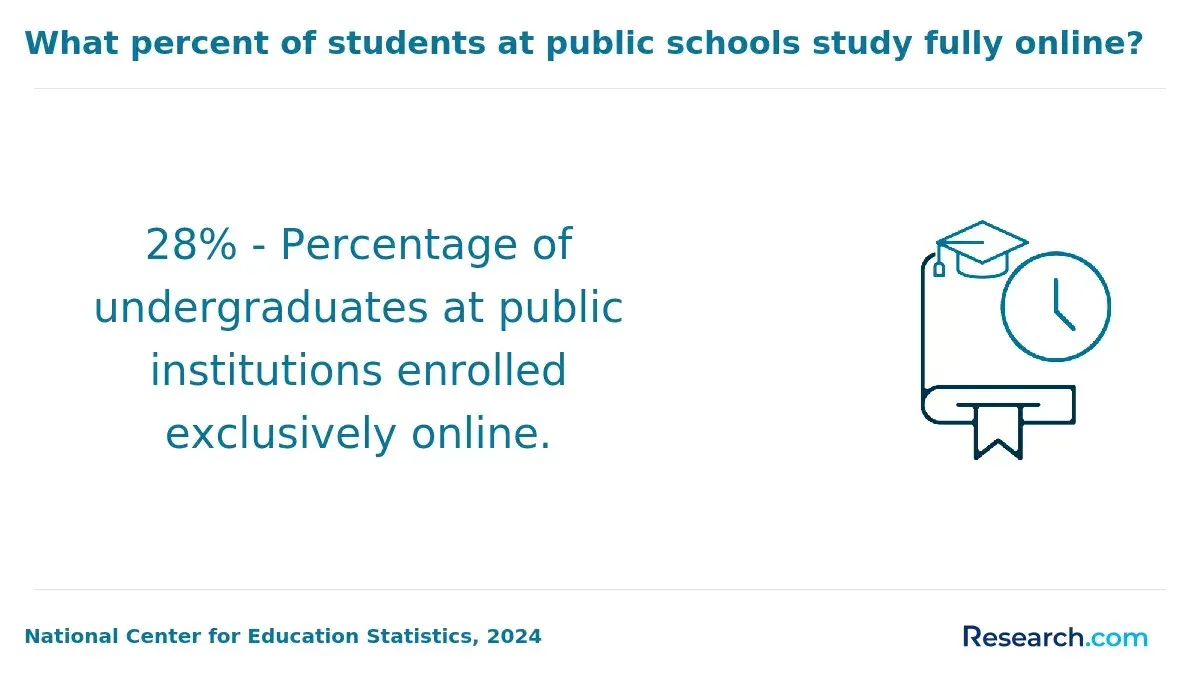
Choosing between online and campus-based respiratory care therapy degree programs significantly affects a student's schedule flexibility, learning experience, and career readiness. Recent data from the National Center for Education Statistics show that about 35% of postsecondary students are enrolled exclusively in online courses, highlighting a growing trend toward remote education.
The following comparison highlights key differences to consider.
Online Programs
- Schedule Flexibility: Students can access coursework anytime, making it easier to balance education with jobs or family responsibilities.
- Limited Hands-On Training: Online formats often lack real-time clinical practice, which may impact development of essential practical skills.
- Networking Challenges: Virtual interactions reduce spontaneous connections with peers and instructors, possibly affecting professional relationships.
- Accessibility and Cost: Programs can be attended from any location and often have lower tuition, reducing financial and geographic barriers.
Campus-Based Programs
- Direct Clinical Experience: On-site labs and immediate mentorship enhance skill mastery through hands-on training and in-person feedback.
- Structured Environment: Fixed class times create consistent routines but can pose difficulties for those with busy or unpredictable schedules.
- Stronger Peer Connections: Face-to-face interactions foster deeper networking and collaborative learning opportunities.
- Additional Costs: Commuting and housing expenses often make campus programs more costly overall.
When I asked a graduate who completed an online respiratory care therapy degree about his decision, he reflected on the difficulty of comparing programs. "Balancing my work schedule and family life was crucial, so I leaned toward online options," he explained.
Still, he worried about missing direct clinical experiences, so he carefully researched programs with strong virtual simulations and local clinical placements. He described feeling overwhelmed by the volume of information but found that connecting with alumni through online forums helped him gain honest insights.
"It was a challenge to trust an online program's ability to fully prepare me, but I focused on programs accredited and well-reviewed by former students," he shared. This process showed him that both formats have trade-offs, and the best choice depends on individual priorities.
How Do GPA Requirements Vary Among Respiratory Care Therapy Degree Programs?
GPA requirements serve as a crucial benchmark for comparing respiratory care therapy degree programs, reflecting their academic standards and competitiveness. Below are key factors outlining how GPA policies vary and influence admissions decisions.
- Range of Cutoffs: Minimum GPA thresholds differ widely, with some programs requiring as low as 2.5 and others setting the bar above 3.5 on a 4.0 scale. This range indicates varying levels of selectivity and academic rigor across programs.
- Holistic Admissions: Many institutions assess candidates beyond GPA alone, considering elements like prerequisite course performance, healthcare experience, recommendation letters, and personal statements. This broader evaluation can provide opportunities for applicants with lower GPAs who demonstrate strengths in other areas.
- Weighted GPA Components: Certain programs emphasize science and math GPA more heavily than overall GPA, acknowledging their relevance to respiratory care studies. This selective weighting can benefit students who excel in these specific subject areas.
- Flexibility in Policies: Some programs offer conditional or provisional acceptances, allowing students to begin their studies while improving their academic credentials. This flexibility supports a wider range of applicants aiming to meet program standards gradually.
How Can You Compare Tuition Across Respiratory Care Therapy Degree Programs?
Comparing tuition among respiratory care therapy degree programs is vital for students aiming to control costs and minimize debt. On average, health-related undergraduate students carry about $30,000 in loan debt, reinforcing the need to evaluate expenses carefully.
The following considerations can guide students in making informed comparisons:
- Total Program Cost: Look beyond tuition to include administrative fees, lab charges, and other mandatory expenses that can substantially increase the overall price of the program.
- Cost Per Credit: Especially important for part-time students or those transferring credits, understanding the price per credit provides clarity on how costs accumulate as you progress.
- Additional Fees: Some programs add hidden costs like technology or equipment fees, which should be factored into the true cost comparison.
- Financial Aid Opportunities: Availability of scholarships, grants, and federal aid varies widely, influencing the final out-of-pocket amount for students.
- Employer Tuition Benefits: Tuition reimbursement or education benefits provided by some employers can significantly offset expenses, offering a practical advantage for working students.
- Long-Term Value: Consider graduation success rates, employment outcomes, and expected earning potential to ensure your investment yields meaningful returns beyond just the price.
When I spoke with a recent graduate who completed a respiratory care therapy degree, she shared how overwhelming it was initially to navigate all these cost factors. "I remember feeling lost comparing numbers from different schools because each one listed different fees and payment structures," she explained.
She spent hours contacting financial aid offices and reading through fine print to understand the actual costs. What helped her most was creating a spreadsheet to track total program expenses and expected salary after graduation.
"It wasn't an easy process, but knowing exactly what I'd owe and potential reimbursements made choosing the right program clearer and less stressful," she said. This detailed, patient approach transformed her tuition comparison from confusion into confidence.
Does a Respiratory Care Therapy Degree Meet Licensure Requirements?
For those pursuing careers in regulated fields or considering career shifts, ensuring a respiratory care therapy degree meets licensure requirements is vital for professional eligibility. About 30 percent of U.S. occupations require licensing or certification, highlighting the need for programs that support licensure.
The following factors can help evaluate how well degree offerings align with these standards:
- Curriculum Alignment: Programs must incorporate core skills and knowledge defined by national accrediting bodies to properly prepare students for state licensure examinations and workplace demands.
- Accreditation Standards: Recognition from accredited agencies ensures the program upholds quality educational benchmarks crucial for licensure approval.
- State-Specific Requirements: Since licensure criteria differ by state, including coursework and clinical hour prerequisites, choosing programs tailored to the student's intended license location is essential.
- Supervised Experience: Clinical practicum components with professional oversight are frequently mandatory, providing hands-on training necessary for licensure eligibility and competency development.
- Exam Eligibility: Degree completion should qualify graduates to sit for the National Board for Respiratory Care (NBRC) or other required certification exams critical for legal practice in most states.
Which Respiratory Care Therapy Programs Have the Best Career Placement Rates?
Career placement rates provide crucial insight into how effectively respiratory care therapy degree programs prepare students for employment. According to the Commission on Accreditation for Respiratory Care (CoARC), many accredited programs report graduate employment rates exceeding 85% within 12 months of graduation, reflecting strong program quality and graduate prospects.
Here are key aspects to consider when evaluating these rates:
- Employer Partnerships: Programs with established connections to local healthcare providers often offer better internship and job placement opportunities. These affiliations create pipelines for students to gain real-world experience and increase their employability.
- Internship Pipelines: Hands-on training is vital in respiratory care therapy, and programs that provide structured clinical internships tend to have higher placement rates. Internships allow students to build skills and network directly with potential employers.
- Alumni Outcomes: Reviewing published graduate employment data helps prospective students identify top respiratory care therapy programs for job placement. Programs that track and share alumni success offer transparency about career prospects after graduation.
- Program Support Services: Career counseling and dedicated job placement assistance significantly improve employment success. Strong programs invest in guiding students through resume development, interview preparation, and job searching strategies.
Prospective students seeking respiratory care therapy graduate employment rates that align with their career ambitions should research these factors carefully. For those comparing costs alongside outcomes, it may be helpful to explore options like the cheapest online healthcare management degree, which can complement clinical training with essential administrative skills.
How Do Salaries Compare Across Respiratory Care Therapy Degree Program Graduates?
Post-graduation salary outcomes provide a vital comparison metric for prospective students evaluating respiratory care therapy degree programs, reflecting potential return on investment. Graduates typically earn between $55,000 and $75,000 annually on average. Several factors influence these salary differences, including role, industry, location, and experience level, as outlined below.
- Role: Specialized respiratory therapists, such as those in neonatal or critical care, tend to earn higher salaries than those in general respiratory care roles, reflecting the increased skill and responsibility required.
- Industry: Hospitals usually offer the highest compensation packages, whereas outpatient clinics and home health services provide lower salaries, driven by different operational costs and patient volumes.
- Location: Salaries vary significantly across states, often rising in metropolitan areas or regions with higher living costs like California or New York. This geographic disparity underscores how respiratory care therapy graduate salaries vary by state.
- Experience Level: Entry-level respiratory therapists start with lower wages, but median salaries grow substantially after 5-10 years of experience, reflecting accumulated skills and professional advancement.
Prospective students should weigh these salary factors alongside program costs and accreditation status to make informed decisions. Those seeking programs balancing affordability with career prospects may explore options like the cheapest DNP program online, which highlights accessible yet reputable educational paths.
What Graduates Say About Comparing Respiratory Care Therapy Degree Programs Effectively
- Davis: "Before pursuing a respiratory care therapy degree, I was hesitant due to the cost of healthcare programs in general. However, the comparatively reasonable tuition fees made this path more accessible, especially considering the average cost of attendance I researched. Completing the program opened doors to a stable and rewarding career, and I feel confident in the value of my investment. "
- Leigh: "I spent a lot of time comparing various healthcare degrees and found that respiratory care therapy offered an ideal balance between cost and career prospects. The average expense was manageable, making it a smart financial choice for me. Reflecting back, this degree truly transformed my professional life, providing both respect in the field and personal satisfaction. "
- Elizabeth: "Choosing respiratory care therapy was primarily influenced by the relatively moderate cost of the program compared to other medical fields, which was crucial for my decision. Professionally, finishing this degree has significantly elevated my opportunities and expertise. I appreciate how the training has prepared me for real-world challenges, making every dollar well spent. "
Other Things You Should Know About Respiratory Care Therapy Degrees
Admission requirements are crucial for selection. Prospective students should evaluate prerequisites such as GPA minimums, required coursework, and standardized test scores to ensure they meet the criteria of their preferred programs, helping to narrow choices effectively.
Program length can range from two-year associate degrees to four-year bachelor's degrees, affecting time to completion and depth of study. Shorter programs may allow for quicker entry into the workforce, while longer degrees often offer more advanced coursework and specialization opportunities. Understanding personal career goals helps determine the ideal program length.
While student support services are always beneficial, they may be less decisive in choosing a program in 2027 since most institutions provide robust online and in-person support. Instead, focus on program accreditation, clinical experience, and faculty expertise for effective comparison.
References
- 3 Benefits of Completing Your Degree in Respiratory Therapy Now https://respiratory-therapy.com/department-management/education/3-benefits-of-completing-your-bachelors-in-respiratory-therapy-degree-now/
- Top 10 Respiratory Therapy Programs https://nurse.org/healthcare/respiratory-therapy-programs/
- Program Details - Saint Paul College https://www.saintpaul.edu/programs/respiratory-therapist/program-details/
- How Long Does It Take to Become a Respiratory Therapist in California | Platt College https://plattcollege.edu/how-long-does-it-take-to-become-a-respiratory-therapist-in-california/
- Frequently Asked Questions https://www.boisestate.edu/respiratorycare/bsrt/faq/
- Respiratory Therapist Program Benefits https://www.dlsii.com/blog/respiratorytherapistprogrambenefits/
- Respiratory Therapist Jobs in Minnesota - MN | School, Degree and Requirements for Training Programs https://www.respiratorytherapistlicense.com/minnesota/
- What You Should Know About Accreditation - CoARC - Commission on Accreditation for Respiratory Care https://coarc.com/students/what-you-should-know-about-accreditation/
- Eligibility and Requirements https://www.kumc.edu/school-of-health-professions/academics/departments/respiratory-care-and-diagnostic-science/academics/respiratory-care-degree-programs/respiratory-care-metc/eligibility-and-requirements.html
- Sterile Processing Technician Certificate Guide | NMC https://www.methodistcollege.edu/respiratory-therapy-program-comparison-worksheet


