
2027 Respiratory Care Therapy Degree vs. Certificate: Which Should You Choose?

Co-Founder and Chief Data Scientist
Today's students and professionals face important decisions when choosing between earning a degree or a certificate in respiratory care therapy. Both pathways offer valuable opportunities to advance careers but differ in time commitment, depth of study, and potential job roles. Understanding these differences can help align education with professional goals effectively.
Respiratory care therapy degrees typically require longer study periods and provide comprehensive knowledge, while certificates offer quicker entry into the workforce. According to the U.S. Bureau of Labor Statistics, demand for respiratory therapists is growing faster than average, highlighting the importance of a well-chosen educational path. This article examines key distinctions to assist in making the best choice.
Key Points About Respiratory Care Therapy Degree vs. Certificate Programs
- Degree programs often provide comprehensive clinical training and advanced coursework, boosting skill development and eligibility for higher certifications, leading to broader career opportunities.
- Certificate programs typically require less time and cost less, making them ideal for quick entry into the workforce but may limit upward mobility and salary potential.
- Salary data shows degree holders in respiratory care average 15-20% higher earnings than certificate holders, reflecting the value employers place on formal education.
What Are the Differences Between Respiratory Care Therapy Degree and Certificate Programs?
Both respiratory care therapy degrees and certificate programs offer valuable career pathways, yet they differ significantly in several important aspects. Understanding these differences can help students choose the educational option that best aligns with their professional goals and time constraints.
Here are some key distinctions between respiratory care therapy degrees and certificate programs:
- Career Advancement: Degree programs typically provide broader qualifications that may open doors to supervisory or specialized roles. Certificate programs focus on essential skills and may suit those seeking quicker entry into the workforce.
- Depth of Learning: Degrees cover comprehensive medical knowledge, clinical practice, and theory, benefiting students aiming for a thorough understanding of respiratory care. Certificates usually concentrate on practical skills needed for immediate patient care.
- Time Commitment: Degree pathways often require a longer study period, appealing to those able to invest more time for expanded expertise. Certificates are shorter and ideal for learners needing faster credentialing.
- Flexibility: Certificates may offer more flexible scheduling options, convenient for working professionals or those balancing other responsibilities. Degree programs might have more structured curricula requiring full-time attendance.
- Professional Preparation: Degrees can better prepare students for broader roles in healthcare beyond direct patient care, including research or education. Certificates focus primarily on delivering competent patient treatment techniques.
How Long Does It Take to Complete a Respiratory Care Therapy Degree vs. a Certificate Program?
Completion time is one of the most important factors for students choosing between a respiratory care therapy degree vs. certificate. Understanding program length can help learners plan their education and career entry effectively.
- Typical duration: Most associate degrees in respiratory care therapy take about two years of full-time study, while bachelor's degrees extend to around four years. In comparison, a respiratory therapy certificate program length usually ranges from a few months to one year, designed for quicker workforce entry.
- Flexibility: Degree programs often offer both full-time and part-time tracks, with part-time students potentially taking three years or longer to finish an associate degree. Certificate programs tend to be more accelerated, focusing mainly on essential skills and exam preparation for those with prior healthcare experience.
- Factors affecting timeline: Degree programs combine academic coursework with extensive supervised clinical training, which extends completion time but is crucial for licensure. Transfer credits and prior experience can sometimes shorten degree program durations. Certificate programs may waive certain requirements, further reducing timeframes for experienced professionals.
For example, associate degrees, like the one at Valencia College, include significant clinical hours-about 24 per week over three clinical semesters-contributing to the standard two-year completion period. By contrast, certificate programs focus less on clinical time, allowing for a faster path. Students interested in certificates that make good money will find these programs appealing.
Can You Complete a Respiratory Care Therapy Degree or Certificate Entirely Online?
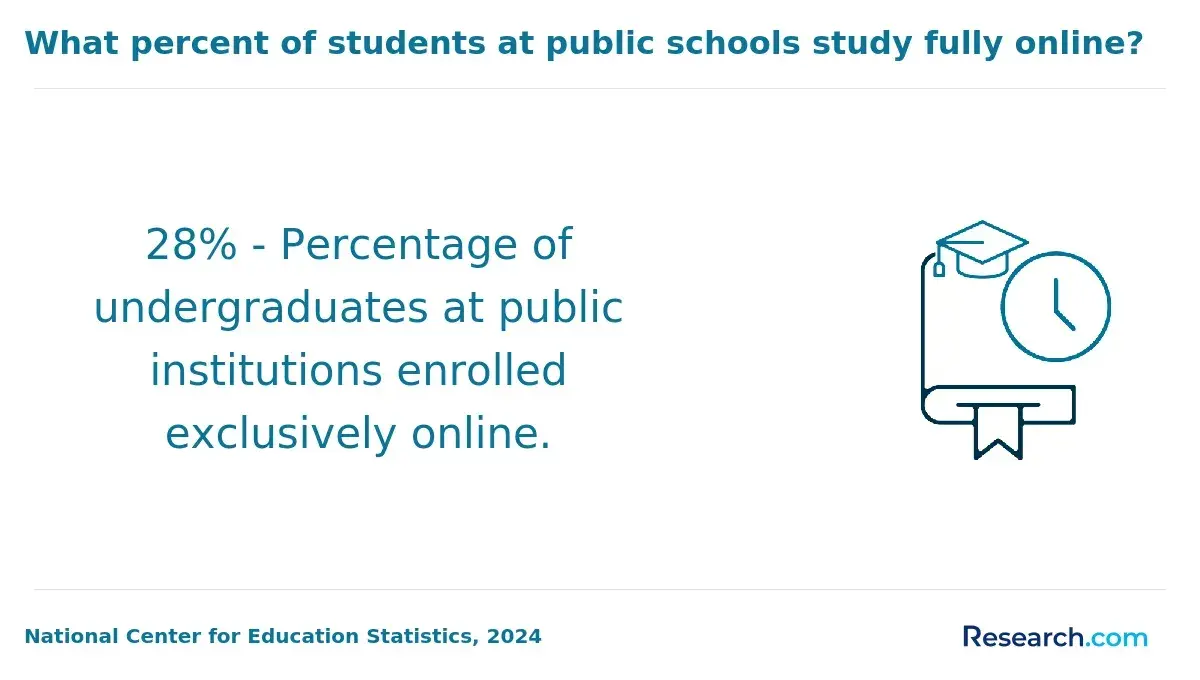
Online education has expanded rapidly, making it easier to pursue healthcare degrees remotely. Fully online respiratory care therapy degree programs are now available, particularly for Registered Respiratory Therapists (RRTs) holding an associate degree. Schools like Northern Kentucky University and the University of Missouri offer 100% online Bachelor of Science in respiratory care programs that allow completion without on-campus attendance.
However, if you are considering respiratory therapy certificates, fully online options are limited. Most certificate and entry-level associate degree programs use hybrid formats, requiring some in-person clinical training or practicums due to the hands-on skills essential in this field. For those wondering what is the easiest associate's degree to get?, respiratory care certificates might offer a faster start but still demand physical clinical presence.
Hands-on training, clinical experience, and internships are critical components for licensure in respiratory care therapy. Even online degree programs usually mandate in-person clinical rotations to ensure practical skills development for patient care. When choosing between a fully online bachelor's degree and a hybrid certificate, consider your current credentials, career goals, and flexibility needs.
Fully online respiratory therapy degree programs are ideal for working RRTs aiming for advancement, while newcomers may require on-site experiences. Carefully review program details to ensure they meet licensure criteria and align with your preferred learning format, especially if evaluating whether you can earn a respiratory therapy certificate online.
What Are the Admission Requirements for a Respiratory Care Therapy Degree vs. a Certificate Program?
Admission requirements are an important consideration when choosing between a respiratory care therapy degree and a certificate program, as they influence eligibility, preparation, and overall career trajectory. Understanding these criteria helps prospective students select the path best suited to their academic background and professional goals. Below is a side-by-side comparison of typical admission requirements for each program type.
Admission Requirements for Respiratory Care Therapy Degree Programs
- Educational Background: Completion of a high school diploma or GED is mandatory, along with 52-57 college semester credits, including general education and science prerequisites.
- Prerequisite Courses: Applicants must have completed courses such as anatomy and physiology with lab, chemistry with lab, physics, English composition, statistics, social sciences, and humanities, generally with a minimum grade of C.
- Minimum GPA: Most programs require a minimum overall GPA ranging from 2.0 to 2.5, often with a higher GPA specifically in science courses.
- References: Three academic or professional references are usually requested to evaluate the applicant's readiness and character.
- Personal Statement: Many degree programs require a personal statement detailing academic and career objectives and knowledge of the respiratory care field.
- Interview: A personal interview may be conducted to assess communication skills and motivation.
- Observation Hours: Some programs recommend or require documented observation hours shadowing respiratory therapists in clinical settings.
Admission Requirements for Respiratory Care Therapy Certificate Programs
- Educational Background: A high school diploma or GED is required, with some programs preferring prior college coursework in health or science subjects.
- Prerequisite Course(s): Completion of a basic health occupations course or introductory biology/microbiology with a grade of C or better may be required.
- First-Come, First-Served Admission: Many certificate programs admit students as applications arrive, provided prerequisites are met, rather than through competitive selection.
- No Minimum College GPA: Unlike degree programs, most certificate programs do not enforce a strict minimum GPA.
- No Interview or Personal Statement: Interviews, personal statements, and references are typically not required for admission.
The choice between a respiratory therapy degree admission requirements and certificate program prerequisites should also consider long-term career goals and the level of academic preparation desired. For students seeking entry-level opportunities or faster completion, certificate programs are accessible and straightforward. Those looking to build a solid foundation for advanced roles often pursue degree programs. For those seeking the cheapest associate's degree, many respiratory care therapy degrees offer affordable pathways balancing cost with comprehensive training.
How Many Credits Do You Need to Complete a Respiratory Care Therapy Degree vs. a Certificate?
Knowing how many credits are required for respiratory care therapy programs helps students plan their education and time commitments effectively. Comparing degree and certificate options reveals significant differences in credit loads and program lengths.
Here's a breakdown of typical credit expectations for respiratory care therapy credentials:
- Associate degree: Usually involves completing between 65 and 76 credit hours, depending on the college, making it a more comprehensive pathway requiring multiple semesters.
- Bachelor's degree: Can demand up to 134 credits, as seen in some university programs, requiring a longer time investment focused on in-depth study and broader healthcare knowledge.
- Certificate programs: Typically range from 12 to 30 credit hours, designed for faster completion and quicker entry into respiratory care roles, though they are less common and sometimes limited by licensure requirements.
When I spoke with a student who pursued a respiratory care therapy certificate program, he shared that the shorter credit requirement was both a relief and a challenge. "I appreciated how the program was focused and accelerated, letting me enter the workforce sooner," he explained. At the same time, the intensity of packing so much into fewer credits required strong time management and dedication. He mentioned feeling the pressure but also enjoyed the immediate relevance of the coursework to clinical skills. Choosing the certificate was a practical decision, fitting his career goals without the extended commitment a degree demands.
What Is the Average Tuition for a Respiratory Care Therapy Degree vs. a Certificate?
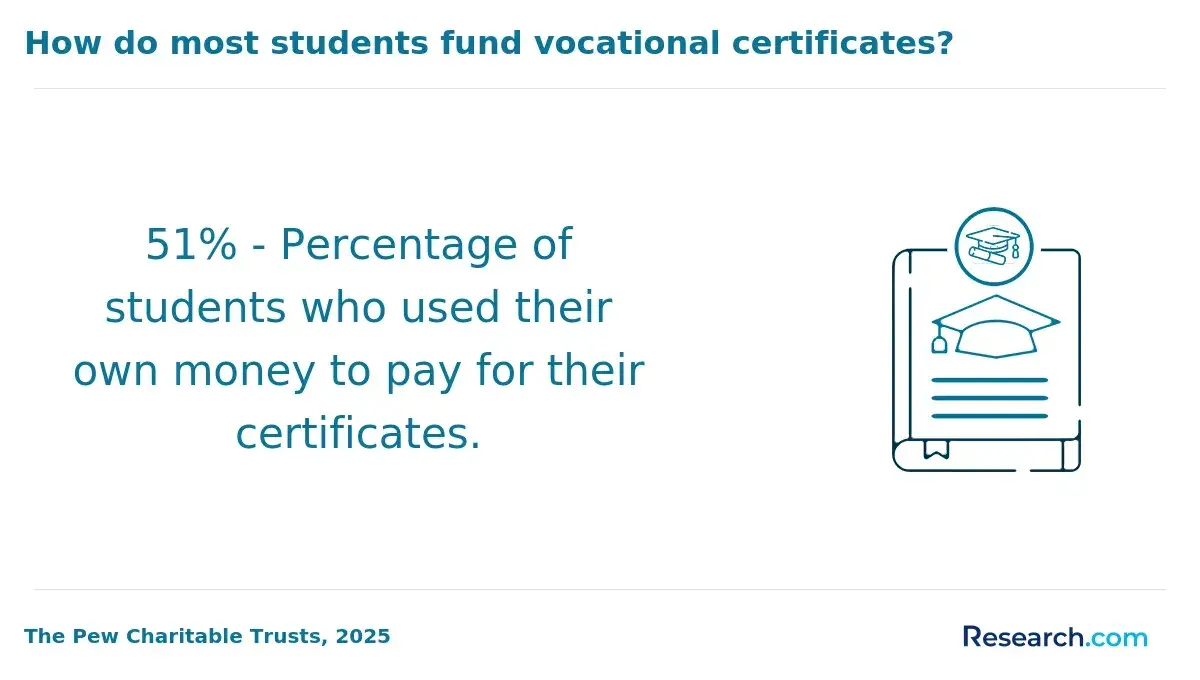
Tuition costs play a crucial role when deciding between pursuing a respiratory care therapy degree or a certificate, as they directly affect your educational investment and future financial planning. Comparing these expenses alongside program length and additional fees helps you choose the best path for your budget and career goals. The following outlines the average tuition ranges for each option to aid in this decision.
Average Tuition for Respiratory Care Therapy Degree Programs
- Tuition Range: Annual tuition for an associate degree generally falls between $10,000 and $15,000 at public colleges, though private institutions typically charge more.
- Bachelor's Degree Costs: Bachelor's degree programs can range from $20,000 to $30,000 per year, with public universities often offering lower rates for in-state students.
- Cost Per Credit Hour: Some colleges charge around $600 per credit hour, resulting in total tuition fees over $25,000 for full programs.
- Additional Fees: Degree programs often include extra costs for immunizations, certifications, and lab fees, adding roughly $500-$1,000 to the overall tuition.
- Program Length: Associate degrees typically require 2 years to complete, while bachelor's degrees take 4 years, influencing total expenses.
Average Tuition for Respiratory Care Therapy Certificate Programs
- Tuition Range: The respiratory care therapy certificate program cost comparison indicates average total tuition between $42,366 and $43,573, often based on vocational school data.
- Program Duration: Certificates usually take 18-24 months and may consist of around 200 contact hours, making them shorter than degree programs.
- Institution Type: Vocational and technical schools typically offer certificates at lower tuition rates than universities, yet total costs remain considerable.
- Additional Expenses: Students may face fees for required certifications and materials, though these are generally less than those for degree programs.
- Financial Aid Availability: Limited financial aid options for certificate programs can lead to higher out-of-pocket expenses compared to degree pathways.
Careful consideration of the average tuition for respiratory care therapy degree programs versus certificate costs is essential. For those exploring affordable options, resources like the cheap online degree guide can help identify cost-effective pathways.
Can You Transfer Certificate Credits Toward a Respiratory Care Therapy Degree Later On?
Yes, you can often transfer credits from a respiratory care therapy certificate toward a degree program, but it depends largely on the policies of the college or university accepting the credits. Key factors include whether both the certificate and degree programs are accredited, typically by the Commission on Accreditation for Respiratory Care (CoARC). Transferability also hinges on how closely the certificate courses align in content and rigor with the degree curriculum. Institutional rules vary, and some schools require evaluations by program directors to assess eligibility for credit transfer or advanced placement.
Additional considerations involve limits on the number of transferable credits and minimum grade requirements, commonly a grade of "C" or better. Certain programs may not accept core respiratory care courses from other institutions, meaning students might need to retake those classes. Because transfer policies differ widely and can affect your progress, it's essential to confirm credit transfer options before enrolling in a certificate program. Doing so ensures that your educational investment supports your long-term academic goals.
One student I spoke with described her journey after finishing a respiratory care therapy certificate. She recalled feeling anxious about whether her hard-earned credits would count toward the degree she wanted next. After meeting with the degree program advisor, she discovered that many of her core courses were transferable due to the strong alignment and accreditation of her certificate school. While some classes required retaking, the transfer process gave her confidence and saved her time overall. She reflected, "Knowing exactly what would transfer helped me plan better and stay motivated throughout both programs."
Are Certificate Programs Accredited the Same Way as Respiratory Care Therapy Degrees?
Respiratory care therapy degree programs-including associate, bachelor's, and master's levels-must be accredited by the Commission on Accreditation for Respiratory Care (CoARC) to qualify graduates for state licensure and national exams like the Certified Respiratory Therapist (CRT) and Registered Respiratory Therapist (RRT). Certificate programs differ: those aimed at entry-level preparation also require CoARC accreditation to ensure eligibility for licensure and certification exams.
However, certificates designed for professionals with existing credentials, focusing on specialized skills, may not always hold CoARC accreditation. This distinction means degree programs consistently meet national standards, while certificate programs vary depending on their purpose and scope.
Accreditation is critical because it guarantees programs meet rigorous academic standards, supports transfer of credits for further education, and affects job prospects by confirming eligibility for certification exams. Students should verify that the program is listed in CoARC's official directory and check the institution's regional accreditation recognized by CHEA or USDE.
Additionally, reviewing program outcomes such as graduation rates, employment, and exam pass rates-often published by CoARC-can help assess quality. To avoid limitations in career advancement and licensure, students must ensure their chosen program is properly accredited by recognized bodies before enrolling.
What Jobs Can You Get with a Respiratory Care Therapy Degree vs. a Certificate?
Both respiratory care therapy degrees and certificates can provide pathways into the respiratory health field, but they typically prepare graduates for distinct roles with varying responsibilities. Understanding the differences in career opportunities between these credentials is important for making an informed choice.
Below is a comparison of potential jobs available to graduates holding either a respiratory care therapy degree or certificate.
Jobs You Can Get with a Respiratory Care Therapy Degree
- Respiratory Therapist (RT): Provides direct patient care managing ventilators and breathing treatments in hospitals or clinics.
- Registered Respiratory Therapist (RRT): A credentialed therapist offering advanced respiratory care, including complex clinical assessments and interventions.
- Respiratory Care Practitioner (RCP): Performs diagnostic testing and therapeutic procedures across various patient populations.
- Neonatal or Pediatric Respiratory Specialist: Focuses on respiratory support for newborns and children in specialized care units.
- Clinical Educator or Supervisor: Oversees respiratory care teams and trains new staff, often requiring further certification or experience.
Jobs You Can Get with a Respiratory Care Therapy Certificate
- Respiratory Technician: Assists therapists by preparing equipment and monitoring patients under supervision in healthcare settings.
- Certified Respiratory Therapist (CRT): Provides basic respiratory treatments and supports respiratory care plans, typically under close oversight.
- Support Staff in Patient Care: Helps respiratory therapists deliver care, focusing on routine tasks and equipment maintenance.
- Equipment Operator: Manages respiratory devices in hospitals or outpatient centers, ensuring proper function and safety.
What Is the Average Starting Salary for a Certificate vs. Respiratory Care Therapy Degree Graduates?
Salary potential often varies significantly between respiratory care therapy certificate holders and degree graduates. Understanding these differences can help guide prospective students in choosing the best educational path for their career goals.
Here is a side-by-side comparison of average starting salaries and key factors affecting pay for graduates with a certificate versus those holding a respiratory care therapy degree.
- Typical Salary Range: Respiratory care therapy degree graduates typically start with salaries between $72,500 and $80,450 per year, while certificate holders or respiratory technicians usually earn a median annual wage around $46,300.
- Influencing Factors: Salary differences are affected by education level, with degree holders qualifying for registered respiratory therapist (RRT) positions that command higher pay compared to certified respiratory therapist (CRT) or technician roles filled by certificate holders.
- Industry and Location: Hospitals and outpatient care centers tend to offer higher wages than smaller clinics or long-term care facilities, and salaries vary widely across states and metropolitan areas, generally favoring urban centers.
- Experience and Credentials: Advanced certifications, specialized skills, and prior healthcare experience can increase starting salaries for both groups, though degree holders have a wider range of advancement opportunities.
- Career Outlook: Degree graduates enjoy stronger job growth projections of 12-14% over the next decade and broader advancement potential, while certificate holders may face more limited roles but benefit from quicker entry into the workforce.
- Further Education Insight: For those evaluating options, exploring what jobs can you get with a vocational education may provide additional clarity about early career opportunities linked to certificate programs.
Here's What Graduates of Respiratory Care Therapy Programs Say About Their Degree or Certificate
- Benny: "Choosing the respiratory care therapy certificate program was perfect for me because it offered a faster learning pace and allowed me to enter the workforce quickly. Considering the lower cost compared to degree programs, it felt like the most practical option. The hands-on experience helped me build confidence and start my career without a huge financial burden."
- Greyson: "Pursuing a respiratory care therapy degree was a commitment that deepened my knowledge and expanded my career opportunities significantly. Although the degree took longer and was more expensive, the comprehensive curriculum prepared me for advanced roles that a certificate alone couldn't offer. Reflecting on the investment, I feel it was essential for long-term professional growth."
- Cooper: "Having completed both the respiratory care therapy certificate and degree programs, I appreciate how each shaped my career differently. The certificate provided a quick start with manageable costs, while the degree enriched my expertise and opened doors to leadership roles. Balancing the immediate benefits of the certificate with the advanced training of the degree helped me plan a sustainable and rewarding career path."
Other Things You Should Know About Respiratory Care Therapy Degrees
In 2027, most employers recognize respiratory care therapy certificate programs, but they may prioritize candidates with an associate degree. While certificates provide essential skills for entry-level roles, a degree often offers broader knowledge, enhancing job prospects and career growth.
Both certificate and degree graduates must obtain licensure or certification to practice as respiratory therapists in most states. The National Board for Respiratory Care (NBRC) credentials are generally required, such as the Certified Respiratory Therapist (CRT) or Registered Respiratory Therapist (RRT) exams. Completion of an accredited program, whether degree or certificate, is a prerequisite for eligibility.
A respiratory care therapy degree typically requires around 60-70 credit hours, while a certificate program may need approximately 30-40 credit hours. The exact number varies by institution, affecting the duration and depth of study in each option.
References
- RCP vs. RRT: Understanding The Difference | St. Augustine https://www.staugustine.edu/2024/02/27/rcp-vs-rrt/
- Explore UM | University of Manitoba - Respiratory Therapy (BRT) https://umanitoba.ca/explore/programs-of-study/respiratory-therapy-brt
- Online Programs for Respiratory Therapists https://online.charlotte.edu/online-programs-respiratory-therapists/
- Respiratory Care Therapy / Therapist Career Tuition https://www.collegetuitioncompare.com/career/respiratory-care-therapy-therapist/
- Respiratory Therapy Transfer to PGCC (MEA) https://www.carrollcc.edu/programs/degrees-credit-certificates/respiratory-therapy-transfer-to-pgcc-mea/
- Respiratory Care https://www.elcamino.edu/academics/areas-of-study/respiratory-care.php
- Respiratory Therapy https://www.tru.ca/science/departments/respiratory-therapy.html
- Respiratory Care Therapy Vocational Programs Costs https://www.exploremedicalcareers.com/respiratory-therapist/respiratory-care-therapy-vocational-programs-costs/
- Respiratory Therapist - Explore Healthcare Careers - Mayo Clinic College of Medicine & Science https://college.mayo.edu/academics/explore-health-care-careers/careers-a-z/respiratory-therapist/
- SHP Respiratory Therapy https://www.utmb.edu/shp/rest


