
2027 Return on Investment (ROI) of a Respiratory Care Therapy Degree Program

Co-Founder and Chief Data Scientist
Consider a working professional weighing the decision to pursue an associate degree in respiratory care therapy while balancing tuition costs and lost income. With the U.S. Bureau of Labor Statistics projecting a 23% employment growth for respiratory therapists through 2032, demand for qualified practitioners is rising.
However, upfront education expenses and rigorous clinical requirements pose significant barriers. This article examines the return on investment of respiratory care therapy degrees, analyzing costs, salary prospects, and job stability to help readers determine if such a program provides worthwhile financial and career benefits in today's healthcare landscape.
Key Things to Know About Respiratory Care Therapy Degree ROI
- Graduates with a respiratory care therapy degree earn a median salary of approximately $62,000 annually, offering competitive earning potential in healthcare.
- Job stability is strong, with employment projected to grow 15% through 2031, faster than average for all occupations.
- Degree holders benefit from diverse career advancement options, including specialization and leadership roles, promoting long-term salary growth and industry flexibility.
How Is ROI Calculated for a Respiratory Care Therapy Degree Program?
Return on investment in higher education measures the financial benefits a student gains from completing a degree compared to the costs and time spent earning it. Calculating ROI helps students compare the value of a respiratory care therapy degree against its financial and time commitments.
Several important factors contribute to determining ROI for this degree program:
- Tuition and fees: This includes all direct costs such as tuition, books, supplies, and any additional program fees. These upfront expenses are the foundation of the investment calculation.
- Opportunity cost: The wages a student forgoes while attending school, typically from not working full-time. This cost represents the earnings sacrificed during the period of study.
- Time to completion: The length of the program influences both the opportunity cost and total expenses. Longer programs delay entry into the workforce, affecting the timeline for recouping costs.
- Post-graduation salary: Expected starting wages and potential salary growth after graduation are crucial for estimating future earnings. These figures help assess how quickly graduates can offset their investment and begin realizing net financial gains.
- Career advancement: Opportunities for promotions, specialty roles, or higher-paying positions expand long-term earning potential. This factor raises the overall return offered by respiratory therapy programs.
Calculating the return on investment for respiratory therapy programs requires careful evaluation of these elements to understand if the degree aligns with a student's financial goals. For students interested in advancing their healthcare education without extensive clinical hours, exploring RN to BSN programs can offer alternative pathways with different ROI considerations.
How Much Does a Respiratory Care Therapy Degree Program Cost?
Evaluating the total expenses of a respiratory care therapy degree program is vital to accurately measure its return on investment, especially given that the average graduate student debt in the U.S. hovers around $66,000. This financial context underscores the need to carefully weigh all costs against potential earnings after completing the program.
Several major financial factors impact the overall ROI of pursuing this degree:
- Tuition and fees: These make up the primary portion of expenses and differ significantly depending on whether the school is public or private and the student's residency status.
- Books and materials: Essential textbooks and specialized tools required for coursework can add a few hundred to several thousand dollars to the total cost.
- Living and relocation: On-campus learners often must budget for housing, food, commuting, and other day-to-day costs that can quickly accumulate.
- Opportunity cost: Time spent attending classes often means forgoing full-time work, leading to lost income that should factor into financial plans.
- Hidden expenses: Additional charges such as application fees, exam costs, uniforms, or clinical placement expenses may not be obvious upfront but can increase spending.
In discussing the question of how much a respiratory care therapy degree program costs, a recent graduate shared that navigating these varied expenses "felt overwhelming at times." He explained that beyond tuition, managing smaller but frequent costs like equipment and travel for clinical rotations required meticulous planning.
While "balancing work and study was stressful," the long-term career benefits justified the effort and financial strain. His experience highlights that understanding and preparing for all costs upfront can make pursuing this degree more manageable and financially sound.
What Financial Aid Is Available for Respiratory Care Therapy Degree Programs?
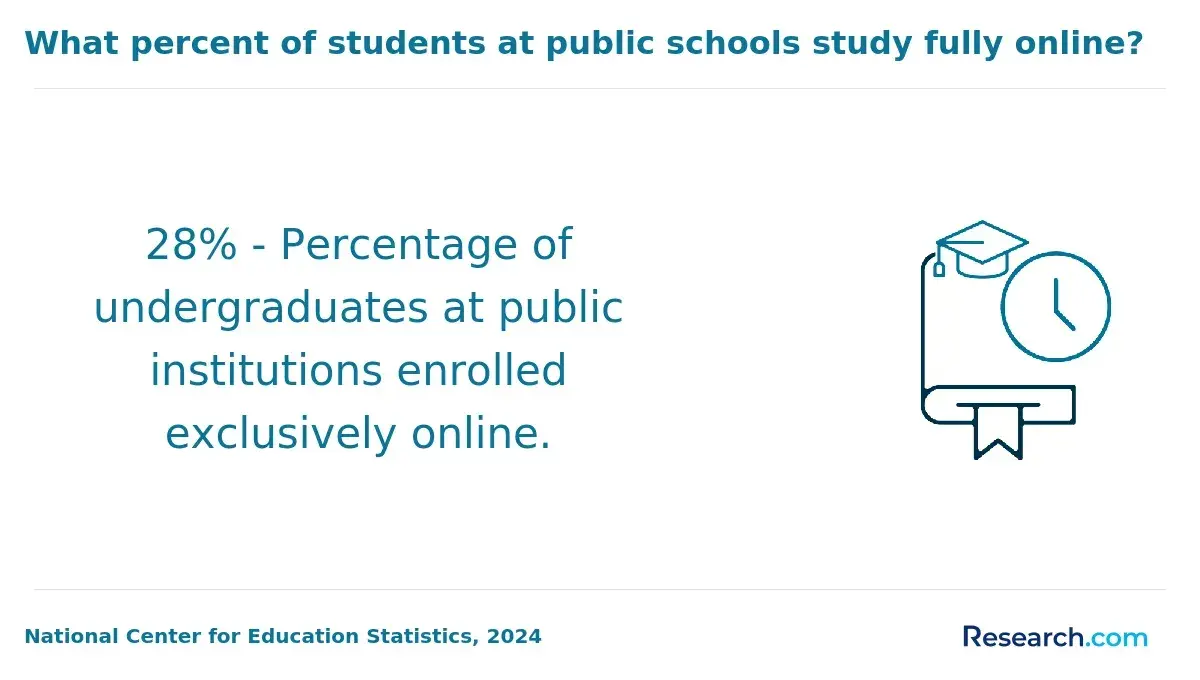
Financial aid helps lower the initial expenses of respiratory care therapy programs, which can significantly improve the long-term return on investment by reducing reliance on loans. Nearly 70% of graduate students borrow funds, making financial aid essential to managing debt and future financial stability.
Common financial aid options available to respiratory care therapy students include:
- Scholarships: Awarded based on merit or financial need, these do not require repayment and reduce overall program costs, helping students avoid accumulating large debt.
- Grants: Primarily need-based and non-repayable, grants lower the amount students must borrow, making education more affordable and improving debt-to-income outcomes.
- Fellowships: Targeted at advanced or research-oriented students, fellowships provide financial support or stipends, reducing the financial strain while allowing full focus on coursework.
- Employer Tuition Assistance: Some healthcare employers offer reimbursement for education expenses, often allowing students to work while studying and minimizing both debt and opportunity costs.
- Federal Student Loans: Although these loans must be repaid, they generally have lower interest rates and flexible repayment options compared to private loans, offering a manageable way to finance education.
Utilizing these financial aid options can ease the economic burdens faced by students and contribute to a more favorable financial outcome after completion of the respiratory care therapy program.
How Long Does It Take to Complete a Respiratory Care Therapy Degree?
The time it takes to finish a respiratory care therapy degree significantly affects its return on investment by influencing opportunity cost, the point at which one can start earning, and total educational expenses. Completing the program sooner means entering the workforce early, which boosts earning potential and helps offset costs more quickly.
Several factors shape how long the journey takes and therefore impact the degree's financial and career benefits. Key elements affecting the duration include:
- Enrollment status: Those studying full-time usually graduate faster than part-time students, who may need extra semesters due to balancing work or personal responsibilities.
- Program format: Online or accelerated tracks can reduce completion time by offering flexible schedules or more intensive coursework.
- Transfer credits: Credit for previous classes can shorten the path by lowering the number of required courses.
- Clinical requirements: Hands-on internships or rotations are vital but may vary, sometimes extending the overall timeline.
- Scheduling flexibility: Programs with evening or weekend classes make it easier for working students but might lengthen how long it takes to graduate.
As a graduate of a respiratory care therapy degree shared with me, navigating these timing challenges was a balancing act between thoroughly learning the material and managing financial pressures. She recalled, "I opted for a part-time schedule because I needed to keep my job, but that stretched my studies longer than I expected.
The clinical hours were intense and sometimes exhausting, yet they gave me confidence I wouldn't have gained otherwise." Reflecting on her experience, she emphasized the importance of choosing a program with schedules that fit individual needs and being prepared for a steady commitment. Her story highlights how duration and ROI are deeply personal, shaped by life circumstances as well as academic choices.
Is ROI Higher for Online or On-Campus Respiratory Care Therapy Programs?
The format of a respiratory care therapy degree program significantly impacts its return on investment by influencing cost, flexibility, and career outcomes. Online enrollment in healthcare-related degrees has increased by over 30% in the past five years, reflecting a growing preference for flexible learning options. This trend plays a key role in the cost effectiveness of respiratory care therapy degrees online and on-campus, where each option offers unique advantages.
Several factors differentiate the ROI between these program types:
- Tuition and fees: Online programs generally charge lower tuition and fees, reducing upfront educational costs and making them more accessible to working students.
- Opportunity cost: The flexible scheduling of online programs often allows students to maintain full- or part-time employment, minimizing lost wages during the course of study.
- Networking and career services: On-campus programs typically provide more robust networking opportunities and direct access to clinical experiences, which can enhance job placement and employer connections.
- Employer perception: While many employers value the flexibility of online education, some still prefer candidates with traditional on-campus training for perceived hands-on preparedness.
- Time to completion: Online programs often offer accelerated or self-paced options, enabling motivated students to finish their degrees faster.
For those researching financial aid or considering other healthcare-related online programs, resources such as medical billing and coding online schools financial aid may provide helpful guidance alongside respiratory care therapy options.
What Is the Average Salary After Earning a Respiratory Care Therapy Degree?
Post-graduation salary is a critical factor in evaluating the return on investment for respiratory care degree programs because it largely determines the financial benefits relative to educational costs. In the United States, respiratory therapists typically earn between $55,000 and $75,000 annually, with entry-level salaries at the lower end and experienced professionals or those with advanced certifications earning toward the higher end.
Several factors affect these earnings and the overall return on investment for respiratory care graduates:
- Industry: Hospitals and specialized clinics generally offer higher salaries than home healthcare or outpatient settings, influencing overall earning potential.
- Geographic location: Salaries vary significantly based on region; urban centers and high-cost-of-living areas usually provide better compensation.
- Prior experience: Healthcare-related work before graduation can elevate starting salaries and speed up career advancement.
- Specialization: Focusing on areas such as neonatal or critical care respiratory therapy often results in premium wages.
- Career level: Supervisory and educational roles typically come with salaries above entry-level positions, enhancing long-term income prospects.
Prospective students should consider these elements along with educational costs to determine the financial worth of pursuing a respiratory care degree. Those interested in broadening their credentials might explore additional options like a healthcare management degree online to complement their clinical expertise.
Does a Respiratory Care Therapy Degree Lead to Promotions?
Promotions contribute significantly to the return on investment of a respiratory care therapy degree by providing higher salaries, expanded responsibilities, and greater career mobility. These advancements enhance both financial and professional outcomes, making career advancement with respiratory care degree credentials a valuable pursuit.
A growing trend in healthcare is credential-based promotions, where formal education is increasingly prioritized alongside experience. This shift ensures that advanced roles, such as supervisory or managerial positions, are occupied by candidates who hold the necessary academic credentials as well as practical knowledge.
Here are key ways a respiratory care therapy degree may influence promotion opportunities and improve ROI:
- Credential Requirements: Many leadership and specialized clinical roles mandate specific credentials, making a degree essential for eligibility and upward movement within healthcare settings.
- Leadership Preparation: The degree equips graduates with critical skills for managing teams and handling complex patient care situations, which are crucial for promotion to supervisory roles.
- Employer Support: Earning this degree often increases eligibility for employer-sponsored tuition reimbursement and professional development programs, reducing overall educational costs and enhancing ROI.
- Internal Promotion Policies: Organizations increasingly align their promotion practices with formal education, giving an advantage to degree holders when competing for advanced positions.
- Experience Synergy: While experience remains vital, combining it with a respiratory care therapy degree generally accelerates promotions, strengthening both career advancement and financial returns.
For professionals pursuing further education, comparing options like the cheapest online healthcare administration degree may also support career goals by expanding credentials in related fields. This integrated educational approach can complement respiratory care therapy credentials, supporting long-term growth and promotions after respiratory therapy certification.
Which Industries Offer the Best ROI for Respiratory Care Therapy Graduates?
The return on investment for respiratory care therapy graduates varies significantly across industries due to differences in salary levels, career progression opportunities, and demand for specialized skills. Industries with higher compensation and strong promotion potential generally provide the best financial returns.
Key industries providing notable advantages for respiratory care therapy graduates include:
- Hospital settings: Hospitals offer competitive salaries and clear career advancement pathways. Specialized units such as critical care reward respiratory therapists with advanced skills by providing increased compensation over time, contributing to substantial ROI.
- Home healthcare: Growing emphasis on outpatient treatment enhances job flexibility and independent practice opportunities. This sector supports better work-life balance while boosting financial returns for respiratory care professionals.
- Long-term care facilities: Due to an aging population, demand in nursing homes and similar settings continues to increase. These facilities offer steady employment and gradual wage growth, ensuring stable income for graduates.
- Medical equipment and pharmaceutical companies: Roles in education, sales, and clinical support within this industry often pay more than direct care settings. These positions also provide career diversification and expansion opportunities.
- Research and academia: Although additional education is required, this sector offers strong ROI through specialized expertise and leadership potential in clinical innovation and teaching, appealing to those seeking long-term career growth.
For those considering further education, exploring the cheapest BSN to DNP programs can enhance prospects in these fields. Aligning career choices with these top healthcare sectors for respiratory care therapy career growth can maximize both professional development and financial rewards.
Does Accreditation Affect ROI for a Respiratory Care Therapy Degree?
Accreditation in respiratory care therapy degree programs signifies that the curriculum meets rigorous standards set by recognized agencies, ensuring students are well-prepared for professional practice. This validation is often essential for graduates to qualify for licensure, which is a key step toward employment in the field.
Employers tend to favor candidates from accredited programs, reflecting a broader workforce trend linking accredited education with higher licensure exam pass rates and better graduate outcomes. These factors contribute to a more reliable return on investment for students choosing accredited programs.
Beyond initial qualification, accreditation affects long-term ROI by fostering employer confidence in a graduate's skills and knowledge, which can enhance job prospects and career advancement. It also facilitates access to federal financial aid, reducing the financial burden of education.
Furthermore, credits from accredited programs generally transfer more easily, supporting further education without setbacks. Together, these elements strengthen licensure eligibility and career mobility, increasing a graduate's potential earnings and professional growth over time.
Is a Respiratory Care Therapy Degree Worth It?
The return on investment for a respiratory care therapy degree hinges on several financial and career factors. Tuition costs vary considerably, often depending on whether the program is offered at a community college or a four-year school, with program lengths usually between two and four years.
Graduates can expect a median annual salary of $63,000, making this a relatively quick path to a stable income in healthcare. Opportunities for advancement through additional certifications or advanced education can elevate earning potential and open access to supervisory or specialized roles.
Deciding if a respiratory care therapy degree is a worthwhile investment depends on multiple elements. Strong industry demand generally supports job placement, but program format-online versus in-person-can affect total expenses and flexibility. Access to financial aid may significantly reduce upfront costs, improving ROI. Ultimately, whether this degree aligns with an individual's career objectives and long-term goals is essential to determining its value beyond just financial returns.
What Graduates Say About The ROI of Their Respiratory Care Therapy Degree
- Deanne: "Choosing to pursue a respiratory care therapy degree as a traditional student was one of the best decisions I've ever made. Although the average cost of attendance hovered around $30,000, the investment truly paid off as I quickly found a fulfilling career with excellent job stability and growth opportunities. This degree provided me with both the hands-on skills and knowledge I needed to thrive in the healthcare field, making every dollar worth it."
- Vanessa: "From an online student's perspective, the flexibility of a respiratory care therapy degree program came at a reasonable cost, often less than $25,000 in total, which made balancing work and study possible. Reflecting on the long-term ROI, I'm confident that this pathway dramatically enhanced my professional prospects without the massive debt some degrees incur. Completing the program online didn't lessen the career impact; I'm now respected in my role and look forward to advancing further."
- Nell: "Pursuing a part-time respiratory care therapy degree was a strategic and thoughtful choice due to budget constraints and my existing job. The cost, averaging around $20,000 to $30,000, felt justified when I considered the lifetime earning potential and the meaningful impact I could make as a healthcare provider. Balancing studies and work was challenging, but graduation marked a turning point as I secured a role that values my credentials and experience highly. "
Other Things You Should Know About Respiratory Care Therapy Degrees
Geographic location plays a critical role in determining both salary levels and job availability for respiratory care therapists. Urban areas and regions with higher demand for healthcare services generally offer better salaries, which can increase ROI. Conversely, graduates in rural or less populated areas might face lower wages and fewer job openings, potentially reducing their financial return from the degree.
Gaining clinical experience through internships or cooperative education while enrolled in a respiratory care therapy program can improve employment outcomes. Employers value hands-on experience, which often translates to quicker job placement and potential for higher starting salaries. Therefore, programs that integrate substantial practical training tend to provide better ROI for students.
References
- Respiratory Care Program Frequently Asked Questions https://www.jccc.edu/academics/credit/respiratory-care/rc-faq.html
- Explore UM | University of Manitoba - Respiratory Therapy (BRT) https://umanitoba.ca/explore/programs-of-study/respiratory-therapy-brt
- Seeking: respiratory therapy professionals | 17 Answers - Featured.com https://featured.com/questions/online-respiratory-therapy-degree-student-resources
- Respiratory Therapy Career Path - UNC Health Careers https://jobs.unchealthcare.org/pages/respiratory-therapy-career-path
- Program Costs | Respiratory Care https://www.cod.edu/academics/programs/respiratory-care/program-costs.html
- Frequently Asked Questions https://www.oit.edu/academics/degrees/respiratory-care/frequently-asked-questions
- Reasons You Should Pursue a Master’s Degree in Respiratory Care https://www.rushu.rush.edu/news/reasons-you-should-pursue-masters-degree-respiratory-care
- How to Choose the Best Respiratory Therapy Program For You https://blog.methodistcollege.edu/how-to-choose-the-best-respiratory-therapy-program
- What Are the Highest-Paying Allied Jobs | StaffDNA https://staffdna.com/ghost/highest-paying-allied-jobs-which-specialties-earn-the-most/
- Respiratory Therapist Salary, Job Outlook & Education Options | Respiratory Therapy https://respiratory-therapy.com/department-management/education/respiratory-therapist-salary-job-outlook-education-options/


