
2027 How to Verify Accreditation for Respiratory Care Therapy Degree Programs

Co-Founder and Chief Data Scientist
Choosing a respiratory care therapy degree program without confirming its accreditation can leave graduates facing hurdles in licensure and employment. Nearly 70% of employers prefer candidates who graduated from accredited respiratory care therapy programs, reflecting the importance of recognized academic standards.
Accreditation affects eligibility for federal financial aid and the credibility of the degree in the healthcare industry. This article explains how to verify accreditation, detailing reliable sources and key accrediting bodies, to ensure prospective students invest in reputable programs that support their career and licensure goals.
Key Benefits of Accredited Respiratory Care Therapy Degree Programs
- Accreditation ensures academic quality by verifying that respiratory care therapy programs meet rigorous educational standards, fostering competent graduates ready for clinical challenges.
- Only accredited respiratory care therapy degrees qualify students for federal and state financial aid, making education more accessible and affordable.
- Employers and licensing boards widely recognize accredited programs, often requiring graduation from such programs for employment or licensure eligibility in respiratory care therapy.
What Does Accreditation Mean for Respiratory Care Therapy Degree Programs?
Accreditation in higher education represents formal recognition that a respiratory care therapy degree program meets rigorous standards established by official accrediting bodies such as the Commission on Accreditation for Respiratory Care (CoARC). This validation is crucial for students evaluating respiratory care therapy programs because it ensures the program offers quality education aligned with professional expectations.
Over 80% of students entering respiratory care therapy programs enroll in accredited institutions, highlighting the importance of accreditation for maintaining academic credibility and program integrity. The importance of accreditation for respiratory care therapy education lies in its role as a benchmark for educational quality and industry relevance.
For students, attending an accredited respiratory care therapy program means benefiting from carefully designed curricula, experienced faculty, and adequate clinical training opportunities to develop essential skills.
Accreditation promotes consistent quality by requiring programs to undergo regular reviews and improvements to keep pace with evolving standards. This process helps prepare graduates for the realities of their profession with confidence in their education. Those interested in advanced healthcare degrees can also explore options like DNP programs online to further enhance their expertise and career paths.
What Types of Accreditation Should a Respiratory Care Therapy Degree Program Have?
Knowing the different types of accreditation is essential when assessing the quality and legitimacy of respiratory care therapy degree programs. This knowledge helps ensure academic credibility, financial aid eligibility, and career readiness. Below are the key types of accreditation to consider:
- Institutional Accreditation: This accredits the entire college or university, verifying it meets broad academic standards. Institutional accreditation affects credit transferability and access to federal financial aid, which is crucial for students planning to continue education or fund their studies.
- Programmatic Accreditation: Specialized accreditation targets respiratory care therapy programs specifically. It confirms that the curriculum and clinical training meet professional standards required for competence. Recognized respiratory care therapy program accreditors in the United States typically offer this type of validation.
- Regional vs. National Accreditation: Regional accreditation is generally more widely accepted, especially for transferring credits between institutions. National accreditation often applies to vocational or less traditional schools but may not provide the same recognition or benefits as regional accreditation.
- Licensure and Professional Accreditation: Certain accrediting agencies recognized by the U.S. Department of Education ensure the program prepares students for licensure exams and meets employer expectations. This accreditation type directly impacts graduates' eligibility for certification and employment.
Confirming both institutional and programmatic accreditation boosts confidence in the academic quality and student outcomes of respiratory care therapy degree programs. For those researching options, resources like easiest DNP programs can provide insights into related healthcare degrees and accreditation considerations.
How Can You Verify If a Respiratory Care Therapy Degree Program Is Accredited?
Verifying accreditation for a respiratory care therapy degree program is crucial to confirm the program's educational quality, ensure eligibility for financial aid, and support licensure and career opportunities. Several reliable methods can help you verify whether a program is properly accredited.
Consider these main steps to confirm accreditation status:
- U.S. Department of Education Database: Use the official database managed by the U.S. Department of Education to identify institutions and programs recognized by national accrediting agencies. This is a trusted resource to ensure a program meets federal standards needed for financial aid and licensure.
- Council for Higher Education Accreditation (CHEA): Review the CHEA directory for a reputable listing of accredited colleges and universities. Confirming a respiratory care therapy program here verifies recognition from legitimate accrediting organizations valued in higher education.
- Programmatic Accreditation: Some respiratory care therapy programs carry specialized accreditation from professional bodies. Checking for these industry-specific accreditations helps ensure the program aligns with professional standards required for certification and practice.
- Direct School Inquiry: Contact the admissions or registrar's office to request official accreditation documentation. Schools usually provide certificates or letters verifying current accreditation status and accrediting agencies.
- State Licensing Boards: Check with your state respiratory care licensing board, as many maintain updated lists of accredited programs approved for licensure eligibility within that state.
For further information on related healthcare education options, consider exploring a healthcare administration online degree that complements respiratory care therapy studies.
What Red Flags Indicate a Respiratory Care Therapy Program May Not Be Accredited?
Identifying warning signs of unaccredited respiratory care therapy degree programs is vital to safeguard academic integrity, access to federal financial aid, and future employment or licensure opportunities. Awareness of these red flags helps students make informed decisions.
Watch for these indicators when assessing program legitimacy:
- "Lifetime" Accreditation Claims: Legitimate accrediting agencies require regular evaluations to ensure program quality. Programs claiming permanent accreditation without periodic reviews may be using false or outdated credentials.
- Unrecognized Accrediting Agencies: Verify that the accreditation comes from organizations approved by the U.S. Department of Education or the Council for Higher Education Accreditation. Lack of recognized endorsement often signals questionable program legitimacy.
- Unusually Low Tuition: Tuition fees significantly below those of comparable programs might indicate insufficient resources or compromised educational standards, potentially affecting the quality of training and outcomes.
- Vague or Misleading Program Information: Programs that omit details about clinical hours or preparation for licensure exams may not provide the comprehensive training necessary for a successful respiratory care career.
- Inconsistencies with Licensure Requirements: Cross-check the program's credentials with state licensing standards. Failure to align with required criteria can jeopardize eligibility for certification and employment.
Are Online Respiratory Care Therapy Degree Programs Accredited?
Online respiratory care therapy degree programs can be accredited by recognized agencies that ensure these programs meet established academic and professional benchmarks. Accreditation confirms the quality of instruction, curriculum, and student achievement, which is essential for qualifying students for federal financial aid and facilitating professional certification and employment opportunities.
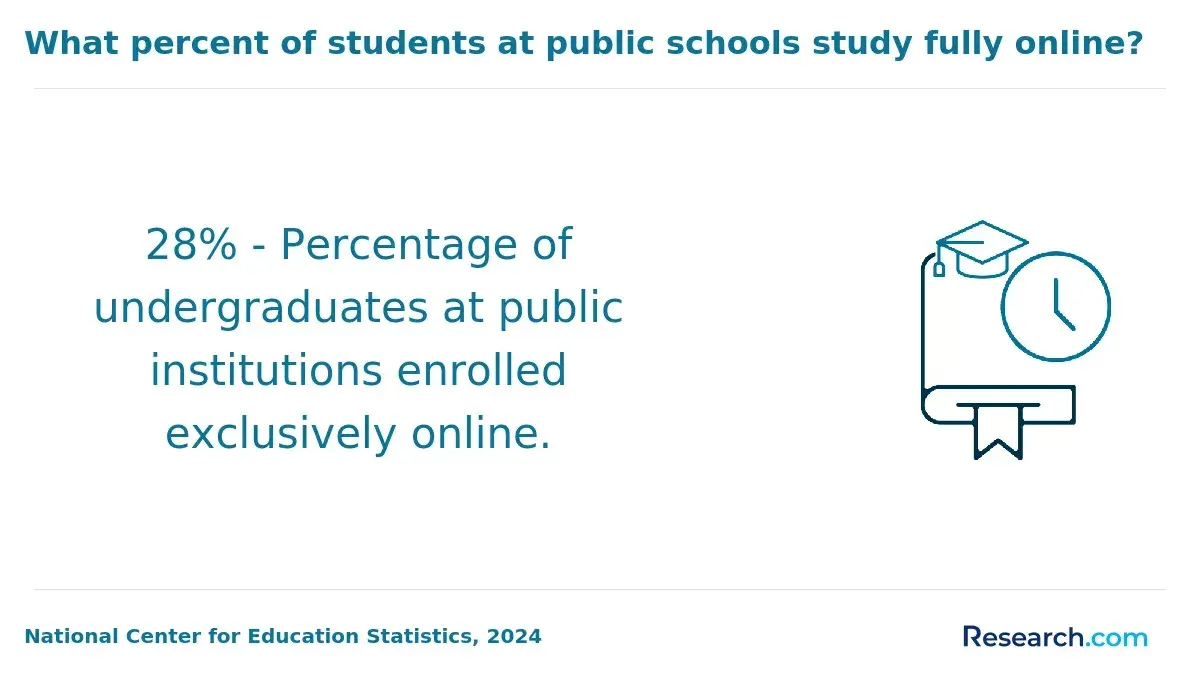
Despite the different delivery method, accreditation standards for online programs are consistent with those for traditional campus-based ones, focusing on effective teaching, measurable learning outcomes, and institutional accountability. Studies indicate that more than 30% of college students enroll in at least one online course. This equivalence reassures employers and licensing boards that graduates from online programs have comparable competencies to their campus-trained counterparts.
When asked about his experience, a graduate of an online respiratory care therapy degree program shared that balancing coursework with family responsibilities was initially daunting, but being able to study on his own schedule made the challenges manageable. He noted, "I was concerned about whether the degree would be respected, but knowing the program's accreditation helped me focus on mastering the material rather than worrying about recognition."
He also described the satisfaction of successfully completing clinical requirements through arranged local healthcare facilities. This solidified his confidence in the program's legitimacy and prepared him well for licensure exams.
Does Accreditation Affect Licensure Eligibility for Respiratory Care Therapy Careers?
Accreditation is a critical factor for students pursuing licensed or regulated respiratory care therapy professions because it directly influences their eligibility for licensure. Below are key ways accreditation affects students' pathways into this field:
- Licensure Exam Eligibility: Graduating from an accredited respiratory care therapy program is typically required to qualify for the Certified Respiratory Therapist (CRT) and Registered Respiratory Therapist (RRT) exams, which are necessary credentials for professional practice.
- Licensing Board Compliance: Most state and regional licensing authorities recognize only graduates from accredited programs, ensuring candidates meet the educational standards needed to earn licensure and legally practice.
- Employer and Regulatory Recognition: Employers often prefer or require candidates who completed accredited programs as accreditation validates the quality and rigor of their education, making graduates more competitive and trusted professionals.
- Program Limitations Without Accreditation: Students from non-accredited programs may face significant obstacles, including being barred from licensure exams, ineligibility for federal financial aid, and restricted access to key certification and job opportunities within the respiratory care therapy field.
Ensuring enrollment in an accredited respiratory care therapy program safeguards a student's ability to progress toward licensure and a viable career, as these programs align with current clinical and regulatory standards essential for professional success.
Will Credits From an Accredited Respiratory Care Therapy Program Transfer to Another School?
Credits from an accredited respiratory care therapy program often matter greatly for students who transfer schools, seek advanced degrees, or relocate across states. Ensuring these credits transfer smoothly depends on a variety of critical factors that influence acceptance at the new institution.
- Institutional Accreditation Type: Credits earned at programs accredited by recognized agencies tend to transfer more easily. Regional accreditation generally carries more weight than national accreditation, making it essential that the original program holds proper credentials recognized by the receiving school.
- Course Equivalency and Curriculum Alignment: The receiving institution compares completed coursework to its own curriculum in terms of content and rigor. If courses align closely, credits are more likely to be accepted, while disparities can lead to partial or no credit transfer.
- Receiving School Transfer Policies: Each college or university enforces specific transfer policies, including which credits they accept and how many credits count toward degree requirements. Some may require a minimum grade or residency period that affects transferability.
- Limits on Transfer Credits: Many schools cap the number of transferable credits, restricting how much of a prior respiratory care therapy program's work can apply toward a new degree, which can affect a student's academic timeline.
When I asked a graduate of a respiratory care therapy degree program about her experience, she shared how uncertain she felt during the transfer process. "I had to contact several departments, submit detailed course descriptions, and wait anxiously to see what would be accepted," she explained. Despite the hurdles, she appreciated that clear communication with advisors helped her plan accordingly.
"Though not all my credits transferred, the process made me more informed about academic policies, and I was glad to have started from an accredited program that was taken seriously." This reflection highlights how practical challenges coexist with opportunities for students navigating credit transfers in respiratory care therapy education.
Does a Respiratory Care Therapy Program Need Accreditation to Qualify for Financial Aid?
Accreditation plays a crucial role in determining eligibility for federal, state, and institutional financial aid, with over 85% of U.S. students depending on some form of federal assistance. This factor directly influences the types of aid accessible to students enrolled in respiratory care therapy programs.
Consider these key points on how accreditation impacts financial support opportunities:
- Federal Aid Eligibility: Accreditation is mandatory for qualifying for Title IV federal student aid programs, which include grants, loans, and work-study opportunities. Without accredited status, students cannot access these widely used funding sources, limiting their ability to finance education.
- State and Military Benefits: Many state tuition assistance programs and military education benefits, such as the GI Bill, require enrollment in accredited programs. This ensures that public funds and military benefits support recognized, quality education pathways.
- Institutional Scholarships: Colleges and universities typically reserve scholarships and grants exclusively for students attending accredited respiratory care therapy programs. This policy maintains academic standards and protects the value of their financial awards.
- Cost and Career Impact: Attending accredited programs often reduces out-of-pocket expenses by unlocking diverse financial aid options, while also supporting a smoother transition to licensure and employment in the respiratory care field.
How Does Program Accreditation Influence Employability in Respiratory Care Therapy Fields?
Accreditation plays a crucial role in enhancing career prospects and establishing job market credibility for students pursuing respiratory care therapy degrees. Over 85% of graduates from accredited programs find employment within six months, highlighting strong employer preference for accredited credentials.
The following points outline key ways accreditation impacts employability in this field:
- Employer Recognition: Many healthcare employers require candidates to graduate from accredited respiratory care therapy programs to ensure that patient safety and care quality standards are upheld. This preference increases hiring chances for accredited program graduates.
- Professional Credibility: Accreditation serves as validation of the graduate's knowledge and skills, enhancing their competitiveness in a crowded job market. It reassures employers of a candidate's readiness to perform at a professional level.
- Certification and Licensure Eligibility: Graduating from an accredited program is generally mandatory to sit for advanced certifications or state licensure exams, which are essential for career growth. Without accreditation, students risk being ineligible for these critical qualifications.
- Financial Aid Access and Stability: Accreditation often determines eligibility for financial aid, enabling students to complete their education uninterrupted. This financial stability contributes to producing well-prepared professionals ready to enter the workforce.
Prospective students should verify program accreditation status as it directly influences not only immediate job prospects but also long-term career development in respiratory care therapy. Those interested in healthcare administration may also consider exploring an online healthcare administration degree, which can complement their expertise and open additional employment benefits of accredited respiratory care therapy degrees.
Do Graduates From Accredited Respiratory Care Therapy Programs Earn Higher Salaries?
Accreditation significantly influences earnings potential for respiratory care therapy graduates by validating the quality of education they receive. Industry data shows that graduates of accredited respiratory care therapy programs earn between $60,000 and $75,000 annually, while those from non-accredited programs typically make between $50,000 and $60,000.
Several factors contribute to this salary difference.
- Employer Preference: Healthcare providers often prioritize hiring graduates from accredited programs, seeing accreditation as a key indicator of quality training and competency, which increases job prospects and salary offers.
- Higher-Level Positions: Accreditation usually affects eligibility for advanced certifications and supervisory roles, which come with higher pay and greater responsibilities.
- Industry Recognition: Degrees from accredited programs are widely accepted by licensing boards and professional organizations, facilitating job placement and stronger negotiation power for salaries, which relates directly to graduates of accredited respiratory care therapy programs salary comparison.
- Long-Term Career Advancement: Accredited program graduates have better access to continuing education and leadership opportunities, which enhances their lifetime earnings and overall career growth, reflecting the impact of accreditation on respiratory care therapy salaries.
For prospective students aiming to balance cost with quality, exploring the cheapest RN to BSN online options can offer a pathway to affordable, accredited education that supports career goals in respiratory care therapy.
What Graduates Say About Their Accredited Respiratory Care Therapy Degree
- Cassie: "Learning the importance of accreditation completely changed how I approached my respiratory care therapy education. I took intentional steps to verify the program's accreditation by checking official accrediting bodies and comparing them against state requirements. Completing an accredited degree has opened doors for me professionally, assuring employers of my qualifications and enabling me to provide high-quality patient care confidently. "
- Louise: "Reflecting on my journey, understanding why accreditation matters for respiratory care therapy was a critical step before enrolling. I researched thoroughly, contacting the program's admissions office and cross-referencing with recognized accreditation agencies to confirm legitimacy. Graduating from an accredited program gave me peace of mind and credibility in the healthcare field, significantly enhancing my career progression. "
- Jackie: "From a professional standpoint, prioritizing accreditation in my search for a respiratory care therapy degree was non-negotiable. I reviewed accrediting institution listings and sought advice from licensed practitioners to verify the program's standing. Earning an accredited degree not only validated my skills but also ensured I met nationwide standards, which has been vital for my employment and continued professional development. "
Other Things You Should Know About Respiratory Care Therapy Degrees
In 2027, students should request an accreditation certificate from the program, and verify with the Commission on Accreditation for Respiratory Care (CoARC) by checking their online database to ensure up-to-date accreditation status.
Yes, accredited programs include mandatory clinical practice hours where students gain hands-on experience in hospitals or clinics under supervision. These practical sessions are crucial for skill development and meeting certification standards set by regulatory bodies. The number of required clinical hours varies but is closely monitored to maintain accreditation.
Respiratory care therapy degree programs typically undergo accreditation reviews every 5 to 10 years, depending on the accrediting organization's policies. These reviews assess curriculum quality, faculty qualifications, student outcomes, and compliance with standards. Programs must maintain continuous improvement to retain accredited status.
References
- Accreditation Information https://uthscsa.edu/health-professions/programs/respiratory-care-ms/accreditation
- Concorde Career Colleges expands access to respiratory therapy education programs to address rising national demand https://investor.uti.edu/2025-09-17-Concorde-Career-Colleges-expands-access-to-respiratory-therapy-education-programs-to-address-rising-national-demand
- Respiratory Therapy Things to Know https://www.tacomacc.edu/academics-programs/your-tcc-path/healthcare/respiratory-therapy/rt-things-to-know.aspx
- Online/Hybrid Respiratory Therapy | 18 Month Program | WVJC https://www.wvjc.edu/respiratory-therapy-online/
- Average Respiratory Therapist Salary by State & Nationally https://www.vivian.com/allied-health/respiratory-therapist/salary/
- Commission on Accreditation for Respiratory Care | Council for Higher Education Accreditation https://www.chea.org/commission-accreditation-respiratory-care
- Academics & Accreditation - Respiratory Therapy https://www.utmb.edu/shp/academics/rest/academics
- Respiratory Therapist Salary, Job Outlook & Education Options | Respiratory Therapy https://respiratory-therapy.com/department-management/education/respiratory-therapist-salary-job-outlook-education-options/


