2027 Guide to Transitioning From Teaching to BCBA

Co-Founder and Chief Data Scientist
If you are a teacher, paraprofessional, aide, or instructional coordinator, the BCBA pathway can be a practical way to move from general classroom support into a specialized behavior-analysis role. The decision matters because it affects your graduate school plans, supervised fieldwork schedule, finances, and long-term career options. It is not a simple credential add-on; it requires formal coursework, documented supervised experience, and exam preparation.
The demand signal is strong. Jobs for BCBA-certified practitioners increased by 38% from 2020 to 2021, and many education professionals are evaluating whether their classroom skills can translate into applied behavior analysis. This guide, prepared by career-planning experts with over 10 years’ experience, explains why educators make the switch, what prerequisites to expect, how long the pathway can take, what it may cost, and how to plan your next steps with fewer surprises.
Key Benefits of a BCBA Credential
- It opens roles such as school‑based behavior analyst, private‑practice BCBA, or consultant in educational settings—allowing you to influence student behaviour and learning.
- The average U.S. salary for a BCBA is about $89,075 per year as of August 2025.
- Many BCBA graduate programs and certifications are available online—giving flexibility if you’re working as a teacher, aide, or coordinator while transitioning.
What motivates teachers, aides and instructional coordinators to transition into a BCBA role?
Teachers, aides, and instructional coordinators often consider BCBA certification when they want to keep working with learners but move into a more specialized, intervention-focused role. The pathway can offer more clinical decision-making, deeper use of behavioral data, and opportunities in schools, clinics, agencies, and private practice settings.
- Around 44% of K-12 teachers reported feeling burned out “often or always” in 2024, making career sustainability a real concern for many educators.
- Job postings for BCBAs rose by 58% between 2023 and 2024, reaching over 103,000 listings.
- Educators often bring relevant strengths to the field, including lesson planning, behavior management, progress monitoring, family communication, and collaboration with multidisciplinary teams.
- The BCBA role may provide higher autonomy than some classroom-based roles because certificants often design, monitor, and revise behavior-intervention plans rather than only implementing plans written by others.
The motivation is not always about leaving education entirely. Many BCBAs continue working in school-based roles, but with a different scope of practice: assessing behavior, training staff, supervising intervention implementation, and using data to guide decisions.
What are the prerequisites for enrolling in a BCBA program?
Before choosing a BCBA program, confirm that the program’s coursework and fieldwork structure align with Behavior Analyst Certification Board requirements. Teaching experience can strengthen your application and help you succeed, but it does not replace the formal academic and supervised-experience requirements.
- You must have a qualifying degree background. Students often begin by reviewing options for a behavioral analysis degree or related graduate pathway that meets certification expectations.
- You must complete either 2,000 hours of supervised fieldwork or 1,500 hours of concentrated supervised fieldwork under a qualified BCBA supervisor.
- The coursework requirement includes graduate-level instruction in behavior-analytic content, such as 270 hours, and must meet the standards set by the Behavior Analyst Certification Board.
What to verify before applying
| Requirement area | What to check | Why it matters |
| Degree eligibility | Confirm that your degree plan satisfies current BACB expectations. | A strong education background is useful, but certification depends on meeting formal rules. |
| Course sequence | Ask whether the program’s graduate-level behavior-analytic coursework is designed for BCBA eligibility. | Not every psychology, education, or special education program automatically qualifies. |
| Supervision access | Find out whether the program helps students locate qualified supervisors. | Fieldwork can become the biggest bottleneck if supervision is not arranged early. |
| State considerations | Check whether your state has additional practice, licensure, or employment requirements. | Certification and state authorization are related but not always identical. |
If you are coming from teaching, paraprofessional work, or instructional coordination, your experience can make the transition smoother. However, admissions committees and certification bodies will still look for the required degree, coursework, supervision, documentation, and exam readiness.
How long does it take to complete a BCBA program?
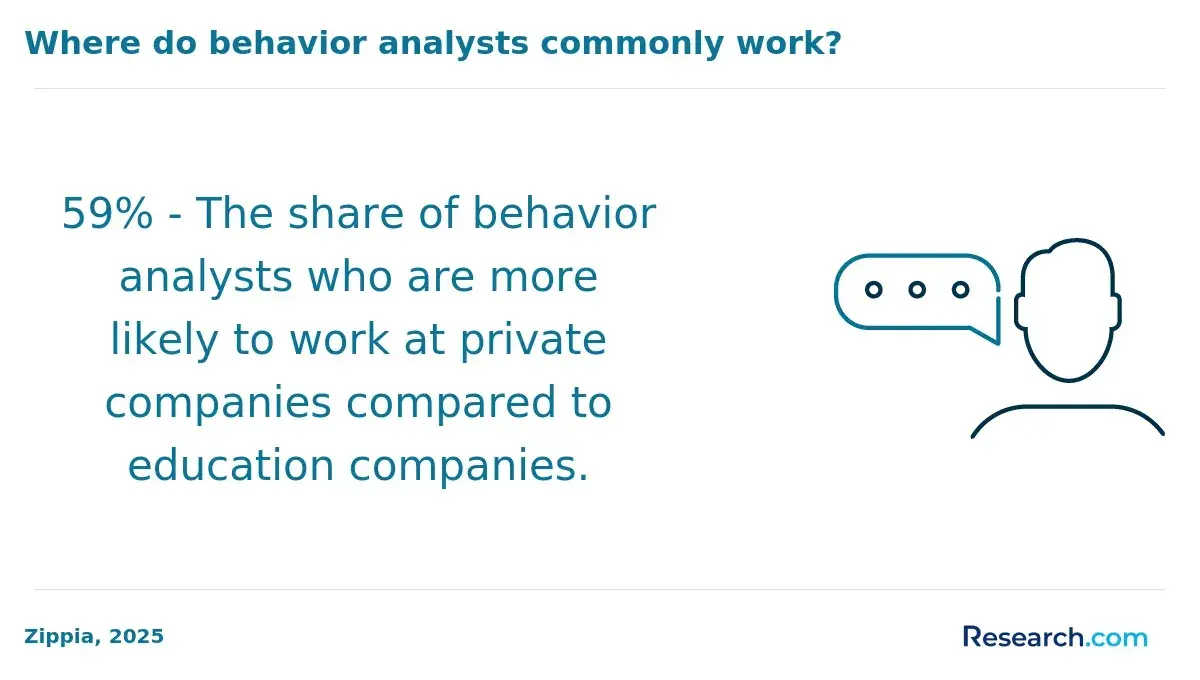
The BCBA pathway commonly takes about 2 to 3 years when coursework and supervised fieldwork are considered together. A realistic timeline depends on whether you study full time or part time, whether you already work in a setting where supervised fieldwork can be completed, and how quickly you can accumulate acceptable hours.
One timeline estimate places graduate coursework at 18–24 months followed by fieldwork of 12–24 months through a BCBA requirements and timeline overview. Fieldwork alone, for 1,500–2,000 hours, can take at least 11-15 months if completed at full pace, according to fieldwork-hour guidance.
Why timelines vary
- Work schedule: Teachers and aides who keep full-time jobs may need more time to complete coursework and supervision hours.
- Fieldwork setting: Candidates who already work in ABA-aligned environments may progress faster than those who must find a new placement.
- Supervisor availability: Delays can occur if you cannot access a qualified BCBA supervisor consistently.
- Documentation quality: Fieldwork hours must be tracked carefully. Poor documentation can slow or complicate certification planning.
- Exam preparation: Finishing coursework is not the same as being ready for the BCBA exam; many candidates need dedicated study time.
For educators, the most practical approach is to map the pathway by semester and by fieldwork month. Before enrolling, ask each program how students typically coordinate work, coursework, supervision, and exam preparation.
What is the average cost of a BCBA program?
The cost of completing a BCBA-qualifying master’s or certification program generally ranges from $20,000 to $60,000, depending on the institution, number of credits, delivery format, and residency status. Tuition is only one part of the total cost, so candidates should compare programs using a full budget rather than advertised tuition alone.
For example, one 2025 program lists total tuition at approximately $57,750 for a 30-credit track, while another program charges around $32,625 for the 2025-26 academic year. These examples show why side-by-side cost comparison is essential before committing.
| Cost category | What to include in your budget |
| Tuition and fees | Graduate credits, university fees, online learning fees, and any required campus visits. |
| Supervision costs | Fees for qualified supervision if not included through your employer or program. |
| Books and materials | Textbooks, assessment materials, software, and exam-prep resources. |
| Exam-related expenses | Application, testing, and preparation costs tied to certification. |
| Travel and placement costs | Transportation to fieldwork sites, schedule changes, or unpaid time needed for supervision. |
When all costs are included, the total investment can be significantly higher than tuition alone. Candidates looking for lower-cost pathways may compare most affordable BCBA online programs, but affordability should be weighed alongside certification alignment, supervision support, faculty expertise, and student outcomes.
What are the financial‑aid options for students enrolling in a BCBA program?
Financial aid for BCBA students depends on the program type, institution, enrollment status, and employer support. The best strategy is to identify funding before you enroll, because some aid options require early applications or minimum credit loads.
Federal Student Loans
Graduate students may be able to apply for federal student loans. These loans can offer structured repayment options, but they still require careful borrowing. Estimate your total program cost, expected monthly payment, and likely post-graduation earnings before accepting the maximum amount available.
Graduate Assistantships
Some programs provide assistantships that allow students to work in research, teaching, or program-support roles while receiving tuition support or stipends. Assistantships can reduce cost, but they may also add weekly work obligations, so ask how the role fits with fieldwork and coursework.
Scholarships
Many ABA and BCBA programs offer scholarships for students pursuing certification. Awards may be based on merit, financial need, professional background, or commitment to serving particular populations. Ask whether scholarships are renewable and whether they apply to all terms or only the first enrollment period.
Employer Tuition Reimbursement
Employers in education, autism services, behavioral health, and applied behavior analysis may provide tuition assistance for staff pursuing BCBA certification. Review the fine print carefully. Some employers require continued employment after graduation, minimum grades, approved programs, or repayment if you leave before a specified period.
Questions to ask the financial-aid office
- Is this program eligible for federal financial aid?
- Are students in certificate-only tracks eligible for the same aid as degree-seeking students?
- What is the total estimated cost, including fees and materials?
- Are there scholarships for educators, paraprofessionals, or career changers?
- Does the program help students find paid fieldwork placements?
How does your teaching background benefit you in a BCBA path?
A teaching background can be a strong advantage in a BCBA pathway because educators already understand instruction, reinforcement, progress monitoring, learner differences, and school systems. The key is learning how to translate classroom experience into behavior-analytic practice.
- Instructional design: Teachers are used to breaking complex skills into smaller steps, adapting lessons, and checking for mastery. Those habits support individualized intervention planning.
- Data tracking and analysis: Educators often monitor grades, goals, attendance, behavior incidents, and intervention response. BCBA work requires a more behavior-specific version of that same discipline.
- Classroom behavior management: Experience responding to challenging behavior, building routines, and using reinforcement can make ABA concepts easier to understand.
- Collaboration with teams: Teachers frequently work with families, administrators, specialists, and support staff. BCBAs also need to communicate plans clearly to people with different levels of training.
- Experience with diverse learners: Exposure to students with varied academic, behavioral, developmental, and communication needs can prepare candidates for work in schools, clinics, and community settings.
- Professional credibility: Admissions committees and employers may value classroom experience because it shows practical judgment, patience, documentation habits, and familiarity with real-world learning environments.
The transition still requires new competencies. BCBAs must conduct behavior assessments, design function-based interventions, supervise implementation, evaluate treatment integrity, and use behavior-analytic terminology accurately. Educators who want to build those academic credentials while continuing to work may compare masters in ABA online programs.
What is the job market for graduates of a BCBA program?
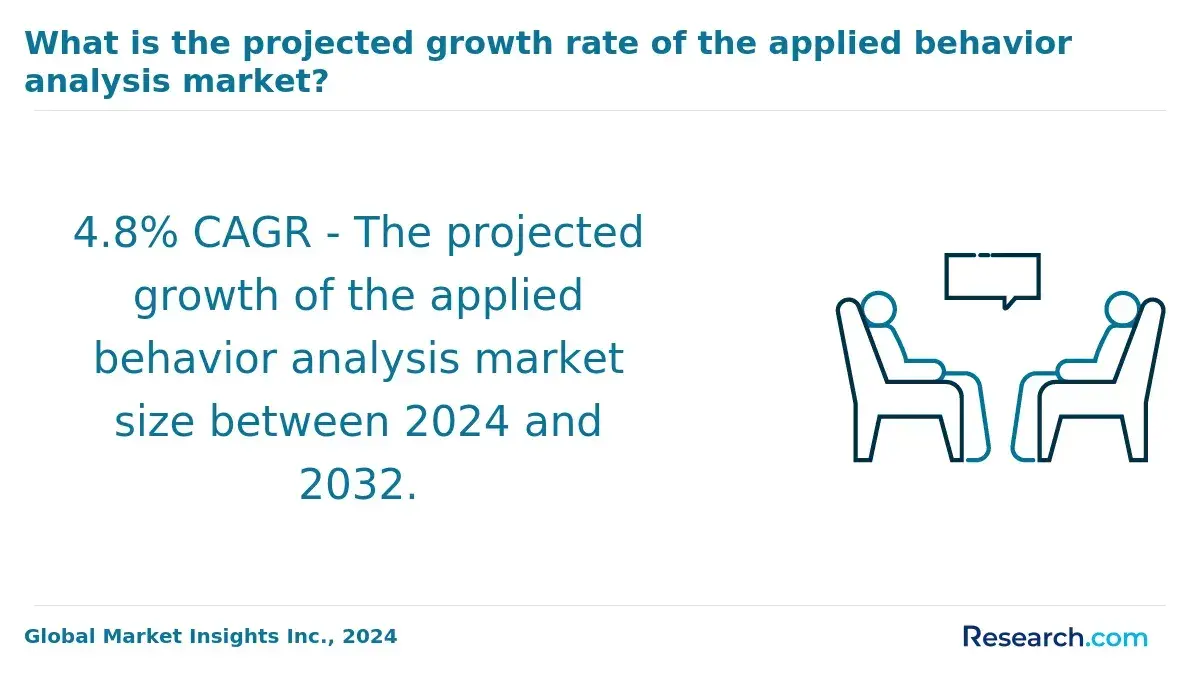
The job market for BCBA-certified professionals is strong, with demand coming from schools, clinics, private practices, agencies, and community-based service providers. In 2024, job postings requiring a BCBA credential rose by 58%, increasing from roughly 65,000 to more than 103,000 listings.
This demand can create favorable conditions for new graduates, but outcomes still depend on location, experience, supervision background, work setting, and fit with employer needs. Candidates should evaluate the market in the state or region where they plan to work, not just national demand.
- High-demand states: California, Texas, Florida, and Massachusetts show particularly high demand for BCBAs.
- Common employers: Schools, ABA clinics, autism service providers, private practices, behavioral health agencies, and consulting organizations.
- Important hiring factors: Quality of supervised fieldwork, experience with assessment and intervention planning, communication skills, ethical judgment, and ability to train others.
For educators, the BCBA credential can be especially marketable when paired with experience in special education, classroom behavior support, individualized instruction, and family collaboration. However, candidates should avoid assuming that certification alone guarantees the ideal role. Review job postings early so you can choose fieldwork experiences that match the settings where you want to work.
What typical job roles can you step into after becoming a BCBA?
BCBA certification can lead to roles in education, clinical services, supervision, consulting, and program leadership. The right role depends on whether you prefer direct client work, school collaboration, staff training, assessment, or management.
School-Based Behavior Analyst
School-based BCBAs support students with behavioral needs, collaborate with teachers and special education teams, help develop intervention plans, and train staff on implementation. This path may appeal to teachers who want to remain connected to K-12 environments while moving into a specialist role.
Clinical and Private Practice Roles
BCBAs in clinics or private practice may provide assessment, develop treatment plans, monitor client progress, supervise direct-service staff, and communicate with families. Entry-level salaries in these settings are competitive and can vary based on location and experience.
Supervisory and Consulting Positions
Within five years, many BCBAs advance into supervisory or consulting roles. These positions may involve overseeing teams of therapists, reviewing data systems, advising schools or agencies, improving program quality, and supporting staff development.
How to choose a role
| If you prefer... | Consider... |
| Working with teachers and students in educational settings | School-based behavior analyst roles |
| Structured treatment planning and client progress monitoring | Clinical or private practice roles |
| Training staff and improving service quality | Supervisory or consulting positions |
| A faster, flexible academic route while working | Comparing BCBA online masters programs |
Before choosing a program, look at the roles graduates enter and ask whether fieldwork placements align with your target setting. A candidate who wants a school-based role may need different experience than one pursuing clinic leadership.
What are some real‑world challenges when making the switch from teaching to BCBA?
The move from teaching to BCBA work can be rewarding, but it is not effortless. The role requires a shift from managing a classroom to analyzing individual behavior patterns, designing function-based interventions, documenting outcomes, and often supervising others.
- Intensive data analysis: BCBAs must collect, interpret, and act on detailed behavioral data. This can be more precise and continuous than many classroom assessment routines.
- One-on-one intervention: Direct therapy and individualized support require sustained attention to one client’s behavior, environment, communication, and response to intervention.
- Supervised fieldwork requirements: Candidates must complete 20–130 hours per month of fieldwork, with at least 60% in unrestricted hours under supervision.
- High workload and documentation demands: Early-career BCBAs may manage demanding caseloads, data review, treatment updates, parent or staff meetings, and supervision responsibilities.
- Role identity shift: Teachers are often used to leading a whole classroom. BCBAs may instead train other adults, consult indirectly, or make decisions through data rather than immediate classroom intuition.
- Ethical responsibility: Behavior-analysis work involves careful consent, scope-of-competence decisions, supervision boundaries, and ongoing evaluation of whether interventions are appropriate and effective.
A common mistake is underestimating the fieldwork period. Candidates should secure supervision early, keep clean records, and choose placements that provide enough unrestricted activities, not only direct implementation hours.
What are the next steps if you decide to begin this transition now?
If you are ready to explore the BCBA pathway, start with verification and planning rather than immediately applying to the first available program. The right sequence can save time, money, and avoidable frustration.
- Clarify your target role: Decide whether you want to work in schools, clinics, private practice, agencies, or consulting. Your target setting should influence your program and fieldwork choices.
- Research BCBA programs: Compare online and in-person options by cost, format, coursework alignment, faculty support, student services, and flexibility for working professionals.
- Check admission prerequisites: Confirm degree requirements, graduate coursework expectations, and whether the program is designed to support BCBA eligibility.
- Ask about supervised fieldwork: Identify whether the program provides placements, helps match students with supervisors, or expects you to arrange supervision independently.
- Build a realistic budget: Include tuition, supervision, materials, exam fees, travel, and any income changes caused by fieldwork scheduling.
- Submit applications strategically: Apply to programs that fit your goals, budget, location, and timeline rather than relying only on speed or convenience.
- Create a fieldwork schedule: Work with a qualified supervisor to plan hours, documentation, unrestricted activities, and monthly expectations.
- Prepare for the BCBA exam: Review study resources early and remember that pass rates vary by program; some accelerated online tracks can shorten the timeline, but exam readiness still requires disciplined preparation.
The best first move is to gather program details in writing: total cost, coursework structure, supervision support, fieldwork expectations, and graduate outcomes. With that information, you can decide whether the BCBA path fits your career goals, finances, and capacity for graduate-level training.
Other Things You Should Know About BCBA Programs
Teachers should focus on courses in Applied Behavior Analysis (ABA), ethics in behavior analysis, and research methods. Understanding developmental disabilities and behavioral strategies enhances this transition. Accredited programs offer coursework aligned with BCBA certification requirements, providing critical skills for effective practice.
Teachers transitioning to BCBA in 2027 need to complete a verified coursework program, gain supervised fieldwork, and pass the BCBA certification exam. They must meet criteria set by the Behavior Analyst Certification Board (BACB) to ensure their qualification for practice.
References
- Behavior Analyst Certification Board. (2020). BACB course content allocation [PDF]. Retrieved November 10, 2025, from https://www.bacb.com/wp-content/uploads/2020/05/BACB_CourseContentAllocation.pdf
- Behavior Analyst Certification Board. (2025, August). BCBA handbook [PDF]. Retrieved November 10, 2025, from https://www.bacb.com/wp-content/uploads/2025/08/BCBAHandbook_250818-2-a.pdf
- Behavior Analyst Certification Board. (n.d.). US employment demand for behavior analysts, 2010–2024. Retrieved November 10, 2025, from https://www.bacb.com/team-view/us-employment-demand-for-behavior-analysts-2010-2024
- BH Business. (2024, March 25). Demand for BCBAs vastly outstrips the total workforce. Retrieved November 10, 2025, from https://bhbusiness.com/2024/03/25/demand-for-bcbas-vastly-outstrips-the-total-workforce
- BH Business. (2025, February 24). Job postings for BCBAs up 59% in 2024. Retrieved November 10, 2025, from https://bhbusiness.com/2025/02/24/job-postings-for-bcbas-up-59-in-2024
- Child Builders ABA. (n.d.). The rate of job growth for BCBAs. Retrieved November 10, 2025, from https://childbuildersaba.com/blog/the-rate-of-job-growth-for-bcbas
- Devlin Peck. (n.d.). Teacher burnout statistics. Retrieved November 10, 2025, from https://www.devlinpeck.com/content/teacher-burnout-statistics
- Double Care ABA. (n.d.). The rate of job growth for BCBAs. Retrieved November 10, 2025, from https://doublecareaba.com/post/the-rate-of-job-growth-for-bcbas
- EdWeek. (2024, June). Teachers report lower pay, more stress than workers in other fields. Retrieved November 10, 2025, from https://www.edweek.org/teaching-learning/teachers-report-lower-pay-more-stress-than-workers-in-other-fields/2024/06
- NEA. (n.d.). What new survey says about teachers plans to leave their jobs. Retrieved November 10, 2025, from https://www.nea.org/nea-today/all-news-articles/what-new-survey-says-about-teachers-plans-leave-their-jobs
- Purdue Global. (n.d.). Applied behavior analysis. Retrieved November 10, 2025, from https://www.purdueglobal.edu/blog/psychology/applied-behavior-analysis
- Rollins College. (n.d.). Applied behavior analysis masters: Tuition & scholarships. Retrieved November 10, 2025, from https://www.rollins.edu/applied-behavior-analysis-masters/tuition-scholarships
- Yellow Bus ABA. (n.d.). The rate of job growth for BCBAs. Retrieved November 10, 2025, from https://www.yellowbusaba.com/post/the-rate-of-job-growth-for-bcbas
- ZipRecruiter. (n.d.). BCBA salary. Retrieved November 10, 2025, from https://www.ziprecruiter.com/Salaries/Bcba-Salary