
2027 How to Become a Mental Health Counselor in Tucson, AZ: Education Requirements & Certification

Co-Founder and Chief Data Scientist
Pursuing a career as a mental health counselor is a meaningful and rewarding path, offering the opportunity to make a significant difference in the lives of individuals and communities.
Tucson, Arizona presents a unique environment for this profession, with a growing demand for mental health services and a supportive network of healthcare providers. The city's diverse population and emphasis on holistic wellness create an enriching atmosphere for counselors to develop their skills and impact lives.
In this article, you will learn about the educational requirements, licensing process, and career opportunities specific to mental health counseling in Tucson, helping you take confident steps toward this fulfilling profession.
Key Benefits About Becoming a Mental Health Counselor in Tucson, AZ
- The job outlook for mental health counselors in Tucson is strong, with steady growth driven by increasing demand for mental health services in diverse communities.
- Mental health counselors in Tucson earn an average salary competitive with the national median, offering financial stability and rewarding career opportunities.
- Tucson’s supportive professional network and vibrant cultural scene create an inspiring environment to launch and grow a meaningful counseling career.
- What are the academic requirements to become a mental health counselor in Tucson, AZ?
- Are there financial aid programs for mental health counselors in Tucson, AZ?
- What is the licensure process for mental health counselors in Tucson, AZ?
- Is there license reciprocity for mental health counselors in Tucson, AZ?
- What counseling certifications can you get in Tucson, AZ?
- What types of counseling specializations are in demand in Tucson, AZ?
- How much do mental health counselors typically earn in Tucson, AZ?
- Are mental health counselors in demand in Tucson, AZ?
- Where do mental health counselors typically work in Tucson, AZ?
- Is it challenging to become a mental health counselor in Tucson, AZ?
- What mentorship and continuing education opportunities exist for mental health counselors in Tucson, AZ?
- Are there specific ethical and legal guidelines for mental health counselors in Tucson, AZ?
- Could Integrating Substance Abuse Counseling Skills Enhance Career Opportunities?
What are the academic requirements to become a mental health counselor in Tucson, AZ?
Becoming a licensed professional counselor (LPC) in Tucson, AZ is a rewarding journey that equips you to make a meaningful impact on others’ mental health. The path demands dedication to education and hands-on experience, ensuring you develop the skills needed to support diverse communities with confidence and compassion.
Here are the essential steps to achieve licensure:
- Earn a bachelor’s degree: Typically in psychology, counseling, or a related behavioral science, providing a strong foundation in human development, social sciences, and research methods.
- Complete a master’s degree: At least 60 semester credits in counseling or a closely related field, ideally from a CACREP-accredited program to meet state standards.
- Master key coursework: Cover counseling theories, multicultural and family diversity, diagnosis and treatment of mental disorders, ethics and legal issues, research methods, assessment, and supervised practicum and internships.
- Admission without GRE: Many CACREP-accredited master’s programs in Tucson waive the GRE requirement for applicants with a minimum undergraduate GPA of 3.0.
- Engage in supervised clinical training: Gain practical experience working with individuals, families, and groups in behavioral health settings through internships and practicum.
- Obtain the Licensed Associate Counselor (LAC) credential: After graduation, complete at least two years of supervised post-degree experience to qualify for full LPC licensure.
- Commit to the full timeline: Expect the entire process—from undergraduate studies through supervised postgraduate work—to take about eight years.
Arizona’s rigorous standards align with national best practices, preparing you to offer exceptional mental health counseling with professionalism and expertise.
Are there financial aid programs for mental health counselors in Tucson, AZ?
Students pursuing mental health counseling in Tucson, AZ can access a variety of financial aid options designed to ease the burden of tuition and related expenses. These opportunities support diverse backgrounds and encourage commitment to the counseling field. Exploring funding sources is a key step toward achieving your goals in this rewarding profession.
- Gabe Zimmerman Memorial Scholarship: Available through Arizona State University’s School of Social Work, this award grants up to $4,000 to students enrolled locally who demonstrate financial need and dedication to social work and mental health counseling. Applications open each December with up to five annual recipients.
- University of Arizona LGBT+ Scholarship: Offering $2,500 split across fall and spring terms, this scholarship supports LGBTQ+ students maintaining a minimum 2.75 GPA and engaging in community activities. It welcomes applicants regardless of citizenship, assisting those who might lose other funding sources.
- Unmet Need Scholarship (Sallie Mae Fund): Providing between $1,000 and $3,000, this program targets full-time U.S. citizens or permanent residents enrolled at accredited schools, including those studying counseling programs with demonstrated financial need.
- Melanie Foundation Scholarship: Specifically for students focused on mental health careers, this national scholarship offers up to $10,000 for graduate tuition and related costs in counseling or psychology.
To maximize support, consider applying for multiple scholarships and grants, including local nonprofit options like the KAP Scholarship Fund from Tucson Counseling Associates. Additionally, work-study programs, paid internships, and tuition reimbursement through behavioral health employers can provide income and valuable experience.
For those interested in career pathways, it’s beneficial to review the behavioral health counselor requirements to align your educational and financial planning. These financial aid resources make pursuing counseling degrees in Tucson, AZ more attainable, empowering students to focus on their education and future impact in mental health services.
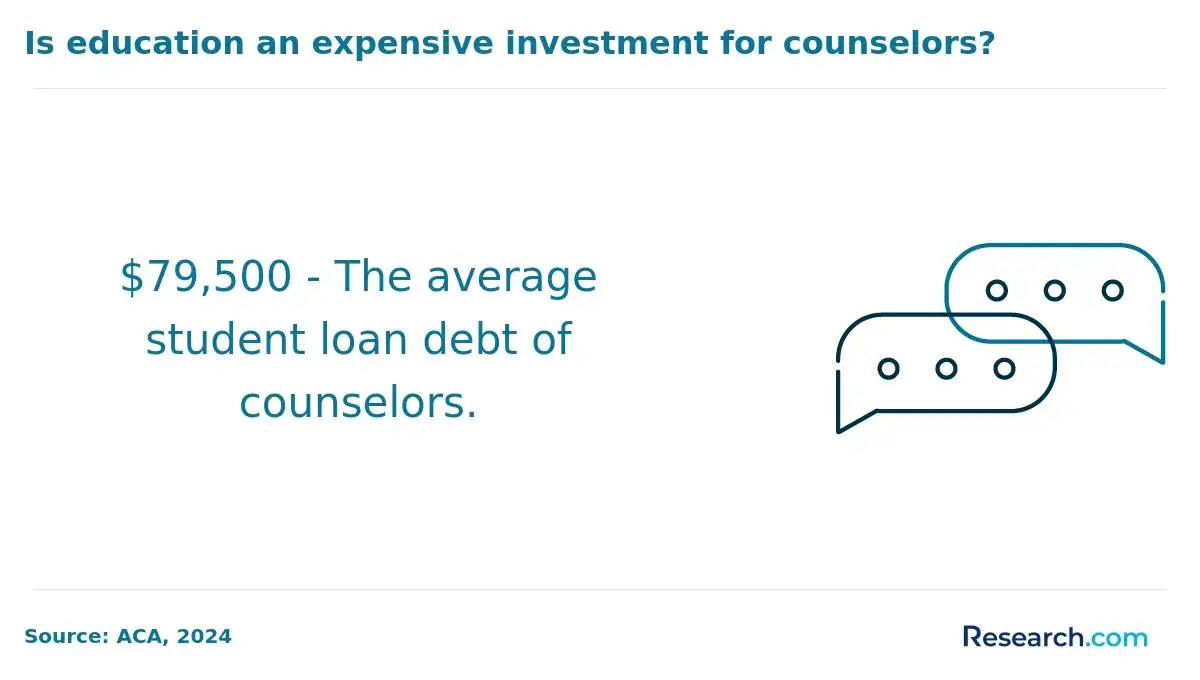
Before exploring Tucson’s aid programs, consider how counselors nationwide shoulder roughly $79,500 in student loan debt on average. This hefty investment highlights why securing scholarships and grants in Tucson—ranging from university awards to state-funded funds—is essential for balancing costs and career readiness.
What is the licensure process for mental health counselors in Tucson, AZ?
Becoming a licensed mental health counselor in Tucson, AZ requires dedication and adherence to specific state guidelines designed to ensure professional readiness and public safety. The path involves education, supervised experience, and successful examination completion, reflecting a commitment to quality care.
To navigate the licensure requirements for mental health counselors in Tucson az, follow these essential steps:
- Earn a master’s degree in counseling or a related field with a supervised practicum, typically including at least 240 hours of direct client contact. Graduates from CACREP-accredited programs generally meet the criteria automatically.
- Apply for the Licensed Associate Counselor (LAC) credential, which permits supervised practice while gaining post-graduate experience required for full licensure.
- Optionally, obtain a one-year temporary license for $50 to begin supervised work during the application review process.
- Pass one of the three national counseling exams approved by the Arizona Board of Behavioral Health Examiners.
- Complete the supervised work experience under an approved supervisor, a prerequisite before applying for the LPC status.
- Provide proof of a current Arizona Department of Public Safety clearance card or submit fingerprints with a $40 background check fee.
- Submit the $250 application fee for licensure, which can be done online or via mail.
For those seeking flexible study options, exploring counseling online programs can be a practical step toward meeting educational requirements. Understanding the LPC application process Tucson professionals face helps you prepare confidently for a rewarding career in mental health counseling.
Is there license reciprocity for mental health counselors in Tucson, AZ?
Becoming a licensed mental health counselor in Tucson, AZ requires navigating specific state requirements, especially if you are already licensed in another state. While direct license transfer is not available, Arizona offers a clear pathway to bring your credentials.
If you hold a valid license elsewhere, you can apply for licensure by endorsement through the Arizona Board of Behavioral Health Examiners (AZBBHE). This process helps ensure all counselors meet Arizona’s professional standards and ethical guidelines.
To proceed, you must submit an endorsement application to AZBBHE and complete a fingerprint-based background check. Additionally, you’ll need to finish an Arizona-specific statutes and regulations tutorial. Providing official transcripts along with verification of your existing license is also required.
Although you may already fulfill education and experience criteria, these steps confirm your readiness to practice in Arizona. The review process may take several weeks, but it opens the door to a rewarding career serving communities in Tucson.
What counseling certifications can you get in Tucson, AZ?
For those committed to a career in mental health counseling in Tucson, AZ, obtaining additional certifications can significantly enhance professional credibility and expand career opportunities. Counselors have the option to pursue recognized credentials that validate their expertise and open doors to diverse work settings.
Key certifications available locally and statewide include:
- Licensed Associate Counselor (LAC): An entry-level credential granted by the Arizona Board of Behavioral Health Examiners (AzBBHE) for master’s degree holders, allowing supervised practice while completing clinical hours.
- Licensed Professional Counselor (LPC): Awarded by AzBBHE, this license requires graduation from a CACREP-accredited or equivalent program, postgraduate supervised experience, and passing a national exam. LPCs can practice independently and take on leadership roles.
- National Certified Counselor (NCC): A national credential from the National Board for Certified Counselors (NBCC) obtained by passing the National Counselor Examination, boosting professional status and broadening employment prospects across the U.S.
The state of Arizona currently licenses over 5,000 professional counselors, reflecting a robust demand for qualified mental health professionals. Earning these certifications empowers counselors to work confidently in private practice, healthcare facilities, schools, and community organizations, supporting positive mental health outcomes throughout the region.
What types of counseling specializations are in demand in Tucson, AZ?
As awareness of mental health grows, Tucson, AZ sees rising demand for specialized counseling services. This trend reflects a community eager to embrace healing and wellness through expert care. Exploring these specializations can inspire those pursuing a career in mental health counseling.
- Trauma-Informed Care: This approach centers on guiding clients through recovery from traumatic events. It is increasingly sought after as more people look for compassionate support to overcome past hardships.
- Addiction Counseling: Counselors trained in addiction support play a vital role in helping individuals navigate recovery, especially in areas like Tucson where substance use challenges remain significant.
- Clinical Mental Health Counseling: This broad specialization equips counselors to address diverse mental health concerns. Educational programs at the University of Arizona and Northern Arizona University provide essential training for those aiming to become an LPC, a crucial step in the counseling license verification process by state.
- Services for Anxiety and Depression: With anxiety and depression being common conditions, counselors skilled in evidence-based treatments are in high demand. Facilities like Entune Behavioral Health emphasize effective interventions for these disorders.
For those interested in clinical mental health counseling specializations, Tucson, AZ offers a variety of pathways to develop expertise. Additionally, marriage and family therapy in the city remains a complementary area, enriching professionals’ ability to support individuals within their relational contexts.
How much do mental health counselors typically earn in Tucson, AZ?
Exploring a career as a mental health counselor in Tucson, AZ reveals promising financial opportunities that reflect growing demand and specialization in the field. Understanding the pay scale can inspire you to pursue advanced credentials and experience for greater rewards.
The average mental health counselor salary in the city ranges broadly depending on experience and qualifications. Entry-level counselors typically earn closer to $61,814 annually, while those with more experience and certifications can reach up to $72,620.
Licensed professionals often see higher pay, with recent data from Salary.com showing earnings between $65,444 and $80,925 per year as of late 2024. Clinical counselors in Tucson report an average salary near $62,072, according to ZipRecruiter, illustrating a solid baseline for those entering the profession.
Behavioral health counselors stand out in Arizona, with Tucson offering some of the state's highest compensation at approximately $67,400 annually. This exceeds the state average for general mental health counselors, which is around $59,943, reflecting the value of specialization.
As you advance, consider the benefits of a masters in counseling to boost your credentials and earning potential. Knowing how much do licensed mental health counselors make in Tucson can guide your career path toward fulfilling and well-compensated roles.
This chart shows nationwide counselor pay climbing from about $49K in 2014 to $71K in 2024—trends that Tucson reflects locally. Here, mental health counselors average between $61K and $72K annually, with seasoned professionals reaching up to $80K, underscoring rising market value.
Are mental health counselors in demand in Tucson, AZ?
The demand for mental health counselors in Tucson, AZ continues to grow steadily, offering promising career opportunities. As the need for qualified professionals rises, the local job market remains active, making this a great time to enter the field.
Employment figures reveal that Arizona had around 9,410 substance abuse, behavioral disorder, and mental health counselors in 2022, with projections estimating an increase to over 13,000 by 2032. Each year, approximately 1,200 new openings arise statewide, driven by both new roles and replacements.
Tucson itself shows a healthy number of active counselor job listings, reflecting diverse employment options in schools, clinics, and private practices. Salaries vary widely, generally ranging from $40,000 to $110,000 depending on experience and credentials, underscoring the value placed on skilled counselors in the area.
A counselor from Tucson shared insights about entering the profession locally. She described the journey as challenging but rewarding, noting that securing a position required persistence and networking within community organizations. “The process involved navigating licensure steps and building connections through internships and volunteer work,” she explained. While competition exists, her experience highlighted a supportive environment where dedication leads to meaningful job opportunities and personal growth.
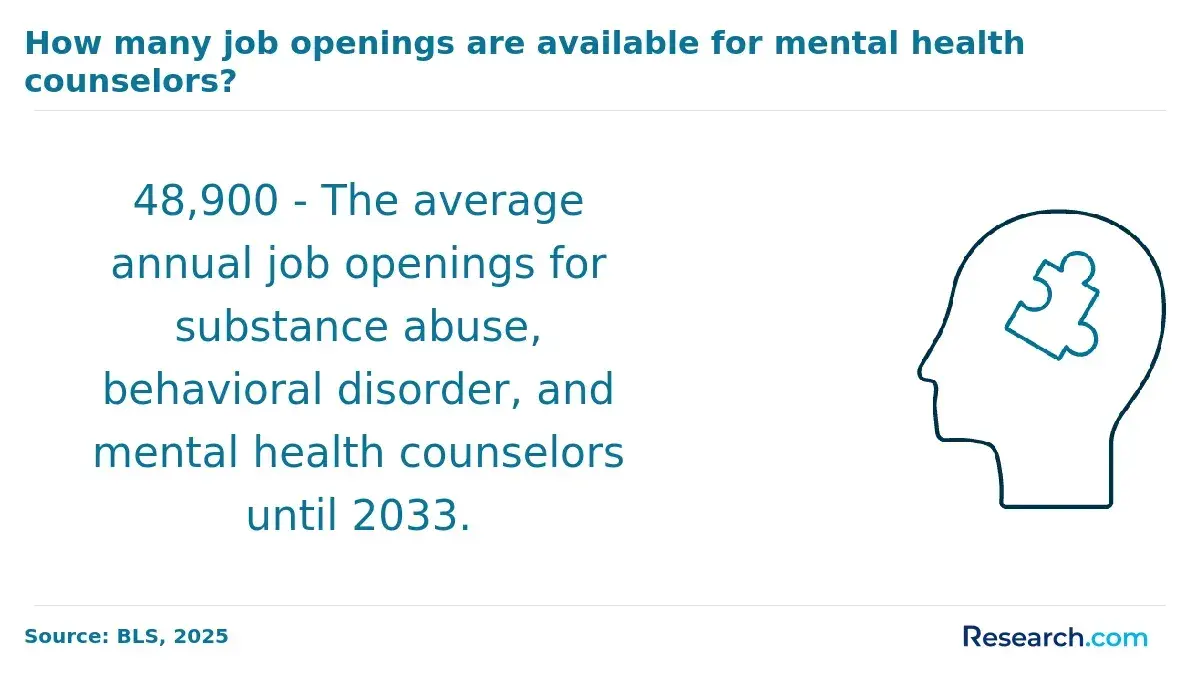
The image below presents a projection of nearly 48,900 annual openings through 2033. This drives home just how urgent the need for counselors has become. Now, let’s zero in on Tucson, AZ's own job market to see how local hiring echoes this nationwide boom.
Where do mental health counselors typically work in Tucson, AZ?
Opportunities for mental health counselors in Tucson, AZ are diverse and rewarding, reflecting the city’s commitment to supporting mental wellness across its communities. Professionals in this field can expect to engage in meaningful work that makes a real difference in people’s lives. Here are some of the primary environments where mental health counselors contribute their expertise:
- Healthcare Facilities: Counselors provide therapy, crisis intervention, and ongoing support within hospitals, clinics, and specialized centers, often working alongside multidisciplinary teams to assist patients managing mental health and substance use challenges.
- Educational Institutions: Schools and colleges employ counselors to aid students with emotional, academic, and social issues, focusing on prevention, early intervention, and promoting overall psychological well-being.
- Community-Based Organizations: Nonprofits and social services offer counseling to vulnerable groups such as those facing homelessness or addiction, with counselors conducting assessments, facilitating group therapy, and coordinating care to empower recovery and stability.
Job opportunities in Tucson frequently seek candidates skilled in behavioral health and evidence-based practices, highlighting the city’s strong demand for qualified mental health professionals ready to make a positive impact. This chart breaks down where counselors in the United States clock in, illustrating the sector’s diverse work settings.
Is it challenging to become a mental health counselor in Tucson, AZ?
Becoming a mental health counselor in Tucson, AZ requires commitment, advanced education, and hands-on experience. Candidates must complete a master’s degree in counseling or a related field from an accredited program—ideally one recognized by CACREP—which includes at least 60 credit hours of coursework in key areas like ethics, multicultural counseling, and theory.
After graduation, aspiring counselors must complete 3,200 hours of supervised work over a minimum of two years, including 1,600 hours of direct client contact and 100 hours of clinical supervision. The final step is passing a national counseling exam to qualify for licensure as an LPC in Arizona.
The challenges of becoming a counselor in Tucson extend beyond academics and licensure. With a growing need for mental health services in the region, counselors often face large caseloads and high client demand, requiring strong time management and emotional resilience.
Additionally, Tucson’s multicultural population calls for a high level of cultural sensitivity and ongoing professional development. Securing quality clinical placements can also be competitive, adding to the intensity of the process—but those who persevere find meaningful opportunities to serve a diverse and dynamic community.
For those balancing personal commitments, the extensive supervision and ongoing education requirements can feel demanding but ultimately rewarding. Students interested in affordable educational pathways may consider a cheap online masters in substance abuse counseling degree to help meet these professional goals.
What Mental Health Counselors in Tucson, AZ Say About Their Careers
- Working as a mental health counselor in Tucson has given me incredible job stability thanks to the city’s growing demand for mental health services. The average salaries here are competitive, which allows me to focus on providing quality care without financial stress. I truly feel valued both professionally and personally in this community. Michelle
- Tucson’s unique cultural diversity presents rewarding challenges that have deepened my understanding and skills as a counselor. Navigating these complexities has made my work profoundly meaningful and has pushed me to grow in ways I never expected. It’s a place where every day offers a new opportunity to learn and connect. Jackson
- The professional development programs available in Tucson are outstanding, with numerous workshops and conferences focused on the latest counseling techniques. These resources have helped me stay current and expand my expertise, which ultimately benefits my clients. Being part of such a supportive professional network is truly inspiring. Lalaine
What mentorship and continuing education opportunities exist for mental health counselors in Tucson, AZ?
Local professional development initiatives in Tucson provide structured pathways for career advancement and skill enhancement. Accredited institutions and state-supported associations host targeted workshops, seminars, and peer networking events that address evolving therapeutic techniques and emerging client needs. Participation in these continuing education programs not only satisfies licensure renewal requirements but also offers specialized training to boost clinical proficiency. Additionally, established mentorship programs link novice counselors with experienced professionals, fostering guidance and strategic career planning. For further insights on structured career progression and resources, explore how to become a therapist in Tucson.
Are there specific ethical and legal guidelines for mental health counselors in Tucson, AZ?
Mental health counselors in Tucson, AZ must adhere to a well-defined framework of ethical practices and legal standards that safeguard client wellbeing and professional integrity. State regulations emphasize confidentiality, informed consent, and proper record keeping, while professional conduct is guided by both national ethical codes and localized legal mandates. Counselors are encouraged to stay updated on changes in regulatory policies through accredited seminars and legal workshops, ensuring that their practice remains compliant and responsive to community needs. Additionally, professionals integrating family-based approaches should review the MFT license requirements in Tucson to align with complementary ethical considerations.
Could Integrating Substance Abuse Counseling Skills Enhance Career Opportunities?
Expanding expertise to include substance abuse counseling can diversify service offerings and better address the overlapping challenges clients face. Mental health counselors with additional proficiency in this area are well positioned to deliver comprehensive care, foster interdisciplinary collaboration, and tap into emerging market demands. This integrated approach may lead to enhanced career opportunities and improved client outcomes by addressing dual diagnoses more effectively. For insights on gaining this competitive edge, explore how to become a substance abuse counselor in Tucson.
Related Articles for Nearby Cities
- 2027 How to Become a Mental Health Counselor in Chandler, AZ: Education Requirements & Certification
- 2027 How to Become a Mental Health Counselor in Gilbert, AZ: Education Requirements & Certification
- 2027 How to Become a Mental Health Counselor in Mesa, AZ: Education Requirements & Certification
- 2027 How to Become a Mental Health Counselor in Scottsdale, AZ: Education Requirements & Certification
- 2027 How to Become a Mental Health Counselor in Phoenix, AZ: Education Requirements & Certification
- 2027 How to Become a Mental Health Counselor in Glendale, AZ: Education Requirements & Certification
- 2027 How to Become a Mental Health Counselor in El Paso, TX: Education Requirements & Certification
- 2027 How to Become a Mental Health Counselor in Albuquerque, NM: Education Requirements & Certification
- 2027 How to Become a Mental Health Counselor in Henderson, NV: Education Requirements & Certification
- 2027 How to Become a Mental Health Counselor in Chula Vista, CA: Education Requirements & Certification
References:
- Belongly. How To Start A Mental Health Practice In Arizona.
- Breksey Blog. How One Therapist Built a Cultural Bridge: Lessons from Tucson Therapy and Consultation.
- City of Tucson. Behavioral & Mental Health.
- Ensora Health. Costs & Challenges of Running a Therapy Practice.
- evolvedMD. Behavioral Health Careers.
- GCU Blog. Life Coach vs. Therapist: What Are the Differences?.
- MIND 24-7. Walk-In Mental Health Clinics in Arizona – 24 Hour.
- Neurodiverse Counseling Services. Start Your Private Therapy Practice in Arizona.
- therapist.com. Common Struggles for New Therapists in Private Practice.
- Tucson Counseling. Counseling Appointment Tucson.
Other Things You Need to Know About How to Become a Mental Health Counselor in Tucson, AZ
In 2027, the path to licensure in Tucson, AZ involves earning a master's degree in counseling, completing supervised clinical hours, and passing the National Counselor Examination. This process typically takes 2-3 years post-graduate study, including clinical hours.
Becoming a mental health counselor in Tucson typically takes 6-8 years. This includes earning a bachelor's degree (4 years), a master's degree in counseling (2-3 years), and gaining supervised experience, which usually takes an additional 1-2 years.
To become a licensed mental health counselor in Tucson, AZ in 2027, you'll need a master's degree in counseling or a related field, complete post-graduate supervised experience, and pass the National Counselor Examination or a similar state-recognized exam.
Aspiring mental health counselors in Tucson, AZ must complete 3,200 hours of supervised work experience. This experience should be obtained under a licensed supervisor and includes direct client contact. It is a crucial step in meeting the licensure requirements set by the Arizona Board of Behavioral Health Examiners.


