
2027 How to Become a Mechanic in New York: Requirements & Certification

Co-Founder and Chief Data Scientist
Becoming a mechanic in New York is a practical career choice for people who want hands-on work, steady demand, and a pathway that does not necessarily require a four-year degree. The decision is not just “Can I fix cars?” It is also about choosing the right training route, understanding what employers expect, budgeting for tools and tuition, and deciding whether certifications such as ASE credentials are worth the time.
New York employed over 37,000 automotive service technicians and mechanics in 2022, with employment projected to rise to more than 39,000 by 2032. The state is also expected to have about 170 new mechanic job openings each year over the decade. This guide explains how to become a mechanic in New York, what training options are available, how certification works, what the career can cost, and how to compare this path with related skilled trades.
Quick answer: How do you become a mechanic in New York?
To become a mechanic in New York, you typically need a high school diploma or GED, hands-on training through an automotive program or entry-level shop job, practical experience, and preferably ASE certification. New York does not require a statewide license for general auto mechanic work, but employers may expect a valid New York State Driver’s License, diagnostic skills, safety knowledge, and experience with modern vehicle systems. Public-sector or specialized roles may require additional exams, residency rules, a Class B Commercial Driver License, endorsements, or brand-specific credentials.
Key points to know before choosing this path
- New York’s mechanic workforce is expected to grow from over 37,000 workers in 2022 to more than 39,000 by 2032, showing continued need for automotive repair professionals.
- The median annual salary for mechanics in New York is approximately $59,457, though pay varies by location, employer, specialization, experience, and overtime.
- Automotive technology programs in New York commonly run from six months to two years, with certificate and associate degree options available through community colleges and technical schools.
- ASE certification is not required by the state, but it can improve credibility with dealerships, fleet employers, independent shops, and customers.
- Electric, hybrid, diesel, diagnostic, and brand-specific skills can help mechanics compete for better roles as vehicles become more technology-driven.
- Steps to become a mechanic in New York
- Training and education options in New York
- Certification requirements for New York mechanics
- Typical timeline to enter the field
- Cost of mechanic training in New York
- Mechanic job opportunities in New York
- How related trade certifications can improve career flexibility
- Why electrical cross-training matters for modern mechanics
- How business skills help mechanics advance or open shops
- Should you pursue complementary trade credentials?
- Safety and regulatory expectations for mechanics in New York
- Mechanic salaries in New York
- Tools and skills mechanics need
- Career growth options for New York mechanics
- Pros and cons of becoming a mechanic in New York
What are the steps to become a mechanic in New York?
The usual route into the mechanic trade in New York combines basic education, shop experience, technical training, and optional but valuable certification. You can enter through a formal school program, an apprenticeship-style job, military or fleet experience, or a mix of classroom and paid work.
| Step | What to do | Why it matters |
| 1. Finish high school or earn a GED | Build math, reading, computer, and basic science skills before entering technical training. | Employers and training programs commonly expect applicants to handle manuals, measurements, diagnostic data, and repair documentation. |
| 2. Get hands-on exposure | Look for helper, lube technician, tire service, parts, or shop assistant roles. | Early shop experience helps you confirm whether the work environment, pace, and physical demands fit you. |
| 3. Choose a training path | Compare certificate programs, associate degrees, employer training, apprenticeships, and diesel or collision programs. | The right path depends on your budget, schedule, target employer, and whether you want fast entry or broader advancement options. |
| 4. Learn diagnostics and safety | Practice electrical testing, scan tool use, brake systems, engine performance, steering, suspension, and workplace safety. | Modern repair work increasingly depends on accurate diagnosis, not just parts replacement. |
| 5. Build experience for certification | Work under experienced technicians and document your on-the-job learning. | ASE certification requires at least two years of work experience or a combination of education and hands-on training. |
| 6. Earn relevant credentials | Consider ASE exams, brand certifications, CDL options, or specialized training based on your goals. | Credentials can help you qualify for better roles, dealership work, fleet jobs, or public-sector opportunities. |
Start with practical experience and structured learning
Your first goal should be to spend real time around vehicles, tools, and repair workflow. An entry-level role in a repair shop can teach basic inspection routines, shop safety, customer expectations, and how experienced technicians approach diagnosis. If you want more structured preparation, community colleges and technical schools, including options such as CUNY Bronx Community College, can provide classroom instruction and lab practice before you apply for more advanced technician jobs.
Understand licensing, driving, and employer requirements
New York does not require a specific statewide license for general automotive mechanic work. However, many employers expect mechanics to have a valid New York State Driver’s License because technicians often need to move, test-drive, or inspect vehicles. Some public fleet, bus, truck, or municipal jobs may also favor or require a Class B Commercial Driver License and endorsements, depending on the vehicles serviced.
Prepare early if you want a public-sector mechanic job
Municipal and public agency roles can be attractive because they may offer structured pay scales, benefits, and long-term stability. These jobs may require a competitive civil service exam that covers repair knowledge, diagnostic reasoning, safety procedures, and applicable rules. Some New York City and surrounding county roles may also have residency requirements, so review eligibility details before applying.
Use local partnerships and technology-focused training
Strong training programs often maintain relationships with dealerships, repair shops, fleet operators, and local employers. Look for programs that offer internships, job placement support, lab access, and preparation for hybrid and electric vehicle work. Candidates who qualify for programs such as the 55-a initiative may also find public-service pathways designed to improve access for qualified candidates with disabilities.
Build skills for the vehicles employers are servicing now
A future-ready mechanic career is built on fundamentals first: brakes, steering, suspension, engines, electrical systems, service writing, and safe shop habits. From there, you can add advanced diagnostics, hybrid and electric systems, diesel, collision repair, or brand-specific training. The best path is usually not the fastest one; it is the one that gives you enough practice to solve problems accurately without wasting time or parts.
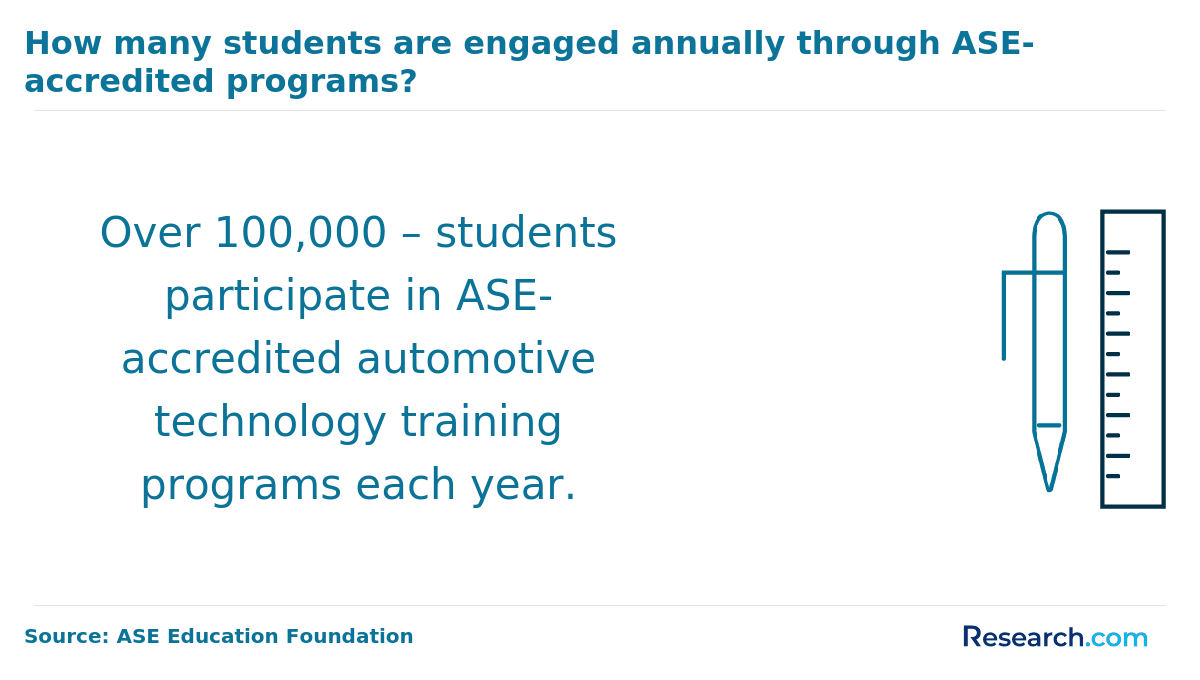
What training and education options are available in New York?
New York offers several ways to train for automotive work. The best choice depends on whether you want to enter the workforce quickly, pursue a dealership or fleet role, specialize in diesel or collision repair, or build a foundation for management or shop ownership.
| Training option | Best for | Typical advantage | Potential drawback |
| Certificate program | Students who want focused technical training and faster entry into the field | Shorter, skills-centered, and often built around shop practice | May offer less general education or management preparation than a degree |
| Associate degree | Students who want broader preparation and possible advancement into supervisory roles | Combines automotive training with academic coursework such as writing, math, or business-related skills | Takes longer and may cost more than a certificate |
| Apprenticeship or entry-level shop work | People who learn best by doing and want paid experience | Lets you build real-world skills while earning income | Training quality can vary by employer and mentor |
| Brand or dealer training | Mechanics who want to work on specific vehicle makes | Can make you more competitive for dealership roles | Skills may be tied closely to one manufacturer’s systems |
| Online or correspondence coursework | Students who need flexible theory-based instruction | Can be more affordable and schedule-friendly | Cannot fully replace hands-on lab or shop experience |
Certificate programs can be a strong route for students who want concentrated, hands-on preparation. For example, the 45-credit Certificate in Truck and Diesel Service Technology at NYADI focuses on skills relevant to diesel and heavy-duty vehicle repair.
Associate degree programs go deeper by combining technical practice with broader coursework. NYADI’s Associate of Occupational Studies in Automotive and Diesel Technology includes college-level writing and math, which may help students better understand documentation, estimates, workplace communication, and business operations. Hudson Valley Community College’s Associate degree in Automotive Technical Services is another example of a program designed around diagnostic and repair preparation.
Newer training options may also expand access. The Automotive Technician Program at Northland Workforce Training Center, starting in January 2025, is one example of a program aimed at students who want hands-on automotive training.
When comparing automotive technician schools in New York, pay attention to ASE preparation, lab hours, instructor experience, shop equipment, employer relationships, scheduling flexibility, and whether the program matches your target role. If you are comparing mechanic training with other skilled trades, Research.com’s guide to high-paying trade school careers can help you understand where automotive work fits among other options.
Mechanic certification programs in New York City can also be useful for students who want recognized training close to major employers, dealerships, fleet operations, and independent repair shops.
Do you need certifications to work as a mechanic in New York?
No statewide certification is required to perform general mechanic work in New York. Still, certification can matter a great deal in hiring, pay negotiations, specialization, and customer trust. ASE certification is the most widely recognized credential for automotive service technicians, and many employers use it as evidence that a mechanic has verified knowledge and experience.
ASE certification generally requires at least two years of work experience or a combination of formal education and on-the-job training. Candidates must also pass exams in specific automotive service areas. Certification must be renewed every five years, which helps technicians show that their knowledge remains current as vehicles and repair procedures change.
| Credential or requirement | Required in New York? | When it helps |
| New York State Driver’s License | Often expected by employers | Useful for test drives, moving vehicles, and roles requiring driving duties |
| ASE certification | No | Helpful for dealership, independent shop, fleet, and advanced technician roles |
| Class B Commercial Driver License | Not for all mechanic jobs | Can help with bus, truck, municipal, fleet, and heavy vehicle roles |
| Brand-specific certification | No | Valuable for dealership work and manufacturer-specific repair systems |
| Civil service exam | Only for some public-sector roles | Needed when applying for certain city, county, or agency mechanic positions |
For new mechanics, the strongest strategy is to combine formal training with documented shop experience. Programs such as those offered by NYADI can help students prepare for ASE-related expectations, but work experience remains central. If you are considering a related heavy-vehicle path, compare the requirements and outlook in Research.com’s guide on becoming a diesel technician.
How long does it take to become a mechanic in New York?
The timeline depends on how quickly you need to work, whether you attend school full time or part time, and how much experience you already have. Some students complete short training and enter entry-level roles within months, while others spend several years building the experience needed for certification and advanced work.
| Path | Approximate timeline stated in the source article | Who it may fit |
| Short certificate or intensive training | As little as one year in some cases | Students who want faster workforce entry and can commit to focused training |
| Vocational or technical training | Typically one to two years | Students who want structured shop labs and classroom instruction |
| Combined work and instruction | Often two to four years | Students building deeper experience while preparing for stronger employment options |
| Associate degree route | Often longer than a certificate pathway | Students who want broader preparation, possible transfer options, or advancement potential |
Most aspiring mechanics begin with a high school diploma or GED, then move into vocational training, a shop job, or both. ASE certification usually comes after gaining practical experience. Prior military training or related mechanical work may help some candidates move faster, especially if their experience included vehicle maintenance, diagnostics, or fleet operations.
A realistic timeline should include more than classroom hours. You also need time to become comfortable with diagnostic tools, service manuals, customer communication, safety procedures, and repeated practice on different vehicle systems. Fast programs can be useful, but employers still want technicians who can work accurately under real shop conditions.
The chart below compares the number of female versus male automotive mechanics.
How much does it cost to become a mechanic in New York?
The cost to become a mechanic in New York can range from around $4,800 for public institution programs to over $36,000 at private technical schools. Your total cost will depend on the type of school, program length, credit load, tools, books, commuting, fees, and whether you can work while training.
| Cost factor | Amount or detail stated in the source article | What to check before enrolling |
| Public college tuition | Bronx Community College charges about $2,400 per semester | Ask whether tuition includes lab fees, supplies, testing fees, and required tools. |
| Private technical school tuition | May charge up to $9,000 per semester | Compare total program cost, completion time, job placement support, and financing terms. |
| Certificate program length | Often around 45 credits and completed in 12 to 18 months | Confirm which certifications or employer partnerships the program supports. |
| Associate degree length | Requires 60 credits and takes 16 to 25 months | Review transfer options, general education requirements, and graduation outcomes. |
| Online or correspondence training | Often under $1,000, with some correspondence courses near $750 | Make sure the program includes or clearly supports hands-on practice elsewhere. |
Do not compare schools by tuition alone. A lower-cost program may still require you to buy tools, uniforms, safety gear, books, or exam materials. A higher-cost program may be worth considering only if it provides strong lab access, experienced instructors, employer connections, and clear support for job placement.
Financial aid, scholarships, payment plans, veteran benefits, employer-paid training, and paid apprenticeships may reduce out-of-pocket costs. Apprenticeship-style work can be especially valuable because it lets you earn wages while developing shop experience.
Entry-level wages in New York are described as starting around $21 to $23 per hour, with experienced professionals able to earn substantially more. Because outcomes are not guaranteed, compare total cost with likely starting roles in your area before committing to a program.
What job opportunities are available for mechanics in New York?
Mechanics in New York work in dealerships, independent repair shops, quick-service centers, collision facilities, fleets, municipal garages, truck service operations, and specialty repair businesses. The strongest opportunities often go to technicians who can combine routine service speed with accurate diagnostic work.
Collision repair specialists
Collision repair focuses on damaged vehicle bodies, frames, paint preparation, panels, and related systems. The source article notes a 60% growth expectation for this field, making it a specialization worth exploring for people who prefer restoration, body repair, and visible before-and-after results.
Automotive technicians
Automotive technician roles are the core of the field. These jobs may involve diagnostics, brakes, steering and suspension, engine performance, maintenance, inspections, and customer-related documentation. Dealerships and service centers may also offer benefits such as medical, dental, and 401(k) plans, depending on the employer.
Certified brand specialists
Brand-specific technicians work on vehicles from a particular manufacturer. Credentials such as Hyundai certification can make a candidate more competitive for dealership roles because they show familiarity with manufacturer procedures, tools, and service systems.
Express service technicians
Express service jobs are common entry points. These roles may focus on oil changes, tires, batteries, filters, inspections, and basic maintenance. They can help new workers build speed, tool discipline, shop habits, and customer-service awareness before moving into deeper diagnostic work.
| Role | Typical work | Good fit for |
| Entry-level lube or express technician | Routine maintenance, tire service, inspections, and basic vehicle checks | Beginners who need shop experience |
| General automotive technician | Diagnostics, repair, maintenance, and system troubleshooting | Mechanics with formal training or several years of shop experience |
| Diesel or heavy-duty technician | Truck, bus, diesel engine, and fleet service | Technicians interested in commercial vehicles and heavy equipment |
| Collision repair specialist | Body repair, refinishing preparation, structural repair, and damage assessment | People who enjoy hands-on repair, detail work, and visual restoration |
| Dealer or brand-certified technician | Manufacturer-specific diagnostics and repair procedures | Mechanics who want structured dealership pathways |
If you are still choosing where to train, compare flexible and campus-based programs carefully. Research.com’s overview of online trade school and construction program options can help you think through program format, but automotive students should remember that hands-on lab and shop experience are essential.
How can complementary trade certifications enhance my career prospects in New York?
Additional trade credentials can make sense when they support your actual career plan. For example, a mechanic who works on fleet vehicles, buses, refrigerated trucks, or climate-control systems may benefit from understanding HVAC concepts. Someone who wants broader trade flexibility can also compare automotive work with other licensed trades, including Research.com’s guide on how to become an HVAC technician in New York.
The key is to avoid collecting unrelated credentials just to look busy. Choose add-on training only when it improves your ability to diagnose vehicles, serve a specific employer, open a business, or move into a higher-demand specialty.
How can cross-training in electrical skills enhance my mechanic career in New York?
Electrical knowledge is increasingly important for automotive work. Modern vehicles rely on sensors, control modules, wiring networks, batteries, charging systems, driver-assistance features, and electronic diagnostics. A technician who can test circuits carefully and interpret scan data is more valuable than one who only replaces parts by trial and error.
If you enjoy electrical troubleshooting and want to compare automotive electrical work with a separate licensed trade, Research.com’s guide on becoming an electrician in New York can help you evaluate whether a broader electrical career might be a better long-term fit.
How can business acumen support my success as a mechanic in New York?
Mechanics who understand business can move beyond the bay. Service managers, shop owners, fleet supervisors, and independent operators need to manage estimates, customer expectations, parts costs, labor time, scheduling, marketing, compliance, and profitability. Technical skill gets the work done; business skill keeps the operation sustainable.
If your long-term goal is to run a repair business or manage a service department, basic education in accounting, operations, marketing, and leadership can help. Research.com’s overview of business schools in New York may be useful for mechanics thinking about management or entrepreneurship.
Should I Pursue Complementary Trade Certifications?
Complementary certifications are worth considering when they connect directly to your career strategy. Diesel, welding, HVAC-related systems, electrical fundamentals, diagnostics, estimating, or management training may strengthen a mechanic’s profile. A credential in an unrelated field may be better viewed as a career-change option rather than an automotive advancement tool.
For example, allied health careers follow very different training and workplace expectations than automotive repair. If you are comparing skilled trades with healthcare pathways, Research.com’s guide to ultrasound technician requirements in New York may help you understand how different that route is from mechanic training.
| Add-on path | When it can help a mechanic | When to skip it |
| Diesel or heavy-duty training | You want fleet, truck, bus, or commercial vehicle work. | You only want passenger car maintenance roles. |
| Electrical fundamentals | You want stronger diagnostic ability for modern vehicles. | You dislike wiring diagrams, meters, and systematic testing. |
| HVAC-related training | You service climate-control systems or refrigerated vehicles. | Your target jobs do not involve these systems. |
| Business education | You want to supervise, estimate, manage, or own a shop. | You prefer remaining fully hands-on without management duties. |
| Unrelated healthcare credentials | You are considering leaving automotive work for another field. | You want a credential that directly improves mechanic employability. |
What safety protocols and regulatory guidelines should mechanics follow in New York?
Mechanics work around lifts, fuel, batteries, moving parts, high temperatures, sharp metal, chemicals, noise, and electrical systems. Safety is not optional; it protects workers, customers, vehicles, and the business. Shops should follow applicable OSHA expectations and local requirements for hazardous materials, waste handling, equipment use, ventilation, and emergency procedures.
Core safety habits include wearing appropriate personal protective equipment, using vehicle lifts correctly, disconnecting power when required, labeling hazardous materials, storing chemicals safely, keeping work areas organized, and completing routine safety training. As vehicles become more electrified, mechanics also need proper procedures for high-voltage systems.
Workers comparing safety expectations across technical fields may find it useful to review Research.com’s guide on becoming a radiology technician in New York, though radiology and automotive repair involve very different regulatory environments.
How much do mechanics make in New York?
The average mechanic salary in New York is described as ranging from $13.41 to $44.18 per hour. The source article also reports a median annual salary of approximately $59,457. Actual earnings depend on experience, region, employer type, specialization, certifications, overtime, and whether the mechanic works in passenger automotive, diesel, fleet, public-sector, collision, or another specialty area.
Pay can vary widely across the state. Urban markets such as New York City and Long Island may pay more in some roles because of higher operating costs and demand, but higher wages do not automatically mean better take-home value if commuting and living costs are also high.
- Location: Shops in dense urban or high-cost areas may offer higher wages, but competition and expenses may also be higher.
- Specialization: Skills in diesel engines, elevator repair, commercial refrigeration, diagnostics, or other specialized systems can improve earning potential.
- Employer type: Public-sector roles and large fleet employers may provide structured pay, benefits, and advancement systems.
- Overtime: Some mechanics increase earnings through overtime, with the source article noting that overtime can sometimes add nearly $9,000 annually.
- Credentials: ASE, brand, diesel, and advanced diagnostic credentials can support stronger job applications, though they do not guarantee a specific wage.
Mechanics who enjoy design, systems thinking, and advanced technology may also wonder what they can do with an engineering degree. Engineering is a different educational path, but it can overlap with automotive interests in areas such as testing, product development, manufacturing, and advanced vehicle systems.
What tools and skills do mechanics need to succeed?
Successful mechanics need more than a toolbox. They need diagnostic discipline, safety awareness, communication skills, computer literacy, physical stamina, and the patience to verify a problem before replacing parts. Employers increasingly value technicians who can document work clearly and explain repair options without confusing or misleading customers.
| Skill or tool area | Why it matters | How to build it |
| Vehicle systems knowledge | Mechanics must understand engines, brakes, suspension, steering, transmissions, and electrical systems. | Take structured courses and practice on multiple vehicle types. |
| Diagnostic tools | Scan tools, meters, and software help identify faults accurately. | Practice interpreting codes, live data, wiring diagrams, and service procedures. |
| Hand and power tools | Daily work depends on safe, precise use of tools. | Learn tool selection, torque procedures, storage, and maintenance. |
| Attention to detail | Small errors can cause comebacks, unsafe repairs, or wasted parts. | Use checklists, service information, and inspection routines. |
| Communication | Mechanics often need to explain findings to service advisors, supervisors, or customers. | Practice plain-language explanations and accurate repair notes. |
| Adaptability | Vehicle technology keeps changing, especially with hybrid and electric systems. | Pursue continuing education and manufacturer or ASE updates. |
Below illustrates the most common skills for automotive mechanics
What are the career growth opportunities for mechanics in New York?
A mechanic career in New York can start with routine service and grow into diagnostics, diesel, collision repair, fleet maintenance, dealership specialization, supervision, training, estimating, or shop ownership. For many students, automotive work remains one of the trade school career options worth comparing because it offers a direct path into skilled work without requiring a bachelor’s degree.
Advanced certification pathways
ASE credentials can help mechanics demonstrate verified knowledge in specific service areas. Advanced certifications may support promotion to lead technician, diagnostic specialist, shop foreman, or dealership specialist roles.
Ongoing education and technical updating
Continuing education is essential because repair procedures, scan tools, electronic systems, and powertrains change over time. Mechanics who continue learning are better prepared for hybrid, electric, advanced driver-assistance, and complex diagnostic work.
Specialized fields with growth potential
Electric vehicles, hybrid systems, advanced diagnostics, diesel service, fleet maintenance, and collision repair can all create career opportunities for mechanics who build deeper skills. New York’s transportation needs and clean-energy focus may increase the value of technicians who can work safely on newer vehicle technologies.
Management, training, and business ownership
Experienced mechanics may move into service management, estimating, technical training, fleet supervision, or independent shop ownership. These paths require communication, financial judgment, scheduling, leadership, and customer-service skills in addition to repair knowledge.
Workforce programs and employer partnerships
State, local, nonprofit, and employer-supported programs can help students access training, apprenticeships, job placement, or financial support. Before enrolling, ask whether a program has active employer relationships rather than relying only on marketing claims.
What are the pros and cons of becoming a mechanic in New York?
Mechanic work can be rewarding, but it is not easy. The best candidates are comfortable with physical labor, problem-solving, constant learning, and work environments that can be noisy, dirty, fast-paced, or deadline-driven.
| Pros | Cons |
| Clear pathway into skilled work without a required four-year degree | Training, tools, and certification exams can create upfront costs |
| Steady need for vehicle maintenance and repair across the state | The job can be physically demanding and may involve awkward positions, chemicals, heat, or noise |
| Multiple work settings, including dealerships, independent shops, fleets, public agencies, and collision centers | High-paying roles may be competitive, especially in major metro areas |
| Opportunities to specialize in diesel, diagnostics, electric vehicles, collision, or brand-specific systems | Technicians must keep learning as vehicle technology changes |
| Potential path to entrepreneurship or shop management | Income can vary by employer, workload, hours, location, and experience |
Pros of becoming a mechanic in New York
The strongest advantages are practical entry, consistent need for repair services, and room to grow through specialization. New York’s large population, transportation networks, fleets, dealerships, and independent shops create a broad employment base. Mechanics who enjoy solving real problems with their hands may find the work satisfying, especially as their skills improve and customers depend on their judgment.
Cons of becoming a mechanic in New York
The biggest challenges are physical strain, training costs, tool costs, and the pressure to keep up with changing technology. Some roles require long hours, tight productivity expectations, or exposure to difficult working conditions. Mechanics who stop learning may find it harder to advance as vehicles become more computerized and electrified.
Common mistakes to avoid when becoming a mechanic in New York
- Choosing a school based only on tuition: Compare total cost, lab access, tools, fees, instructor experience, employer connections, and job support.
- Assuming online training is enough: Online coursework can teach theory, but automotive repair requires hands-on practice with vehicles and tools.
- Ignoring ASE preparation: Certification is voluntary, but many employers value it, especially for advancement.
- Buying tools too quickly: Ask instructors or employers which tools are required first so you do not overspend on equipment you rarely use.
- Overlooking driving requirements: Many mechanic jobs involve test drives or moving vehicles, so a valid driver’s license can matter.
- Assuming salary outcomes are guaranteed: Reported wages are useful benchmarks, not promises. Pay depends on employer, skill, region, hours, and specialization.
- Skipping safety training: Poor safety habits can lead to injuries, damaged vehicles, and lost employment opportunities.
Questions to ask before enrolling in a mechanic program
| Question | Why it matters |
| Does the program prepare students for ASE exams? | ASE preparation can support long-term employability even though certification is not state-mandated. |
| How many hours are spent in a shop or lab? | Hands-on practice is essential for building repair confidence and diagnostic skill. |
| What tools, books, uniforms, and fees are not included in tuition? | Extra costs can change the real price of attendance. |
| Do local employers recruit from the program? | Employer relationships can make the transition from training to work easier. |
| Can students train part time or in the evening? | Schedule flexibility matters for working adults and students with family responsibilities. |
| Does the program include hybrid, electric, diesel, or advanced diagnostic training? | Specialized skills can improve competitiveness for newer vehicle systems and higher-skill roles. |
| What are the completion and job placement supports? | Support services can matter as much as course content, especially for first-time trade students. |
What do mechanics say about their careers in New York?
"The vocational program helped me move from reading about repairs to actually working on vehicles. Daily practice gave me confidence, and that hands-on time made it easier to understand what employers expected." – Marcus
"Having access to proper tools and instructors who knew the trade changed the way I learned. Diagnosing and repairing vehicles in a structured shop setting showed me how much judgment this work requires." – Angus
"The nonprofit program connected me with experienced mechanics in local shops. Repeating the work, asking questions, and learning patience helped me feel prepared for real repair problems." – Samuel
Related Articles for Nearby States
- 2027 How to Become a Mechanic in New Jersey: Requirements & Certification
- 2027 How to Become a Mechanic in Pennsylvania: Requirements & Certification
- 2027 How to Become a Mechanic in Connecticut: Requirements & Certification
- 2027 How to Become a Mechanic in Massachusetts: Requirements & Certification
- 2027 How to Become a Mechanic in Vermont: Requirements & Certification
- 2027 How to Become a Mechanic in Rhode Island: Requirements & Certification
- 2027 How to Become a Mechanic in Delaware: Requirements & Certification
- 2027 How to Become a Mechanic in Maryland: Requirements & Certification
- 2027 How to Become a Mechanic in New Hampshire: Requirements & Certification
- 2027 How to Become a Mechanic in Ohio: Requirements & Certification
References:
- ASE. (2024). Statistics. Automotive Service Excellence. https://www.ase.com/statistics
- O*Net Online. (n.d.). New York Employment Trends: 49-3023.00 - Automotive service technicians and mechanics. https://www.onetonline.org/link/localtrends/49-3023.00?st=NY
- Zippia. (2025). Automotive Mechanic skills for your resume and career. https://www.zippia.com/automotive-mechanic-jobs/skills
- ZipRecruiter. (2025). Aircraft Mechanics Salary in New York. https://www.ziprecruiter.com/Salaries/Aircraft-Mechanic-Salary-in-New-York,NY
- ZipRecruiter. (2025). Automobile Mechanics Salary in New York. https://www.ziprecruiter.com/Salaries/Automobile-Mechanics-Salary--in-New-York
Key Insights
- New York does not require a statewide license for general auto mechanic work, but employers often value a valid driver’s license, hands-on experience, ASE preparation, and strong diagnostic ability.
- The fastest training route is usually a certificate or entry-level shop pathway, while an associate degree may provide broader preparation for advancement, management, or specialized roles.
- Training costs vary widely, from around $4,800 at some public institution programs to over $36,000 at private technical schools, so compare total cost rather than tuition alone.
- ASE certification is voluntary but important. It requires experience or a mix of education and work-based training, exams, and renewal every five years.
- Mechanic pay in New York can vary significantly, with reported hourly rates from $13.41 to $44.18 and a median annual salary of approximately $59,457.
- The best long-term opportunities are likely to favor mechanics who keep learning, especially in diagnostics, electrical systems, diesel, collision repair, hybrid vehicles, and electric vehicles.
- Before enrolling, ask about lab hours, tool costs, ASE preparation, employer partnerships, schedule flexibility, and job placement support. A good program should help you get employable skills, not just complete courses.
Other Things You Should Know About Becoming a Mechanic in New York
In 2027, aspiring mechanics in New York typically need a high school diploma or GED. Many opt to pursue additional training through vocational schools or community college programs that specialize in automotive technology to enhance their skills and job prospects.
To work as a mechanic in New York in 2027, you must obtain certifications such as the ASE (Automotive Service Excellence) certification. Some employers might also require additional certification specific to certain vehicle brands or types of repair work.


