
2027 Best Colleges for Teaching Degree Programs in South Dakota: Online & Campus

Co-Founder and Chief Data Scientist
With South Dakota facing a 12% increase in K–12 teaching vacancies, qualified educators are urgently needed, but many aspiring teachers risk missing these opportunities by choosing programs that don’t align with state expectations or workforce demand. Differences in program quality, delivery format, and preparation standards can slow progress or limit job prospects.
This guide helps you act before those opportunities pass by, evaluating top South Dakota colleges offering online and on-campus teaching degrees. Backed by career planning experts, it shows you how to select programs that meet certification requirements and prepare you to step into high-demand classrooms with confidence.
Key Benefits of the Best Colleges for Teaching Degree in South Dakota
- South Dakota's top colleges offer flexible online and campus options, accommodating working students with programs that average just 30 credit hours for teacher certification.
- Graduates from these programs report a 90%+ job placement rate within the state, reflecting strong partnerships between colleges and local school districts.
- Affordable tuition, often below the national average, combined with state scholarships, makes earning a teaching degree in South Dakota cost-effective without sacrificing quality.
- What teaching degrees are available at the best colleges in South Dakota?
- What prerequisites are required for teacher education programs in South Dakota?
- What accreditation and licensure requirements apply to teaching degree programs in South Dakota?
- What courses do you take in a teaching degree program in South Dakota?
- What support do South Dakota colleges offer during student-teaching placements?
- How much does a teaching degree cost in South Dakota?
- What financial aid options are available for teaching students in South Dakota?
- What jobs can you get with a teaching degree in South Dakota?
- What are the salaries of teaching degree graduates in South Dakota?
- What are the key factors when choosing the best teaching degree colleges in South Dakota?
What teaching degrees are available at the best colleges in South Dakota?
Knowing which teaching degrees are available at the best colleges in South Dakota helps prospective students identify programs that suit their career goals and the needs of the local education market. By focusing on degrees that align with workforce demands, students can better position themselves for success in the state's evolving educational landscape, whether through online or campus programs.
- Bachelor of Science in Elementary Education: This degree emphasizes foundational teaching skills for early childhood through grade 6. Graduates are prepared to manage diverse classroom settings and often pursue certification to teach multiple subjects at the elementary level.
- Bachelor of Science in Secondary Education: Targeting middle and high school education, these programs offer subject-specific tracks like English, math, science, or social studies. Graduates typically qualify to teach their chosen subject to students in grades 7-12.
- Bachelor of Science in Special Education: Designed for educators working with students who have disabilities or require specialized instruction. The focus is on inclusive teaching methods and developing individualized learning plans.
- Master's Degrees in Education: Offered both online and on campus, these advanced degrees support professional growth in areas such as teacher leadership, curriculum design, and specialized certification. They are ideal for current teachers seeking to expand their expertise and career opportunities.
Choosing from these South Dakota accredited teaching degrees ensures graduates are well-prepared to meet local demands, especially given the state's need for versatile educators. For those interested in advancing into areas like administration or policy, programs related to education policy masters offer valuable pathways to leadership roles and specialized expertise.
What prerequisites are required for teacher education programs in South Dakota?
Prospective students aiming to enter South Dakota teacher education programs should carefully review admission requirements to better prepare their applications and improve their chances of acceptance. Meeting these core prerequisites helps ensure that candidates are academically ready and professionally fit to contribute to the education workforce effectively.
The most common prerequisites for teaching degree programs in South Dakota applicable to both online and on-campus formats-include the following:
- Minimum GPA Requirements: A cumulative GPA between 2. 5 and 3. 0 on a 4. 0 scale is usually required. This demonstrates academic readiness and reflects the candidate's ability to successfully complete challenging teacher preparation coursework.
- Completion of Foundational Coursework: Applicants must have completed general education classes in subjects like English, mathematics, social sciences, and natural sciences. These foundational courses build a broad knowledge base and critical thinking skills essential for teaching diverse student populations.
- Standardized Test Scores: Some programs require passing scores on tests such as the Praxis Core exams or similar assessments. These tests verify proficiency in reading, writing, and math-skills crucial for effective teaching and licensure.
- Background Checks and Clearances: Due to the responsibility of working with minors, candidates must undergo criminal background checks and child abuse clearances to comply with state safety standards.
- Classroom Observation or Volunteer Experience: Documented hours spent observing or volunteering in educational settings are typically mandatory. This hands-on experience helps applicants understand classroom dynamics and confirms their commitment to the teaching profession.
- Letters of Recommendation: Candidates need to submit references from academic or professional sources. These letters provide insight into the applicant's character, teaching potential, and work ethic.
- Personal Statement or Interview: Many programs ask for a written statement or an interview to assess the candidate's motivation, teaching philosophy, and communication skills.
For students seeking comprehensive program options, especially through distance learning, exploring the best online doctorate in higher education program pathways may offer additional flexibility and advancement opportunities within education fields in South Dakota.
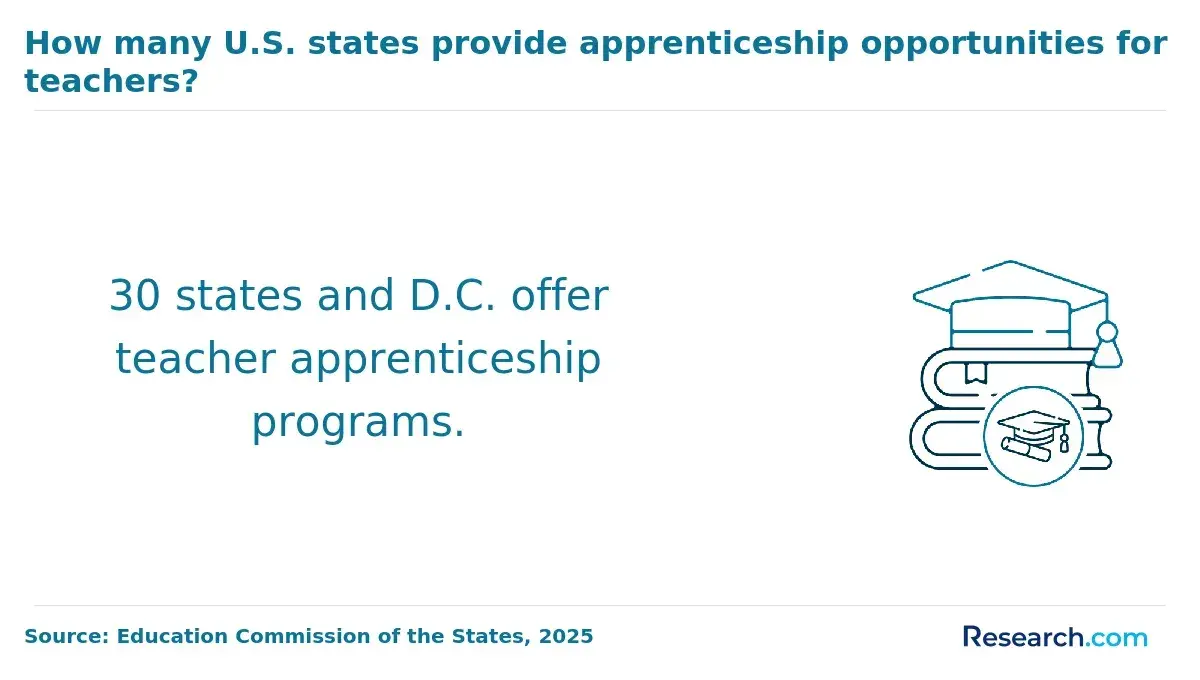
What accreditation and licensure requirements apply to teaching degree programs in South Dakota?
Accreditation and licensure are crucial for ensuring teaching degree programs in South Dakota meet high standards and prepare educators effectively for the classroom. Prospective students should seek programs that align with these benchmarks to secure strong career prospects and meet state requirements.
- Regional Accreditation: Institutions offering teaching degrees commonly hold accreditation from the Higher Learning Commission (HLC), which validates institutional quality and is nationally recognized. This foundational accreditation guarantees that the college or university meets broad educational standards.
- Specialized Program Accreditation: Many education programs pursue accreditation from the Council for the Accreditation of Educator Preparation (CAEP). CAEP evaluates specific teacher preparation programs on key aspects like curriculum rigor and faculty qualifications, signaling that graduates are well-prepared for the profession.
- Approved Educator Preparation Programs: To qualify for licensure, candidates must complete an approved program that usually carries CAEP or a comparable accreditation. This ensures the program aligns with state educational standards and adequately prepares candidates for teaching roles.
- Praxis Exams: After completing their preparation program, candidates must pass Praxis Core Academic Skills tests and Praxis Subject Assessments for their teaching content area. These exams verify essential academic skills and subject knowledge necessary for effective instruction.
- Additional Licensure Requirements: Applicants must also pass background checks and demonstrate practical teaching competencies. South Dakota mandates participation in an induction or mentoring program during the first years of teaching to support new educators' success and professional growth.
What courses do you take in a teaching degree program in South Dakota?
Students pursuing a teaching degree in South Dakota engage with a curriculum designed to build strong instructional skills and adaptability for diverse classrooms. These courses emphasize practical strategies, aligning with state standards and preparing educators to effectively support student growth.
- Foundations of Education: This course explores the history, philosophy, and sociology of education, helping future teachers grasp the broader context of schooling and their ethical responsibilities. It connects education's role in society with the demands of South Dakota's public schools.
- Educational Psychology: Covering cognitive, emotional, and social development theories, this course enables students to design personalized learning approaches. It prepares them to meet varied learner needs by applying evidence-based instructional strategies.
- Curriculum and Instruction: Students learn to create and evaluate lesson plans aligned with South Dakota academic standards. The course promotes differentiated instruction and the effective use of technology to engage all students.
- Classroom Management: Emphasizing techniques for fostering a positive and safe learning environment, this course teaches behavior management and conflict resolution consistent with state priorities. It equips teachers with tools to support productive classroom dynamics.
- Assessment and Evaluation: Focusing on formative and summative assessments, this course trains students to use data effectively to track and enhance student progress. It highlights accountability requirements and methods for informed instructional decisions.
- Special Education Methods: This course introduces inclusive instructional strategies tailored to learners with disabilities. It ensures educators understand South Dakota's special education laws and best practices for supporting diverse students.
- Content Area Methods: Future teachers specialize in subject-specific pedagogy such as math, science, literacy, or social studies. This helps them master content knowledge and apply relevant teaching techniques aligned with state standards.
- Student Teaching Practicum: Providing hands-on classroom experience under mentorship, this practicum bridges theory and real-world teaching. It ensures readiness to meet licensure requirements and respond to workforce needs in South Dakota.
What support do South Dakota colleges offer during student-teaching placements?
Support during student-teaching placements is essential for developing effective teaching skills and preparing future educators for real classroom challenges. The best colleges in South Dakota offer targeted assistance that helps student teachers gain confidence, refine techniques, and transition smoothly into their professional careers.
- Mentorship: Student teachers work closely with experienced mentors who offer practical advice on classroom management and instructional methods. This relationship reduces stress and encourages the growth of a personal teaching style.
- Regular Feedback: Ongoing evaluations by supervising teachers provide actionable insights on lesson delivery and student engagement. Frequent feedback accelerates skill development and boosts teaching competence.
- Professional Development Workshops: These sessions cover current educational strategies like differentiated instruction and inclusive practices, broadening pedagogical knowledge beyond classroom experience.
- Observation Opportunities: Student teachers observe seasoned educators handling diverse classrooms, gaining exposure to effective problem-solving and varied instructional approaches.
A graduate of a teaching degree from one of South Dakota's top colleges shared how daunting her initial placement felt due to a large, diverse classroom and limited prior experience. She recalled how the mentor's steady guidance and candid feedback helped her navigate unexpected behavioral challenges and adapt lessons on the fly. The workshops expanded her awareness of inclusive teaching, which she applied successfully during her placement. This layered support not only eased her anxiety but empowered her to develop resilience and creativity as an educator ready for a demanding profession.
How much does a teaching degree cost in South Dakota?
Costs of teaching degree programs in South Dakota vary significantly between public and private institutions as well as between online and on-campus formats. Prospective students planning their education must weigh these costs carefully to manage expenses effectively while pursuing quality degrees from the best South Dakota colleges for education degrees.
Online Programs
- Tuition per Credit: Public colleges charge between $300 and $400 per credit hour, making annual tuition range from about $7,500 to $10,000. Private institutions tend to be higher, with tuition typically falling between $600 and $750 per credit hour.
- Mandatory Fees: Online students may have reduced campus fees, but technology or distance learning fees ranging from $500 to $1,200 can partly offset savings.
- Additional Expenses: Costs for textbooks, teaching supplies, background checks, and transportation for occasional on-campus requirements or practicum experiences should be factored in.
On-Campus Programs
- Tuition Range: Public university tuition generally falls between $9,000 and $12,000 annually for in-state students, while private colleges charge significantly more, between $20,000 and $28,000 per year.
- Campus Fees: Campus facility and student activity fees apply and usually increase total annual costs by several hundred dollars, contributing to the overall expense.
- Living and Transport Costs: On-campus students should budget for housing, meals, and transportation costs for practical teaching experiences and placements.
The projected tuition and associated costs highlight why evaluating both formats' expenses and benefits is essential. For candidates searching for affordable options, public online programs present a competitive choice; you can explore further details in the ranking of cheapest online education degrees.
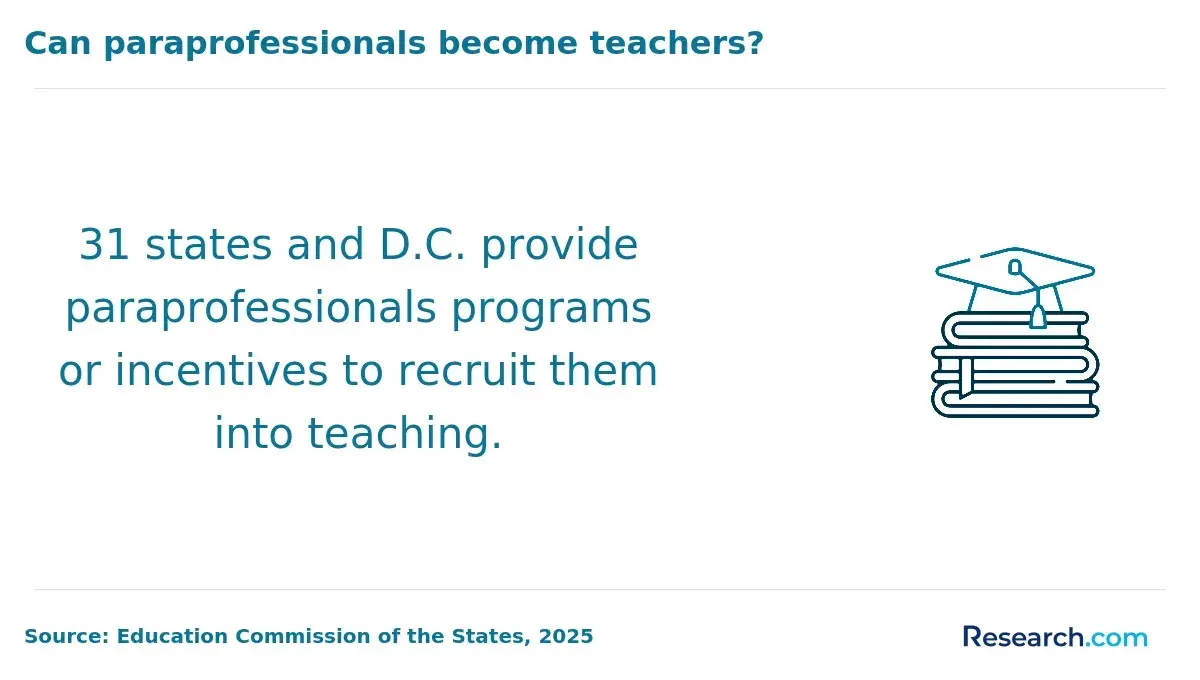
What financial aid options are available for teaching students in South Dakota?
About 62% of teaching degree students in South Dakota receive grant aid with an average scholarship amount near $4,200. This financial support is vital for those planning their education and budget, especially when pursuing degrees online or on campus in the region.
Knowing available aid types can improve access to funding and reduce reliance on loans.
- Federal Grants: Need-based programs like the Pell Grant offer funds without repayment requirements. Applicants must submit the FAFSA annually to determine eligibility and to help reduce tuition costs promptly.
- State Grants and Scholarships: South Dakota targets education majors with grants requiring enrollment in state teaching programs and consistent academic progress. Applications align with FAFSA deadlines, and awards often cover a significant portion of tuition.
- Work-Study Programs: These options provide part-time jobs related to education, allowing students to earn income and gain experience. Eligibility depends on FAFSA results showing financial need.
- Federal Student Loans: Subsidized and unsubsidized loans are available with set limits; subsidized loans do not accrue interest while enrolled half-time. Loan eligibility requires FAFSA completion, and repayment follows federal terms.
- Teacher-Specific Scholarships and Loan Forgiveness: Some scholarships are reserved for students committed to teaching in South Dakota after graduation. Loan forgiveness programs reduce debt for teachers in high-need areas and require service commitments and applications through designated agencies.
To further support education funding, consider exploring a free master's in educational leadership as part of long-term career planning, an option that complements financial aid for teaching students in South Dakota.
What jobs can you get with a teaching degree in South Dakota?
Job prospects play a crucial role for students pursuing teaching degrees, as awareness of available career paths enables better preparation and goal-setting. In South Dakota, employment for elementary and secondary school teachers is projected to grow by approximately 5%, indicating steady demand for qualified educators across multiple disciplines.
- Elementary School Teacher: Focuses on creating and delivering lesson plans tailored to young learners in grades K-5. These teachers develop foundational skills in reading, writing, and math, requiring patience, creativity, and strong classroom management. Work settings typically include public and private K-5 schools.
- Secondary School Teacher: Instructs students in grades 6-12 on subject-specific curricula such as science, math, or social studies. Responsibilities include assessing student progress, adapting lessons for diverse learning needs, and collaborating with colleagues on curriculum development. Positions are commonly found in middle and high schools.
- Special Education Teacher: Works with students who have disabilities or unique learning challenges by adapting instructional methods and creating individualized education programs (IEPs). This role demands strong communication skills, empathy, and coordination with families and support staff. Employment is often in public schools or specialized educational programs.
- Instructional Coordinator: Supports teachers by developing and implementing curriculum standards and integrating educational technology. This role requires organizational expertise, knowledge of pedagogy, and the ability to train and assist teaching staff. Work settings may include school districts or educational agencies.
- Early Childhood Educator: Provides developmentally appropriate instruction to children before kindergarten, fostering social, cognitive, and motor skill growth. Strong interpersonal skills and patience are essential, as well as familiarity with early childhood education standards. Jobs can be found in childcare centers and early learning programs.
A graduate of a teaching degree program from one of South Dakota's top colleges shared that securing their first teaching position involved navigating a competitive job market with persistence and adaptability. They described early challenges such as tailoring resumes to highlight classroom experience and certification credentials, as well as preparing thoroughly for interviews focused on classroom management and technology integration. Although the process was occasionally overwhelming, networking with faculty and attending local education events opened doors they had not initially expected. Today, this educator feels a strong sense of accomplishment and purpose, underscored by the meaningful impact they have had on students' academic and personal growth in their community.
What are the salaries of teaching degree graduates in South Dakota?
Salary expectations play a crucial role for teaching degree graduates in South Dakota when choosing between various online and campus programs. Average salaries vary by teaching level, with elementary school teachers earning approximately $56,000 and secondary school teachers about $58,500.
- Years of Experience: Entry-level teachers typically start at lower salaries, while those with ten or more years of experience see significant increases, reflecting expertise and proven classroom effectiveness.
- Teaching Level: Salaries differ between elementary, secondary, and special education roles, with special education teachers often earning the highest average at around $60,000 due to specialized skills.
- Location within South Dakota: Urban districts and larger school systems with higher budgets tend to offer better pay than smaller rural schools, although state policies guarantee minimum salary levels.
- Additional Certifications: Obtaining advanced degrees or endorsements can boost earnings, as many districts provide financial incentives for professional development.
Prospective students interested in teaching degree graduate salaries South Dakota should also explore the teaching degree benefits associated with their chosen programs to maximize long-term career growth.
What are the key factors when choosing the best teaching degree colleges in South Dakota?
Evaluating key factors when choosing a teaching degree college in South Dakota is essential for ensuring academic success and strong career prospects. Prospective students should focus on aspects that directly affect the quality of education and future employment opportunities to make a well-informed decision tailored to their needs.
- Program Reputation: The quality and accreditation of a program play a critical role in job readiness. Attending a reputable institution with recognized accreditation, such as those by CAEP, can lead to higher certification exam pass rates and better employment offers upon graduation.
- Degree Format (Online vs. On-Campus): Consider how each format matches your learning style and schedule. Online programs offer flexibility and accessibility, especially for working students or those in rural areas, while on-campus programs provide valuable hands-on practicum experiences and direct faculty interaction.
- Faculty Expertise: Experienced faculty with active involvement in K-12 education and research enrich the learning process. Their connections to local schools and ongoing curriculum development ensure that programs stay current with state standards and effective teaching methods.
- Student Support Services: Comprehensive advising, tutoring, and career counseling are vital to guide students through certification and job placement. Colleges with dedicated education advisors help improve student retention and ease the transition from study to employment.
- Career Outcomes: Investigate job placement assistance and alumni networks, which can impact how quickly you secure a teaching position. Salary data and employment growth projections for teachers in South Dakota also highlight the importance of choosing programs with strong career support.
What Graduates Say About Their Teaching Degree from the Best Colleges in South Dakota
- Completing my teaching degree online through one of South Dakota's top colleges allowed me to balance work and study without compromising my responsibilities. Starting my career at Lincoln Elementary School, I was able to implement innovative teaching methods learned during my courses right away. The program's focus on local educational challenges helped me connect deeply with my students' cultural backgrounds and community needs. I truly feel prepared and inspired to make a lasting impact on young minds in our state. Lyron
- Attending an on-campus teaching program in South Dakota was a transformative experience that advanced my career significantly. After graduating, I moved into a leadership role, which has allowed me to influence curriculum development and mentor new teachers effectively. The rigorous training and strong emphasis on the state's unique rural educational settings prepared me to face those challenges head-on. This journey has deepened my commitment to fostering excellence in education and building stronger academic teams. Jentry
- The teaching degree I earned at a leading South Dakota college expanded both my personal and professional horizons. Working in a school like Pierre Middle School, I've been able to contribute meaningfully to the community by supporting students' diverse needs. The program nurtured not just my academic skills but also my passion for cultural awareness and inclusivity, which are vital in our state's classrooms. I continue to seek professional development opportunities with confidence, knowing I'm backed by a comprehensive education. Gray
Related Articles for Nearby States
- 2027 Best Colleges for Teaching Degree Programs in North Dakota: Online & Campus
- 2027 Best Colleges for Teaching Degree Programs in Nebraska: Online & Campus
- 2027 Best Colleges for Teaching Degree Programs in Minnesota: Online & Campus
- 2027 Best Colleges for Teaching Degree Programs in Wyoming: Online & Campus
- 2027 Best Colleges for Teaching Degree Programs in Iowa: Online & Campus
- 2027 Best Colleges for Teaching Degree Programs in Montana: Online & Campus
- 2027 Best Colleges for Teaching Degree Programs in Colorado: Online & Campus
- 2027 Best Colleges for Teaching Degree Programs in Kansas: Online & Campus
- 2027 Best Colleges for Teaching Degree Programs in Wisconsin: Online & Campus
- 2027 Best Colleges for Teaching Degree Programs in Missouri: Online & Campus
References:
- University of Glasgow - Undergraduate study - 2026 Degree programmes A‑Z https://www.gla.ac.uk/undergraduate/degrees/education/
- Financial Aid | University of South Dakota https://www.usd.edu/Admissions-and-Aid/Financial-Aid
- As teacher burnout deepens, states scramble to fill school job vacancies • South Dakota Searchlight https://southdakotasearchlight.com/2025/05/21/as-teacher-burnout-deepens-states-scramble-to-fill-school-job-vacancies/
- Search Jobs https://www.schoolspring.com/find/south_dakota_teaching_jobs_in_south_dakota.cfm
- South Dakota State University Ranking 2026: Latest QS, US News & T. H. E. Rankings https://www.upgrad.com/study-abroad/university/usa/south-dakota-state-university-294/ranking/
- SD Scholarships | Our Dakota Dreams https://ourdakotadreams.com/paying-for-college/sd-scholarships/
- The Best Colleges of Distinction: Find Your Dream School! https://collegesofdistinction.com/best-colleges-of-distinction/
- Teacher Education (PDP) (Professional Development Program) - Spring Calendar http://www.sfu.ca/students/calendar/2026/spring/programs/teacher-education-pdp-/professional-development-program.html
- Admission criteria for professional teacher studies for 2026 has been published https://www.hamk.fi/en/admission-criteria-for-professional-teacher-studies-for-2026-has-been-published/
- Online Master’s Programs in South Dakota: Review Schools https://www.onlinemastersdegrees.org/best-programs/south-dakota-sd/
Other Things You Need to Know About Colleges for Teaching Degree Programs in South Dakota
In 2027, online teaching degree programs in South Dakota offer robust curricula that meet state education standards. They are supported by experienced faculty and provide flexible schedules, making them reliable alternatives to traditional on-campus programs. Accreditation and feedback from alumni reinforce their credibility.
In 2027, colleges in South Dakota offer various scholarships for teaching students, including merit-based awards and need-based grants. Many universities have specific scholarships aimed at supporting future educators, like the Teacher Education Assistance for College and Higher Education (TEACH) Grant, which assists students committed to teaching in high-need fields in underserved areas.


