
2027 Best Colleges for Teaching Degree Programs in Virginia: Online & Campus

Co-Founder and Chief Data Scientist
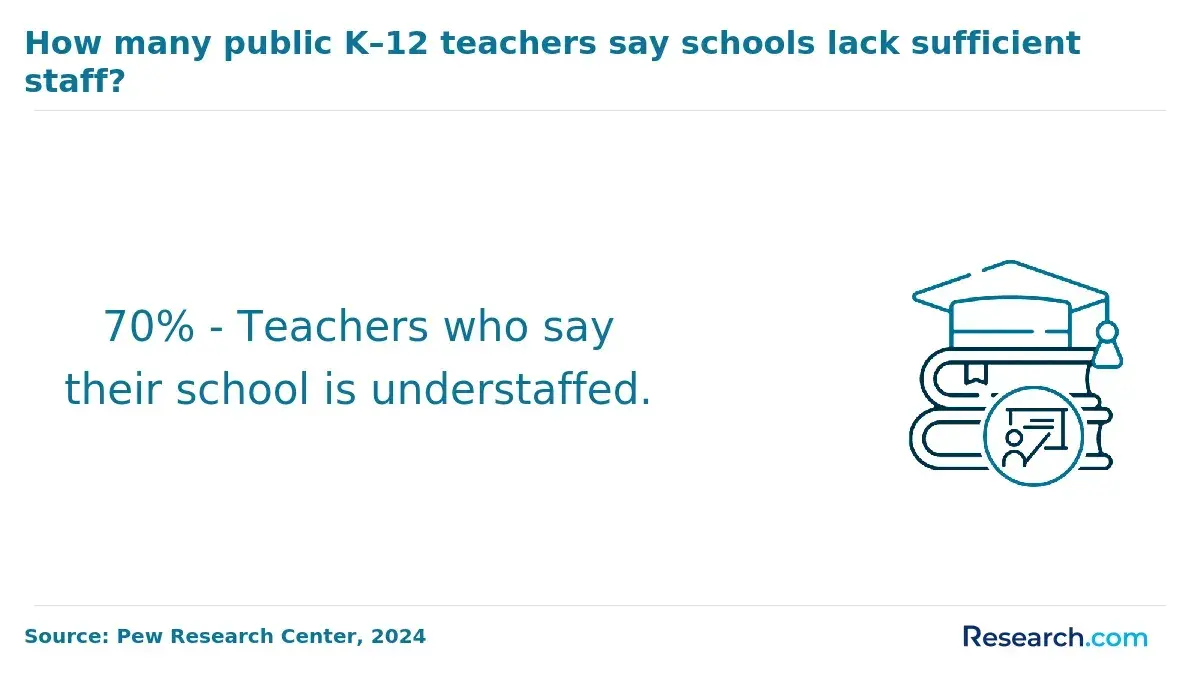
Choosing a teaching degree college in Virginia is a licensure decision, a cost decision, and a career decision. The school you choose affects whether you can qualify for Virginia teacher licensure, complete student teaching in an appropriate setting, afford the degree, and build connections with local districts. That matters because teacher shortages in the U.S. are expected to continue, and Virginia’s need is also expected to grow by 10% over five years.
This guide is for high school students, transfer students, career changers, paraprofessionals, and current educators comparing online and campus-based teaching degree options in Virginia for 2027. You will learn what degree paths are available, what admissions and licensure requirements to expect, how student teaching works, what programs may cost, which financial aid options can reduce expenses, and how to compare colleges beyond rankings alone.
Quick answer: How should you choose a teaching degree college in Virginia?
The best teaching degree college in Virginia is one that is accredited, approved for Virginia teacher preparation, aligned with the grade level or subject you want to teach, affordable after financial aid, and strong in clinical placement support. Before enrolling, confirm that the program leads to the correct licensure area, includes supervised student teaching, prepares you for required Praxis exams, and has partnerships with school districts where you may want to work.
Main advantages of Virginia’s best teaching degree colleges for 2027
- Leading Virginia colleges offer online, hybrid, and campus-based teacher preparation routes for traditional students and working adults, with over 40% of students choosing hybrid learning models in 2025.
- Graduates from these institutions report strong early career outcomes, with Virginia showing a 92% job placement rate for teaching degree holders within six months post-graduation.
- Many programs work closely with local school districts, giving candidates supervised practicum and student-teaching experiences that support classroom readiness and preparation for Virginia certification exams.
- What teaching degrees can you pursue at top Virginia colleges in 2027?
- What admissions prerequisites do Virginia teacher education programs require in 2027?
- What accreditation and licensure rules should teaching students check in Virginia in 2027?
- What classes are usually included in a Virginia teaching degree in 2027?
- How do Virginia colleges support student-teaching placements in 2027?
- How much should you budget for a teaching degree in Virginia in 2027?
- What financial aid can Virginia teaching students use in 2027?
- What careers can a teaching degree lead to in Virginia in 2027?
- What salaries can teaching degree graduates expect in Virginia in 2027?
- How do you compare the best teaching degree colleges in Virginia for 2027?
What teaching degrees can you pursue at top Virginia colleges in 2027?
Virginia colleges offer several teacher preparation paths, and the right one depends on the students you want to serve, the subject you want to teach, and whether you are entering the profession for the first time or advancing from an existing education role. A bachelor’s degree is the standard route for first-time licensure candidates, while master’s programs and graduate certificates often serve licensed teachers, career changers, or educators moving into leadership, curriculum, or technology-focused roles.
| Degree or credential | Best fit | Typical career direction | Decision note |
| Bachelor of Science in Elementary Education | Students who want to teach young learners from kindergarten through grade 6 | Elementary classroom teacher in public or private schools | Look for strong preparation in literacy, math instruction, child development, classroom routines, and supervised elementary placements. |
| Bachelor of Science in Secondary Education | Students who want to teach middle or high school in a specific subject | Middle school or high school teacher in areas such as math, science, English, or social studies | Confirm that the program includes both subject-area coursework and pedagogy for adolescents. |
| Bachelor of Science in Special Education | Future teachers interested in working with students with disabilities or exceptional learning needs | Special education teacher, inclusion teacher, or resource teacher | Prioritize programs with training in individualized education plans, behavior supports, inclusive instruction, and legal requirements. |
| Master of Education (M.Ed.) | Licensed educators, career changers, or teachers seeking advanced knowledge | Teacher leader, curriculum specialist, instructional coach, or administrator-track educator | Check whether the M.Ed. is designed for initial licensure, advanced licensure, or professional development only. |
| Graduate Certificates in Teaching or Educational Technology | Educators who need focused training without completing a full degree | Instructional technology support, digital learning design, or specialized classroom practice | Certificates can strengthen skills but may not independently qualify you for initial teacher licensure. |
Students comparing Virginia teaching degree programs in 2027 should also think beyond the first job. Elementary, secondary, and special education degrees can lead to classroom teaching, but education coursework can also support work in curriculum development, training, nonprofit education, tutoring services, and school support roles. If you are exploring broader options, review Research.com’s guide to education careers outside the traditional classroom.
Online, campus, or hybrid: which format makes sense?
| Format | Works well for | Potential trade-offs | What to verify |
| Online | Working adults, parents, rural students, and career changers who need schedule flexibility | Student teaching and some observations still require in-person school placements | Ask whether the college can arrange placements near your location and whether online students receive the same licensure support. |
| On campus | Students who want face-to-face advising, campus resources, and frequent school-based fieldwork | Less scheduling flexibility and possible housing or commuting costs | Review district partnerships, practicum access, and transportation expectations. |
| Hybrid | Students who want flexibility but still value in-person experiences | Requires careful planning around campus sessions and field placements | Confirm required in-person days, weekend commitments, and clinical placement timelines. |
What admissions prerequisites do Virginia teacher education programs require in 2027?
Admission to a teacher education program is usually more selective than admission to the college itself. Many Virginia institutions first admit students to the university, then require a separate application before students can enter upper-level teacher preparation coursework or clinical placements. Requirements vary by school, so applicants should compare program handbooks instead of relying only on general admissions pages.
| Requirement | What it usually means | Why it matters |
| Minimum GPA | Many programs expect a cumulative GPA of around 2.75 to 3.0 on a 4.0 scale. | Programs use GPA to assess whether candidates are prepared for professional coursework, fieldwork, and licensure expectations. |
| Standardized testing | Applicants may need passing scores on the Praxis Core Academic Skills for Educators or an approved equivalent. | These tests measure reading, writing, and mathematics skills that teachers need for coursework and classroom practice. |
| Background check | Candidates typically complete fingerprint-based criminal history checks through the Virginia State Police and FBI. | Schools require safety screening before candidates work with children in K-12 settings. |
| Personal statement | Programs often ask applicants to explain why they want to teach and how they understand the responsibilities of the profession. | A strong statement shows communication ability, self-awareness, and commitment to students. |
| Prerequisite coursework | Students may need foundational courses in English, mathematics, science, and social studies before entering professional education coursework. | These courses support content knowledge and prepare candidates for pedagogy classes and licensure exams. |
| K-12 exposure | Some colleges require or recommend observation, tutoring, volunteer work, or paraprofessional experience. | Early classroom experience helps students confirm that teaching is the right path before investing in advanced coursework. |
Transfer students should pay close attention to course equivalencies. A course that satisfies general education requirements at one institution may not satisfy a teacher preparation prerequisite at another. Ask admissions advisors to complete a degree audit before you commit.
Students comparing education-related programs can also look at how specialized online programs structure admissions, prerequisites, and professional expectations. For example, Research.com’s guide to online library science programs shows how professional programs often combine academic requirements with field-specific competencies.
What accreditation and licensure rules should teaching students check in Virginia in 2027?
Accreditation and licensure approval are not administrative details; they determine whether your degree is recognized and whether you can move toward teaching in Virginia public schools. Before enrolling, confirm both the institution’s accreditation and the status of the specific teacher preparation program.
- Institutional accreditation: Reputable Virginia colleges commonly hold regional accreditation from the Southern Association of Colleges and Schools Commission on Colleges (SACSCOC). This confirms that the institution meets standards for academic quality, governance, student support, and financial stability.
- Programmatic accreditation: Many teacher preparation programs pursue accreditation from the Council for the Accreditation of Educator Preparation (CAEP). CAEP accreditation indicates that the program has been evaluated against national educator preparation standards.
- Virginia state approval: Aspiring teachers should complete a program approved by the Virginia Department of Education if they want a direct route into Virginia licensure. State approval helps ensure that coursework and clinical practice align with Virginia requirements.
- Praxis exams: Candidates generally need to pass the relevant Praxis II subject assessments to show content knowledge in the area they plan to teach.
- Licensure categories: The Virginia Board of Education issues licenses across career stages, including Provisional, Probationary, and Postgraduate Professional Licenses.
- Character and fitness standards: Candidates must meet ethical expectations, complete required background checks, and continue professional learning after licensure.
Licensure checklist before you enroll
- Does the program explicitly state that it is approved for Virginia teacher preparation?
- Which endorsement area does the program lead to: elementary, secondary, special education, or another field?
- Are Praxis requirements built into advising and test-preparation plans?
- Will the college arrange student teaching in a setting that matches your intended license?
- If the program is online, does it meet Virginia requirements for students living in your area?
- If you may move later, what does the college say about out-of-state licensure portability?
What classes are usually included in a Virginia teaching degree in 2027?
Teacher preparation programs combine education theory, subject-area knowledge, instructional planning, assessment, and supervised practice. The exact curriculum depends on whether you choose elementary, secondary, or special education, but most Virginia programs include a similar professional core.
| Course area | What students learn | Why it matters in Virginia classrooms |
| Foundations of Education | The history, philosophy, policy context, and social role of public education | Future teachers learn how schools function and how policy affects classroom work. |
| Educational Psychology | Learning theory, student motivation, development, behavior, and assessment concepts | Teachers use this knowledge to adjust instruction and support different learners. |
| Curriculum and Instructional Design | Lesson planning, standards alignment, differentiated instruction, and instructional sequencing | Candidates learn to design lessons connected to Virginia’s Standards of Learning. |
| Classroom Management | Routines, expectations, engagement strategies, and proactive behavior supports | Strong management skills help new teachers create safe, organized learning environments. |
| Assessment and Evaluation | Formative assessment, summative assessment, data interpretation, and feedback methods | Teachers learn how to use evidence of learning to adjust instruction. |
| Special Education Fundamentals | Inclusive practices, disability categories, legal responsibilities, and instructional adaptations | All teachers need to understand how to support students with disabilities and follow IDEA-related expectations. |
| Reading and Literacy Development | Phonics, vocabulary, fluency, comprehension, and literacy interventions | Literacy preparation is especially important for elementary teachers and for content-area teachers supporting reading across subjects. |
| Teaching Practicum or Student Teaching | Supervised teaching in real classrooms with mentor and university feedback | This is where candidates demonstrate readiness to plan, teach, assess, and reflect in K-12 settings. |
Current trends shaping teacher preparation
- Hybrid instruction skills: Teachers are increasingly expected to use learning management systems, digital assessment tools, and online collaboration platforms even in face-to-face classrooms.
- Inclusive classroom practice: General education teachers need stronger preparation for working with students who have disabilities, multilingual learners, and students with varied academic needs.
- Data-informed teaching: Schools expect teachers to use assessment data to identify learning gaps and adjust instruction, not simply deliver lessons.
- AI and classroom technology: Educators need to understand how AI tools can support planning and feedback while protecting academic integrity, privacy, and student judgment.
How do Virginia colleges support student-teaching placements in 2027?
Student teaching is often the most important part of a teacher preparation program. It gives candidates a realistic view of the profession and allows faculty to evaluate whether they can manage instruction, relationships, assessment, and classroom routines. Strong Virginia colleges do more than place students in a classroom; they provide structured supervision before, during, and after the placement.
- Mentor teacher pairing: Candidates are matched with experienced classroom teachers who model instruction, share practical strategies, and help new teachers handle day-to-day challenges.
- University supervision: Faculty or clinical supervisors observe lessons, review planning, and provide formal feedback tied to program and licensure expectations.
- Regular feedback cycles: Candidates receive comments on lesson design, classroom presence, questioning techniques, assessment use, and management decisions so they can improve before graduation.
- Professional development sessions: Programs may offer workshops on culturally responsive teaching, technology integration, family communication, assessment, and professionalism.
- Observation opportunities: Student teachers may observe peers, mentor teachers, and other educators to compare teaching styles and reflect on what works with different learners.
One graduate described mentorship as the difference between feeling overwhelmed and feeling capable. During her first experience managing an energetic classroom, weekly reflection meetings with her mentor helped her turn mistakes into specific next steps. That kind of guided practice can be especially valuable for candidates who are strong academically but new to the realities of K-12 teaching.
Questions to ask about student teaching
- How early do field experiences begin?
- Who arranges placements: the college or the student?
- Can online students complete student teaching near their home community?
- What happens if a placement is not a good fit?
- How often will a university supervisor observe and give feedback?
- Are placements available in the grade level, subject, or special education setting you need for licensure?
How much should you budget for a teaching degree in Virginia in 2027?
The cost of a teaching degree in Virginia depends on institution type, residency status, delivery format, transfer credits, fees, books, transportation, and whether unpaid student teaching affects your work schedule. Tuition is only one part of the full cost, so students should compare total program cost after grants, scholarships, loans, and transfer credit evaluations.
Online Programs
- Tuition per credit: Public institutions often charge between $350 and $500 per credit hour. A full bachelor’s degree commonly requires roughly 120-130 credits.
- Mandatory fees: Required institutional fees can add 10-15% to base tuition and may cover technology, course platforms, student services, or materials.
- Additional expenses: Online learners should still budget for textbooks, digital materials, testing fees, background checks, and transportation to field placements.
On-Campus Programs
- Tuition range: Public on-campus programs generally cost from $9,000 to $14,000 annually for in-state students, while out-of-state tuition sometimes exceeds $25,000 per year. Private colleges often charge between $30,000 and $45,000 yearly.
- Mandatory fees: Campus fees can add roughly 10-15% to tuition and may support libraries, facilities, student activities, advising, and other services.
- Additional expenses: Students may need to pay for housing, commuting, parking, textbooks, technology, course materials, licensure exams, and clinical placement requirements.
| Cost factor | Why it matters | How to reduce the cost |
| Transfer credits | Accepted credits can shorten the time and tuition needed to finish. | Request a written transfer evaluation before enrolling. |
| Residency status | In-state and out-of-state tuition can differ significantly at public institutions. | Confirm residency rules and whether online tuition differs from campus tuition. |
| Student teaching schedule | Full-time placements may limit paid work hours. | Plan savings, aid, or part-time work before the final clinical term. |
| Fees and exams | Licensure-related costs can accumulate outside tuition. | Ask for a full list of program fees, testing fees, and background check costs. |
| Program length | Extra semesters increase tuition and living expenses. | Follow the degree plan closely and meet advising checkpoints on time. |
Students comparing the best Virginia colleges for education degrees should evaluate affordability together with licensure fit and placement support. For a broader look at academic pathways, see Research.com’s guide to the different types of education degrees.
What financial aid can Virginia teaching students use in 2027?
Financial aid can make a teaching degree more realistic, especially for students who must reduce work hours during field placements. In Virginia, about 65% of teaching degree students receive grant or scholarship funding, with an average award of $4,500 annually. Because aid rules vary by institution and student status, every applicant should complete the FAFSA and ask each college about education-specific awards.
- Federal Pell Grants: These need-based grants support eligible undergraduate students and do not have to be repaid. Students apply by completing the Free Application for Federal Student Aid (FAFSA).
- Virginia Teacher Scholarships: These awards support students preparing to teach in public schools, especially in shortage fields such as STEM and special education. Eligibility typically requires enrollment in a state-approved program and satisfactory academic progress. Awards range from $2,000 to $5,000 annually.
- Federal Work-Study: This program provides part-time jobs for students with financial need. Education students may be able to find roles connected to tutoring, school support, or campus services, depending on availability.
- Federal Direct Student Loans: Undergraduate and graduate students may use federal loans with borrowing limits based on academic year and dependency status. These loans have fixed interest rates and may offer income-driven repayment options.
Financial aid questions to ask each college
- What is the net price after grants and scholarships, not just the listed tuition?
- Are there scholarships specifically for teacher education, special education, STEM teaching, or shortage areas?
- Can transfer students receive the same institutional scholarships as first-year students?
- Does aid cover summer courses, clinical placement terms, or online program fees?
- Are there service commitments attached to any teaching scholarship?
- What happens to aid eligibility if student teaching prevents full-time employment?
If you are planning for graduate study later, compare costs early. Research.com’s overview of affordable online master’s degrees in educational leadership can help current and future teachers understand how advanced credentials may fit into a long-term education career plan.
What careers can a teaching degree lead to in Virginia in 2027?
A teaching degree most commonly leads to classroom teaching, but it can also support roles in curriculum, school leadership, counseling-related pathways, consulting, and education services. In Virginia, employment for kindergarten and elementary school teachers is projected to grow by roughly 6% from 2021 to 2031, reflecting ongoing demand for qualified educators.
| Career path | Main responsibilities | Best preparation |
| Classroom Teacher | Plans lessons, teaches content, assesses student progress, manages classroom routines, and communicates with families. | Elementary, secondary, or special education licensure aligned with the intended grade level or subject. |
| Instructional Coordinator | Develops curriculum, supports teachers, reviews instructional materials, and helps schools align instruction with standards. | Teaching experience plus graduate study or specialized preparation in curriculum and instruction. |
| Education Consultant | Advises schools, districts, nonprofits, or education companies on instruction, policy, training, or program improvement. | Classroom experience, subject expertise, communication skills, and often advanced credentials. |
| Assistant Principal | Supports school operations, discipline, teacher supervision, family communication, and school culture. | Teaching experience plus leadership preparation and administrative credential planning. |
| School Counselor | Supports students’ academic, social, emotional, and future planning needs. | A teaching degree may be a foundation, but school counseling typically requires additional graduate-level preparation. |
One Virginia graduate described the first job search as demanding but useful. Academic preparation helped, but district networking, volunteer experience, and persistence during certification steps made the biggest difference. That experience shows why students should treat practicum placements, substitute teaching, tutoring, and local school relationships as part of career preparation, not extras.
How to improve your job prospects while earning the degree
- Choose placements in districts where you may want to work after graduation.
- Build a teaching portfolio with lesson plans, assessment examples, reflection notes, and classroom management evidence.
- Prepare for Praxis exams early instead of waiting until the final semester.
- Ask mentor teachers and supervisors for specific feedback you can use in interviews.
- Consider high-need areas such as special education, STEM, or hard-to-staff schools if they match your strengths and interests.
What salaries can teaching degree graduates expect in Virginia in 2027?
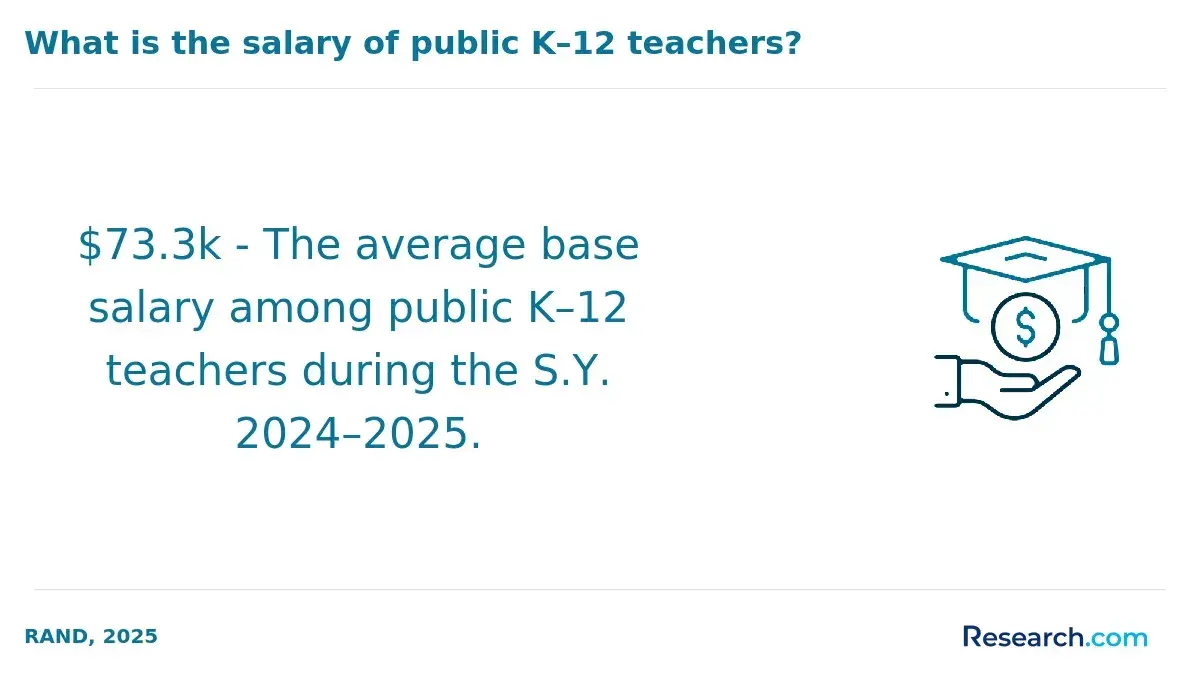
Salary is an important part of deciding whether a teaching degree is affordable and sustainable. In Virginia, average teaching degree salaries in 2027 are projected to range from around $51,000 for elementary educators to over $60,000 for secondary educators. Actual pay depends on the district salary schedule, local cost of living, education level, endorsements, and years of service.
- Years of experience: New teachers typically begin lower on the salary scale, then move upward as they gain experience and meet district requirements.
- Teaching level: Pay can differ among elementary, middle, and secondary roles, with secondary educators often earning more because of subject specialization and role expectations.
- Location within Virginia: Urban and suburban districts, including Northern Virginia, may pay more than rural districts, often reflecting higher living costs.
- Certifications and education: Additional endorsements, advanced degrees, and specialized licenses may support access to higher-paying roles or leadership opportunities.
| Salary factor | What to check before enrolling |
| District salary schedules | Review pay scales in the specific Virginia districts where you want to work. |
| Advanced degree incentives | Ask whether districts offer higher lanes or stipends for graduate credits or master’s degrees. |
| Endorsement demand | Compare demand for elementary, secondary, special education, STEM, and other endorsement areas. |
| Cost of living | Balance salary against housing, commuting, childcare, and student loan obligations. |
Students who want to compare classroom and non-classroom options can use Research.com’s guide to what you can do with a teaching degree to evaluate career flexibility before committing to a program.
How do you compare the best teaching degree colleges in Virginia for 2027?
The best program is not always the most famous or the least expensive. A strong choice is one that gets you to the correct license, gives you meaningful classroom practice, fits your schedule, and leaves you with manageable debt. Use the factors below to compare programs side by side.
| Selection factor | Why it matters | What to ask |
| Accreditation and program approval | Accreditation supports degree credibility, while state approval affects licensure eligibility. | Is the teacher preparation program approved for the Virginia endorsement I want? |
| Degree format | Online, campus, and hybrid formats affect schedule flexibility and access to field experiences. | How are observations and student teaching handled for students in my format? |
| Faculty and mentorship | Experienced faculty and supervisors can strengthen lesson planning, classroom practice, and professional confidence. | Who supervises clinical placements, and how often will I receive feedback? |
| Student support | Advising, test preparation, tutoring, and career services can help students stay on track. | What support exists for Praxis preparation, transfer planning, and job placement? |
| District partnerships | Strong school partnerships can improve practicum quality and local hiring connections. | Which Virginia districts regularly host your student teachers? |
| Total cost and aid | Net cost, fees, and unpaid clinical hours affect return on investment. | What will I pay after grants, scholarships, transfer credits, and required fees? |
| Career outcomes | Placement data and alumni pathways show how well the program connects graduates to jobs. | What percentage of graduates enter teaching or education roles, and in which districts? |
Common mistakes to avoid
- Choosing a program before checking licensure alignment: A degree in education is not automatically the same as a state-approved teacher preparation program.
- Looking only at tuition: Fees, books, exams, background checks, commuting, and student-teaching work limits can change the real cost.
- Assuming every online program works for Virginia licensure: Online students still need approved clinical experiences and must meet state requirements.
- Ignoring transfer policies: Lost credits can add semesters and increase debt.
- Relying only on rankings: Rankings can be useful, but licensure fit, placement quality, advising, and affordability matter more for many students.
- Waiting too long to prepare for Praxis exams: Delayed testing can postpone student teaching, graduation, or employment.
- Assuming salary outcomes are guaranteed: Pay depends on district schedules, location, credentials, experience, and available roles.
Step-by-step plan for choosing a Virginia teaching degree program
- Choose your intended teaching level or subject area before comparing schools.
- Confirm that each program is approved for the Virginia licensure endorsement you need.
- Request a written cost estimate that includes tuition, fees, field placement costs, and testing expenses.
- Ask how the college supports Praxis preparation and what happens if a candidate does not pass on the first attempt.
- Compare student-teaching placement locations, mentor expectations, and supervision frequency.
- Review transfer credit rules if you have previous college coursework.
- Speak with current students or recent graduates about advising, workload, and placement quality.
- Compare net price after grants, scholarships, and loans rather than using sticker price alone.
- Check district salary schedules in the areas where you hope to work.
- Select the program that best balances licensure fit, affordability, flexibility, and clinical experience.
Graduate perspectives on earning a teaching degree from a top Virginia college
- Completing my teaching degree online through a leading Virginia college changed what I thought was possible. I could manage family responsibilities while studying coursework tied to Virginia schools, and after graduation I began teaching at Jefferson Elementary. The strategies I practiced in the program helped me create stronger lessons and serve my community with more confidence. Hayley
- My on-campus teaching program gave me the structure, faculty guidance, and research-based preparation I needed to grow professionally. The university’s connections with Virginia school districts helped me understand the variety of classrooms across the state and prepared me for the leadership responsibilities I later pursued. Shaina
- The online teaching degree I completed in Virginia pushed me academically and personally. Courses on culturally responsive teaching helped me better understand students from many backgrounds, and the experience strengthened my commitment to using education as a way to support young people and their communities. Thomas
Related Articles for Nearby States
- 2027 Best Colleges for Teaching Degree Programs in West Virginia: Online & Campus
- 2027 Best Colleges for Teaching Degree Programs in Maryland: Online & Campus
- 2027 Best Colleges for Teaching Degree Programs in North Carolina: Online & Campus
- 2027 Best Colleges for Teaching Degree Programs in Tennessee: Online & Campus
- 2027 Best Colleges for Teaching Degree Programs in Kentucky: Online & Campus
- 2027 Best Colleges for Teaching Degree Programs in Pennsylvania: Online & Campus
- 2027 Best Colleges for Teaching Degree Programs in South Carolina: Online & Campus
- 2027 Best Colleges for Teaching Degree Programs in Ohio: Online & Campus
- 2027 Best Colleges for Teaching Degree Programs in Delaware: Online & Campus
- 2027 Best Colleges for Teaching Degree Programs in New Jersey: Online & Campus
References:
- Virginia Tuition Assistance Grant (VTAG) - Virginia Private Colleges https://cicv.org/learn-more/vtag/
- Education (Online) MA https://www.nottingham.ac.uk/pgstudy/course/taught/education-online-ma
- Employment Opportunities - Prince William County Public Schools https://www.pwcs.edu/departments/hr/employment_opportunities/index
- How Credible Are Online Degrees? And are they worth it? https://potomac.edu/are-online-degrees-taken-seriously-by-employers/
- Master' s in Education Degree Programs in Virginia 2025 - 2026 https://www.gradschools.com/masters/education
- Virginia Teaching Licensure Requirements https://cte.uvawise.edu/teaching-licensure-requirements
- State Approved Programs | West Virginia Department of Education https://wvde.us/educator-staff-development/become-teacher/state-approved-programs
- How To Become a Teacher in Virginia [2025 Guide] | Teachers of Tomorrow https://www.teachersoftomorrow.org/blog/insights/how-to-become-a-teacher-in-virginia/
- Education Jobs in Virginia https://www.topschooljobs.org/jobs/virginia/
- Admission for Transfer Students | UVA School of Education and Human Development https://education.virginia.edu/admission/undergraduate-admission/admission-transfer-students
Key Insights
- The strongest Virginia teaching degree program is one that is accredited, state-approved, affordable after aid, and aligned with the exact license and endorsement you want.
- Online and hybrid programs can work well for busy adults, but student teaching and observations still require in-person school placements.
- Do not compare tuition alone. Include mandatory fees, testing costs, background checks, materials, commuting, and the income impact of student teaching.
- Licensure preparation should be built into the program through advising, Praxis support, supervised fieldwork, and clear endorsement pathways.
- District partnerships matter because they shape the quality of your clinical experience and can help you build local hiring connections.
- Salary and job outcomes vary by role, district, location, experience, and credentials, so review local salary schedules before borrowing heavily.
- The best decision is practical: choose the college that helps you become licensed, gain real classroom confidence, manage cost, and enter the Virginia education workforce with a clear plan.
Other Things You Should Know About Teaching Degree Programs in Virginia
In 2027, notable Virginia institutions offering top online teaching degrees include Liberty University, George Mason University, and Old Dominion University. These programs are recognized for their comprehensive curriculums, flexibility, and technological integration, catering to various teaching specialties.
In 2027, James Madison University, Virginia Commonwealth University, and the University of Virginia are highly ranked for their campus-based teaching degree programs in Virginia, offering robust curricula, experienced faculty, and strong community engagement opportunities.
In 2027, the reliability of online teaching degree programs in Virginia is often assessed by accreditation status, faculty qualifications, student support services, graduation rates, and feedback from graduates. Ensuring these programs meet state licensure requirements is also key to their credibility.
Admission prerequisites for teaching degree programs in Virginia in 2027 typically include a high school diploma or equivalent, SAT or ACT scores, and completion of specific coursework such as mathematics and science. Some programs may also require letters of recommendation, personal essays, and a minimum GPA.


