
2027 Best Forensic Psychology Degree Programs in Alabama: Online & Campus

Co-Founder and Chief Data Scientist
Aspiring forensic psychologists in Alabama are preparing to enter a field where they can play a crucial role in the state's justice and mental health systems. This path is a significant professional commitment that leads to a respected and stable career, with psychologists in Alabama earning an annual mean wage of over $79,650, according to ZipRecruiter. The first step is selecting a program that provides rigorous, high-quality training.
This guide, created by career planning experts with over a decade of experience, is designed to help you make that critical decision. We will provide a comprehensive overview of the best online and on-campus forensic psychology programs for Alabama residents for 2027. Consider this your definitive plan for finding the right program to begin your professional journey.
Key Benefits of Forensic Psychology Degree Programs in Alabama for 2026
- Alabama offers flexible learning with accredited online and on-campus programs, making forensic psychology education accessible for working adults and traditional students alike.
- Graduates benefit from strong local networks and internship opportunities within Alabama's growing criminal justice system, enhancing practical experience and job placement rates.
- Affordable tuition rates combined with state financial aid options make these programs a cost-effective pathway to entering a high-demand, rewarding field in forensic psychology.
- What forensic psychology degree programs are available in Alabama in 2026?
- How do online forensic psychology programs compare to on-campus options in Alabama?
- What prerequisites do applicants need for forensic psychology degrees in Alabama in 2026?
- What forensic psychology concentrations are offered in Alabama in 2026?
- What courses do you take in a forensic psychology degree in Alabama?
- How much do forensic psychology degree programs cost in Alabama in 2026?
- What financial aid options are available to Alabama forensic psychology students in 2026?
- What jobs can you get with a forensic psychology degree in Alabama?
- What is the average salary for forensic psychology graduates in Alabama in 2026?
- What factors should you consider when choosing a forensic psychology program in Alabama?
What forensic psychology degree programs are available in Alabama in 2026?
In Alabama, students interested in forensic psychology have access to a wide range of degree programs in 2026, designed to fit various educational and career goals. These programs offer multiple learning formats to accommodate different lifestyles and professional commitments, allowing you to choose what best aligns with your path.
Below is an overview of the forensic psychology degree programs commonly available, highlighting the format options and how they impact your academic and career preparation:
- Associate Degrees: These two-year programs focus on foundational knowledge and are often offered in campus-based and hybrid formats. Campus programs offer hands-on learning experiences, while hybrid options combine online coursework with in-person sessions. This level is ideal for quick entry into the field or as a stepping stone to higher degrees.
- Bachelor's Degrees: Typically four years in length, bachelor's programs are widely available in online, campus, and hybrid formats. Campus programs emphasize direct interaction and practical labs, which are beneficial for building field-specific skills. Online formats offer flexibility, especially for working students, and hybrid options balance both approaches. This degree prepares you for a variety of roles and graduate study.
- Master's Degrees: Usually requiring one to two years post-bachelor's, these programs are offered across campus, online, and hybrid formats. Campus-based studies often focus on clinical training and internships vital for professional advancement, whereas online programs lean toward theoretical learning and research. Hybrid models strive to blend both experiences, catering to diverse student needs.
- Doctoral Degrees: The most advanced studies, lasting four to seven years, come in campus, online, and hybrid formats as well. Campus programs provide comprehensive clinical training, research opportunities, and close faculty mentorship essential for careers in practice or academia. Online and hybrid options offer more flexible scheduling but still maintain rigorous standards. Doctoral candidates can explore forensic science careers that benefit from this high level of expertise.
By choosing from these formats and degree levels, you can tailor your education to fit your schedule and career ambitions while preparing effectively for the growing field of forensic psychology. Whether you seek a traditional campus experience or the flexibility of online and campus forensic psychology degrees Alabama offers, understanding these options will guide your decision-making in 2026.
How do online forensic psychology programs compare to on-campus options in Alabama?
Choosing between different learning environments is a vital step when pursuing a forensic psychology education. Exploring the benefits and challenges of each option can empower you to find the path that best fits your lifestyle and career aspirations.
Online Forensic Psychology Programs
- Flexibility: Designed for working professionals or those with busy schedules, offering asynchronous courses to study at your own pace.
- Accessibility: Ideal for students who may face geographic or commuting barriers, with programs available remotely across Alabama.
- Hands-on Experience: Though limited in face-to-face labs, local practicum partnerships help gain practical skills.
- Resources: Access to digital research libraries and virtual counseling labs supports learning despite lack of physical campus facilities.
- Cost Efficiency: Often lower tuition combined with savings on relocation and commuting expenses makes this option economical.
On-Campus Forensic Psychology Programs
- Immersive Learning: Provides direct interaction with faculty and peers, including in-person practicums and specialized lab work.
- Networking Opportunities: Strong connections with local criminal justice professionals and alumni boost career prospects.
- Mentorship: Closer mentorship relationships foster professional growth and job placement within Alabama's workforce.
- Facilities: Access to dedicated facilities and law enforcement partnerships offers unique experiential advantages.
- Financial Aid: Greater availability of scholarships and assistantships funded by universities can offset tuition costs.
Whether you choose an online forensic psychology degree in Alabama or an on-campus forensic psychology program Alabama, it's important to consider how your choice aligns with your personal goals. To better understand career pathways after graduation, exploring the best jobs in forensic psychology can provide valuable insights into future opportunities.
What prerequisites do applicants need for forensic psychology degrees in Alabama in 2026?
Starting a forensic psychology program in Alabama requires careful preparation to meet academic and experiential expectations. Prospective students should focus on building a strong foundation that aligns with both online and on-campus program demands, ensuring they can thrive in this multidisciplinary field.
- Academic GPA: Most programs seek a minimum cumulative GPA between 2.5 and 3.0 on a 4.0 scale. More competitive tracks may require even higher GPAs, reflecting the rigor and dedication needed to succeed in forensic psychology studies.
- Prerequisite Coursework: Essential classes typically include introductory psychology, research methods, statistics, and abnormal psychology. Many programs also look for courses in criminal justice or criminology, and sometimes biology or sociology, to prepare students for the diverse challenges encountered in forensic settings.
- Bachelor's Degree Requirements: Graduate programs almost always expect applicants to hold a bachelor's degree in psychology or a related field. This solid educational base is critical for grasping advanced forensic concepts and methodologies.
- Supporting Application Materials: Applicants usually need to submit GRE scores, recommendation letters, and a personal statement. These materials provide insight into the candidate's commitment and readiness to engage with the complex topics in forensic psychology.
- Experience in Relevant Settings: While not always mandatory, having volunteer or work experience in forensic, clinical, or criminal justice environments greatly strengthens an application. It demonstrates practical understanding and a genuine interest in the field.
- Program-Specific Considerations: On-campus programs may request in-person interviews or visits, emphasizing direct interaction. Online programs, meanwhile, require technology readiness and reliable internet access to participate fully in virtual learning activities.
What forensic psychology concentrations are offered in Alabama in 2026?
Forensic psychology programs in Alabama in 2026 offer a range of specialized concentrations designed to prepare students for dynamic roles in the criminal justice and mental health fields. These specializations equip graduates with practical skills to navigate complex legal and psychological challenges. Below is an overview of common forensic psychology concentrations in Alabama in 2026, each aligned with key career pathways and coursework.
- Criminal Behavior and Mental Health: Focuses on psychological factors behind criminal actions and offender mental health assessment. Courses include criminal psychopathology and forensic assessment methods. Graduates often become clinical forensic psychologists or counselors in correctional and community settings.
- Legal and Ethical Issues in Forensic Psychology: Covers the intersection of law and ethics in forensic contexts, including expert testimony and forensic report writing. Career paths often lead to expert witness roles, legal consulting, or compliance positions within criminal justice agencies.
- Victimology and Trauma: Addresses psychological trauma among crime victims and intervention strategies. Coursework typically involves trauma psychology and crisis intervention, preparing students for careers in victim support, law enforcement, or nonprofit organizations.
- Correctional Psychology: Prepares students to assess and treat incarcerated individuals, focusing on correctional mental health and rehabilitation program development. Graduates find roles as correctional psychologists or forensic case managers.
Employment projections show a 5% growth in forensic psychology demand in Alabama from 2021 to 2026, reflecting wider national trends. Students exploring specializations in Alabama forensic psychology programs will find diverse opportunities to blend psychology with law, meeting evolving needs in the state's criminal justice system. For those curious about what jobs can you get with a forensic psychology degree, these concentrations provide valuable pathways to impactful careers.
What courses do you take in a forensic psychology degree in Alabama?
The curriculum in forensic psychology degree programs in Alabama combines essential psychological theories with practical skills tailored to the intersections of law and mental health. This structured approach ensures students develop a deep understanding of criminal behavior and legal standards, alongside the ability to apply psychological methods in forensic settings. The following courses are central to building the expertise necessary for success in this challenging and rewarding field.
- Introduction to Forensic Psychology: This foundational course introduces the role of psychology within the legal system, covering criminal behavior evaluation, victimology, and forensic mental health services. It builds a solid base for understanding how psychological principles guide law enforcement and court processes.
- Criminal Behavior and Psychology: Students dive into theories explaining criminal acts, exploring biological, psychological, and social influences. This course sharpens skills in offender profiling and behavioral analysis, critical for investigative and assessment roles.
- Forensic Assessment and Evaluation: Focused on practical skills, this course trains students to conduct psychological evaluations critical in legal cases, such as assessing competency and risk. Mastery of standardized tools and judicial guidelines prepares students for real-world forensic assessments.
- Legal and Ethical Issues in Forensic Psychology: This course addresses complex ethical dilemmas encountered by forensic psychologists, including confidentiality, informed consent, and delivering expert testimony. It equips students to uphold professional integrity in challenging situations.
- Psychopathology in Forensic Settings: Emphasizing diagnosis and treatment, this course explores mental disorders frequently seen in forensic contexts, linking clinical symptoms to criminal behaviors and legal implications.
- Research Methods and Statistics in Forensic Psychology: Essential for evidence-based practice, this course teaches scientific research design and data interpretation, fostering critical thinking needed to contribute to forensic psychology advancements.
A forensic psychology graduate in Alabama shared that the journey felt both intense and transformative. She recalled grappling with the emotional weight of studying real criminal cases while balancing the rigorous demands of mastering assessment techniques and ethical reasoning. What stood out to her was the invaluable mentorship and hands-on experiences that gave her confidence beyond textbooks. Those moments of applying knowledge to simulated court testimony and forensic reports helped her realize the profound responsibility professionals in this field carry. Reflecting on her path, she emphasized that perseverance and a commitment to continuous learning were crucial, as was the support from peers and instructors who understood the unique challenges in forensic psychology education.
How much do forensic psychology degree programs cost in Alabama in 2026?
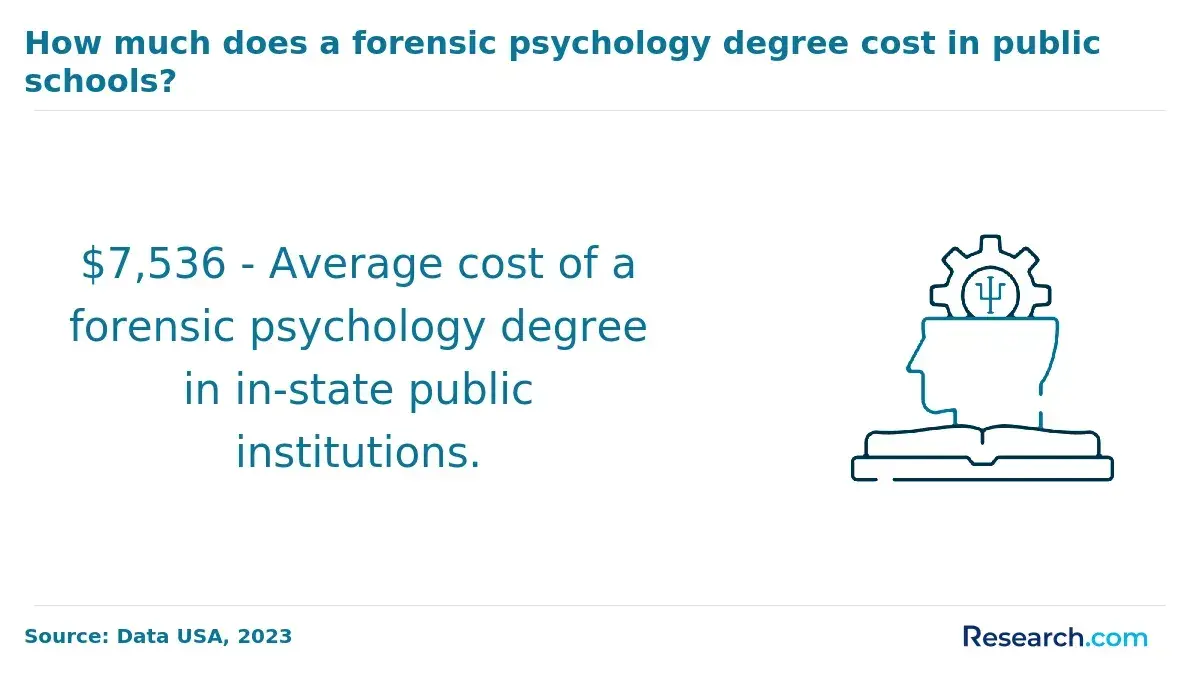
Considering both online and on-campus costs helps you plan your education budget wisely, especially as tuition and fees can vary greatly depending on the program format and institution type. In Alabama for 2026, public universities generally offer more affordable tuition rates, with online courses costing between $300 and $450 per credit hour, while on-campus options range from $400 to $600. Private institutions typically charge above $600 per credit hour regardless of delivery method. Here's a clear comparison of key cost factors to keep in mind:
- Tuition per credit: Online programs at public schools are lower, ranging $300-$450, whereas on-campus tuition ranges $400-$600. Private schools exceed $600 for both formats.
- Mandatory fees: On-campus students pay $1,000-$1,500 annually for campus services; online students typically face $200-$600 technology fees.
- Additional living expenses: On-campus students budget $10,000-$15,000 yearly for housing, meals, and transport; online learners usually avoid these but may have travel costs for residencies.
What financial aid options are available to Alabama forensic psychology students in 2026?
Planning for the financial demands of a forensic psychology degree in Alabama involves more than just knowing tuition costs. In 2026, annual tuition can range from $8,000 to $18,000 depending on residency and institution, making careful budgeting and knowledge of aid options essential for success. Recognizing the variety of financial aid available can empower students to secure funding that eases their educational journey.
Several key types of financial aid help students manage costs effectively, with eligibility criteria and application processes to consider:
- Federal Grants and Loans: These include Pell Grants awarded based on financial need and Federal Direct Loans, like Stafford loans, both subsidized and unsubsidized. Applying early via the FAFSA, which opens October 1 for the next academic year, can significantly improve access to limited funds.
- Institutional Scholarships and Grants: Many Alabama universities offer merit-based scholarships and grants for students who excel academically or demonstrate a commitment to forensic psychology and related fields. These awards usually require additional applications and evidence of scholastic or community achievements.
- State-Specific Aid Programs: Programs such as the Alabama Student Assistance Program (ASAP) offer need-based awards specifically for residents attending eligible public institutions. Awareness of deadlines and eligibility criteria is crucial for maximizing these opportunities.
- Work-Study Opportunities: Work-study programs allow students to earn income while gaining practical experience in forensic psychology settings such as research labs or counseling centers. These jobs align financial support with career development and require FAFSA eligibility.
- Nonprofit and Foundation Support: Grants and loan repayment assistance may be available through local nonprofits for students committed to serving underserved areas post-graduation. These opportunities often include service obligations, blending financial assistance with professional contribution.
Reaching out proactively to financial aid offices and maintaining academic progress are vital for sustaining aid throughout the degree.
Reflecting on this landscape, a forensic psychology professional from Alabama shared his personal experience navigating financial aid during his studies. Initially overwhelmed by the complexity and uncertainty, he recalls the anxiety of waiting for FAFSA results and the relief when awarded a Pell Grant that covered a significant portion of tuition. He also applied for institutional scholarships, submitting detailed essays showcasing his interest and community involvement, which bolstered his funding. Balancing work-study positions in a campus counseling center not only helped financially but deepened his practical understanding of forensic psychology. His journey was not without challenges-managing deadlines, paperwork, and occasional setbacks required persistence and organization. Yet, the combination of resources made his education attainable and laid a foundation for his career. This experience underscores how thoughtful navigation of available aid can transform financial obstacles into opportunities for growth and success in forensic psychology.
What jobs can you get with a forensic psychology degree in Alabama?
In Alabama, the demand for professionals with a forensic psychology degree is expected to grow steadily as the criminal justice system expands and mental health awareness increases. Employment for psychologists, including those in forensic roles, is projected to rise by about 6% through 2031, reflecting stable opportunities for graduates. For students exploring forensic psychology careers in Alabama, it helps to focus on skill development in psychological assessment, legal procedures, and effective communication to prepare for diverse roles.
Here are some common job opportunities with forensic psychology degree Alabama graduates often pursue:
- Forensic Psychologist: Conducts psychological evaluations related to legal cases, assessing defendants' mental competency and providing expert testimony. Requires strong analytical skills and the ability to translate complex findings to courts and attorneys. Typically works in courts, mental health clinics, or correctional settings.
- Criminal Profiler: Analyzes behavioral patterns to assist law enforcement in identifying suspects and understanding criminal motives. This role demands a deep understanding of human behavior and collaboration with investigative teams, often within police departments or federal agencies.
- Forensic Case Manager: Develops and coordinates treatment plans for offenders, ensuring rehabilitation services meet legal and psychological standards. Skills in case management and legal knowledge are essential, with work often occurring in correctional facilities or community programs.
- Correctional Treatment Specialist: Implements and monitors rehabilitation programs aimed at reducing recidivism among incarcerated individuals. Requires expertise in psychological interventions and the ability to work closely with correctional staff to support inmates' mental health needs.
For those curious about the field or seeking guidance, exploring forensic psychology careers can provide deeper insights into the pathways and skills necessary to succeed in these roles.
What is the average salary for forensic psychology graduates in Alabama in 2026?
Salary insights are a crucial factor when considering the best forensic psychology degree programs in Alabama, as they help you understand potential earnings after graduation. In 2026, the average forensic psychology salary in Alabama is projected to range from $58,000 to $78,000 annually, reflecting a competitive job market. Several important factors influence forensic psychology graduate earnings in Alabama, contributing to salary variations across the state.
- Role and Job Title: Different positions within forensic psychology offer varied pay scales. For example, forensic psychologists conducting assessments may earn more than research assistants or case managers.
- Experience Level: Entry-level graduates generally start on the lower end of the salary range, while those with several years of experience and advanced credentials can command higher salaries.
- Specialization: Expertise in niche areas such as juvenile offenders or forensic neuropsychology often results in higher compensation due to specialized demand and skill requirements.
- Work Setting: Salaries vary by work environment, with roles in government or healthcare agencies offering different pay structures than those in private consulting.
For students aiming to align their career goals with financial expectations, understanding these factors alongside a solid forensic psychology definition will enhance both educational and professional planning.
What factors should you consider when choosing a forensic psychology program in Alabama?
Selecting the right forensic psychology program in Alabama in 2026 is crucial for building a strong academic foundation and preparing for a competitive job market. The choices you make now will influence your readiness for licensure and your long-term career success in this specialized field.
To help navigate your decision, consider the following key factors that define quality forensic psychology education and align with workforce demands.
- Curriculum Focus: A program should cover core psychological theories, criminal behavior analysis, legal standards, and ethical issues unique to forensic settings. Staying current with emerging forensic assessment methods and criminal profiling techniques is essential to remain relevant in practice.
- Accreditation: Look for regional or American Psychological Association (APA) accreditation. This ensures high educational standards and affects eligibility for Alabama licensure and certification, impacting your future career options significantly.
- Faculty Expertise: Experienced faculty with active research, clinical background in forensic environments, or criminal justice ties can provide valuable mentorship and real-world insight, which is vital given Alabama's forensic psychology roles across courts and correctional agencies.
- Field Training Opportunities: Practical experiences like clinical practicums, internships, or partnerships with justice entities help you apply theory to practice. The Alabama Board of Psychology emphasizes such field training as a requirement for licensure and a factor boosting employability.
- Program Format: Consider whether an online, on-campus, or hybrid format fits your lifestyle. While online programs offer flexibility, verify that field placements and accreditation standards are met to ensure comprehensive training.
- Admission Requirements: These often reflect program rigor. Typical expectations include relevant undergraduate coursework, minimum GPA thresholds, letters of recommendation, and sometimes professional experience, guiding you on your preparedness and fit.
- Student Support Services: Resources like academic advising, career counseling, mental health support, and job placement assistance are critical for success, helping you transition smoothly into Alabama's growing forensic psychology job market, expected to expand by about 8% through 2028.
What Forensic Psychology Graduates in Alabama Say About Their Degree
- Pursuing my forensic psychology degree online allowed me the flexibility to balance work and study while living in Alabama. The program's connection with local institutions led me to a rewarding job at Oak Ridge High School, where I apply my skills daily to support students facing behavioral challenges. The blend of theory and practical application available in the curriculum truly prepared me for this role. I feel genuinely fulfilled knowing I contribute positively to my community's youth. The convenience and quality of the online program surpassed my expectations, making this journey worthwhile. Amayla
- Completing my traditional forensic psychology program in Alabama was a turning point in my career. The rigorous coursework and hands-on experience helped me secure a higher position within the forensic psychology field in the state. Navigating Alabama's unique forensic landscape challenged me to grow professionally, sharpening my analytical skills and cultural awareness. The faculty's support and the program's reputation opened doors I hadn't imagined possible. This achievement motivates me to continue advancing in my field with confidence and professionalism. Shannen
- The journey through my forensic psychology studies on campus in Alabama offered more than just academic knowledge; it was a deeply transformative experience. Working closely with local agencies, I developed a strong sense of community involvement and a passion for advocacy. After graduating, I have seen firsthand the impact of culturally informed psychological practices in schools like Pine Valley Academy, where I now volunteer to support at-risk youth. This program nurtured my personal growth and instilled a lifelong commitment to improving the well-being of those around me. Lucas
Related Articles for Nearby States
- 2027 Best Forensic Psychology Degree Programs in Mississippi: Online & Campus
- 2027 Best Forensic Psychology Degree Programs in Tennessee: Online & Campus
- 2027 Best Forensic Psychology Degree Programs in Georgia: Online & Campus
- 2027 Best Forensic Psychology Degree Programs in Florida: Online & Campus
- 2027 Best Forensic Psychology Degree Programs in Louisiana: Online & Campus
- 2027 Best Forensic Psychology Degree Programs in Arkansas: Online & Campus
- 2027 Best Forensic Psychology Degree Programs in Kentucky: Online & Campus
- 2027 Best Forensic Psychology Degree Programs in South Carolina: Online & Campus
- 2027 Best Forensic Psychology Degree Programs in North Carolina: Online & Campus
- 2027 Best Forensic Psychology Degree Programs in Missouri: Online & Campus
References:
- Earning Your Forensic Psychology Degree Online | All Psychology Schools https://www.allpsychologyschools.com/online-degrees/forensic-psychology/
- Forensic Psychology Graduate Programs & Schools in Alabama 2025+ https://www.gradschools.com/programs/psychology/forensic-psychology
- Forensic Science https://catalog.uab.edu/graduate/collegeofartsciences/criminaljustice/forensicscience/
- Forensic Psychology Jobs in Alabama | Schools, Colleges and Degree Programs in AL https://www.forensicpsychologyedu.org/alabama/
- Bachelor of Forensic Psychology in Birmingham AL - Faulkner University https://www.faulkner.edu/adult/birmingham-campus/bachelor-degrees/forensic-psychology/
- Forensic Psychology Salary in Alabama, United States (2025) - ERI SalaryExpert https://www.salaryexpert.com/salary/job/forensic-psychology/united-states/alabama
- Become a Forensic Psychologist in Alabama https://www.forensicpsychologyonline.com/states/become-a-forensic-psychologist-in-alabama/
- Forensics Science Minor | Spring Hill College | Alabama https://www.shc.edu/academics/by-subject/natural-sciences-degrees/forensics-minor/
- Forensic Psychologist Salary 2025: Complete State Guide https://psydprograms.org/how-much-do-forensic-psychologists-make/
- Forensic Psychology | Wallace State Community College https://www.wallacestate.edu/programs/academic-division/forensic-psychology/index.html
Other Things You Should Know About Forensic Psychology Degree Programs in Alabama
The University of Alabama at Birmingham and Auburn University offer top forensic psychology programs in Alabama for 2027. These institutions provide robust curricula and experiential learning through partnerships with local law enforcement agencies, making them prominent choices for those pursuing a career in forensic psychology.
Admission requirements typically include a bachelor's degree in psychology or a related field, a minimum GPA of 3.0, and GRE scores. Some programs may also require letters of recommendation and a personal statement addressing your interest in forensic psychology.


