
2027 Best Forensic Psychology Degree Programs in Rhode Island: Online & Campus

Co-Founder and Chief Data Scientist
Rhode Island's surge in forensic psychology roles, projected to grow 8% by 2030, leaves many aspiring professionals puzzled about where to train effectively. Navigating through online and campus-based programs that merge psychology with criminal justice is a complex puzzle requiring expert insight.
This article unravels top forensic psychology degree options in Rhode Island, blending data-driven analysis with seasoned career planning wisdom. Discover programs tailored to emerging job market demands and make an informed choice grounded in authoritative guidance.
Key Benefits of Forensic Psychology Degree Programs in Rhode Island
- Rhode Island's forensic psychology programs blend cutting-edge virtual labs with traditional campus vibes, letting you dissect criminal minds anywhere, anytime-perfect for the modern scholar juggling life and learning.
- Statewide partnerships with local courts and agencies amplify hands-on experience, turning theory into real-world insight, with 85% of graduates reporting job placements within six months.
- Flexible pacing means accelerated tracks or laid-back schedules, accommodating diverse lifestyles while maintaining rigorous accreditation standards, ensuring your degree packs both prestige and practical power.
- What forensic psychology degree programs are available in Rhode Island?
- How do online forensic psychology programs compare to on-campus options in Rhode Island?
- What prerequisites do applicants need for forensic psychology degrees in Rhode Island?
- What forensic psychology concentrations are offered in Rhode Island?
- What courses do you take in a forensic psychology degree in Rhode Island?
- How much do forensic psychology degree programs cost in Rhode Island?
- What financial aid options are available to Rhode Island forensic psychology students?
- What jobs can you get with a forensic psychology degree in Rhode Island?
- What is the average salary for forensic psychology graduates in Rhode Island?
- What factors should you consider when choosing a forensic psychology program in Rhode Island?
What forensic psychology degree programs are available in Rhode Island?
Rhode Island's academic landscape unfolds a diverse spectrum of forensic psychology degree programs, tailored to various learner needs and career ambitions. These programs embrace an array of delivery styles and degree levels, charting distinct paths through theoretical knowledge and applied skills.
- Associate Degrees: Typically spanning two years, these programs often employ campus-based, online, or hybrid formats, establishing foundational psychology knowledge with introductory forensic concepts. They tend to prepare students for support roles or as stepping stones, blending accessible formats with broad academic exposure.
- Bachelor's Degrees: Usually four-year journeys that balance campus immersion and flexible online or hybrid options, bachelor's programs focus on psychological theories and research methods with practical forensic applications. The variety of formats allows students to tailor their experience toward foundational readiness or early career entry in forensic environments.
- Master's Degrees: Two-year advanced programs often delivered through a mix of online, hybrid, and campus-based courses, emphasizing applied forensic psychology skills. These pathways are designed for practitioner readiness, honing legal and assessment competencies critical for roles within corrections or law enforcement agencies.
- Doctoral Degrees (PhD/PsyD): Spanning four to seven years, these programs lean heavily on campus-based or hybrid models to cultivate deep research acumen, clinical expertise, and forensic specialization needed for high-level professional, academic, or consulting careers. The rigorous format integrates extensive practical training alongside scholarly pursuits, reflecting the complex demands of forensic psychology practice.
In exploring these options, it's essential to consider how delivery modes shape academic focus and career preparation, especially for those seeking online and campus forensic psychology degrees that Rhode Island supports. For further insight into the profession's role, explore what does a forensic psychologist do.
How do online forensic psychology programs compare to on-campus options in Rhode Island?
Choosing between online and on-campus formats for forensic psychology education in Rhode Island involves weighing convenience against hands-on experience, each shaping career readiness differently. This section dives into the unique features of these paths, helping students visualize which mode aligns with their ambitions and lifestyle.
Online Forensic Psychology Programs
- Flexible Structure: Asynchronous coursework empowers students to study at their own pace, ideal for juggling work or personal commitments.
- Remote Accessibility: Students can engage from anywhere in Rhode Island, breaking geographic barriers but sometimes missing immediate faculty interaction.
- Virtual Learning Tools: Programs may include online discussions, case analyses, and occasional remote practicums, though hands-on supervised fieldwork remains limited.
- Cost Efficiency: Reduced tuition and elimination of commuting or housing expenses make these programs more budget-friendly.
- Limited Local Networking: While convenient, students might find fewer opportunities to build professional connections essential in forensic psychology.
On-Campus Forensic Psychology Programs
- Immersive Experience: Direct access to faculty and campus resources fosters deeper engagement with forensic science classes and practical training.
- Local Practicum Placements: Partnerships with Rhode Island courts, law enforcement, and correctional facilities offer essential hands-on experience.
- Networking Opportunities: Face-to-face interactions cultivate mentoring relationships invaluable for career growth and licensure preparation.
- Comprehensive Skill Development: On-campus learning hones assessment techniques and legal system navigation through real-world contexts.
- Strong Community Ties: Being physically present enhances involvement in research and collaborations, enriching academic and professional life.
For students eager to explore deeper forensic science classes, the University of Rhode Island's offerings illuminate options, while learners investigating forensic science classes online can find a modest selection tailored to flexible schedules.
What prerequisites do applicants need for forensic psychology degrees in Rhode Island?
Entering the realm of forensic psychology in Rhode Island demands a blend of solid education, academic performance, relevant experience, and clear expression of motivation. These foundations not only prepare applicants for the intellectual challenges ahead but also align them closely with the evolving needs of the forensic field, whether learning occurs online or face-to-face.
- Educational Background: Undergraduate programs typically expect a high school diploma or equivalent, while graduate studies require a bachelor's degree in psychology, criminal justice, sociology, or a related discipline. This baseline ensures candidates possess a general understanding of human behavior and societal frameworks.
- GPA Expectations: A minimum GPA often ranges between 2. 5 to 3. 0 for bachelor's level entry, escalating to 3. 0 or above at the graduate stage. Schools like Rhode Island College and the University of Rhode Island emphasize higher GPA standards, reflecting the competitive nature of advanced study.
- Required Coursework: Foundational classes in general and abnormal psychology, developmental psychology, statistics, and research methods form the academic backbone. Forensic psychology programs may add coursework in criminology, law, or criminal justice, ensuring applicants grasp the intersection of psychology and the legal system. Online programs occasionally waive GRE requirements, unlike some on-campus options.
- Letters and Statements: Admissions committees value letters of recommendation and a statement of purpose that reveal an applicant's drive, ethical grounding, and comprehension of forensic psychology's demands. These documents differentiate candidates beyond transcripts.
- Practical Experience: Internships, volunteer opportunities, or work experience in forensic or related psychology fields prove invaluable. Such exposure, sometimes preferred or required especially for on-campus applicants, offers a glimpse into real-world applications while enhancing commitment to the profession.
What forensic psychology concentrations are offered in Rhode Island?
Forensic psychology concentration options in Rhode Island reveal a spectrum of specialized tracks that merge psychological science with the intricacies of criminal justice. These programs equip students with focused expertise to navigate complex legal environments and evolving workforce demands. The landscape features distinct paths catering to diverse interests and career ambitions, inviting exploration of key areas within the field.
Common specializations in forensic psychology programs in Rhode Island typically include:
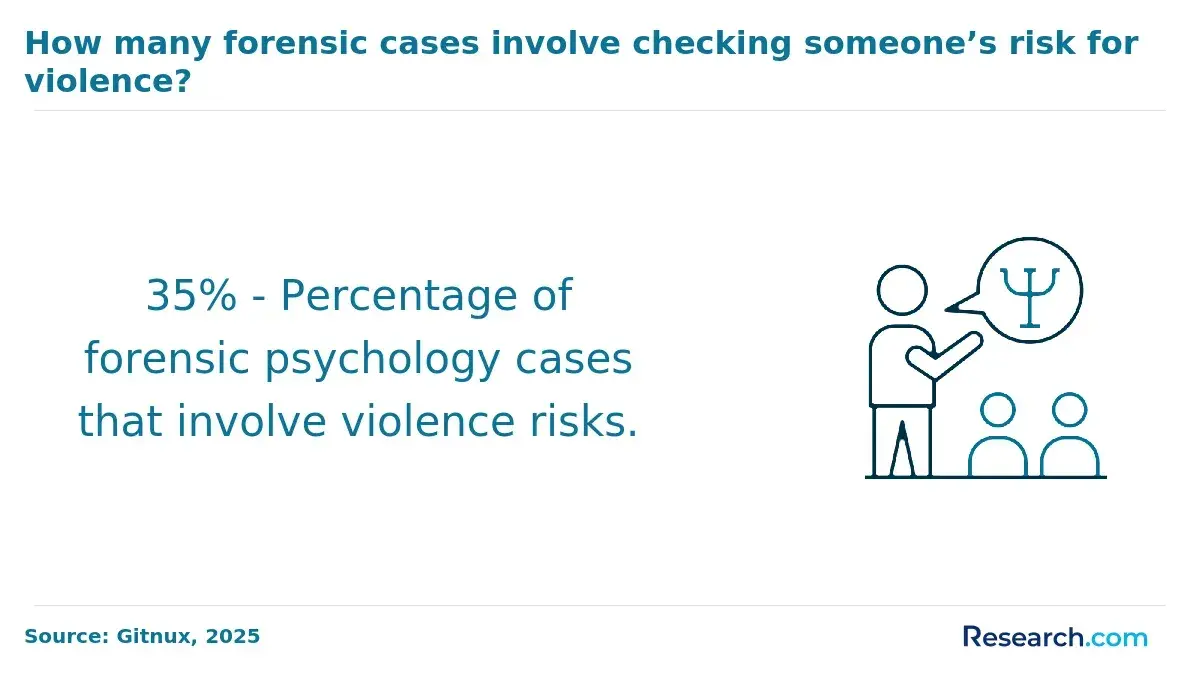
- Criminal Behavior Analysis: Delves into psychological motives behind criminal acts, emphasizing offender profiling, risk assessment, and behavioral analysis techniques. Coursework often covers psychopathy assessment and violence risk evaluation, preparing graduates for roles as forensic evaluators, criminal profilers, or law enforcement consultants.
- Juvenile Forensic Psychology: Focuses on the evaluation and treatment of juvenile offenders, integrating adolescent development theories with juvenile justice procedures. Typical classes include forensic assessment with youth and intervention strategies, leading to careers as juvenile justice specialists or counselors in detention centers.
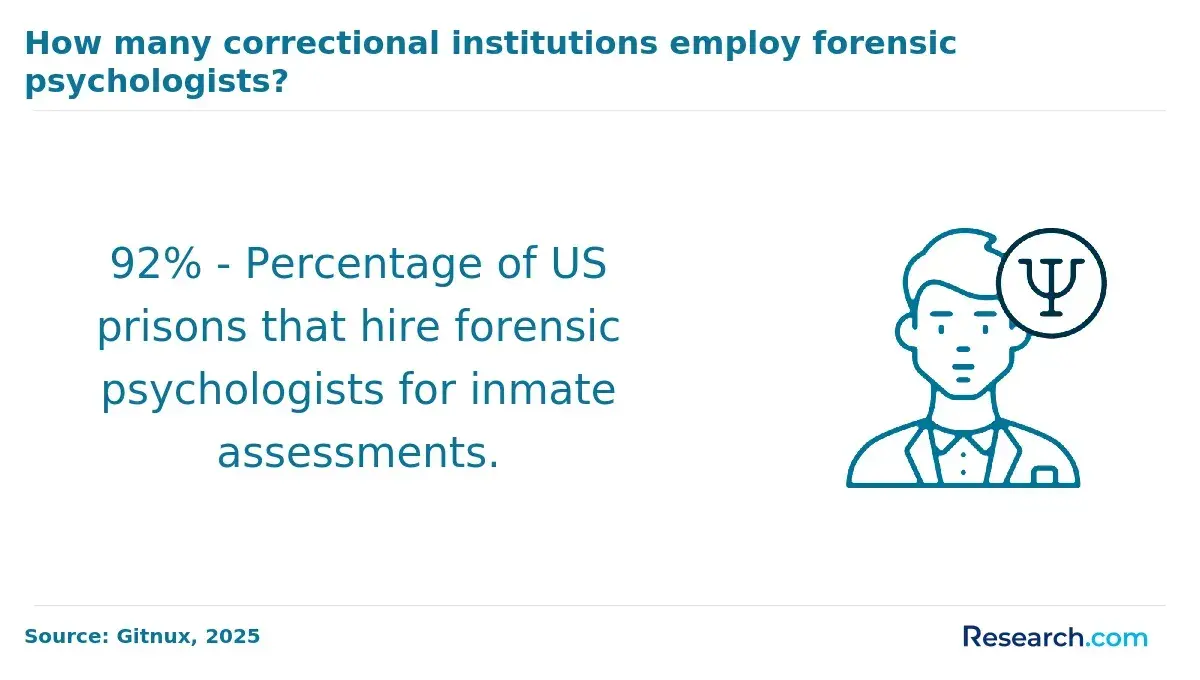
- Forensic Mental Health: Explores mental illness within legal contexts, including competency evaluations and forensic psychopathology. This specialization offers training in clinical assessment and ethical legal issues, to support future psychologists working in hospitals, correctional facilities, and community mental health programs.
These targeted forensic psychology concentration options in Rhode Island respond to an 8% projected employment growth for psychologists, outpacing national trends through 2030. Programs balance theory with applied practice, including court testimony preparation and ethical standards, while practical internships bolster readiness for professional pathways.
Students seeking more insight into forensic psychology jobs salary, and career prospects will find these concentrations strategically designed to meet emerging demands in legal and mental health sectors.
What courses do you take in a forensic psychology degree in Rhode Island?
Forensic psychology courses in Rhode Island weave together the threads of human behavior, legal intricacies, and investigative science to create a rich tapestry of knowledge and skills. These classes do more than educate; they sharpen the mind to decode motives, read between the lines of legal texts, and apply psychological insight where it matters most-within the justice system.
Below is a glimpse into the core courses that shape this unique educational journey.
- Introduction to Forensic Psychology: This gateway course opens the door to the fascinating world where psychology intersects with law, painting a broad picture of how forensic psychologists influence criminal cases, rehabilitation efforts, and legal proceedings.
- Psychopathology: Diving into the complexities of mental disorders, this course equips students to understand the psychological makeup of offenders and how their unique conditions can affect legal outcomes and treatment approaches.
- Legal and Ethical Issues in Forensic Psychology: Navigating the murky waters of ethics and law, students examine dilemmas such as confidentiality breaches and informed consent, anchoring their practice in responsible and lawful conduct.
- Criminal Behavior and Profiling: This in-depth exploration deciphers behavioral clues and patterns, teaching techniques used to profile offenders and anticipate their next moves within the criminal justice system.
- Forensic Assessment and Evaluation: Focusing on hands-on skills, learners master the art of psychological testing and interpretation critical for assessing competency, risk, and mental state in courts and correctional settings.
- Research Methods and Statistics: Emphasizing scientific rigor, this course hones abilities to design studies, analyze forensic data, and critically evaluate research that informs evidence-based practices.
- Correctional Psychology: Students explore the challenges of mental health care behind bars, studying rehabilitation methods and program development to aid offender reintegration.
How much do forensic psychology degree programs cost in Rhode Island?
Choosing between online and on-campus forensic psychology programs in Rhode Island means weighing not just convenience but the intricate tapestry of fees and living costs. Tuition rates range between $400 and $600 per credit, dipping on the public side and rising with private institutions, shaping total expenses with each credit earned. While online study trims housing and travel costs, it still carries technology fees that softly echo campus lab fees. These subtle distinctions craft a cost landscape that every student must navigate carefully.
Here's a snapshot of key cost differences to consider:
- Tuition per Credit: Online tuition ranges from about $400 to $600, depending on public or private status, mirroring on-campus rates but without some added fees.
- Mandatory Fees: Campus programs tack on student activity, facility, and lab fees that can add several hundred dollars each semester, unlike most online fees.
- Technology and Lab Fees: Online students usually pay $50 to $150 per semester for learning platforms, whereas campus students face higher lab and facility costs.
- Living and Travel Costs: On-campus learners incur $12,000 to $15,000 annually for housing, meals, and transportation, a substantial addition absent for online peers.
What financial aid options are available to Rhode Island forensic psychology students?
Navigating the costs of a forensic psychology education in Rhode Island requires more than just ambition-it demands a strategic approach to financial aid. Students can tap into a mosaic of aid sources designed to soften the financial impact so they can focus fully on their academic and professional aspirations.
Here is a snapshot of the core aid avenues that make this possible:
- Federal Grants and Loans: Pell Grants provide up to $7,395 annually to undergraduates demonstrating financial need, forming a crucial safety net. Students must submit the FAFSA each year to qualify for receiving a Student Aid Report that guides aid offers, including subsidized and unsubsidized loans with favorable repayment terms.
- State Scholarships and Grants: Rhode Island's scholarship programs, such as the Rhode Island Scholarship Incentive Program (RISI) and the Promise Scholarship, offer need- and merit-based awards plus free tuition for qualifying community college students. Applications typically require both a FAFSA and additional state-specific forms, with deadlines closely tied to residency and academic progress criteria.
- Institutional and Departmental Awards: Various universities in Rhode Island extend merit scholarships through their psychology departments, sometimes earmarked specifically for forensic psychology students. These awards often hinge on academic achievement and program concentration, requiring timely application and maintaining satisfactory academic standing.
- Work-Study Opportunities: Federal Work-Study programs enable students to earn income through part-time jobs related to psychology or criminal justice, easing tuition burdens while gaining relevant experience. Eligibility depends on FAFSA application results and institutional program availability.
- Private Foundations and Professional Organizations: Groups like the American Psychology-Law Society offer targeted scholarships to graduate students in forensic psychology, requiring demonstration of academic excellence and professional potential. These funds usually necessitate separate applications and can be pivotal for those pursuing advanced degrees.
What jobs can you get with a forensic psychology degree in Rhode Island?
In Rhode Island, the landscape of jobs with a forensic psychology degree is evolving, shaped by an 8% projected growth in related roles. This rise aligns with national trends emphasizing the importance of psychological insight within legal and criminal justice systems. For prospective students, exploring these career options reveals a rich tapestry where science and law intertwine, highlighting the diverse pathways open to those interested in forensic psychology careers in Rhode Island.
The intriguing possibilities range across various specialty areas. Here are some common roles students might pursue:
- Forensic Psychologist: These professionals dive deep into minds affected by the law, conducting assessments to evaluate competency and risk, providing expert testimony, and crafting rehabilitation strategies. They typically work in courts, correctional facilities, or private practice, requiring keen analytical skills and a strong grasp of psychological testing.
- Criminal Profiler: Using psychological theories to interpret criminal behavior patterns, profilers assist law enforcement by generating insights that guide investigations. This role demands sharp observational abilities and understanding of behavioral science, often carried out within police departments or federal agencies.
- Victim Advocate: Serving as a bridge between victims and the justice system, victim advocates provide emotional support and resource navigation. Empathy, communication skills, and knowledge of legal rights are key, with workplaces spanning courts and nonprofit organizations focused on victim assistance.
- Correctional Counselor: Focused on rehabilitation, these counselors assess offenders' mental health needs, develop treatment plans, and facilitate counseling sessions inside correctional institutions. Strong interpersonal skills and the ability to work within strict legal frameworks characterize this role.
- Mental Health Specialist within the Justice System: This position involves conducting evaluations, delivering therapies, and collaborating with legal teams to ensure offenders receive appropriate psychological care. Flexibility and expertise in both law and psychology are vital, with opportunities in hospitals, courts, and law enforcement settings.
Students exploring forensic psychology bachelor's programs can discover tailored educational paths that prepare them for high-paying criminal justice jobs and other dynamic and meaningful careers.
What is the average salary for forensic psychology graduates in Rhode Island?
Salary insights are vital for anyone eyeing a forensic psychology graduate salary in Rhode Island, as they sketch the financial horizon of your future career voyage. Projections reveal that average forensic psychologist earnings in Rhode Island will hover between $65,000 and $90,000, capturing a range shaped by expertise and workplace realities. To decode what steers these numbers, consider the following key influences that mold earning potential in this intriguing field.
- Role and Job Title: Positions vary broadly from forensic psychologists to mental health specialists within criminal justice, each carrying different salary expectations. Specialized roles generally command premiums reflecting their niche demands.
- Experience Level: Newcomers often start on the lower rung, but as skills deepen and credentials such as forensic psychologist certification accumulate, earning potential rises significantly.
- Specialization: Areas like neuropsychology or child forensic psychology bring unique value, often translating into higher pay due to specialized expertise.
- Work Setting: Whether in private practice, government, or non-profits, settings influence salaries, with private sectors usually offering higher pay and government roles providing stability and benefits.
What factors should you consider when choosing a forensic psychology program in Rhode Island?
Choosing the right forensic psychology program in Rhode Island is more than a simple checkbox on your academic journey-it's the cornerstone of your future impact in a growing and nuanced field. A well-matched program combines rigorous study and real-world readiness, shaping not just what you know but how effectively you apply it in the interplay between mind and law.
Below are key factors that carve your path toward becoming a competent forensic psychologist in Rhode Island's evolving landscape:
- Curriculum Focus: Different programs spotlight diverse facets like clinical assessment, criminal behavior, or legal research. Aligning your choice with career goals ensures you gain targeted skills to meet the region's 8% growth in forensic psychology roles, according to the Bureau of Labor Statistics and state data.
- Accreditation: Verify that both the institution and its forensic psychology program hold proper accreditation, such as from the APA. This is crucial for licensure eligibility in Rhode Island, safeguarding your ability to practice professionally.
- Faculty Expertise: Seek programs staffed with professors engaged in forensic research or Rhode Island's legal mental health systems. Their active involvement offers mentorship and valuable networks.
- Field Training Opportunities: Hands-on internships or practicums with local courts or correctional facilities deepen practical knowledge. Partnerships with Rhode Island agencies like the Department of Behavioral Healthcare enhance licensure readiness.
- Program Format (Online vs. On-Campus): Consider your lifestyle-online options boost flexibility for professionals, while on-campus or hybrid models often deliver richer interaction and lab experience, reflecting the growing hybrid trend.
- Admission Requirements: Know upfront the GPA thresholds, prerequisite courses, and experience needed. Matching these criteria early streamlines your application process.
- Student Support Services: Academic advising, career counseling, and mental health resources fortify your educational journey and job prospects through dedicated institutional services and statewide networks.
What Forensic Psychology Graduates in Rhode Island Say About Their Degree
- Completing my forensic psychology degree online through a Rhode Island program allowed me the flexibility to balance studies with my family life. The curriculum was comprehensive, and the faculty understood the unique challenges of remote learning. After graduation, I was thrilled to start a position at Warwick Veterans Memorial High School, where I apply my knowledge daily to support students facing behavioral challenges. This experience has been deeply rewarding as I help foster a positive and safe educational environment. Joriel
- The rigorous training and local focus of my on-campus forensic psychology program in Rhode Island directly contributed to my advancement within the field. I was able to leverage both theoretical knowledge and practical skills to secure a leadership role, overseeing forensic assessments and contributing to policy development. Rhode Island's rich cultural diversity and community-oriented resources gave me unique perspectives essential for my work. This program truly opened doors I hadn't imagined before. Analiza
- Studying forensic psychology in Rhode Island was a journey of profound personal growth. Immersed in a supportive academic community, I gained confidence and skills that empowered me to create meaningful impacts locally. Now, working at East Providence High School, I'm passionate about addressing student trauma and promoting mental health awareness. The state's diverse population and tight-knit neighborhoods create a dynamic environment where real change is possible. Hector
Related Articles for Nearby States
- 2027 Best Forensic Psychology Degree Programs in Massachusetts: Online & Campus
- 2027 Best Forensic Psychology Degree Programs in Connecticut: Online & Campus
- 2027 Best Forensic Psychology Degree Programs in New York: Online & Campus
- 2027 Best Forensic Psychology Degree Programs in New Jersey: Online & Campus
- 2027 Best Forensic Psychology Degree Programs in Vermont: Online & Campus
- 2027 Best Forensic Psychology Degree Programs in New Hampshire: Online & Campus
- 2027 Best Forensic Psychology Degree Programs in Pennsylvania: Online & Campus
- 2027 Best Forensic Psychology Degree Programs in Delaware: Online & Campus
- 2027 Best Forensic Psychology Degree Programs in Maine: Online & Campus
- 2027 Best Forensic Psychology Degree Programs in Maryland: Online & Campus
References:
- Top Psychology Schools in Rhode Island | Become a Psychologist https://mypsychdegree.com/states/rhode-island/
- 2025 Forensic Psychology Programs https://psychologyonlinedegrees.org/programs/forensic-psychology/
- Psychology at Providence College https://psychology.providence.edu/
- Rhode Island Psychology Schools | Psychology Degree Guide https://psychologydegreeguide.org/state/rhode-island/
- Best Psychology Programs In Rhode Island - EPPP 101 https://eppp101.com/best-psychology-programs-in-rhode-island/
- 2025 Psychology Internships in Rhode Island | WayUp https://www.wayup.com/s/internships/psychology/rhode-island/
- 2026 Best Psychology Programs in Rhode Island - Online & Affordable Options https://www.counselingpsychology.org/psychology/schools/rhode-island/
- Undergraduate Forensic Science Program at Bryant University https://www.bryant.edu/undergraduate/academics/undergraduate-programs/forensic-science
- Forensic Science and Investigation Scholarships - Awards & Eligibility https://www.forensicscolleges.com/blog/resources/forensics-scholarships
- Rhode Island Colleges and Scholarships https://www.fastweb.com/directory/rhode-island-scholarships
Other Things You Should Know About The Best Forensic Degree Programs in Rhode Island
Yes, programs in Rhode Island do help students find forensic psychology placements. Many universities collaborate with local criminal justice agencies, mental health facilities, and legal organizations to provide practical internship and practicum opportunities. These placements allow students to gain real-world experience working with forensic populations under professional supervision.
Faculty often assist students in securing positions that align with their career goals. Additionally, some programs have established partnerships that streamline the placement process. This hands-on training is essential for building skills and enhancing job prospects in the competitive field of forensic psychology.
To enroll in a leading forensic psychology program in Rhode Island, students typically need a minimum GPA of 3.0 on a 4.0 scale. Some programs may have higher GPA requirements or consider applicants with a lower GPA on a case-by-case basis.


