
2027 Best Forensic Psychology Degree Programs in West Virginia: Online & Campus

Co-Founder and Chief Data Scientist
West Virginia faces a growing demand for qualified forensic psychologists as criminal justice systems increasingly rely on psychological expertise. Employment for professionals with forensic psychology degrees in the state is projected to rise by 12%, highlighting the need for specialized education.
This article explores the best online and campus-based forensic psychology degree programs available in West Virginia, emphasizing emerging trends and future career opportunities. Developed by career planning experts, it guides students toward informed decisions in this evolving field.
Key Benefits of Forensic Psychology Degree Programs in West Virginia
- West Virginia's online forensic psychology programs are expanding, offering flexible, accredited courses designed to accommodate working professionals and remote learners effectively.
- On-campus options provide hands-on experiences and partnerships with local law enforcement agencies, enhancing practical skills critical for future forensic psychologists.
- Projected job growth in forensic psychology within West Virginia supports strong career prospects, with a 12% increase expected by 2030, driven by demand for mental health services in the criminal justice system.
- What forensic psychology degree programs are available in West Virginia?
- How do online forensic psychology programs compare to on-campus options in West Virginia?
- What prerequisites do applicants need for forensic psychology degrees in West Virginia?
- What forensic psychology concentrations are offered in West Virginia?
- What courses do you take in a forensic psychology degree in West Virginia?
- How much do forensic psychology degree programs cost in West Virginia?
- What financial aid options are available to West Virginia forensic psychology students?
- What jobs can you get with a forensic psychology degree in West Virginia?
- What is the average salary for forensic psychology graduates in West Virginia?
- What factors should you consider when choosing a forensic psychology program in West Virginia?
What forensic psychology degree programs are available in West Virginia?
Forensic psychology degree programs in West Virginia present diverse options tailored to accommodate different educational goals and lifestyles. These programs balance flexibility and practical training through various formats that influence career readiness and specialization depth.
Commonly available program types include:
- Associate Degrees: Typically offered in campus-based or hybrid formats, associate degrees focus on foundational psychology and criminal justice concepts. These programs usually span two years, ideal for students seeking entry-level roles or intending to transfer to a four-year institution while benefiting from some direct interaction in labs or practicums.
- Bachelor's Degrees: Available online, campus-based, and hybrid versions, bachelor's programs combine broad psychological education with introductory forensic components. These four-year programs emphasize flexible online coursework for remote learners alongside campus experiences critical for networking and hands-on opportunities.
- Master's Degrees: Master's programs are designed mostly in hybrid and campus formats to deepen forensic psychology knowledge and research skills. Typically completed in two years, these options focus on preparing students for specialized practitioner roles or doctoral studies, with campus presence reinforcing clinical competence.
- Doctoral Degrees: Highly immersive and research-intensive, doctoral programs primarily use campus-based or hybrid formats. These can require four to six years to complete, integrating advanced clinical training and forensic assessment expertise that prepare graduates for leadership roles and independent practice within legal and correctional systems.
Students exploring forensic psychology degree programs west virginia will find that online and campus forensic psychology degrees wv meet a range of needs, blending theory with practical application. For those beginning with foundational studies, options like associate and bachelor's degrees are accessible across multiple formats. Advanced degrees lean toward campus or hybrid settings to cultivate essential clinical skills.
Emerging trends indicate continued growth in flexible learning pathways that support the steps to become a forensic psychologist, while still maintaining the rigorous academic and professional standards necessary for long-term career advancement in forensic psychology.
How do online forensic psychology programs compare to on-campus options in West Virginia?
Choosing between online and on-campus forensic psychology programs in West Virginia involves weighing various factors that affect learning styles, career goals, and lifestyle needs. Both options present evolving opportunities shaped by advances in technology and shifts in the workforce landscape.
Online Forensic Psychology Programs
- Flexibility: These programs emphasize asynchronous coursework that allows students to balance studies with work or family commitments, making education accessible regardless of location.
- Innovative Learning Tools: Virtual simulations and digital case studies are increasingly integrated to provide practical experience, compensating for the lack of physical presence.
- Remote Practicum Support: Online students often receive remote supervision for practicum requirements, ensuring skill development even at a distance.
- Rising Enrollment Trends: Reflecting national patterns, interest in online forensic psychology degrees west virginia has grown, which may lead to expanded program offerings and resources.
On-Campus Forensic Psychology Programs
- Immersive Learning Environment: Traditional classroom settings foster direct interaction with instructors and peers, enhancing engagement and collaborative skills.
- Access to Facilities: Students benefit from on-site resources such as research labs and libraries that support in-depth study and exploration.
- Local Internship Opportunities: Proximity to criminal justice institutions often enables hands-on internships, which are critical for networking and career development.
- Structured Schedule: Set class times promote discipline and routine, which some students find helpful for maintaining focus and progress.
As workforce demands in West Virginia evolve, understanding factors like the forensic science program cost alongside program format helps prospective students make informed choices tailored to their future roles and lifestyles.
What prerequisites do applicants need for forensic psychology degrees in West Virginia?
Admission to forensic psychology programs in West Virginia will likely emphasize a multifaceted set of qualifications to ensure students are well-prepared for advanced study and professional demands. These prerequisites reflect both traditional standards and evolving trends in education, accommodating online and campus-based learning environments. A robust academic foundation combined with practical readiness appears essential for applicants.
- Educational Background: A bachelor's degree is generally expected, preferably in psychology, criminal justice, or a related discipline. Some programs may consider other fields, but often require prerequisite courses to build relevant knowledge.
- GPA Expectations: Most programs seek a minimum cumulative GPA of 3.0 on a 4. 0 scale, with more competitive schools, particularly research-focused institutions, favoring higher academic performance.
- Required Coursework: Foundational classes typically include general, abnormal, cognitive, behavioral, and developmental psychology. Additional courses related to legal systems, criminal behavior, and ethics may also be mandated to prepare students for the intersection of psychological science and law.
- Standardized Tests: The GRE and similar exams are increasingly optional or waived, but remain a consideration depending on the specific program and institution. Confirming testing policies remains an important step.
- Practical Experience: Some programs may require or strongly recommend internships, volunteer work, or other practical exposure within forensic or legal settings to enhance readiness and strengthen applications.
- Online Program Considerations: While aligning closely with on-campus prerequisites, online applicants might need to demonstrate strong time management and technological skills to succeed in a virtual format.
What forensic psychology concentrations are offered in West Virginia?
Forensic psychology concentrations in West Virginia continue to evolve, reflecting the increasing integration of psychology with legal and criminal justice systems. These specialized tracks equip students with the skills needed to address complex issues at the intersection of mental health and law. The diverse specializations in the forensic psychology degree that West Virginia students pursue highlight the demand for expertise in various applied areas.
Below are some key concentrations currently emphasized.
- Criminal Behavior Analysis: This concentration focuses on understanding psychological factors behind criminal actions, incorporating courses like Criminal Psychopathology, Behavior Analysis, and Risk Assessment. Graduates often work as criminal profilers, behavioral analysts, or consultants for law enforcement.
- Juvenile and Family Forensic Psychology: Emphasizing evaluations related to child custody, abuse investigations, and juvenile delinquency, this track includes Child and Adolescent Development, Family Law, and Counseling Techniques for Juveniles. Career options include roles in family courts and child protective services.
- Victimology and Trauma Psychology: Concentrating on crime victims' trauma responses and recovery, coursework may include Trauma Assessment, Crisis Intervention, and Victim Rights and Advocacy. Professionals often serve in victim support centers and community mental health organizations.
- Forensic Assessment and Evaluation: This area trains students in psychological testing and competency evaluations with courses such as Psychological Testing, Forensic Mental Health, and Competency and Insanity Evaluations. Graduates frequently become court-appointed evaluators or expert witnesses.
Projected workforce growth for forensic psychology roles in West Virginia is around 8%, signaling expanding opportunities across the criminal justice and mental health fields. Prospective students interested in these paths may explore forensic science scholarships to support their education journey.
What courses do you take in a forensic psychology degree in West Virginia?
Forensic psychology degree programs in West Virginia focus on equipping students with the knowledge and skills needed to bridge psychology and legal processes. The curriculum is designed to prepare graduates for dynamic roles where analytical thinking, ethical judgment, and practical application are essential. Courses emphasize not only foundational psychological frameworks but also specialized training that anticipates evolving forensic challenges and technological advances.
Below are key courses typically featured, each crafted to build capabilities crucial for future forensic professionals.
- Introduction to Forensic Psychology: This course offers a comprehensive overview of the field's origins, core theories, and roles within the criminal justice system. Students gain insight into criminal profiling, ethical concerns, and legal standards that shape forensic practice.
- Criminal Behavior and Psychology: Focused on understanding the motivations behind criminal actions, this course analyzes behavioral patterns, psychopathy, and aggression. It sharpens students' abilities to interpret psychological factors influencing deviant conduct.
- Psychological Assessment in Forensics: Here, students learn to administer and interpret evaluations relevant to forensic contexts, such as competency and risk assessments. Special attention is given to detecting deception and malingering, which are critical in court-related evaluations.
- Law and Ethics for Forensic Psychologists: This course prepares students to handle complex legal issues, confidentiality, and professional ethics. Future practitioners explore case law precedents and ethical dilemmas that frequently arise in forensic settings.
- Correctional Psychology: Concentrating on mental health within correctional facilities, students study treatment approaches, crisis intervention, and rehabilitation strategies applicable in prisons and jails.
- Expert Witness Testimony and Report Writing: Students develop skills to deliver clear, credible testimony and craft precise, legally sound reports. This course emphasizes courtroom communication and procedural nuances critical for influencing judicial outcomes.
How much do forensic psychology degree programs cost in West Virginia?
Costs for forensic psychology degrees in West Virginia will vary notably between online and on-campus options, as well as public versus private institutions. Students can expect in-state tuition for online programs at public universities to range from $300 to $400 per credit, while on-campus tuition may reach $350 to $500 per credit. Additional fees and living expenses further differentiate these formats.
Below is a breakdown of the key financial factors influencing the overall cost of attendance:
- Tuition per Credit: Public online programs generally offer lower rates ($300-$400) compared to on-campus ($350-$500), while out-of-state students face higher costs regardless of format.
- Mandatory Fees: On-campus students often pay $1,000-$1,500 annually in activity, technology, and lab fees; online learners typically incur lower tech fees around $100-$300 per semester.
- Living and Travel Expenses: Campus attendance requires budgeting $10,000-$12,000 yearly for housing and meals; online study eliminates most of these costs.
What financial aid options are available to West Virginia forensic psychology students?
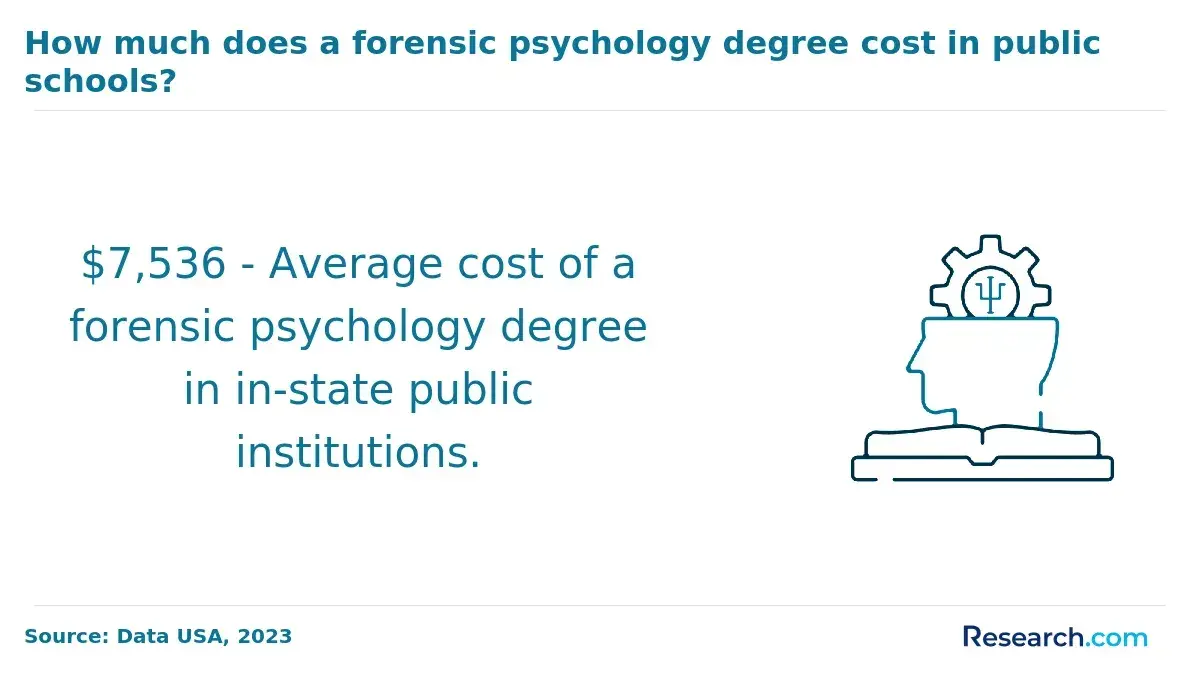
As the cost of higher education continues to climb, students aiming for forensic psychology careers in West Virginia must plan carefully to manage their expenses effectively. With average tuition at public institutions nearing $7,500 annually and additional costs for graduate studies expected, accessing financial aid will be key to minimizing debt and sustaining long-term success. Prospective students should consider a variety of aid options that cater to different needs and qualifications.
Below is an overview of notable financial aid types available, along with guidance on eligibility and application considerations.
- Federal Grants: These include Pell Grants and Federal Supplemental Educational Opportunity Grants (FSEOG), which are awarded based on demonstrated financial need. Eligibility requires completing the FAFSA each year, and these funds do not require repayment, providing critical support for tuition and related expenses.
- State Grants: Programs like the West Virginia Higher Education Grant (WVHEG) focus on residents enrolled in accredited in-state institutions. These grants often require proof of residency and academic standing, and recipients benefit from reduced tuition costs specifically aimed at West Virginia students.
- Scholarships: Specialized scholarships are frequently offered by professional bodies in psychology and criminal justice as well as local foundations. These merit- or field-specific awards usually require an application highlighting academic achievements, commitment to forensic psychology, and possibly community involvement.
- Work-Study Programs: Available through federal and sometimes state funding, work-study allows students to earn income through part-time employment, often related to their field of study. This practical experience not only defrays costs but also builds relevant skills and networking opportunities within forensic psychology.
- Loans: While borrowing is generally a last resort, federal student loans provide predictable repayment terms and can cover gaps in funding. Eligibility involves FAFSA completion, and counseling about responsible borrowing is typically recommended to avoid excessive debt.
What jobs can you get with a forensic psychology degree in West Virginia?
Projected job growth for forensic psychology-related positions in West Virginia is expected to increase by about 8% from 2024 to 2034, reflecting a steady demand influenced by the integration of mental health expertise within the criminal justice system. This trend creates promising opportunities for students exploring forensic psychology career opportunities in West Virginia, especially as the justice system adopts more evidence-based and multidisciplinary approaches.
Several distinct roles align with the skills and knowledge gained through a forensic psychology degree. These jobs available with a forensic psychology degree WV typically require a blend of psychological assessment capabilities, legal understanding, and strong communication skills. Below are common career paths graduates may consider:
- Forensic Psychologist: Conducts evaluations on competency, risk, and mental state related to criminal behavior, often providing expert testimony in court. Requires expertise in psychological assessment and legal standards, usually working in courts, correctional facilities, or private practice.
- Criminal Profiler: Analyzes behavioral patterns to assist law enforcement agencies in understanding and predicting criminal activity. This role demands a deep knowledge of psychology and investigative collaboration, typically within police departments or federal agencies.
- Correctional Treatment Specialist: Works within prisons or juvenile detention centers to develop rehabilitation plans and support offender reintegration. Requires skills in counseling and program development in correctional or community settings.
- Victim Advocate: Provides emotional support and resources to victims of crime, ensuring their rights and needs are addressed within the legal process. This role often involves collaboration with courts and social services.
- Mental Health Counselor (Legal Context): Offers therapy and mental health services tailored to the needs of offenders or victims involved in legal cases. These counselors work in rehabilitation centers, correctional facilities, or community programs.
For students considering their path, exploring the best forensic science bachelor's programs online may provide a strong foundation to enter this field with competitive skills and knowledge.
What is the average salary for forensic psychology graduates in West Virginia?
Salary insights play a crucial role for students evaluating forensic psychology degree programs, helping them align educational choices with expected financial outcomes. In West Virginia, the average income for forensic psychologists and related roles is projected to range from $55,000 to $72,000. Several factors shape these earnings, reflecting diverse career paths and evolving market demands.
- Role and Job Title: Forensic psychologists often earn higher salaries due to the expertise and responsibilities they hold compared to entry-level positions, such as behavioral analysts or case managers.
- Experience Level: Salaries tend to increase as professionals gain practical experience, develop skills, and take on leadership or specialized duties within their field.
- Specialization: Focusing on niche areas like criminal profiling or expert witness testimony can enhance earning potential by addressing high-demand and complex service needs.
- Work Setting: Income varies by setting, with government, private consulting, correctional, or healthcare environments each offering distinct compensation and benefits packages.
Students interested in forensic psychology in West Virginia might also explore resources on criminology career growth to gain broader insight into future opportunities within related disciplines.
What factors should you consider when choosing a forensic psychology program in West Virginia?
Selecting the right forensic psychology program in West Virginia is crucial for building a solid academic foundation and launching a successful career in this specialized field. The program you choose will shape your expertise, professional network, and readiness to meet local and national job market demands.
Several key factors should guide your decision-making process. Below is a list of important considerations to evaluate when choosing a forensic psychology program:
- Curriculum Focus: Look for a program that balances psychological theories with forensic applications, including courses on criminal behavior, mental health evaluations, and legal standards relevant to West Virginia's justice system.
- Accreditation: Ensure the program is accredited by recognized bodies such as the American Psychological Association or regional accreditors, which is essential for licensure and professional recognition in the state.
- Faculty Expertise: Experienced faculty with backgrounds in psychology and criminal justice can provide valuable insights and mentorship, especially those engaged in local forensic research or community partnerships.
- Field Training Opportunities: Practical experience through internships or partnerships with West Virginia courts, correctional agencies, or forensic institutions is vital for skill development and employability.
- Program Format: Consider whether an online or on-campus setting fits your lifestyle. West Virginia's diverse geography makes online programs especially helpful for students outside urban centers.
- Admission Requirements: Be aware of prerequisites such as undergraduate degree fields, GPA minimums, or related experience to align your preparation and application strategy.
- Student Support Services: Access to academic advising, career counseling, and job placement assistance tailored to forensic psychology students enhances long-term success in this growing profession.
What Forensic Psychology Graduates in West Virginia Say About Their Degree
- Completing my online forensic psychology program while living in West Virginia allowed me to balance work and study seamlessly. Thanks to the flexibility, I could continue my position at Blue Ridge Elementary School while deepening my understanding of juvenile behavior and mental health. This program inspired me to develop new intervention strategies that truly make a difference for students facing emotional challenges. The support from faculty who understand the unique social context of West Virginia was invaluable. I feel empowered and ready to shape a supportive environment for young learners. Jonhmel
- Pursuing a traditional forensic psychology degree on campus in West Virginia was a transformative experience professionally. The rigorous curriculum and hands-on opportunities prepared me to advance into a leadership role in the forensic psychology sector here. The program's emphasis on regional legal systems and community dynamics gave me a unique edge when working with local law enforcement and mental health officials. It's been rewarding to contribute positively to the well-being of individuals through evidence-based practice tailored to our state's needs. I'm grateful for the doors this education has opened. Trisha
- Reflecting on my time completing an online forensic psychology program, I appreciate how it cultivated both my personal growth and professional skills. Living in a rural West Virginia community, I faced challenges accessing resources, but the program connected me with a network of peers and mentors. This journey deepened my passion for serving our state's underserved populations and exploring the psychological factors influencing criminal behavior in Appalachia. The knowledge I gained has fueled my commitment to making a real community impact. It's been a fulfilling path of discovery and service. Danilo
Related Articles for Nearby States
- 2027 Best Forensic Psychology Degree Programs in Virginia: Online & Campus
- 2027 Best Forensic Psychology Degree Programs in Ohio: Online & Campus
- 2027 Best Forensic Psychology Degree Programs in Kentucky: Online & Campus
- 2027 Best Forensic Psychology Degree Programs in Pennsylvania: Online & Campus
- 2027 Best Forensic Psychology Degree Programs in Maryland: Online & Campus
- 2027 Best Forensic Psychology Degree Programs in North Carolina: Online & Campus
- 2027 Best Forensic Psychology Degree Programs in Tennessee: Online & Campus
- 2027 Best Forensic Psychology Degree Programs in Indiana: Online & Campus
- 2027 Best Forensic Psychology Degree Programs in South Carolina: Online & Campus
- 2027 Best Forensic Psychology Degree Programs in Georgia: Online & Campus
References:
- Forensic Psychology, CERT https://academiccatalog.wpunj.edu/preview_program.php
- 2025 Forensic Psychology Programs https://psychologyonlinedegrees.org/programs/forensic-psychology/
- Student Financial Aid https://grants.wv.gov/funding-sources-2/Pages/Student-Financial-Aid.aspx
- Forensic Science and Investigation Scholarships - Awards & Eligibility https://www.forensicscolleges.com/blog/resources/forensics-scholarships
- Forensic Psychology Salary (How Much Do They Make? ) | 2024 https://www.allpsychologyschools.com/forensic-psychology/salary/
- WVU Tech | Forensic Investigation https://www.wvutech.edu/academics/sas/forensics
- How To Become Forensic Psychologist (Steps & Career Guide) https://dev.allpsychologyschools.com/forensic-psychology/
- Forensic Psychologist Salary 2025: Complete State Guide https://psydprograms.org/how-much-do-forensic-psychologists-make/
- How Much Do Forensic Psychologists Make? | 2025 Salary https://www.allcriminaljusticeschools.com/forensic-psychology/salary/
- PSYC 365 at WVU - Reviews & Ratings, Spring 2026 professors https://www.coursicle.com/wvu/courses/PSYC/365/
Other Things You Should Know About The Best Forensic Degree Programs in West Virginia
Admission requirements for forensic psychology programs in West Virginia in 2027 typically include a bachelor's degree in psychology or a related field, a minimum GPA of 3.0, and satisfactory GRE scores. Specific programs may also require personal statements and letters of recommendation.
In 2026, a bachelor's degree in forensic psychology typically takes four years to complete in West Virginia, both online and on campus. Accelerated programs and part-time options may vary the timeframe slightly, depending on the institution and student preferences.


