
2027 Best Marriage and Family Therapy (MFT) Programs in Maine: Online & Campus

Co-Founder and Chief Data Scientist
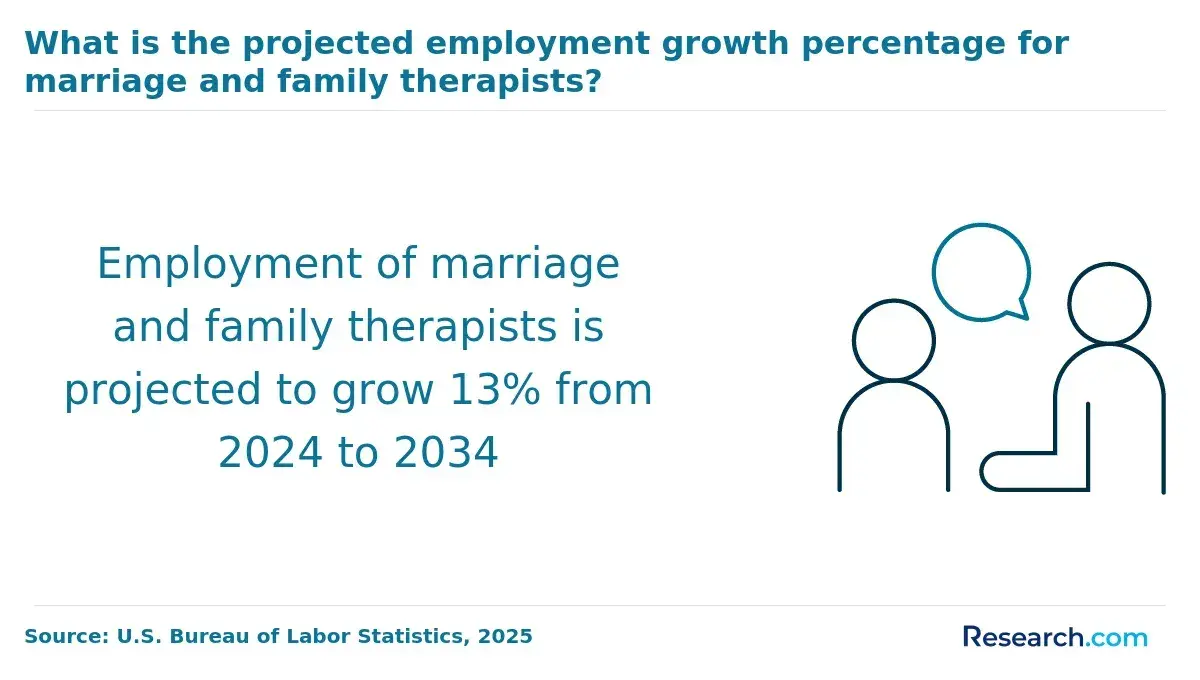
Many aspiring therapists struggle to find quality Marriage and Family Therapy (MFT) programs that fit their lifestyle and career goals. In Maine, the demand for qualified MFT professionals is growing, with the workforce expected to expand by 12% over the next decade.
This article highlights top online and campus-based programs in Maine, offering clear guidance to help prospective students navigate their options. Prepared by seasoned career planning experts, it aims to empower readers to make informed, confident choices for a fulfilling future in MFT.
Key Benefits of MFT Programs in Maine
- Maine's MFT programs offer advanced curriculum aligned with national standards, ensuring students gain expertise in diverse therapy methods critical for the state's growing mental health workforce.
- Students benefit from strong partnerships with local clinics and agencies, providing hands-on training and internship placements that boost real-world experience and job readiness.
- Flexible online and campus formats accommodate busy schedules while expert faculty deliver personalized mentorship, supporting career placement in Maine's expanding healthcare sector.
- What MFT degree programs are offered in Maine?
- What prerequisites do you need for an MFT program in Maine?
- How many clinical hours do MFT students need to graduate in Maine?
- What research or capstone requirements are included in MFT programs in Maine?
- How long does it take to complete an MFT degree in Maine?
- What exams do licensed MFT candidates need to pass in Maine?
- How much does an MFT program cost in Maine?
- What financial aid options are available for MFT students in Maine?
- What jobs can you get with an MFT degree in Maine?
- What is the average licensed MFT salary in Maine?
What MFT degree programs are offered in Maine?
Maine offers a range of accessible marriage and family therapy programs designed to meet diverse educational and professional goals. With a growing demand for licensed therapists and a job growth rate projected at 15% through 2030, students can confidently pursue a rewarding career in this field. Both online and campus options cater to various learning preferences, helping aspiring therapists gain the credentials they need to succeed in their counseling career requirements.
- Master's Degree Programs: These are the cornerstone of marriage and family therapy education in Maine, providing comprehensive training in systemic family therapy, individual and group counseling, and ethical considerations. Graduates are well-prepared for clinical practice and licensure.
- Doctoral Pathways: Available for those seeking advanced clinical expertise and leadership roles, these programs focus on specialized research, clinical supervision, and advanced therapeutic techniques, though they are less common in the state.
- Certificate and Bridge Programs: Designed primarily for licensed professionals in related fields like social work or psychology, these programs offer pathways to add MFT credentials or specialize without completing a full degree. They provide flexibility for ongoing professional development.
- Common Specializations: Programs often offer focused study areas such as trauma-focused therapy, child and adolescent therapy, systemic family therapy, and couples and relationship counseling, allowing students to tailor their education to their interests and the needs of their communities.
What prerequisites do you need for an MFT program in Maine?
Meeting the necessary prerequisites is essential for admission into marriage and family therapy programs in Maine, whether you choose to study online or on-campus. These requirements help ensure students are academically prepared and ready to succeed in graduate-level coursework and clinical training. Fulfilling these admission expectations sets a strong foundation that supports both your educational journey and future career.
Here are some common prerequisites that aspiring students should be aware of when applying to online or on-campus Maine marriage and family therapy program prerequisites:
- Bachelor's Degree in a Related Field: Most programs require a bachelor's degree from an accredited institution, often in psychology, social work, human services, or a closely related area. Some programs may accept diverse undergraduate majors but might ask you to complete specific prerequisite courses to build essential knowledge.
- Minimum GPA Expectations: A cumulative GPA around 3. 0 on a 4. 0 scale is typically expected, indicating your ability to handle the rigor of graduate studies and demonstrating academic competence in relevant subjects.
- Prerequisite Psychology Coursework: Foundational courses in developmental psychology, abnormal psychology, statistics, and research methods are frequently required. These courses help prepare you for more advanced topics and clinical practices in marriage and family therapy.
- Letters of Recommendation: Two or three letters from professors, supervisors, or professionals familiar with your work are usually needed. These letters provide insight into your character, academic performance, and suitability for a career in therapy.
- Relevant Volunteer or Clinical Experience: Experience in mental health clinics, social service agencies, or counseling centers through volunteering or internships is highly valued. This hands-on involvement highlights your commitment and gives you practical exposure before entering graduate programs.
Taking these steps not only strengthens your application but also prepares you to thrive in your studies and future career in marriage and family therapy. If you want to explore related paths, consider learning about mental health counselor career options that expand your opportunities in this rewarding field.
How many clinical hours do MFT students need to graduate in Maine?
Clinical training is a vital component of Marriage and Family Therapy (MFT) education, providing students with hands-on experience and the chance to develop essential therapeutic skills under supervision. Nationally, MFT programs typically require between 500 to 700 direct client contact hours, a standard that ensures graduates are prepared for real-world clinical practice.
In Maine, both online and on-campus MFT programs expect students to complete approximately 500 direct clinical hours. These hours involve working closely with individuals, couples, families, or groups in supervised settings, allowing students to confidently apply theory to practice. While on-campus students often gain clinical hours through practicum and internships arranged by their schools in local clinics or agencies, online students complete these hours within their own communities, securing placements that meet program and state standards, often with faculty guidance and approval.
Supervised clinical hours in Maine also include an additional 100 to 200 hours focused on professional oversight, which helps students build skills in case conceptualization, ethical decision-making, and treatment planning. Remote supervision via video conferencing is commonly used, especially in online programs, maintaining consistent and quality mentorship regardless of location.
The clinical experiences allowed under Maine's MFT programs are diverse, including individual and family therapy, couples counseling, crisis intervention, and group sessions. This variety equips students to meet the growing needs of the community, fostering confidence and competence as they prepare for licensure and future practice.
What research or capstone requirements are included in MFT programs in Maine?
Research, capstone projects, and applied learning are vital in MFT graduate programs in Maine, blending theory and clinical practice to prepare students for real-world challenges. These elements foster critical skills and confidence needed for successful licensure and professional work in diverse family therapy settings.
- Thesis or Research Project: Students typically complete a substantial research project addressing key issues in family therapy. This experience develops their ability to critically evaluate evidence and contribute meaningfully to the field's knowledge base.
- Capstone Case Studies: These involve detailed clinical case analyses or treatment plans that demonstrate the application of therapeutic theories and interventions to authentic or simulated client scenarios, showcasing students' clinical decision-making skills.
- Integrative Portfolios: Students compile reflections, supervision feedback, and clinical work samples, creating a comprehensive display of their competencies and growth throughout the program.
- Practicum-Based Final Assessments: Both online and on-campus students complete supervised practicum experiences culminating in presentations or assessments. Online students often engage in virtual supervision and remote presentations, while on-campus students benefit from face-to-face interactions and live group discussions.
A graduate of an online MFT program in Maine shared how balancing virtual supervision sessions with personal responsibilities was a demanding yet rewarding challenge. She described the moment she presented her capstone case study through a live video session, feeling both nervous and proud to demonstrate her growth. This journey deepened her resilience and confidence, proving that with dedication, even remote learning can provide rich, transformative clinical training.
How long does it take to complete an MFT degree in Maine?
MFT programs in the U.S. typically require approximately 60 credit hours of graduate coursework, balancing theoretical studies with practical clinical training. The length of time to complete a Marriage and Family Therapy degree in Maine varies due to multiple factors including enrollment status and program format.
Several key factors influence how long it takes to finish an MFT degree; here are some of the main considerations:
- Standard master's timeline: Most students enrolled full-time complete their MFT degrees within two to three years, aligning with traditional master's-level clinical programs. This timeframe provides a structured pathway to gain essential knowledge and clinical experience.
- Accelerated and part-time options: Some programs offer flexible pacing. Accelerated tracks can shorten degree length for motivated students, while part-time options accommodate work or family commitments, possibly extending completion time but allowing for balanced progress.
- Online vs. campus formats: Online programs often grant students the freedom to advance at a personalized pace, which can either speed up or lengthen the process depending on individual circumstances. Campus-based programs typically follow set semester schedules that offer a more fixed timeline.
- Prerequisites and practicum requirements: Foundational coursework may be necessary for students without related undergraduate backgrounds, adding to overall time. Additionally, supervised clinical hours vital for licensure are integrated into the curriculum and may extend the duration if scheduled part-time or outside traditional semesters.

What exams do licensed MFT candidates need to pass in Maine?
Licensure exams serve as essential milestones for Marriage and Family Therapy (MFT) candidates in Maine, ensuring that professionals possess the expertise and readiness needed to provide effective clinical care. These exams uphold high standards within the profession, offering reassurance to clients and regulatory bodies alike. Across the U.S., pass rates for the Marriage and Family Therapy National Examination typically hover between 70% and 75%, reflecting both the exam's rigor and its role in safeguarding public well-being.
Below is a detailed overview of the key exams and requirements that MFT candidates must fulfill to achieve licensure in Maine.
- Marriage and Family Therapy National Examination: This comprehensive, standardized exam is administered by the Association of Marital & Family Therapy Regulatory Boards (AMFTRB). It evaluates candidates' applied knowledge in core areas including clinical assessment, intervention strategies, and ethical standards. Passing this exam is a critical prerequisite before submitting an application for MFT licensure in Maine.
- Maine Jurisprudence Exam: This state-specific exam tests candidates on Maine's laws, regulations, and ethical guidelines governing mental health practice. Designed to ensure full understanding of the legal framework within which therapists operate, it complements the national exam by highlighting local professional responsibilities.
- Supervised Clinical Experience Documentation: While not a traditional exam, Maine requires detailed documentation and verification of supervised clinical hours completed under qualified professionals. This requirement confirms that candidates possess practical, hands-on experience alongside their theoretical knowledge.
Reflecting on the journey toward licensure, a graduate of an MFT program in Maine shared how preparing for the Marriage and Family Therapy National Examination was both challenging and transformative. He described weeks of balancing full-time work with intensive study sessions, grappling with complex clinical scenarios and ethical dilemmas featured in practice tests.
The pressure to perform well was intense, but the support from peers preparing alongside him was invaluable. Passing the exam not only marked a professional achievement but also instilled a deep sense of confidence in his ability to support families effectively. This experience reinforced his commitment to ongoing learning and excellence in the field, inspiring him to approach his clinical work with renewed purpose and resilience.
How much does an MFT program cost in Maine?
Tuition for Marriage and Family Therapy (MFT) programs in Maine varies based on whether students choose online or on-campus formats, program length, and residency status. Across the U.S. , the total cost of MFT programs typically ranges between $20,000 and $60,000, reflecting important factors that influence affordability and accessibility.
- On-Campus Tuition: On-campus MFT programs in Maine tend to have higher tuition rates per credit hour, usually between $600 and $1,200. This cost reflects the value of in-person instruction and access to campus resources, providing a rich learning environment.
- Online Tuition: Online options offer slightly lower tuition costs, typically ranging from $500 to $1,000 per credit hour. These programs provide flexibility and convenience, making it easier for students balancing other commitments.
- Additional Fees: Beyond tuition, students should budget for mandatory fees such as technology, registration, and student activities. These fees support essential services and resources that enhance the educational experience.
- Course Materials and Practicum Costs: Students must also consider expenses for textbooks, course materials, and clinical practicum fees. Participating in hands-on internships may require travel or accommodations, adding to overall costs but enriching practical skills.
- Licensing and Continuing Education: After graduation, there are additional investments for state licensing exams and ongoing education. These steps are important for career advancement and maintaining professional standards in the field.
What financial aid options are available for MFT students in Maine?
Graduate-level Marriage and Family Therapy (MFT) programs in Maine require thoughtful financial planning, as advanced degrees often involve significant expenses. With about 85% of graduate students relying on financial aid, knowing available support options can help reduce debt and keep focus on academic success.
- Federal Student Loans: Eligible MFT students, whether online or on-campus, commonly access federal loans to fund their education. These loans offer flexible repayment plans and are a cornerstone of financial aid.
- Federal Grants and Work-Study: Though less common for graduate students, some can qualify for federal grants or work-study jobs, providing partial funding and valuable work experience during their studies.
- Scholarships: Scholarships aimed at counseling and mental health fields, including Maine scholarships for MFT programs, can significantly offset costs. These are often offered by state groups and nonprofits committed to behavioral health advancement.
- Assistantships: Graduate and research assistant positions typically benefit on-campus students and provide stipends or tuition reductions in exchange for teaching or research assistance.
- Employer Tuition Reimbursement: Working students in healthcare or social services may use employer tuition reimbursement programs to help cover expenses, encouraging career growth alongside education.
Resources focused on the benefits of a counseling degree, such as counseling degree benefits, further highlight financial opportunities for students investing in this growing field.
What jobs can you get with an MFT degree in Maine?
The field of marriage and family therapy in Maine offers a range of rewarding career opportunities, with employment projected to grow by about 14% through 2030. This positive trend reflects the increasing demand for mental health services focused on families and relationships, making it a promising path for those with an MFT degree.
- Marriage and Family Therapist: Licensed MFTs provide therapy to individuals, couples, and families, helping them improve communication and resolve conflicts. They often work in outpatient clinics, private practice, or healthcare settings, offering direct treatment and developing personalized care plans.
- Licensed Clinical Social Worker: Those with additional licensing may pursue this role, which involves broader social service work alongside therapeutic duties. Employment settings include community agencies, hospitals, and social service organizations.
- Mental Health Counselor: These professionals deliver counseling services addressing emotional and behavioral issues and typically work in clinics, schools, or hospitals. Many licensed MFTs expand their practice to include this role to serve diverse client needs.
- MFT Associate or Behavioral Health Counselor: Candidates still completing supervised clinical hours to obtain full licensure often fill these positions. They assist licensed therapists by facilitating group sessions, conducting intake assessments, and gaining practical experience in mental health settings.
- Clinical Supervisor: Experienced licensed therapists may advance to supervisory roles, overseeing pre-licensed professionals and ensuring quality care. This position is common in larger healthcare systems and community agencies.
For those exploring marriage and family therapy careers in Maine, understanding the distinction between licensed and pre-licensed roles is key, as only licensed MFTs can diagnose independently and bill insurance. To guide your educational journey, consider the ranking of most affordable cacrep accredited counseling online programs for accessible options that meet licensure requirements.
What is the average licensed MFT salary in Maine?
Licensed marriage and family therapists (MFTs) in Maine enjoy promising salary potential that reflects a rewarding career path. The average licensed marriage and family therapist salary in Maine typically ranges between $50,000 and $70,000, showcasing growth opportunities as professionals gain experience and specialize. This range highlights a positive outlook for those pursuing this meaningful career in both online and campus settings.
Several key factors influence Maine MFT average annual earnings, including the following:
- Experience: Entry-level MFTs often start near $45,000 to $50,000, while seasoned therapists with advanced skills or supervisory roles can earn over $70,000 annually.
- Location: Salaries tend to be higher in urban areas like Portland, reflecting demand and cost of living differences compared to rural regions of Maine.
- Work setting: Those working in private practice, healthcare facilities, or mental health centers usually see varied pay scales compared to professionals in school-based or community programs.
For those exploring career options, understanding what are some jobs you can get with a counseling degree can further guide your path toward a successful future in therapy and support services.
What Graduates of MFT Programs in Maine Say About Their Degree
- The online MFT program in Maine offered me the flexibility to balance my studies with work and family life, which was critical in achieving my goals. Starting my career as a counselor at Portland High School, I immediately saw how the curriculum prepared me to address the specific needs of adolescents navigating complex social and emotional challenges. The program's focus on Maine's diverse communities enhanced my ability to engage meaningfully with families in the region. I feel deeply fulfilled knowing my work supports students' well-being every day. Alena
- Completing the MFT program on campus opened doors to significant career advancement in the academic field. After graduating, I was promoted to a leadership position that allows me to mentor other professionals while shaping innovative therapy practices. The rigorous coursework and Maine-specific training provided me with a strong foundation and credibility in my work. Reflecting on this journey, I appreciate how the supportive faculty and hands-on experience made all the difference in my professional growth. Mikael
- My time in the MFT program in Maine was transformative both personally and professionally. Living and studying in a state with such a strong sense of community and natural beauty instilled a unique appreciation for holistic healing practices. Working at Lewiston Middle School has allowed me to channel this insight into positively impacting young people's lives every day. The challenges and rewards tied to Maine's cultural landscape made my education rich and inspiring, fueling my passion for continuous development in this vital field. Tricia
Related Articles for Nearby States
- 2027 Best Marriage and Family Therapy (MFT) Programs in New Hampshire: Online & Campus
- 2027 Best Marriage and Family Therapy (MFT) Programs in Massachusetts: Online & Campus
- 2027 Best Marriage and Family Therapy (MFT) Programs in Vermont: Online & Campus
- 2027 Best Marriage and Family Therapy (MFT) Programs in Connecticut: Online & Campus
- 2027 Best Marriage and Family Therapy (MFT) Programs in Rhode Island: Online & Campus
- 2027 Best Marriage and Family Therapy (MFT) Programs in New York: Online & Campus
- 2027 Best Marriage and Family Therapy (MFT) Programs in New Jersey: Online & Campus
- 2027 Best Marriage and Family Therapy (MFT) Programs in Pennsylvania: Online & Campus
- 2027 Best Marriage and Family Therapy (MFT) Programs in Delaware: Online & Campus
- 2027 Best Marriage and Family Therapy (MFT) Programs in Maryland: Online & Campus
References:
- 24+ The Best Online MFT Programs for 2025 https://onlinemftprograms.com/best-online-mft-programs-for-2025/
- MFT Programs in Maine https://www.counselingpsychology.org/counseling/degrees/mft/maine/
- Master of Arts Degree in Marriage and Family Therapy | NU https://www.nu.edu/degrees/jfk-social-sciences/programs/master-of-arts-degree-in-marriage-and-family-therapy/
- Career Opportunities - The Family Center of Maine https://thefamilycenterofme.com/career-opportunities/
- Home https://www.husson.edu/admissions/tuition-and-costs/
- Private Practice Licensure Designations by State: Who We Help https://www.zynnyme.com/blog/private-practice-licensure-designations-by-state-who-we-help
- AMFTRB – Association of Marital & Family Therapy Regulatory Boards https://amftrb.org/
- Maine LPC Requirements: Licensure Guide 2025 https://careersinpsychology.org/how-to-become-a-counselor-in-maine/
- Online Master’s Degrees in Maine: Compare Schools https://www.onlinemastersdegrees.org/best-programs/maine-me/
- MA in Counseling Psychology | Meridian University https://meridianuniversity.edu/academics/psychology/ma-in-counseling-psychology
Other Things You Should Know About the Best Marriage and Family Therapy (MFT) Programs in Maine
In 2027, the top MFT programs in Maine feature a blend of in-depth theoretical coursework, extensive clinical training opportunities, and flexible online or campus-based learning options. These programs prioritize developing essential counseling skills and often have strong networks for post-graduate career support.
Yes, online MFT programs in Maine can be as reputable as on-campus programs. Many accredited institutions offer online MFT degrees that meet the same rigorous standards as their campus counterparts. Accreditation by bodies like the Commission on Accreditation for Marriage and Family Therapy Education (COAMFTE) ensures quality and professional recognition. Employers and licensing boards generally accept online degrees if they fulfill state requirements.
However, prospective students should verify that the program includes necessary clinical training components, as hands-on experience is essential. Overall, reputable online programs provide flexible, credible pathways to becoming a licensed marriage and family therapist in Maine.
MFT programs in Maine collaborate with local clinics and mental health organizations to facilitate clinical placements for students. They provide support through partnerships and career services, ensuring students gain practical experience and meet licensure requirements for 2027. Schools often host networking events and workshops to further assist with placement.


