
2027 Best Marriage and Family Therapy (MFT) Programs in New Hampshire: Online & Campus

Co-Founder and Chief Data Scientist
Choosing the right Marriage and Family Therapy (MFT) program in New Hampshire can be daunting, especially with growing demand for qualified therapists. The state saw a 15% increase in licensed MFT professionals over the past five years, reflecting expanding career opportunities.
This article explores top online and campus-based MFT programs, offering clear insights into curriculum, accreditation, and outcomes. Crafted by career planning experts, it guides prospective students through key factors to confidently select the best program for their future success.
Key Benefits of MFT Programs in New Hampshire
- New Hampshire's MFT programs blend rigorous, evidence-based curricula with flexible online and campus options, ensuring students master advanced therapeutic models vital for growing family dynamics.
- Students gain hands-on experience through partnerships with local clinics and hospitals, vital in a state where demand for licensed family therapists is expected to grow 15% by 2030.
- Expert faculty with statewide clinical and research backgrounds provide strong mentorship and career placement support, helping graduates navigate New Hampshire's unique healthcare landscape effectively.
- What MFT degree programs are offered in New Hampshire?
- What prerequisites do you need for an MFT program in New Hampshire?
- How many clinical hours do MFT students need to graduate in New Hampshire?
- What research or capstone requirements are included in MFT programs in New Hampshire?
- How long does it take to complete an MFT degree in New Hampshire?
- What exams do licensed MFT candidates need to pass in New Hampshire?
- How much does an MFT program cost in New Hampshire?
- What financial aid options are available for MFT students in New Hampshire?
- What jobs can you get with an MFT degree in New Hampshire?
- What is the average licensed MFT salary in New Hampshire?
What MFT degree programs are offered in New Hampshire?
New Hampshire's online and campus marriage and family therapy programs offer a range of educational options designed to prepare students for meaningful careers in this dynamic field. With a projected 20% growth in demand for licensed marriage and family therapists in the state over the next decade, these programs are well-positioned to equip future professionals with the skills they need.
Whether seeking foundational knowledge or advanced expertise, students can find diverse pathways to match their goals in marriage and family therapy degree programs in New Hampshire.
- Master's Degrees: These programs form the core of MFT education, focusing on clinical training and family systems theory essential for licensure. They are available both online and on campus, providing flexibility while emphasizing therapeutic techniques tailored for couples and families.
- Doctoral Pathways: For those pursuing advanced clinical practice, research, or academic careers, doctoral studies integrate specialized research and clinical supervision. These pathways offer deeper engagement with the field and opportunities for leadership in marriage and family therapy.
- Certificate and Bridge Programs: Designed for professionals already holding related degrees such as social work or psychology, these programs help fill specific competency gaps and allow for expanded credentials or expertise. Typically shorter and more focused, they provide an efficient route to MFT qualifications.
- Trauma-Focused Therapy Specialization: This specialization addresses the effects of trauma on family relationships, preparing students to work effectively with clients impacted by traumatic experiences and fostering resilience within family units.
- Child and Adolescent Therapy Specialization: Concentrating on developmental and relational issues, this focus helps therapists support younger populations and their families through tailored approaches to therapy.
- Systemic Family Therapy Specialization: Emphasizing family communication patterns and interconnectedness, this area cultivates a holistic understanding of family dynamics vital for effective intervention.
Those interested in exploring these educational opportunities further can gain valuable insights into a counseling career in marriage and family therapy, helping them navigate the distinct paths available within New Hampshire's diverse program offerings.
What prerequisites do you need for an MFT program in New Hampshire?
Meeting the right prerequisites is essential when applying to online and on-campus marriage and family therapy programs in New Hampshire. These requirements not only prepare you for the academic demands ahead but also help build a strong foundation for your clinical work. Knowing what is expected can open doors to a rewarding path in therapy by ensuring you're ready for the challenges and opportunities in this field.
Here are the common admission requirements you'll encounter when exploring prerequisites for marriage and family therapy programs in New Hampshire:
- Bachelor's Degree in a Related Field: Most programs require a bachelor's degree from an accredited institution, ideally in psychology, social work, human services, or a closely related area. This background provides vital knowledge that supports your graduate studies in MFT.
- Minimum GPA Expectations: Many programs look for a minimum GPA, often around 3. 0 on a 4. 0 scale, to ensure applicants have demonstrated consistent academic performance and are prepared for rigorous coursework.
- Prerequisite Psychology Coursework: Prior completion of courses such as abnormal psychology, developmental psychology, family dynamics, and statistics is commonly expected. These classes introduce important concepts pivotal to understanding family and mental health systems.
- Letters of Recommendation: Applicants usually need to submit letters from professors or professionals who can vouch for their academic abilities, interpersonal skills, and readiness for graduate-level study and clinical work.
- Relevant Volunteer or Clinical Experience: Experience in mental health settings, social services, or family support roles is often required or highly recommended to demonstrate commitment and practical understanding of client dynamics within therapy.
To further assess your future career prospects, reviewing the career outlook for licensed professional counselor can provide useful insights on growth and demand trends in related helping professions.
How many clinical hours do MFT students need to graduate in New Hampshire?
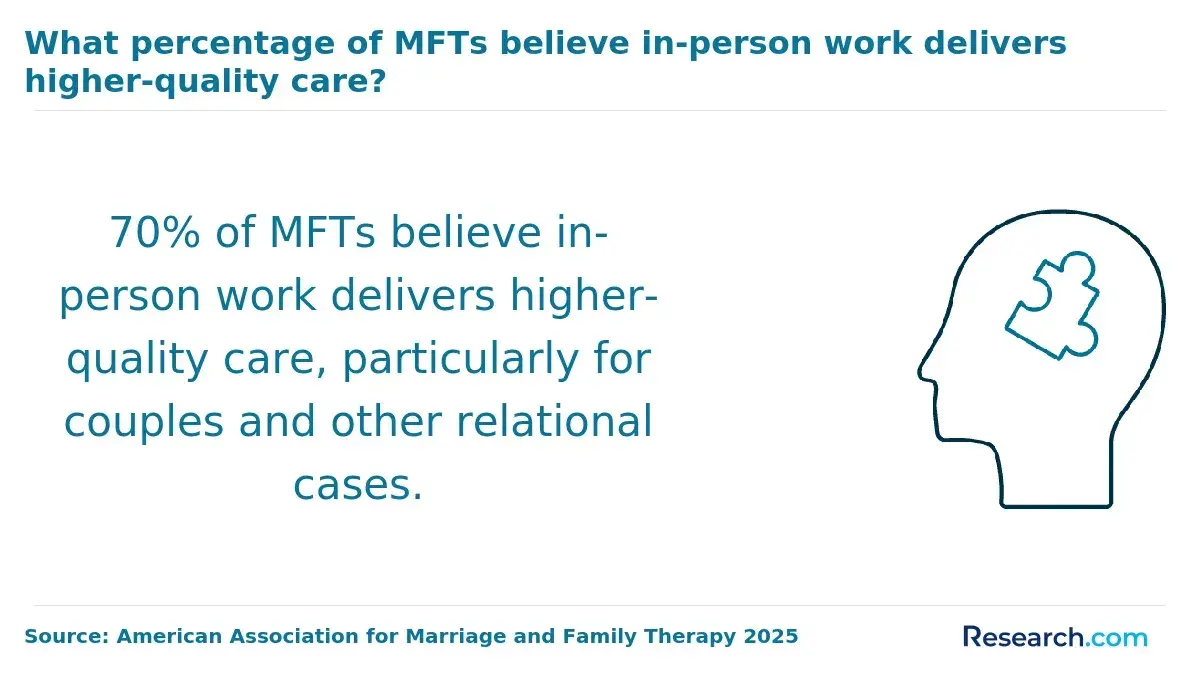
Clinical training forms the backbone of Marriage and Family Therapy education, where hands-on experience hones essential skills in assessing and supporting clients. Supervised clinical hours are critical, ensuring that students receive expert guidance while building their therapeutic techniques in real-world settings. Nationally, accredited programs typically require a minimum of 500 direct client contact hours combined with around 1,000 total clinical hours.
In New Hampshire, MFT students-whether online learners or on-campus attendees-generally meet similar clinical hour expectations aligned with these national standards. Both paths demand approximately 1,000 total clinical hours, including at least 500 hours of direct client work where students engage in counseling, assessments, and therapeutic interventions.
The delivery format influences how clinical experiences are arranged. On-campus programs often provide more straightforward access to campus-affiliated clinics or nearby agencies for in-person internships and supervised practice. In contrast, online students take on a more exploratory role by seeking clinical placements within their local communities. This requires active planning to secure relevant opportunities that meet both hour and supervision requirements.
Supervision is another foundational element, with state regulations generally mandating about 100 hours of direct supervision. These supervised sessions, led by licensed MFT professionals or other state-approved mental health practitioners, might take place individually or in group settings, offering diverse perspectives and feedback.
Flexibility in clinical settings is a plus in New Hampshire-students may gain experience in community mental health centers, private practices, hospitals, schools, or government agencies. This variety helps students tailor their training adventures, enriching their readiness for diverse professional environments after graduation.
What research or capstone requirements are included in MFT programs in New Hampshire?
Research, capstone projects, and applied learning in Marriage and Family Therapy programs in New Hampshire cultivate deep clinical insight and readiness for professional practice. These essential components challenge students to merge theory with real-world therapeutic skills through diverse formats and assessments.
- Thesis or Research Projects: Students design and conduct original research addressing systemic therapy topics, involving question formulation, data analysis, and presentation of results to contribute to the field's knowledge base.
- Capstone Case Studies: These require detailed documentation and critical analysis of clinical cases under supervision, blending theoretical understanding with practical application.
- Integrative Portfolios: Some programs ask students to compile comprehensive portfolios showcasing competence across clinical skills, ethics, and cultural awareness, highlighting their professional growth.
- Practicum Final Assessments: Both online and on-campus students complete supervised clinical hours, but online learners often submit video-recorded sessions and engage in virtual supervision, while on-campus learners benefit from in-person collaboration and direct supervision.
A graduate of an online MFT program in New Hampshire shared how navigating virtual supervision was initially daunting-balancing technical challenges with the emotional depth of client sessions felt intense.
Crafting her capstone case study remotely pushed her to develop strong self-discipline and reflective skills, ultimately rewarding her with a profound sense of professional confidence and accomplishment.
How long does it take to complete an MFT degree in New Hampshire?
Program length for a Marriage and Family Therapy (MFT) degree in New Hampshire depends on several dynamic factors, including enrollment status and whether the program is online or on-campus. Most master's level MFT programs in the U.S. require roughly 60 credit hours, aligning with recommendations from national accreditation organizations.
Here are some key elements that shape how long MFT studies may take:
- Standard Master's Timeline: Full-time students typically complete MFT programs in about two years, following a structured course schedule designed to balance theory and practical training.
- Accelerated and Part-Time Options: Some programs offer accelerated tracks for those eager to finish sooner, while part-time enrollment allows students managing other responsibilities to extend their study period comfortably.
- Online vs. On-Campus Delivery: Online programs often provide more flexible pacing, letting students study at their own rhythm, but both formats require clinical practicum hours that can limit how quickly a degree is completed.
- Prerequisites and Additional Coursework: Students without prior relevant academic background may need to complete extra foundational courses, which can add time before entering core MFT classes.
- Clinical Practicum and Internship Hours: Licensure demands hundreds of supervised clinical hours, a fixed requirement that frames the overall duration regardless of program format or pace.
What exams do licensed MFT candidates need to pass in New Hampshire?
Licensure exams play a crucial role in confirming that aspiring Marriage and Family Therapists (MFT) possess the essential knowledge and skills to provide competent clinical care. These exams not only ensure compliance with professional standards but also prepare candidates for the realities of therapeutic work.
Nationally, first-time MFT exam pass rates generally hover between 70% and 75%, highlighting the balance between challenge and accessibility in the profession. Below is a breakdown of the main exams and requirements that candidates seeking MFT licensure in New Hampshire must complete.
- National MFT Exam: Administered by the Association of Marital & Family Therapy Regulatory Boards (AMFTRB), this exam tests core competencies through multiple-choice questions focused on human development, clinical assessment, treatment planning, and ethical practice. Successfully passing this exam is essential for demonstrating a foundational understanding necessary for state licensure.
- New Hampshire Jurisprudence Exam: After passing the national exam, candidates tackle a state-specific test that evaluates their knowledge of New Hampshire's laws, regulations, and ethical guidelines governing marriage and family therapy practice. This ensures readiness to navigate local legal requirements and professional standards unique to the state.
- Supervised Clinical Experience Verification: Beyond exams, candidates must submit verified documentation of post-graduate supervised clinical hours. This step validates hands-on experience under qualified supervision, a key factor in translating theoretical knowledge into effective therapeutic skills before receiving full licensure.
A graduate of an MFT program in New Hampshire shared how preparing for the national exam was both intellectually demanding and emotionally intense. He described late nights studying complex cases and ethics scenarios while balancing a part-time job, noting the pressure to thoroughly understand diverse therapy models tested on the exam.
The jurisprudence exam felt more approachable but required methodical review of state laws, prompting him to create flashcards and quizzes to reinforce retention. What stood out most was the supervised clinical experience; the opportunity to apply theoretical learning in real settings under mentorship proved invaluable.
This journey, though challenging, ultimately reinforced his confidence and commitment to becoming a licensed therapist equipped to support families across New Hampshire.
How much does an MFT program cost in New Hampshire?
Costs for Marriage and Family Therapy (MFT) programs in New Hampshire vary widely depending on whether you choose an online or on-campus program, the institution's tuition rates, and the total credit hours required. The overall price tag can shift based on residency status and added fees, making it a journey worth mapping out carefully. Across the United States, master's degrees in MFT typically range from $23,000 to $50,000 in total expenses.
- Tuition Range: Expect to pay between $15,000 and $40,000 for a full MFT program in New Hampshire. This wide span reflects differences in program format, credit requirements, and institution policies. Tuition tends to be more affordable for in-state students due to residency discounts.
- On-Campus vs. Online Costs: On-campus programs usually have higher tuition because of fees related to campus facilities and student services. Online programs, while often more flexible and sometimes less expensive, still include charges for technology and digital resources that keep learning smooth and interactive.
- Additional Fees: Beyond tuition, students should budget for essentials like textbooks, clinical supervision fees, liability insurance, and costs tied to licensing exam preparation. Practicum or internship placements might also carry separate expenses depending on the program's structure.
- Residency Impact: Your residency status influences the price significantly. In-state students benefit from lower tuition rates, while out-of-state students typically face steeper costs, making it important to clarify your status early in your planning.
- Program Length and Location Factors: The program's duration and geographic location contribute to total costs, as observed nationally. Longer programs or those affiliated with more urban campuses may have increased expenses, so tailoring your choice to your personal and financial goals is key.
What financial aid options are available for MFT students in New Hampshire?
Graduate-level Marriage and Family Therapy (MFT) programs in New Hampshire require significant financial planning to cover tuition and related expenses. Nearly 60% of graduate students nationwide rely on financial aid, making it a vital resource for those pursuing advanced degrees. Navigating available funding can ease the burden and open opportunities for focused study.
- Federal student loans: Students can apply for Direct Unsubsidized Loans and Grad PLUS Loans, which often feature competitive interest rates and flexible repayment options compared to private lenders.
- Grants and scholarships: Though less prevalent for graduate students, certain state scholarships and grants target MFT candidates in health and human services. National groups like the American Association for Marriage and Family Therapy (AAMFT) also provide award opportunities, encouraging students to explore scholarships and grants for MFT programs New Hampshire.
- Graduate assistantships: Teaching or research assistantships offer stipends or tuition waivers in exchange for work. These roles tend to favor on-campus students but may occasionally be open to those enrolled online.
- Employer tuition reimbursement: Professionals employed in related care fields might qualify for tuition support through their employers, significantly lowering educational costs.
Since financial aid can differ for online versus on-campus learners, verifying the specifics during program research is essential. Prospective students interested in online study options may benefit from consulting resources like the ranking of the best online graduate counseling certificate programs as part of their planning.
With growing workforce demand in New Hampshire for trained therapists, especially noted by regional employment forecasts, funding availability may expand to meet these critical needs.
What jobs can you get with an MFT degree in New Hampshire?
Career opportunities for mft graduates in New Hampshire are diverse and growing, reflecting an estimated 11% national increase in employment for marriage and family therapists from 2022 to 2032. This trend signals expanding roles for professionals in behavioral health, whether working under supervision or independently after licensure.
- Marriage and Family Therapist: Licensed professionals provide therapy to individuals, couples, and families aiming to improve communication, resolve conflicts, and treat mental health concerns. These roles often take place in private practices, community centers, or healthcare settings where independent clinical work is possible.
- Mental Health Counselor: Working in various environments such as hospitals or social service agencies, these therapists address broader mental health issues beyond family dynamics. Licensed counselors have the capacity to diagnose and treat, while those still completing supervised hours assist under guidance.
- Clinical Supervisor: Experienced therapists may guide counseling interns or less experienced clinicians, overseeing their training and professional growth. This role typically requires full licensure and a solid clinical background within mental health organizations.
- Program Coordinator or Administrator: Managing mental health programs or private practice operations involves coordinating community services and supporting client access to care. These positions blend clinical knowledge with organizational skills, useful for those seeking leadership in behavioral health settings.
For those curious about broader distinctions within the field, exploring the difference between LCSW and LPC degree programs can offer valuable insights into related counseling career paths.
What is the average licensed MFT salary in New Hampshire?
The earning potential for licensed marriage and family therapists in New Hampshire offers an intriguing mix of opportunities shaped by experience and work environment. With the average salary in the New England region hovering around $64,000, aspiring professionals can expect diverse compensation paths in this field. Exploring these factors can help set realistic new hampshire mft salary expectations for both students and graduates.
Key elements influencing these salaries include the following:
- Entry-level salaries: Typically range from $45,000 to $55,000 annually, commonly found in community centers or nonprofit settings where starting pay tends to be more modest.
- Experienced professionals: Often earn between $70,000 and $90,000, especially those working in private practice, hospitals, or specialized healthcare facilities.
- Location impact: Urban centers like Manchester or Nashua generally offer higher wages reflecting demand and cost of living variations across the state.
- Work setting differences: Private practices and healthcare institutions usually provide greater compensation compared to public or nonprofit sectors.
- Additional credentials: Advanced certifications and continuous education can enhance salary growth and career advancement.
For those considering the quickest path to enter this field, exploring the shortest online MFT program options could be a strategic move.
What Graduates of MFT Programs in New Hampshire Say About Their Degree
- Completing my online MFT program in New Hampshire helped me secure a counseling position at the Hanover Middle School, where I have the privilege of supporting young students navigating both academic and personal challenges. The flexibility of the program allowed me to balance work and study, and the curriculum's emphasis on local community dynamics prepared me to address the unique needs of families in this region. Diane
- Graduating from a New Hampshire MFT program was a turning point in my academic career, enabling me to move into a leadership role within the field. The rigorous coursework and practicum opportunities provided me with advanced skills and confidence to contribute more effectively in academic settings and policy discussions. Linda
- Studying on-campus in New Hampshire offered a unique blend of immersive learning and connection to the local culture that deeply influenced my growth as a marriage and family therapist. The program encouraged reflection on how the area's natural environment and tight-knit communities shape family dynamics, which has been invaluable in my private practice. Faith
Related Articles for Nearby States
- 2027 Best Marriage and Family Therapy (MFT) Programs in Vermont: Online & Campus
- 2027 Best Marriage and Family Therapy (MFT) Programs in Massachusetts: Online & Campus
- 2027 Best Marriage and Family Therapy (MFT) Programs in Maine: Online & Campus
- 2027 Best Marriage and Family Therapy (MFT) Programs in New York: Online & Campus
- 2027 Best Marriage and Family Therapy (MFT) Programs in Connecticut: Online & Campus
- 2027 Best Marriage and Family Therapy (MFT) Programs in Rhode Island: Online & Campus
- 2027 Best Marriage and Family Therapy (MFT) Programs in New Jersey: Online & Campus
- 2027 Best Marriage and Family Therapy (MFT) Programs in Pennsylvania: Online & Campus
- 2027 Best Marriage and Family Therapy (MFT) Programs in Delaware: Online & Campus
- 2027 Best Marriage and Family Therapy (MFT) Programs in Maryland: Online & Campus
References:
- New Hampshire Licensure Requirements for Clinical Mental Health Counselors https://www.remnantcounselorcollective.com/resources/83187/licensure-requirements-for-clinical-mental-health-counselors-in-new-hampshire
- COAMFTE Accredited Online MFT Degree Programs - MSW Degrees https://www.mswdegrees.org/degrees/online/coamfte-accredited-mft/
- Licensed Marriage and Family Therapist (LMFT) Job in Concord, New Hampshire https://careers.lifestance.com/jobs/therapist/nh/concord/licensed-marriage-and-family-therapist-lmft/
- Counseling (M.S. ) https://www.plymouth.edu/counselor-education-school-psychology/program/ms/counseling
- MFT Programs: COAMFTE-Accredited by State 2025 https://careersinpsychology.org/mft-programs/
- 30+ MFT Scholarships & Resources to Help You Graduate with Less Debt https://www.onlinemastersdegrees.org/student-resources/marriage-and-family-therapy-mft/
- Your Exam Roadmap – AMFTRB https://amftrb.org/your-exam-roadmap/
- New Hampshire State Resources https://www.aamft.org/AAMFT/Advocacy/State_Resources/New%20Hampshire.aspx
Other Things You Should Know About the Best Marriage and Family Therapy (MFT) Programs in New Hampshire
In 2027, look for MFT programs in New Hampshire accredited by the Commission on Accreditation for Marriage and Family Therapy Education (COAMFTE). This ensures the program meets high standards in curriculum, faculty, and clinical training, whether delivered online or on-campus.
In 2027, New Hampshire MFT programs commonly offer specializations such as couples therapy, substance abuse counseling, and family counseling. These specializations equip students with the targeted skills required to address specific familial and relational issues effectively.
In 2027, tuition costs for MFT programs in New Hampshire vary significantly between online and on-campus formats. On-campus programs typically range from $20,000 to $35,000 per year, while online programs offer more flexible pricing, often starting at $15,000 annually, providing a cost-effective alternative for some students.


