
2027 Best Marriage and Family Therapy (MFT) Programs in Missouri: Online & Campus

Co-Founder and Chief Data Scientist
Many aspiring students face difficulty identifying the most suitable Marriage and Family Therapy (MFT) program in Missouri due to the variety of online and campus-based options. This selection process is critical as the state projects a 22% increase in MFT job openings by 2030, reflecting a strong need for well-trained therapists. Choosing a program that aligns with specific career goals is essential for meeting state licensure requirements and ensuring professional readiness in a competitive field.
The Research.com team draws upon over ten years of expertise in career planning and utilizes only credible sources to evaluate the state’s leading academic pathways. This guide examines top-ranked MFT programs in Missouri, focusing on curriculum quality, clinical training, and certification preparation. Reading this article will help you make a strategic educational decision and provide a clear path toward a successful career in therapy.
Key Benefits of MFT Programs in Missouri
- Missouri's MFT programs offer advanced curriculums aligned with the latest industry standards, ensuring graduates gain deep clinical knowledge and skills essential for effective family therapy practice.
- Access to diverse training settings, including urban and rural clinics, provides real-world experience; many programs boast strong partnerships with local agencies boosting practical learning and career readiness.
- Flexible online and campus formats cater to working professionals, while expert faculty with extensive field experience and dedicated career services increase graduate employment rates, meeting Missouri's growing demand for qualified therapists.
- What MFT degree programs are offered in Missouri?
- What prerequisites do you need for an MFT program in Missouri?
- How many clinical hours do MFT students need to graduate in Missouri?
- What research or capstone requirements are included in MFT programs in Missouri?
- How long does it take to complete an MFT degree in Missouri?
- What exams do licensed MFT candidates need to pass in Missouri?
- How much does an MFT program cost in Missouri?
- What financial aid options are available for MFT students in Missouri?
- What jobs can you get with an MFT degree in Missouri?
- What is the average licensed MFT salary in Missouri?
What MFT degree programs are offered in Missouri?
Missouri offers a variety of pathways for students seeking to enter the field through marriage and family therapy degree programs in Missouri, accommodating different educational needs through both online and campus formats. With growing employment opportunities for licensed MFTs, especially in underserved areas, these programs prepare graduates for a dynamic and rewarding career. The steady expansion of the state's MFT workforce aligns with the rising demand for family-centered mental health services across diverse communities.
- Master's Degree Programs: These remain the foundational route to licensure as a Licensed Marital and Family Therapist (LMFT) in Missouri, offering rigorous coursework in systemic family therapy theories, clinical practice, and ethics. Programs available online or on campus blend academic study with supervised clinical experience to ensure readiness for professional practice.
- Doctoral Pathways: For those seeking advanced clinical roles or academic careers, Missouri provides doctoral programs that build on master's-level education. These often incorporate research and specialization tracks, allowing students to deepen expertise in areas such as trauma, systemic therapy, or child and adolescent work.
- Certificate and Bridge Programs: Designed for licensed professionals from related fields, these flexible options offer post-master's certification or conversion routes to MFT licensure. They provide targeted training tailored to meet Missouri's mental health service demands.
- Specializations: Common focus areas include trauma-focused therapy, child and adolescent therapy, and systemic family therapy, reflecting community needs and contemporary clinical priorities. These specializations are frequently integrated into both master's and doctoral curricula to enhance professional effectiveness.
If you are considering a career similar to a counseling psychologist how to become route, exploring Missouri's online and campus MFT programs can provide a strong foundation with practical and theoretical knowledge tailored to today's therapy landscape.
What prerequisites do you need for an MFT program in Missouri?
Meeting prerequisites is crucial when preparing to apply for MFT programs in Missouri, whether online or on-campus. These requirements ensure that you have the foundational knowledge and skills needed for the complexity of graduate-level coursework and clinical practice. Being well-prepared enhances your chances of admission and sets a firm base for success in your training and future career as a marriage and family therapist.
Below are some key admission requirements you should expect when applying to MFT programs in Missouri, presented to help you focus your preparation effectively.
- Bachelor's Degree in a Related Field: Most programs require a bachelor's degree from an accredited institution, preferably in psychology, family studies, social work, or a similar field. However, some programs allow diverse academic backgrounds if prerequisite courses are completed.
- Minimum GPA Expectations: A competitive undergraduate GPA around 3. 0 or higher is commonly needed. Admissions committees look especially at your performance in psychology and related courses to gauge your readiness for graduate studies.
- Prerequisite Psychology Coursework: Foundational courses such as developmental psychology, abnormal psychology, statistics, research methods, and human biology are typically required. These establish the theoretical groundwork for your advanced studies.
- Letters of Recommendation: Strong references from professors or professional supervisors who can vouch for your academic abilities, ethical standards, and interpersonal skills are a vital part of your application.
- Relevant Volunteer or Clinical Experience: While not always mandatory, experience in mental health settings, counseling internships, or community service involving families can significantly strengthen your application by demonstrating practical skills and commitment.
If you want to learn more about how to become counselor efficiently, exploring these prerequisites carefully is a great first step toward your professional journey.
How many clinical hours do MFT students need to graduate in Missouri?
Clinical training is a crucial part of Marriage and Family Therapy (MFT) education because it allows students to apply therapeutic techniques in real-life settings under professional supervision. These supervised hours ensure that students develop the essential skills and ethical standards required to work effectively with clients. Nationally, accredited MFT programs typically require at least 500 direct client contact hours, a benchmark that many Missouri programs meet or exceed.
In Missouri, both online and on-campus MFT students are generally expected to complete between 500 and 700 direct client contact hours to graduate. On-campus students often benefit from access to in-house clinics or community partnerships, which provide structured environments for gaining hands-on experience. Online students must coordinate their clinical hours locally, ensuring they work with licensed supervisors approved by their academic program. Regardless of format, all clinical hours must be supervised by a licensed MFT or an equivalent professional to guarantee high-quality training.
Missouri's clinical hour requirements usually include a mix of direct client contact and supervised experiences, such as assessments, family sessions, couples therapy, and group work. Some programs offer flexibility to accommodate students who work or live in rural areas, allowing a variety of clinical experiences that meet state licensure standards. This combination prepares students not just for graduation but also for the diverse situations they will encounter in professional practice.
What research or capstone requirements are included in MFT programs in Missouri?
Research, capstone projects, and applied learning shape the foundation of Marriage and Family Therapy programs, blending theory with real-world skills essential for effective practice. These components not only refine clinical expertise but also prepare students to meet licensure and professional standards in Missouri.
- Thesis or Research Projects: Students engage in deep exploration of relevant family therapy topics, honing critical thinking and contributing to evidence-based mental health practices.
- Capstone Case Studies and Portfolios: These final projects require detailed analysis of complex family systems, encouraging reflection on ethical, cultural, and interdisciplinary factors in therapy.
- Practicum-Based Final Assessments: With at least 1,000 client contact hours and supervised clinical work, students gain hands-on experience vital for developing professional judgment.
- Online vs. On-Campus Differences: On-campus students benefit from face-to-face supervision, while online learners utilize virtual supervision and digital collaboration tools to achieve comparable clinical outcomes.
A graduate from an online MFT program in Missouri shared how navigating virtual supervision while balancing a full-time job demanded resilience. She described initial uncertainty integrating teletherapy simulations but found that reflective journaling and digital peer discussions enriched her learning experience. This hands-on yet flexible approach helped her gain confidence and clinical competence despite the program's remote structure.
How long does it take to complete an MFT degree in Missouri?
Program length for a Marriage and Family Therapy (MFT) degree in Missouri varies due to factors like enrollment status and delivery format. MFT programs in the U.S. typically require around 60 credit hours, reflecting a comprehensive approach that combines coursework with clinical training. Several key elements influence how long students take to complete their studies.
Consider these important factors that impact the duration of an MFT degree in Missouri:
- Standard Master's Timeline: Most full-time students complete their MFT degree within two to three years. This timeframe aligns with traditional master's programs that balance academic coursework and supervised clinical experience.
- Accelerated and Part-Time Options: Some programs offer accelerated paths that condense the curriculum into a shorter period by increasing course loads or offering year-round semesters. Conversely, part-time enrollment extends completion time but accommodates working professionals' schedules.
- Online vs. Campus-Based Pacing: Online MFT programs provide flexibility, allowing students to progress at their own pace, which can shorten or lengthen the timeline depending on the individual's commitment. Campus-based programs tend to follow a structured calendar with fixed semesters and clinical schedules.
- Prerequisite and Practicum Requirements: Students lacking foundational courses may need extra classes before beginning core MFT work, adding to the overall time. Additionally, completing required supervised clinical hours through practicums and internships is essential for licensure and can extend program length depending on scheduling.
What exams do licensed MFT candidates need to pass in Missouri?
Licensure exams play a crucial role in verifying that Marriage and Family Therapy (MFT) candidates possess the essential knowledge and skills to deliver competent and ethical clinical care. Successfully passing these assessments is not only a regulatory requirement but also a milestone demonstrating readiness to support individuals, couples, and families effectively. National statistics indicate that the pass rate for the AMFTRB exam hovers between 65% and 75%, underscoring the importance of thorough preparation and a solid educational foundation.
The key exams and requirements for becoming a licensed MFT in Missouri include the following:
- AMFTRB National MFT Exam: Serving as the foundational licensure exam, it evaluates candidates on clinical theory, practice, ethics, and professional standards specific to marriage and family therapy. This multiple-choice test is administered by the Association of Marital & Family Therapy Regulatory Boards and is mandatory for all Missouri applicants.
- Missouri Jurisprudence Exam: This state-specific exam ensures familiarity with Missouri's laws, ethical guidelines, and rules governing marriage and family therapy practice. Candidates must pass this after the national exam to comply with the local regulatory framework.
- Clinical Supervision Verification: Although not an exam, candidates are required to document a set number of supervised clinical hours. This practical experience bridges theoretical knowledge and real-world application, and the documented supervision is critical for final licensure approval.
- Examination Eligibility and Process: To qualify for the AMFTRB national exam in Missouri, candidates must have completed an accredited MFT master's or doctoral degree along with the required clinical experience. Passing the licensure exams alongside verification of education and supervised practice completes the pathway to becoming a licensed therapist.
A graduate of an MFT program in Missouri shared with me that preparing for the national exam was a deeply transformative experience. While the extensive range of clinical topics initially felt overwhelming, methodical studying and connecting theory with clinical examples helped build confidence.
The Missouri Jurisprudence Exam, though shorter, required a precise understanding of state laws which added another layer of challenge. Reflecting back, he described a moment of relief and accomplishment upon receiving his passing scores, knowing all the effort truly validated his commitment to ethical and skilled practice. This journey not only tested his knowledge but strengthened his belief in the meaningful impact he could have as a licensed therapist in Missouri.
How much does an MFT program cost in Missouri?
Tuition costs for Marriage and Family Therapy (MFT) programs in Missouri vary depending on whether the program is online or on-campus, the type of institution, and the credit hours required. Across the U.S. , the average tuition for master's level MFT programs is about $30,000, though prices can range widely.
- Tuition Range: Most MFT programs in Missouri fall between $15,000 and $50,000 for the entire degree. Public universities usually offer lower tuition for in-state students, making on-campus options more affordable in many cases.
- Online Program Costs: Online MFT programs often charge per credit hour, which can vary but generally offer competitive pricing. While these programs may reduce some expenses like commuting, students should factor in technology fees and course material costs.
- Additional Fees: Beyond tuition, expect to pay for books, supplies, liability insurance for clinical practice, and state licensing exam fees. These necessary expenses add up and are important to budget for comprehensively.
- Clinical and Internship Expenses: Supervised clinical hours are a vital part of MFT training and licensure. Costs for these, including possible travel or accommodation for in-person requirements, should be included in financial planning.
- Licensing and Continuing Education: Missouri students must consider application fees for licensure and ongoing education requirements. These investments support your long-term career success and professional growth.
What financial aid options are available for MFT students in Missouri?
Graduate students in Missouri pursuing Marriage and Family Therapy (MFT) degrees often face significant financial responsibilities, making careful financial planning essential. More than half of graduate students nationally receive financial aid, highlighting how critical it is to explore all funding resources available during this demanding academic journey.
- Federal Loans: Many MFT students qualify for Direct Unsubsidized Loans and Grad PLUS Loans, which offer flexible repayment and access to deferment or forgiveness programs. These loans are especially helpful for those planning careers in public service and therapy.
- Federal Grants: Although less common for graduate-level students, some may be eligible for federal grants, providing non-repayable aid that can alleviate educational costs.
- Scholarships and Grants: Missouri-based foundations and professional organizations offer scholarships targeted to counseling and behavioral health students, often based on merit, financial need, and a commitment to serving Missouri's communities.
- Assistantships: Teaching or research assistantships provide funding and valuable experience. These opportunities tend to be more accessible to on-campus students compared to those studying exclusively online.
- Employer Tuition Reimbursement: Students working in healthcare, social services, or community organizations may benefit from employer programs that cover tuition costs, though eligibility varies widely.
Availability of financial aid differs between on-campus and online programs; on-campus students generally have greater access to assistantships and scholarships, while online students may rely more heavily on federal loans, private scholarships, and employer assistance. Exploring the counseling degree benefits can also provide insight into financial and educational advantages.
What jobs can you get with an MFT degree in Missouri?
Career options for those with an MFT (Marriage and Family Therapy) degree in Missouri are diverse, reflecting the growing need for mental health professionals. Employment for roles related to marriage and family therapy is projected to grow by about 15% from 2020 to 2030, making it a promising time to enter the field. Whether you are newly graduated or fully licensed, various paths are available depending on your experience and credentials.
- Licensed Marriage and Family Therapist (LMFT): LMFTs provide therapy to individuals, couples, and families in settings like private practices, hospitals, and community mental health centers. This role offers autonomy, including the ability to open private practices and bill insurance directly, making it a key opportunity in marriage and family therapy careers in Missouri.
- Mental Health Counselor: These professionals focus on mental health and behavioral disorders, working in outpatient facilities or social service agencies. Licensed counselors enjoy independent practice, while those still accruing clinical hours typically work under supervision.
- Clinical Supervisor or Consultant: Experienced MFTs may oversee associate therapists and advise on treatment strategies. These positions often exist in agency settings or private practices and help shape the quality of therapeutic care.
- Program Coordinator or Case Manager: This role involves managing therapeutic programs and coordinating client care within nonprofits or government agencies. It suits those interested in administration alongside clinical expertise.
- School Counselor or Therapist: Supporting students' mental and emotional health, this role may require additional certifications. School settings offer a unique environment for those wanting to impact youth and families directly.
For those weighing their options, exploring whether is a masters in counseling worth it can provide useful insights on long-term career value and flexibility for licensed MFT job opportunities in Missouri.
What is the average licensed MFT salary in Missouri?
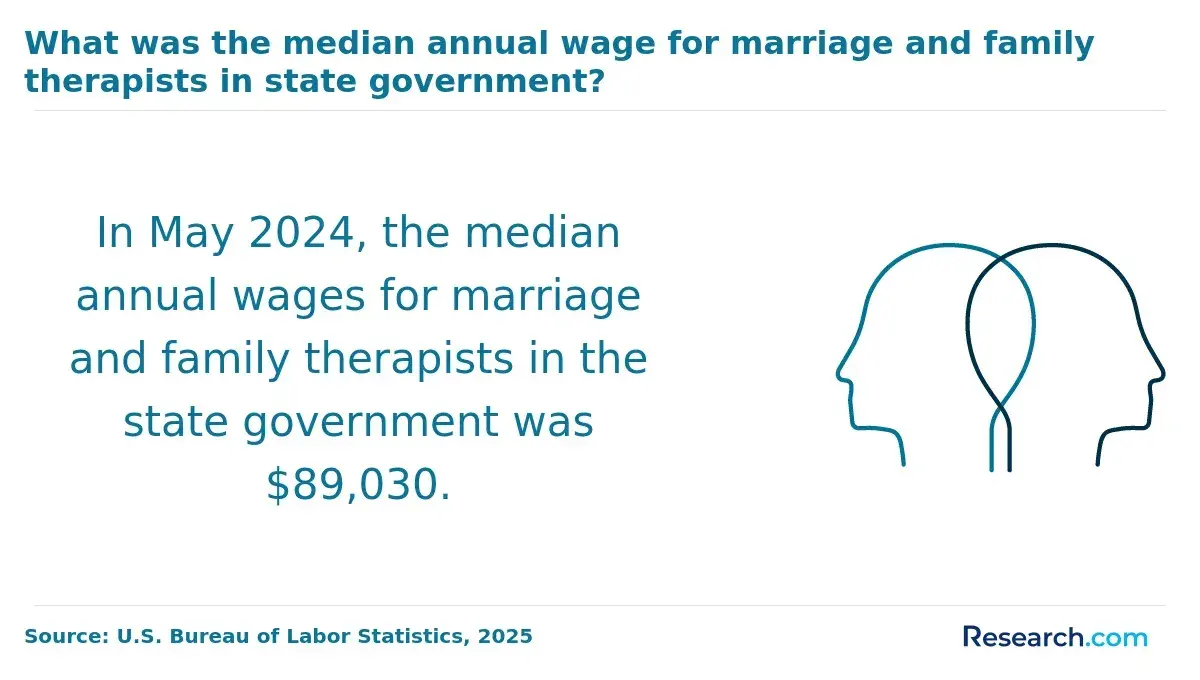
In Missouri, the average licensed marriage and family therapist salary varies widely, reflecting factors like experience, location, and employer type. Recent data shows that MFT professionals can earn between $52,000 and $60,000 annually on average, with opportunities for growth in more competitive markets. Understanding these salary dynamics is key to navigating your career path effectively.
Here are several important points to consider about missouri mft salary and career outlook:
- Entry-Level Salaries: New MFTs in Missouri typically start between $40,000 and $45,000 per year. This range reflects the foundational stage of the career where gaining experience is crucial.
- Experienced Practitioners: Therapists with several years of experience and advanced certifications often earn upwards of $65,000 annually, benefiting from enhanced skills and reputations.
- Geographic Impact: Urban centers like St. Louis and Kansas City tend to offer higher salaries compared to rural areas, where cost of living adjustments may balance out lower wages.
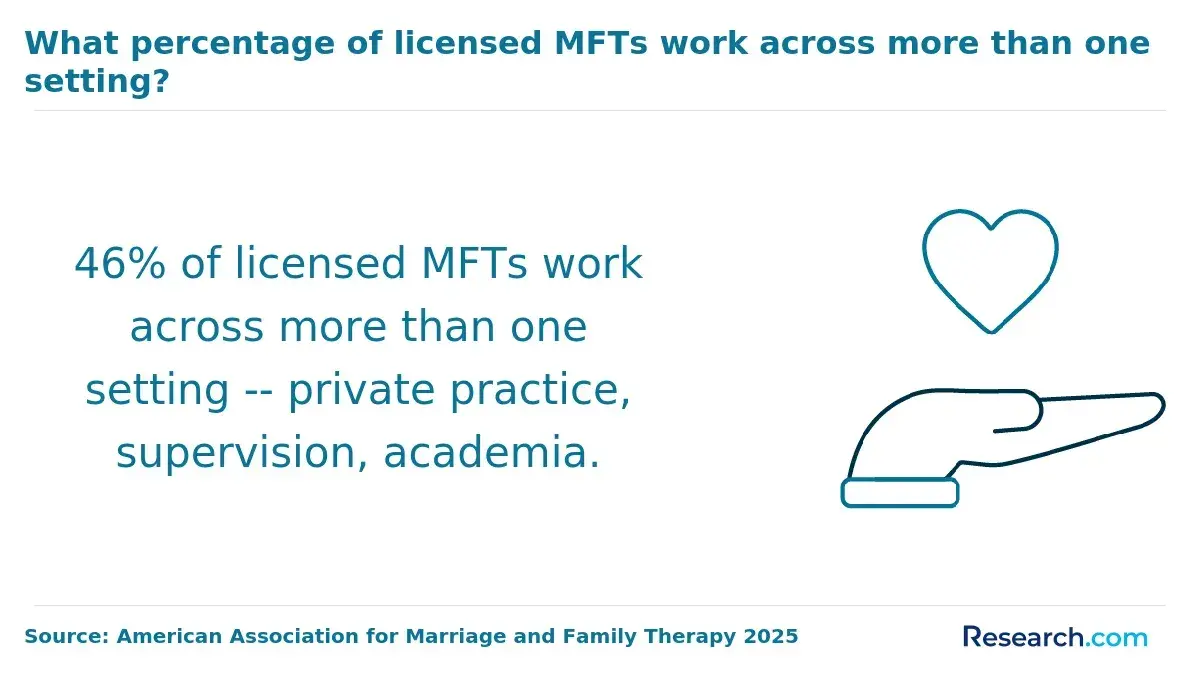
- Employment Settings: Private practice and specialized clinics usually provide better pay rates compared to state agencies or non-profits, reflecting differences in funding and client base.
- Career Growth: Increasing mental health awareness and insurance coverage are driving a positive salary trend for MFT professionals statewide.
For those considering a counseling degree, exploring what are some jobs you can get with a counseling degree can offer valuable insights into related career opportunities beyond therapy itself.
What Graduates of MFT Programs in Missouri Say About Their Degree
- The on-campus MFT program in Missouri gave me the solid foundation I needed to start my counseling career at Lincoln Elementary School. The hands-on experience I gained working closely with faculty and local families was invaluable. I have always been passionate about supporting children's emotional and social growth, and this program helped me channel that passion into effective interventions. The community-oriented approach of the curriculum truly reflected Missouri's diverse needs, preparing me to make a meaningful impact every day. - Jireh
- Completing my MFT degree online in Missouri allowed me to balance work and study, which was essential for my professional development. The flexibility of the program helped me stay on track while advancing into a higher leadership role in the academic field. Missouri's emphasis on culturally responsive training gave me the tools to adapt my practice to meet the challenges unique to this region. I appreciate how the program's focus on evidence-based approaches has empowered my career growth and increased my confidence as a leader. - Anwar
- The personal growth I experienced during my on-campus MFT studies in Missouri was transformative. The program's connection to local community resources gave me unique insight into the state's rural populations and family dynamics. After graduation, I felt inspired to contribute positively to the well-being of youth in my area, which has been both challenging and deeply rewarding. This journey also opened doors for further professional development and sparked a lifelong commitment to advocacy within Missouri's social fabric. - Gela
Related Articles for Nearby States
- 2027 Best Marriage and Family Therapy (MFT) Programs in Kansas: Online & Campus
- 2027 Best Marriage and Family Therapy (MFT) Programs in Iowa: Online & Campus
- 2027 Best Marriage and Family Therapy (MFT) Programs in Nebraska: Online & Campus
- 2027 Best Marriage and Family Therapy (MFT) Programs in Arkansas: Online & Campus
- 2027 Best Marriage and Family Therapy (MFT) Programs in Oklahoma: Online & Campus
- 2027 Best Marriage and Family Therapy (MFT) Programs in Illinois: Online & Campus
- 2027 Best Marriage and Family Therapy (MFT) Programs in Kentucky: Online & Campus
- 2027 Best Marriage and Family Therapy (MFT) Programs in Tennessee: Online & Campus
- 2027 Best Marriage and Family Therapy (MFT) Programs in Indiana: Online & Campus
- 2027 Best Marriage and Family Therapy (MFT) Programs in South Dakota: Online & Campus
References:
- Modality: On Campus - Graduate School https://gradschool.missouri.edu/degreelocation/on-campus/
- MFT Programs in Missouri https://www.counselingpsychology.org/counseling/degrees/mft/missouri/
- 30+ MFT Scholarships & Resources to Help You Graduate with Less Debt https://www.onlinemastersdegrees.org/student-resources/marriage-and-family-therapy-mft/
- How To Start A Mental Health Practice In Missouri | Belongly https://www.belongly.com/state/how-to-start-a-mental-health-practice-in-missouri/
- Licensed Marriage and Family Therapist (LMFT) Salary in St. Louis, Missouri, United States (2025) - ERI SalaryExpert https://www.salaryexpert.com/salary/job/licensed-marriage-and-family-therapist-lmft/united-states/missouri/st-louis
- Marriage and Family Therapy Programs in Missouri [2025] - Best Accredited Online MFT Degrees in Missouri https://www.psychologyschoolguide.net/marriage-and-family-therapy-degrees-missouri-accredited-mft-programs/
- Master of Arts in Marriage and Family Therapy https://www.amridgeuniversity.edu/academics/humanservices/mamarriagefamilytherapy/
- MFT Programs in Missouri | COAMFTE/No GRE Masters LMFT https://onlinemftprograms.com/missouri/
- Master’s in Counseling vs. Psychology: Which Degree Is Right for You? - Counseling Degrees Online https://www.counselingdegreesonline.org/faq/masters-in-counseling-vs-psychology
- Requirements To Become A Licensed Counselor In Missouri https://www.psychology.org/counseling/licensure/missouri/
Other Things You Should Know About Marriage and Family Therapy (MFT) Programs in Missouri
The top Marriage and Family Therapy (MFT) programs in Missouri in 2027 are determined by factors such as program accreditation, faculty qualifications, clinical placement quality, student-to-faculty ratio, and graduate success rates. Accreditation by the Commission on Accreditation for Marriage and Family Therapy Education (COAMFTE) is a key credential.
In 2027, several Missouri MFT programs offer flexible online learning options, including the University of Missouri and Saint Louis University. These programs accommodate students' diverse needs, providing opportunities for remote coursework while ensuring comprehensive training in marriage and family therapy.


