
131 Great Examples of Community Service Projects for 2027

Co-Founder and Chief Data Scientist
Community service is one of the most practical ways to support local needs while building skills, relationships, and a stronger sense of purpose. For students, professionals, families, and community groups, the challenge is usually not whether volunteering matters—it is choosing a project that is useful, realistic, ethical, and aligned with the time and abilities available.
A 2025 study found that people who volunteered reported significantly higher psychological well-being, including better emotional and social functioning, than people who did not volunteer. The findings suggest that service can contribute to mental health, connection, and life satisfaction when it is meaningful and well matched to the volunteer’s interests and capacity (Shdaifat et al., 2025).
This guide explains what community service means, how to choose the right project, how to measure impact, and which project ideas fit different interests—from food distribution and tutoring to environmental work, senior support, animal welfare, and fundraising.
Quick Answer: What Are Good Examples of Community Service?
Good community service projects solve a real community need, use volunteers safely and responsibly, and create benefits that can be measured. Common examples include serving meals, tutoring students, organizing cleanup drives, supporting seniors, collecting donations, volunteering at animal shelters, helping at farmers’ markets, fundraising for nonprofits, and participating in public health or safety campaigns.
Recent U.S. volunteering data shows that the most common formal volunteer activities include fundraising or selling items to raise money (26.2%), collecting, preparing, distributing, or serving food (23.6%), general labor or transportation (20.3%), and tutoring or teaching (18.2%) (Corps Network, 2025).
Examples of Community Service: Table of Contents
- Farming and agriculture
- Food collection and distribution
- Teaching and tutoring ideas
- Ideas for health and wellbeing
- Ideas for community safety and crime prevention
- Ideas for community cleanliness and improvement
- Ideas to help the environment and fight climate change
- Fundraising ideas
- Ideas for helping people with special needs/disabilities
- Ideas for helping seniors
- Animals and pet-related ideas
- General labor
What Is Community Service?
Community service is unpaid work performed to benefit a neighborhood, organization, public cause, or specific group of people. It may be organized by schools, nonprofits, religious groups, employers, civic associations, healthcare organizations, local governments, or informal community groups.
You do not need a public administration degree to start or join a service project, although people studying public administration, public policy, education, social work, healthcare, or environmental science often use service projects to connect classroom learning with real community needs. For students in public policy programs, community service can also show how public decisions, local partnerships, and community dialogue work in practice.
Community service and volunteering are often used as similar terms, but they are not always identical. Volunteering usually means freely choosing to help without pay. Community service can also include required service, such as school service hours or court-ordered work assigned as part of a legal penalty. In either case, the project should benefit the community and be carried out safely and ethically.
| Community service type | Best fit for | Examples | Key consideration |
| Direct service | People who want face-to-face interaction | Serving food, tutoring, visiting seniors | Requires reliability, empathy, and clear boundaries |
| Environmental service | People who enjoy outdoor or sustainability work | Tree planting, recycling education, beach cleanups | May require safety planning, permits, or equipment |
| Skill-based service | People with specialized abilities | Web design, grant writing, translation, photography | The nonprofit’s needs should guide the work |
| Fundraising and advocacy | People who prefer organizing, communication, or outreach | Crowdfunding, donation drives, awareness campaigns | Transparency and accurate reporting are essential |
| Behind-the-scenes support | People who prefer administrative or logistics roles | Sorting donations, scheduling volunteers, data entry | Often less visible but highly valuable |
Volunteer Activity Most Often Performed

How Can You Measure the Impact of Community Service?
The best community service projects define success before the work begins. Start with a clear goal, identify who will benefit, decide what data you can realistically collect, and ask the community whether the project is actually useful.
Useful measures include volunteer hours, number of people served, meals delivered, pounds of trash collected, funds raised, supplies distributed, students tutored, or households reached. These numbers are helpful, but they do not tell the whole story. Add qualitative feedback from participants, partner organizations, and community members to understand whether the project solved the right problem.
People who want formal training in evaluation, nonprofit operations, or social impact measurement may also compare flexible graduate options such as one year online masters programs, especially if they plan to manage larger programs or pursue leadership roles in public service.
Why Do Community Service?
Community service benefits the people and places receiving support, but it can also help volunteers grow personally, academically, and professionally. The value depends on the quality of the project, the amount of commitment, and whether the work is aligned with genuine community needs.
Personal growth and stronger community connections
Service can help volunteers step outside their normal routines, meet people from different backgrounds, and understand local issues more directly. A student who spends most of the week in classrooms may find outdoor service, such as tree planting or park cleanup, refreshing and motivating. An employee whose company operates in a neighborhood may use service work to build a more responsible relationship with that community.
Career exploration and professional skills
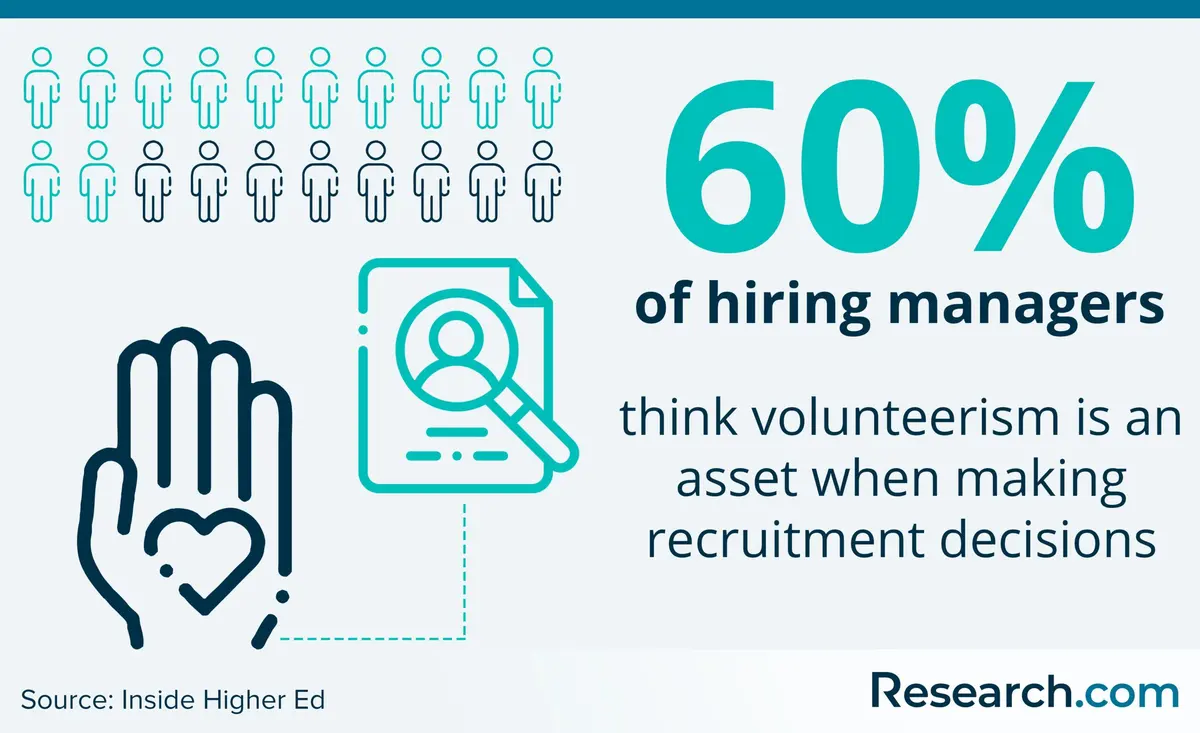
Volunteer work can help people test interests before choosing a major, career, or graduate program. Tutoring may point someone toward education. Food insecurity work may lead to public health or social services. Environmental cleanup projects may spark interest in sustainability or policy. According to a Forbes-cited report, 60% of hiring managers consider volunteerism as an asset when making recruitment decisions.
Some volunteers eventually create their own nonprofit or community group when they see a need that existing services do not address. Before choosing a formal name, founders should learn how to find out if a business name is taken and understand registration, governance, and reporting requirements.
Mental and physical well-being
Well-matched volunteering can reduce isolation, create a sense of usefulness, and connect people with supportive networks. Some service work also encourages movement, outdoor time, and routine. Animal welfare volunteering, for example, can be especially meaningful for people who enjoy animals but cannot keep pets at home.
How Community Service Can Support Career Goals
Community service should not be treated as a guaranteed career shortcut, but it can strengthen a resume when the experience is relevant, sustained, and specific. Employers are more likely to value service when applicants can explain what they did, what skills they used, and what results they helped produce.
| Career benefit | How community service helps | How to describe it professionally |
| Leadership | Coordinating volunteers, managing schedules, or leading a small team | “Organized a volunteer team of students for a neighborhood cleanup project.” |
| Communication | Explaining instructions, contacting partners, or creating outreach materials | “Prepared community flyers and coordinated updates with nonprofit staff.” |
| Project management | Planning timelines, tracking supplies, and solving logistics problems | “Managed donation inventory and distribution for a local food drive.” |
| Career testing | Trying work related to education, health, environment, or social services | “Tutored elementary students weekly to explore an education career path.” |
| Networking | Meeting nonprofit staff, civic leaders, mentors, and other volunteers | “Built relationships with local partner organizations through recurring service.” |
Students comparing academic and career pathways can also review highest paying majors, but income potential should not be the only factor. Service experience can help clarify which fields match a person’s values, strengths, and long-term goals.
Examples of Community Service Projects
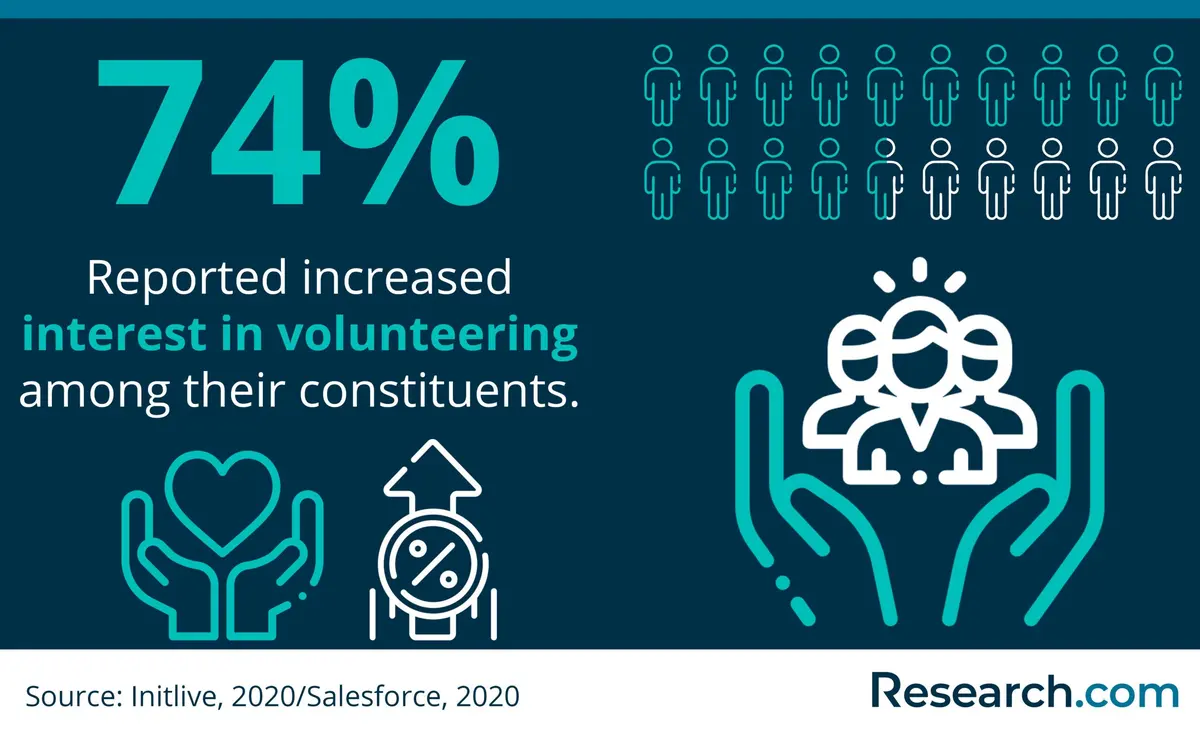
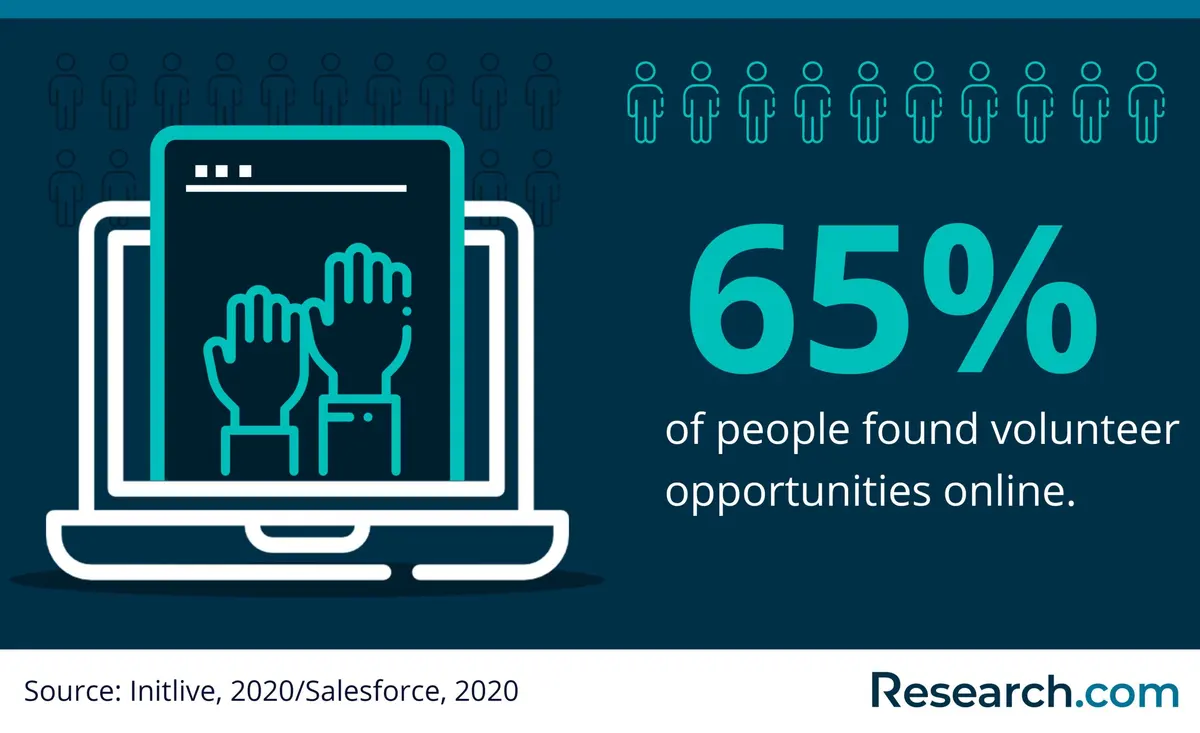
Community service can be short-term, recurring, local, virtual, skill-based, or physically hands-on. A nonprofit trends report found that 74% of nonprofit organizations said constituents’ desire to participate in their activities increased. Online search has also made volunteering easier to access, with 65% of people finding volunteer opportunities online.
Use the following ideas as a starting point, then confirm what local organizations actually need before recruiting volunteers or collecting supplies.
Farming and Agriculture
- Volunteer at farmers’ markets by helping with setup, visitor support, and cleanup. The Center for Urban Education about Sustainable Agriculture is one example of an organization connected to sustainable agriculture education.
- Offer cooking demonstrations or handmade product workshops during a farmers’ market or community food event.
- Help on an organic farm through opportunities such as Worldwide Opportunities on Organic Farms-USA, which connects volunteers with farming experiences.
- Assist with harvesting, weeding, pruning, or seasonal planting.
- Support ranch or farm animal care under proper supervision.
- Use carpentry or repair skills to help with basic maintenance on farm sites.
- Lead or assist workshops on vegetable planting, composting, or organic farming.
- Create photos or videos that farms can use to show their products and mission online.
- Build bee houses or pollinator habitats where appropriate.
- Help small farms or community growers market and sell harvested produce.
- Explore additional places to volunteer for farming and agriculture work.
- Start a community garden that promotes urban gardening and shared food production.
Food Collection and Distribution
- Prepare, pack, or serve meals for local feeding programs.
- Work with groups that reduce food waste, such as Food Forward, which rescues surplus produce.
- Volunteer at a local food bank or with a hunger-relief organization such as Feeding America.
- Collect shelf-stable food donations for shelters, community pantries, or outreach teams.
- Assemble grocery baskets with essential items for families or individuals referred by a local organization.
- Serve meals through a soup kitchen or program such as the Grand Central Food Program, which has provided free meals for over three decades.
- Organize or join a holiday meal program for people experiencing homelessness or isolation.
- Deliver meals or groceries through services such as Food and Friends.
- Create easy-to-understand materials about food safety and basic nutrition.
- Develop a free nutrition counseling project with qualified professionals.
- Coordinate a Thanksgiving dinner for people who may not be able to cook or gather with family.
Teaching and Tutoring Ideas
- Tutor children in reading, math, music, sports, or social-emotional skills through local programs or organizations such as Jumpstart.
- College students interested in education can explore TeachForAmerica for opportunities connected to public school teaching, training, compensation, and student loan deferments.
- Support educator development through organizations such as Learning Forward, which focuses on professional learning for teachers, principals, and school staff.
- Run a resume-writing workshop for jobseekers.
- Host free reading sessions at a public library or after-school program.
- Support education projects such as Classrooms with a Cause.
- Create a life-skills workshop for children or teens.
- Collect used electronic devices and donate them through a trusted school or nonprofit serving students in need.
- Join or develop a teen counseling support initiative with trained professionals.
- Prepare simple guides that help community members learn technology or workplace skills.
- Teach learners how to use a learning management system or LMS.
Health and Wellbeing Ideas
- Organize a community health event offering free screenings or checkups with licensed providers.
- Assemble portable first-aid kits for distribution through schools, shelters, or community centers.
- Offer beginner-friendly wellness classes such as yoga, pilates, or low-impact home exercises. Organizations such as The Women’s Club of Raleigh can provide examples of health and wellness service work.
- Teach plant-based cooking or create educational materials about vegan meals and recipes.
- Volunteer in physical therapy, rehabilitation, or public health programs. You can search for more public health opportunities at PublicHealth.org.
- Share safe, practical wellness skills such as making natural soaps, candles, or aromatherapy products.
- Lead free meditation or stress-management sessions.
- Create a peer support group for people dealing with substance abuse, gambling, alcoholism, or other addictions, with appropriate professional guidance.
- Help children and adults learn habits that support dental health.
- Volunteer with disease awareness campaigns and share evidence-based wellbeing practices, including the scientific benefits of gratitude.
- Promote public health messages using official resources such as Healthy People 2030.
Community Safety and Crime Prevention Ideas
- Offer free self-defense lessons with qualified instructors.
- Host educational seminars on drug abuse, depression, mental health, and emotional wellbeing.
- Support organizations serving survivors of domestic violence, such as Women Against Abuse.
- Help schools or neighborhoods create emergency procedures for earthquakes, hurricanes, forest fires, or other natural disasters.
- Work with safety-focused organizations such as The Crime Prevention Fund.
- Teach children street safety and neighborhood awareness.
- Volunteer as a school crossing guard if your local program accepts community volunteers.
- Support reentry and employment programs such as The Dannon Project, which works with incarcerated people, unemployed people, homeless people, and others reentering society.
- Join crime prevention outreach events in partnership with local agencies.
- Volunteer as a firefighter if your community has a formal volunteer fire service.
- Teach children how to stay safe when home alone, with parent and school approval.
- Create CPR, Heimlich maneuver, or life-saving skills classes led by certified trainers.
Community Cleanliness and Improvement Ideas
- Recruit neighbors to pick up litter and clean shared public spaces.
- Clean, repaint, or improve a local playground or park with permission from the property owner or city.
- Support street lighting improvement projects where local authorities approve the work.
- Collect supplies for families affected by fires, hurricanes, or other disasters.
- Join campaigns for safer bike lanes and sidewalks, and learn from organizations such as World Bicycle Relief.
- Volunteer for small home repair programs serving households that need assistance.
- Support Clean the World projects such as hygiene kit assembly, soap making, and distribution of bottled amenities to communities in need.
- Plant flowers or maintain public garden areas with local approval.
- Collect cleaning supplies for a neighborhood cleanup day.
- Start a cleanup group and use organizations such as CleanupGiveBack.org for inspiration.
Environmental and Climate Action Ideas
- Organize a river, beach, lake, or ocean cleanup.
- Plan a tree planting project with the correct species, season, and local permission.
- Support clean water organizations such as Generosity.org.
- Teach waste reduction, recycling, and composting in schools or community centers. For some volunteers, this may lead to interest in environmental careers.
- Create a campaign explaining how to handle hazardous household waste safely.
- Start a water monitoring project and teach basic water quality methods. Students planning a study can review what is empirical research before collecting data.
- Join conservation or climate action organizations such as 350.org or the Sierra Club.
- Support plastic pollution initiatives through groups such as Plasticpollutioncoalition.org.
- Share eco-friendly skills, such as plant-based cooking, DIY natural beauty products, or clothing and accessories made from recycled materials.
- Volunteer as a trekking or nature guide where training and safety rules are in place.
- Support projects that introduce renewable energy to schools, homes, or community facilities.
Fundraising Ideas
Fundraising can support shelter programs, disaster recovery, hospital equipment, nursing home activities, river cleanup projects, animal welfare, or other community needs. The most important rule is transparency: donors should know where the money goes, how it will be used, and who is responsible for reporting results.
- Create or share a fundraiser through platforms such as GofundMe.
- Ask businesses to match donations when possible. Donation matching can encourage giving because contributions may be doubled or tripled depending on the match. The Leukemia and Lymphoma Society is one organization connected to donation matching and fundraising.
- Organize a fundraiser for foster animals.
- Host a Chili Cook-Off to raise money and bring neighbors together.
- Run a silent auction with donated goods or services.
- Host a virtual event when in-person gathering is difficult or costly.
- Research charities through resources such as America’s Charities.
- Launch a crowdfunding campaign for a clearly defined community project.
- Sell custom t-shirts to support a cause.
- Sell artwork online through platforms such as Etsy, Redbubble, or Society6.
Ideas for Helping People With Special Needs or Disabilities
- Read books to people who are visually impaired through an approved program.
- Create a buddy program matching volunteers with people who have special needs, with proper training and supervision.
- Collect learning materials or school supplies for special needs classrooms.
- Develop educational materials that teach community members how to support people with disabilities respectfully.
- Join disability advocacy organizations such as The Arc.
- Create a listening or peer support group for people with disabilities, guided by accessibility and confidentiality standards.
- Look for service opportunities through Volunteers of America.
- Organize tutoring for children with learning disabilities using trained tutors and appropriate materials.
- Support autism-focused organizations such as The Autism Project.
- Lead an inclusive art project for children with special needs.
Ideas for Helping Seniors
- Drive seniors to doctor’s appointments through a vetted transportation program.
- Pick up medicine or essentials for an elderly neighbor. Organizations such as the Institute on Aging and Meals on Wheels America focus on supporting older adults.
- Help elderly neighbors with light household chores.
- Organize game nights, craft sessions, or social events at senior homes.
- Volunteer at senior facilities through programs such as American Senior Communities.
- Teach basic computer skills to older adults.
- Run cybersecurity workshops that help seniors identify scams and protect personal information.
- Gather friends to perform music or visit seniors in a nursing home.
- Make blankets or quilts for older adults.
- Walk with seniors or assist with gentle exercise programs where appropriate.
Animal and Pet-Related Ideas
- Offer dog walking for neighbors or shelters that need support.
- Volunteer at an animal shelter by cleaning, feeding, socializing animals, or helping visitors.
- Assist wildlife rescue programs. You can search this list of wildlife rehabilitators by state.
- Join programs that protect marine animals.
- Support animal welfare organizations such as The Humane Society of the United States, Animal Friends of the Valleys, and The Animal Foundation.
- Organize a toy drive for shelter animals.
- Help animal welfare groups with office or administrative work.
- Set up approved donation points for pet food.
- Care for a neighbor’s pet during illness, travel, or emergencies.
- Start or join a community dog wash fundraiser.
- Offer mobile pet grooming services if you have the training and equipment.
- Foster a pet until a permanent home is found.
General Labor and Skill-Based Service
General labor can include painting, cleaning, repairs, event setup, grocery delivery, donation sorting, or transportation. Skill-based service can be just as useful, especially when nonprofits need writing, photography, website help, translation, accounting support, or social media assistance.
- Write articles or newsletters for organizations connected to causes you support.
- Create a community website or local newsletter.
- Manage social media for a nonprofit that needs communication help.
- Volunteer with groups such as World Vision, Habitat for Humanity, United Way, or YMCA.
- Donate photography services for community events.
- Host events such as bake sales, children’s activities, or hospital patient programs.
- Support veterans’ events by checking the Veterans Affairs event calendar.
- Repair broken appliances, gadgets, or household items if you have the right skills.
- Help with blood drives, National Youth Service Day, Memorial Day, or similar local and national events.
- Paint run-down buildings or improve playgrounds with permission from owners or local authorities.
- Collect used books, clothes, or toys and donate them to a library or charity that accepts those items.
How to Choose the Right Community Service Project
The right project is not always the biggest or most visible one. It is the one that matches a real need, respects the people being served, fits your availability, and uses your strengths responsibly.
| Question to ask | Why it matters | What to do next |
| Who do I want to serve? | Children, seniors, people with disabilities, animals, and unhoused people have different needs and safety considerations. | Choose a population you can support respectfully and consistently. |
| How much time can I commit? | Some projects need one afternoon; others need weekly reliability. | Be honest before signing up so organizations can plan correctly. |
| Do I prefer direct service or behind-the-scenes work? | Not everyone wants public-facing roles, and administrative help is often essential. | Ask nonprofits where they have the greatest need. |
| What skills can I offer? | Writing, technology, tutoring, repairs, language skills, and logistics can increase impact. | Offer specific skills instead of saying only that you “want to help.” |
| Is the organization credible? | Volunteers should know who manages funds, safety, data, and participants. | Review the organization’s mission, policies, staff contacts, and volunteer expectations. |
How to Create Your Own Community Service Project
If no existing opportunity fits the need you see, you can start a small project. Keep it manageable. A focused project with clear goals is usually more effective than a vague effort that tries to solve everything at once.
- Identify the need: Talk to residents, nonprofits, schools, local agencies, or community leaders before deciding what to do.
- Define the goal: Set a specific target, such as meals prepared, funds raised, supplies collected, or households served.
- Choose the project scope: Decide whether this is a one-day event, monthly activity, school project, or long-term initiative.
- Plan logistics: Budget for materials, choose an accessible location, create a timeline, and confirm transportation, storage, and safety needs.
- Recruit volunteers: Use social media, local boards, schools, workplaces, and community groups to find people who can commit.
- Assign roles: Name who handles supplies, communications, volunteer check-in, donations, safety, and cleanup.
- Promote responsibly: Use flyers, local media, and online posts without exaggerating impact or exploiting the people being served.
- Run the project: Arrive early, document key activities, adapt when problems arise, and keep communication clear.
- Evaluate results: Compare outcomes with your original goals, collect feedback, and record lessons for the next project.
Common Mistakes to Avoid in Community Service
| Mistake | Why it causes problems | Better approach |
| Starting without asking the community what it needs | The project may solve the wrong problem or duplicate existing services. | Consult local organizations and affected residents first. |
| Collecting unwanted donations | Nonprofits may spend time sorting or disposing of items they cannot use. | Ask for a current needs list before collecting supplies. |
| Choosing a project only because it looks good on applications | Short-term, shallow service may not create real value. | Choose meaningful work you can describe honestly and sustain when possible. |
| Ignoring safety, permits, or supervision | Volunteers and participants can be put at risk. | Confirm liability, permissions, training, and emergency procedures. |
| Measuring only activity, not outcomes | Large numbers do not always mean the project helped. | Track both outputs and feedback from the people served. |
| Assuming online visibility equals credibility | A professional website does not guarantee ethical or effective operations. | Review leadership, financial transparency, policies, and community reputation. |
What Challenges Can Arise in Community Service Projects?
Community service projects can fail when goals are unclear, volunteers are poorly coordinated, or the project is disconnected from community needs. Other common problems include scheduling conflicts, lack of transportation, limited supplies, volunteer burnout, unclear leadership, and difficulty proving long-term impact.
To reduce these risks, define responsibilities early, keep communication simple, create backup plans, and evaluate the project during—not only after—the work. People building operational skills may compare educational options such as the fastest associates degree online, but practical experience, community listening, and consistent follow-through remain essential.
How Can You Make Community Service Initiatives Last?
Long-term service requires more than enthusiasm. Projects last when they have shared leadership, realistic funding, documented processes, recurring volunteers, and a system for checking whether the community still needs the same type of support.
Build continuity by training new leaders, storing contact lists and templates, diversifying funding, and reviewing results regularly. Volunteers balancing education and service may look into flexible pathways such as the quickest way to get associate's degree, especially if they need a schedule that leaves room for community commitments.
How Can You Keep Community Service Legal and Ethical?
Legal and ethical planning protects volunteers, participants, donors, and partner organizations. Depending on the project, you may need permits, background checks, liability coverage, parental consent, food handling procedures, transportation rules, accessibility planning, or data privacy safeguards.
Ethical service also means respecting dignity. Do not take or publish photos of vulnerable people without consent. Do not promise outcomes you cannot deliver. Do not collect personal information unless it is necessary and protected. Larger initiatives may benefit from advisory oversight, written policies, and professional training. Readers studying complex governance or compliance topics can also compare advanced options such as the easiest PhD to get, while remembering that ethical judgment must be practiced in real situations.
How Can Community Service Experience Improve Career Prospects?
Community service can help career prospects when it demonstrates relevant skills, consistent commitment, and measurable contributions. It is most useful when connected to the field someone wants to enter, such as tutoring for education, health outreach for public health, animal shelter work for veterinary interests, or sustainability projects for environmental roles.
Service can also complement formal education. For example, a student comparing highest paying associate degrees may use volunteer experience to understand which industries fit their interests before investing time and money in a program.
What Role Can Competency-Based Education Play in Community Service Leadership?
Competency-based education focuses on demonstrating specific skills rather than only completing seat time. For community service leaders, this model may be useful when the goal is to build practical abilities in planning, budgeting, communication, evaluation, and team coordination.
Students or professionals who want structured training tied to real-world outcomes can explore competency based masters options and compare whether the curriculum includes project management, nonprofit leadership, data analysis, or public service applications.
How Can You Secure Funding and Partnerships for Community Service Projects?
Funding and partnerships are often necessary when a project needs supplies, transportation, space, food, equipment, insurance, or professional support. Start locally. Schools, neighborhood associations, small businesses, civic clubs, faith organizations, and municipal agencies may be willing to contribute if the project is specific and credible.
- Write a short proposal that explains the need, goal, timeline, budget, and expected results.
- List exactly what you need: money, volunteers, space, transportation, food, equipment, or promotion.
- Create a simple reporting plan so donors and partners know how results will be shared.
- Ask for in-kind support, not only cash donations.
- Build relationships before asking for large commitments.
People who want to strengthen resource management skills may also compare advanced programs such as the shortest master's degree, especially if they plan to manage nonprofit, civic, or public-sector initiatives.
How to Use Community Service for Education Advancement
Community service can strengthen education applications when it shows initiative, responsibility, leadership, and alignment with academic goals. Admissions committees may value applicants who can explain what they learned from service, how they contributed, and how the experience shaped their goals.
For working adults or students who want to continue serving while studying, flexible online programs may be worth comparing. Cost still matters, so applicants should review accreditation, support services, transfer policies, and total expenses—not just tuition. Researching cheapest online master's degree options can be one starting point for affordability comparisons.
Questions to Ask Before Joining a Community Service Project
- What community need does this project address?
- Who asked for this help, and how were community members consulted?
- What will volunteers actually do?
- How much time is required?
- Will training, supervision, or background checks be required?
- Are there safety risks, and how are they managed?
- Is the project accessible to volunteers and participants with disabilities?
- How will donations, funds, or supplies be tracked?
- How will impact be measured and reported?
- Can I use my current skills, or will I need new training?
Key Insights
- Community service works best when it starts with a real need. Ask local organizations and community members what would actually help before collecting supplies or recruiting volunteers.
- The most common formal volunteer activities include fundraising, food-related work, general labor or transportation, and tutoring. Recent data reports 26.2%, 23.6%, 20.3%, and 18.2% for these activities, respectively.
- Service can support well-being and connection. A 2025 study linked volunteering with higher psychological well-being, including stronger emotional and social functioning.
- Career benefits depend on relevance and reflection. Volunteer work is more valuable professionally when you can explain your role, skills, results, and connection to your goals.
- Online search has made opportunities easier to find. With 65% of people finding volunteer opportunities online, students and professionals can compare local, remote, short-term, and recurring options more easily.
- Ethics matter. Good intentions do not replace consent, safety planning, transparency, accessibility, and respect for the people being served.
- Start small if you are creating your own project. A focused, well-run effort with measurable results is usually better than an ambitious project without clear ownership or follow-through.
References:
- Sneed, R. S., & Cohen, S. (n.d.). A prospective study of volunteerism and hypertension risk in older adults. Psychology and Aging, 28(2), 578586. https://doi.org/10.1037/a0032718
- Salesforce (n.d.). 2nd Edition Nonprofit Trends Report. Salesforce.org.
- InitLive (n.d.). 15 volunteer statistics every nonprofit needs to know. InitLive Blog.
- Shdaifat, E., Alotaibi, A., Alshowkan, A., AlKhunaizi, A., & Abu‑Sneineh, F. (2025). Understanding the effects of volunteering on well‑being: Subjective, psychological, and social well‑being, gratitude, and loneliness. BMC Public Health, 25(1), 4051. https://doi.org/10.1186/s12889-025-25396-z
- Corps Network. (2025). Volunteering among Americans hits 5‑year high – The Corps Network. https://corpsnetwork.org/volunteering-among-americans-hits-5-year-high-2/ https://doi.org/10.1186/s12889-025-25396-z
Other Things You Should Know About Community Service Projects
Even with limited time, you can engage in impactful community service projects. Consider micro-volunteering opportunities, such as virtual tutoring, writing letters to seniors, or participating in community clean-up events. Many projects are designed to accommodate busy schedules while allowing you to make a meaningful difference.
Examples of environmental community service projects for 2027 include organizing local tree planting events, participating in beach clean-up events, supporting community gardens, promoting recycling drives, engaging in wildlife conservation efforts, and launching energy-saving campaigns. These activities not only improve local ecosystems but also raise environmental awareness.
Community service opportunities can be found through local organizations, schools, nonprofits, and online platforms. Websites like GofundMe, Volunteers of America, and local government websites often list volunteer opportunities.
There are various types of community service projects available, including those related to agriculture, food distribution, education, health and well-being, community safety, environment, fundraising, special needs, senior care, animal welfare, and general labor.
When selecting a community service project, consider its impact and alignment with your values and skills. Ensure the project addresses a genuine community need and provides opportunities for learning and growth. Additionally, assess its feasibility regarding your available time and resources to ensure a sustainable commitment.
Yes, community service can improve mental and physical health. Volunteering can reduce stress, combat depression, keep you mentally stimulated, and provide a sense of purpose. Physical activities involved in some community service projects can also contribute to physical health.


