
Interesting Debate Topics for College Students for 2027: Education, Technology & Politics

Co-Founder and Chief Data Scientist
Choosing a debate topic is often harder than preparing the opening statement. A strong topic gives both sides enough room to build evidence-based arguments, keeps the audience interested, and helps students practice the kind of reasoning they need in college, careers, and civic life. A weak topic, even if it sounds controversial, can collapse quickly if one side has little credible evidence or if the question is too broad to debate well.
The best college debate topics are arguable, researchable, current, and specific. Before committing to a motion, students should check whether there are credible sources on both sides, whether the topic can be narrowed into a clear claim, and whether the available evidence supports more than one reasonable research conclusion.
This guide gives you debate prompts across education, technology, science, politics, the environment, society, ethics, and career development. It also explains how to select the right topic, avoid common mistakes, and turn a broad idea into a focused debate question that can sustain a serious discussion.
Debate Topics: Table of Contents
- Education debate topics
- Technology debate topics
- Science debate topics
- Politics debate topics
- Environmental debate topics
- Society debate topics
- Ethics and morality debate topics
- Personal and professional development topics
Debate builds more than confidence at a podium. Students learn to examine assumptions, evaluate sources, write clearer arguments, listen closely, and respond under pressure. These habits align with the skills needed for modern academic and workplace success, including digital literacy, cognitive flexibility, and complex problem-solving (World Economic Forum, 2025).
Research and debate practice can also support academic growth. Debate asks students to interpret data, test claims, and understand how reasonable people can reach different conclusions from the same evidence. Statistics cited in debate education research show that debaters often perform better on standardized literacy and math assessments, strengthening their applications to selective post-secondary institutions (Susman-Peña et al., 2025). The Boston Debate League also reports that 92% of urban high school debaters graduate and 99.1% go on to four-year colleges, with stronger chances of receiving merit-based scholarships (Boston Debate League, 2025).
Use the following prompts as starting points. For classroom use, rewrite any question into a formal motion, define key terms, and make sure both sides can rely on evidence rather than personal opinion alone.
Quick Answer: What Makes a Good Debate Topic?
A good debate topic asks a clear question, has credible evidence on both sides, matters to the audience, and can be argued within the time limit. The strongest topics are neither one-sided nor purely emotional. They invite students to compare values, facts, policy trade-offs, and real-world consequences.
| A strong debate topic should be... | What that means in practice |
| Balanced | Both affirmative and negative sides can make reasonable, evidence-based arguments. |
| Specific | The question is narrow enough to debate without turning into a vague discussion. |
| Researchable | Students can find current studies, public data, legal sources, expert analysis, or historical evidence. |
| Relevant | The issue connects to students, the class theme, current events, or community concerns. |
| Debatable | The topic involves disagreement over facts, values, policy, ethics, or priorities—not a simple yes-or-no fact. |
1. Education Debate Topics
Education debates work well because students can connect policy questions to their own experiences. Higher education raises major issues around cost, access, debt, completion, and career value. Student loan debt has reached $1.78 trillion (Federal Reserve, 2025), while the average cost of college has increased by 143% since 1963. These numbers give students a strong evidence base for debates about affordability and return on investment.
K-12 education also offers many arguable questions, including school safety, teacher pay, technology use, standardized testing, discipline, curriculum design, school meals, and student privacy. When choosing from this category, narrow the scope by grade level, location, or policy type so the debate does not become too broad.
| Best for... | Education topic angle to consider |
| College students | Tuition, student loans, degree value, online learning, campus mental health |
| Future teachers | School discipline, teacher pay, curriculum design, standardized testing |
| Policy debates | Public funding, school safety, testing mandates, college affordability |
| Technology-focused classes | Student laptops, cellphone bans, AI tools, privacy, online education |
- Is a college credential still necessary for landing a strong career opportunity?
- Should public colleges offer tuition-free education?
- Is taking on student loan debt justified when pursuing a degree?
- Should the government cancel all outstanding student loan debt?
- Should schools employ armed security personnel on campus?
- Should schools require students to participate in drug testing?
- Can performance-based funding reduce college dropout rates?
- Do universities contribute to student anxiety and mental health challenges?
- Does detention actually improve student behavior?
- Should students receive money for high test scores?
- Should schools be required to improve the nutritional quality of lunches?
- Should school football programs be discontinued because of safety concerns?
- Should fast food be prohibited in schools?
- Do private schools provide better outcomes than public schools?
- Should students be responsible for purchasing their own laptops?
- Which models belong on a list of the best laptops for college?
- Does homework meaningfully improve learning?
- Should high school be expanded to six years?
- Would increasing the legal dropout age help students and teachers?
- Should schools prohibit cellphone use during the school day?
- Should schools prioritize math and science over art and music?
- Should schools require LGBT+ inclusive sex education?
- Should teacher salaries be comparable to physician salaries?
- Do standardized tests accurately measure student ability?
- Should religion be included as part of the school curriculum?
- Should standardized testing be eliminated?
- Is homeschooling more effective than classroom-based schooling?
- Should every student be required to learn a second language?
- Should students be allowed to evaluate and grade their teachers?
- Should student ID cards include tracking technology?
- Should school uniforms be compulsory?
- Should teachers be armed to protect students?
- Should schools teach or promote one specific religion?
- Should all schools be coeducational and admit students of all genders?
- Should schools intentionally promote national pride?
2. Technology Debate Topics
Technology debates are especially useful because they combine innovation, ethics, law, business, privacy, and labor-market change. Artificial intelligence, machine learning, cybersecurity, surveillance, social media, and automation all raise questions that do not have simple answers. Students considering careers in information systems can use these topics to understand the human and policy questions behind technical systems.
Strong technology debates should avoid vague claims such as “technology is good” or “technology is bad.” Instead, focus on who benefits, who is harmed, what rules should apply, and what trade-offs society is willing to accept.
- Has technology improved overall quality of life?
- Does artificial intelligence pose a serious danger to society?
- Should employers review applicants’ social media profiles during hiring?
- Do camera-equipped drones improve public safety, or do they violate privacy?
- Should humanity invest more heavily in technologies for settling other planets?
- Has email made communication better?
- Do video games improve cognition, or are their benefits exaggerated?
- Is technology reducing human productivity?
- Should teachers use computer games as classroom learning tools?
- Has technology made people more isolated despite increasing connectivity?
- Should every new car be electric?
- Does technology make people smarter, or does it weaken critical thinking?
- Has social media improved relationships?
- Should net neutrality rules be reinstated?
- Is online education superior to traditional classroom instruction?
- Should robots be granted legal rights?
- Should companies be allowed to collect personal data from users?
- Does technology in the classroom improve learning outcomes?
- Should parents strictly limit children’s screen time and internet use?
- Can laws realistically keep pace with technological change?
- Are businesses paying too little attention to cybersecurity?
- Are Android devices better than Apple devices?
- Do people spend too much money on mobile apps?
- Does technology prevent more crime than it enables?
- Are humans still controlling technology, or has technology started controlling human behavior?
3. Science Debate Topics
Science debate topics work best when students separate scientific evidence from ethical or policy judgments. A question such as “Should human cloning be legalized?” is not only about whether cloning is technically possible; it also involves safety, consent, regulation, inequality, and moral limits.
Students can build strong debates in biology, genetics, medicine, psychology, nutrition, public health, and space science. Science topics also connect to workforce debates, including the growing concern about jobs at risk of automation as scientific and technical systems become more advanced.
| Science topic type | Good debate focus |
| Medical ethics | Consent, access, safety, cost, patient rights |
| Genetics | Gene editing, DNA ownership, cloning, hereditary risk |
| Public health | Vaccination, nutrition policy, fast food regulation, mental health treatment |
| Environmental science | Extinction, conservation, energy, food systems |
| Space and origins | Life beyond Earth, evolution, human exploration |
- Should gene editing be permitted when the goal is preventing disease?
- Should scientists attempt to bring extinct species back?
- Are genetically modified foods beneficial or harmful overall?
- Should animal testing continue to be allowed?
- Should immunization be mandatory?
- Should individuals legally own their DNA data?
- Should stem cell research be expanded?
- Should organs from deceased people be available for transplant without explicit consent?
- Should human cloning be legal?
- Should science prioritize extending the human lifespan?
- Should homeopathic medicine be encouraged?
- Is human behavior determined mainly by genetics?
- Are childhood vaccines safe, or do they involve unacceptable risk?
- Should marijuana be treated as medicine?
- Is life likely to exist beyond Earth?
- Should fast-food chains face stricter nutrition regulations?
- Should fast-food restaurants be held responsible for obesity?
- Should nutrition education be required in elementary and high school?
- Are antidepressants effective treatments?
- Are humans driving animal extinctions, or are extinctions primarily natural evolutionary events?
- Is evolution best described as a theory or as a fact?
- Should trans fats be banned?
- Is being transgender a lived reality or a gender disorder?
- Should psychiatric disorders be treated differently from physical illnesses?
- Is reincarnation possible?
- Is pedigree breeding unethical?
4. Politics Debate Topics
Political debate topics are compelling because they force students to weigh rights, representation, public safety, fairness, and government power. Election questions often make strong classroom motions, including whether the Electoral College should continue or whether the American voting system is sufficiently democratic.
Gun policy is another high-interest debate area, but it requires careful framing. Instead of debating “guns” in general, students can focus on background checks, concealed carry, automatic weapons, school safety, or the relationship between gun regulation and mass shootings.
Immigration, civil liberties, taxation, policing, social programs, election rules, and international relations all provide serious political debate topics. The best political prompts require students to compare constitutional principles, public outcomes, and the practical limits of policy.
- Should gun control laws be made stricter?
- Was Brexit a mistake?
- Should churches and religious organizations be taxed?
- Should police officers receive additional training on the use of force?
- Should Social Security be privatized?
- Does freedom of speech remain essential in a functioning society?
- Can civilian ownership of automatic weapons ever be justified?
- Does patriotism harm international relations more than it helps?
- Should the penny stay in circulation?
- Do electronic voting machines improve elections?
- Is the American voting system truly democratic?
- Should election day become a public holiday?
- Should the Electoral College be eliminated?
- Is Universal Basic Income a practical policy?
- Should the U.S. end all sanctions on North Korea and Iran?
- Should the First Amendment have stronger limits?
- Should juries include 24 people instead of 12?
- Should political discussion be avoided in schools?
- Is a four-year presidential term too long, or should it become six years?
- Should tax laws require wealthy individuals and corporations to pay more?
- Should illegal migrants be considered criminals?
- Should the drinking age be reduced?
- Should the voting age be lowered to 16?
- Should all monarchies be abolished?
- Can dictatorship work effectively in some countries?
- Does the U.S. accept too few refugees?
- Should national public service be compulsory?
- Should all adults be allowed to carry concealed handguns?
- Is DACA beneficial for America?
- Should the U.S. continue using daylight savings time?
5. Environmental Debate Topics
Environmental debates are effective because they connect science, economics, public policy, and personal behavior. Climate change remains one of the most visible topics: a survey conducted in early 2025 found that 72% of American adults said they had noticed warmer temperatures in their own region, compared with 63% in the previous year (Pew Research Center, 2025).
Students can also move beyond the most familiar climate questions and examine plastic waste, organic farming, energy policy, tourism, carbon taxes, wildlife conservation, and hazardous waste. These topics work well when debaters define the policy target: governments, companies, consumers, schools, or international organizations.
- Is global warming a documented fact or a myth?
- Should governments ban plastic bags and plastic packaging?
- Are humans responsible for global warming?
- Should the live export of animals be prohibited?
- Does overpopulation threaten the environment?
- Should governments spend more on alternative energy sources?
- Can vegan diets help reduce global warming?
- Does the Paris Agreement still matter?
- Can climate change still be reversed?
- Are non-chemical cleaning products worth their higher cost?
- Should countries set aside more land for national parks?
- Can alternative energy fully replace fossil fuels?
- Should solar geoengineering be considered as a climate response?
- Do zoos harm the environment more than they help it?
- Should fracking be banned?
- Can organic farming sustainably feed future populations?
- Should the sale of fur be stopped?
- Does tourism help local environments, or should it be restricted to protect them?
- Should governments impose higher taxes on corporate carbon emissions?
- Can clean energy help drive America’s economic recovery?
- Are carbon-reduction investments worth the cost?
- Has the Basel Convention reduced hazardous waste exports effectively?
- Do energy-saving light bulbs meaningfully help the environment?
- Should gasoline prices be raised to encourage energy-efficient vehicles?
- Should mining be banned to protect ecosystems?
A practical test: if one side is obviously easier to defend, the topic may need a narrower motion or a different angle. Strong debates often sit close to an even split between support and opposition.
6. Society Debate Topics
Social issues can produce some of the most engaging debates because they touch everyday life, law, culture, identity, economics, and technology. They also require sensitivity. A topic may be intellectually valid but inappropriate for a particular classroom if it targets classmates’ identities or personal trauma rather than a public issue.
- Is atheism preferable to organized religion?
- At what age should a child receive a smartphone?
- Should the U.S. end the death penalty?
- Can internet censorship ever be justified?
- Should euthanasia be legal?
- Will electronic databases completely replace traditional libraries?
- Should abortion access be available to all women?
- Is censorship sometimes necessary?
- Should drug use be treated as a mental health issue rather than a crime?
- Does nationalism help or harm countries in a globalized world?
- Can peer pressure sometimes have positive effects?
- Should marijuana be legalized?
- Should gay people have the right to adopt children?
- Can graffiti be recognized as serious art?
- Has the #MeToo movement gone too far?
- Should sex work be legal?
- Are people overly dependent on smartphones and computers?
- Should alcoholics be eligible for liver transplants?
- Does religion cause more harm than good?
- Should feminism give more attention to men’s rights?
- Are children from broken families at a disadvantage?
- Should cosmetic procedures be covered by insurance?
- Does botox cause more harm than benefit?
- Are we living in a dystopian society?
- Should couples live together before marriage?
- Should the minimum wage be increased?
- Should smoking be banned?
- Does society place too much pressure on people to have perfect bodies?
- Can stricter gun control reduce mass shootings?
- Should the government provide free birth control?
- Do photoshopped images create harmful beauty standards?
- Which matters more for success: hard work or talent?
- Should parents be permitted to use corporal punishment?
- Should high-sugar foods be taxed at a higher rate?
- Do beauty pageants undermine gender equality?
7. Ethical and Moral Debate Topics
Ethical debates ask students to defend principles, not just preferences. These topics often involve competing values: autonomy versus safety, freedom versus responsibility, profit versus social good, or individual rights versus public welfare. Because moral questions can be sensitive, debate teams should define terms clearly and avoid personal attacks.
Consider these prompts when you want a debate that requires values-based reasoning and evidence:
- Should assisted suicide be legal?
- Can the death penalty be morally defended?
- Should parents be allowed to genetically modify their children?
- Is eating meat ethical?
- Should companies be permitted to put profit ahead of environmental responsibility?
- Is animal use in scientific research morally acceptable?
- Should wealthy countries be required to accept refugees?
- Is taxing sugary drinks and junk food ethical?
- Should governments monitor private communications to protect national security?
- Is the use of human embryos in stem cell research morally acceptable?
- Should people be allowed to sell their organs?
- Is it ethical for doctors to limit treatment for terminally ill patients because of scarce resources?
- Should artificial intelligence systems be banned from warfare?
- Is mandatory vaccination morally justified?
- Should public surveillance technology be more tightly regulated to protect privacy?
How Training Programs Can Improve Debate Research Skills
Debaters improve faster when they learn how to search, evaluate, and organize evidence systematically. Short, structured programs can be useful when they teach source evaluation, data interpretation, argument mapping, writing, or public speaking. Students looking for focused skill-building options can compare short certificate programs that fit their schedule and academic goals.
How to Research a Debate Topic Effectively
Strong debate preparation starts with a balanced research process. Look for peer-reviewed articles, government data, court decisions, policy reports, reputable news analysis, and expert commentary. Then test each source for date, author credibility, methodology, bias, and relevance. Students who need more structure can build these habits through flexible academic options such as accredited self-paced online colleges, especially when courses include research methods, writing, and critical thinking.
| Research step | Why it matters |
| Define the motion | Prevents the debate from drifting into unrelated claims. |
| Collect evidence for both sides | Helps debaters anticipate rebuttals and avoid one-sided preparation. |
| Check source credibility | Reduces the risk of using outdated, biased, or weak evidence. |
| Separate facts from values | Clarifies whether the disagreement is about evidence, ethics, or policy. |
| Prepare rebuttals | Turns research into a usable debate strategy. |
Best Debate Topics for Students Thinking About Careers
Career-related debate topics help students connect academic argumentation to real decisions about college, work, money, and long-term goals. These prompts are especially useful for classes focused on college readiness, economics, technology, communication, or professional development.
- Career preparation versus liberal education: Should colleges emphasize job-specific training more than broad liberal arts learning?
- Internships versus classroom learning: Are internships more effective than traditional coursework for preparing students for well-paid careers?
- Technology and employment: How will AI and automation reshape job markets, and which workers will benefit or be displaced?
- Major choice and income: Should students prioritize the highest paying majors, or should they choose fields based mainly on interest and purpose?
- Work-life balance: Should workers put personal well-being ahead of rapid career advancement?
These topics work best when students compare trade-offs rather than argue in extremes. A useful career debate might consider earnings, debt, job stability, personal fulfillment, family responsibilities, and changing employer expectations.
Can Accessible Bachelor’s Degrees Support Debate Skills?
Bachelor’s programs can strengthen the same skills debaters use: analytical reading, writing, communication, research, and reasoning across disciplines. Students who want a practical academic route should compare program quality, cost, accreditation, transfer credit rules, and career alignment rather than assuming the easiest path is automatically the best one. For context, Research.com’s guide to accessible bachelor’s degree options can help students think about workload and fit.
Can Short-Term Certifications Help Debaters?
Short-term certifications can help when they build specific abilities such as persuasive communication, data analysis, project management, research tools, or presentation design. They should not be chosen only because they are fast. Students should ask whether the credential is recognized, whether it teaches a useful skill, and whether it supports academic or career goals. Research.com’s guide to 3-month certificate programs that pay well can be a starting point for comparing short training options.
Can Dual Degree Programs Expand Debate Perspectives?
Debaters benefit from seeing problems through multiple fields, such as law and technology, economics and public health, or science and ethics. Dual degree options may support that kind of interdisciplinary thinking, but they also require careful planning because they can affect time, cost, and workload. Students interested in combining fields can review Research.com’s guide to dual degree programs.
Can Accelerated Associate Degrees Build Debate-Ready Skills?
Accelerated associate degree programs may help students build foundational skills in writing, communication, social science, business, or technology in a shorter format. For debate preparation, the most useful programs are those that include research assignments, discussion-based coursework, and evidence-based writing. Students comparing faster routes can start with Research.com’s overview of the quickest associates degree options while also checking accreditation, transferability, and workload expectations.
How Academic Choices Can Support Debate and Career Goals
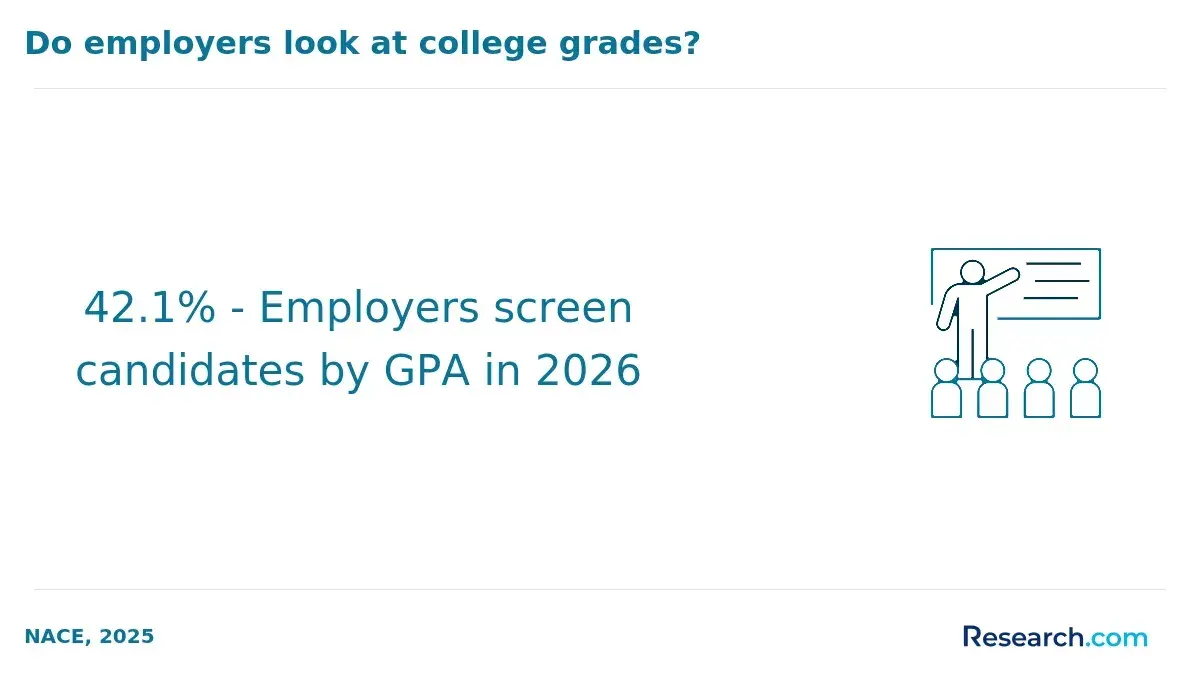
Debate skills and career planning overlap more than many students realize. Research, evidence-based writing, teamwork, persuasion, and public speaking are useful in law, business, education, public policy, technology, healthcare, and media. When evaluating academic investments, students should consider cost, program length, credential value, transfer options, and likely career fit. For career-focused associate pathways, Research.com’s guide to the best paying associate degrees can help frame debates about education costs and employment outcomes.
Personal and Professional Development Debate Topics
Debate topics about personal development help students practice reasoning about real-life choices: money, mental health, work-life balance, leadership, social responsibility, and lifelong learning. These questions are useful because they connect classroom discussion to decisions students will eventually make as workers, voters, consumers, and community members.
Advanced education is one practical area for debate. Students and professionals can argue whether graduate study is worth the cost, whether online learning provides enough flexibility, and how to judge return on investment. Those exploring lower-cost options can compare cheapest online master degree programs as part of a broader discussion about access, affordability, and career growth.
Good development-focused debates do not require students to agree on one definition of success. Instead, they encourage students to defend priorities, such as financial security, social impact, personal well-being, status, flexibility, or intellectual growth.
- Should students choose careers mainly for financial stability?
- Is work-life balance more important than professional advancement?
- Should financial literacy be required before high school graduation?
- Are leadership skills more important than technical skills?
- Should employers be responsible for employees’ mental health?
- Is remote work better for productivity and well-being?
- Should students take a gap year before college?
- Are graduate degrees worth the cost for most professionals?
How to Choose the Right Debate Topic
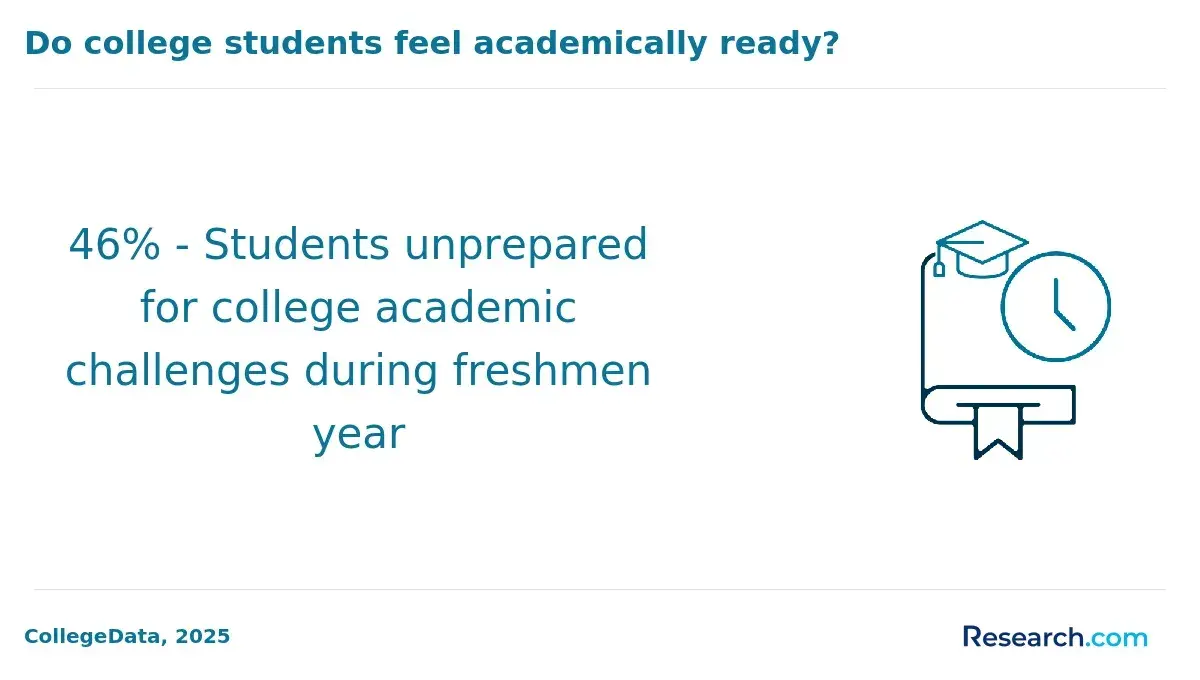
Start by matching the topic to the debate format, audience, time limit, and course goals. A fun topic can work for a short classroom exercise, while a policy debate needs a more precise motion and stronger evidence. Thompson and Zhao (2025) note that opposing sides may use similar materials but interpret them through different frameworks, which is exactly what makes many argumentative debate topics productive.
For a class assignment, choose a topic that benefits the whole room—not just the students debating. Current issues, local school concerns, and community questions usually work well because the audience can understand the stakes. Before finalizing the motion, check whether major studies, surveys, legal sources, or public data exist. Evidence can make the discussion more objective and may help students challenge beliefs that do not easily change even when facts are presented.
Avoid topics that are so personal that classmates may feel attacked or exposed. Debaters must be ready for criticism, rebuttal, and cross-examination. If a topic is too close to your identity, family, trauma, or private beliefs, you may struggle to argue strategically. A useful final question is: Can I hear a strong opposing argument without taking it as a personal insult?
| If your goal is... | Choose a topic that... | Avoid topics that... |
| A lively classroom discussion | Connects to students’ lives and current events | Depends only on personal stories |
| A formal policy debate | Has clear laws, costs, stakeholders, and consequences | Is too broad to resolve in one debate |
| A research-heavy assignment | Has credible data and expert disagreement | Has little reliable evidence |
| A values or ethics debate | Forces students to compare moral principles | Targets classmates personally |
| A beginner-friendly debate | Uses familiar terms and accessible sources | Requires advanced technical knowledge without preparation |
Common Debate Topic Mistakes to Avoid
- Choosing controversy over substance: A shocking topic is not useful if one side has no credible evidence.
- Making the motion too broad: “Is technology good?” is weaker than a focused question about AI hiring tools, school cellphone bans, or drone surveillance.
- Ignoring the audience: A topic should fit the class level, community context, and emotional maturity of the group.
- Using outdated evidence: Current policy and technology debates can change quickly, so check dates and source quality.
- Confusing facts with values: Some debates are about what is true, while others are about what should be done or what is ethical.
- Choosing a topic that is too personal: Debate should challenge arguments, not put classmates’ private lives on trial.
How to Turn a Broad Idea Into a Strong Debate Motion
Many topics in this guide are broad on purpose, so you can adapt them. To make one competition-ready, define the policy, population, location, and standard for success. The more precise the motion, the easier it is to research and judge.
| Broad idea | Stronger debate motion |
| Cellphones in school | Public high schools should ban student cellphone use during instructional hours. |
| College cost | Public four-year colleges should offer tuition-free education to in-state students. |
| Artificial intelligence | Employers should be prohibited from using AI tools as the sole basis for hiring decisions. |
| Climate policy | The federal government should impose higher taxes on corporate carbon emissions. |
| Standardized testing | Universities should remove standardized test scores from undergraduate admissions decisions. |
Key Insights
- The best debate topics are balanced. Choose questions where both sides can make serious arguments using credible evidence.
- Specific motions outperform broad themes. Narrow the topic by policy, population, location, or outcome so the debate stays focused.
- Research quality matters. Strong debaters check source credibility, dates, methodology, and opposing evidence before building their case.
- Debate builds transferable skills. Public speaking, writing, research, listening, and rebuttal practice support academic and career success.
- Current issues create stronger engagement. AI, college affordability, climate policy, school safety, privacy, healthcare ethics, and voting rules all offer timely debate angles.
- Sensitive topics require care. Ethical and social debates should challenge ideas without targeting classmates’ identities or personal experiences.
- A good topic should help the audience think better. The goal is not just to win; it is to clarify trade-offs, test assumptions, and understand why reasonable people disagree.
References
- American Psychological Association. (2025). APA-accredited programs. Source: https://accreditation.apa.org/accredited-programs
- American Psychological Association. (2026). Leadership education and advancement program (LEAP). Source: https://ldi.apa.org/programs/leap-for-early-career-scholars
- American Psychological Association. (2026). Guidelines for education and training. Source: https://www.apa.org/education
- Board of Governors of the Federal Reserve System. (2025). Consumer credit - G.19. Source: https://www.federalreserve.gov/releases/g19/current/
- Boston Debate League. (2025). 2025 impact report: Empowering students through speech and debate. Source: https://www.bostondebate.org/impact/
- Pew Research Center. (2025). Public perceptions of climate change and extreme weather: A 2025 update. Source: https://www.pewresearch.org/science/2025/01/15/americans-increasingly-report-local-climate-impacts/
- Thompson, R., & Zhao, L. (2025). The evolution of dialectical discourse in educational settings. Journal of Contemporary Pedagogical Research, 12(1), 45-62. DOI: https://doi.org/10.1016/j.jcpr.2025.101234
- U.S. Department of Education. (2025). College affordability and transparency. Source: https://collegecost.ed.gov
- U.S. Bureau of Labor Statistics. (2026). Occupational employment statistics. Source: https://www.bls.gov/oes/current/oes_nat.htm
- U.S. Department of Education. (2025). Accreditation in higher education. Source: https://www.ed.gov/accreditation
- World Economic Forum. (2025). The Future of Jobs Report 2025. Source: https://www.weforum.org/reports/the-future-of-jobs-report-2025/
Other Things You Should Know About Interesting Debate Topics for College Students
Researching opposing views broadens understanding and strengthens arguments in a debate. For college students debating topics like Education, Technology & Politics in 2027, this skill is crucial to developing well-rounded perspectives and fostering critical thinking, which are vital for effective and engaging debates.
Participation in debates has been linked to improved academic performance. Debaters often perform better on standardized tests like the ACT and SAT, have higher graduation rates, and are more likely to attend college and receive scholarships.
Engaging debate topics can cover a wide range of fields such as education, technology, science, politics, environment, and society. Examples include the impact of artificial intelligence, the effectiveness of standardized testing, and the ethical implications of gene editing.
Controversial issues are suitable for debates because they stimulate critical thinking and require participants to explore multiple perspectives. This dynamic environment helps college students refine their argumentation skills and engage in productive discourse, which benefits their overall educational experience.


